North America | Arizona
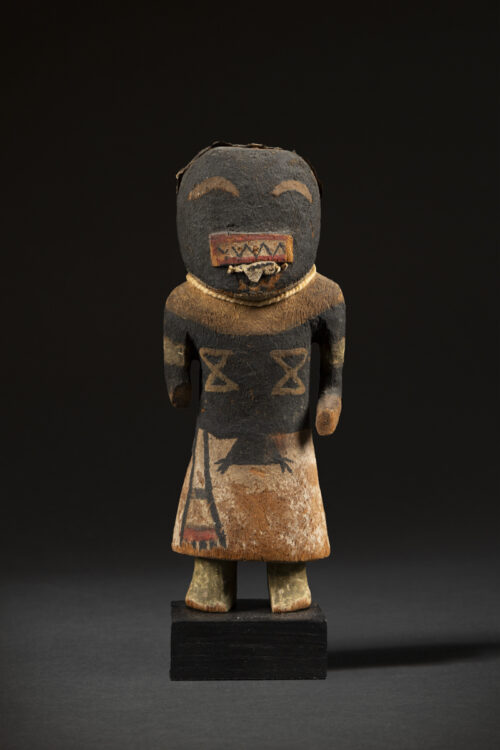
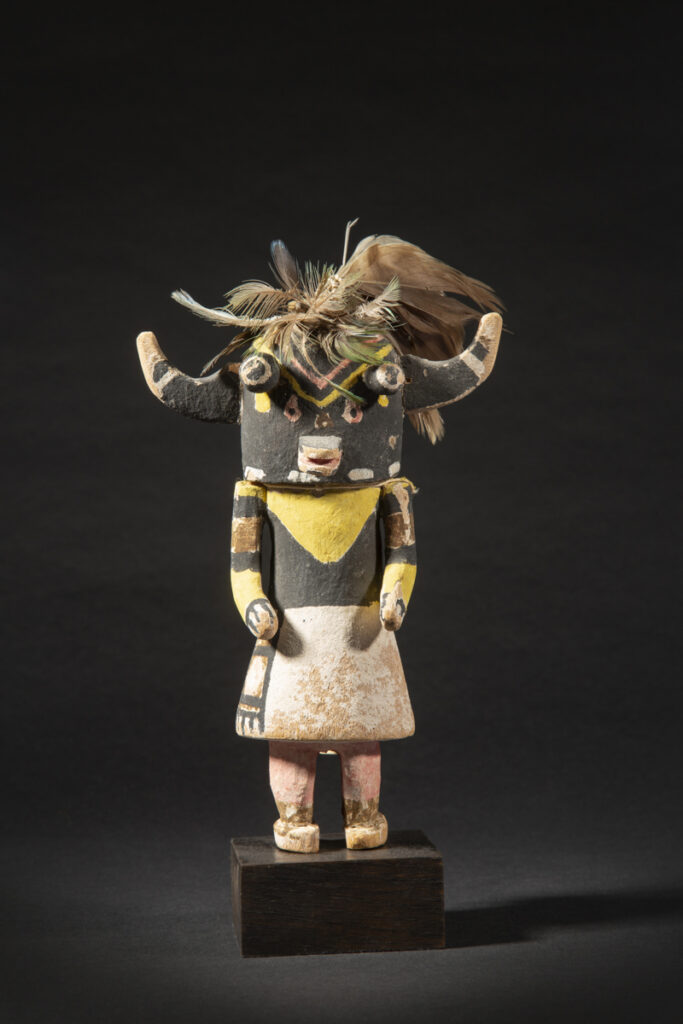
Katsina Doll
Arizona
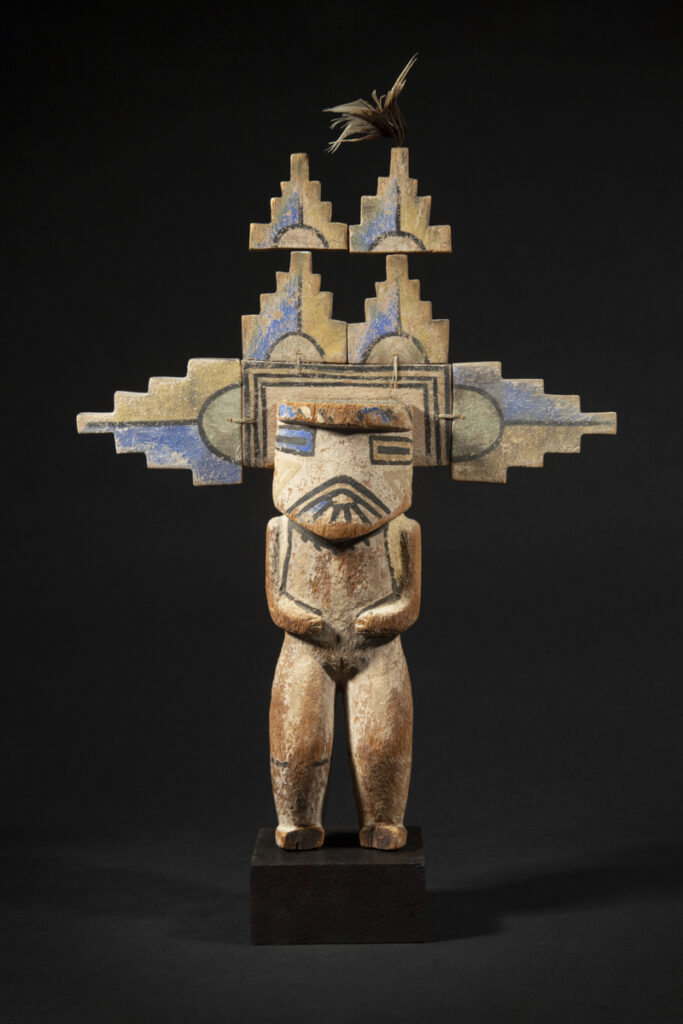
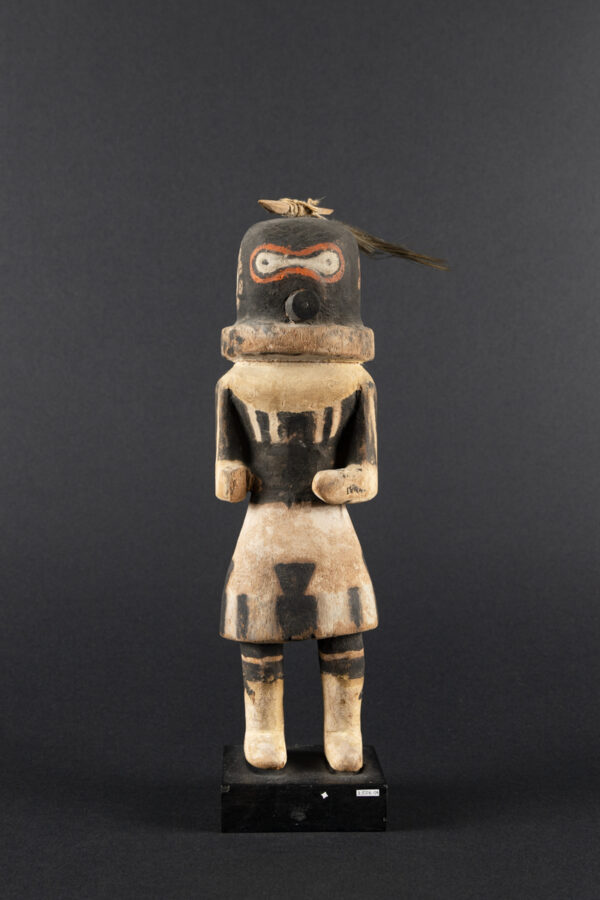
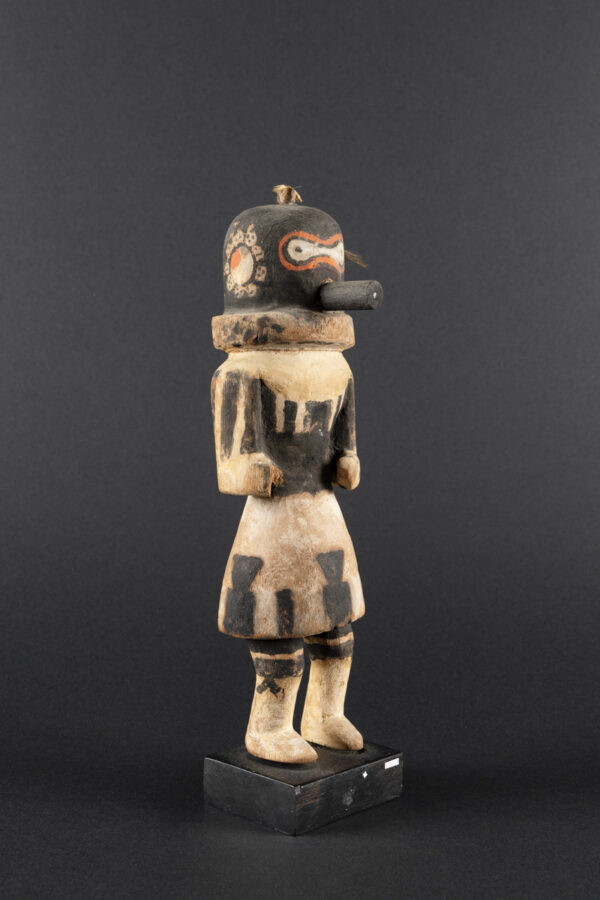
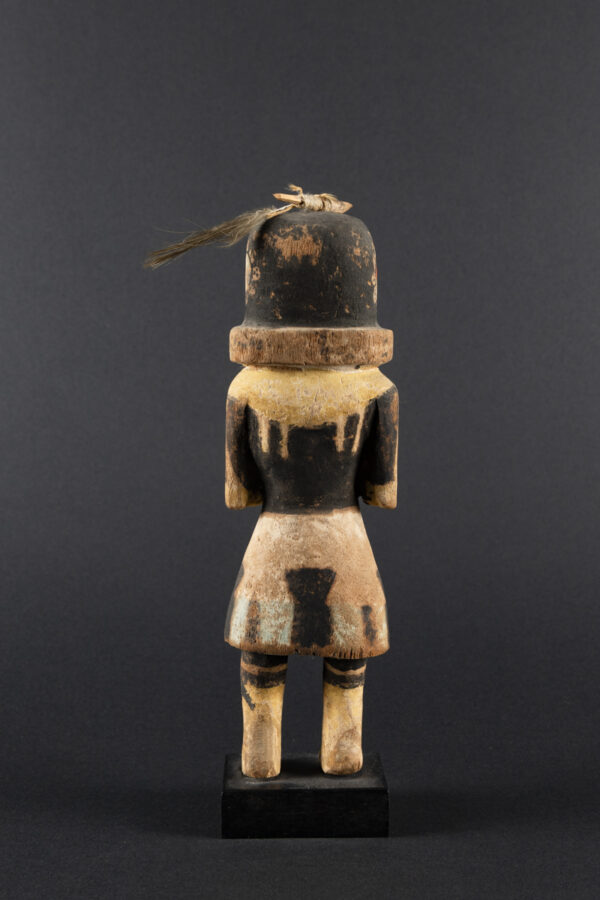
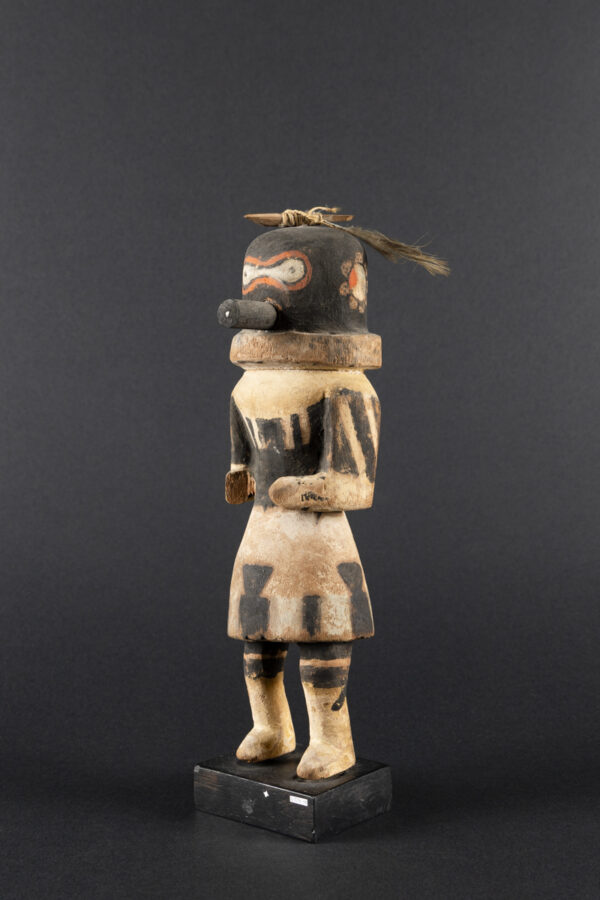
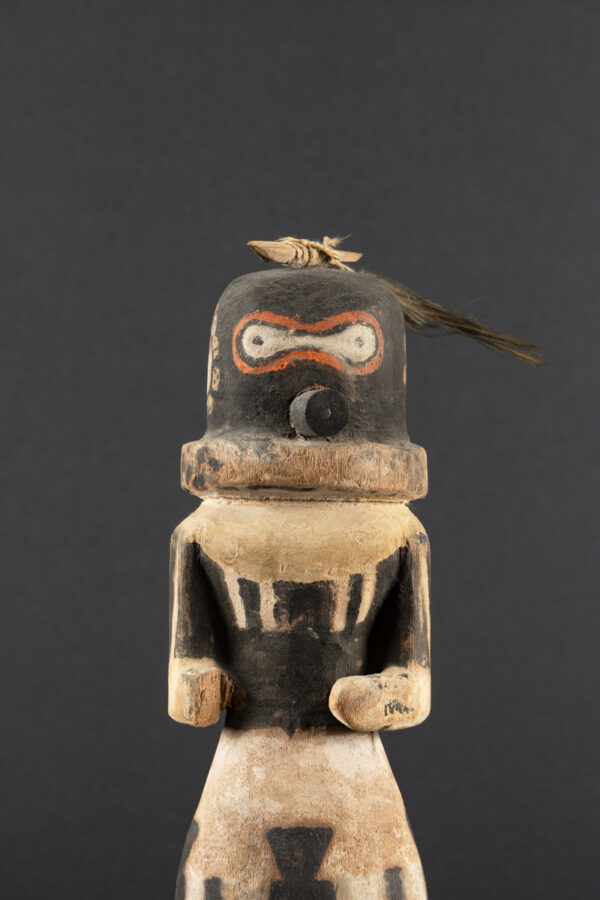
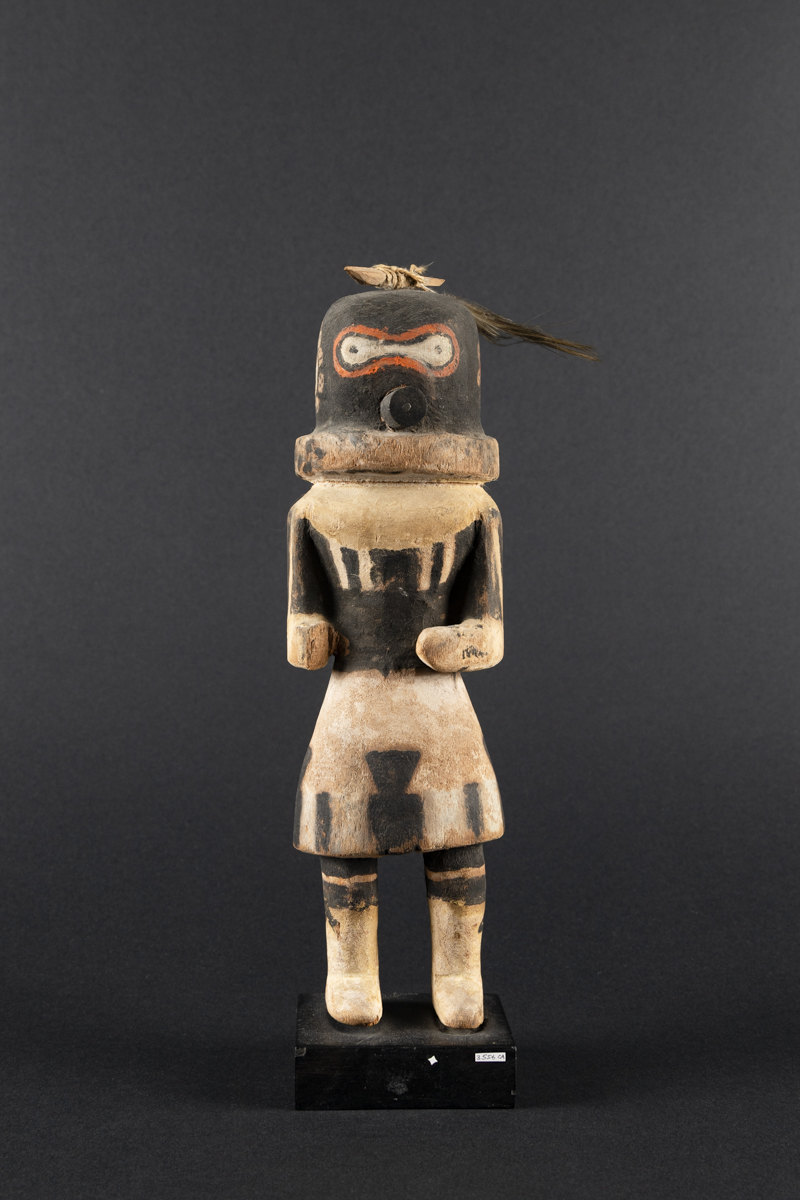
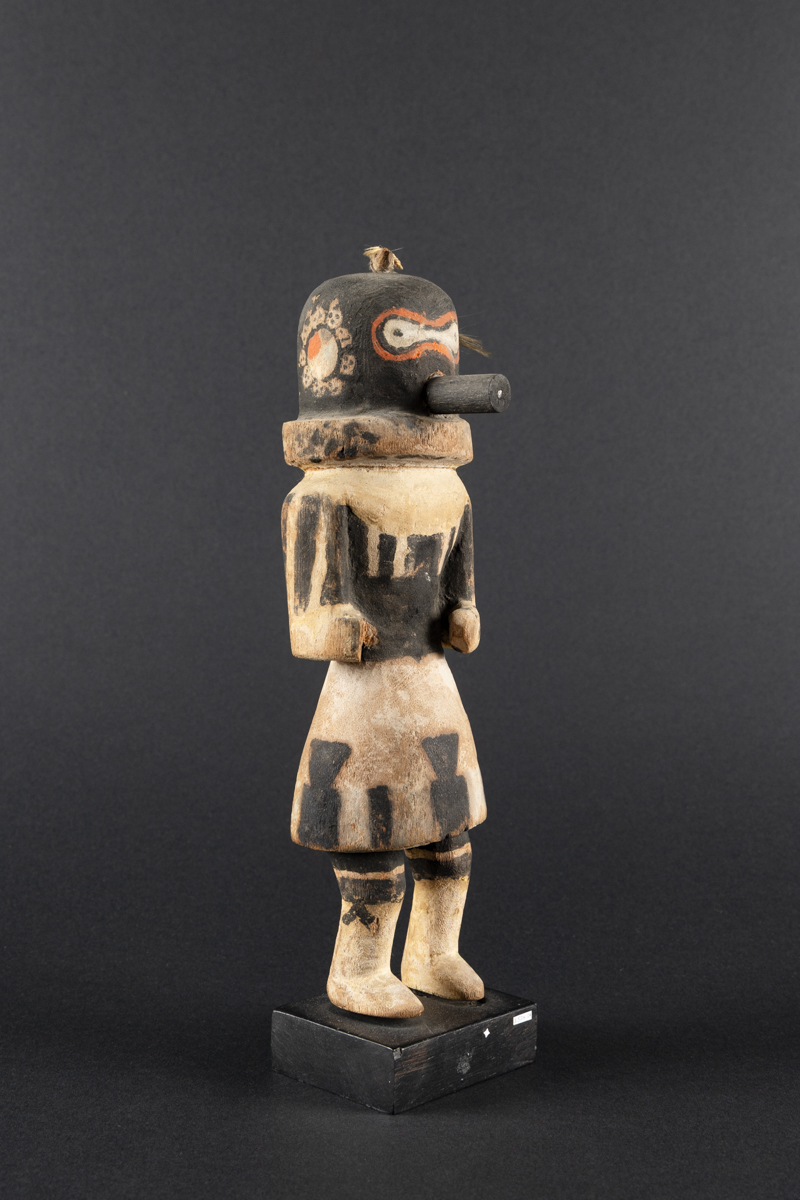
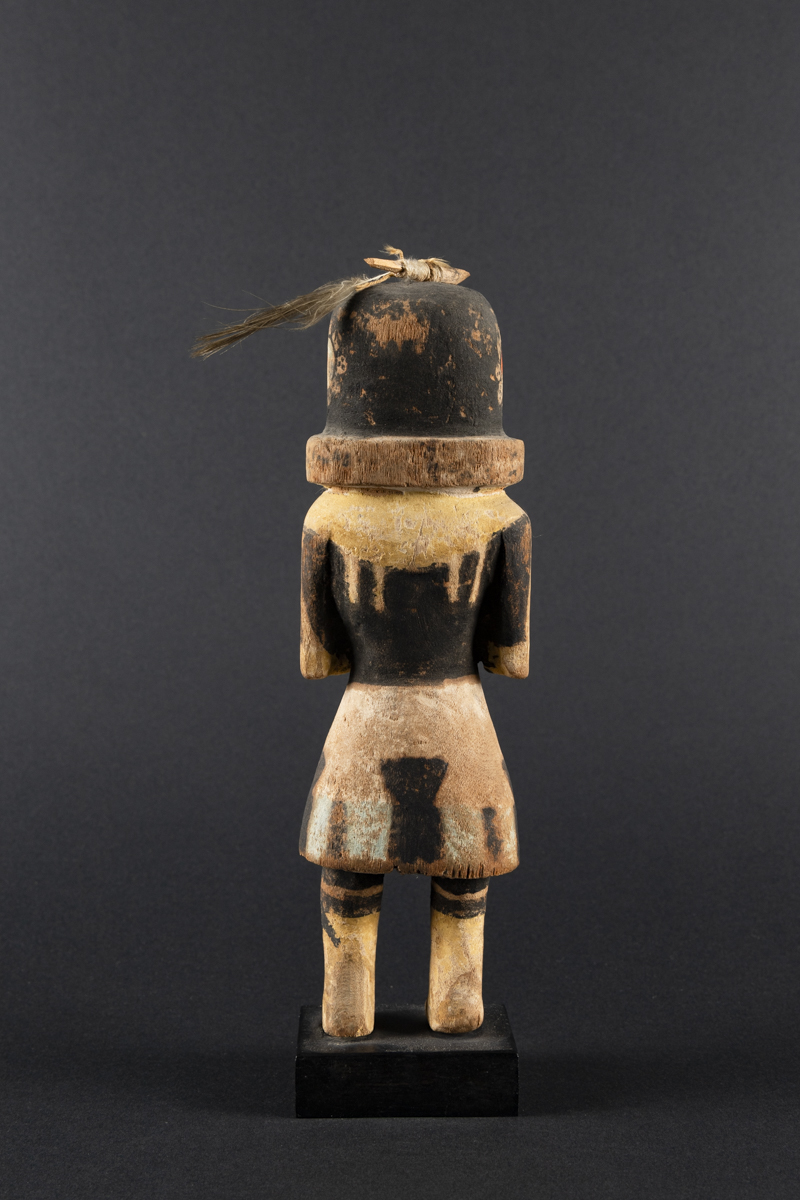
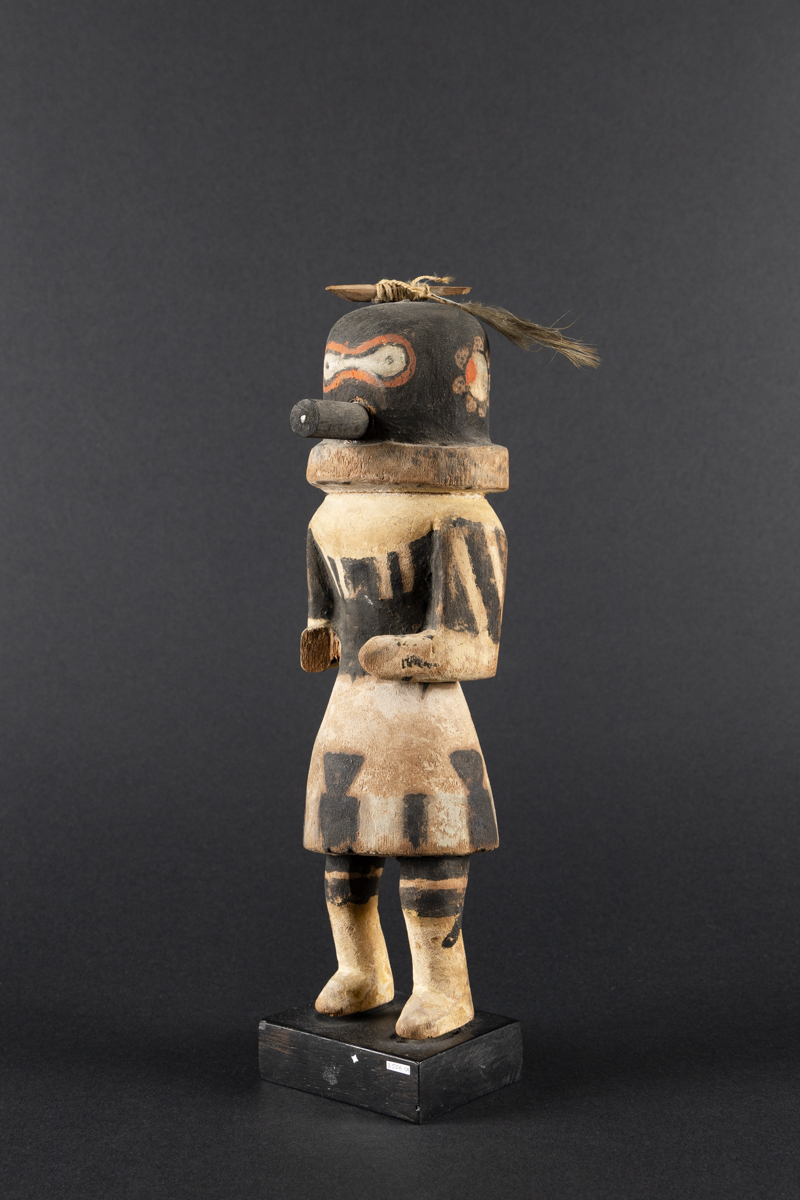
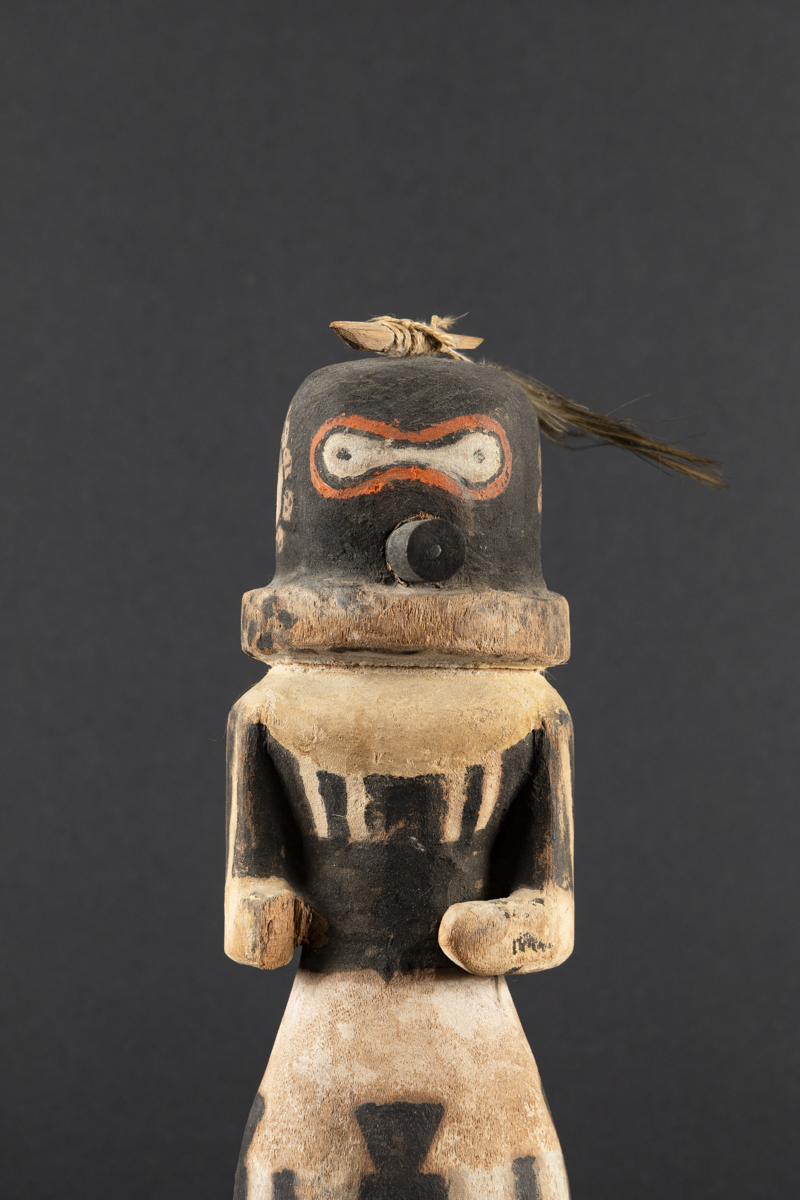
Sipikine Katsina – The Zuni Warrior Kachina Doll
Hopi
Arizona, USA
Carved wood (cottonwood), pigments, feathers
Circa 1920-1930
Height: 23 cm – 9 in.
Provenance
Collection Fernand Devèze (1892-1965)
By descent
Aguttes, Collection F. Devèze et M. Bergognon et divers amateurs, 20 Nov. 2009, lot 15
Collection Sheikh Saud Bin Mohammed Bin Ali al-Thani, (1966-2014), Qatar, acquired at the above sale
Al-Thani Sipikine Katsina doll 23 cm / Galerie Flak
Price: on request
Kachina dolls (or Katsinam) represent spirits or gods from the pantheon of the Pueblo peoples in the American Southwest. Given to children, kachina dolls constituted a pedagogical tool allowing them to familiarize themselves with the spiritual world and perpetuating knowledge of the founding myths on which their society was based.
This doll depicts a Warrior Katsina spirit (Sipikine). Sipikine first appeared at Zuni under the name Salimopia and was later incorporated into the Hopi pantheon.
The Sipikine Katsina dancer was barefoot and wore tree leaves around his ankles as well as raven feathers. He had to run very fast, which is why Sipikine dancers were always impersonated by young men. In fact, there are six variants of Sipikine; they are distinguished by their main colors, one for each cardinal point in Hopi symbolism (the Katsina here is a Black Spikine).
This doll depicts a Warrior Katsina spirit (Sipikine). Sipikine first appeared at Zuni under the name Salimopia and was later incorporated into the Hopi pantheon.
The Sipikine Katsina dancer was barefoot and wore tree leaves around his ankles as well as raven feathers. He had to run very fast, which is why Sipikine dancers were always impersonated by young men. In fact, there are six variants of Sipikine; they are distinguished by their main colors, one for each cardinal point in Hopi symbolism (the Katsina here is a Black Spikine).
Explore the entire collection