Africa | Democratic Republic of the Congo
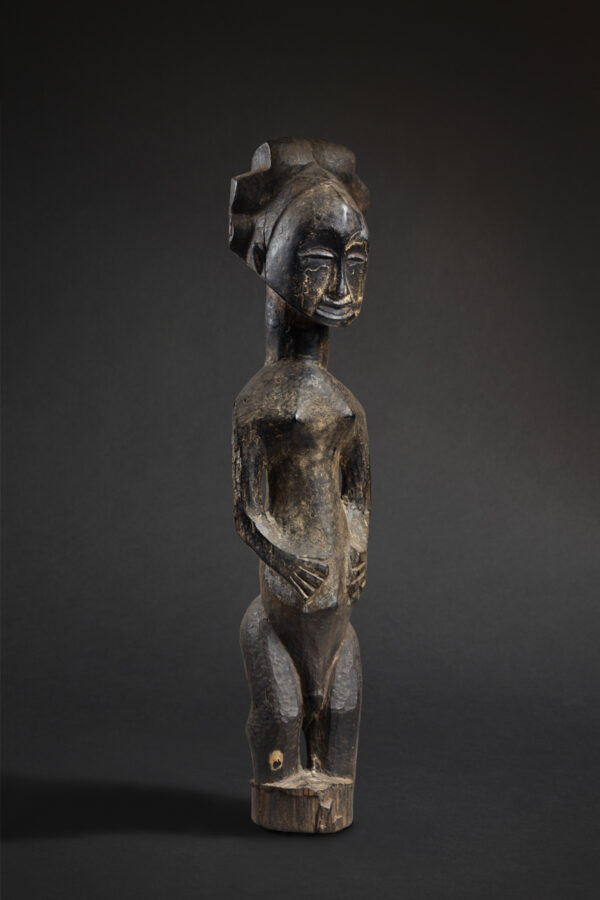
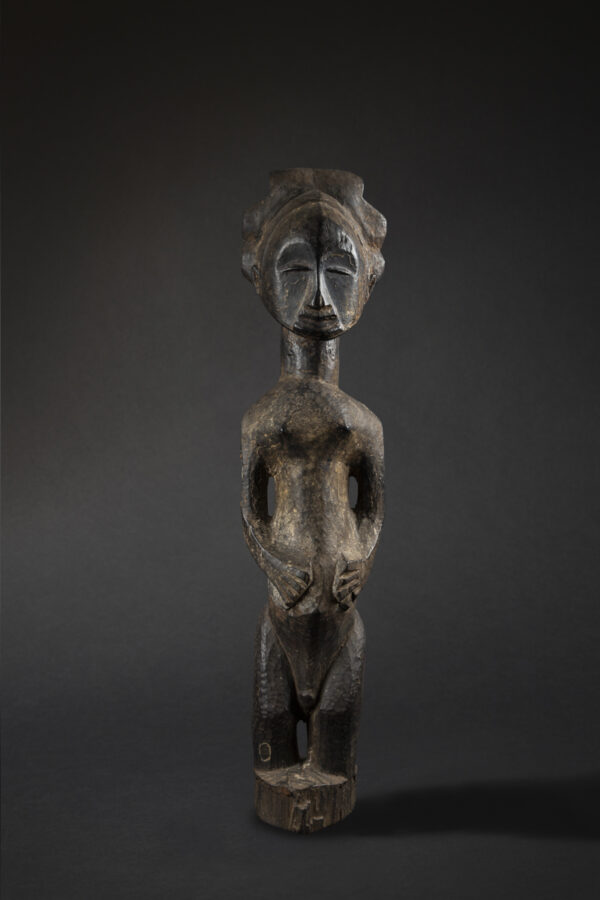
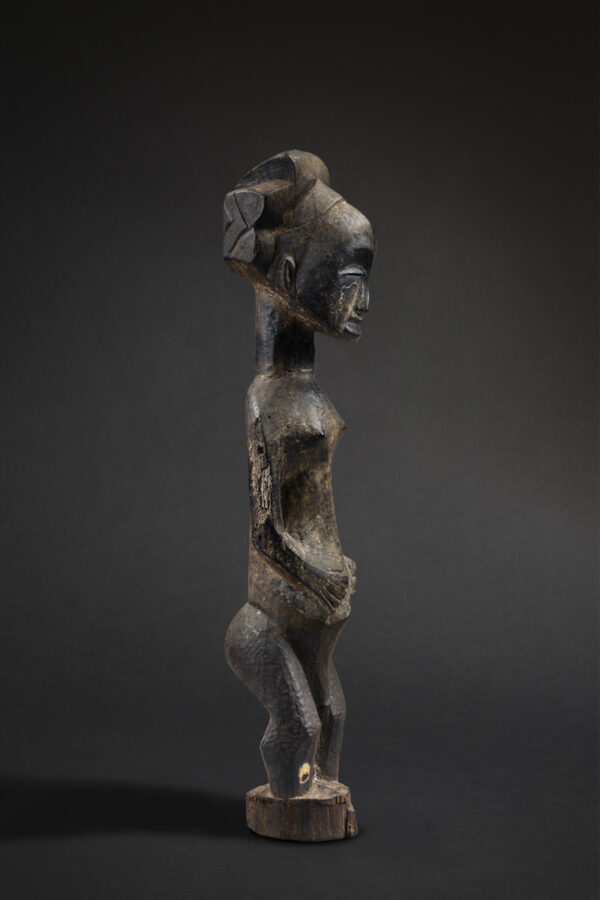
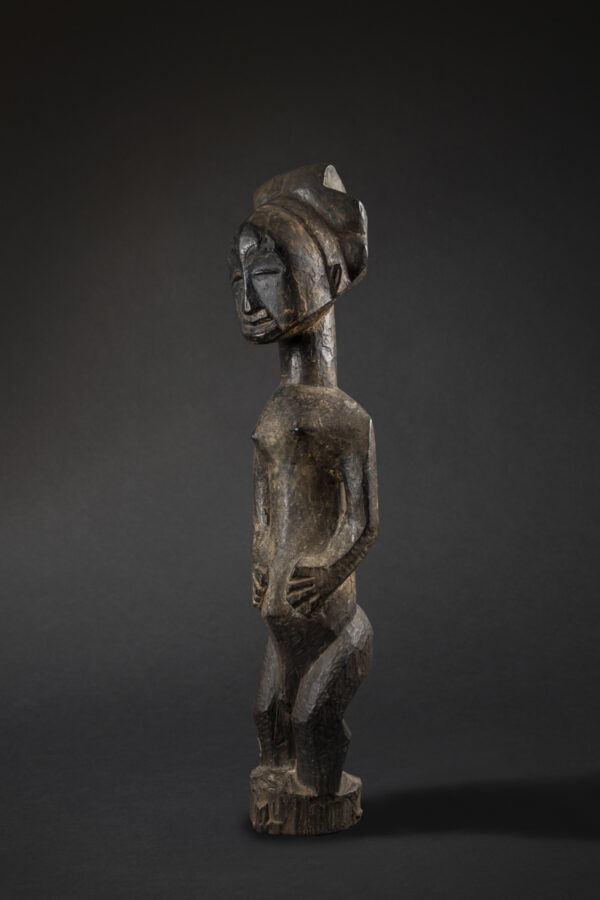
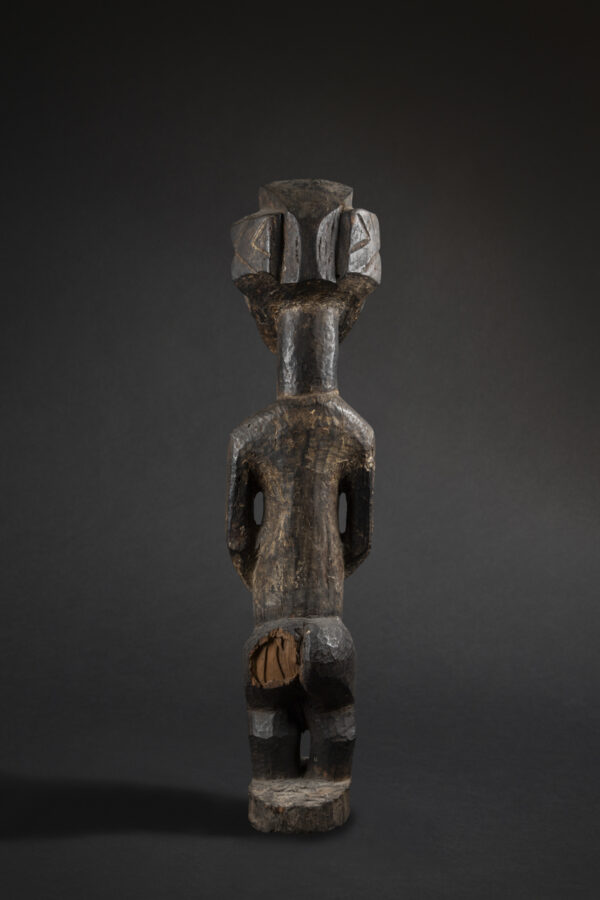
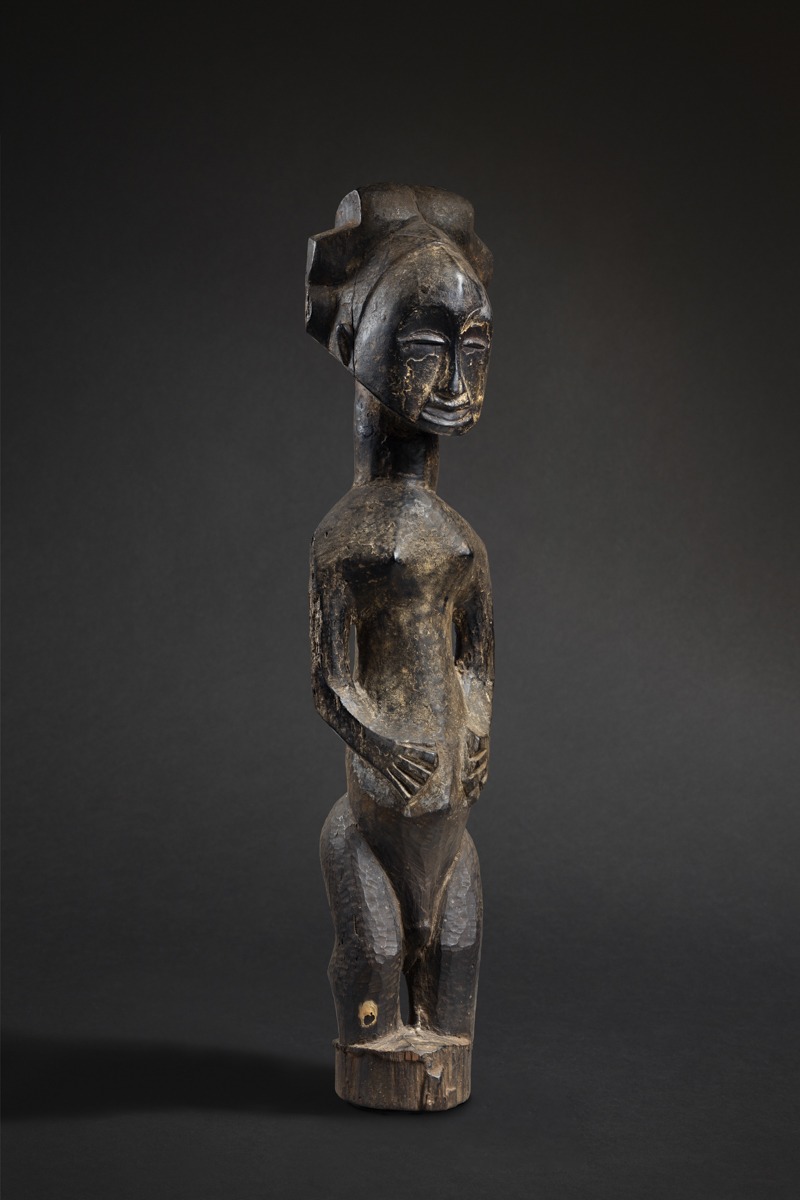
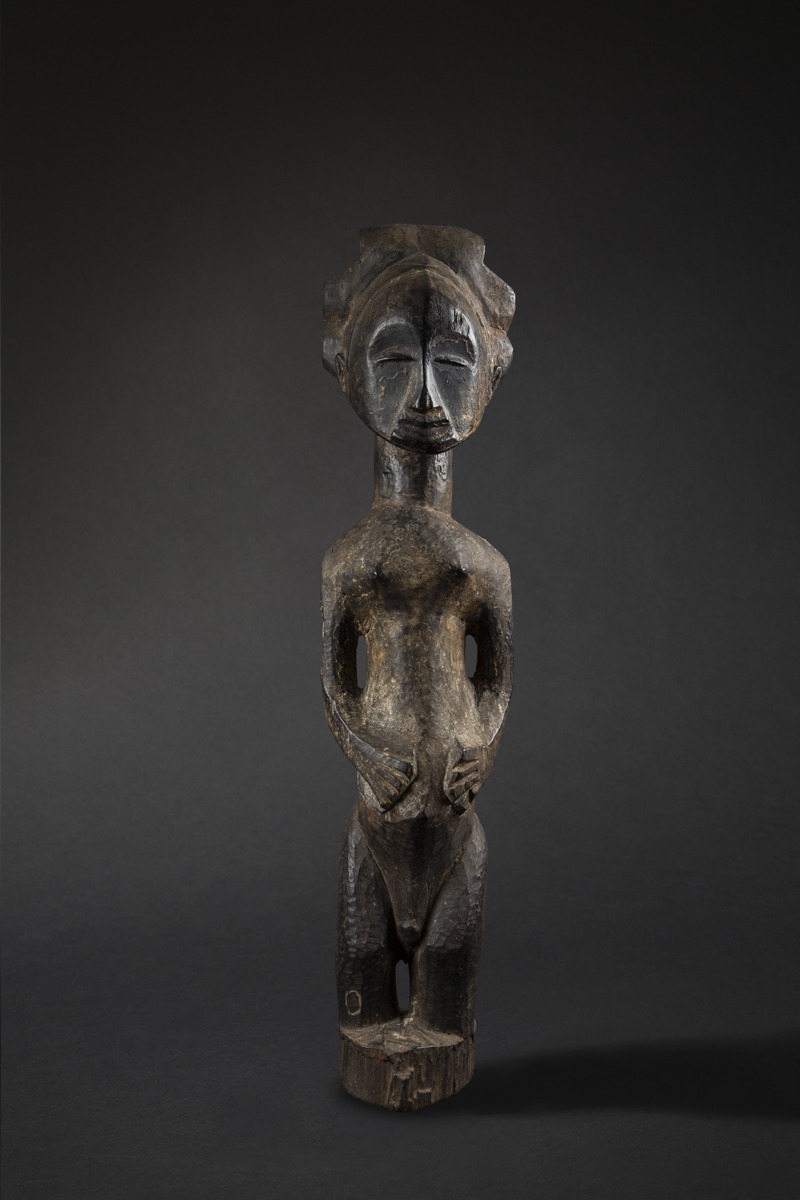
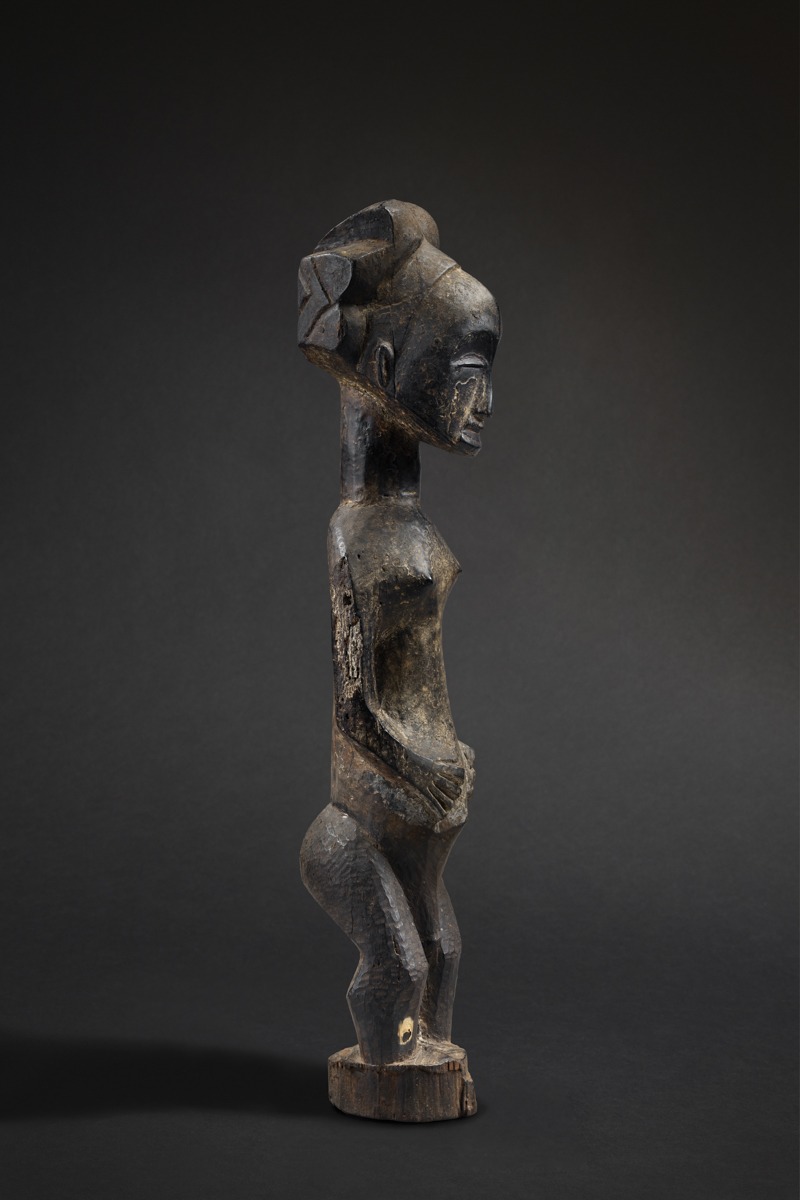
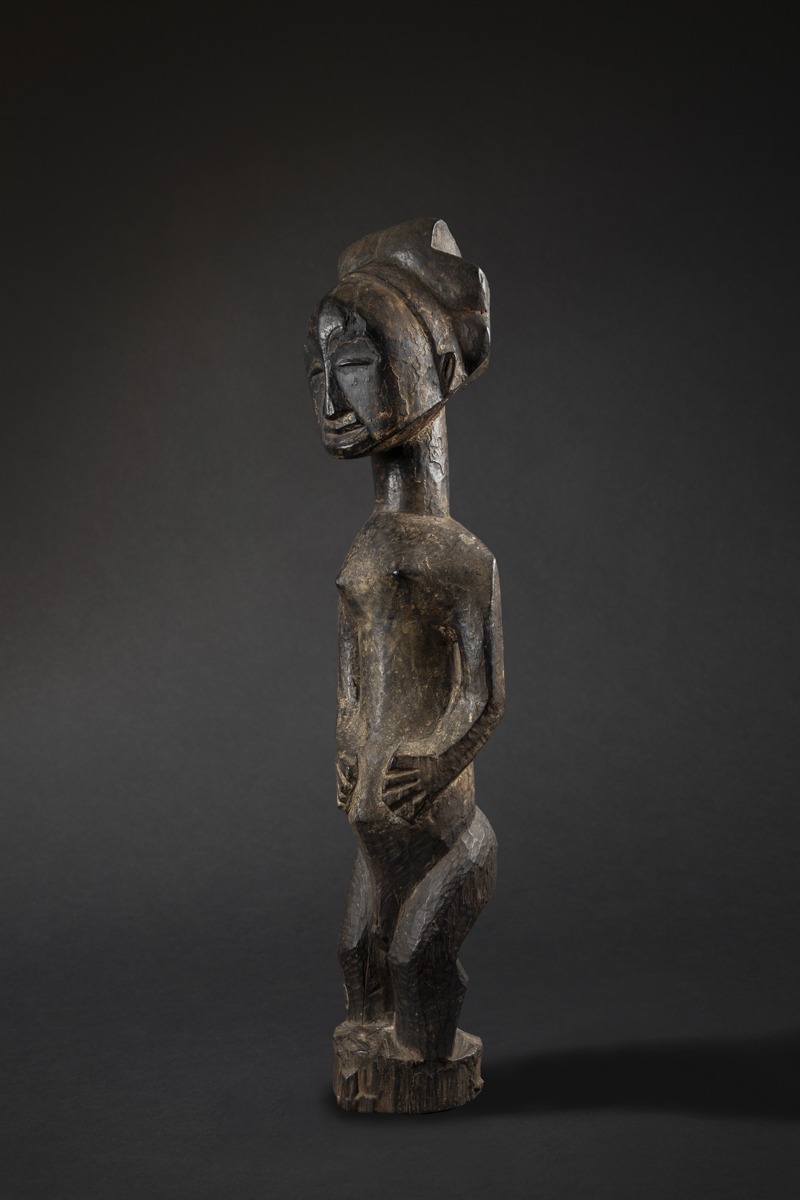
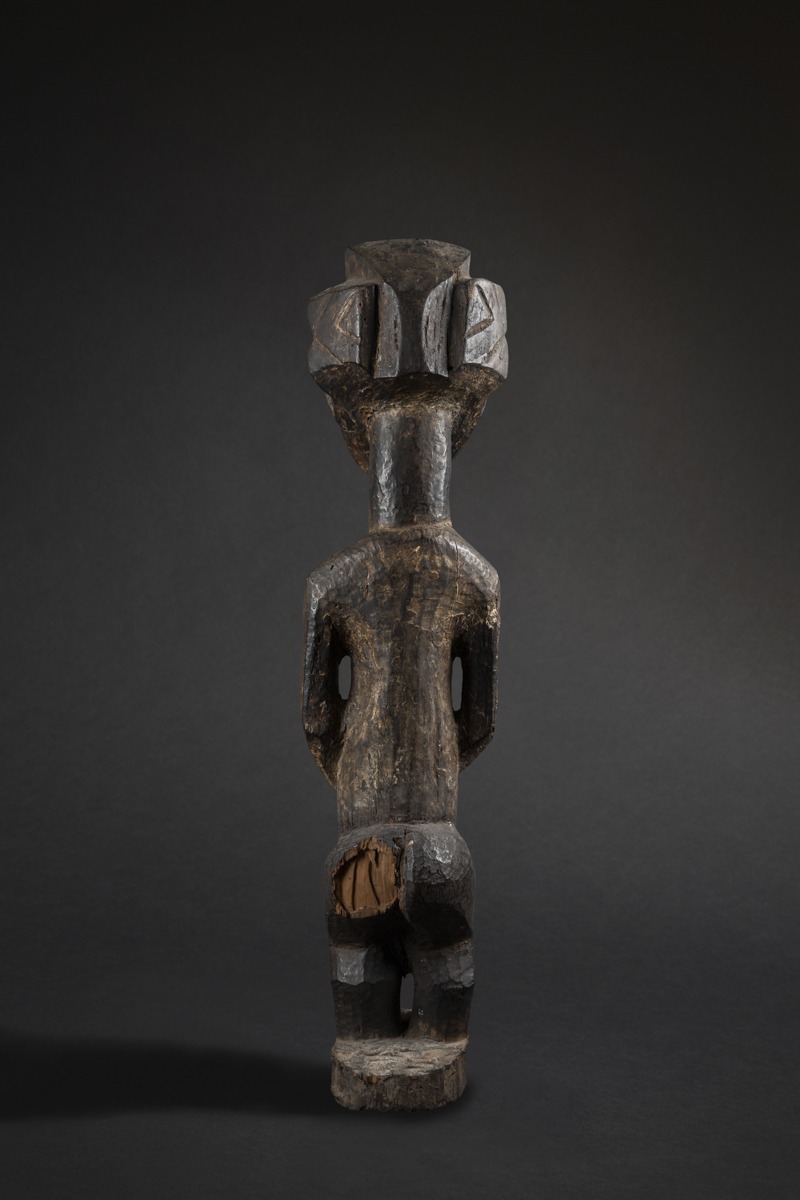
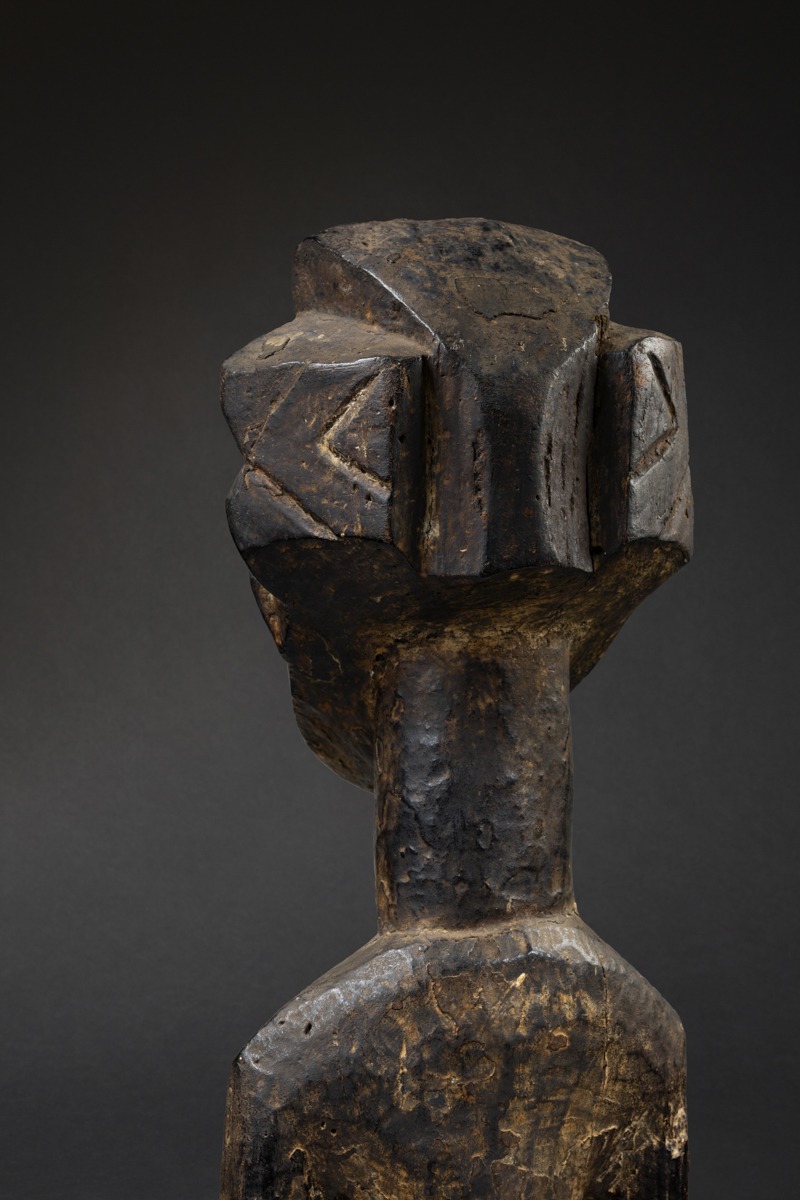
Hemba Figure
Democratic Republic of the Congo
Singiti Commemorative portrait of a chief
Hemba
19th century or early 20th century
Carved wood
Height: 86.5 cm – 34 in.
Provenance
Collected by Jo Christiaens in the 1970s
Collection Mia van Bussel, Amsterdam
Collection Kevin Conru, Brussels
Collection Adrian Schlag, Brussels
Collection Guilhem Montagut, Barcelona
Publication
“Lexikon der Afrikanischen Kunst”, Karl-Ferdinand Schaedler, Munich, 1994, page 242
Hemba figure 86.5 cm / Galerie Figure
Price: on request
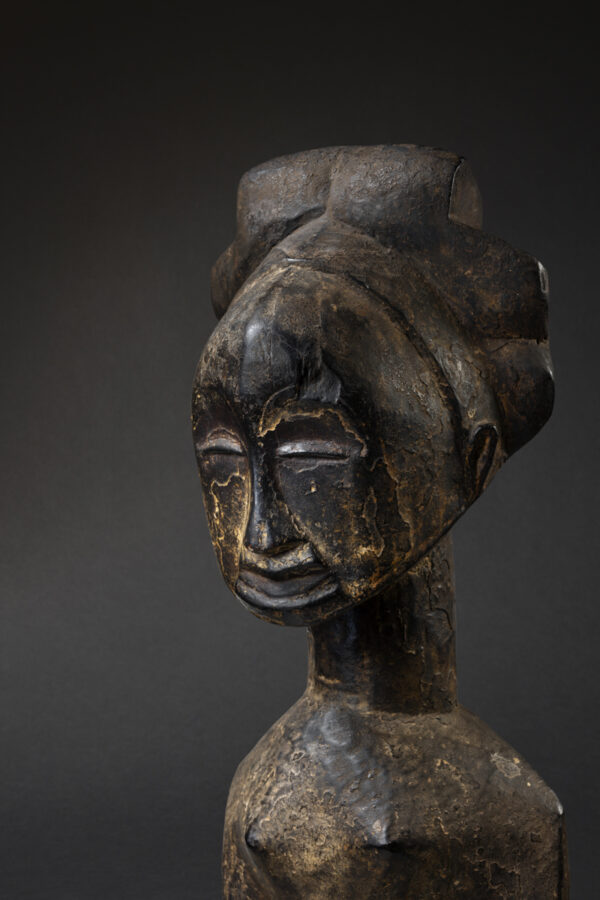
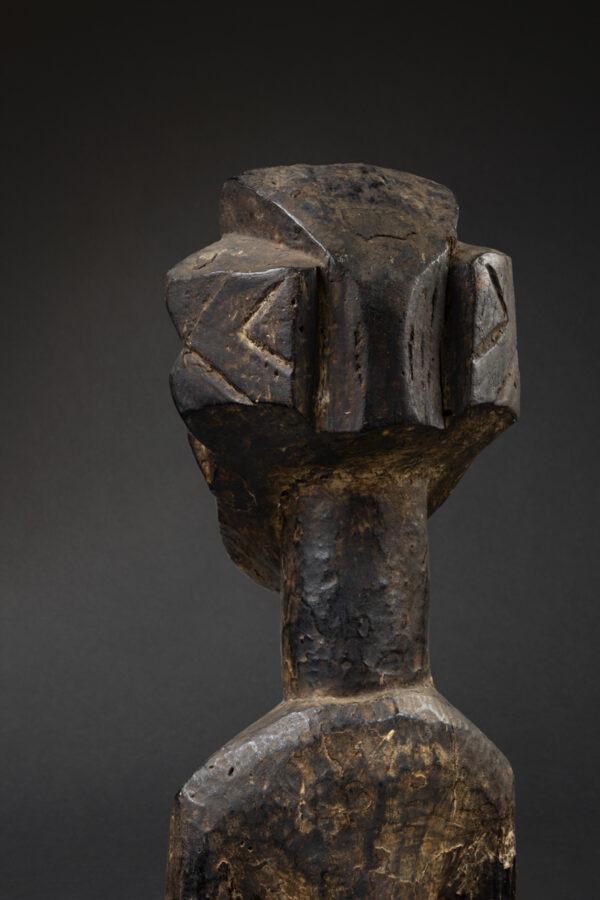
This 86.5 cm (34 in.) tall sculpture originates from the northern Hemba region, near the Kusu and Bassikasingo. Its composition combines both power and harmony.
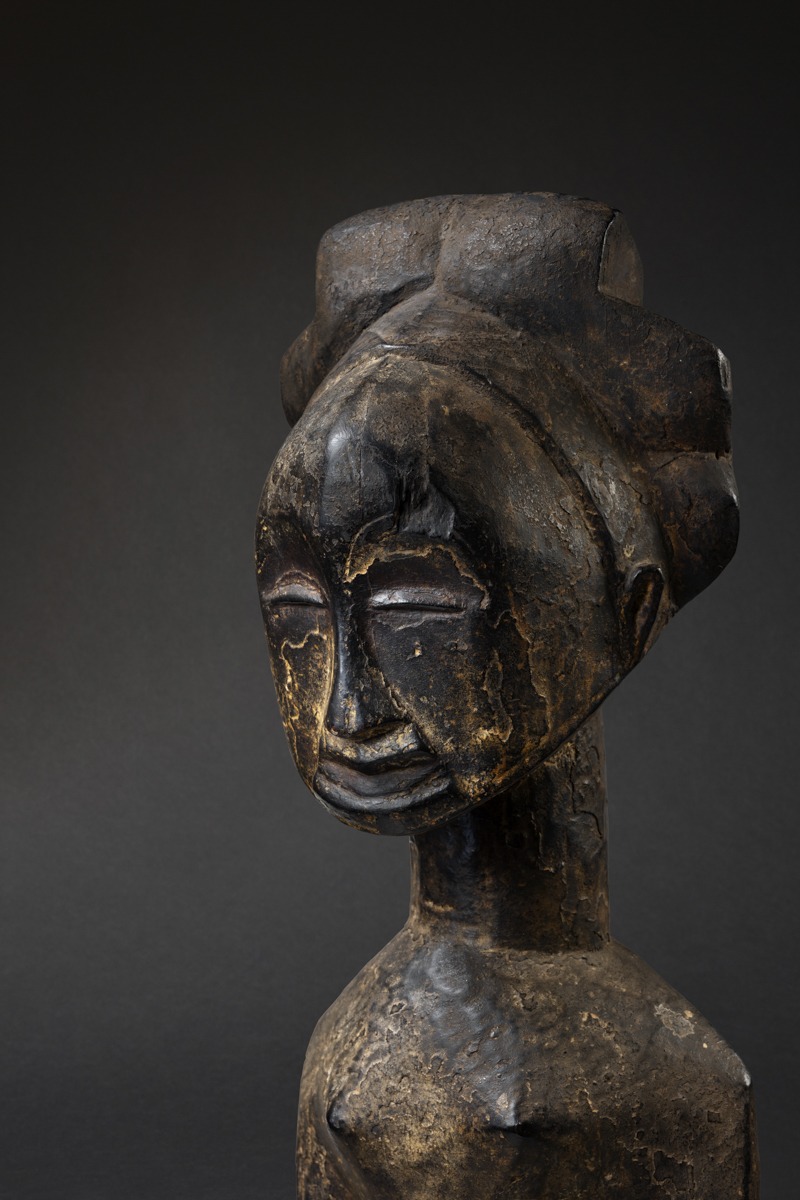
A hieratic quality and a remarkable impression of inner spiritual presence emanate from this major commemorative figure.
As stated by François Neyt in "La grande statuaire Hemba du Zaïre", Hemba ancestor effigies were carved to honor the legacy of important chiefs. The concept of lineage protection and survival played a central role in Hemba beliefs. « The Hemba clans, relatively independent of each other, had their own history. Their family trees dating back to eight, ten or even fifteen generations were perfectly known, and were essential in particular to justify ownership of the land ». These commemorative portraits of chiefs were genealogy markers. They also served as protectors of the clan.
The Metropolitan Museum of Art in New York notes that Hemba artists emphasized two bodily passages of such representations – the head as the site of one’s intellect where knowledge is taken in through the eyes and the stomach where the umbilicus is the point of connection with one’s extended lineage. A Hemba chief inherited a series of such works that were housed in a dedicated structure centrally located in the community adjacent to his residence.
A hieratic quality and a remarkable impression of inner spiritual presence emanate from this major commemorative figure.
As stated by François Neyt in "La grande statuaire Hemba du Zaïre", Hemba ancestor effigies were carved to honor the legacy of important chiefs. The concept of lineage protection and survival played a central role in Hemba beliefs. « The Hemba clans, relatively independent of each other, had their own history. Their family trees dating back to eight, ten or even fifteen generations were perfectly known, and were essential in particular to justify ownership of the land ». These commemorative portraits of chiefs were genealogy markers. They also served as protectors of the clan.
The Metropolitan Museum of Art in New York notes that Hemba artists emphasized two bodily passages of such representations – the head as the site of one’s intellect where knowledge is taken in through the eyes and the stomach where the umbilicus is the point of connection with one’s extended lineage. A Hemba chief inherited a series of such works that were housed in a dedicated structure centrally located in the community adjacent to his residence.
Explore the entire collection