Africa | Democratic Republic of the Congo
Kuba
Plaster Casts
Democratic Republic of the Congo
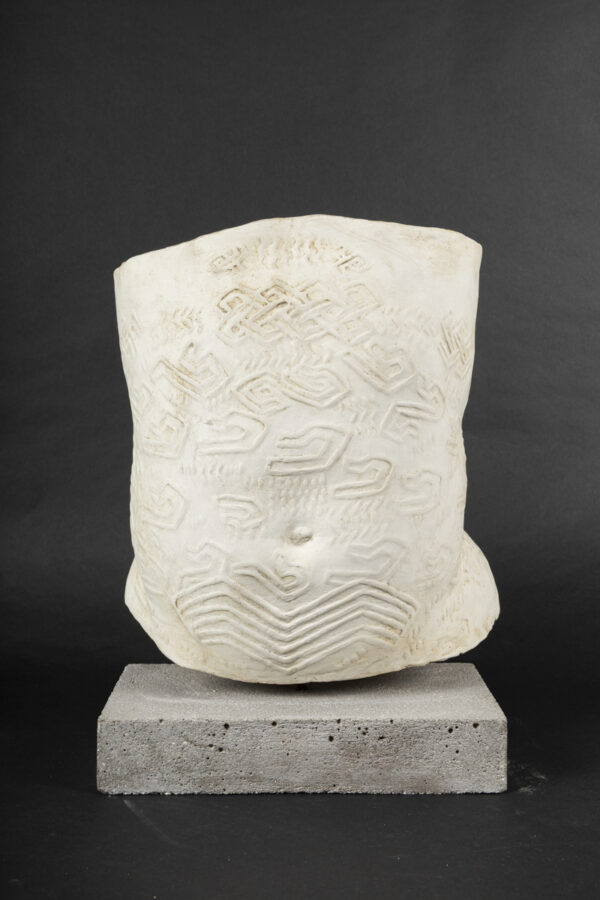
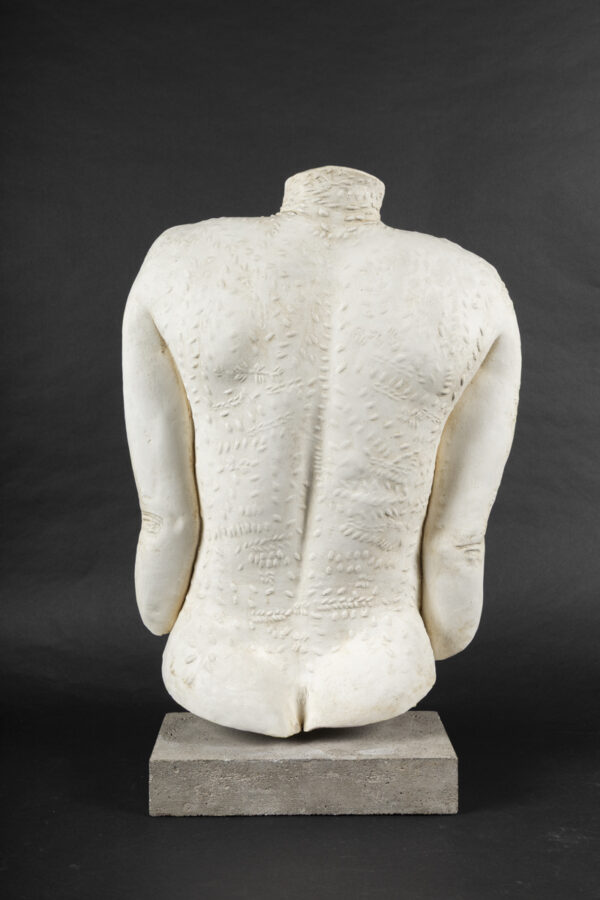
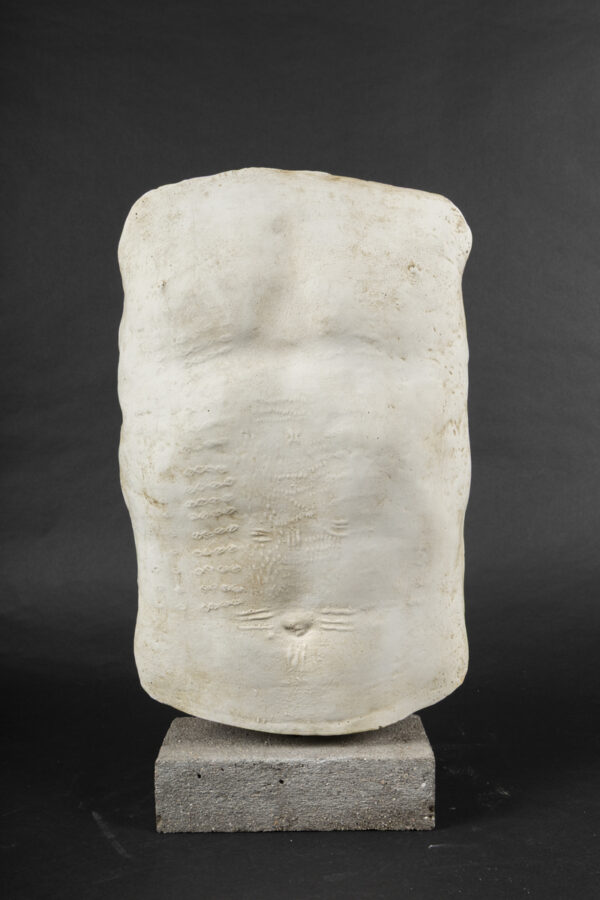
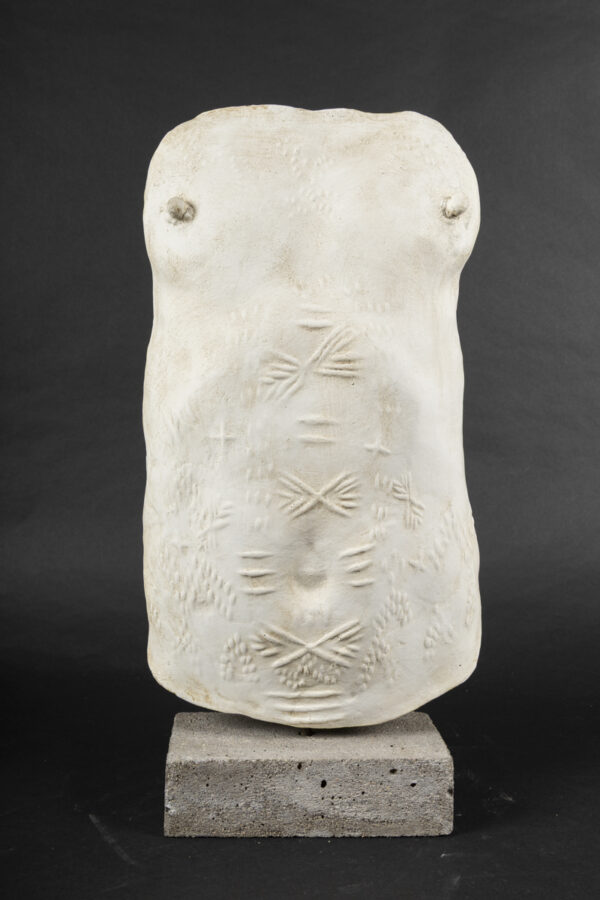
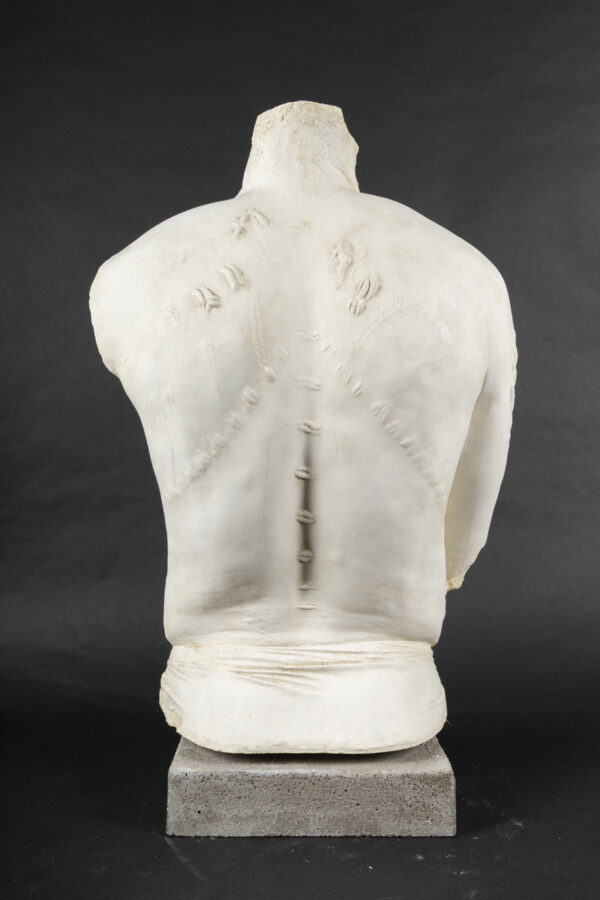
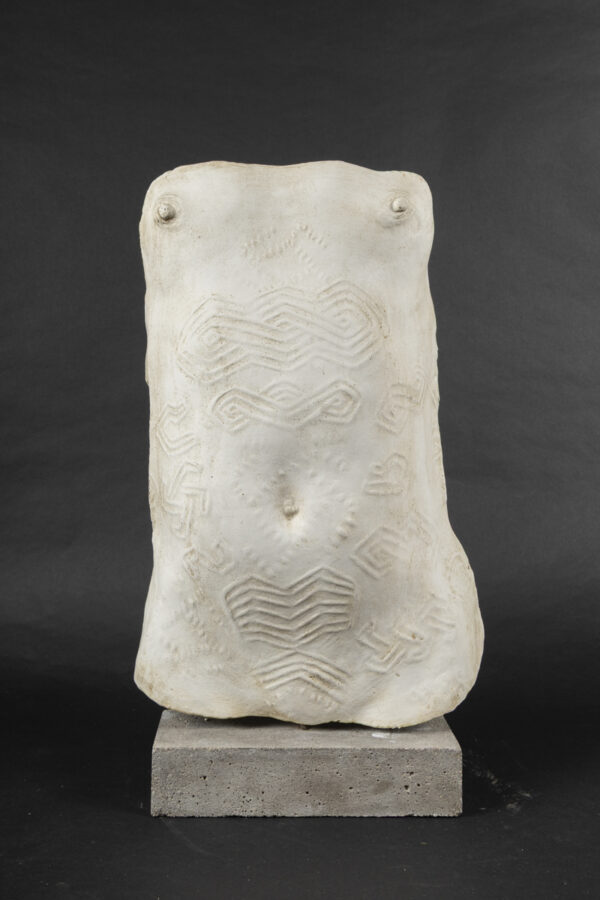
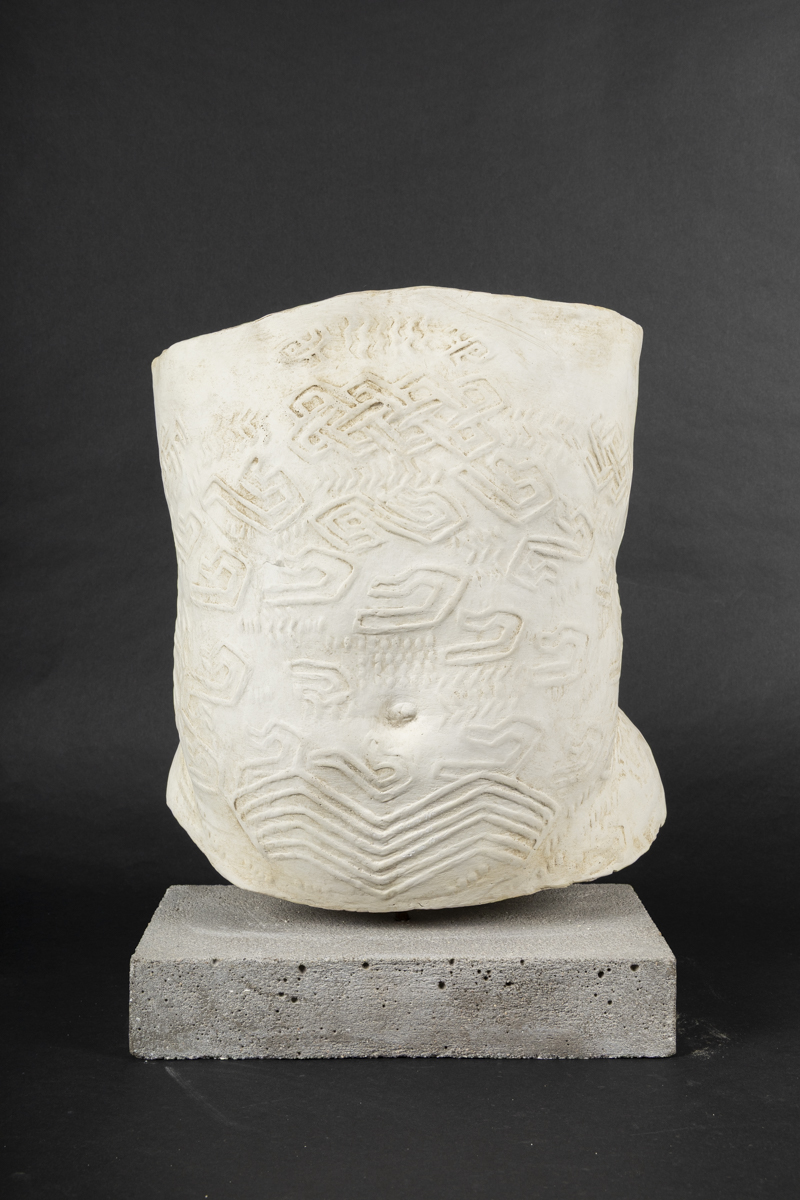
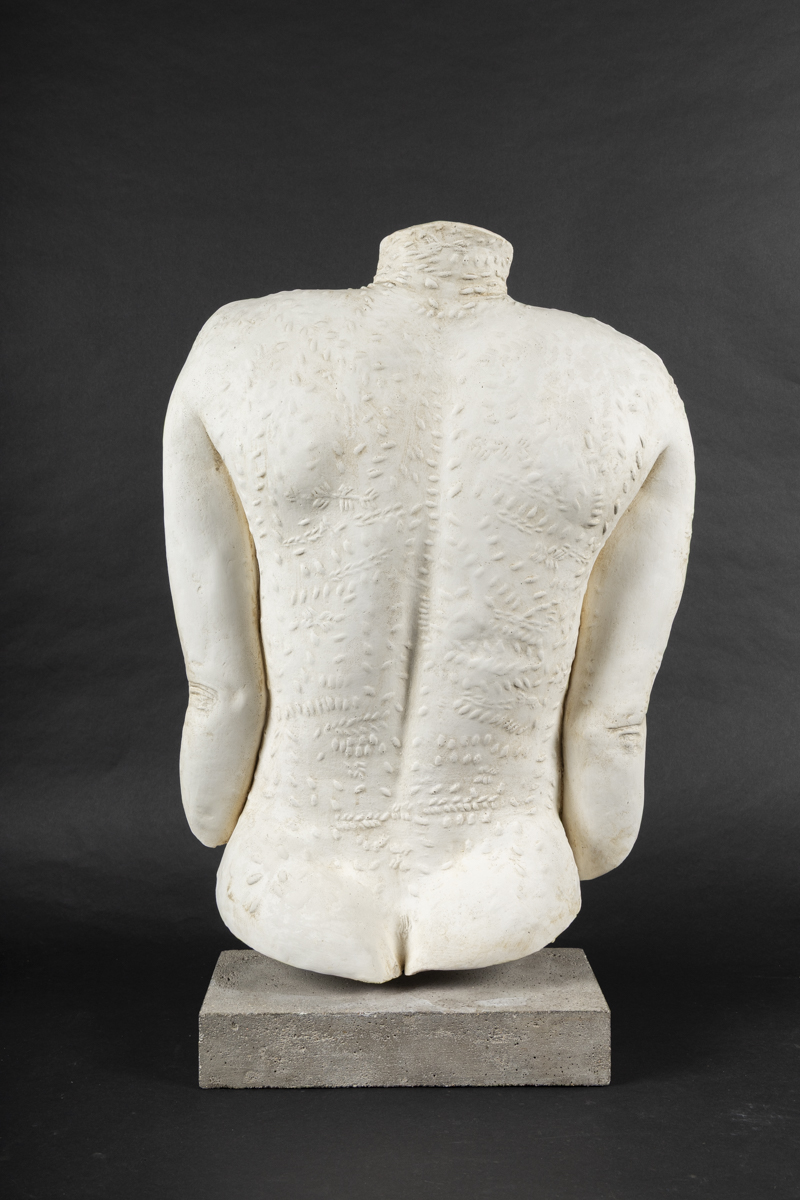
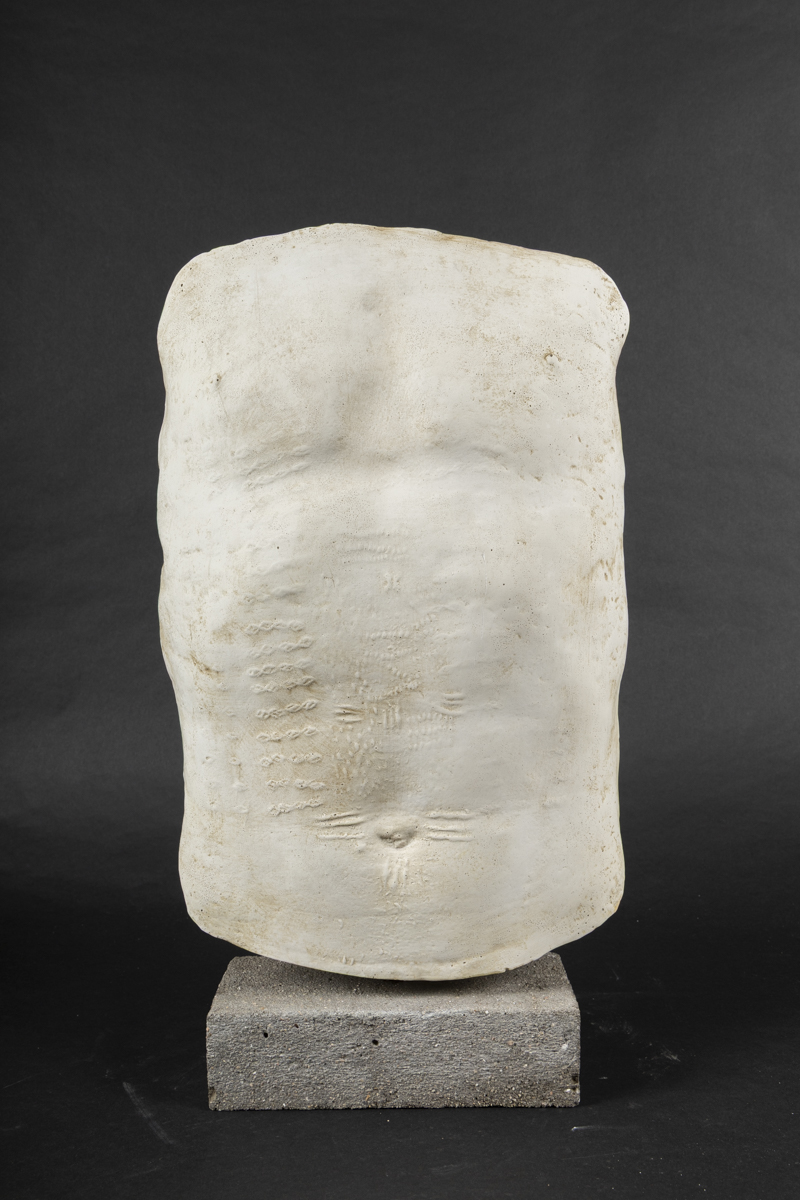
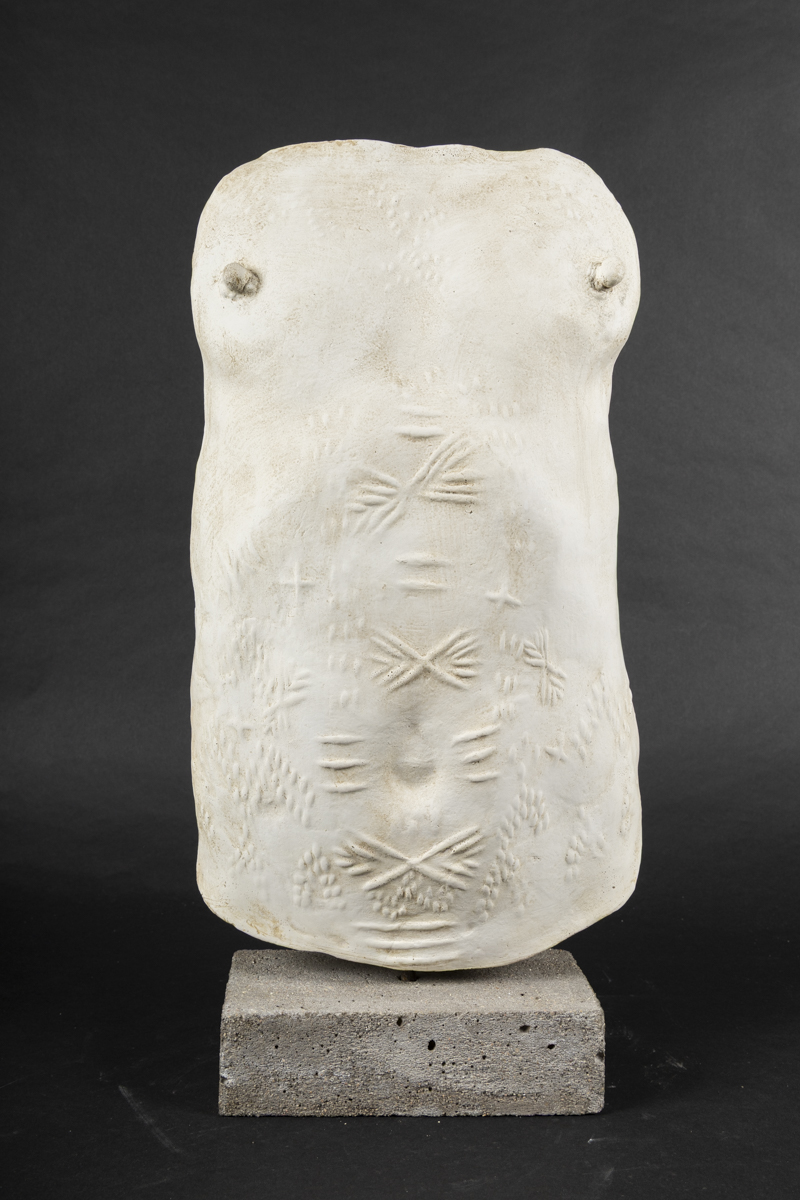
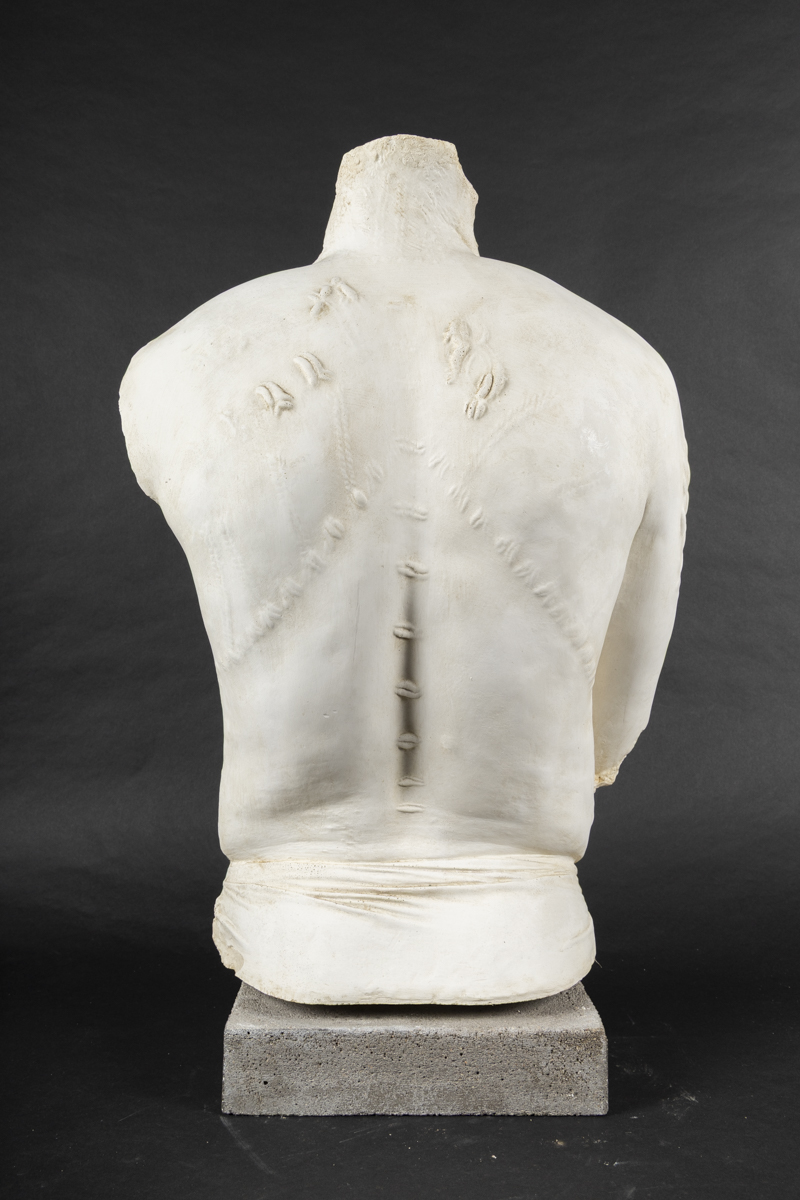
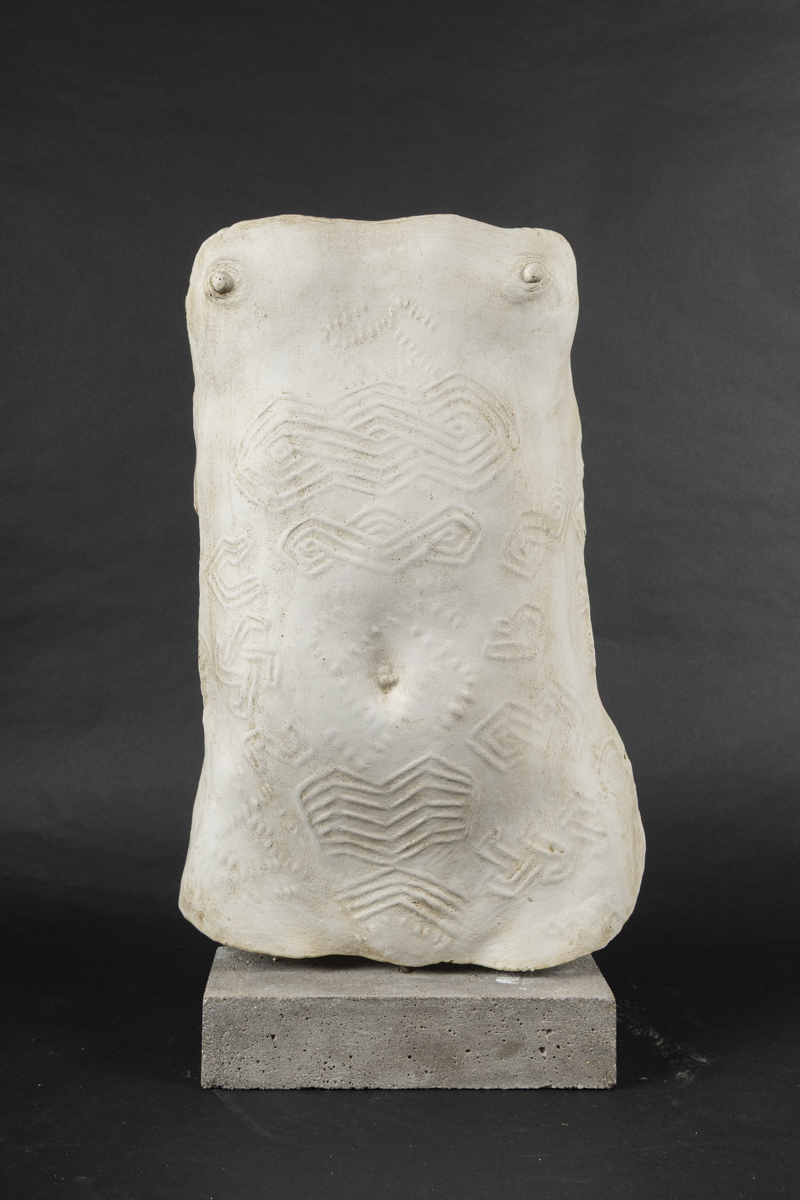
Plaster casts of scarified backs and torsos
Kuba
Kasaï Region, Democratic Republic of the Congo
Impression made in situ in 1910 by a Belgian ethnologist
These examples are contemporary casts.
Provenance
Private collection, France
Exhibition
« Crossing Mirrors » exhibition, Rosenblum Art Foundation, Paris, 2013.
Plaster cast of a Kuba torso / Galerie Flak
Price on request
This group of plaster casts depict the scarified backs and torso of young Kuba individuals. It captures in high relief the intricate patterns of body decoration—scarifications that were deeply tied to initiation rituals marking the transition to adulthood within Kuba society.
The geometric motifs displayed on this cast closely mirror the complex designs found in Kuba raffia textiles, illustrating a shared aesthetic language across different media.
These pieces are contemporary casts from a series originally conceived by a Belgian ethnologist affiliated with the Royal Museum of the Belgian Congo (now the AfricaMuseum in Tervueren), who conducted extensive in situ research on the cultures of the Kasai Basin in the early 1900s.These findings were famously documented in two landmark studies by E. Torday & T.A. Joyce : "Notes ethnographiques sur les peuples communément appelés Bakuba ainsi que sur les peuplades apparentées - les Bushango" (1911) and "Notes ethnographiques sur les populations habitant les bassins du Kassai et du Kwango oriental" (1912).
These publications contain many illustrations and drawings of scarifications similar to the ones seen on the torsos and backs shown here
The geometric motifs displayed on this cast closely mirror the complex designs found in Kuba raffia textiles, illustrating a shared aesthetic language across different media.
These pieces are contemporary casts from a series originally conceived by a Belgian ethnologist affiliated with the Royal Museum of the Belgian Congo (now the AfricaMuseum in Tervueren), who conducted extensive in situ research on the cultures of the Kasai Basin in the early 1900s.These findings were famously documented in two landmark studies by E. Torday & T.A. Joyce : "Notes ethnographiques sur les peuples communément appelés Bakuba ainsi que sur les peuplades apparentées - les Bushango" (1911) and "Notes ethnographiques sur les populations habitant les bassins du Kassai et du Kwango oriental" (1912).
These publications contain many illustrations and drawings of scarifications similar to the ones seen on the torsos and backs shown here
Documentation
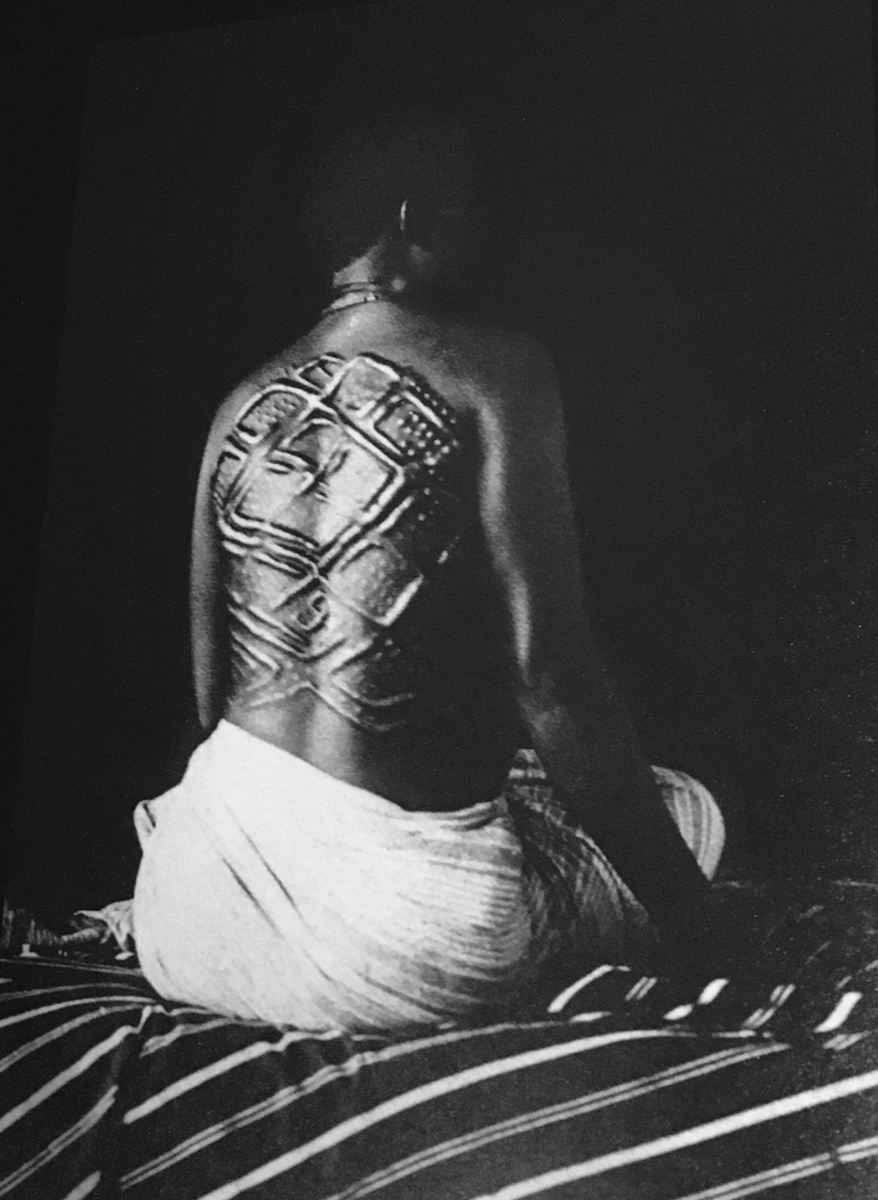
« Ritual scarifications », Democratic Republic of the Congo, Kasaï, 1910-1914,
Roger-Viollet Archives (ref: 1416768)
Explore the entire collection