oceania | New Zealand
Maori Ornaments
New Zealand
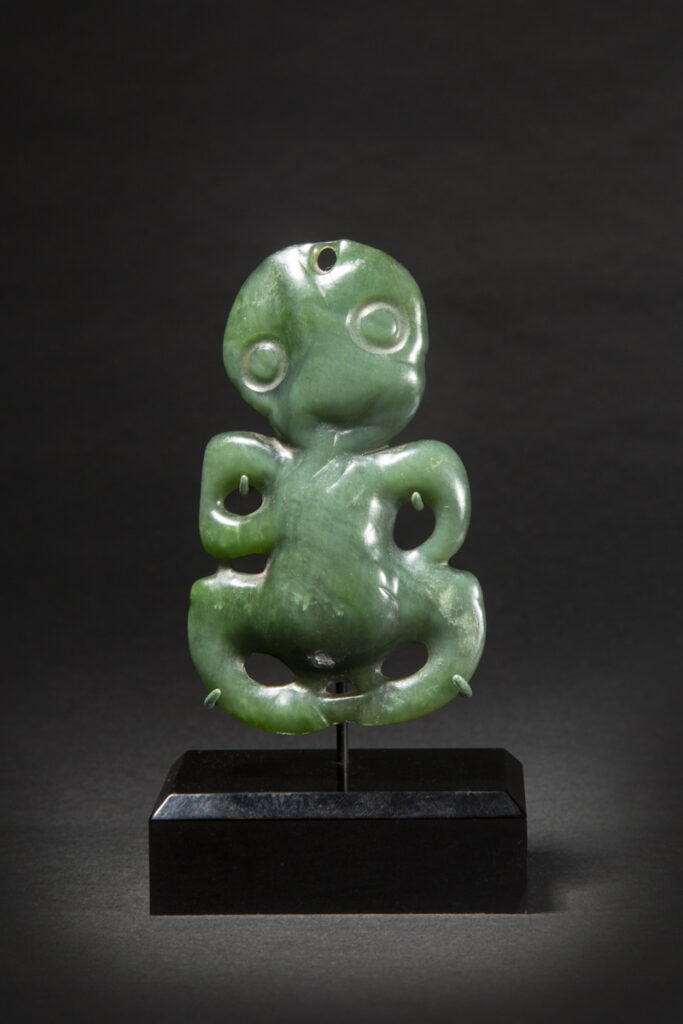
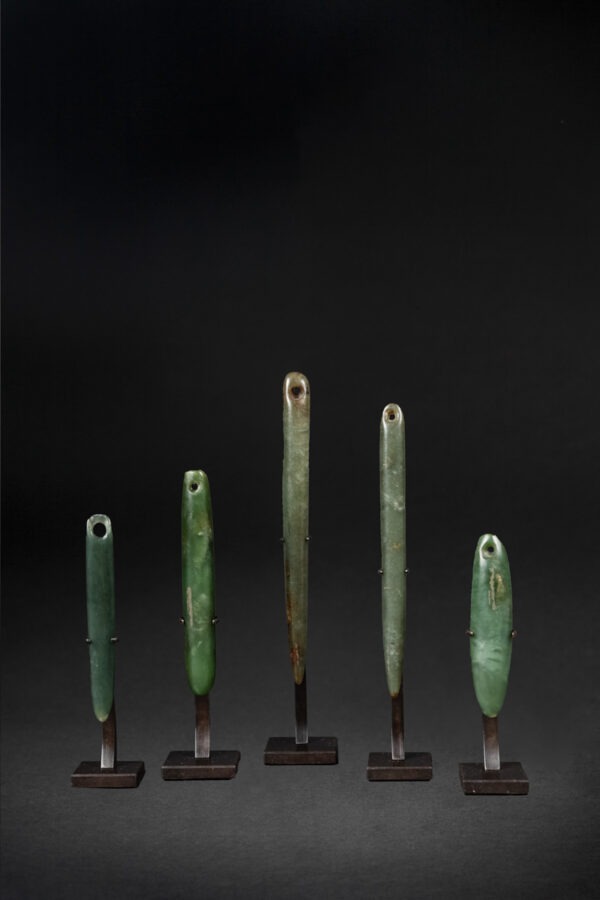
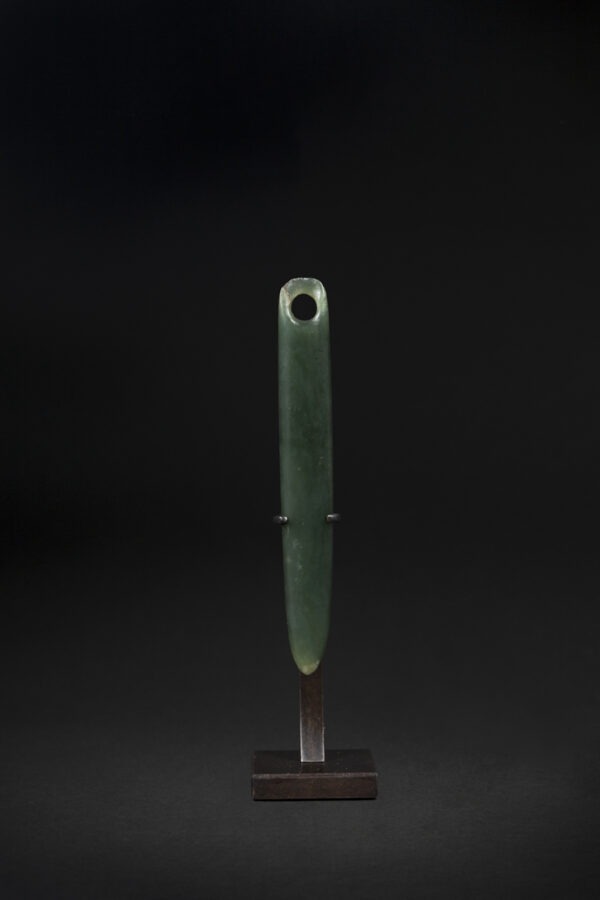
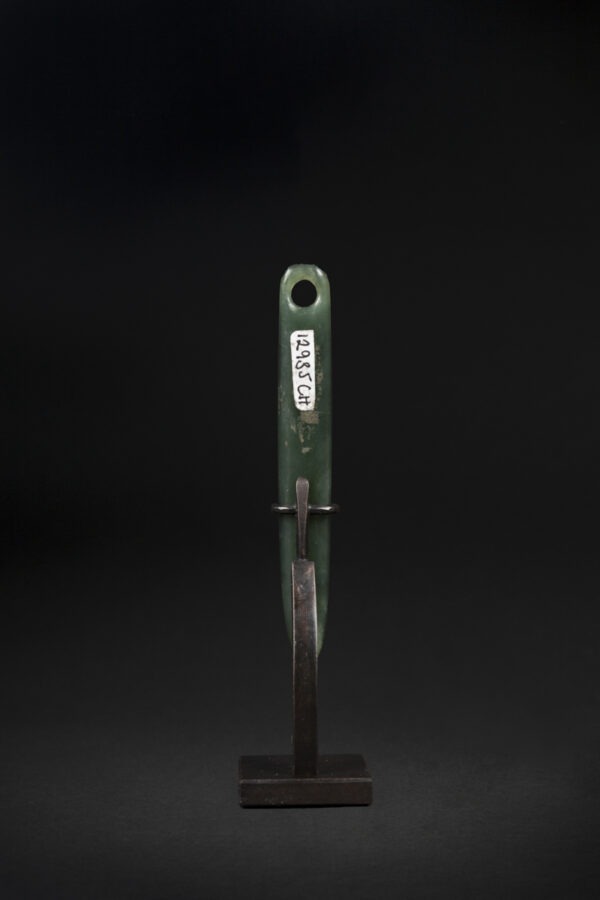
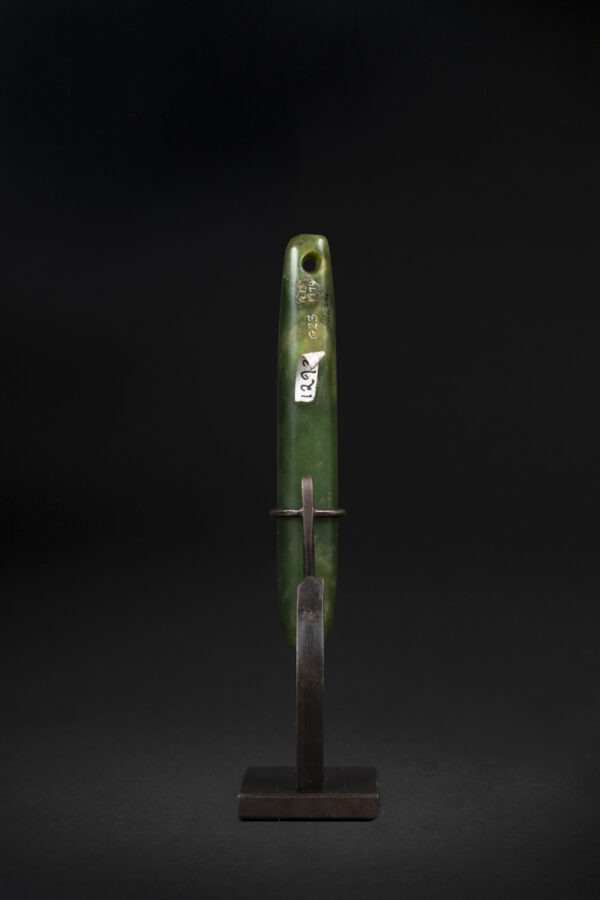
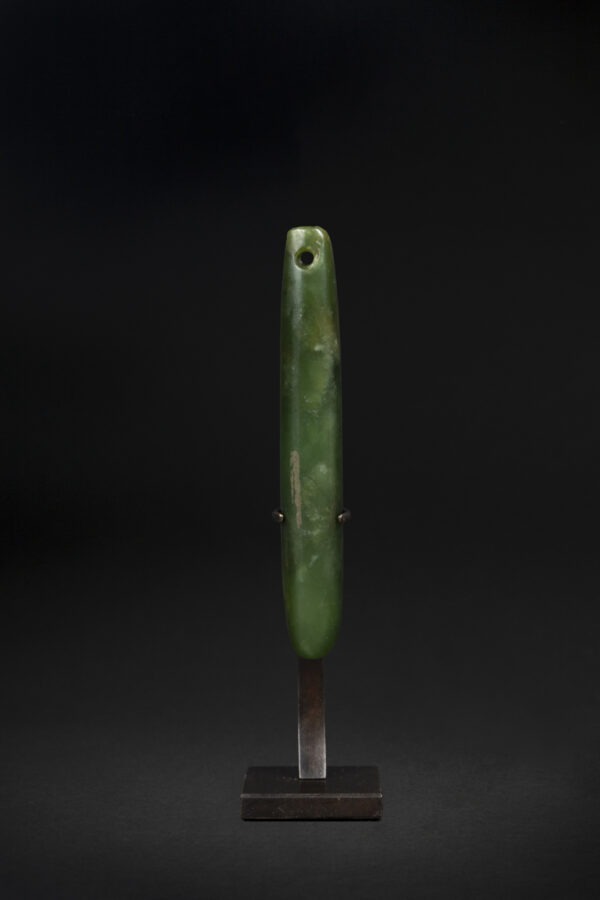
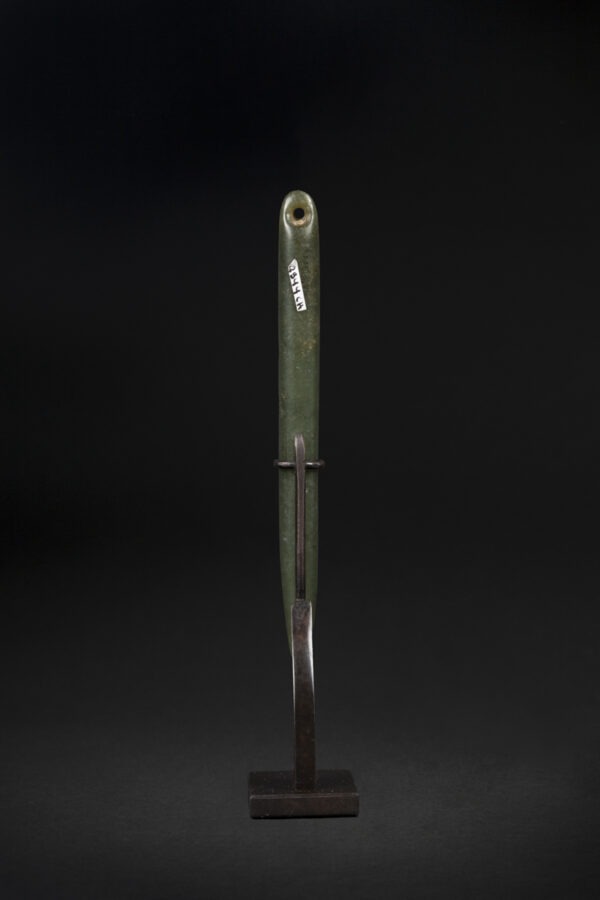
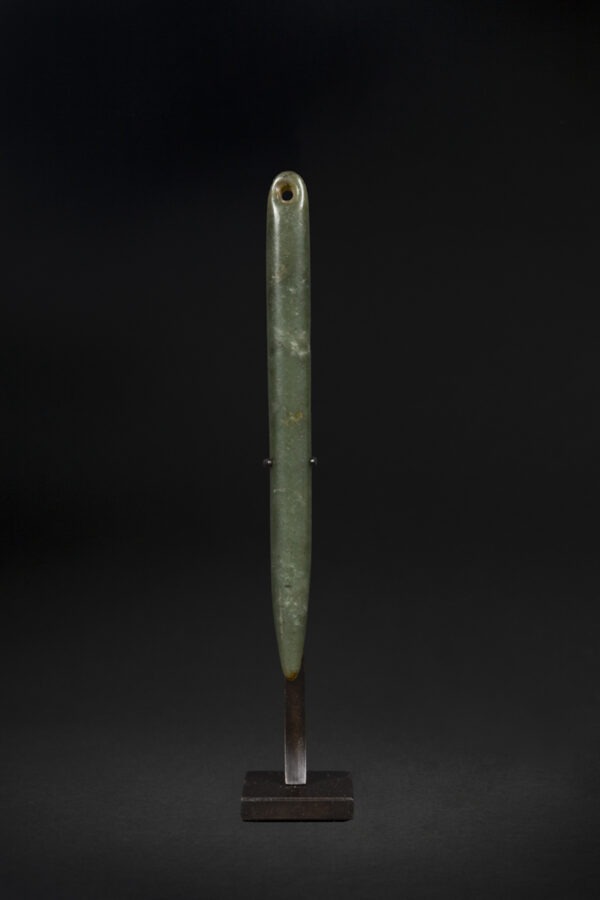
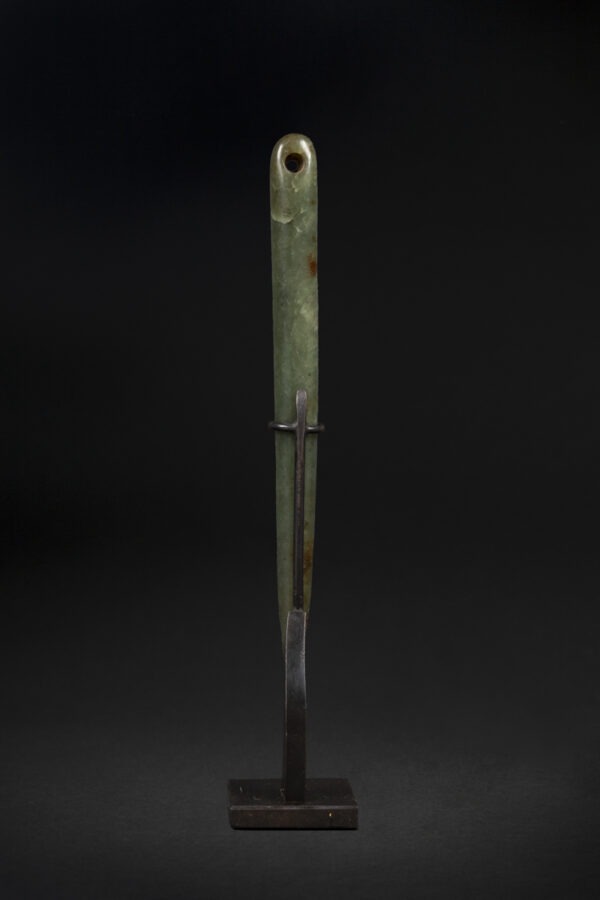
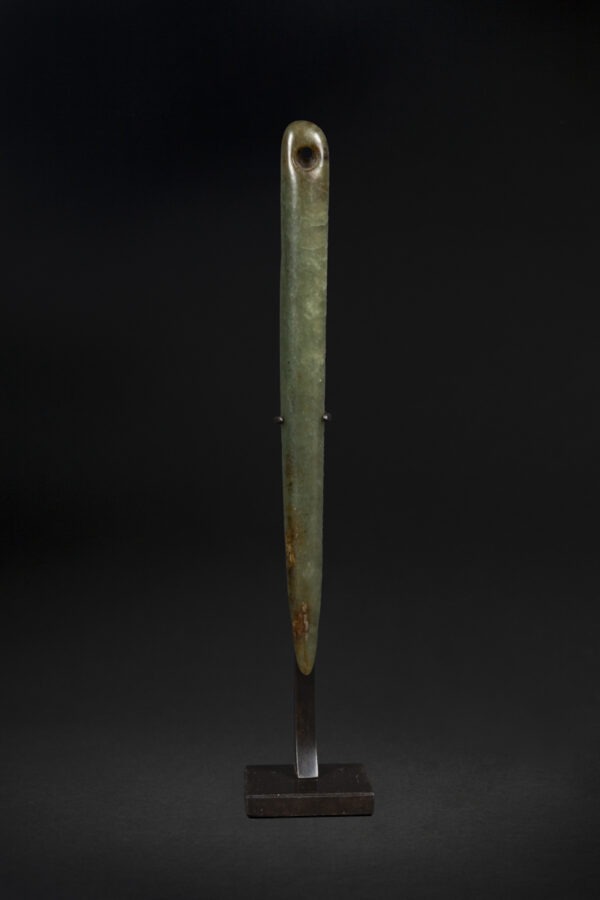
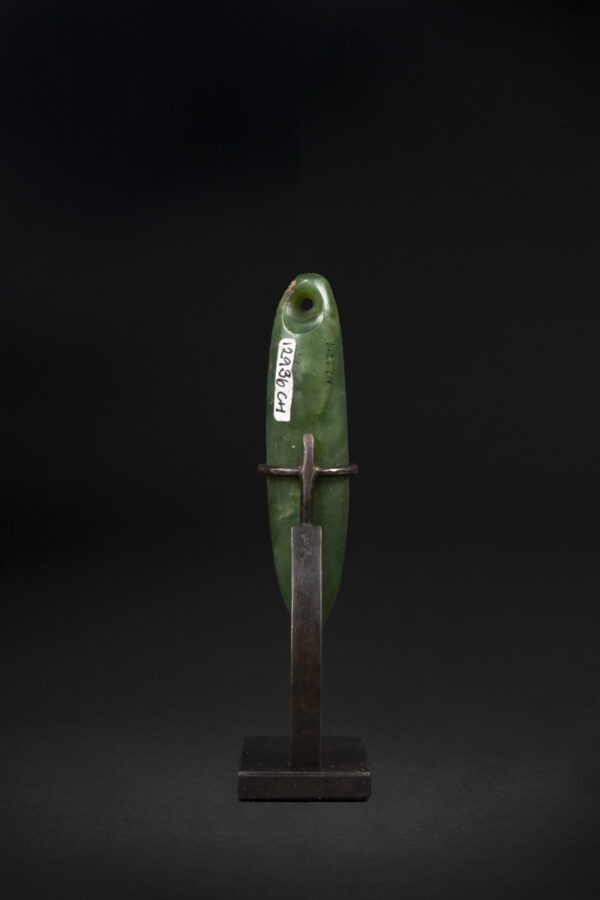
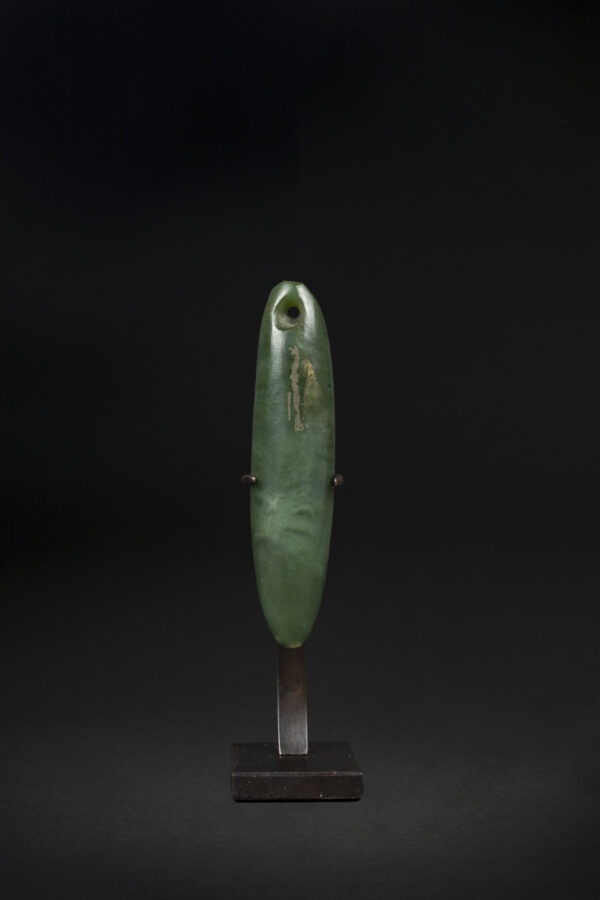
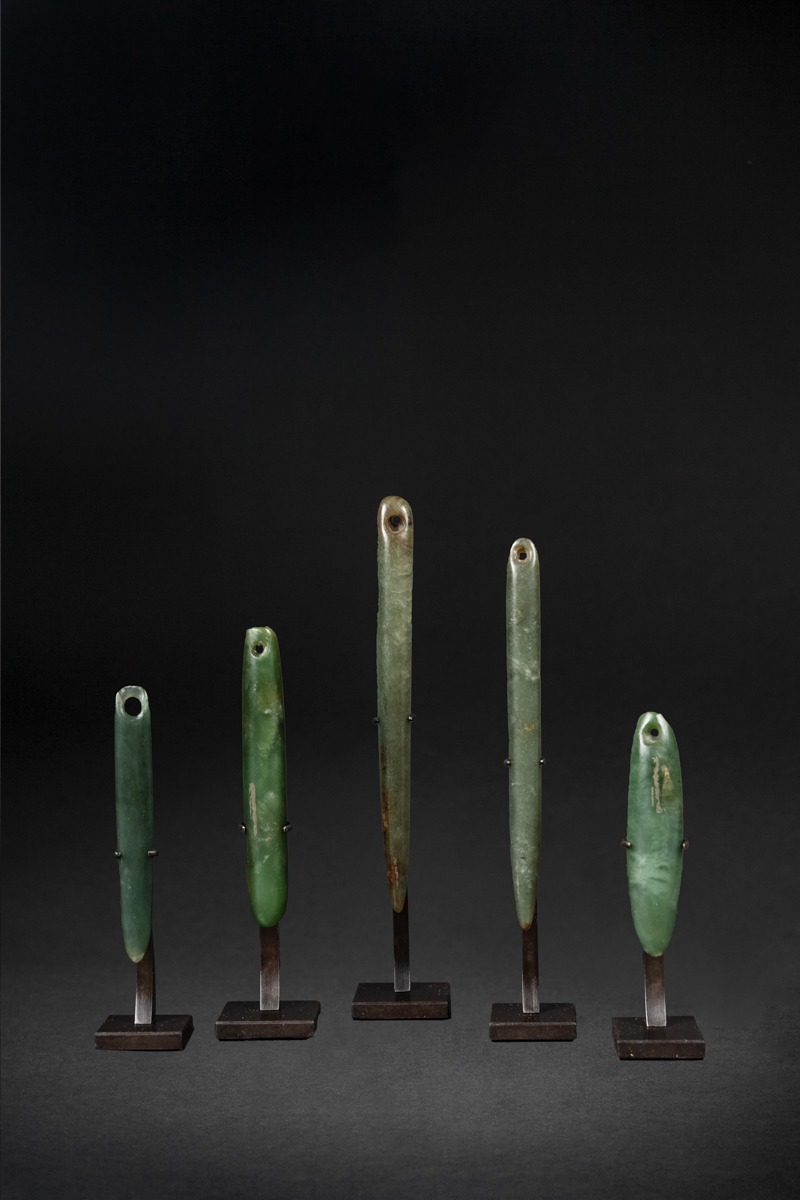
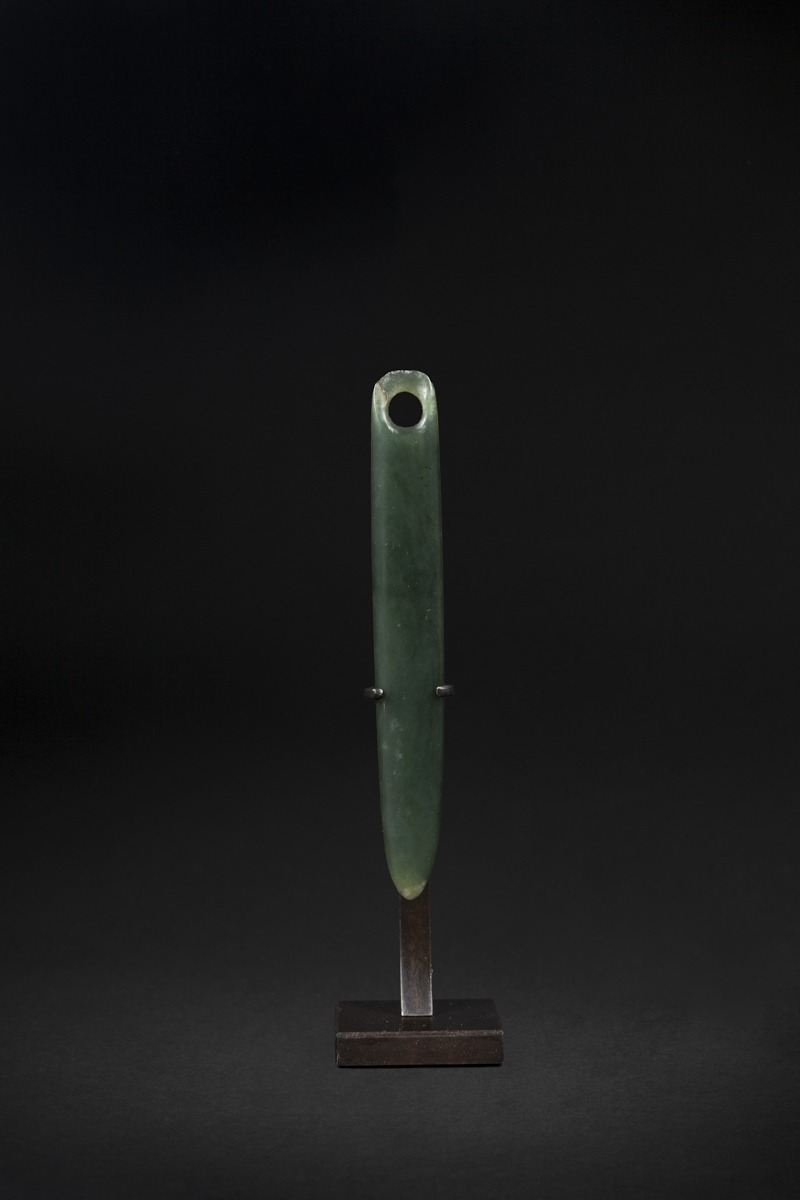
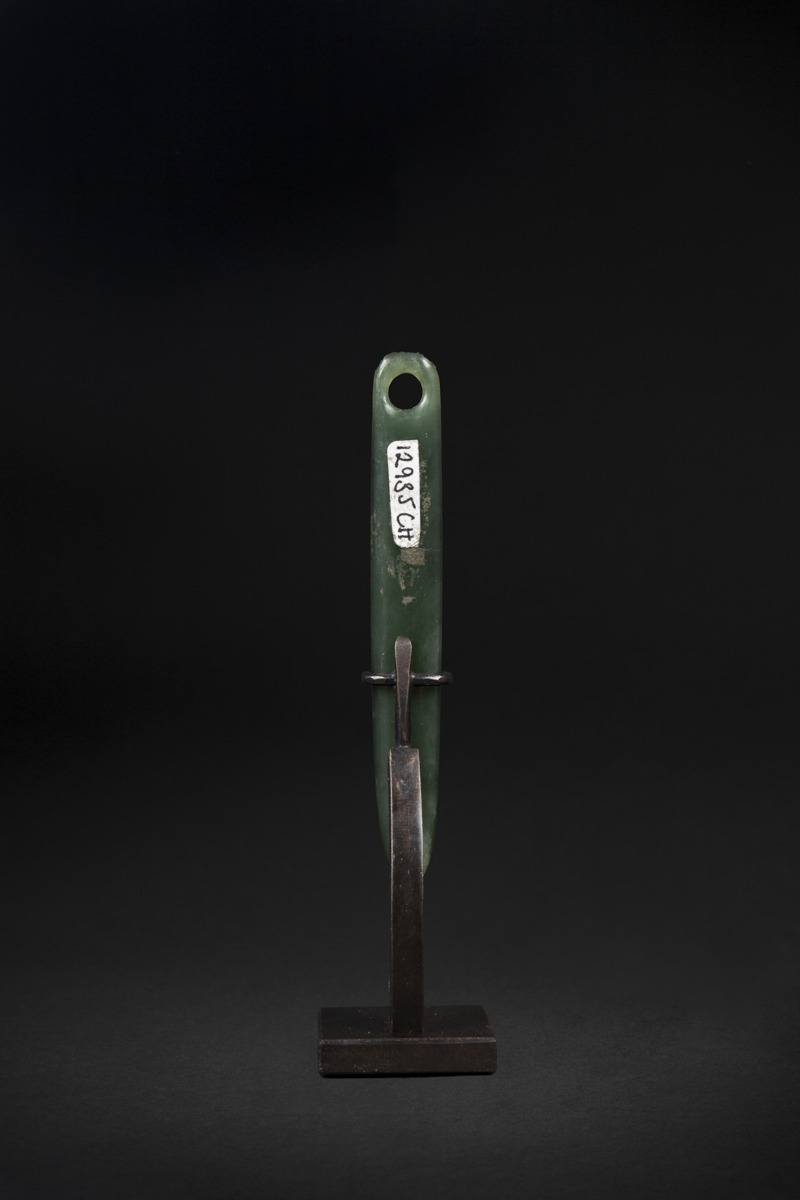
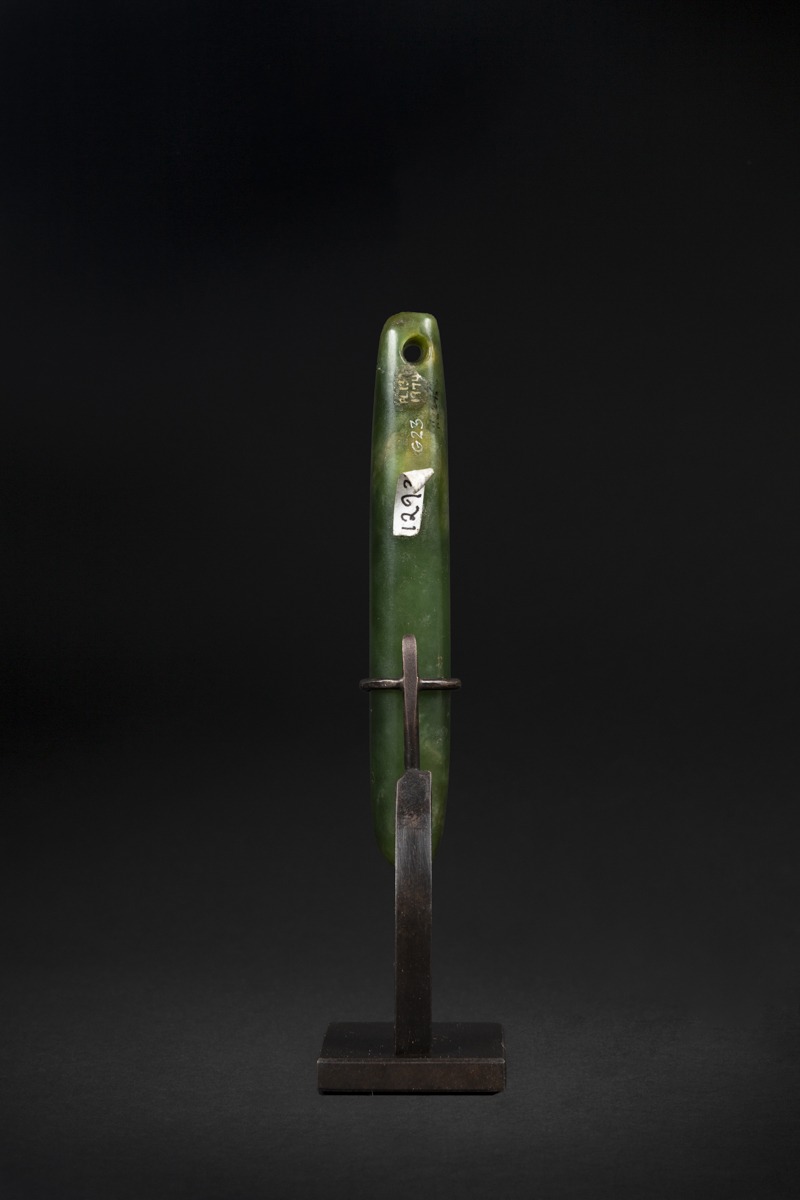
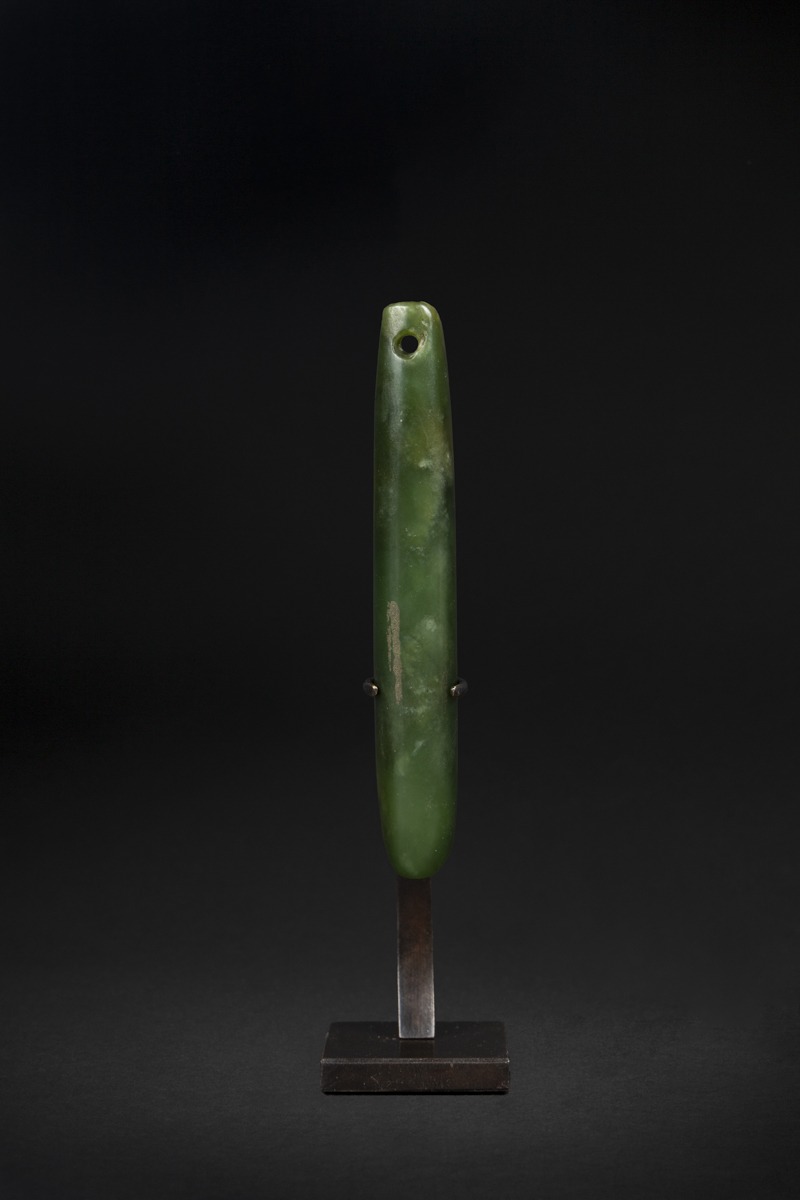
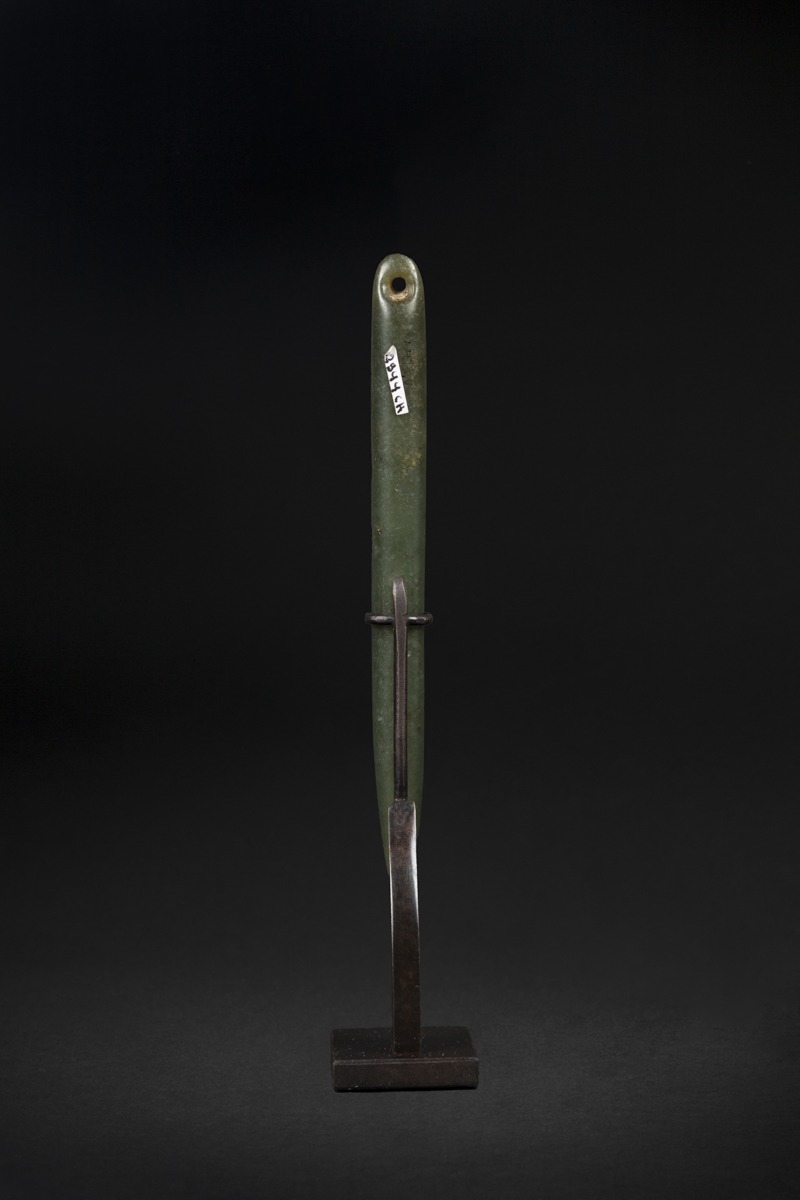
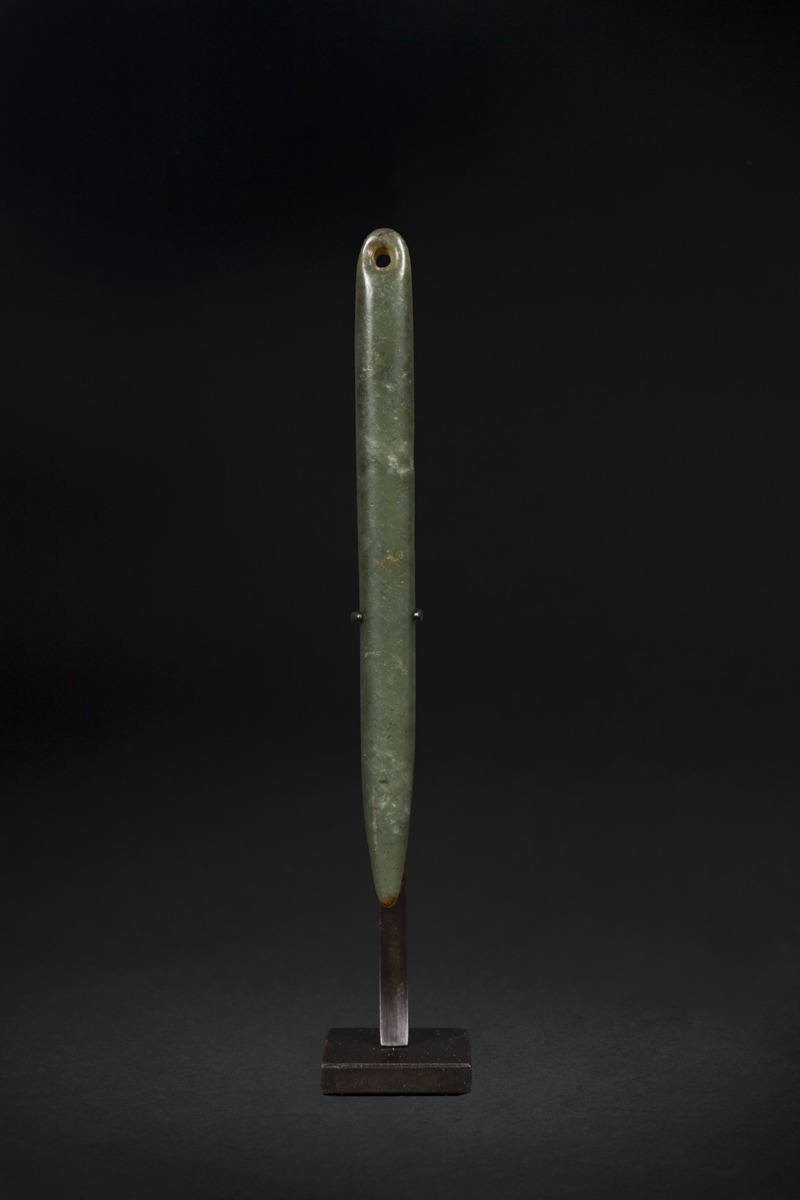
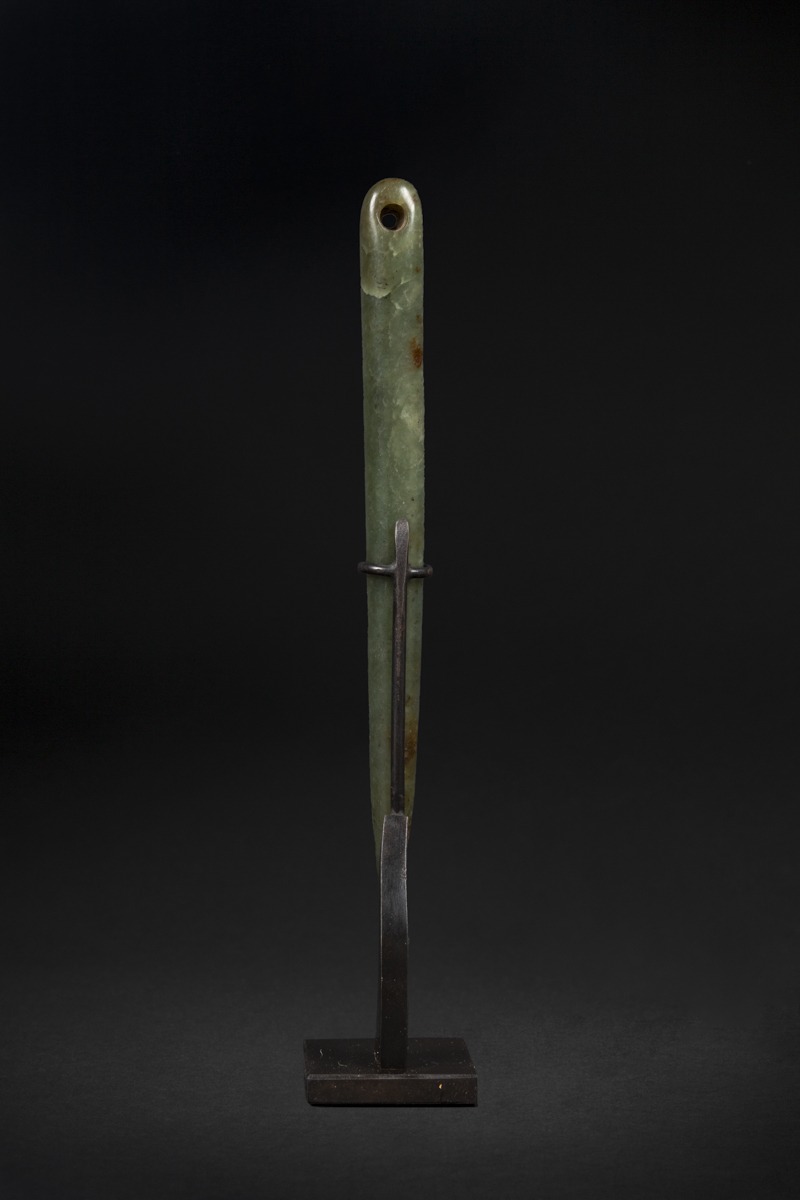
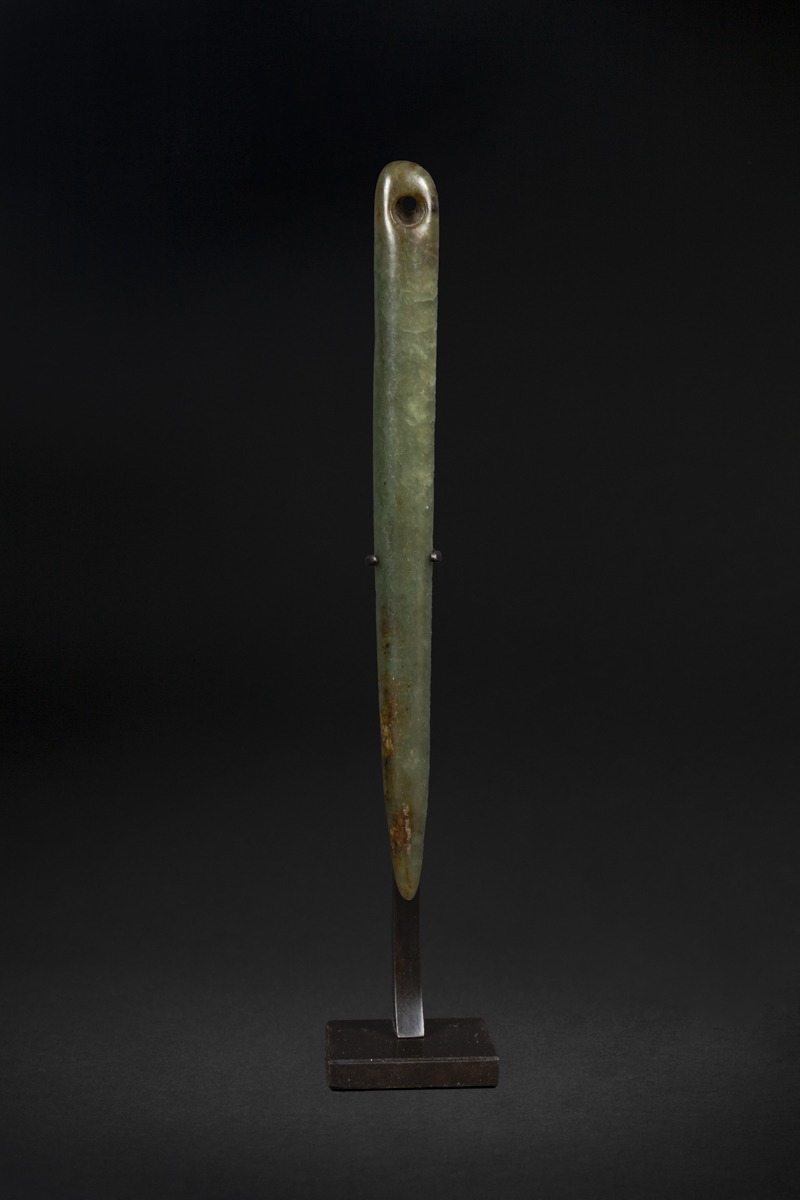
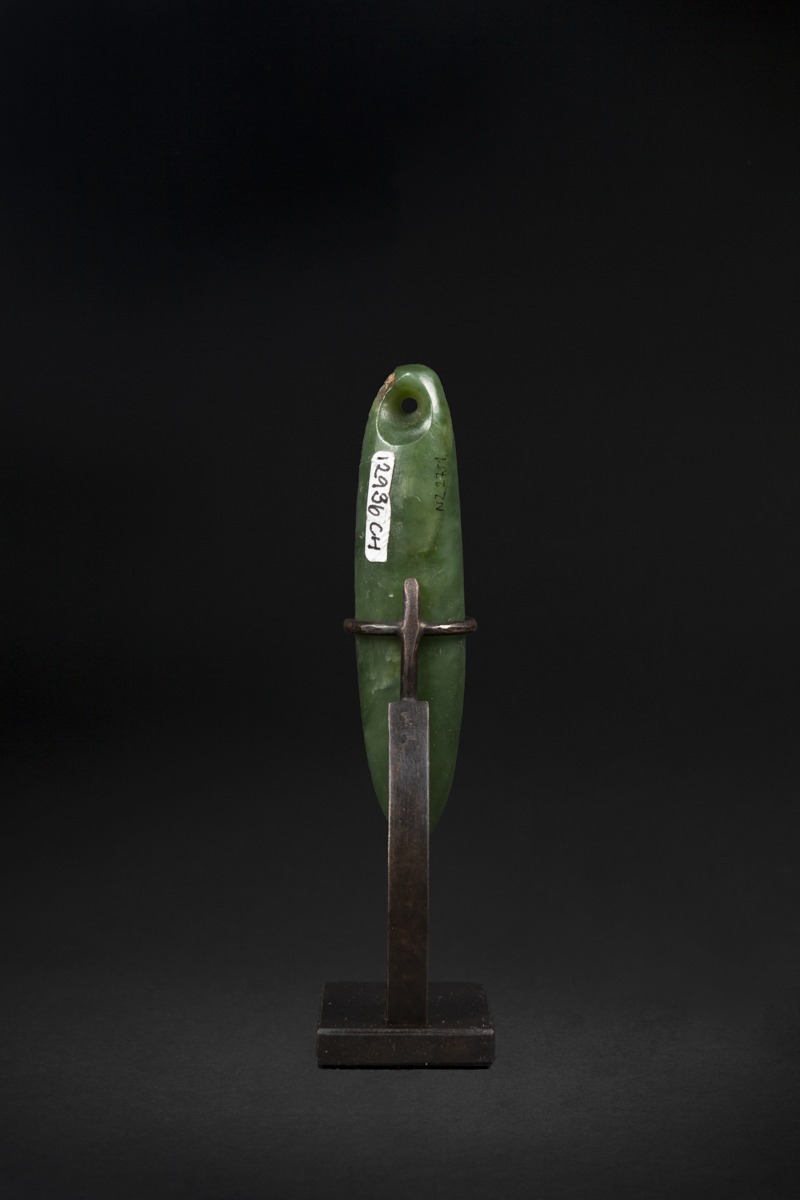
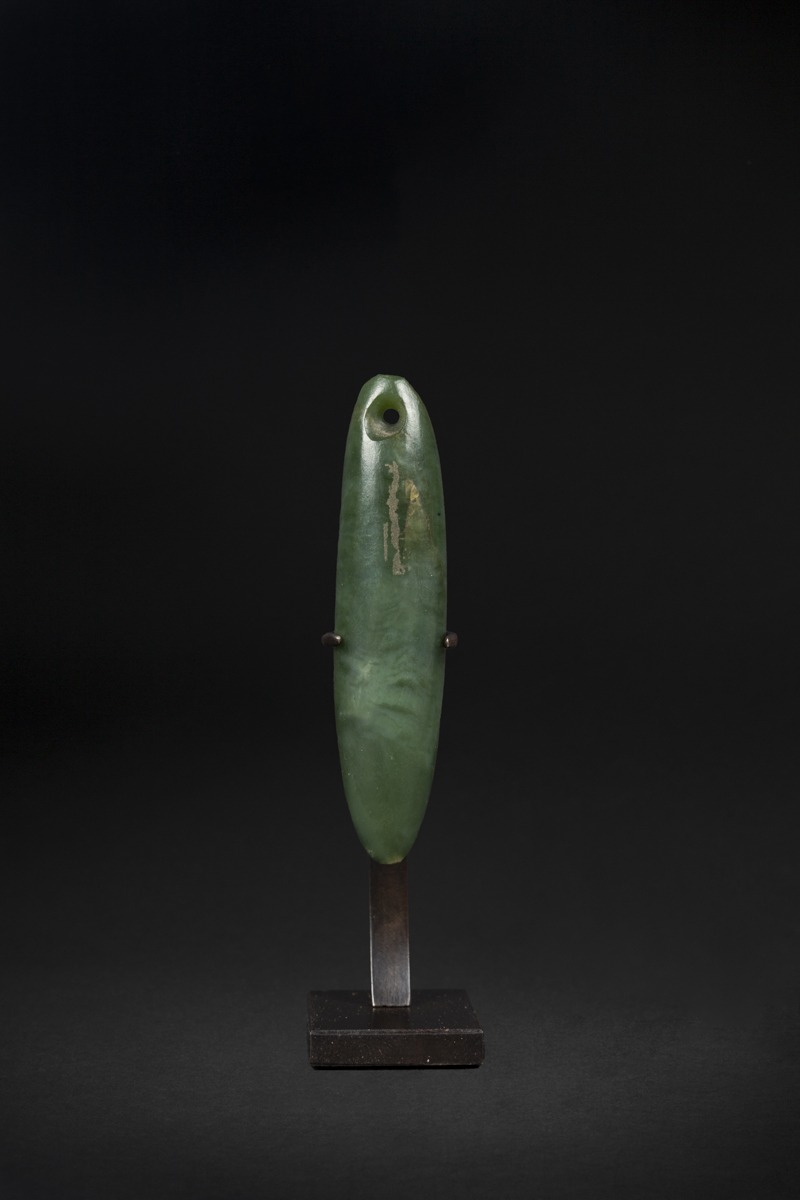
Kuru Ear Pendants
Maori
19th century
Carved greenstone (Pounamu nephrite)
Height:
Between 7 cm and 13 cm
Between 2 ¾ in. and 5 ¼ in.
Provenance
Please contact us for individual provenance
Group of Maori Kuru / Galerie Flak
Price: on request
Maori Kuru pendants made of carved greenstone are treasured ancestral heirlooms. They were often bestowed with personal names. Some famous kuru are known to have long tribal histories. Many were gifted by Maori to early European settlers, government officials, and military leaders as tokens of enduring friendship.
Maori ancestors valued pounamu for its beauty and for its quality of holding fine hard edges. Nephrite (jade) is still an important resource, sought after by craftspeople and lapidary artists as a precious gem for personal ornaments and sculptural works.
Maori artisans fashioned pounamu into personal ornaments such as hei tiki (neck pendants), kuru and kapeu (ear pendants), mere pounamu (greenstone weapons), and toki (adzes).
According to the Ngati Waewae people of the South Island’s West Coast, pounamu was once a beautiful woman called Waitaiki, from Tuhua (Mayor Island). Poutini, a son of Tangaroa (the god of the sea), fell in love with Waitaiki and abducted her from her husband, Tama-ahua.
Poutini and Waitaiki were chased by Tama-ahua to the Arahura River on the West Coast of the South Island. To prevent Waitaiki being taken back, Poutini transformed her into pounamu. Poutini is acknowledged as the spiritual guardian of pounamu, with the people and land of the West Coast of the South Island.
Maori ancestors valued pounamu for its beauty and for its quality of holding fine hard edges. Nephrite (jade) is still an important resource, sought after by craftspeople and lapidary artists as a precious gem for personal ornaments and sculptural works.
Maori artisans fashioned pounamu into personal ornaments such as hei tiki (neck pendants), kuru and kapeu (ear pendants), mere pounamu (greenstone weapons), and toki (adzes).
According to the Ngati Waewae people of the South Island’s West Coast, pounamu was once a beautiful woman called Waitaiki, from Tuhua (Mayor Island). Poutini, a son of Tangaroa (the god of the sea), fell in love with Waitaiki and abducted her from her husband, Tama-ahua.
Poutini and Waitaiki were chased by Tama-ahua to the Arahura River on the West Coast of the South Island. To prevent Waitaiki being taken back, Poutini transformed her into pounamu. Poutini is acknowledged as the spiritual guardian of pounamu, with the people and land of the West Coast of the South Island.
Documentation
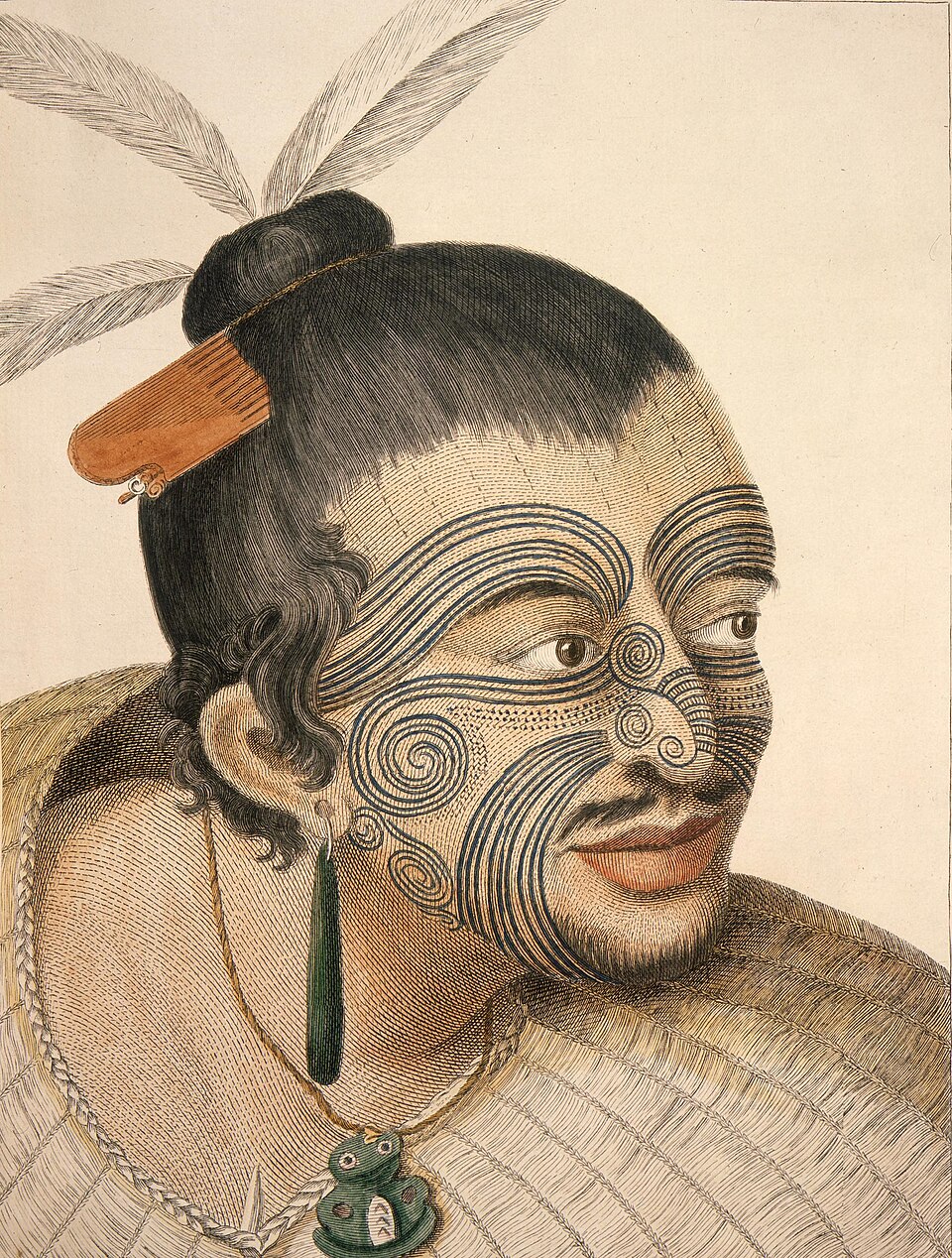
“Maori Chief”
Engraving by Thomas Chambers after original artwork by Sydney Parkinson
Published 1784; originally sketched in October 1769
Explore the entire collection