Archives | Alaska
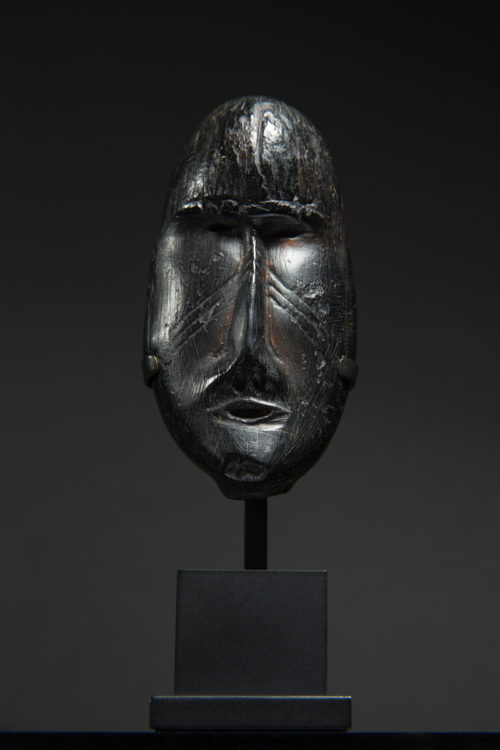
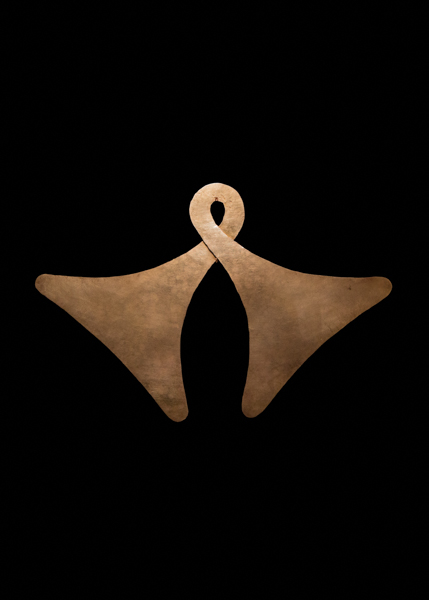
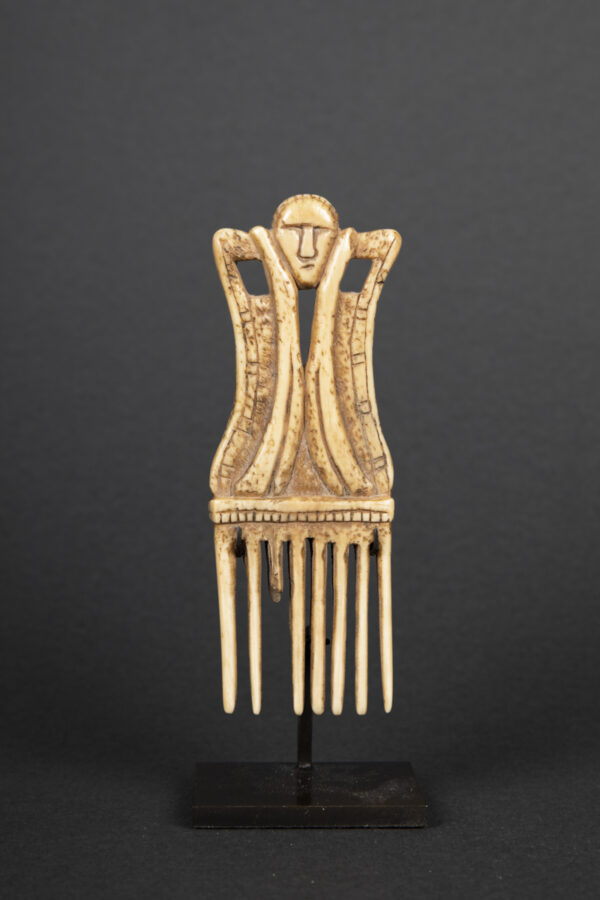
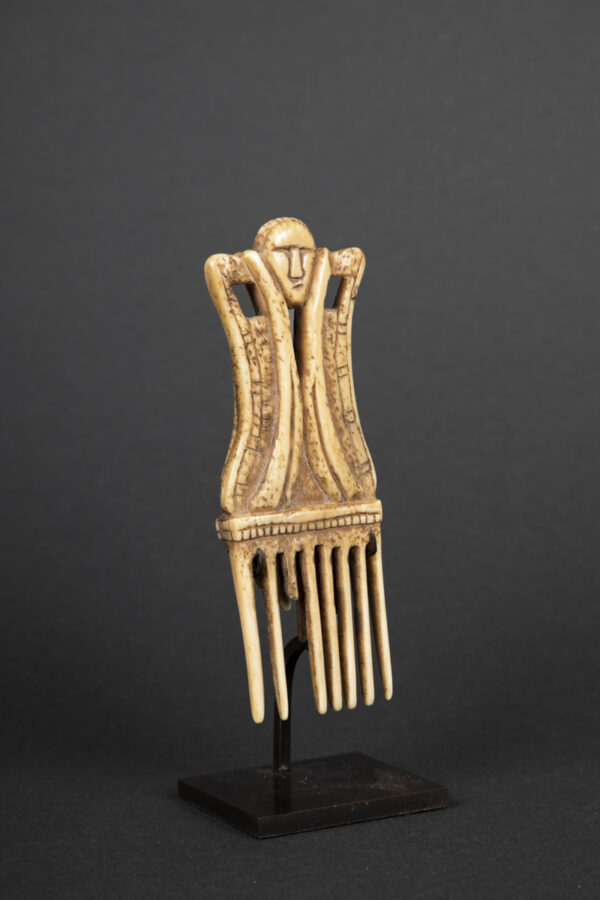
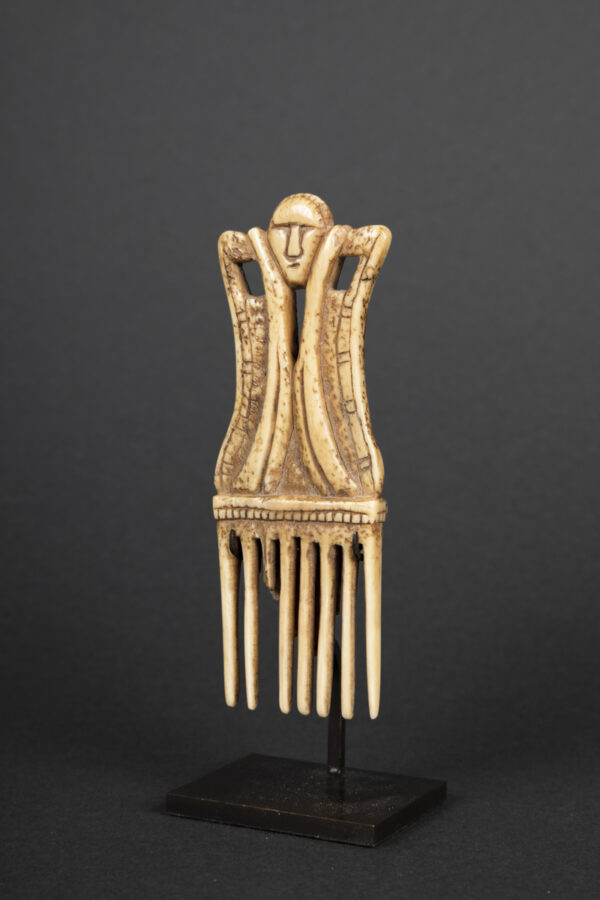
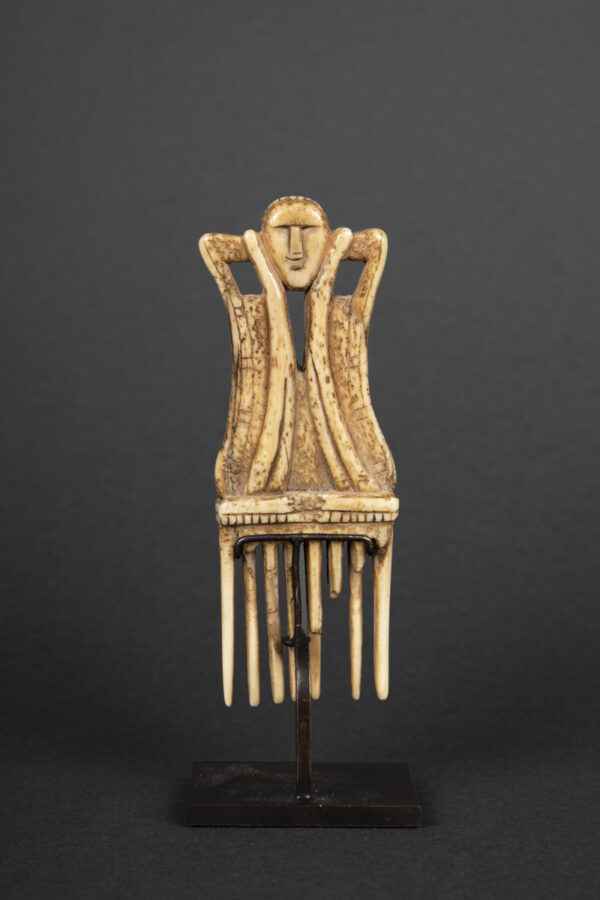
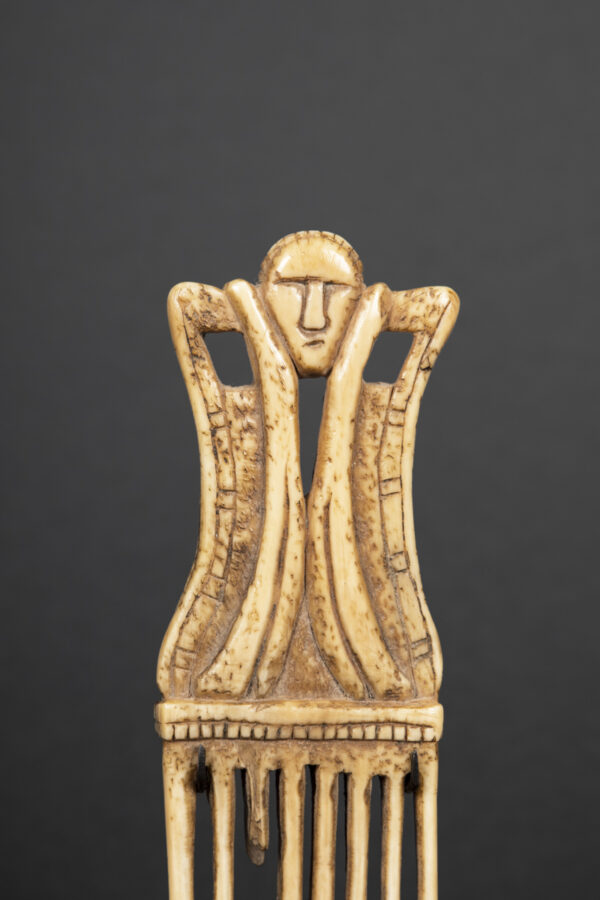
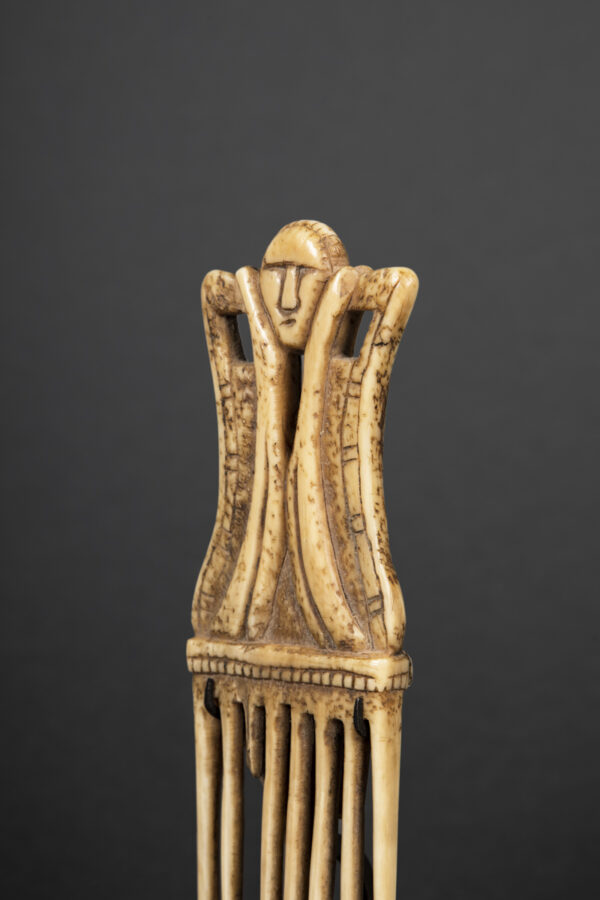
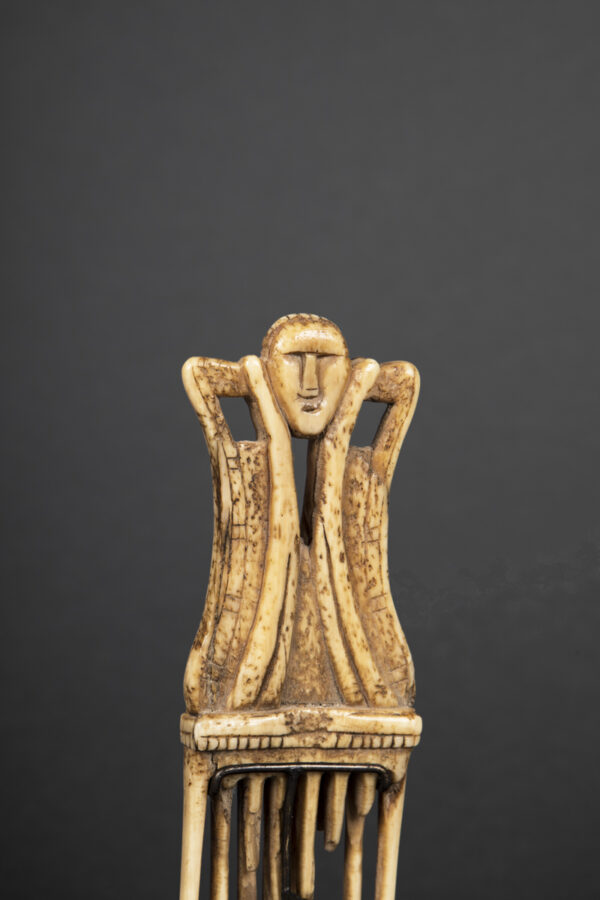
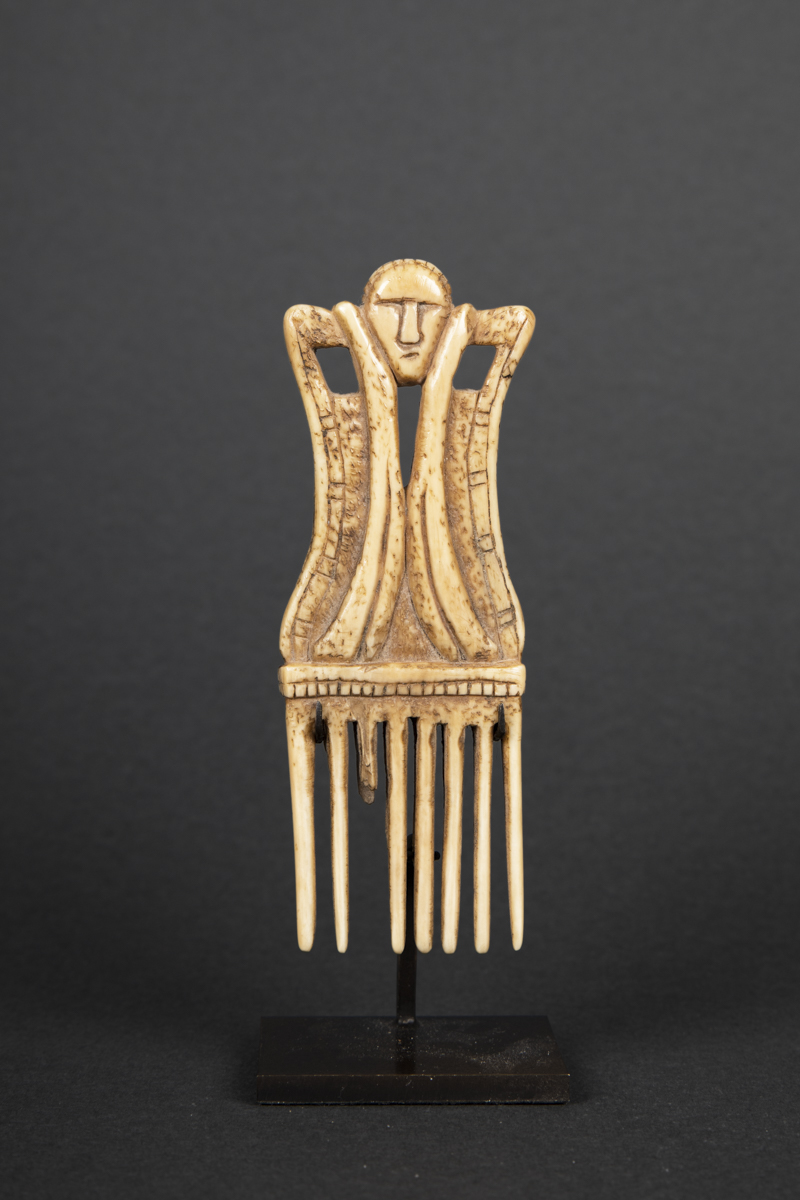
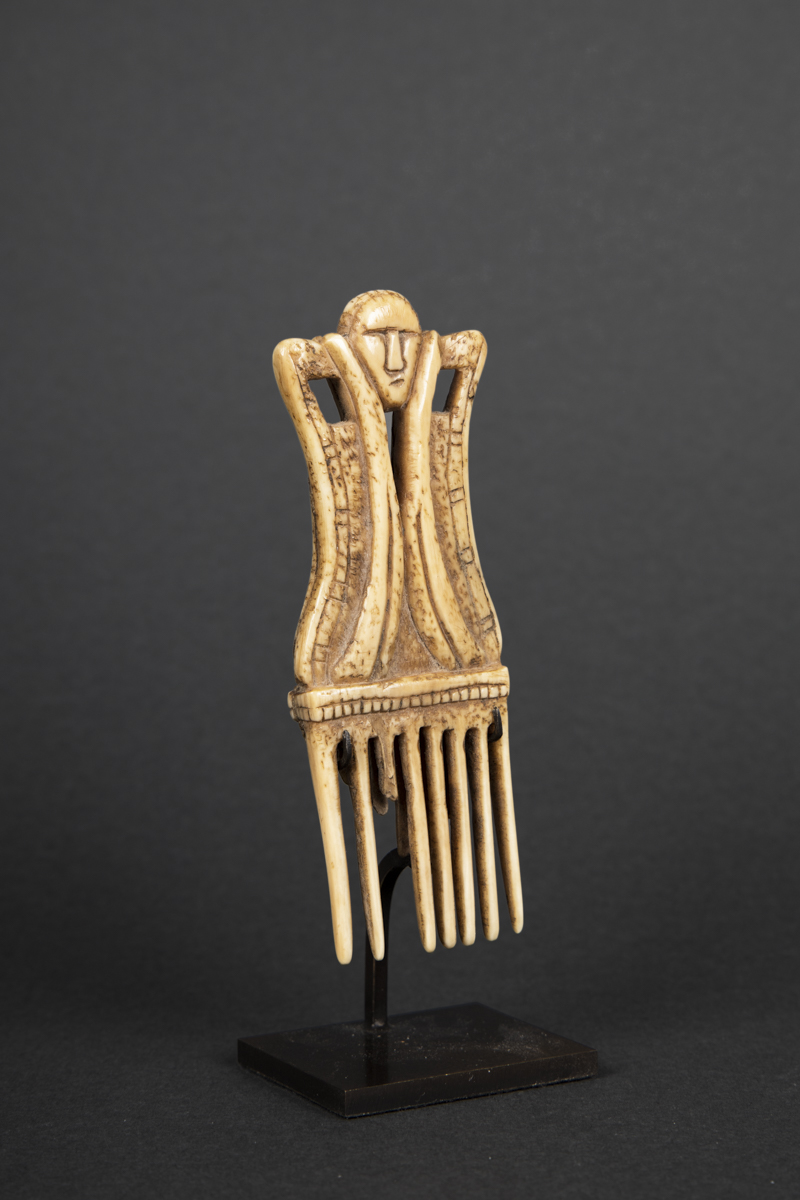
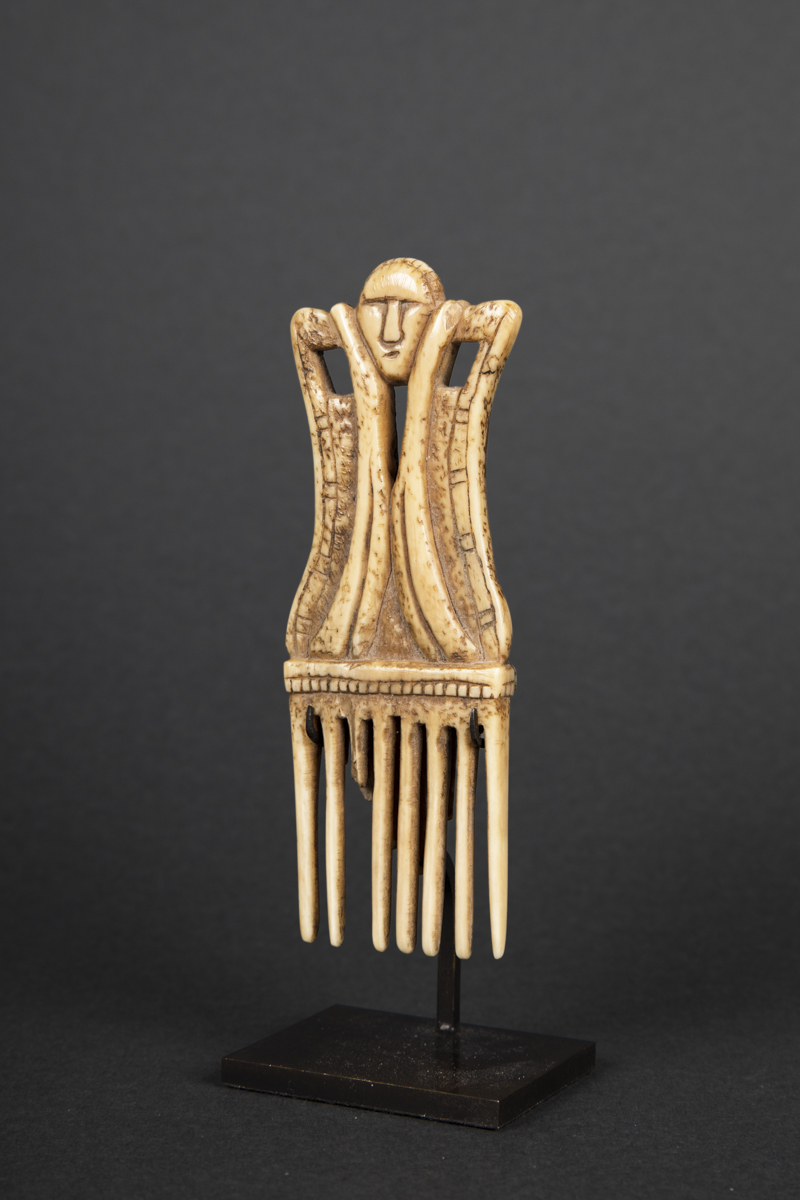
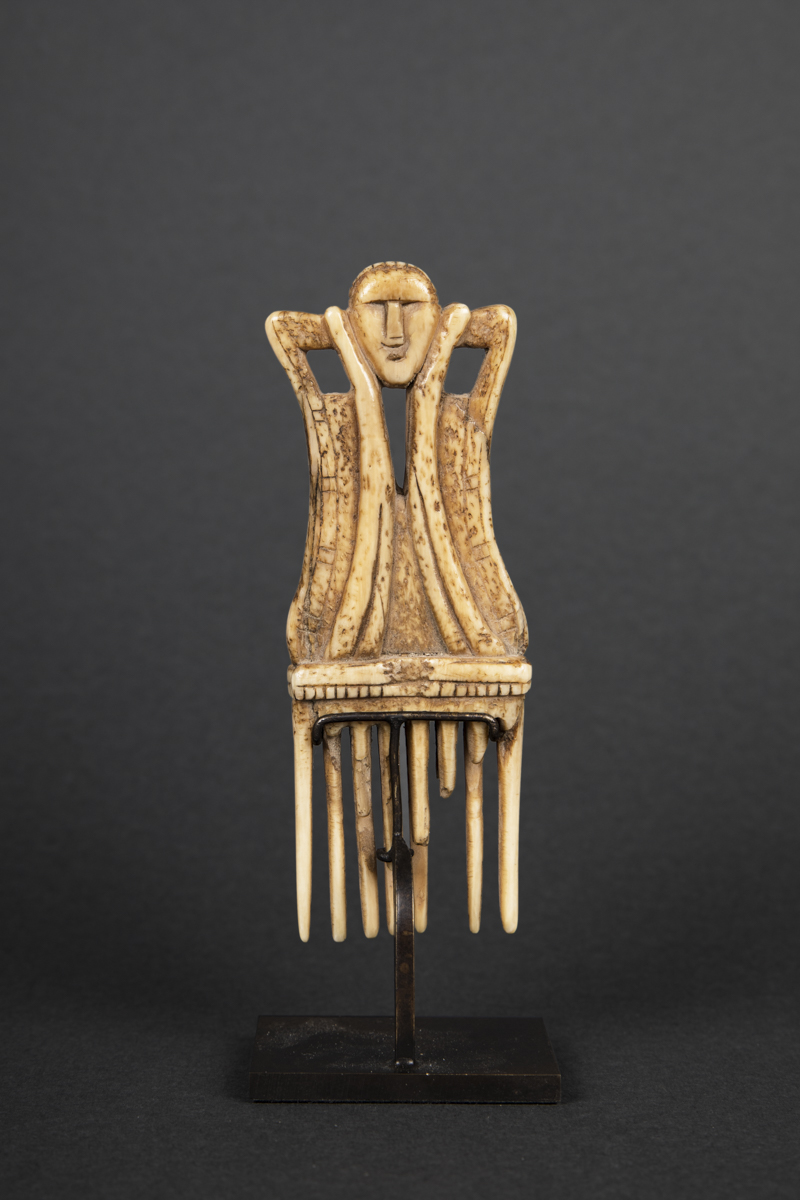
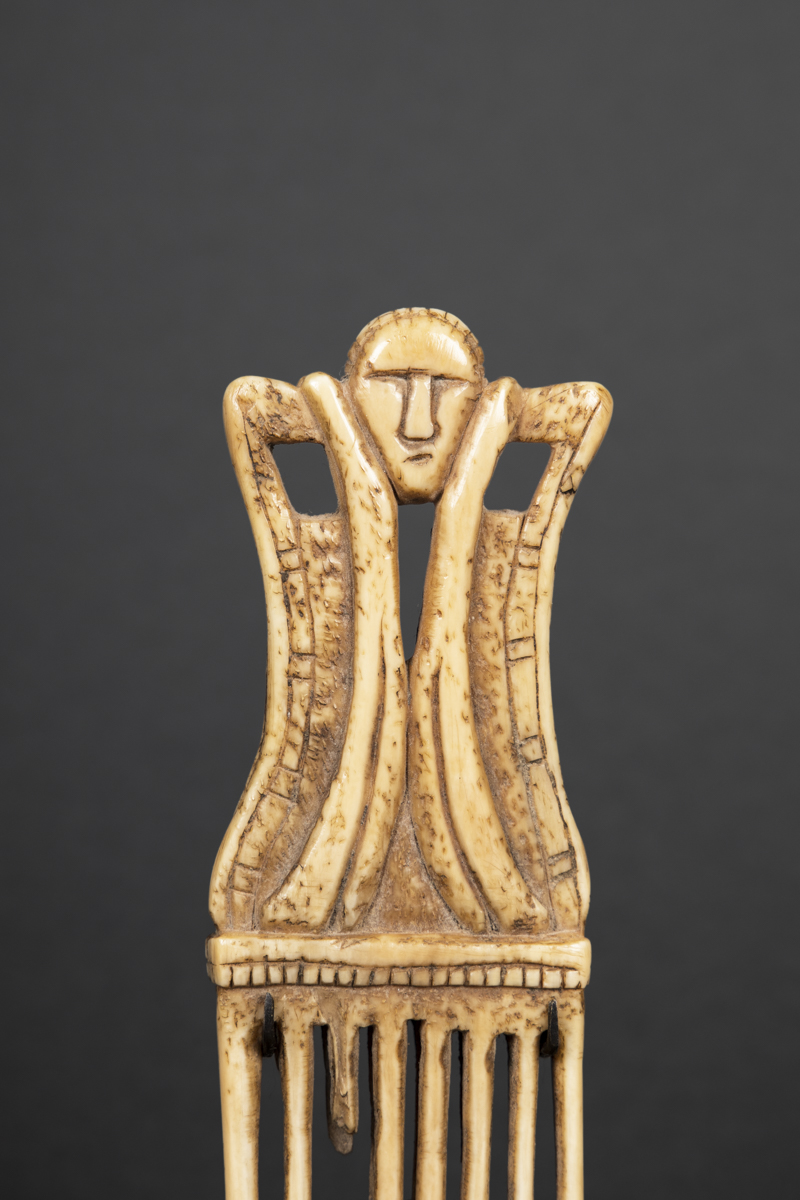
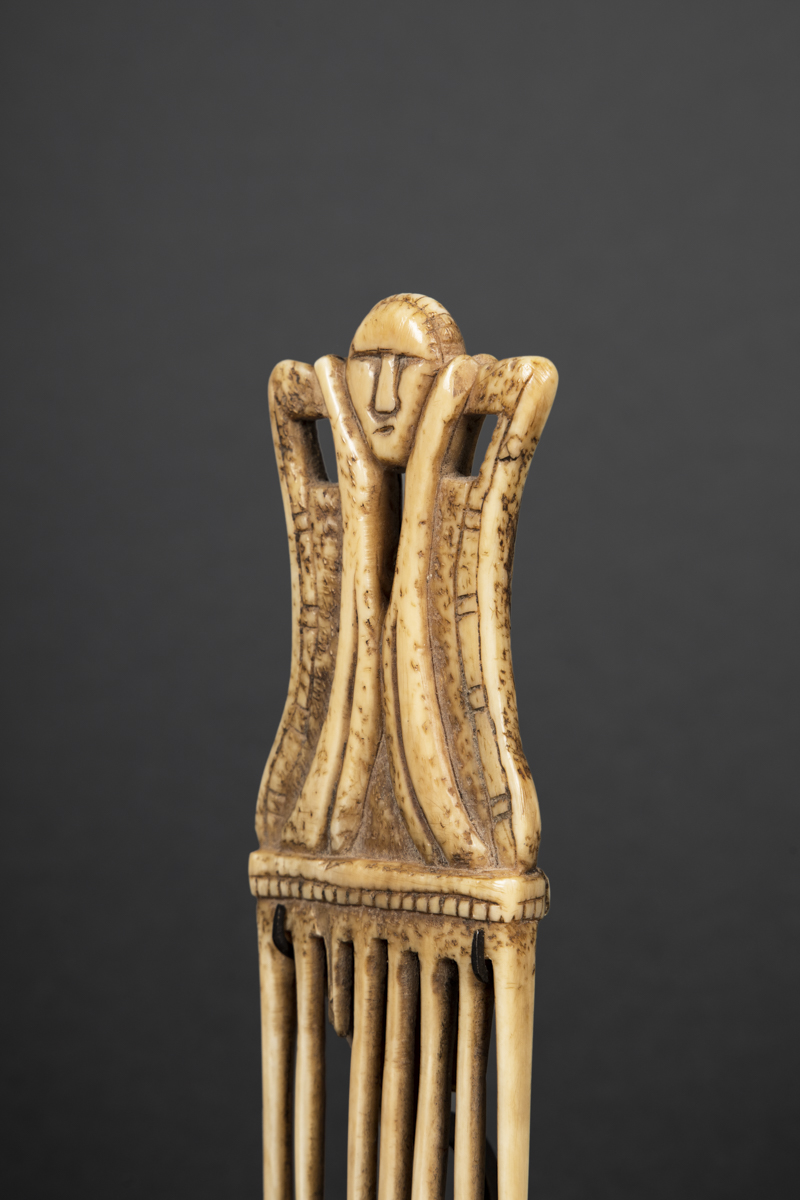
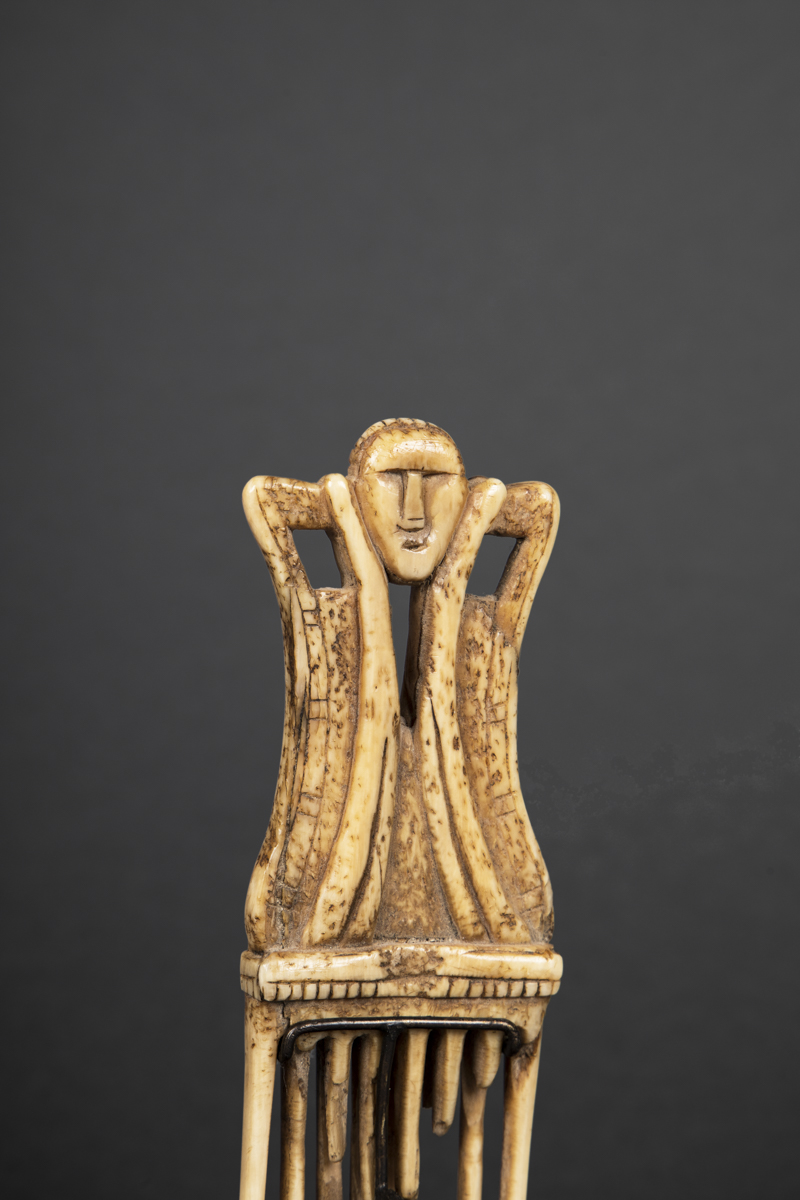
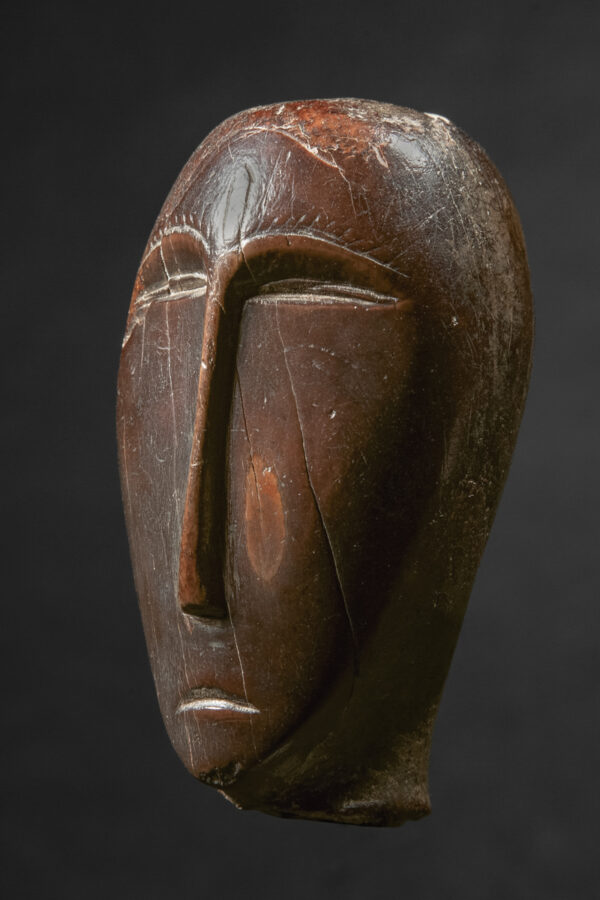
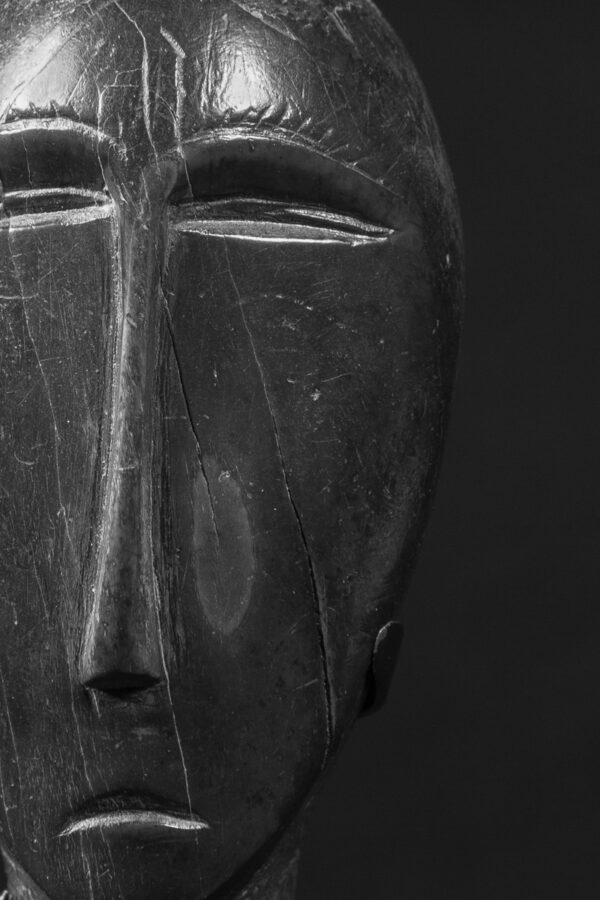
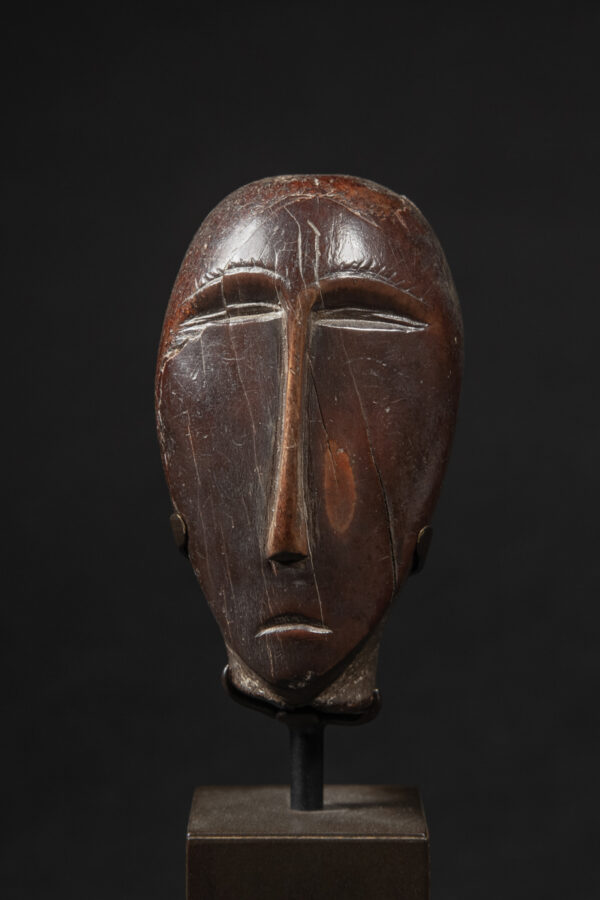
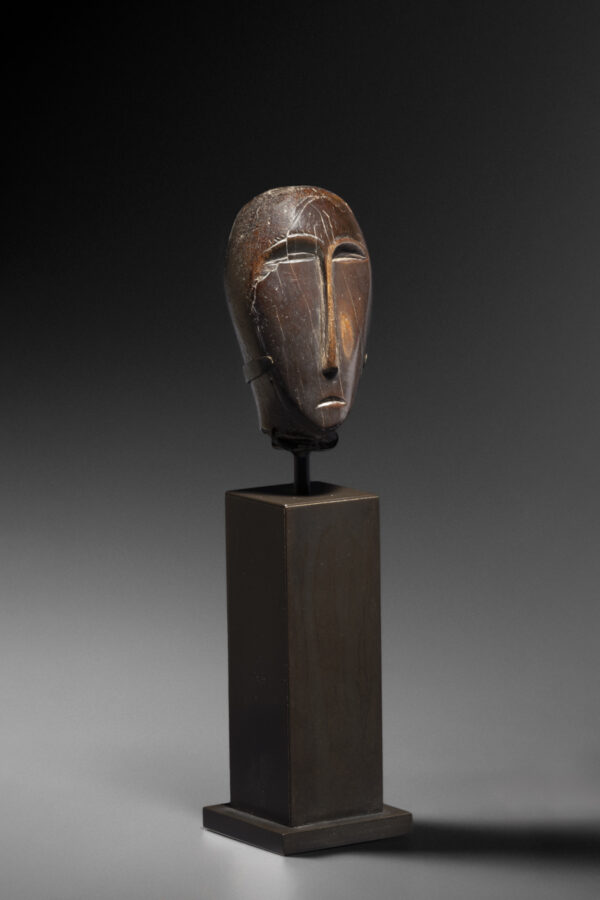
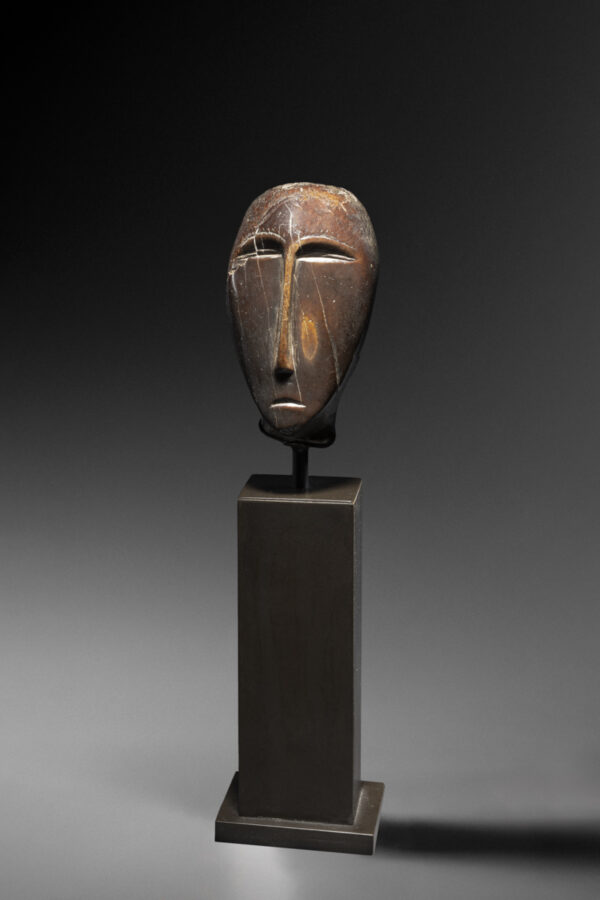
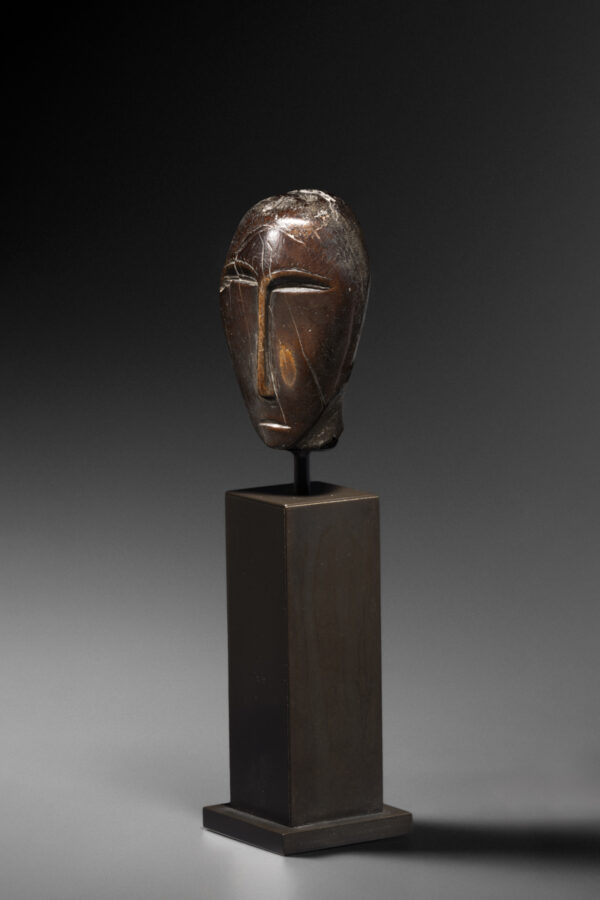
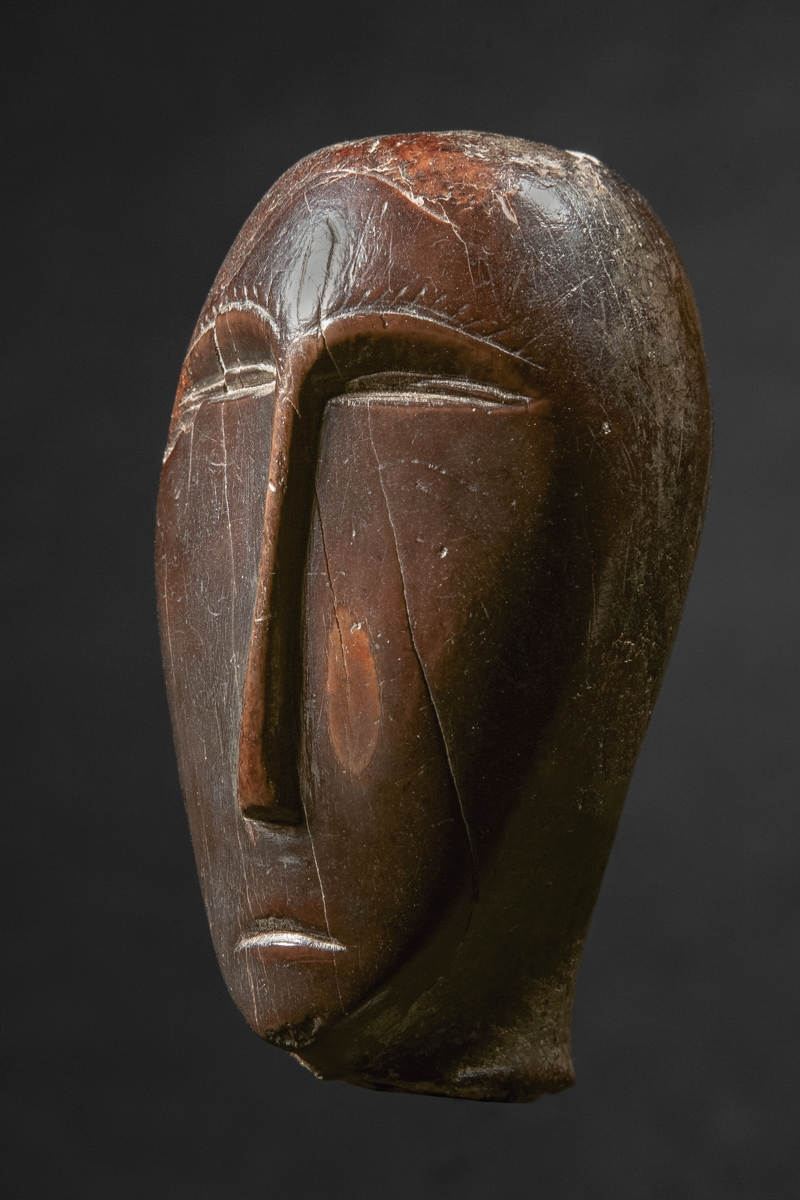
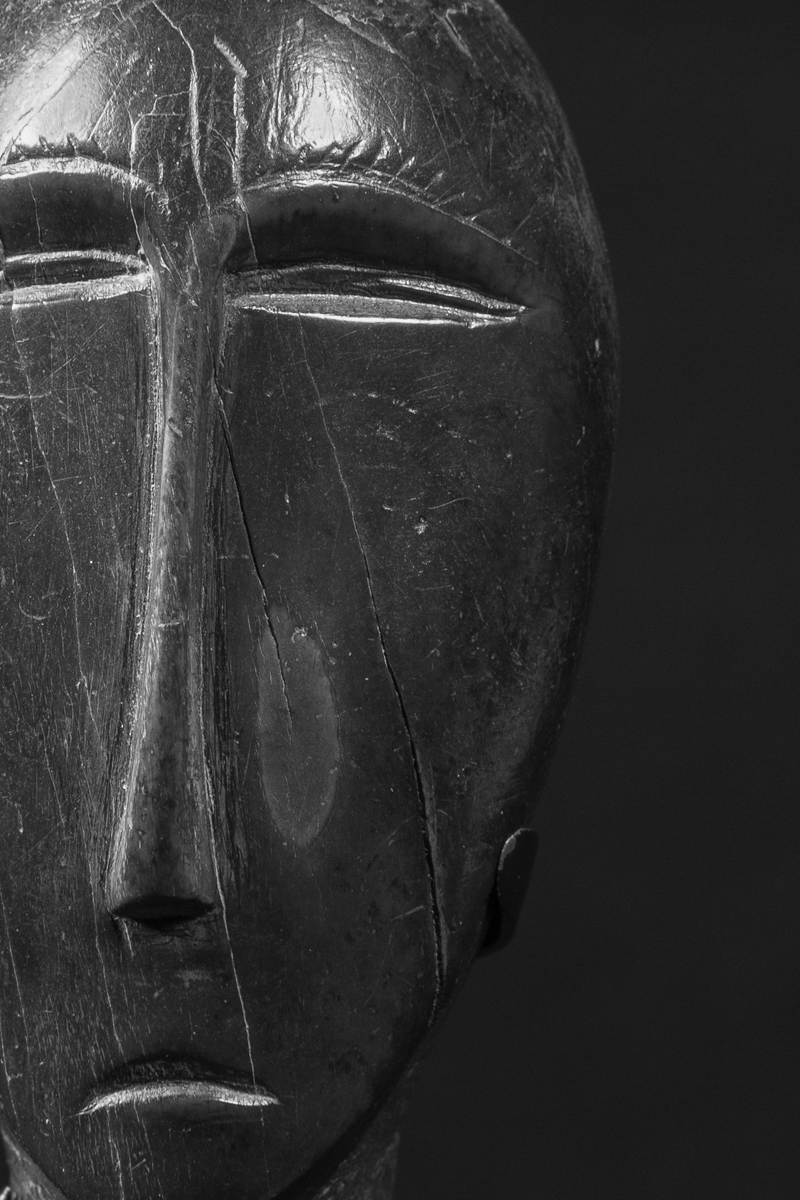
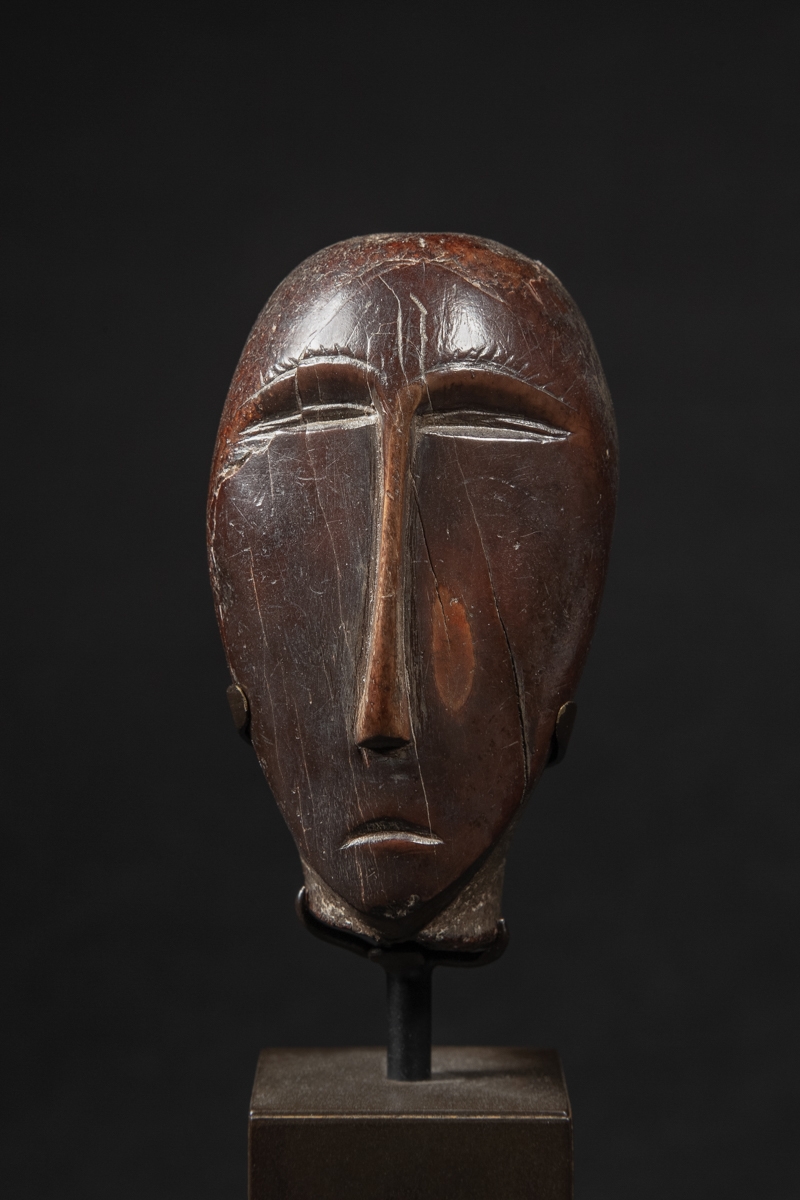
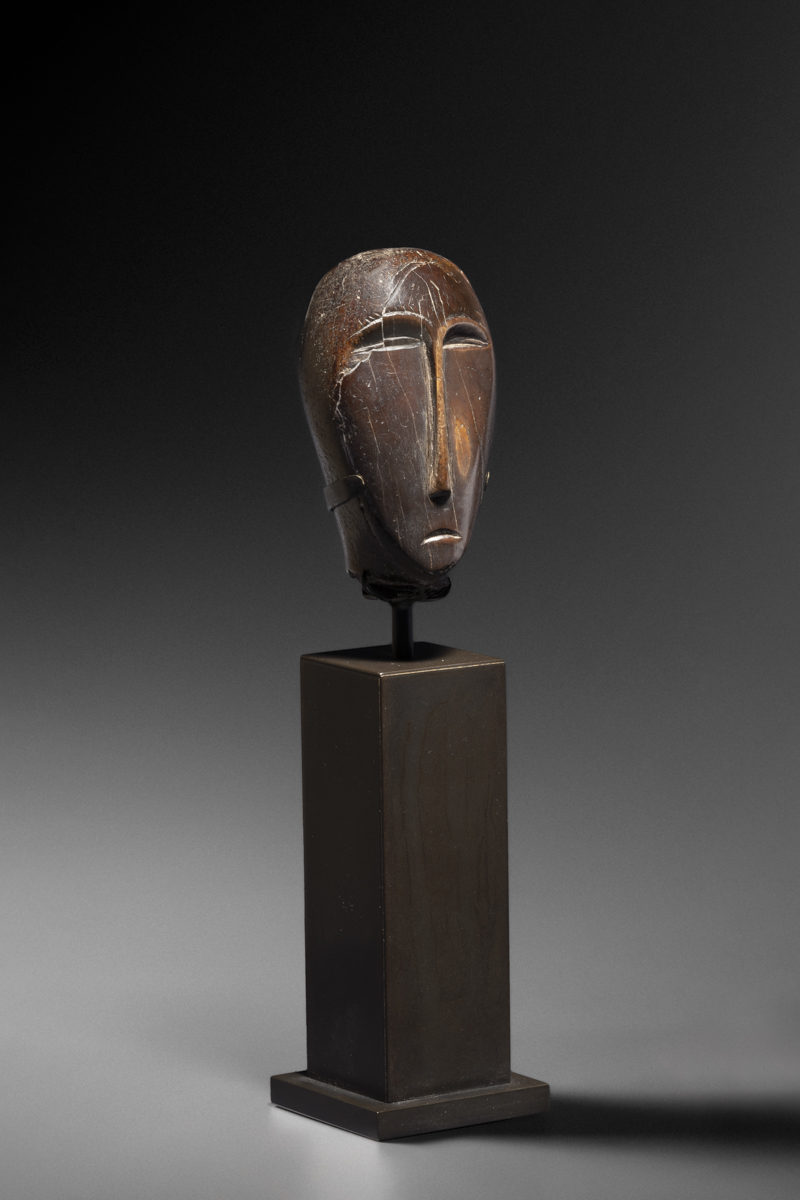
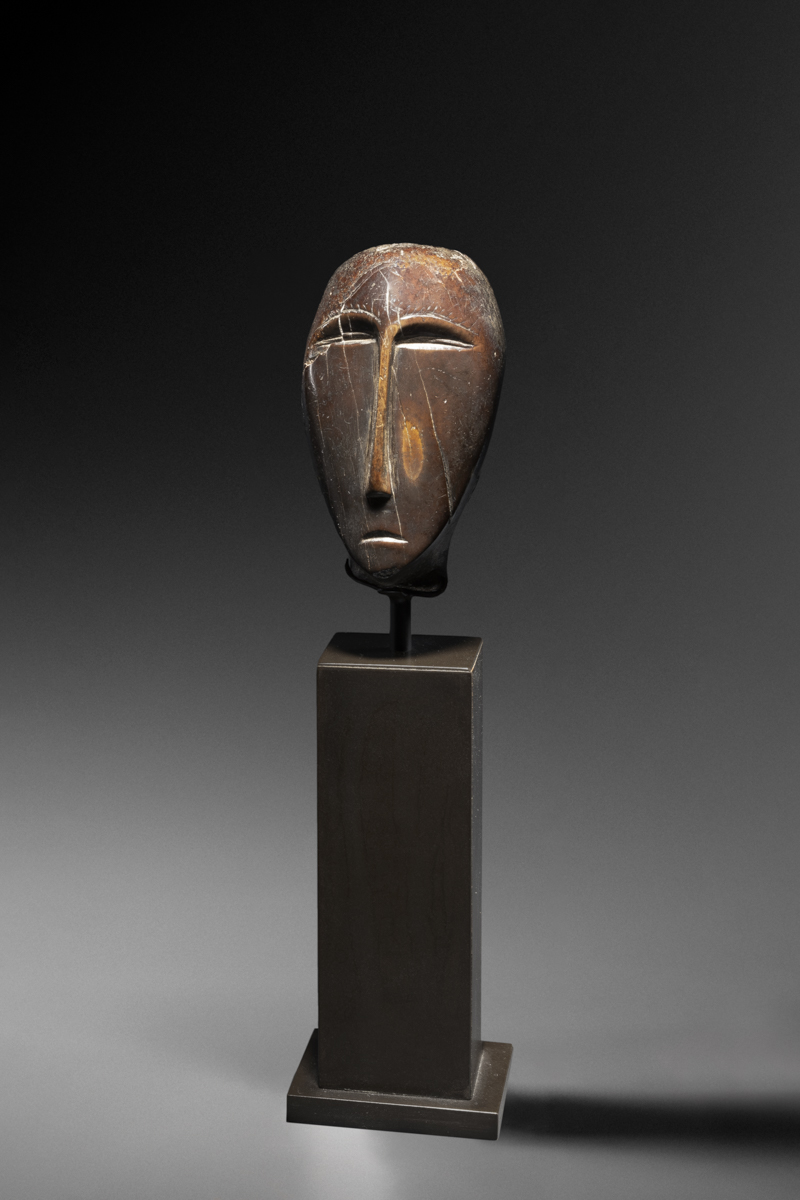
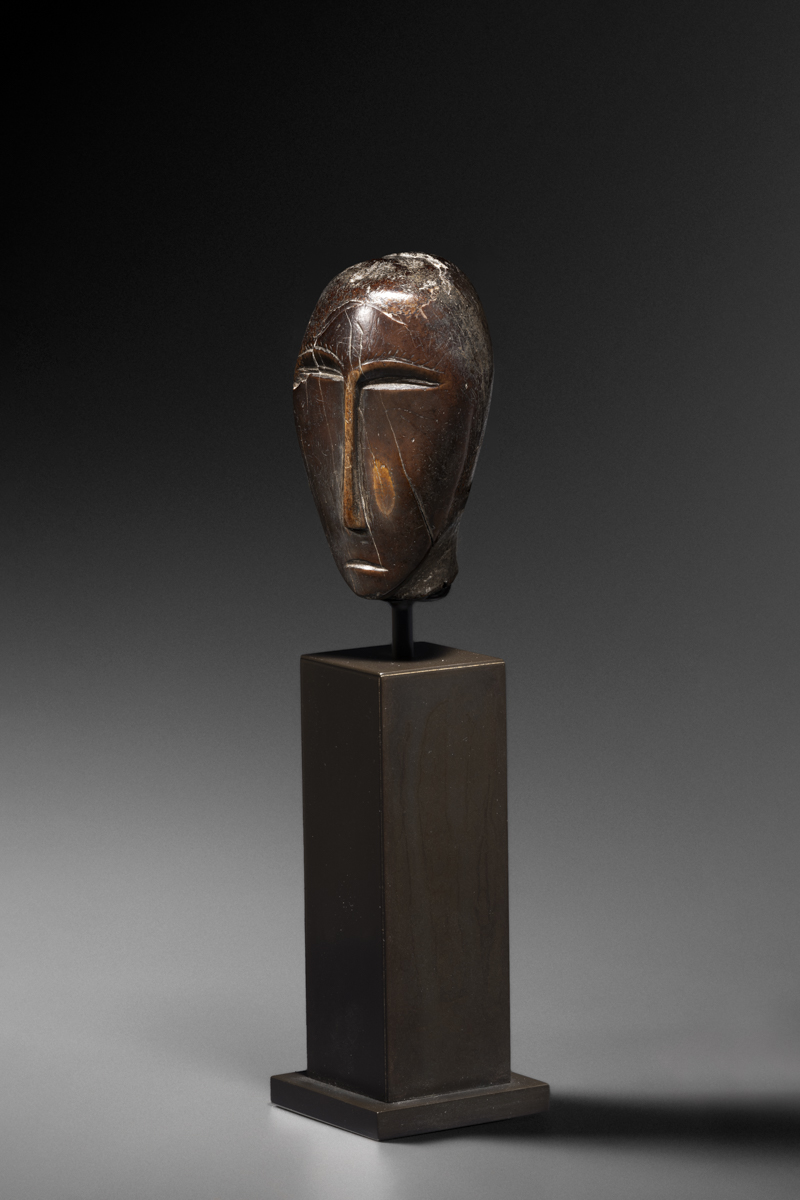
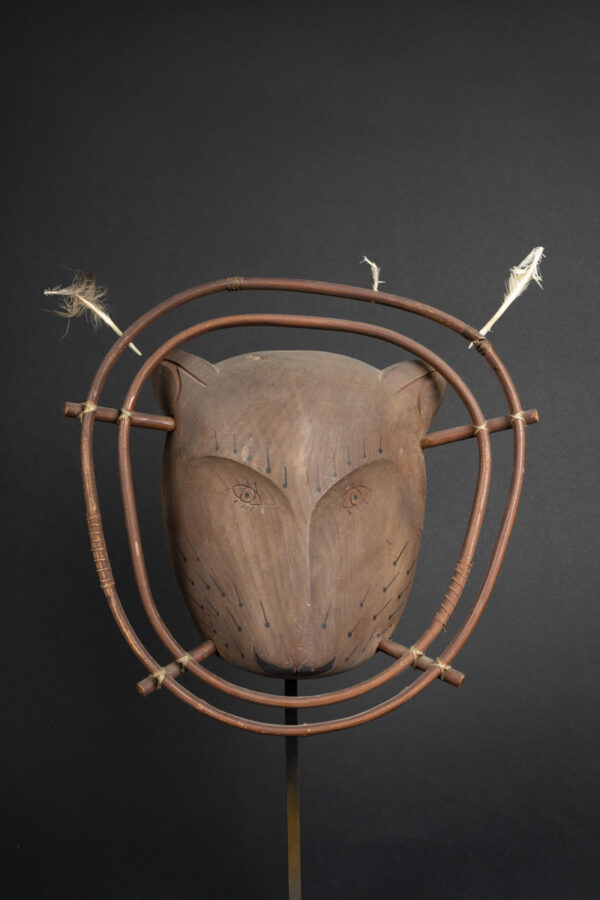
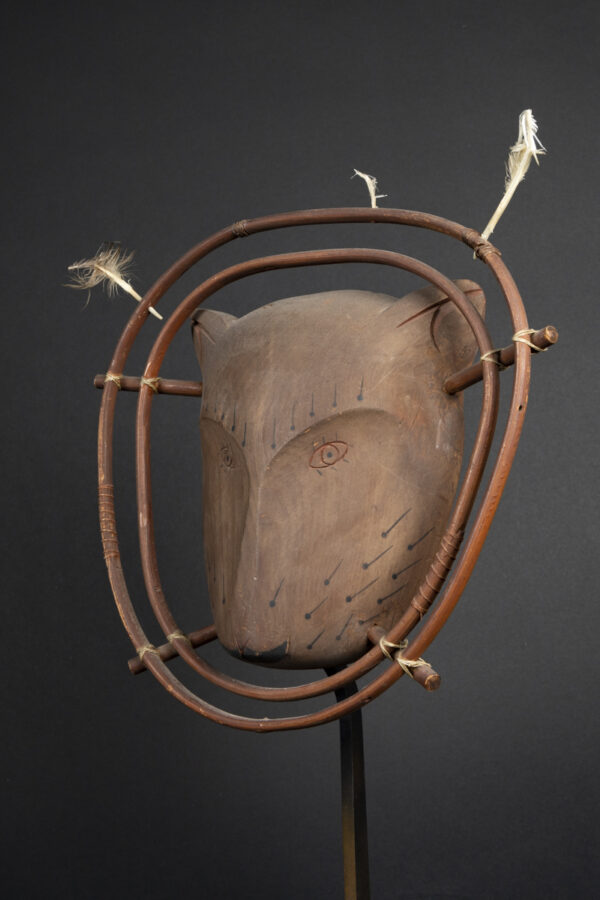
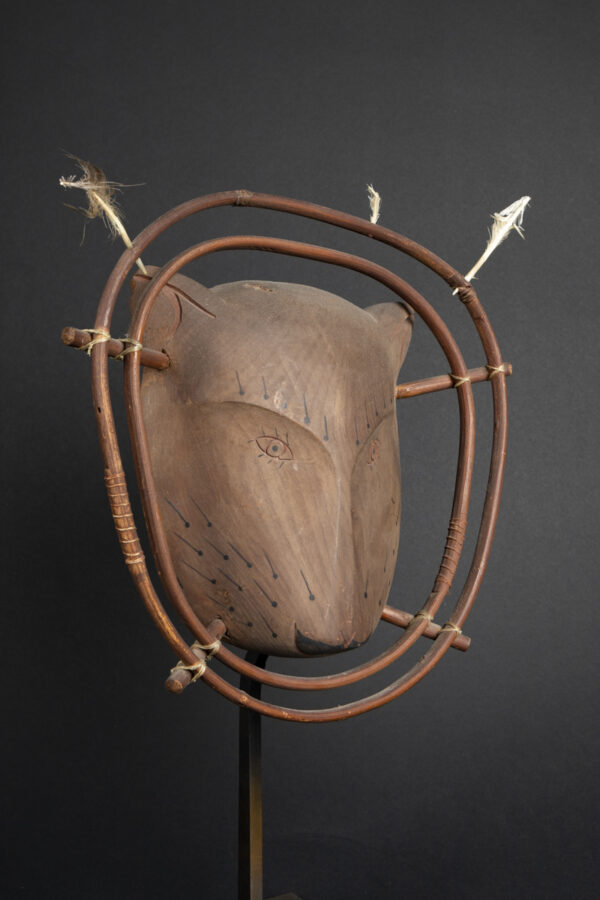
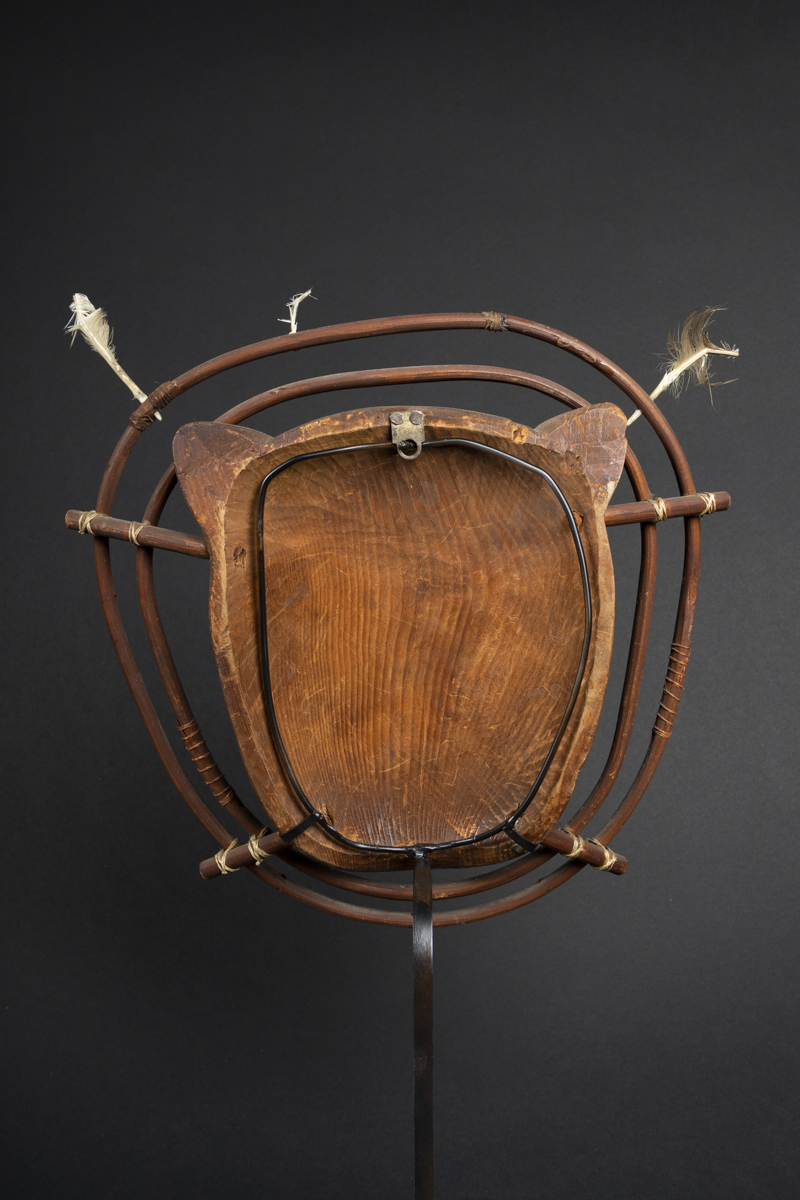
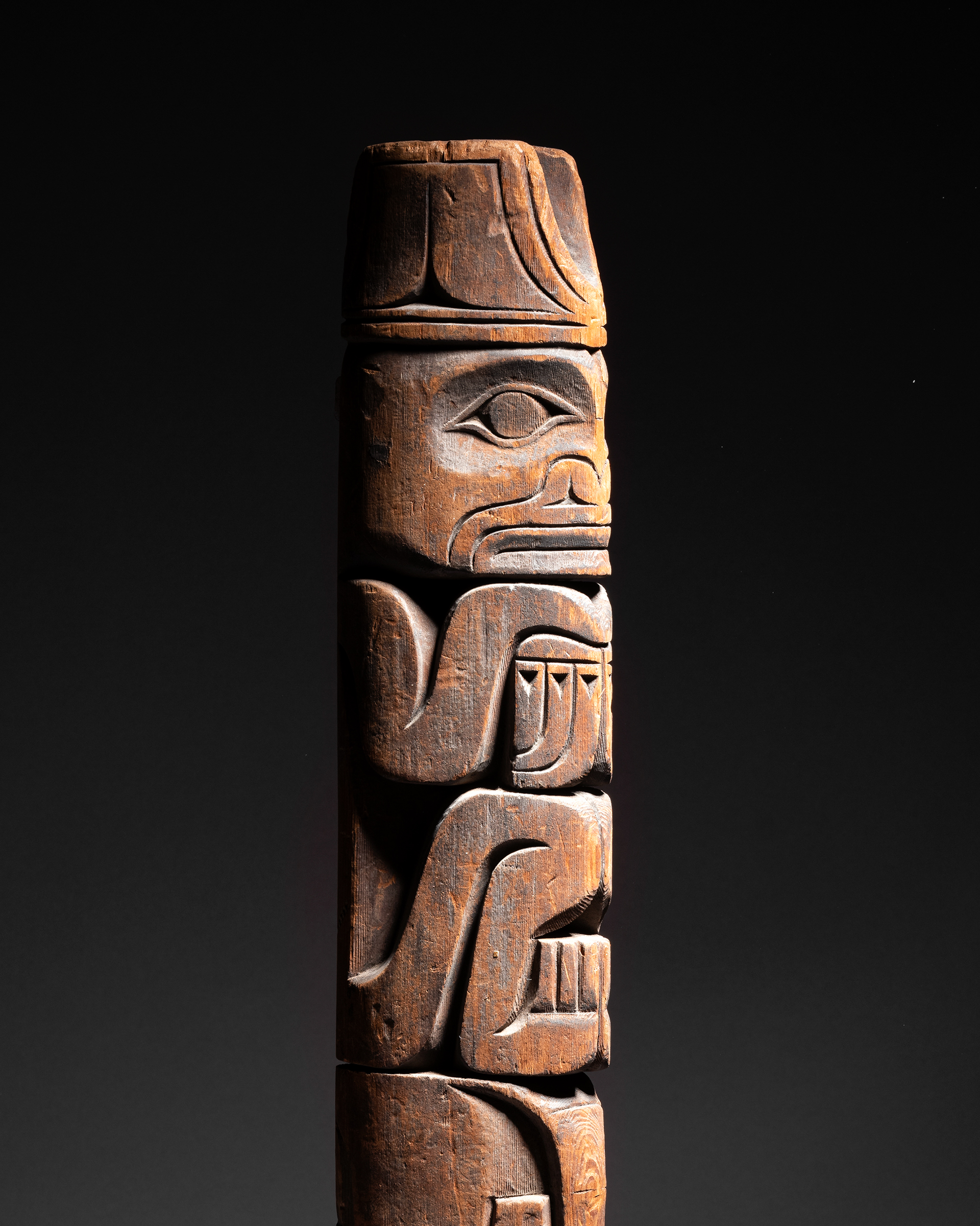
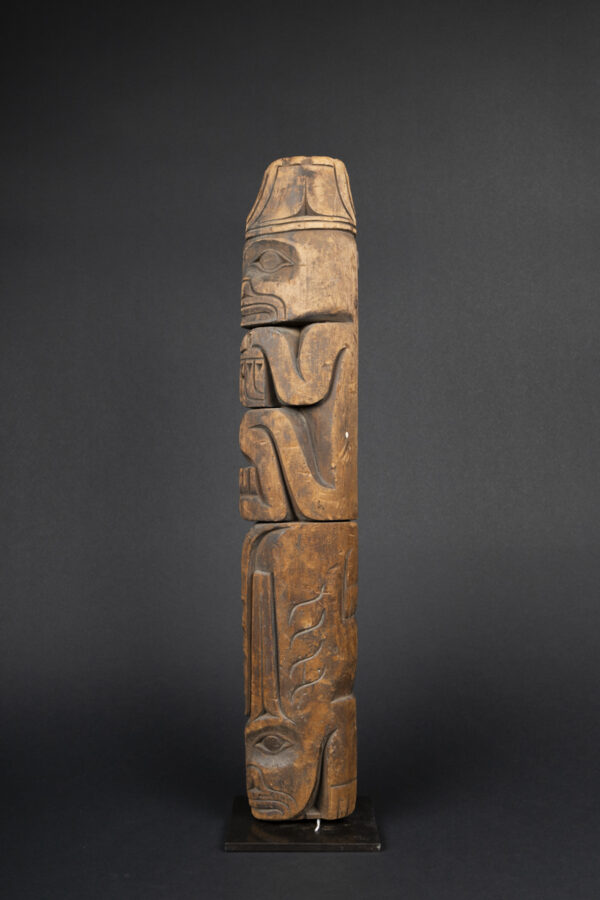
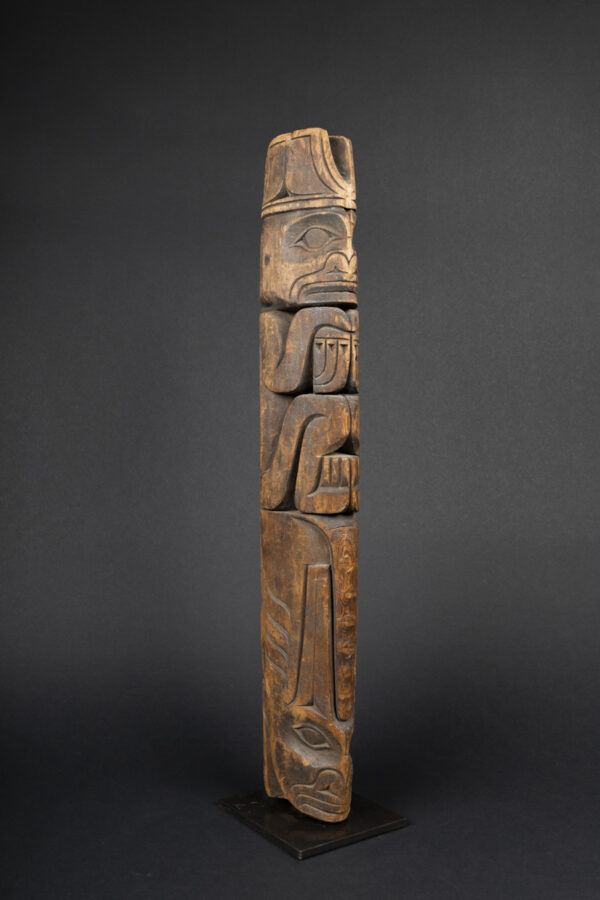
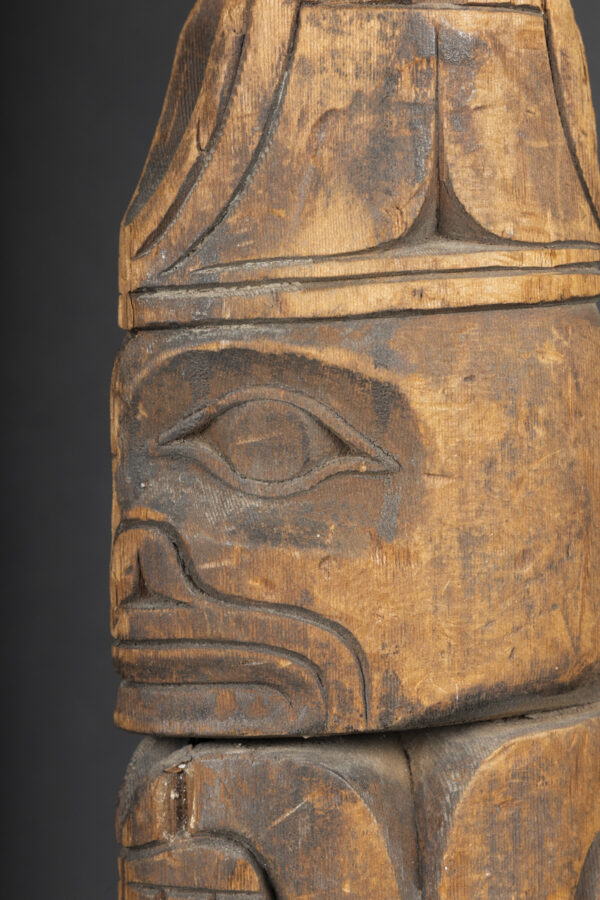
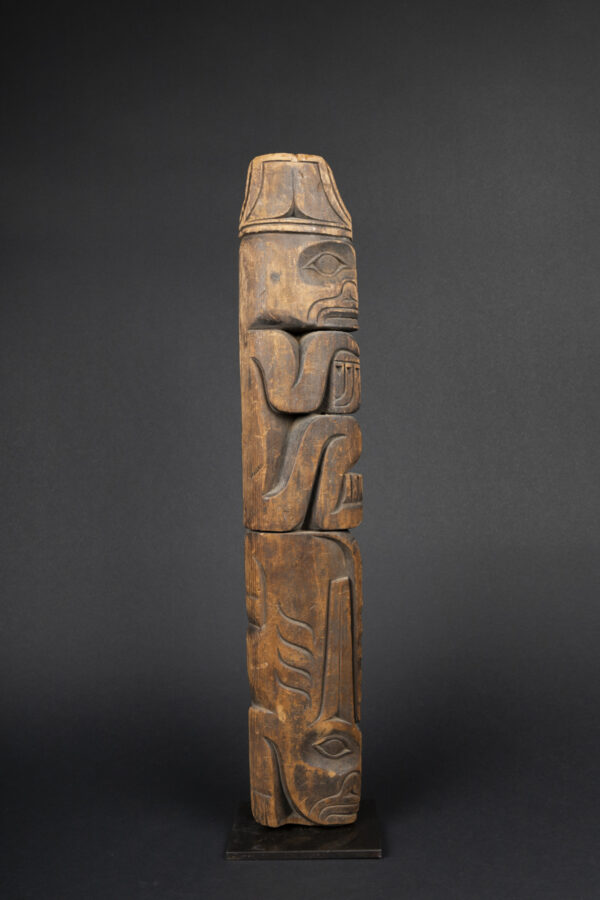
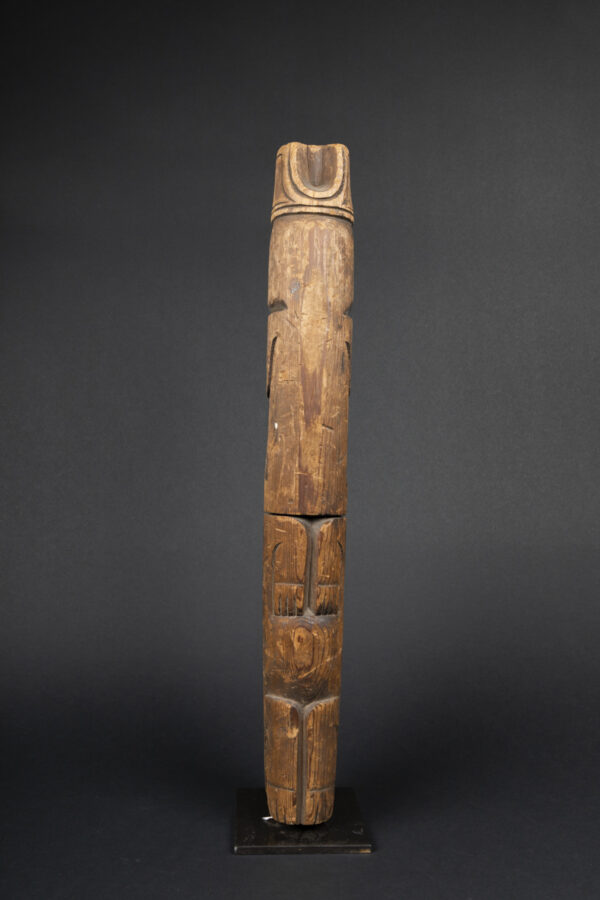
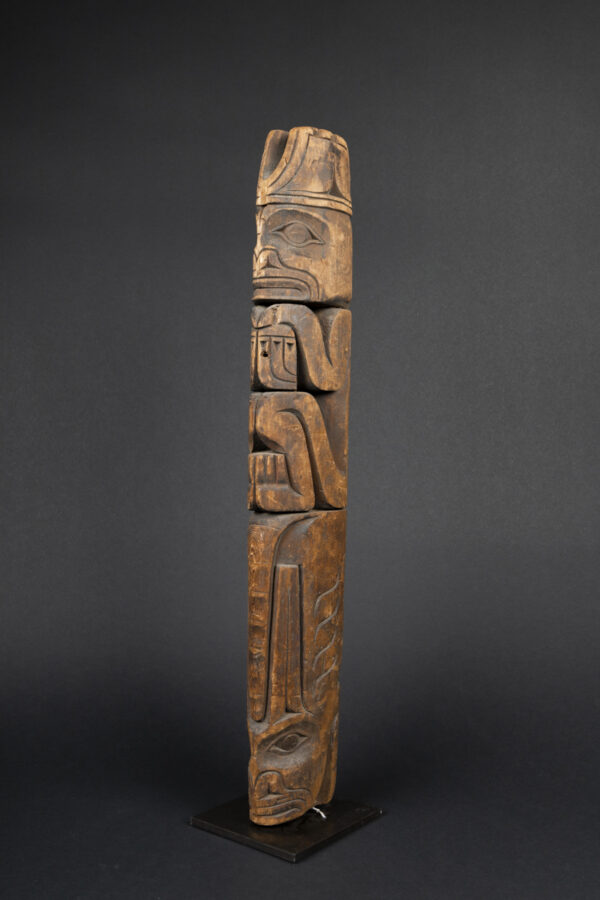
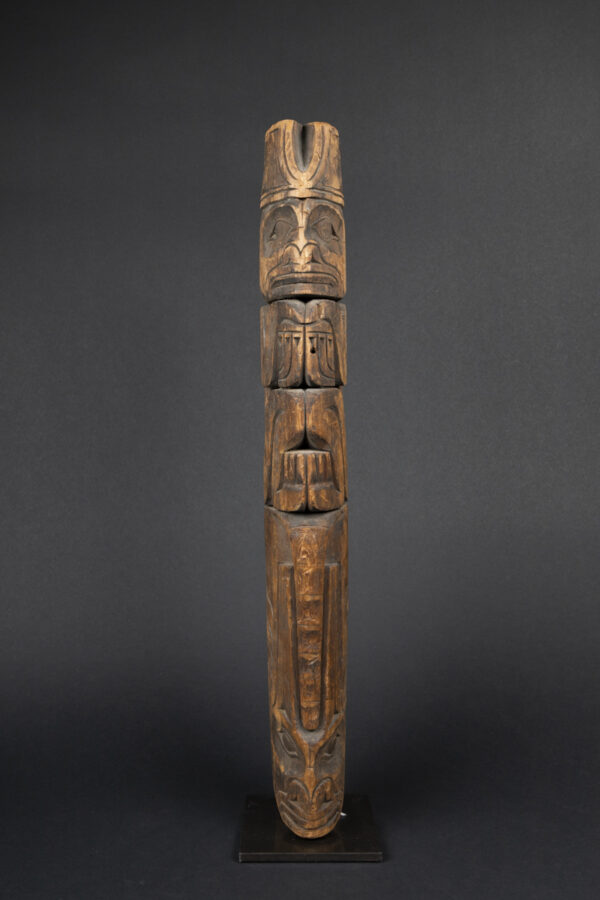
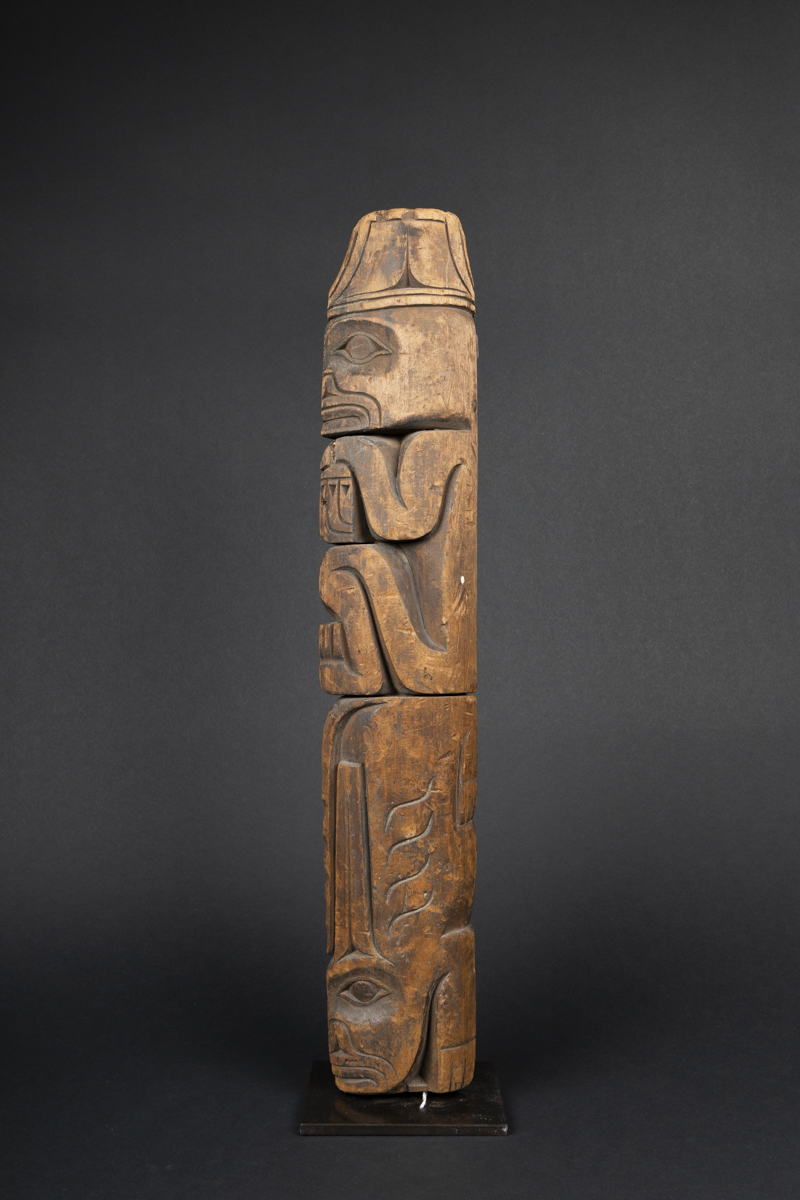
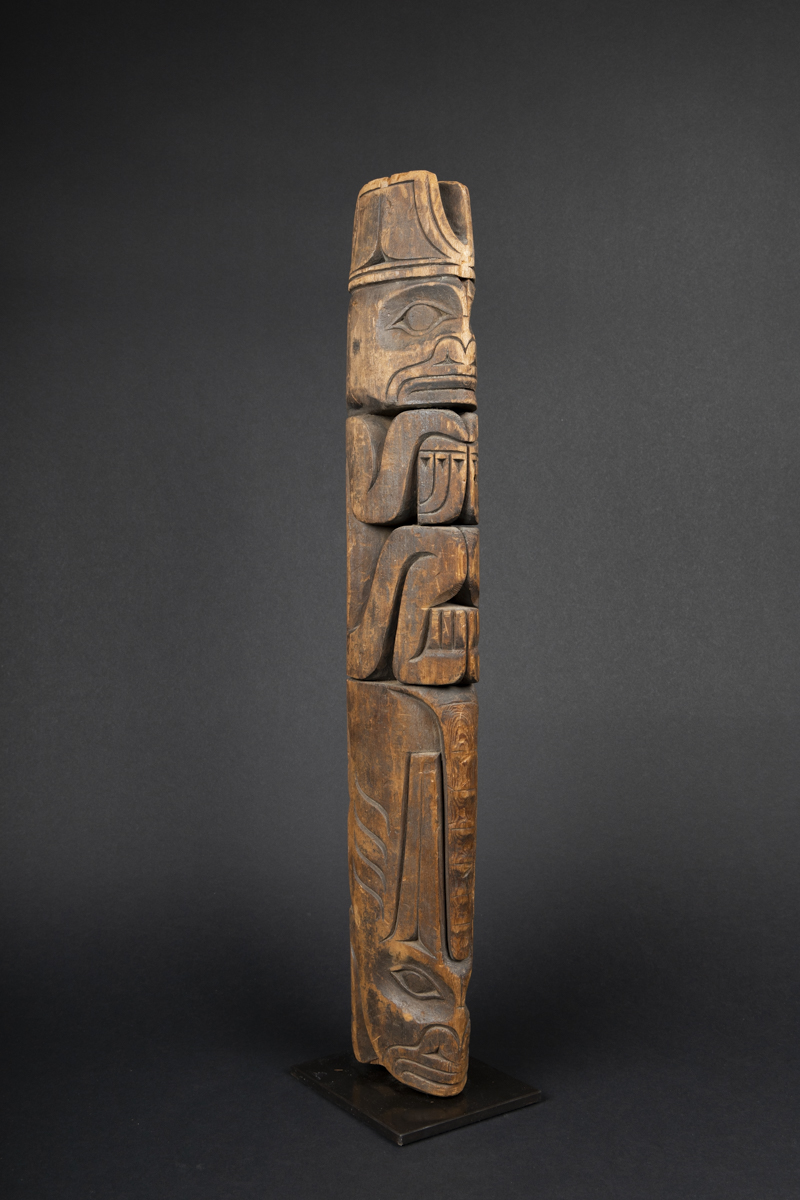
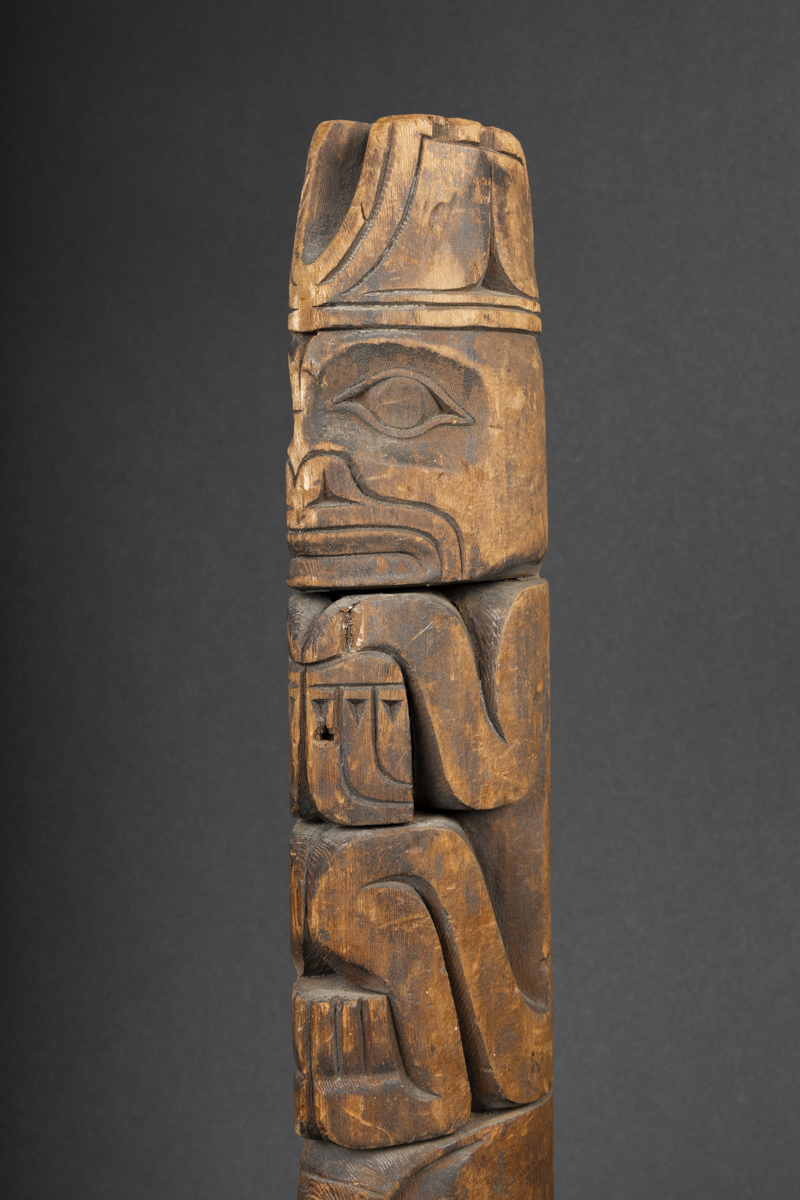
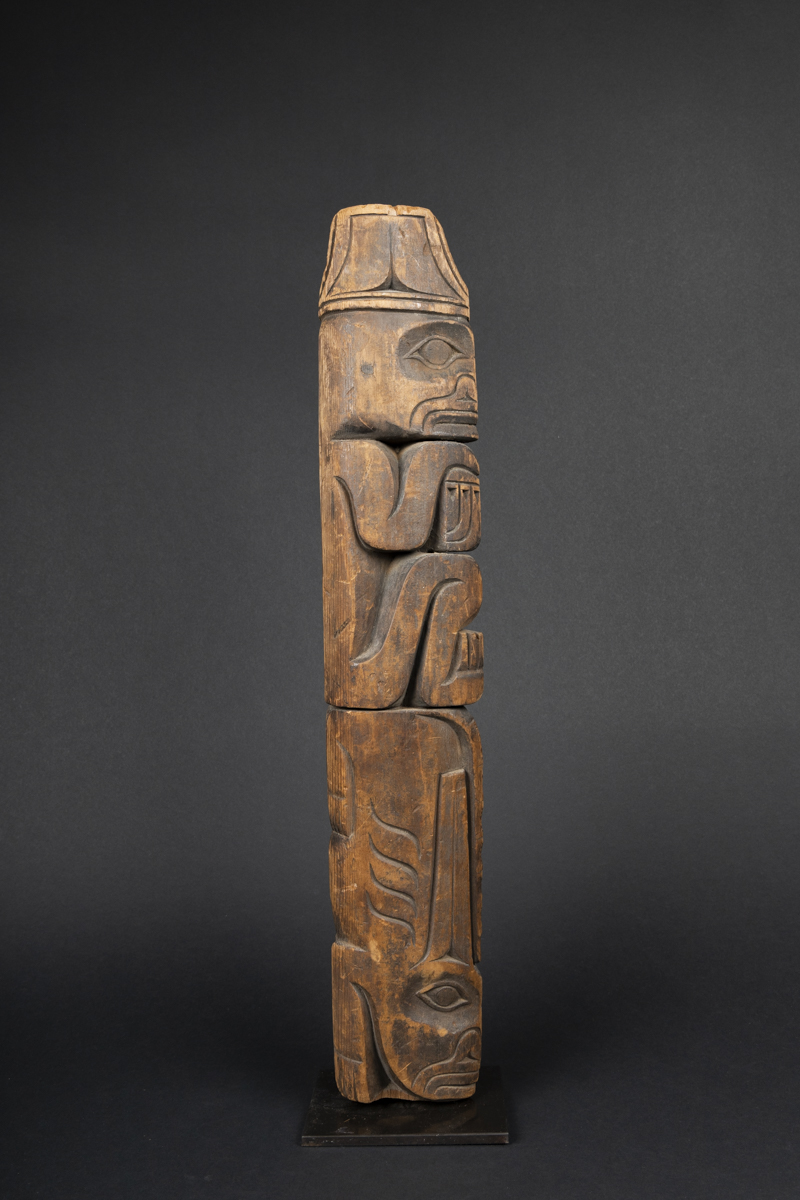
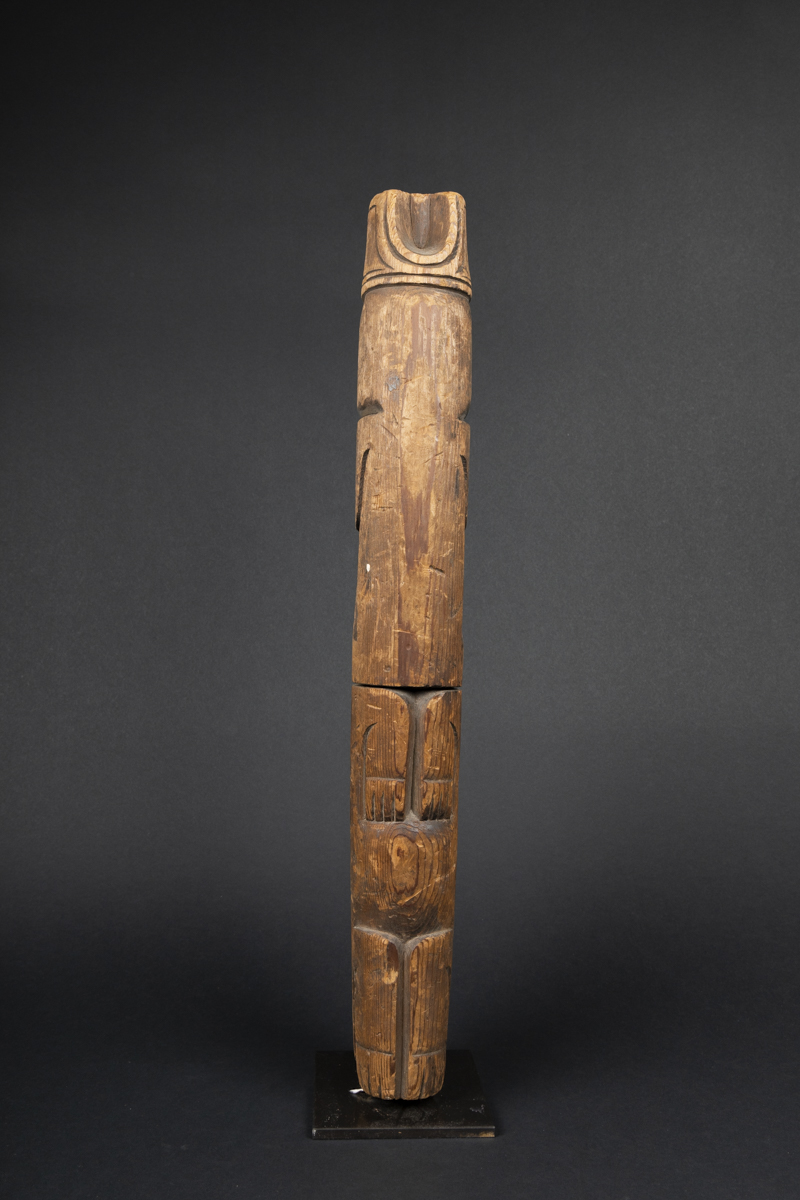
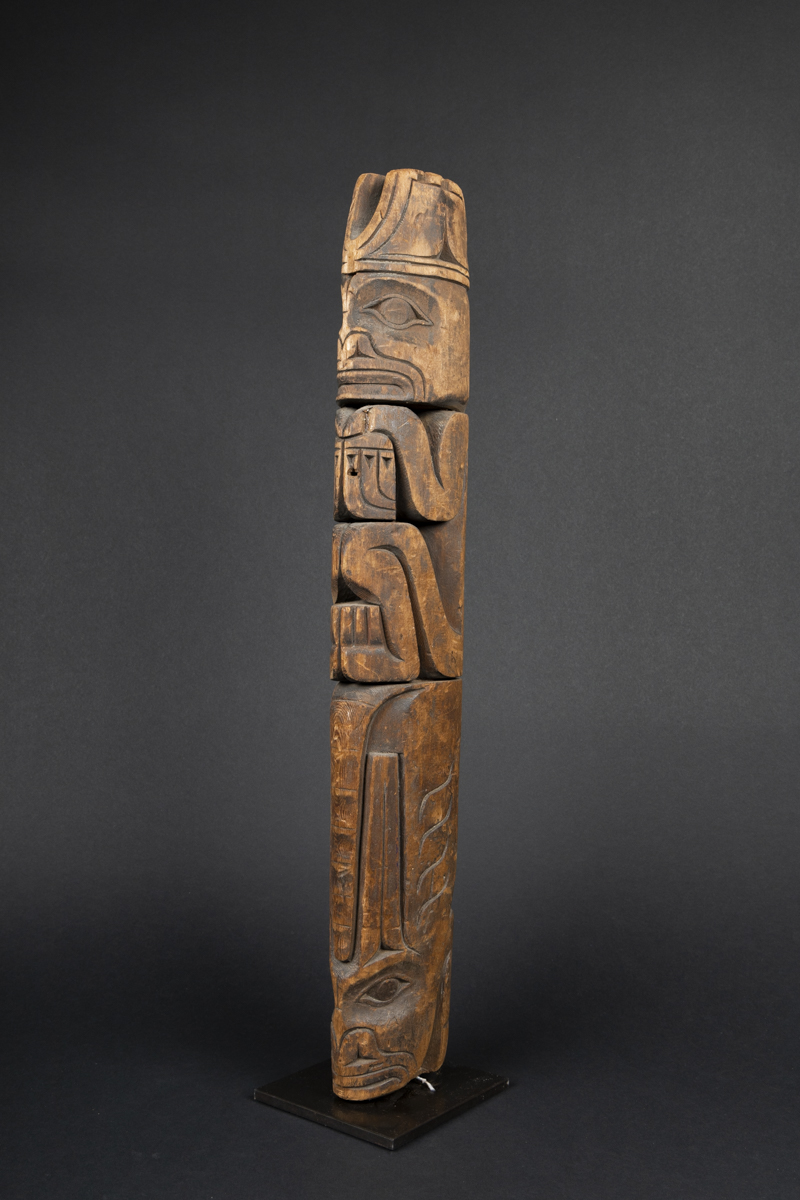
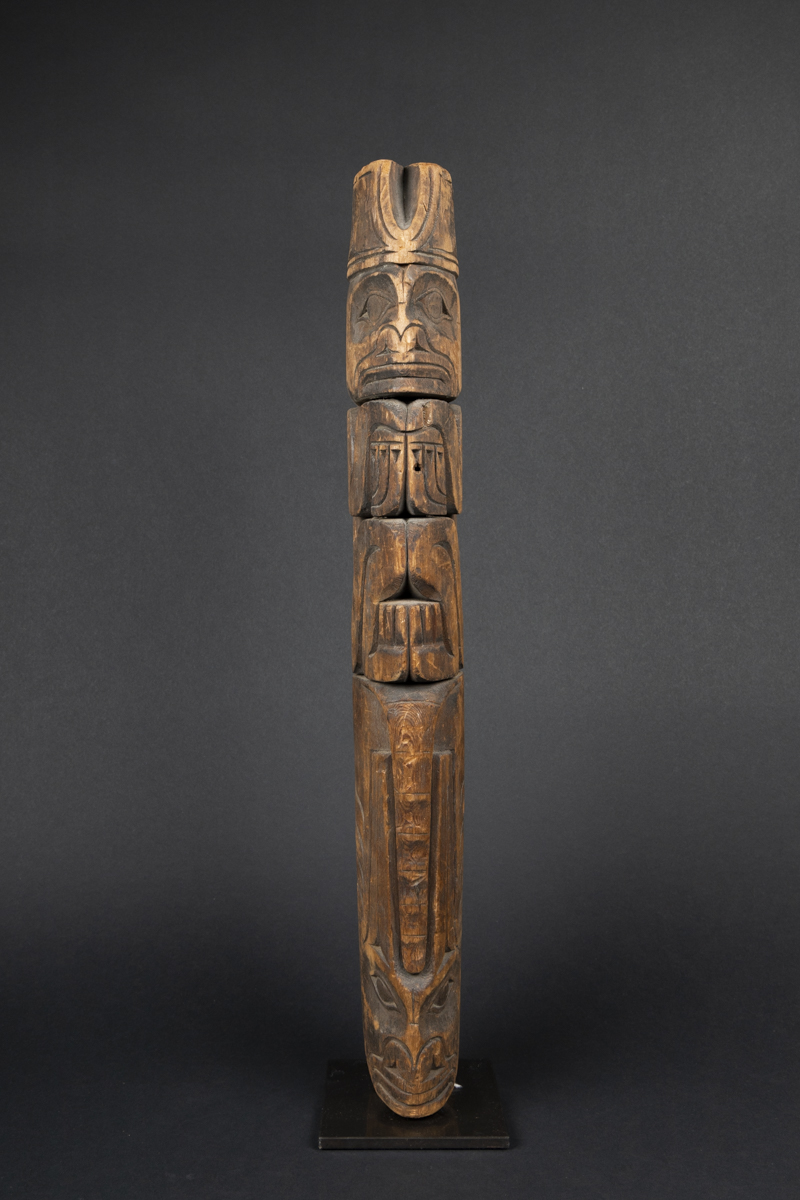
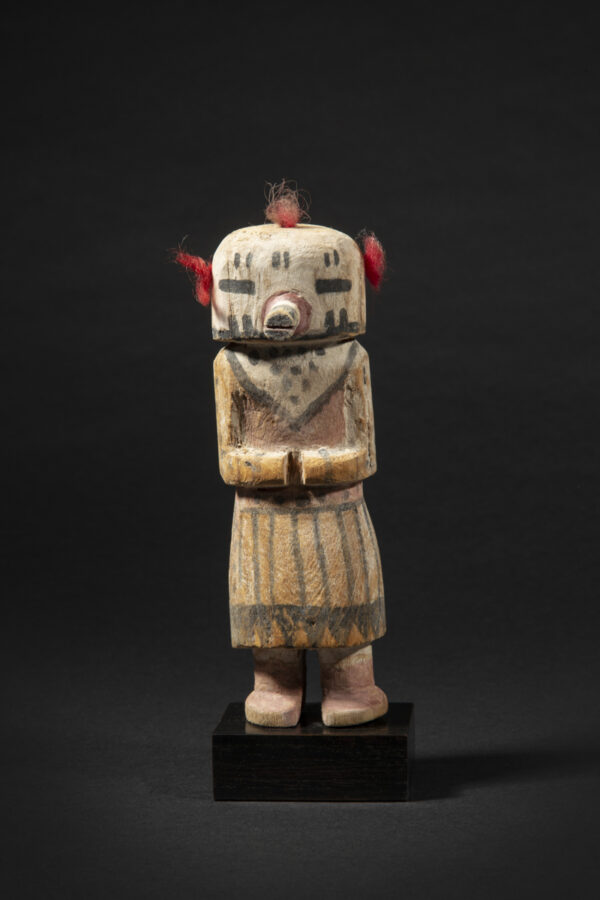
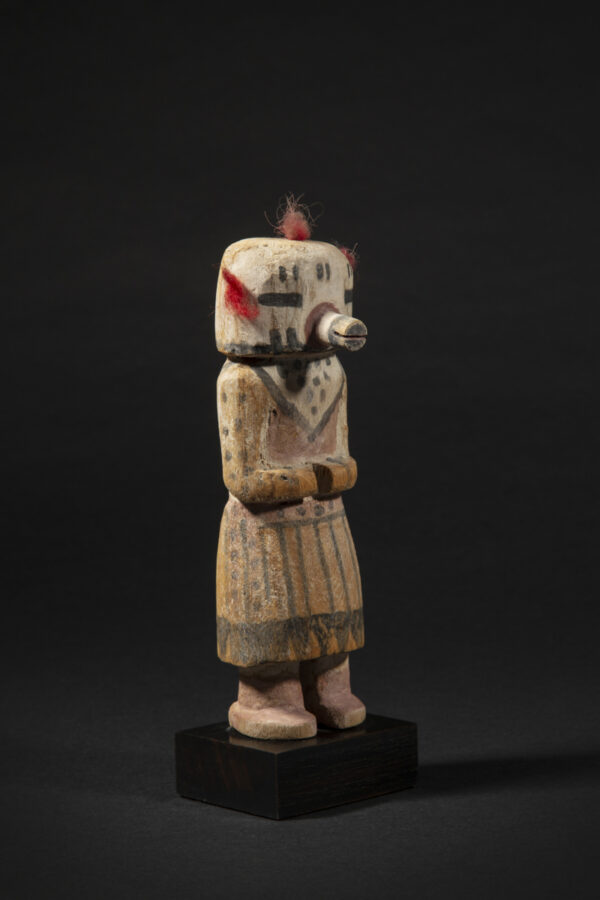
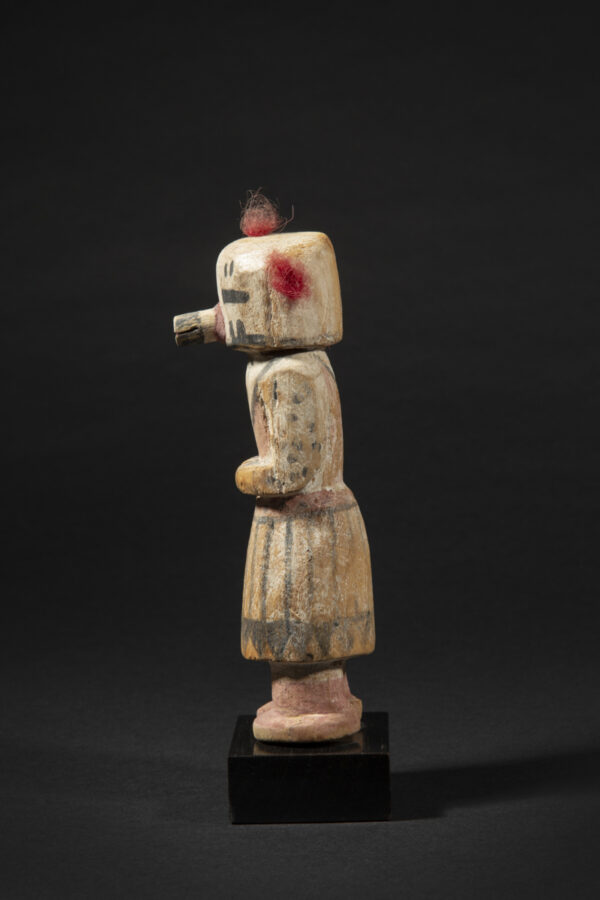
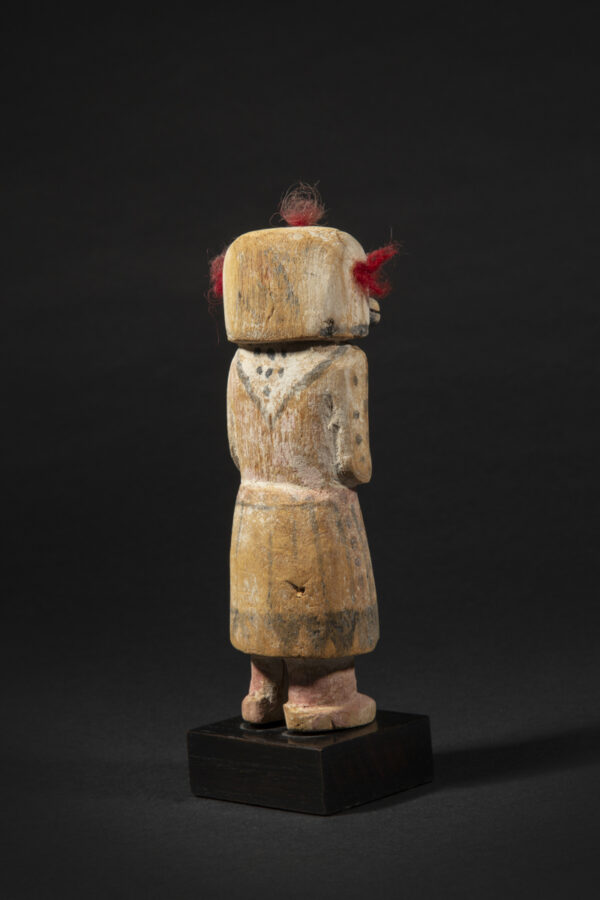
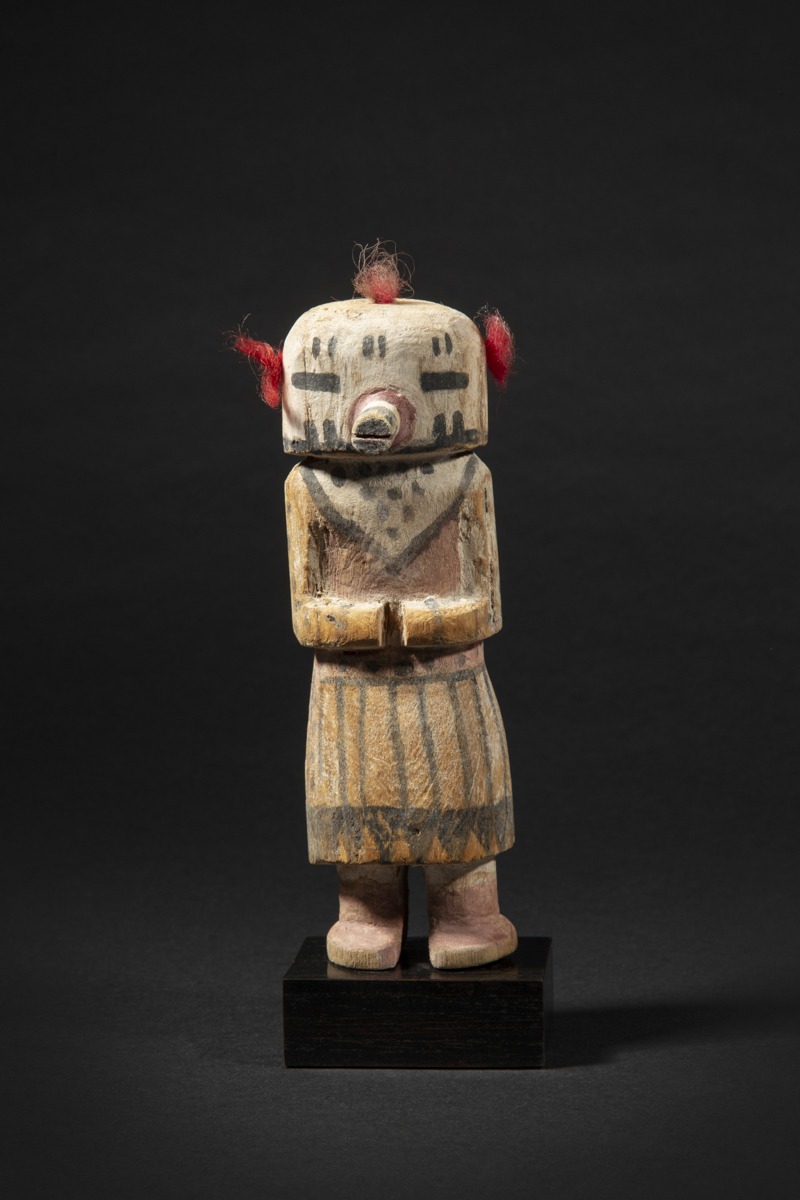
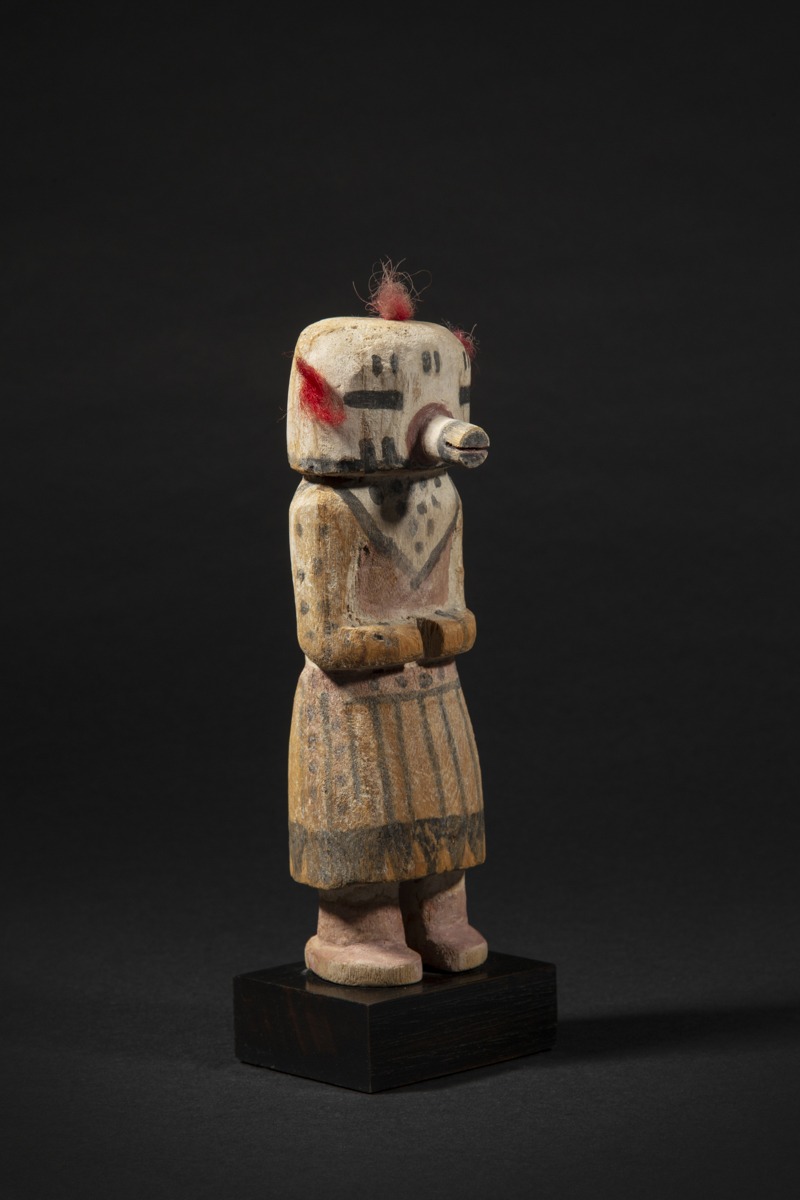
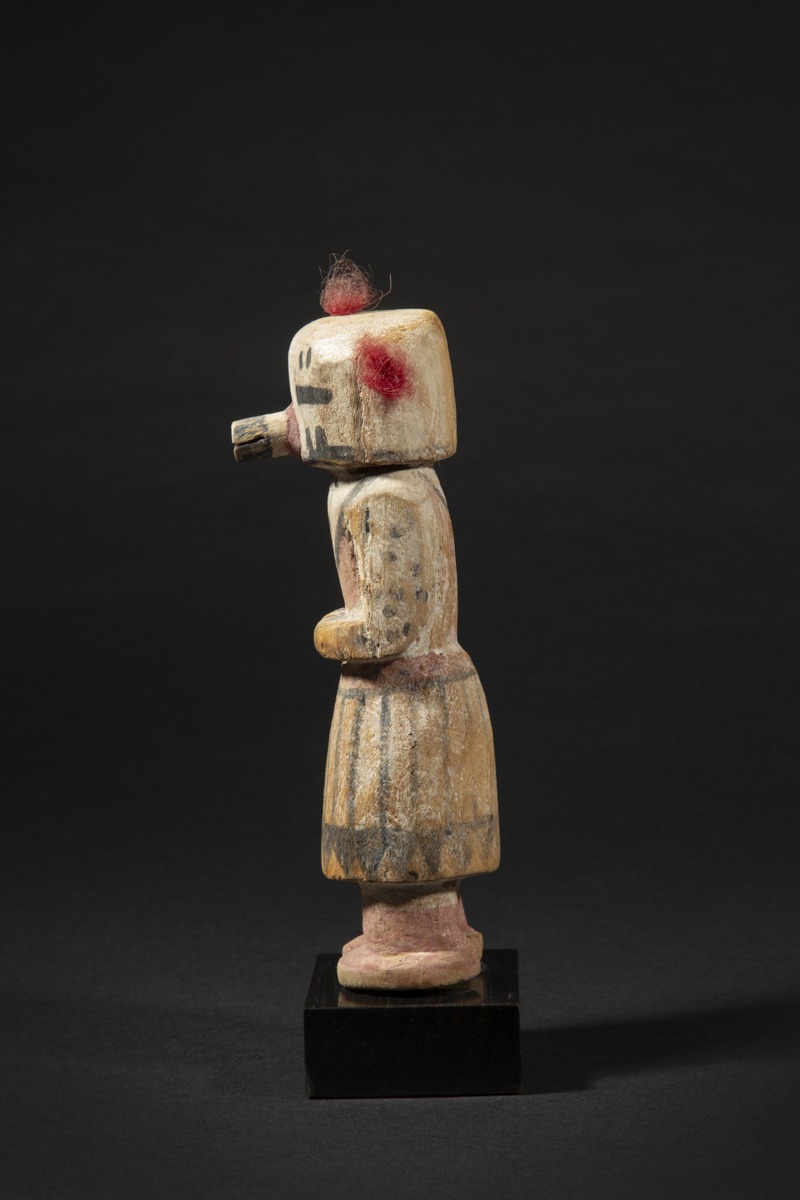
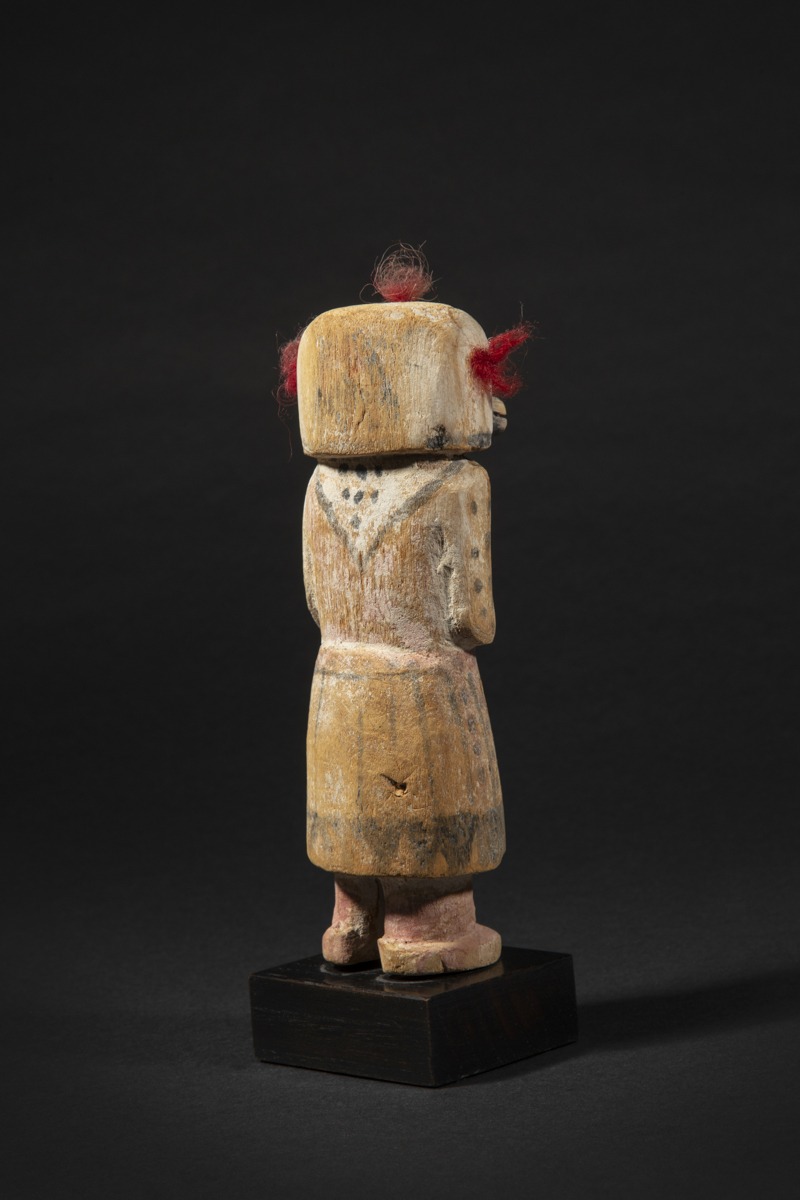
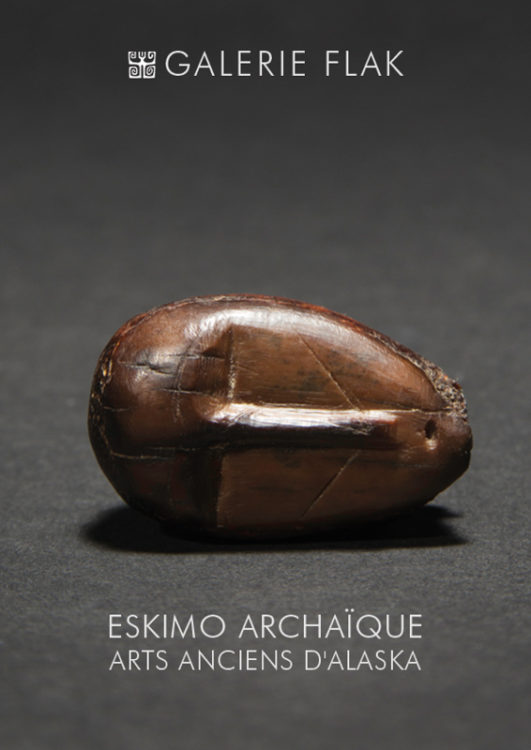
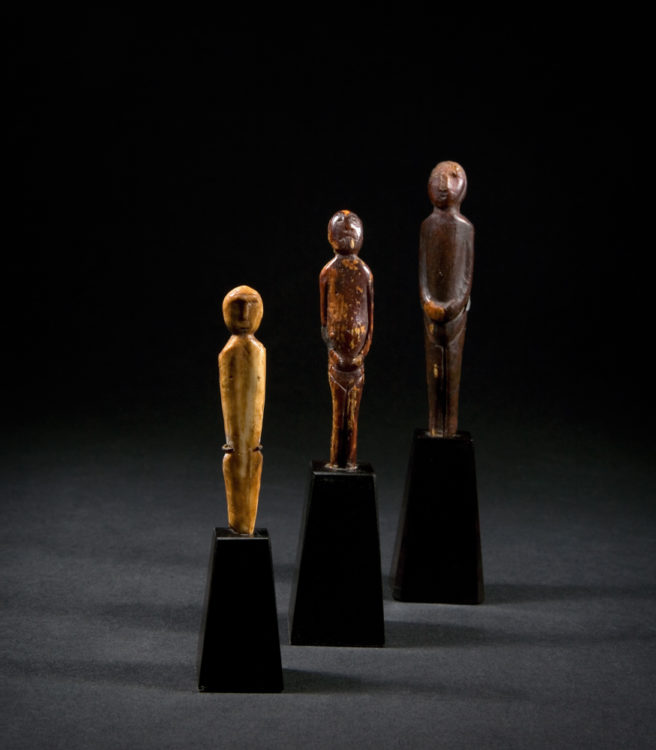
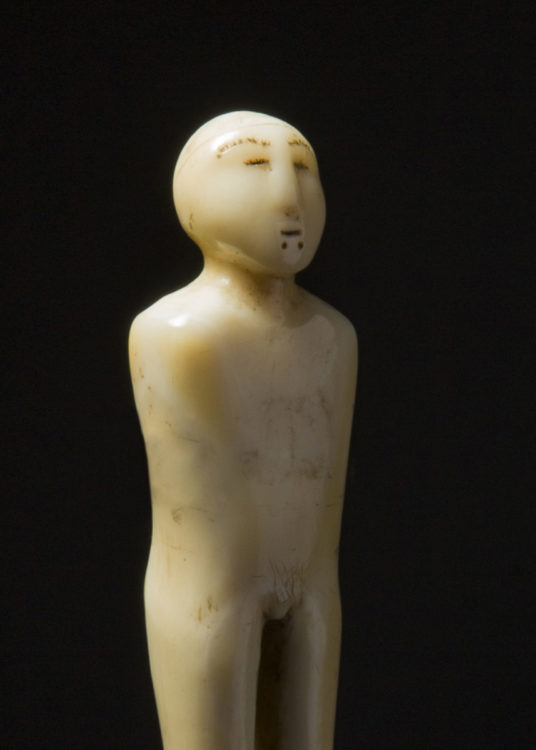
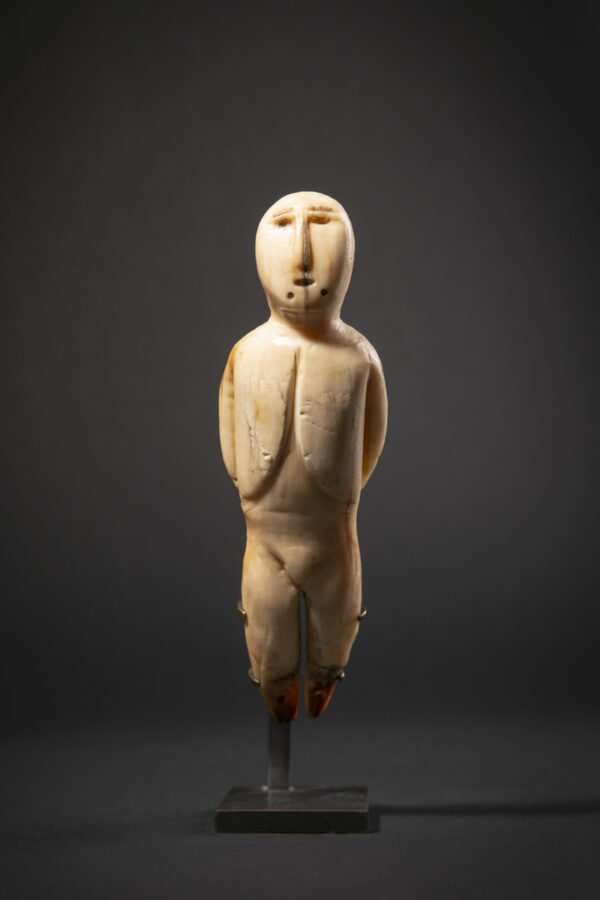
Shamanic amulet
Alaska
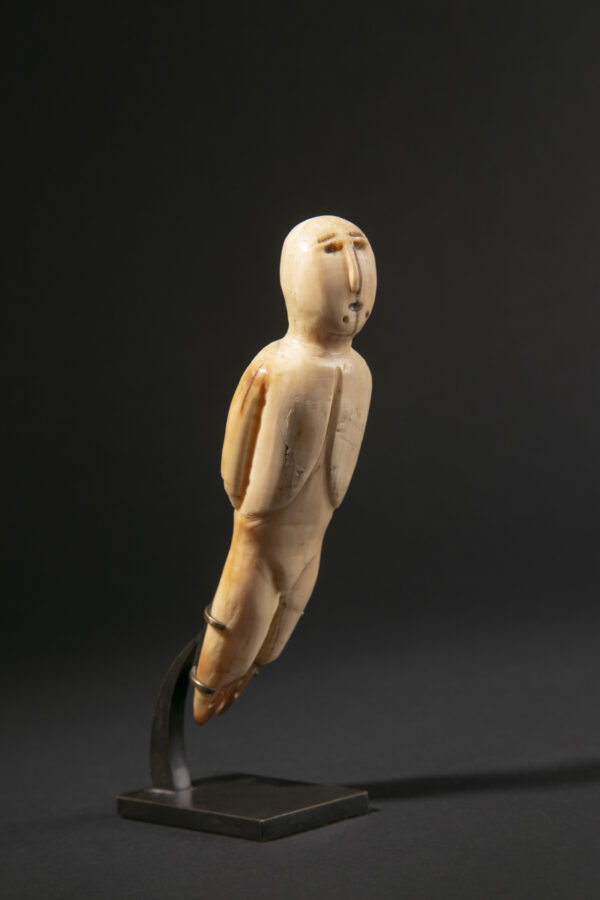
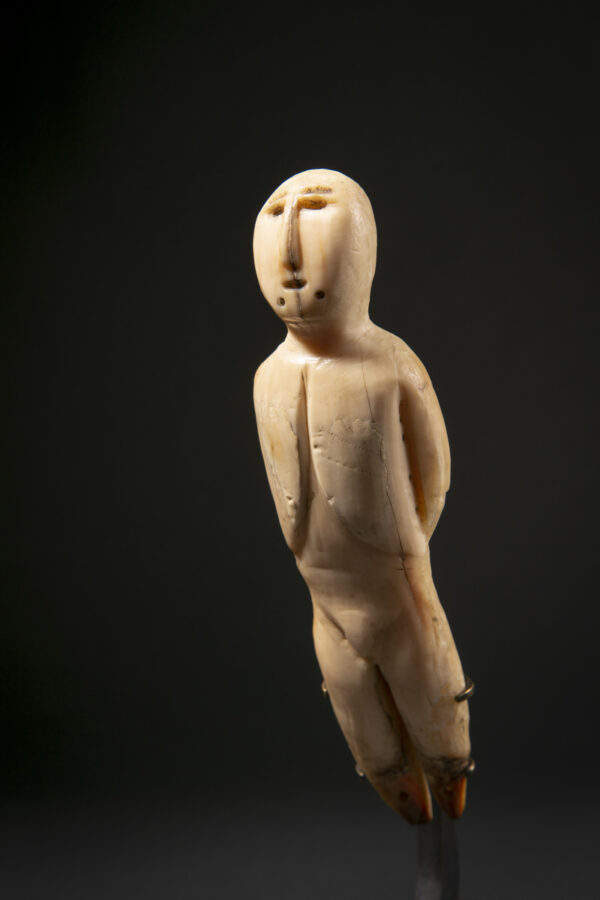
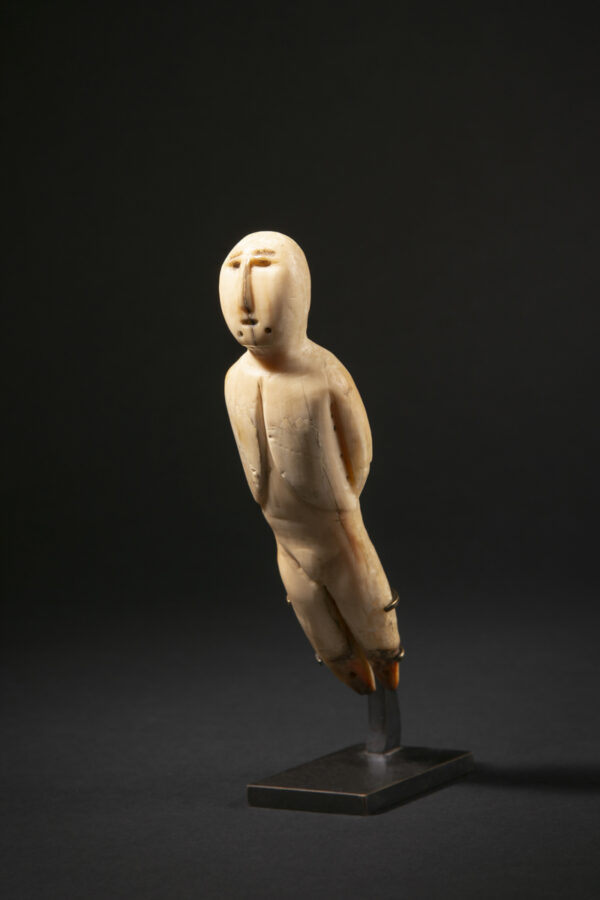
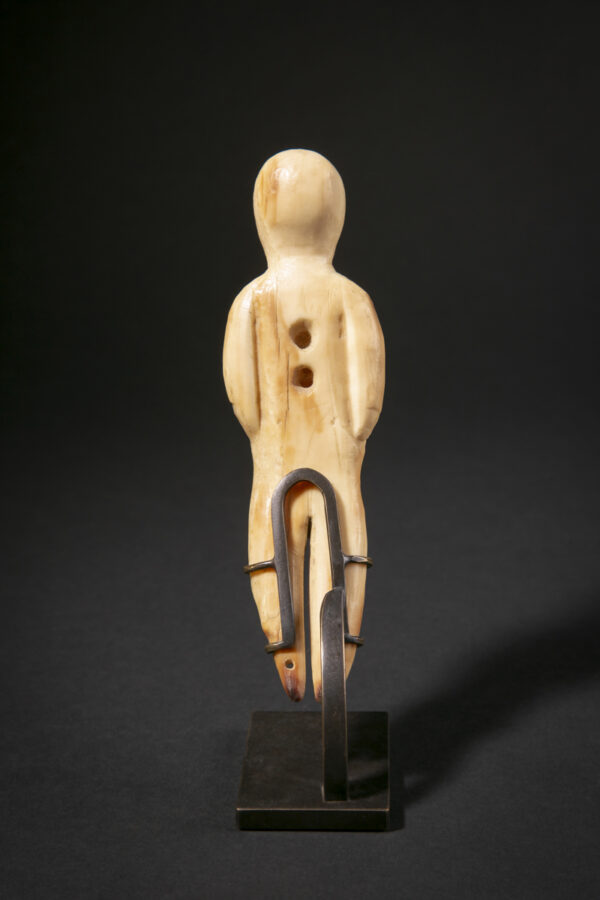
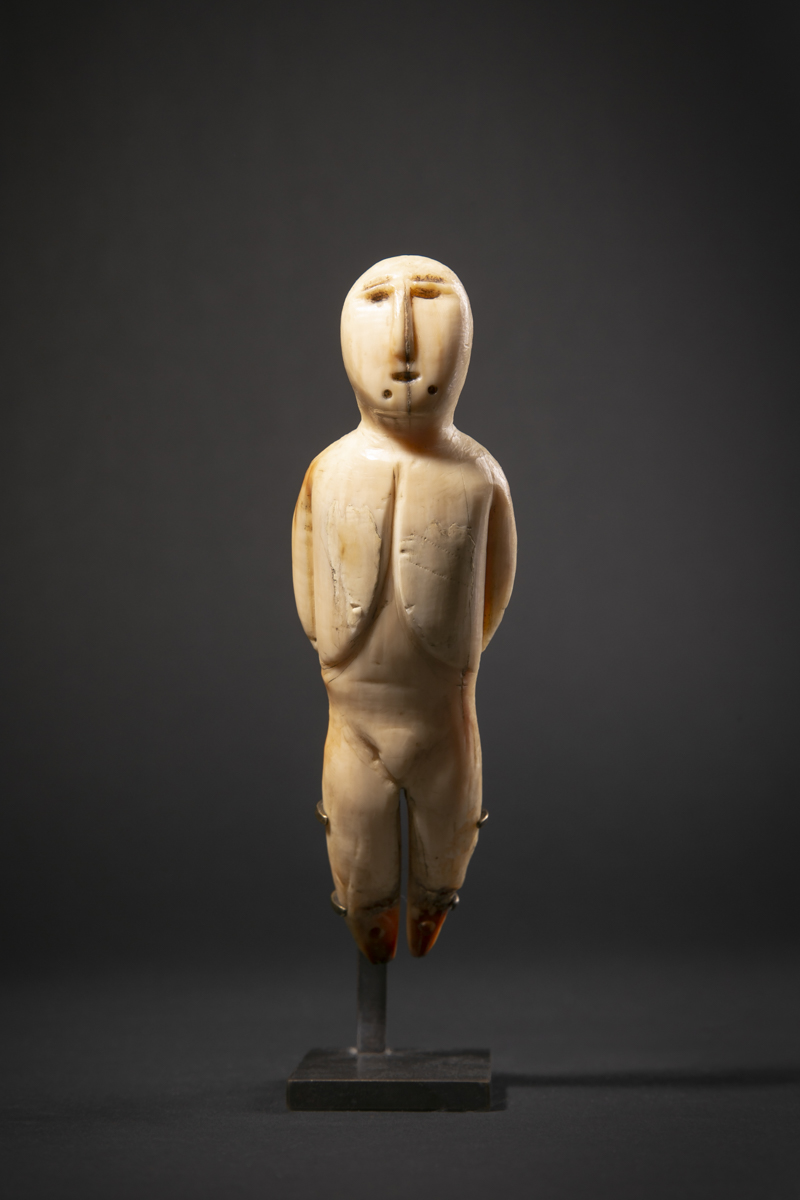
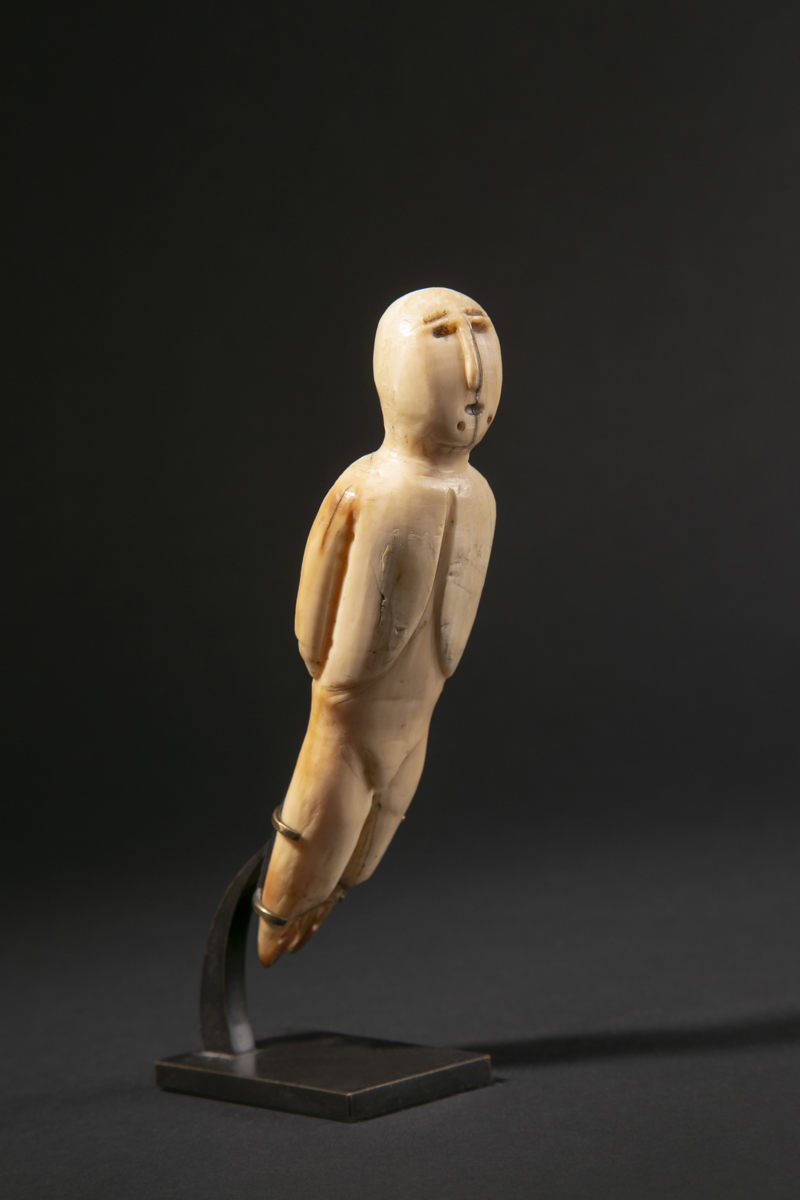
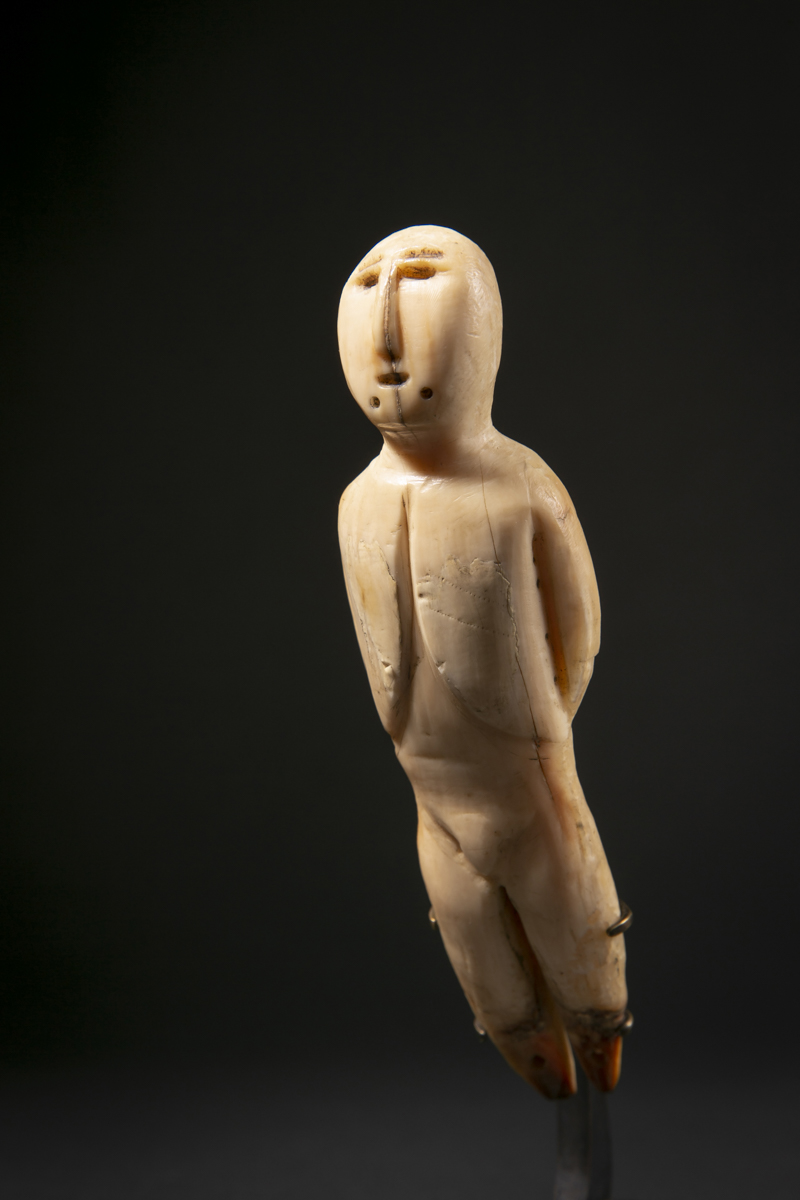
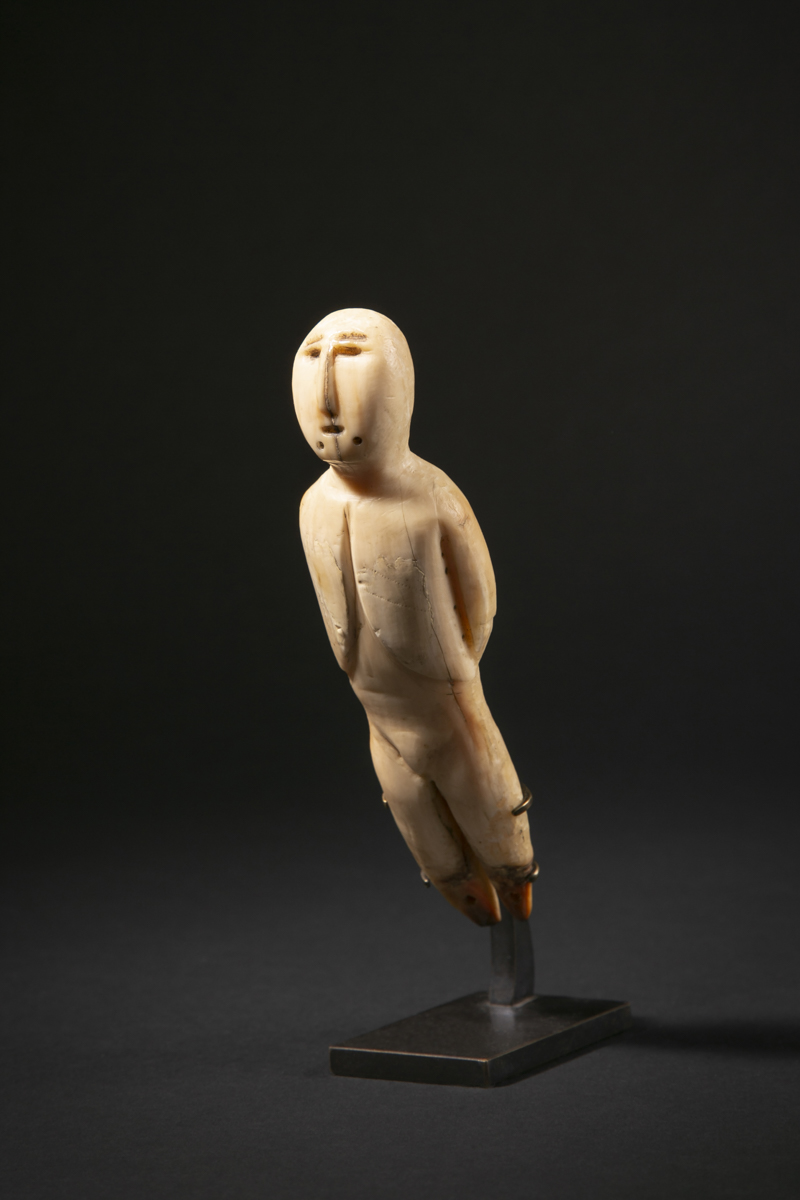
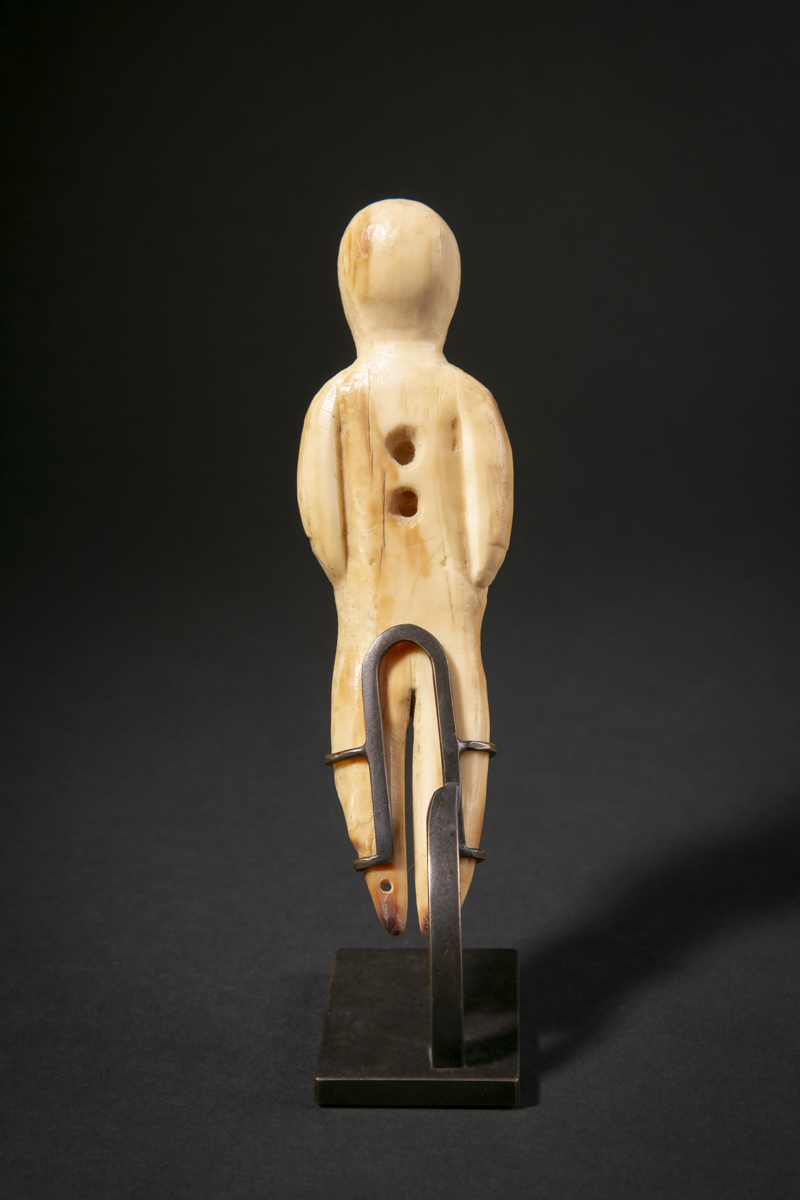
Flying shaman figure
Thule or early Inuit culture
Ancient Eskimo
Marine ivory
Prior to the 19th century
Height: 5 ¼ in. (14.5 cm)
Provenance:
Ex private collection, Europe
Ex collection Galerie Monbrison, Paris
Sold
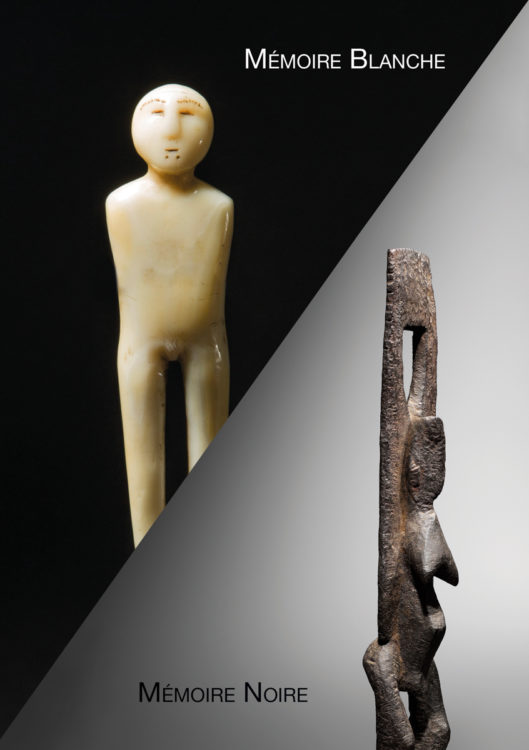
This sculpture is the rare depiction of a ‘flying shaman’.
The Subarctic region in Alaska is well supplied with land and sea resources allowing for much time that could be devoted to a full ceremonial life. After freezeup in the winter, performance cycles were undertaken that were important to maintaining proper human, animal and spirit-world interactions.
Shamanic ceremonies have occupied a preponderant place in the daily life and culture of the peoples of the Far North since time immemorial. For the Yup’ik Eskimo (Inuit culture) of Alaska, these ritualistic practices take place in a communal men’s house to ensure balance and harmony in the interactions between humans, animals and the spirit world. Dances were notably organized before the men left on fishing or hunting trips to ensure the benevolence of the spirits governing the animal world.
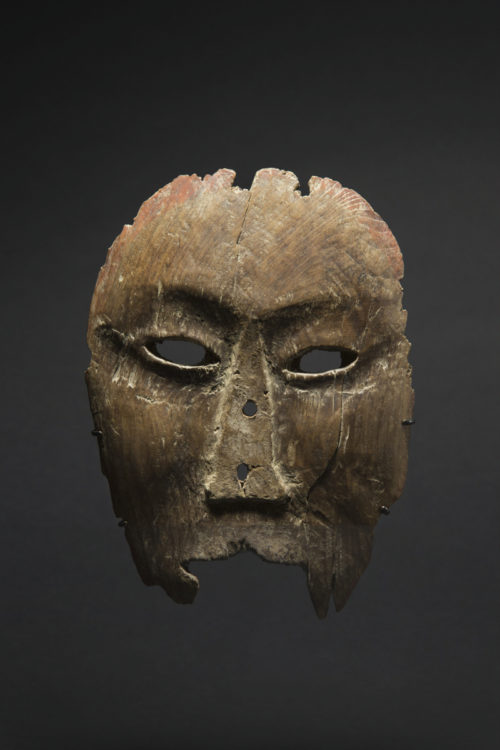
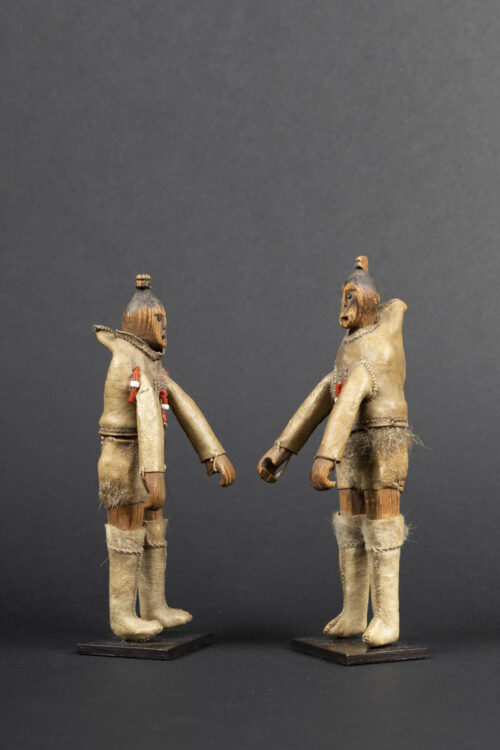
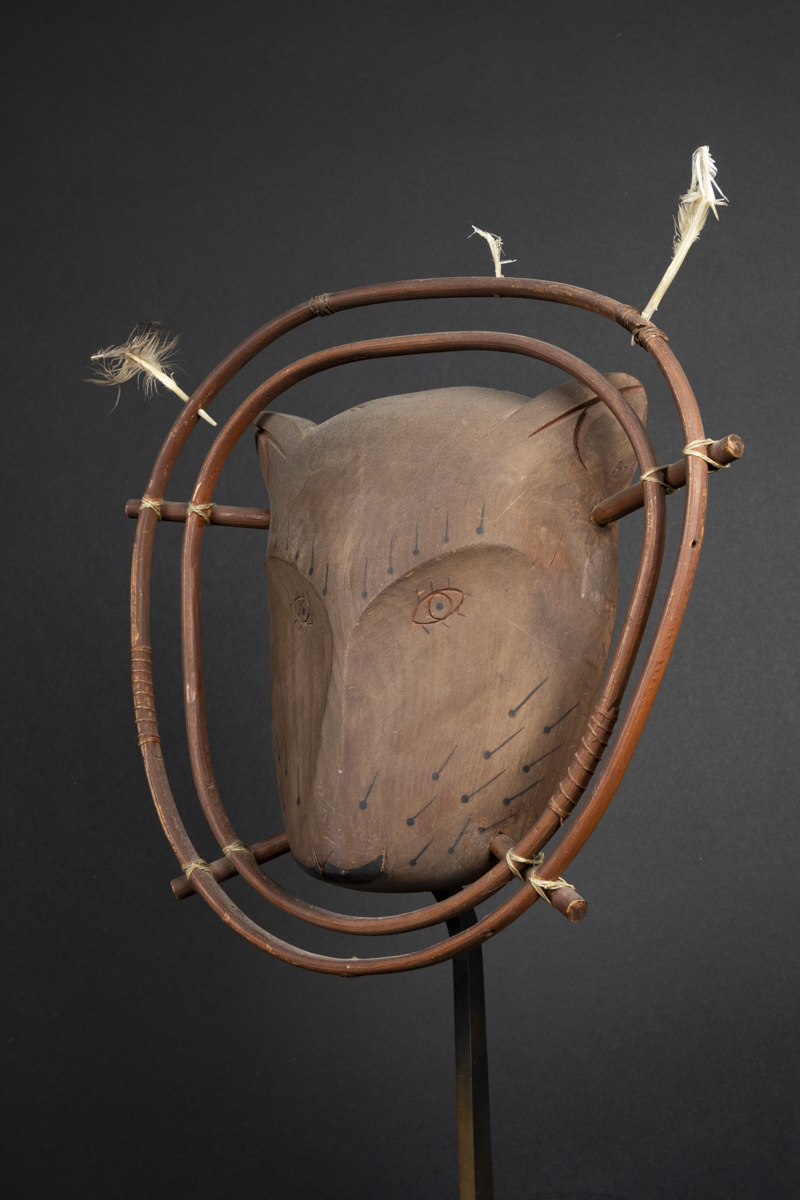
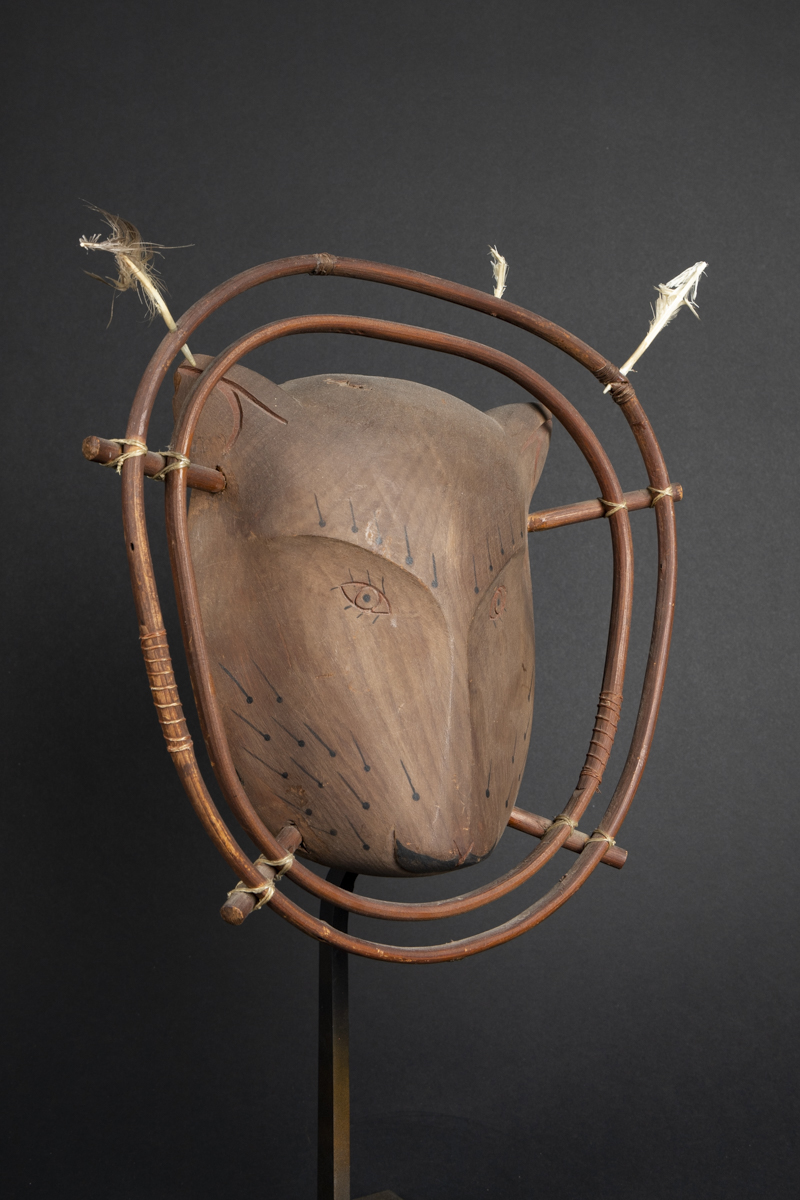
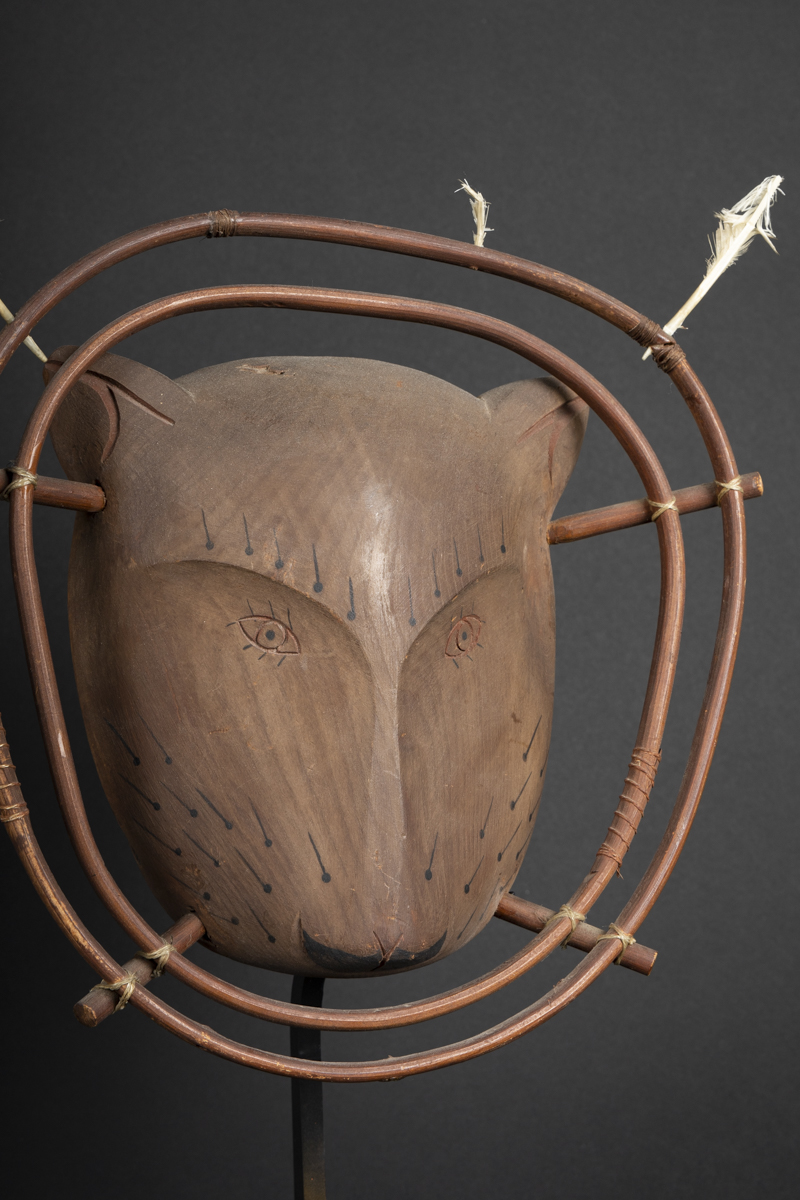
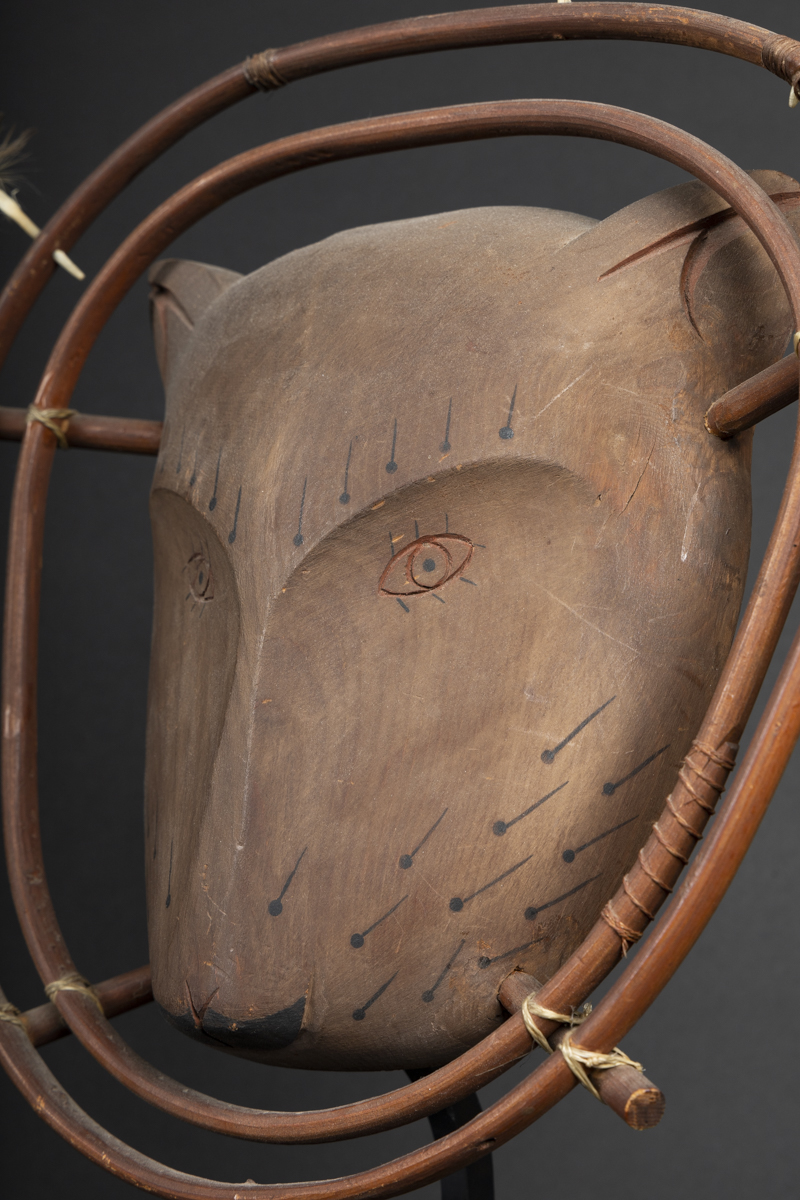
Shamans often used carved figures and masks to facilitate communication and movement between worlds. Only shamans have the ability to safely travel back and forth between worlds.
During the séances, a shaman was usually bound to a rope to ensure his safe return after flying to the spirit world. Figures of flying shamans were placed in the ceremonial house, hanging from the rafters in the roof in a horizontal position, indicating the direction of the voyage.
Discover this intensely poetic Eskimo figure in our upcoming exhibition “Arctic Dreams” presented during @ParcoursdesMondes
The Subarctic region in Alaska is well supplied with land and sea resources allowing for much time that could be devoted to a full ceremonial life. After freezeup in the winter, performance cycles were undertaken that were important to maintaining proper human, animal and spirit-world interactions.
Shamanic ceremonies have occupied a preponderant place in the daily life and culture of the peoples of the Far North since time immemorial. For the Yup’ik Eskimo (Inuit culture) of Alaska, these ritualistic practices take place in a communal men’s house to ensure balance and harmony in the interactions between humans, animals and the spirit world. Dances were notably organized before the men left on fishing or hunting trips to ensure the benevolence of the spirits governing the animal world.
Shamans often used carved figures and masks to facilitate communication and movement between worlds. Only shamans have the ability to safely travel back and forth between worlds.
During the séances, a shaman was usually bound to a rope to ensure his safe return after flying to the spirit world. Figures of flying shamans were placed in the ceremonial house, hanging from the rafters in the roof in a horizontal position, indicating the direction of the voyage.
Discover this intensely poetic Eskimo figure in our upcoming exhibition “Arctic Dreams” presented during @ParcoursdesMondes
Publication
Explore the entire collection