Archives | Nigeria
Ibeji
Yoruba
Nigeria
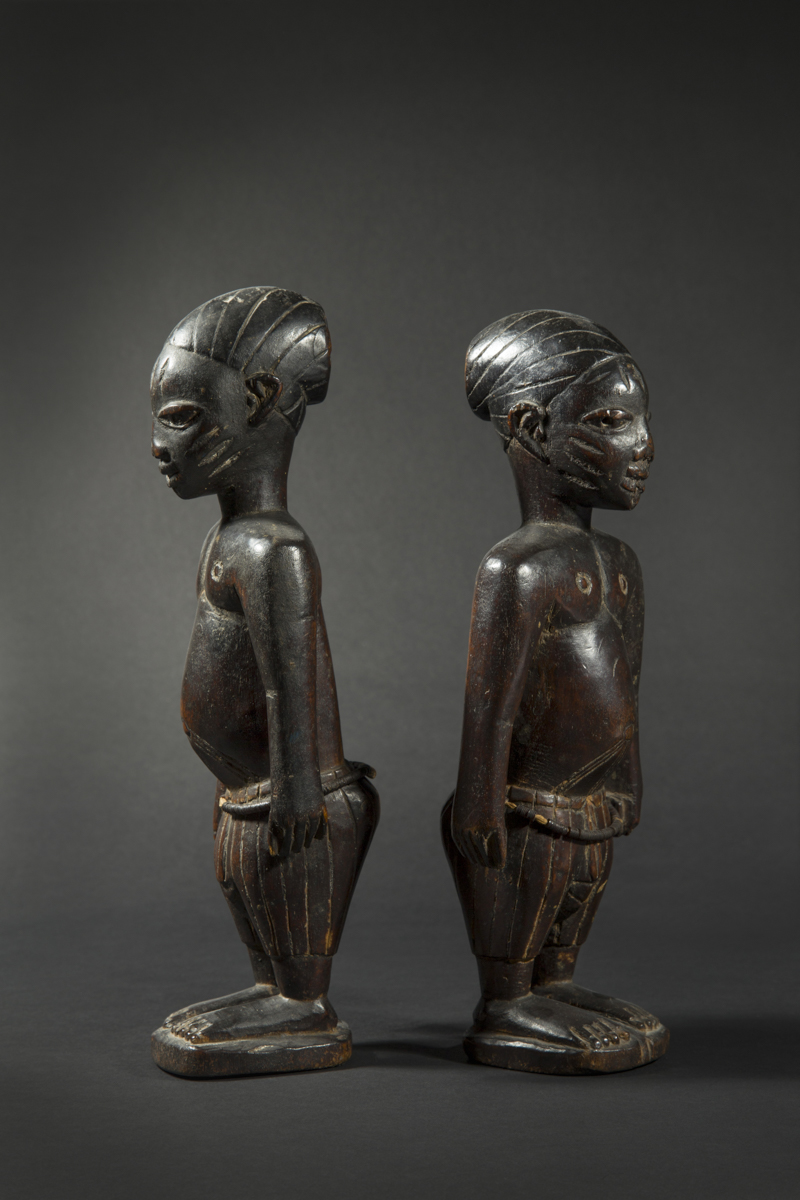
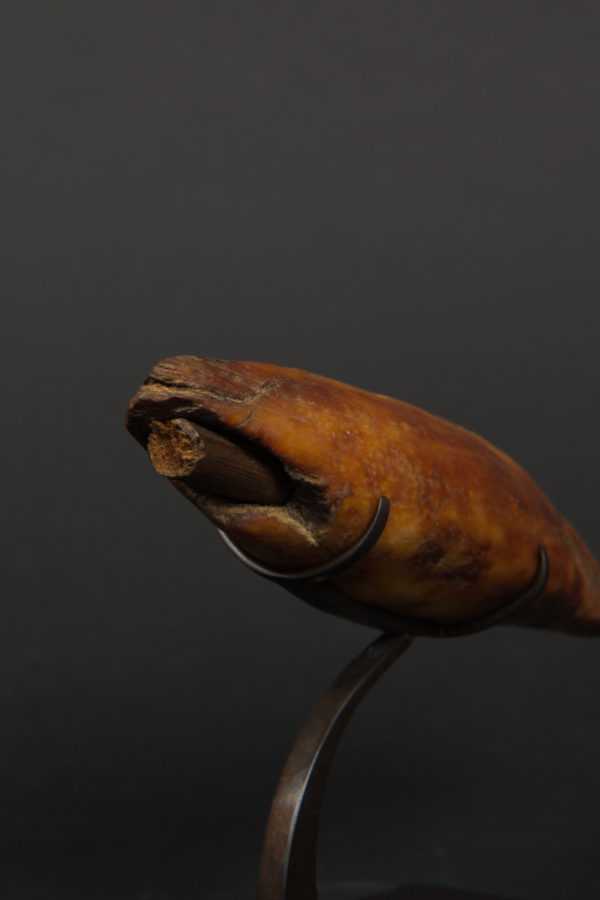
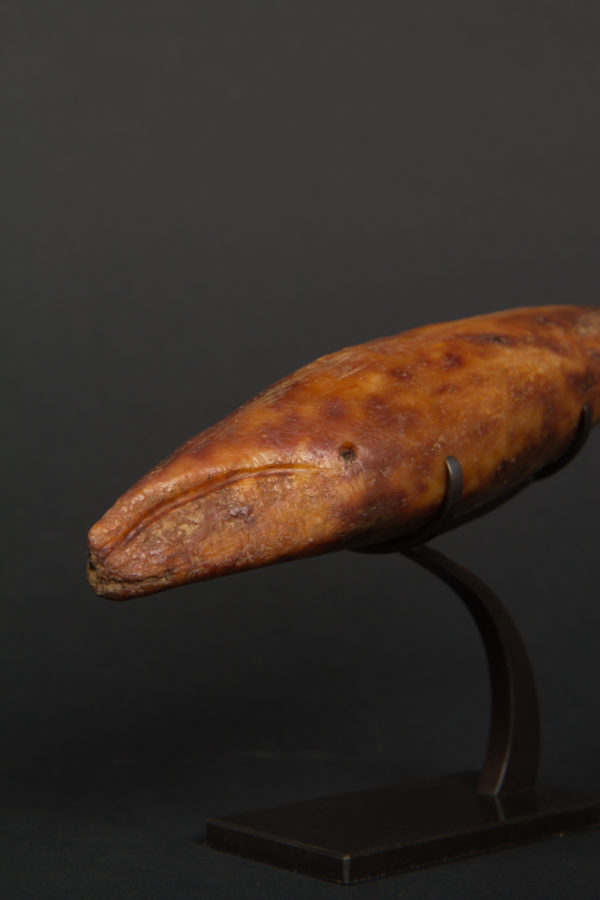
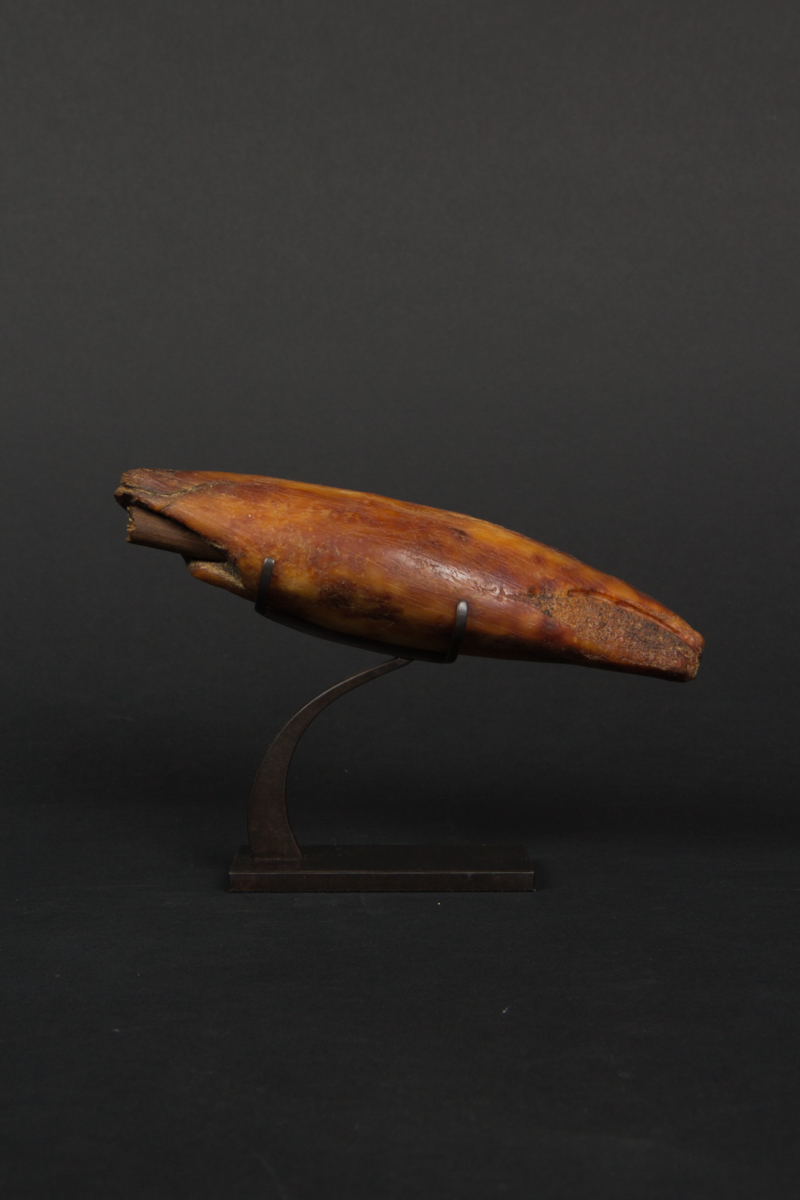
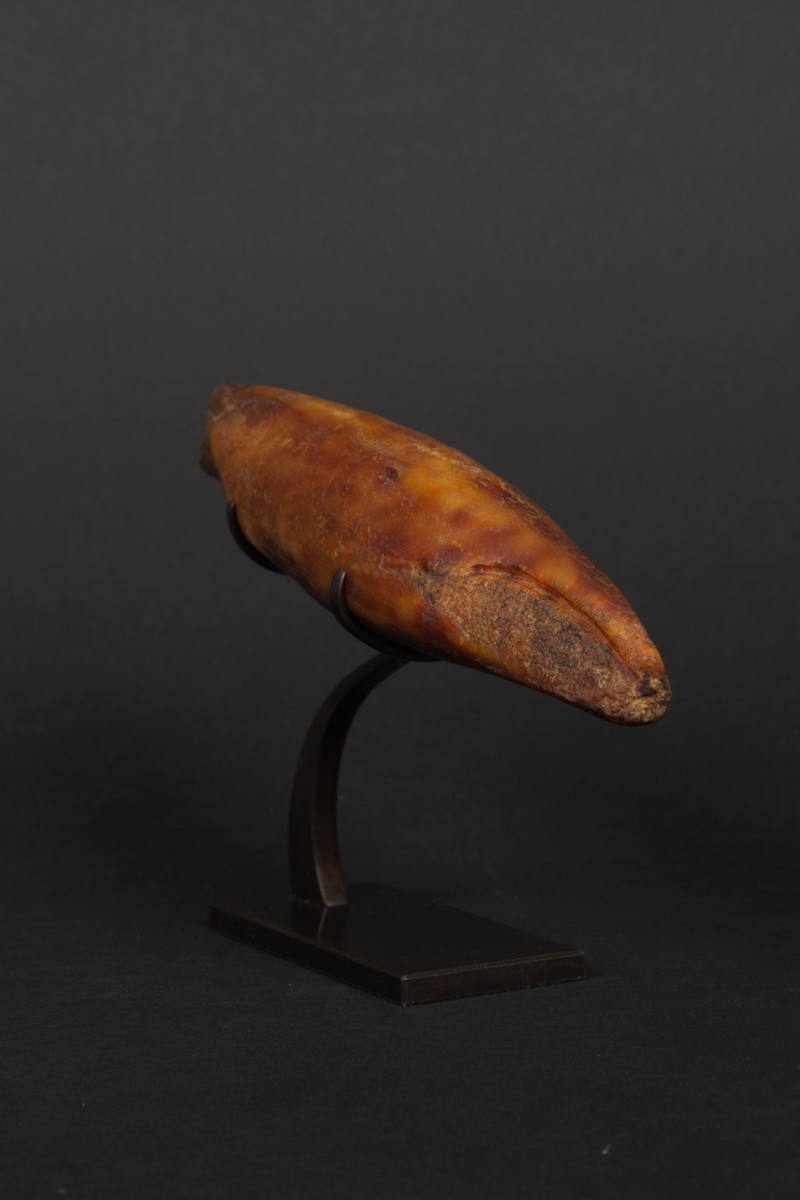
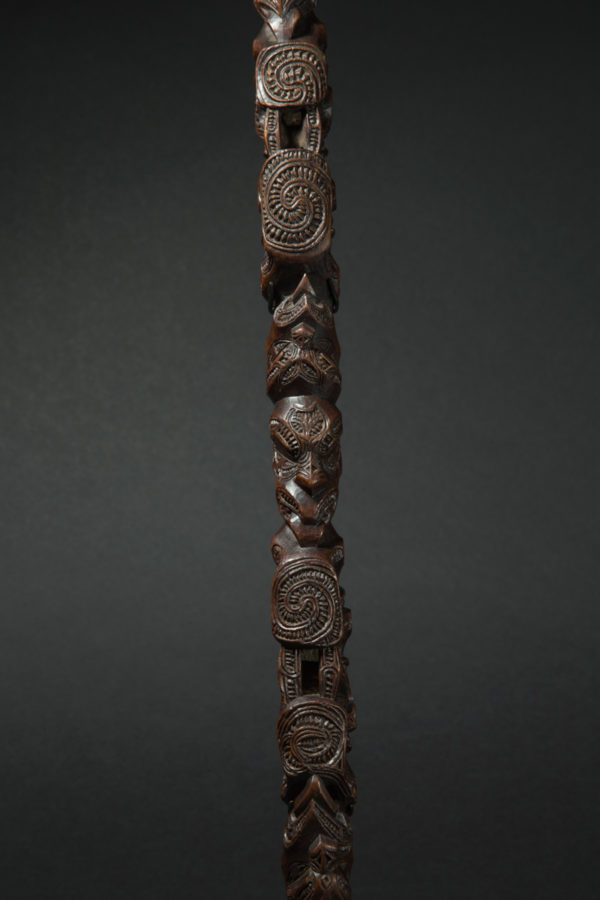
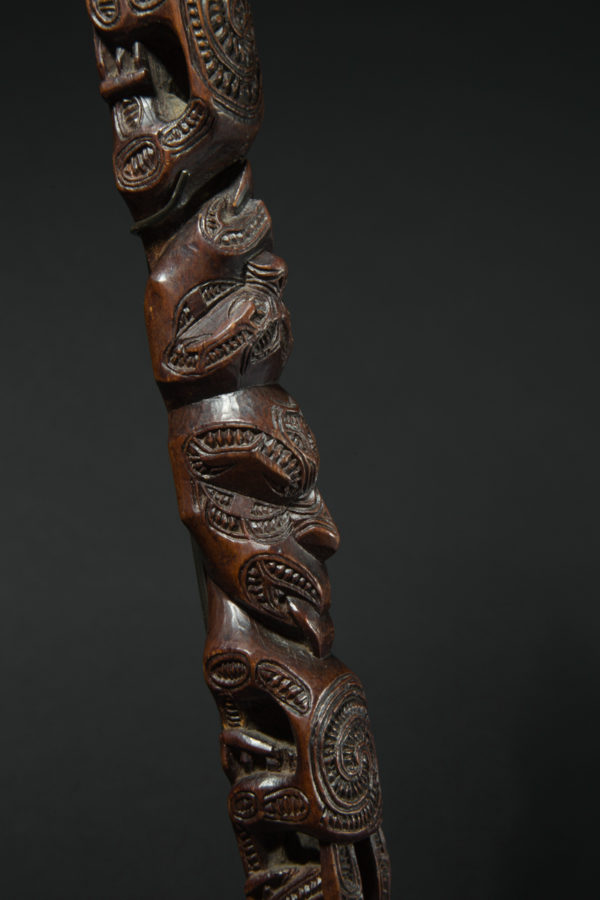
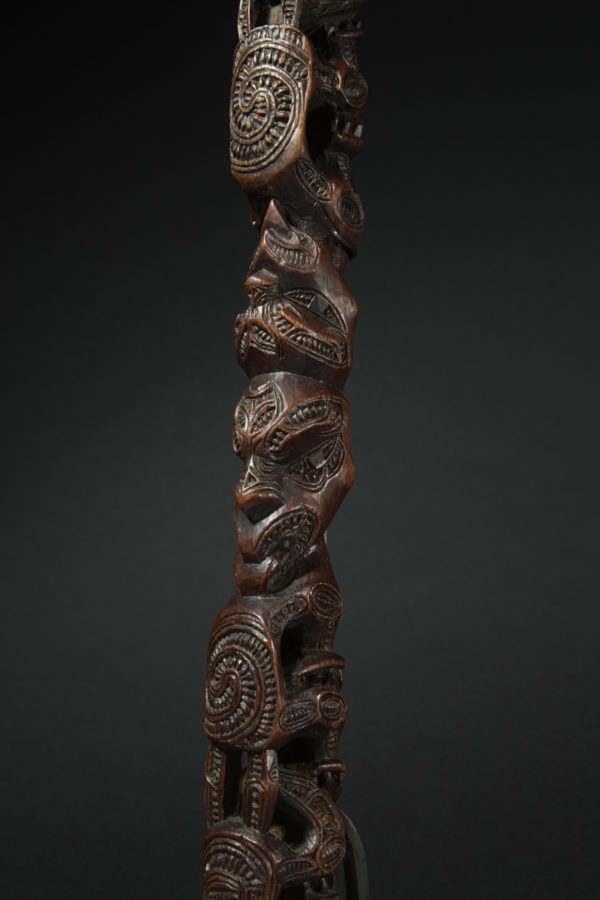
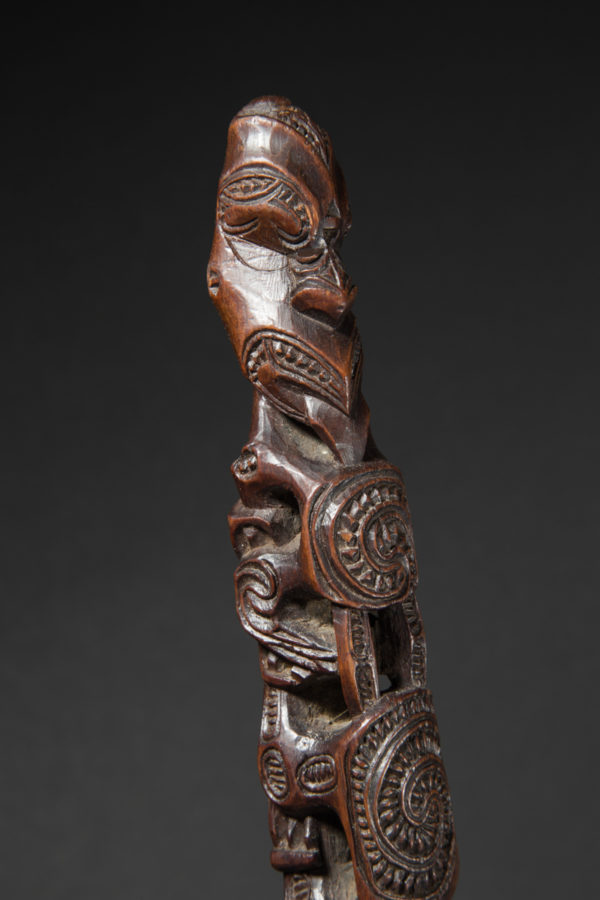
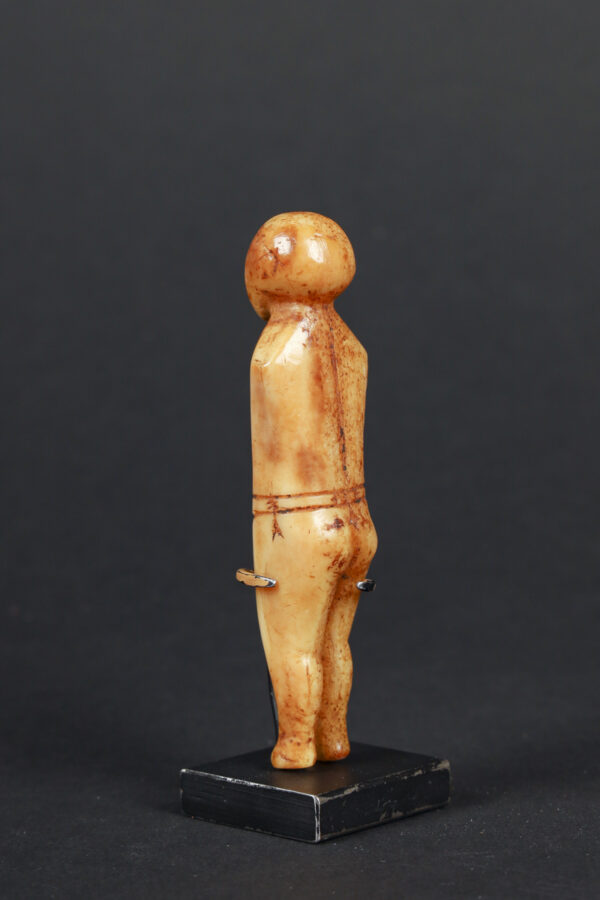
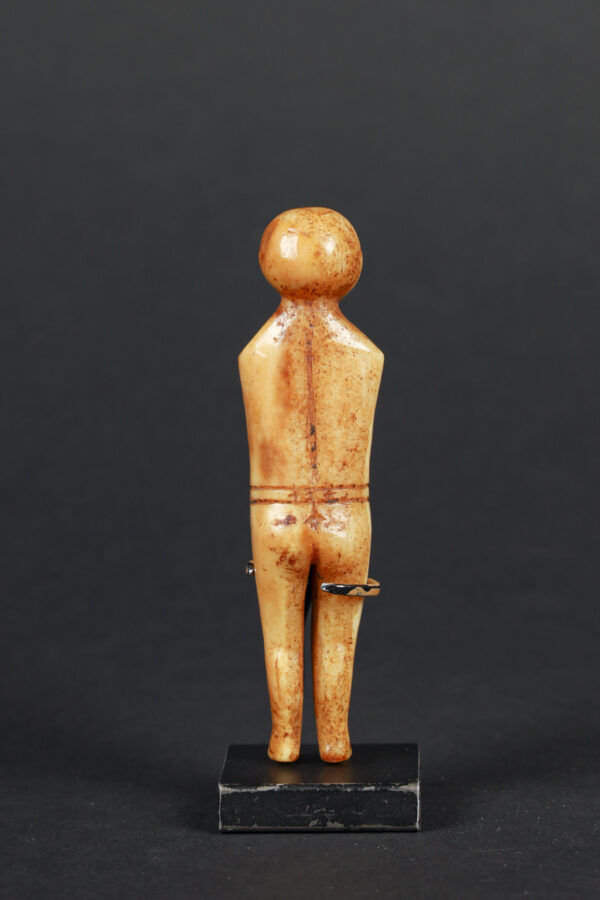
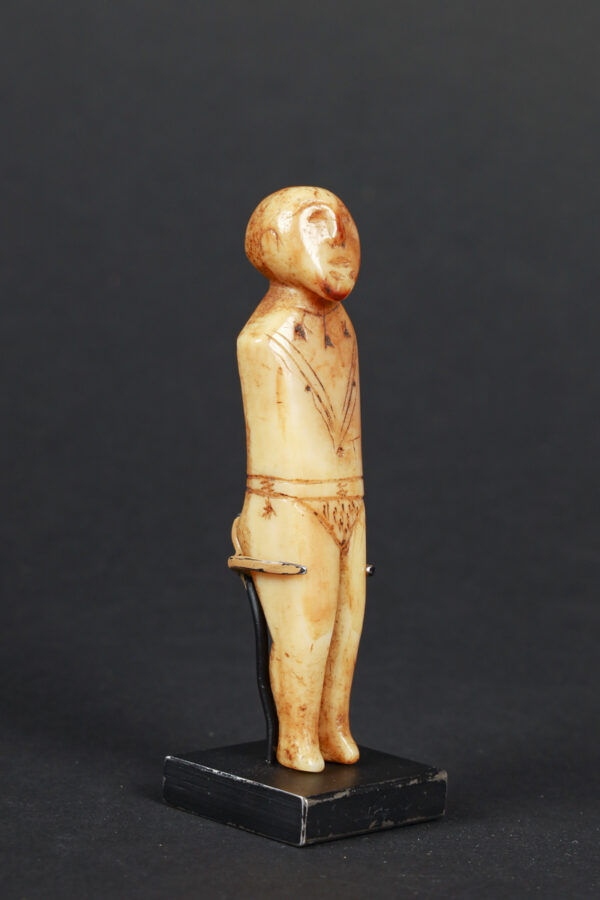
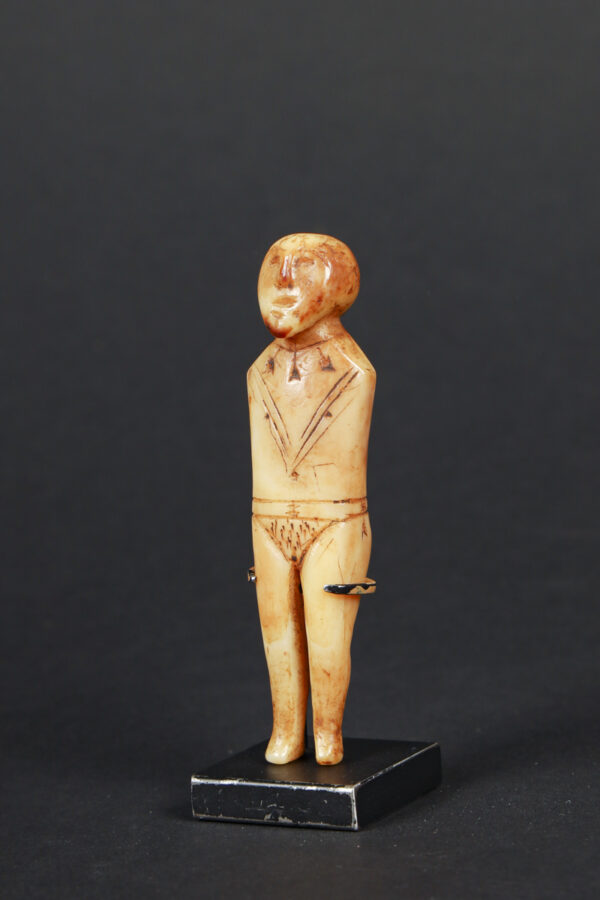
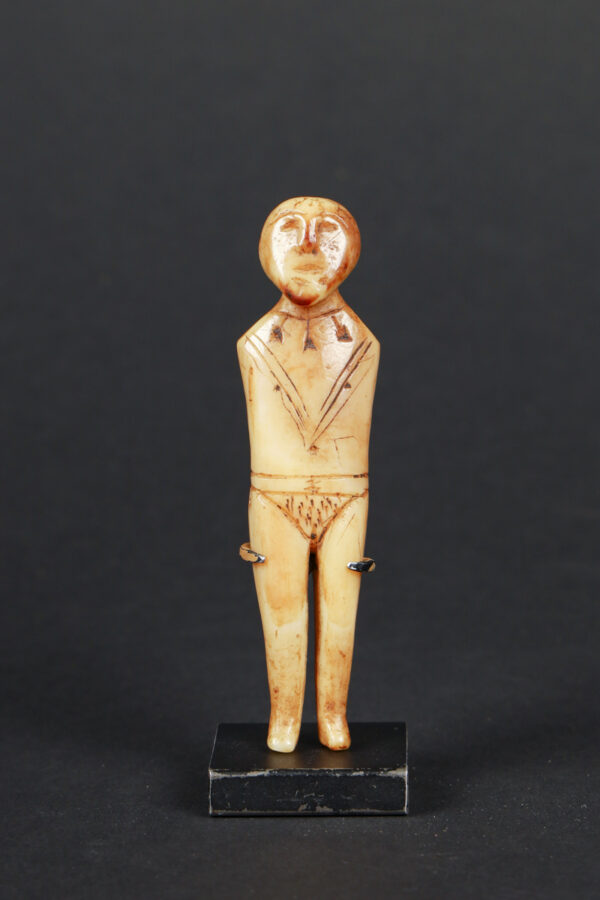
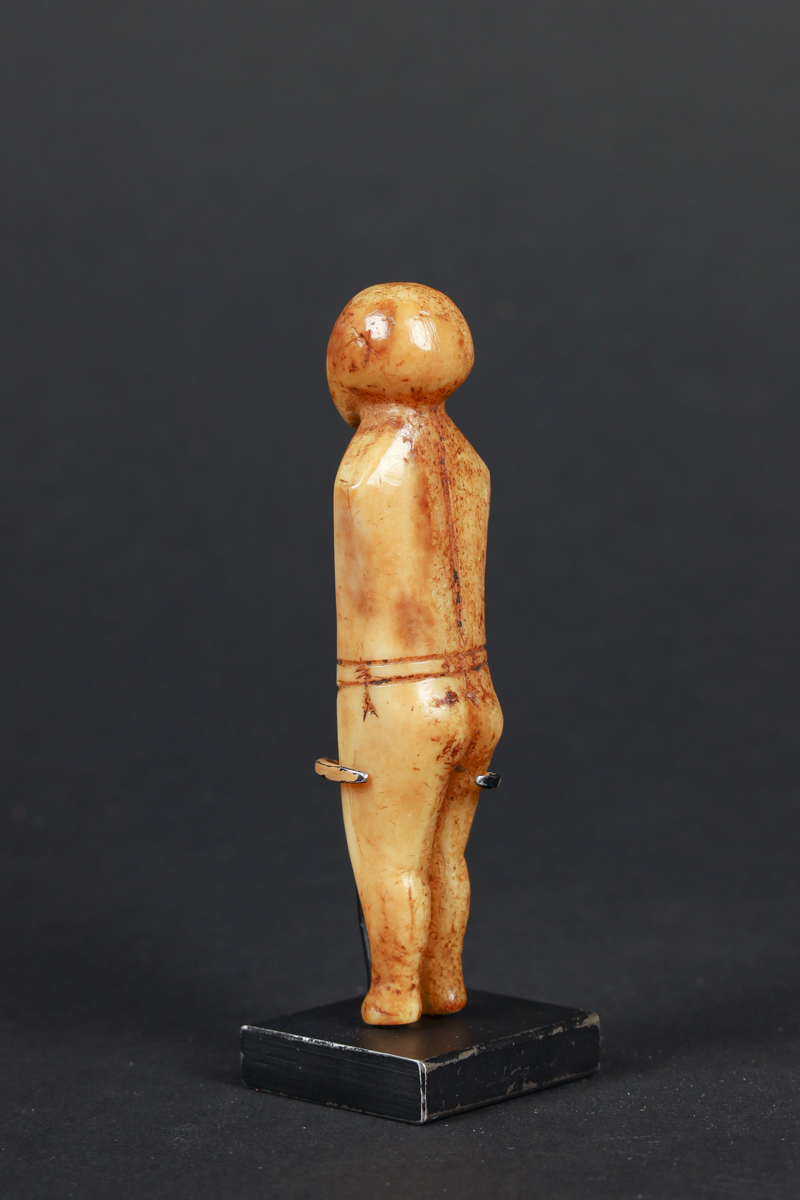
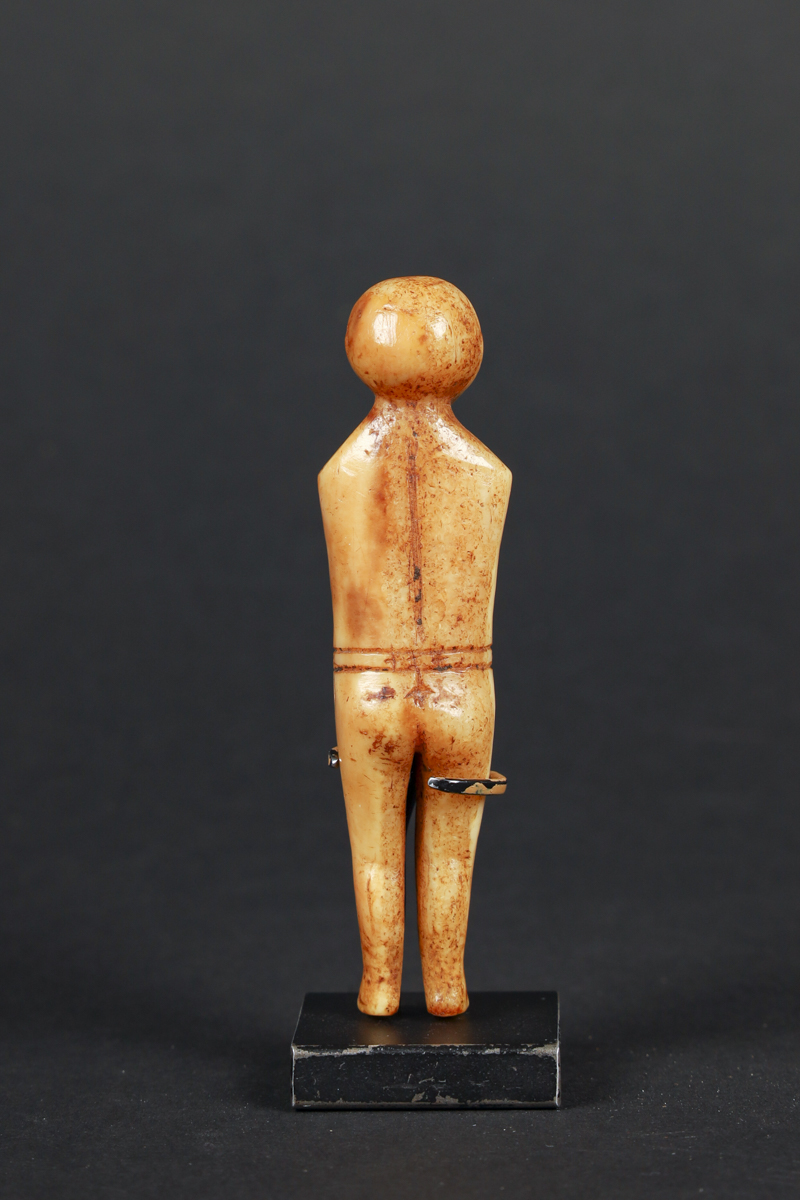
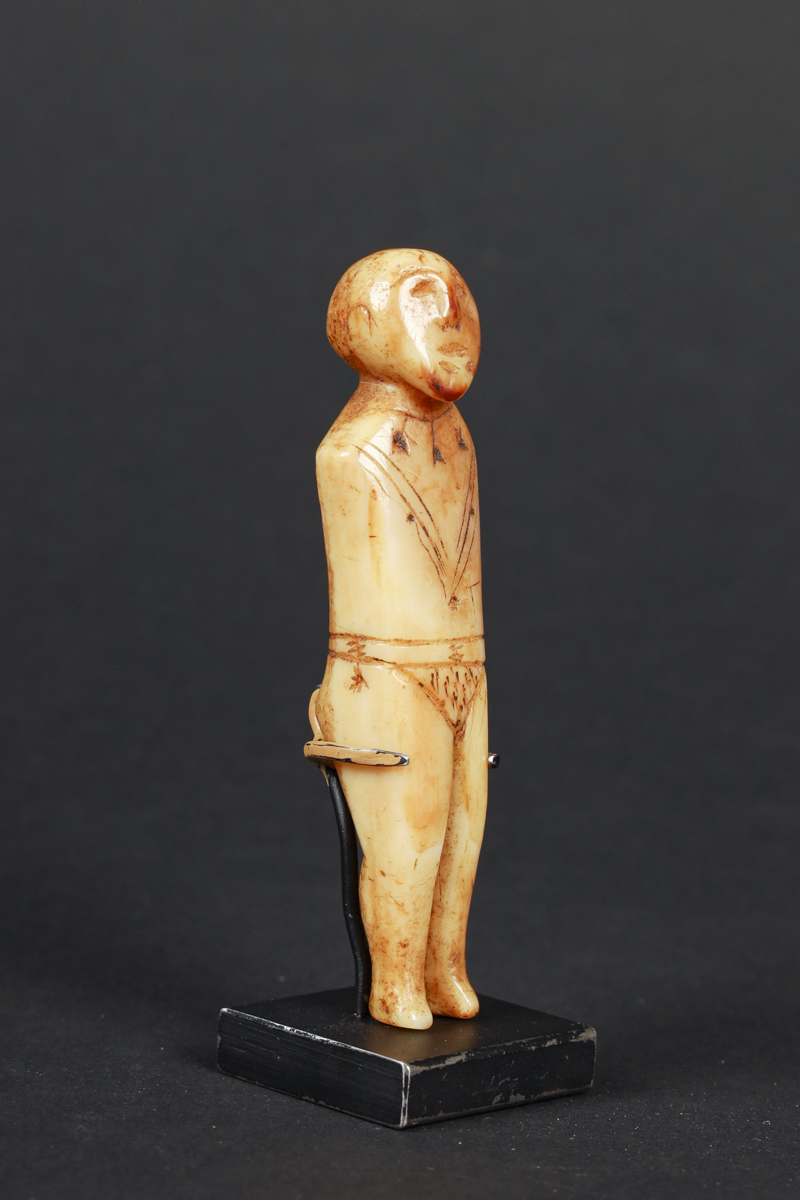
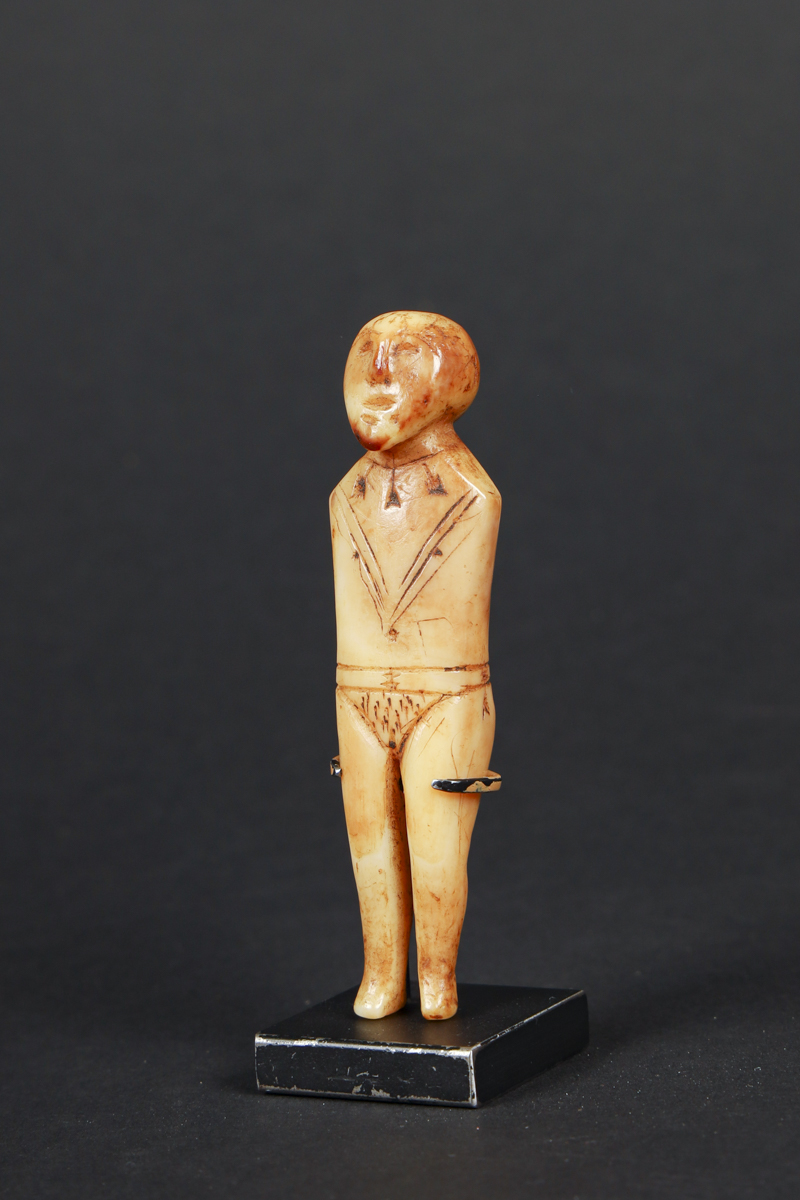
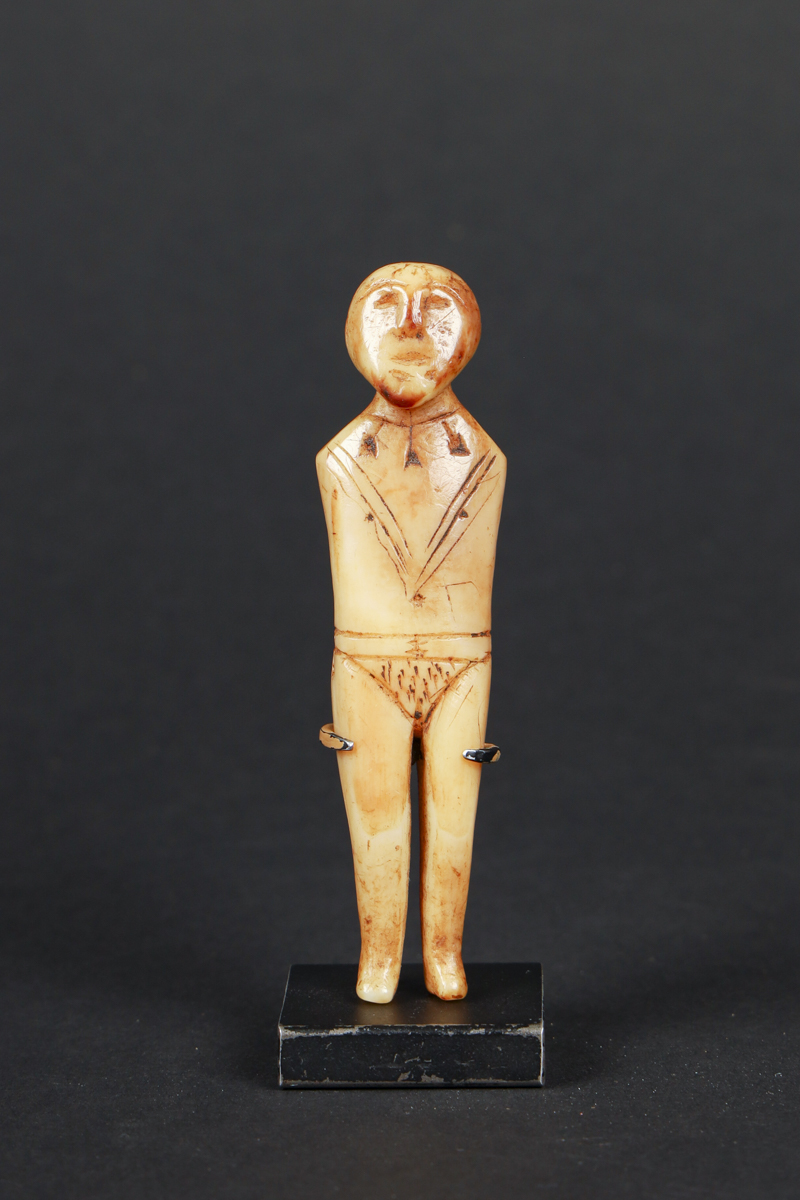
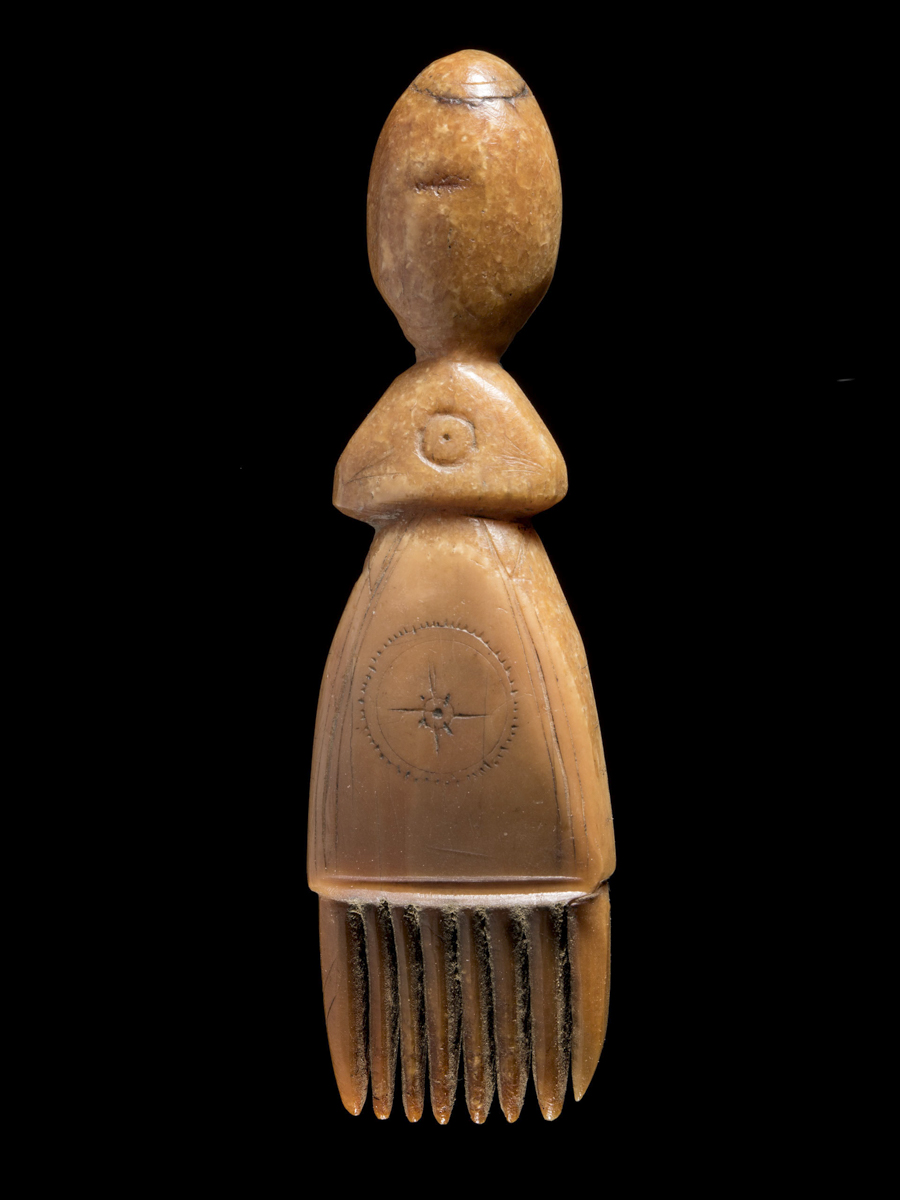
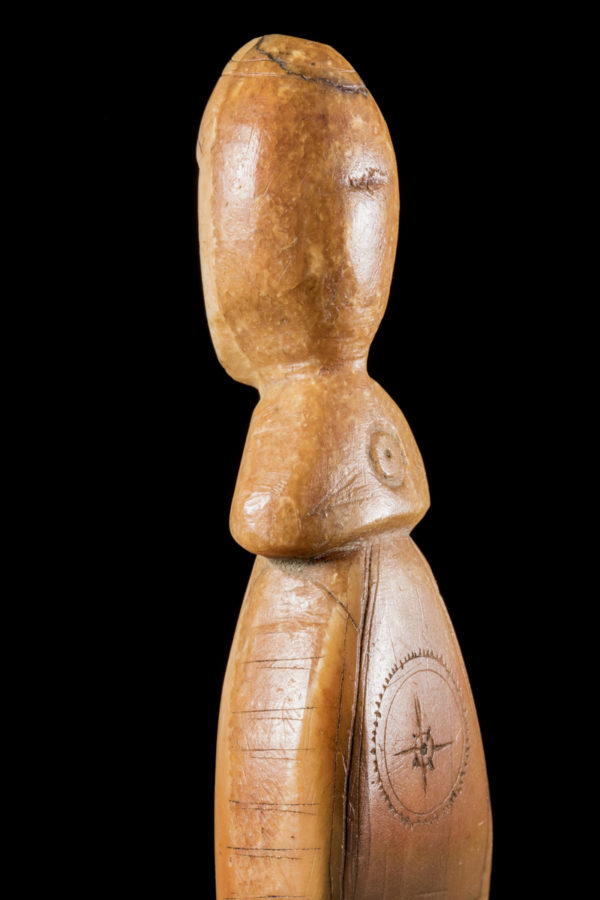
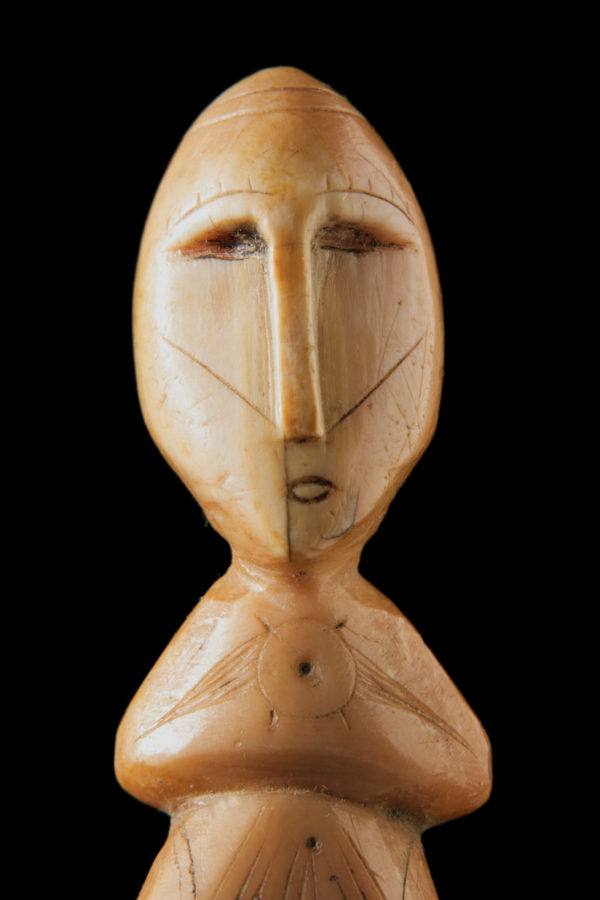
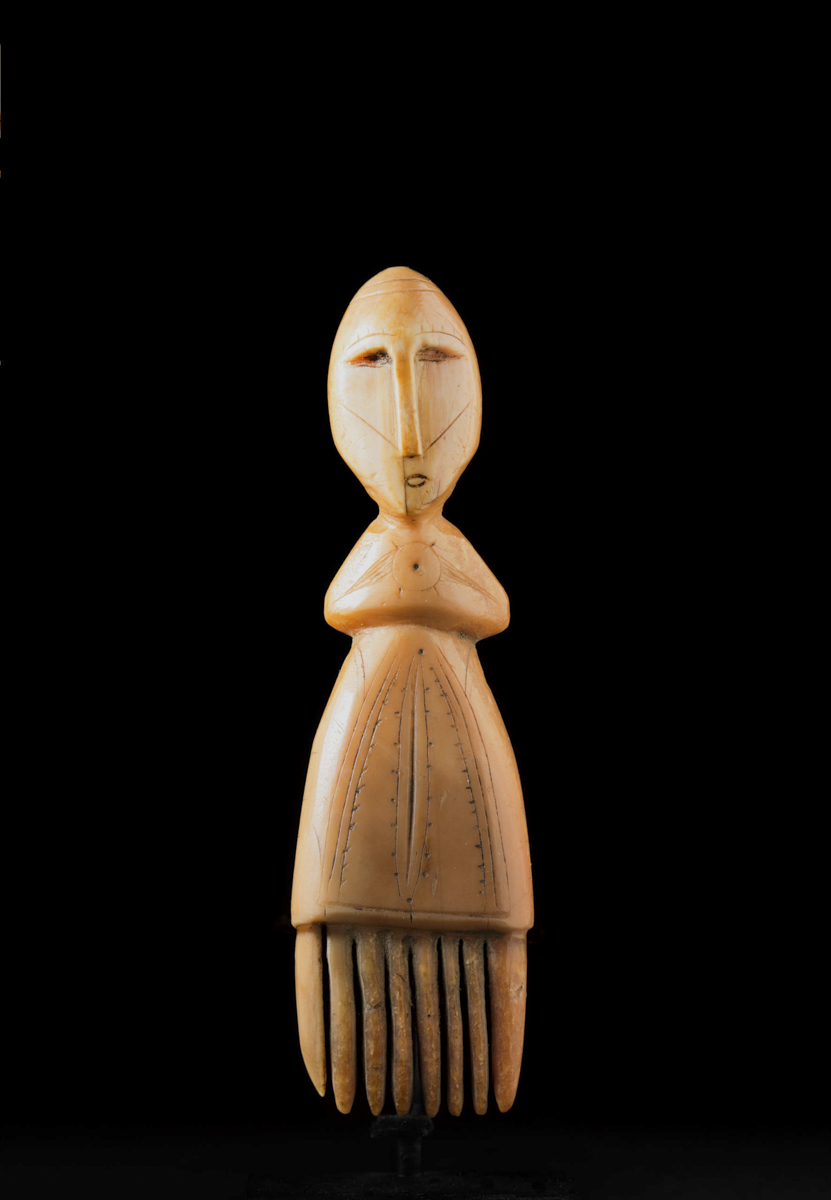
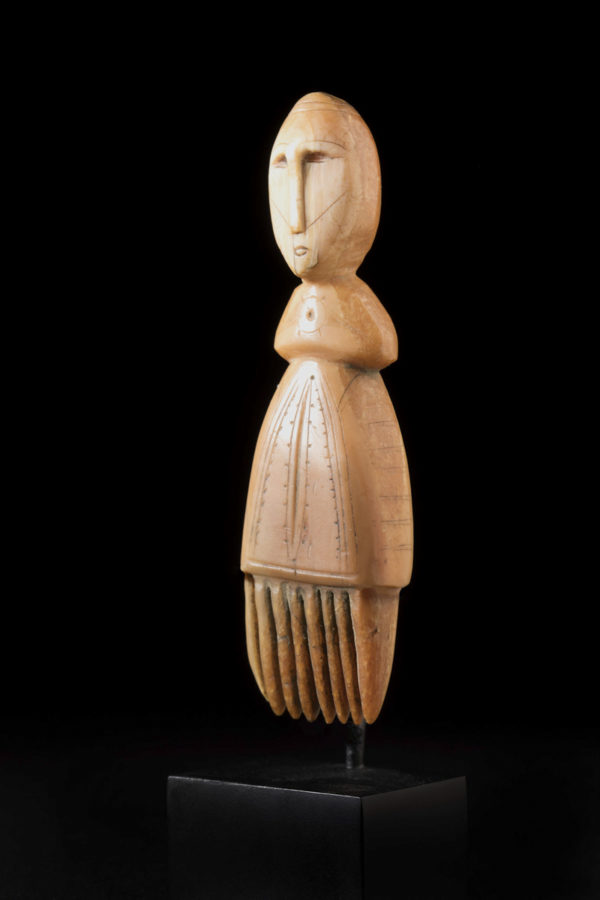
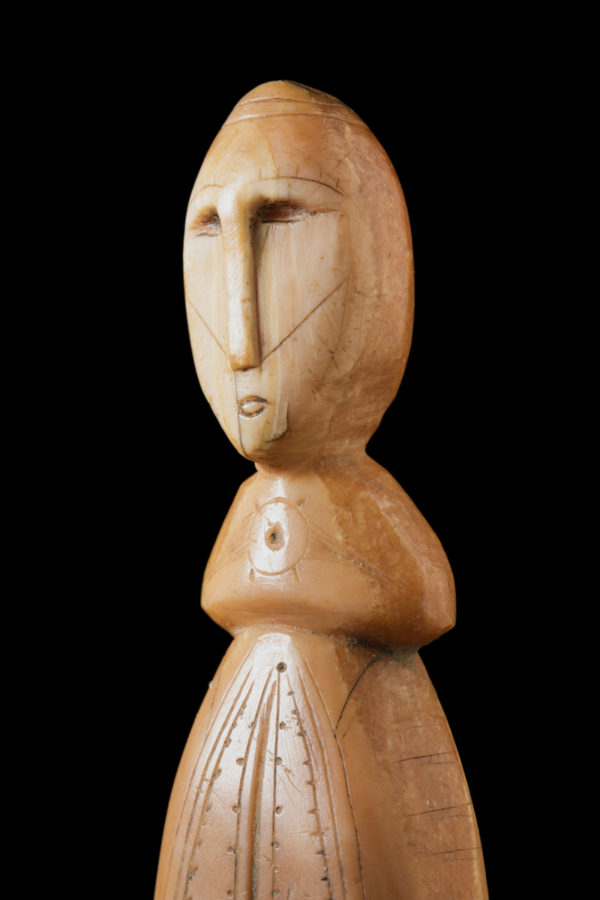
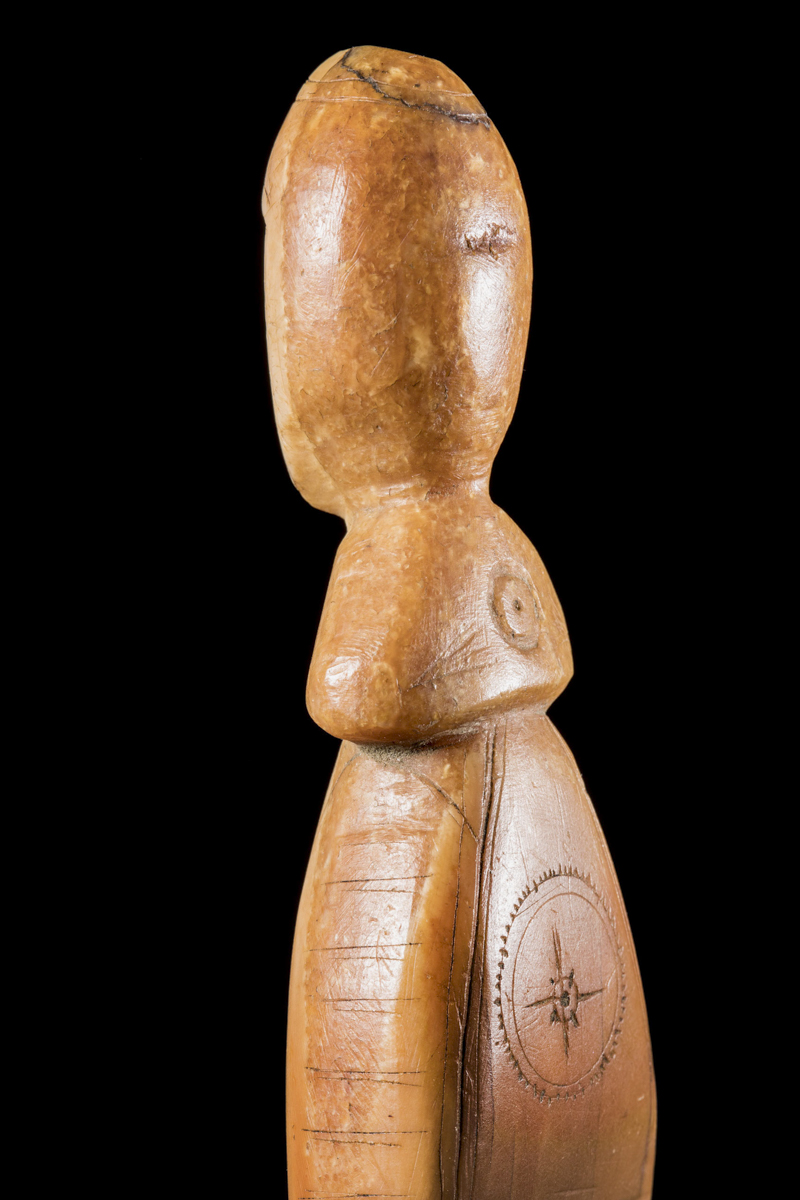
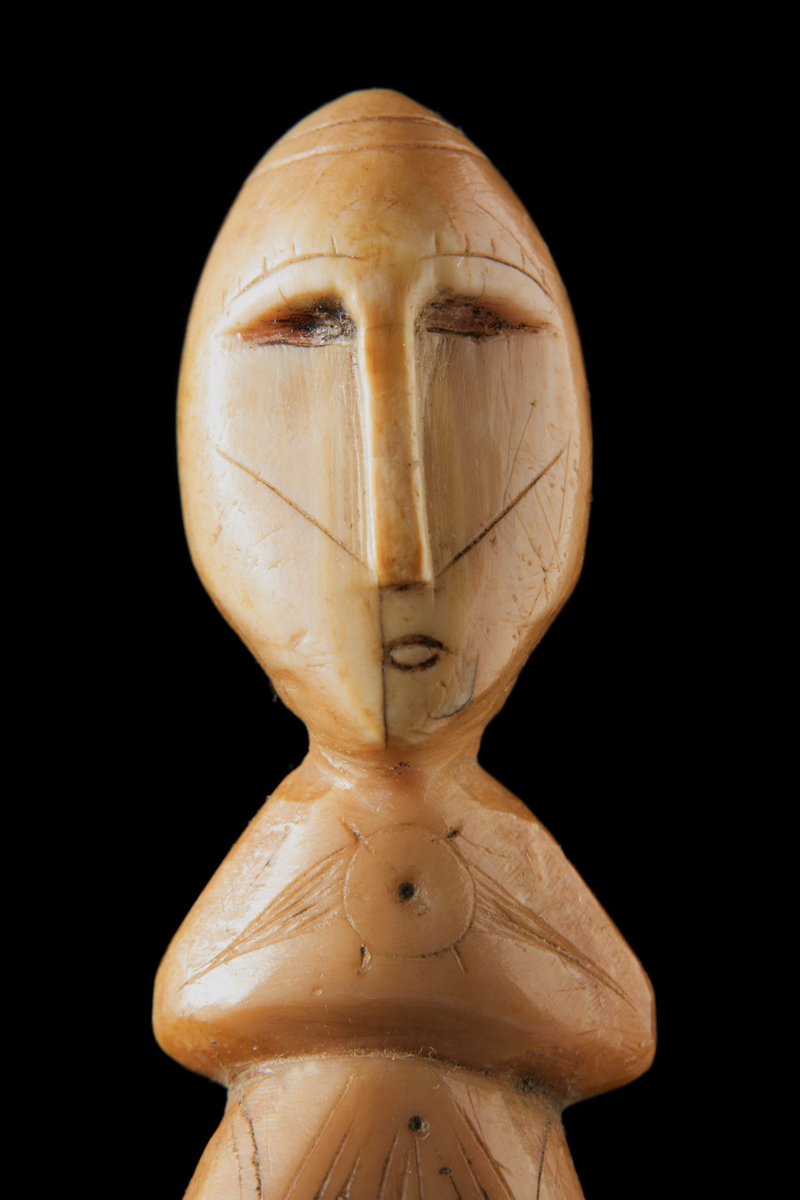
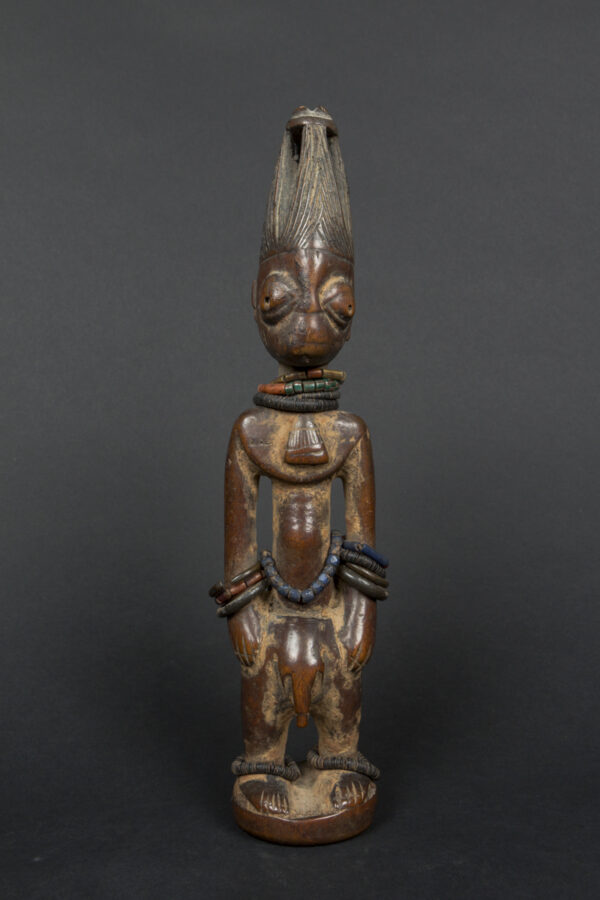
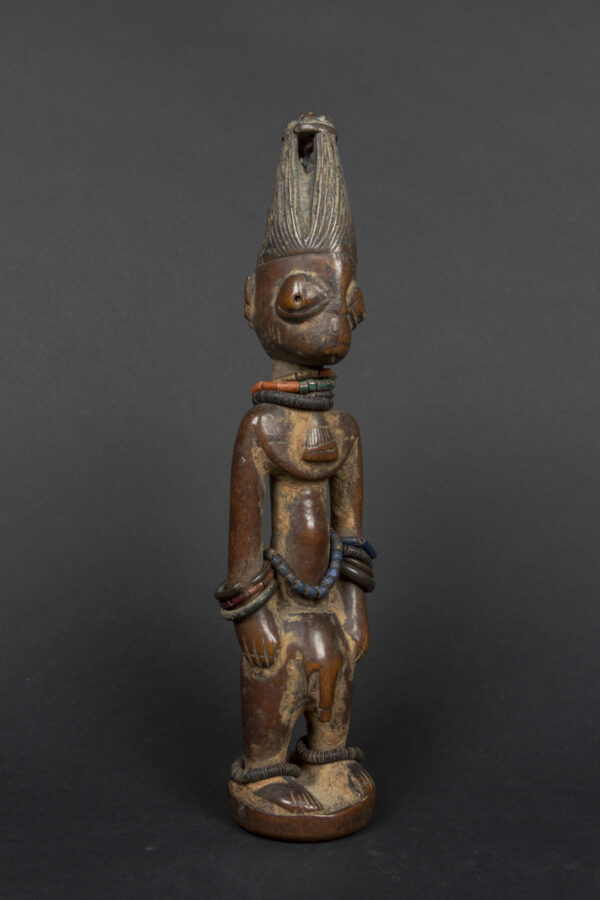
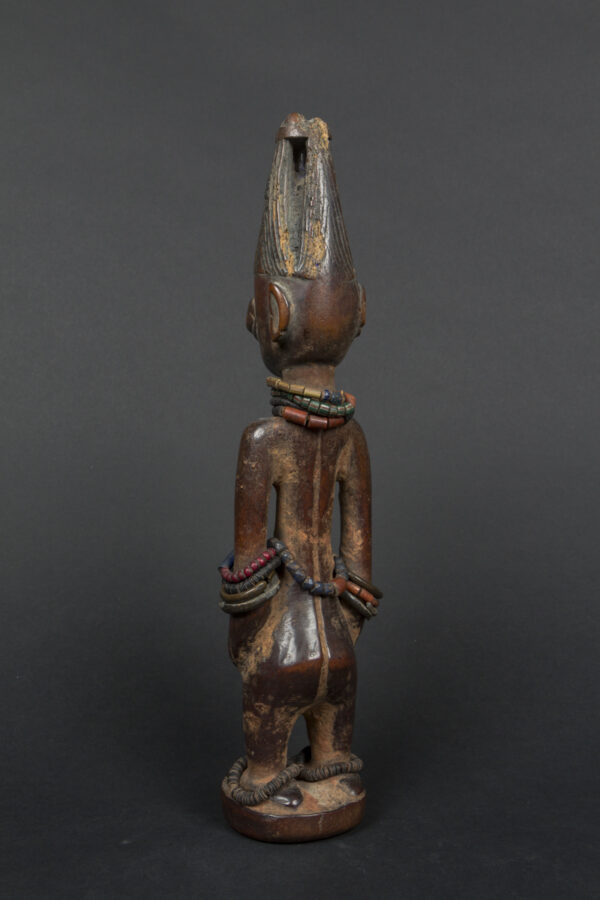
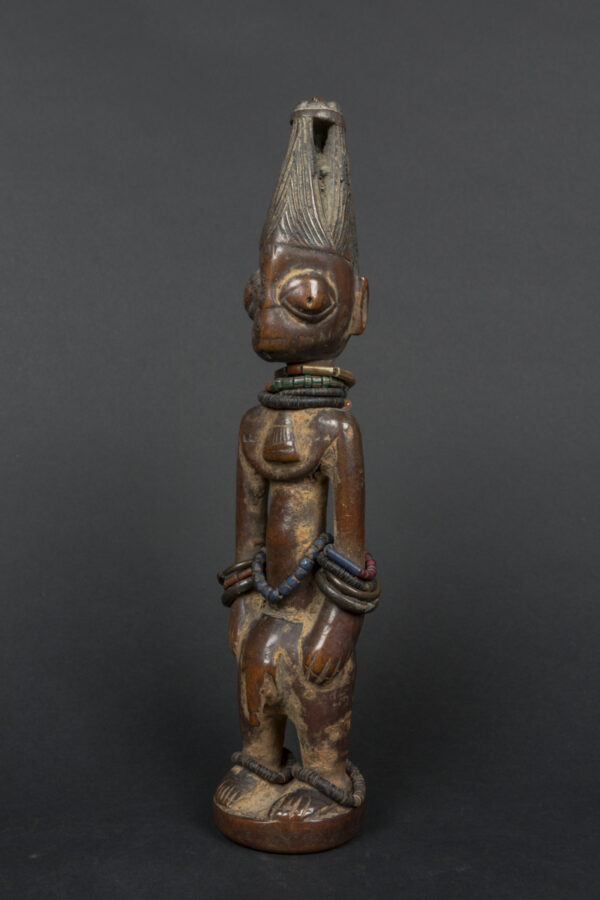
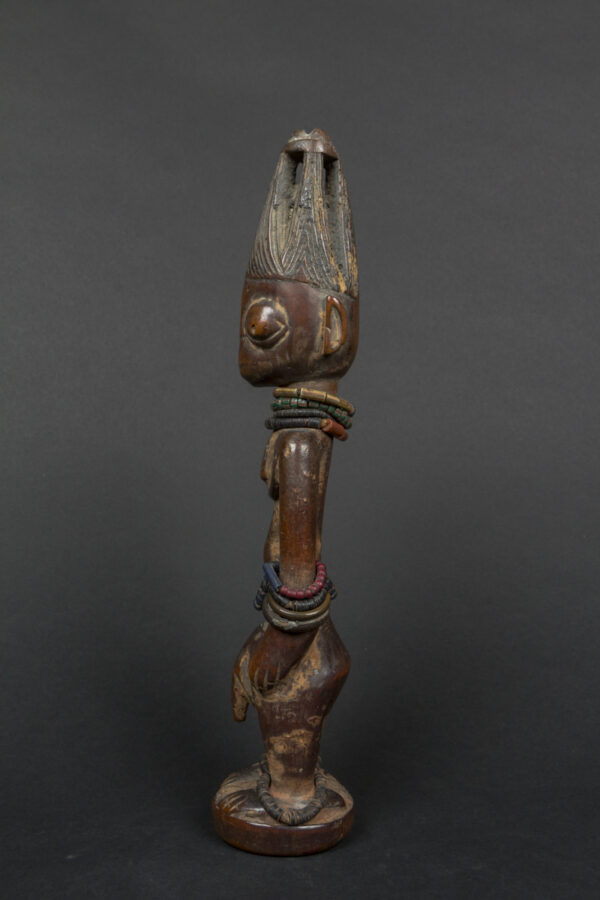
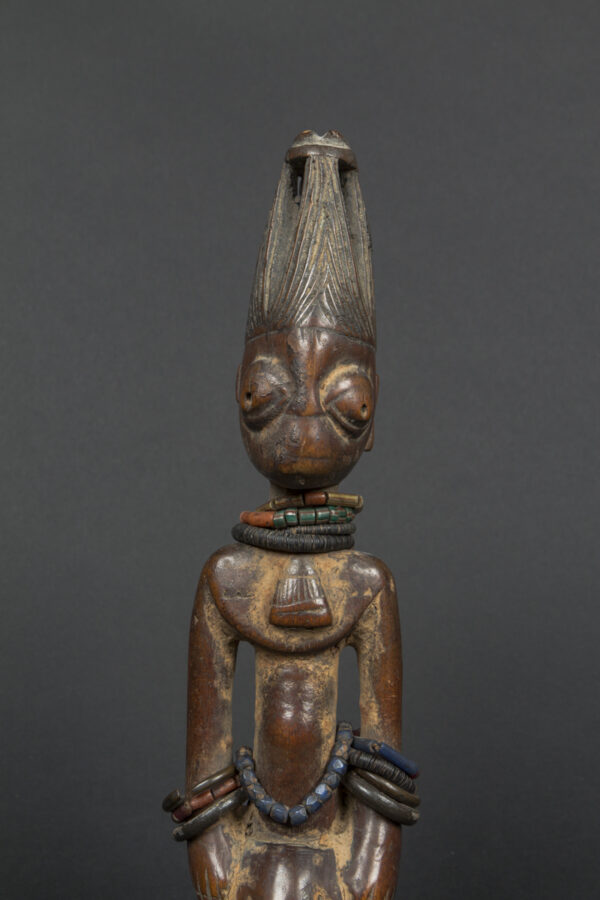
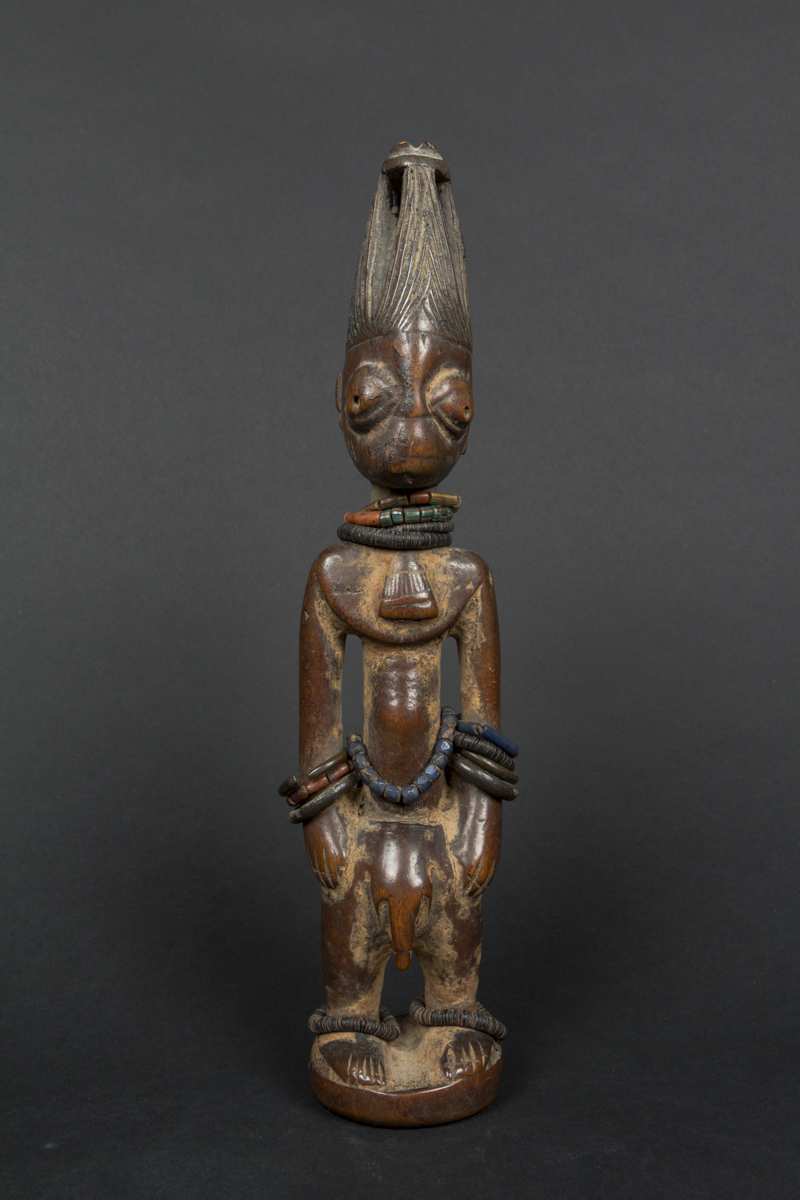
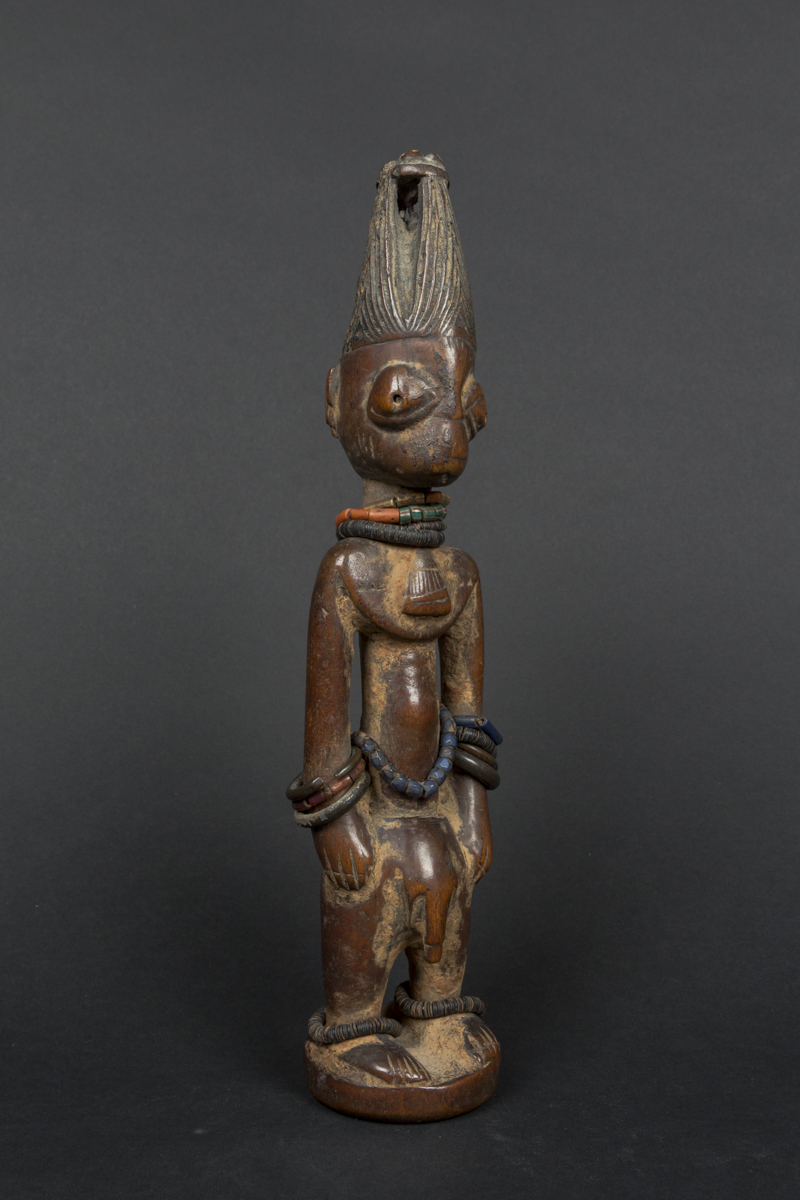
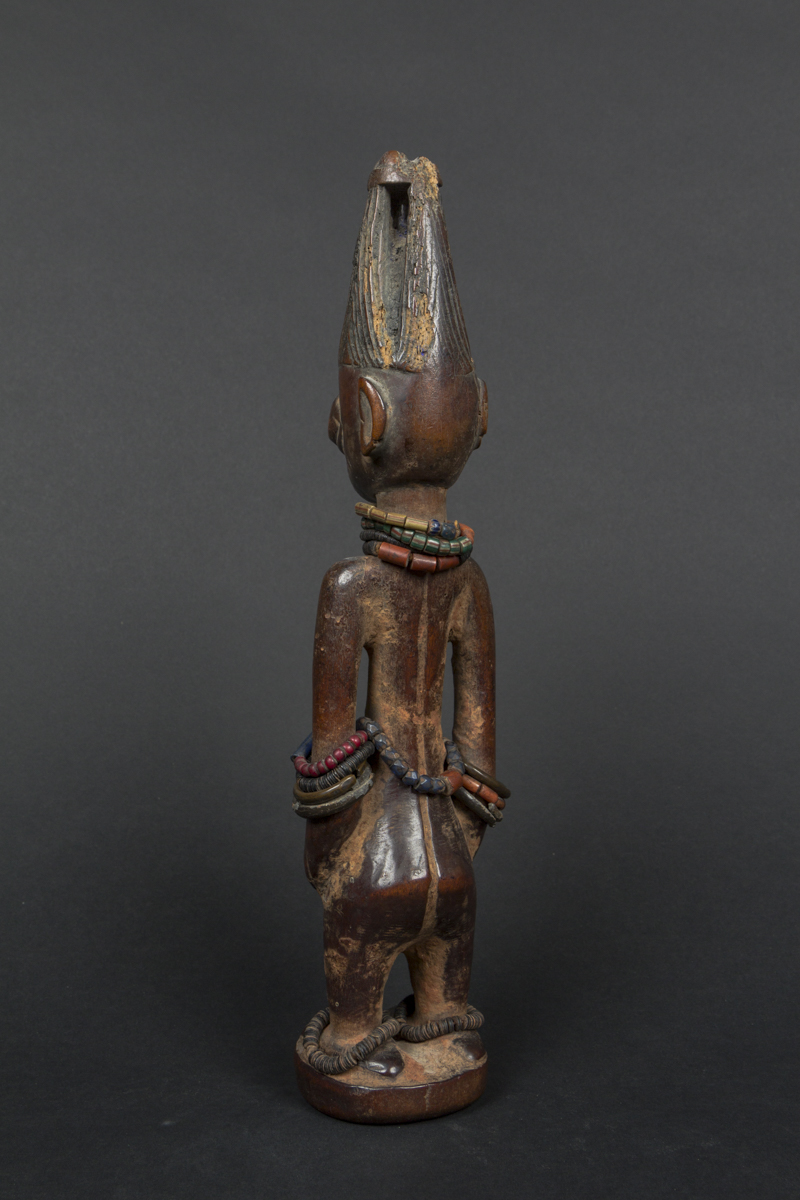
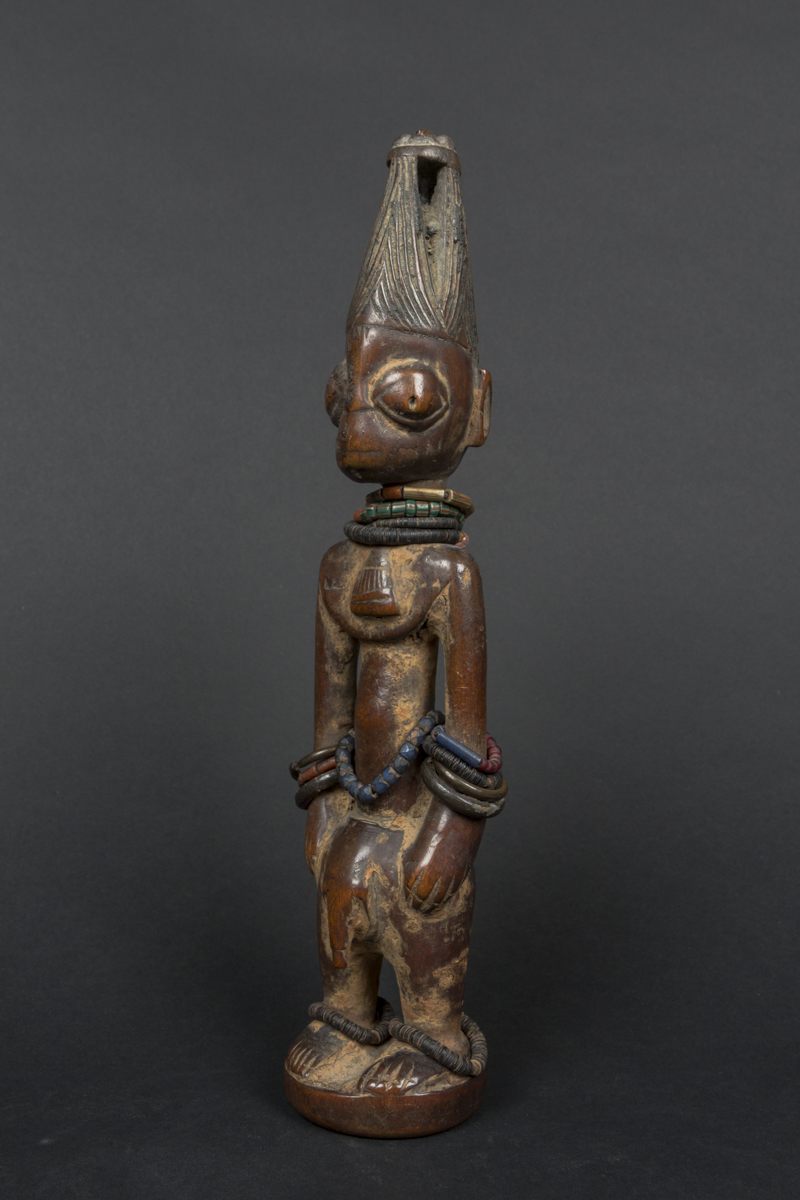
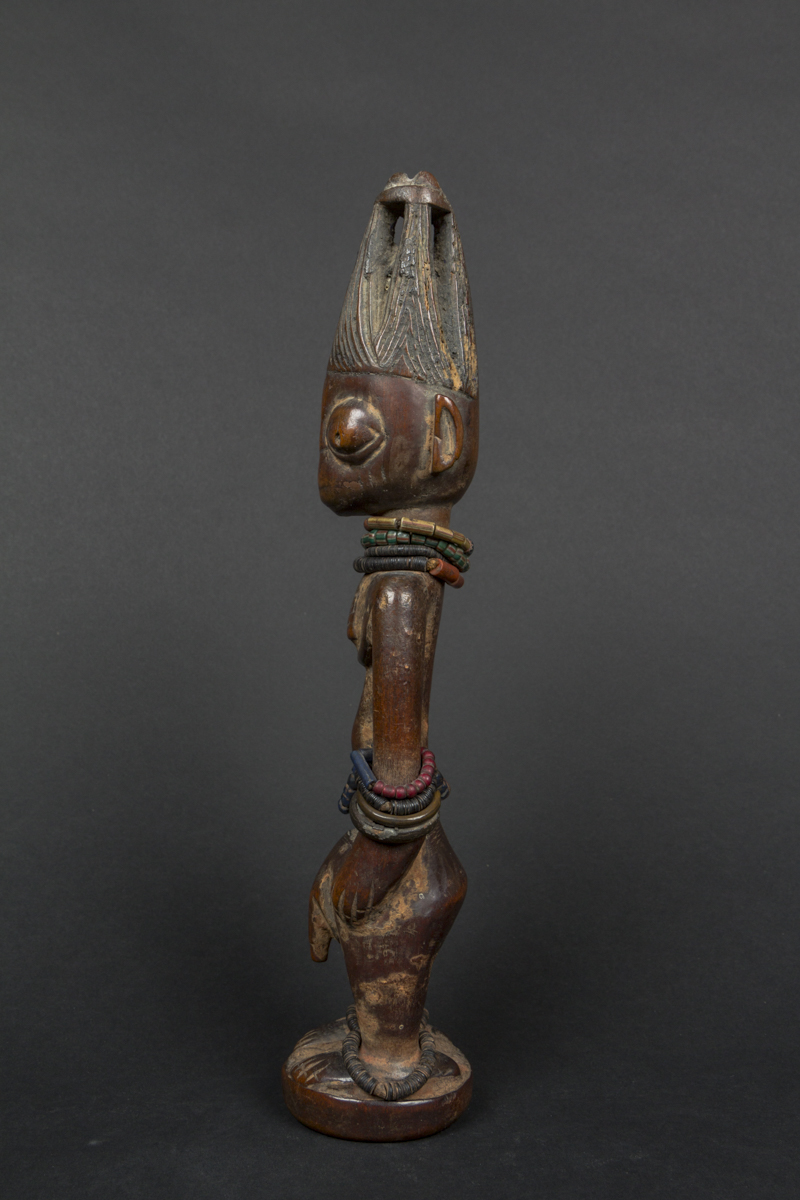
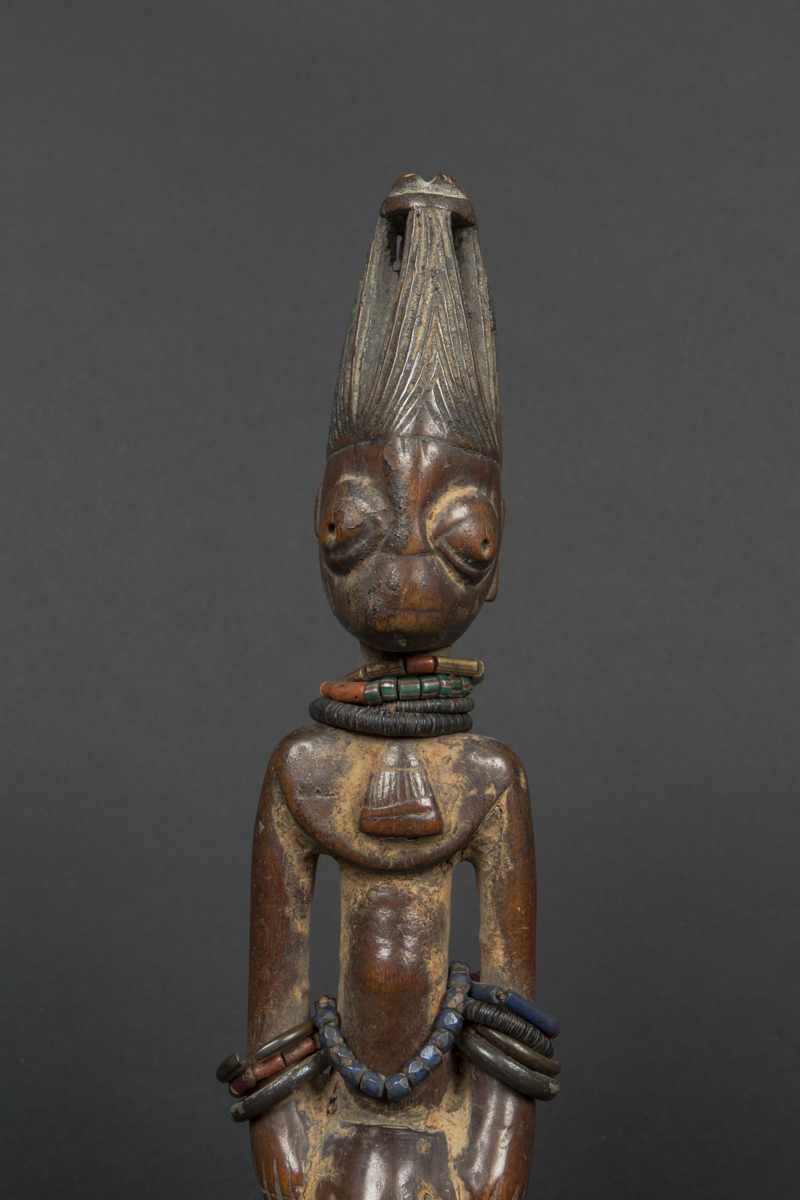
Large Ere Ibeji twin figure
Ila Orangun style
Igbomina area
Carved wood
Early 20th century
Height: 13¼ in. (33.5 cm)
Ex collection Merton Simpson (1928-2013), New York
Ex collection Allen Alperton (1920-2007), New York acquired from above in 1962
Ex Sotheby’s, New York, 18 mai 1992, lot 32
Ex collection James Willis, San Francisco
Ex private collection, Brussels
Exhibited and published:
“Masterpieces of African Sculpture”, Syracuse University School of Art, New York, 1964, catalog p. 123
“People Figures”, Museum of Contemporary Craft, New York, 1966-1967
Sold
The statuettes linked to twin worship, are called ere ibeji in the Yoruba language: ere signifying a sacred image, ibi born and eji a double. Symbols of prestige, wealth and fecundity, ere ibeji figures also guaranteed the perpetuation of future generations. These
effigies of ancestors were an integral part of everyday activities, punctuating the family life of the Yoruba.
Subject to very codified rituals, ere ibeji figures were pampered, with their care including feeding, washing and oiling.
They were considered to be living beings, a reincarnation of ancestor-twins. Representations always showed them at the peak of their strength and power in adulthood.
effigies of ancestors were an integral part of everyday activities, punctuating the family life of the Yoruba.
Subject to very codified rituals, ere ibeji figures were pampered, with their care including feeding, washing and oiling.
They were considered to be living beings, a reincarnation of ancestor-twins. Representations always showed them at the peak of their strength and power in adulthood.
Explore the entire collection