Archives | Arizona
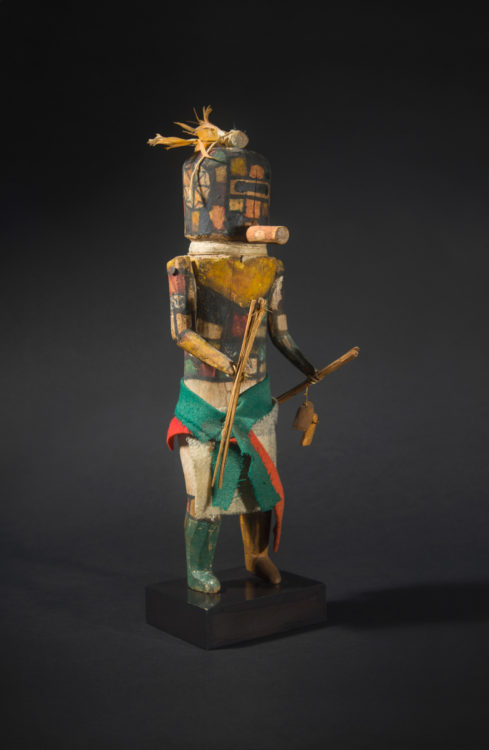
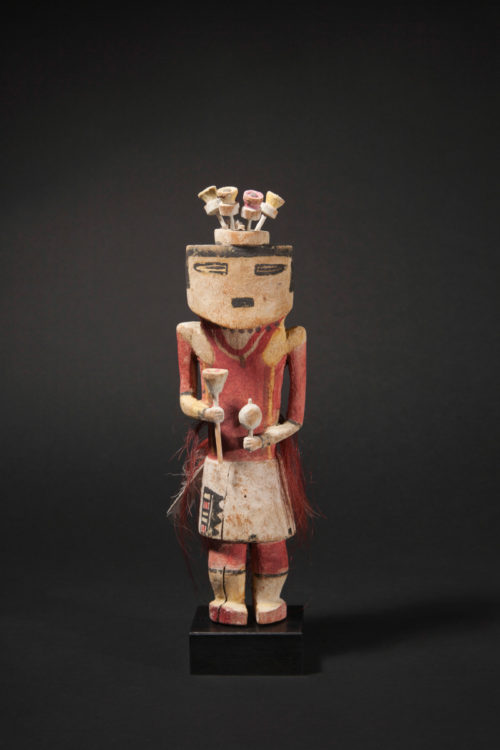
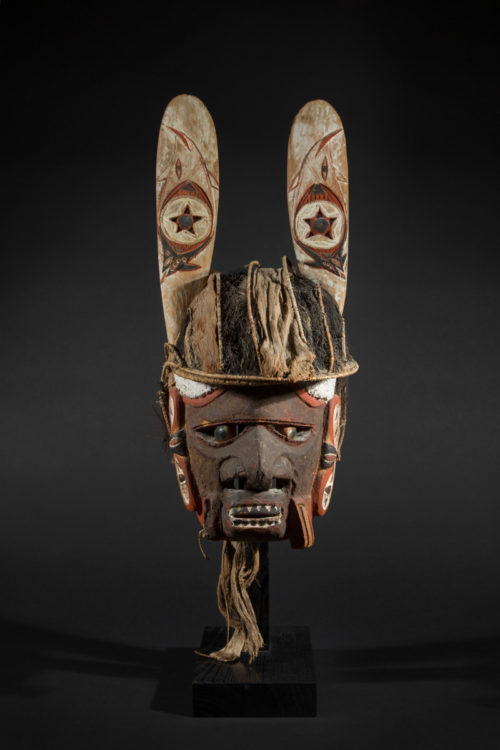
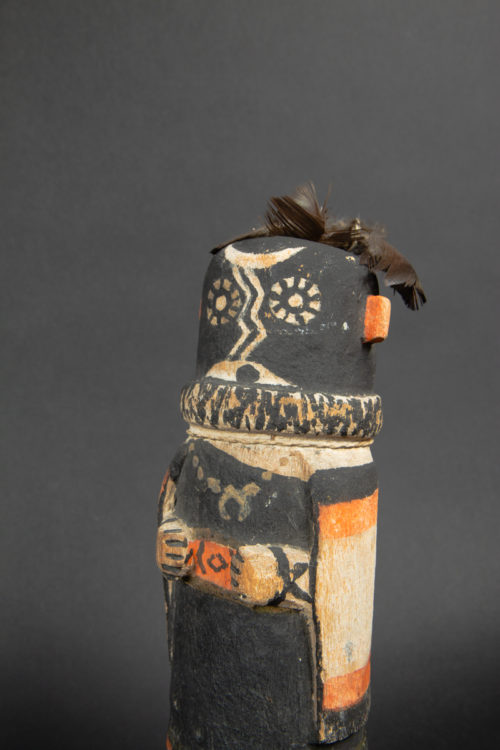
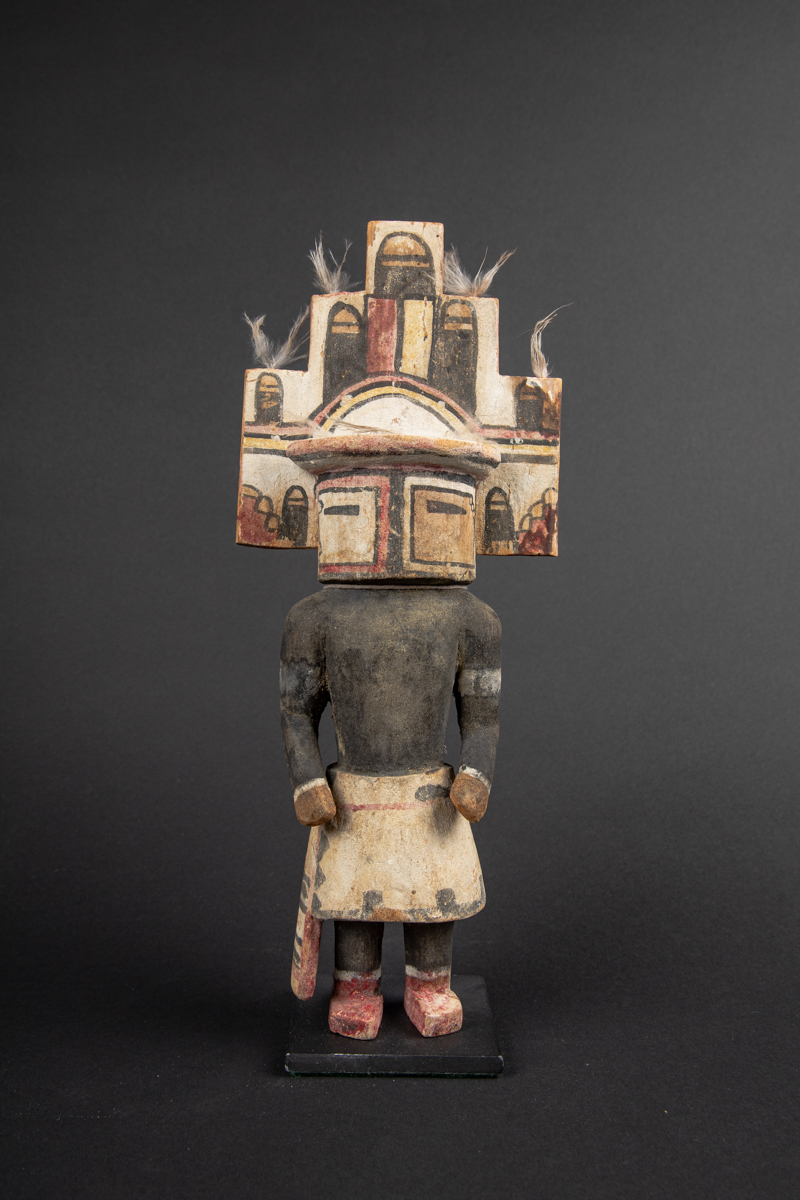
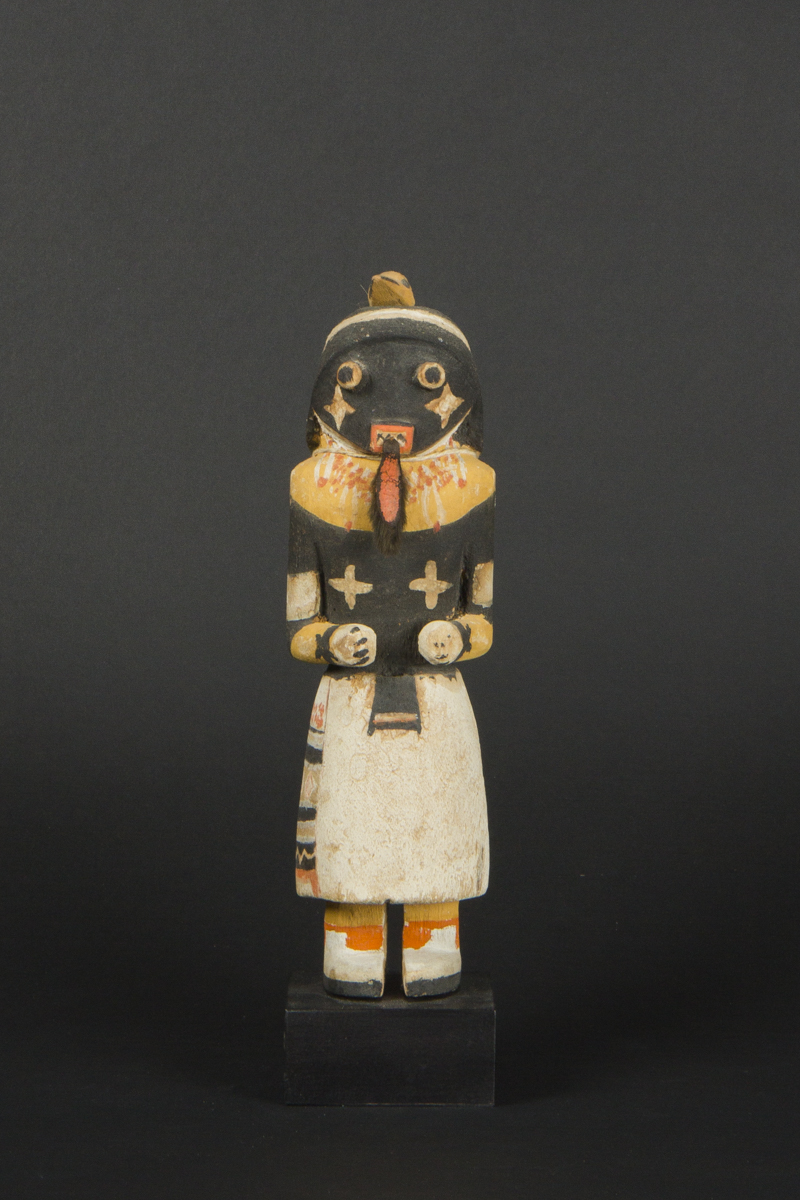
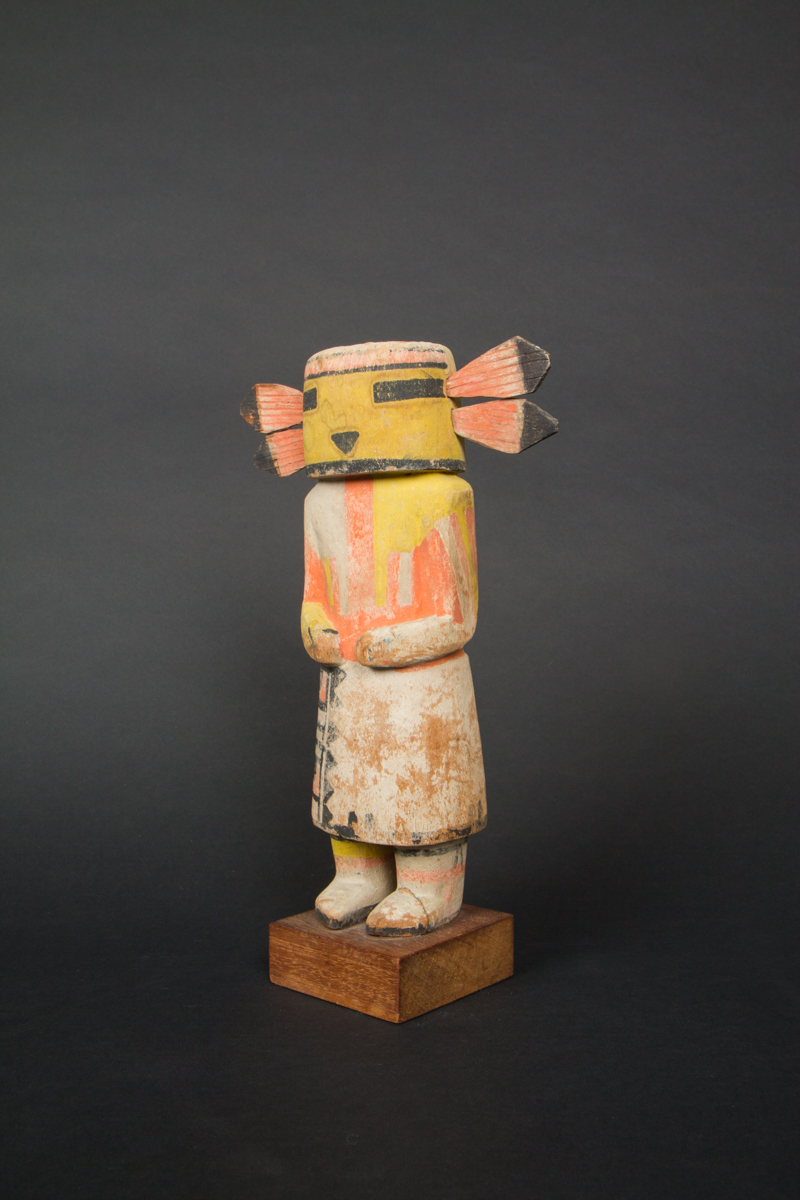
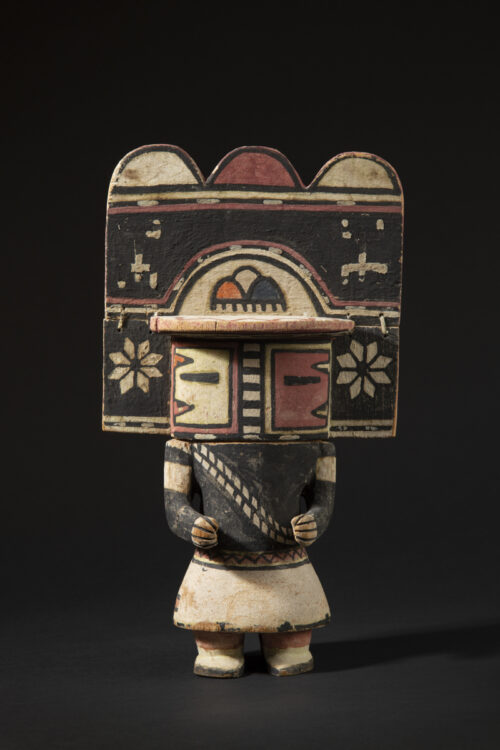
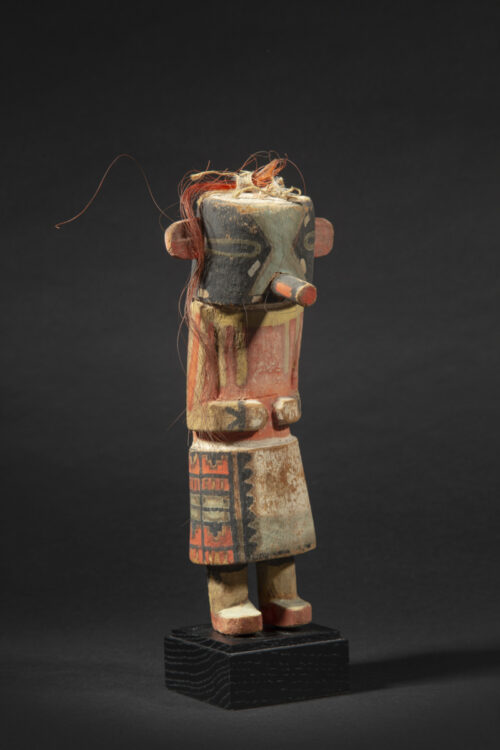
Katsina doll
Arizona
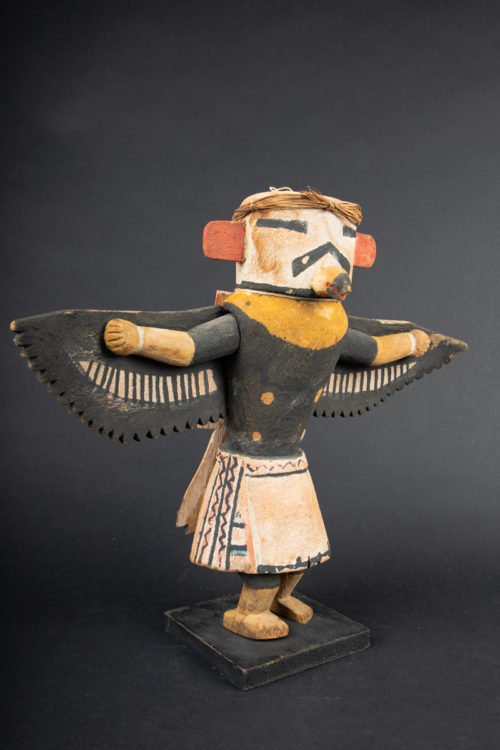
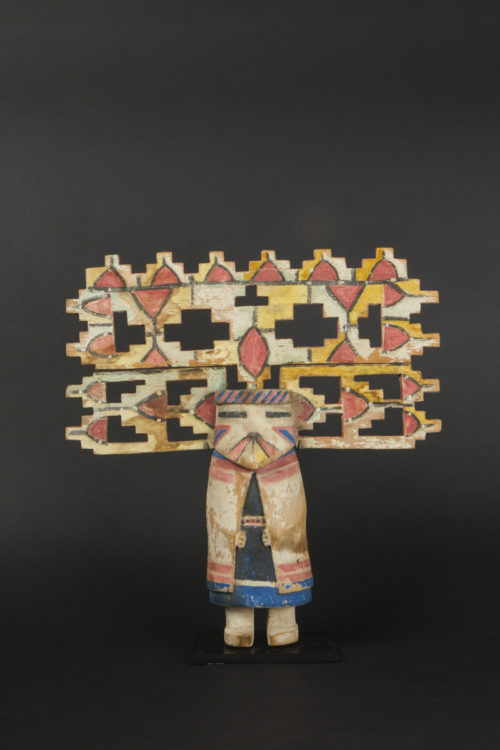
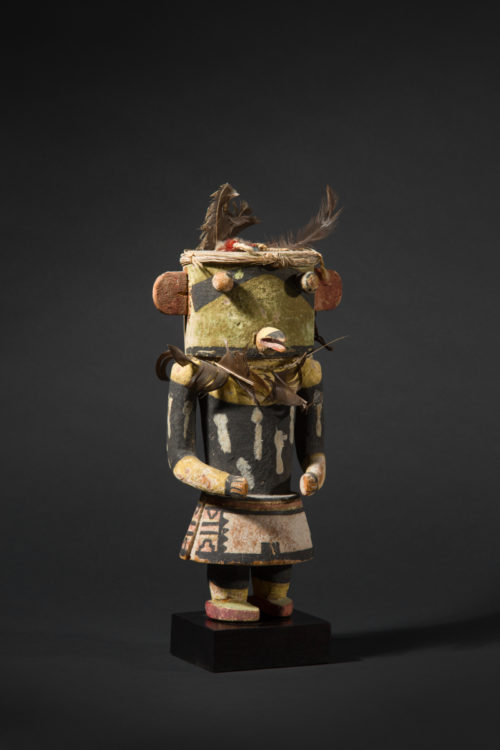
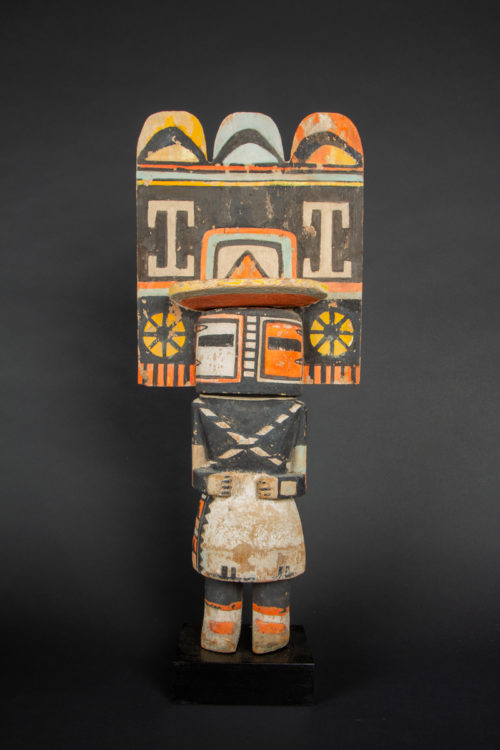
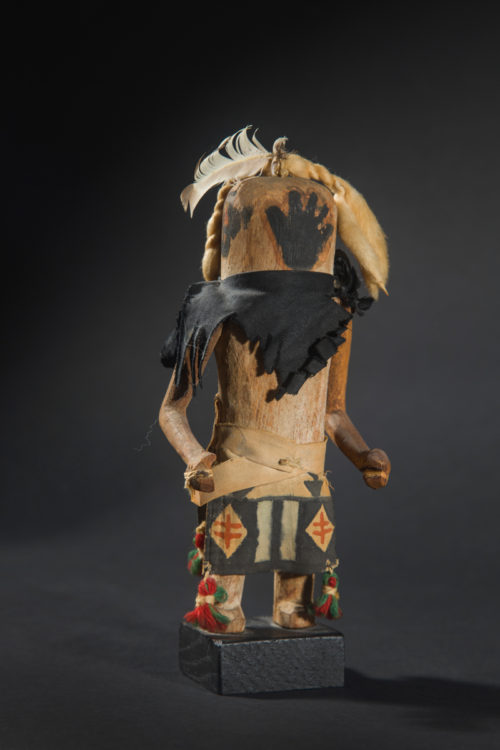
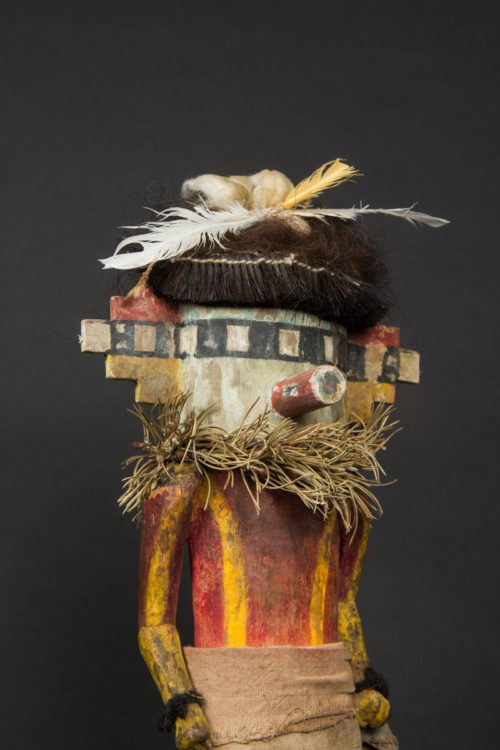
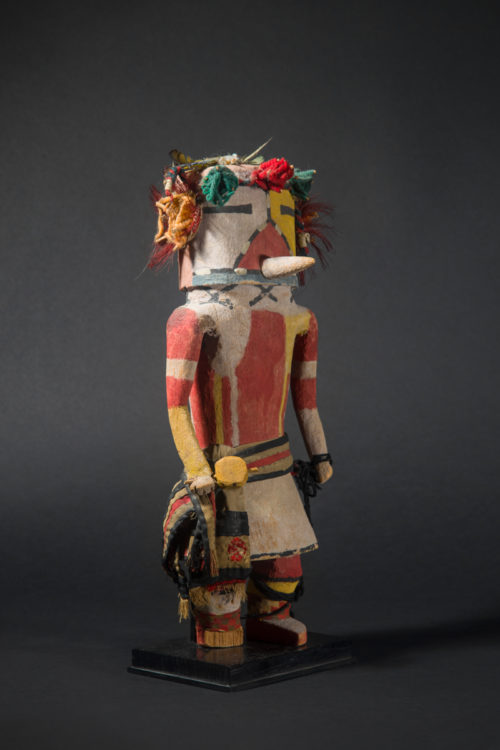
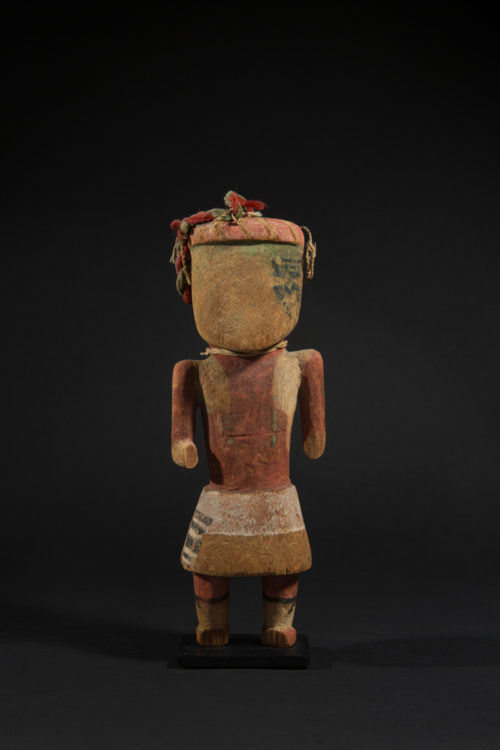
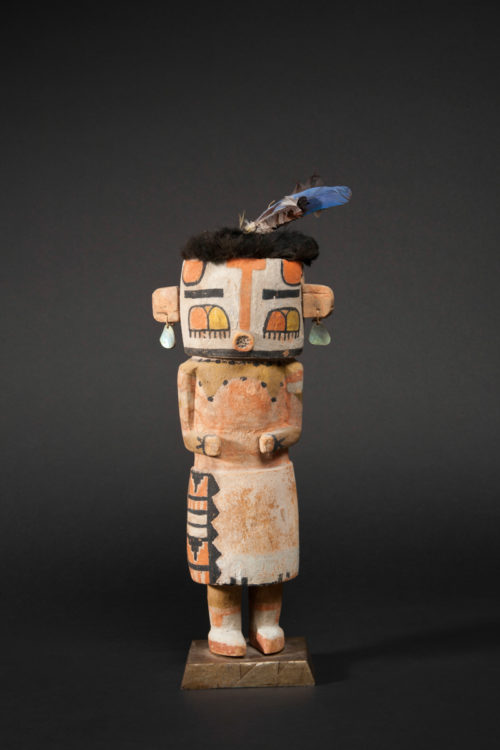
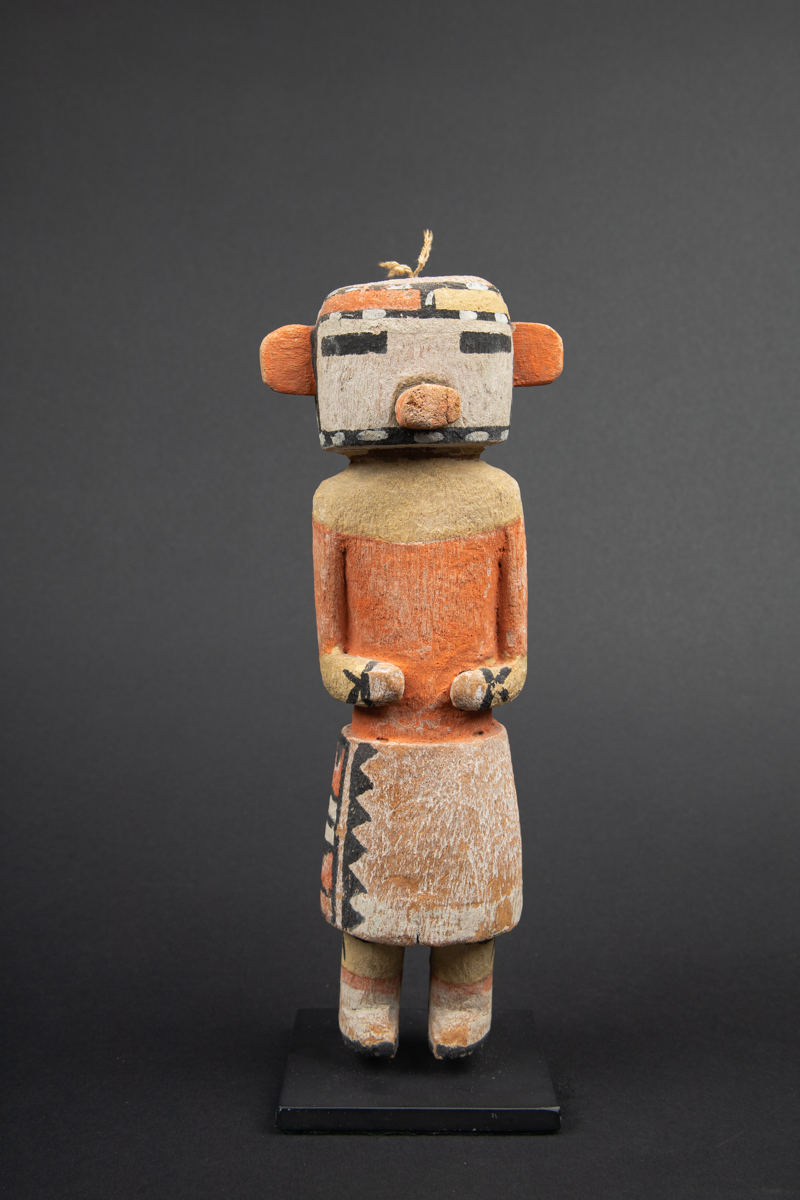
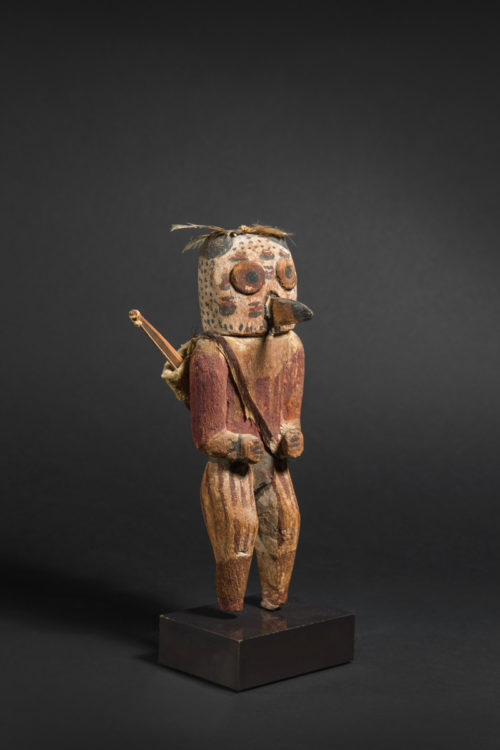
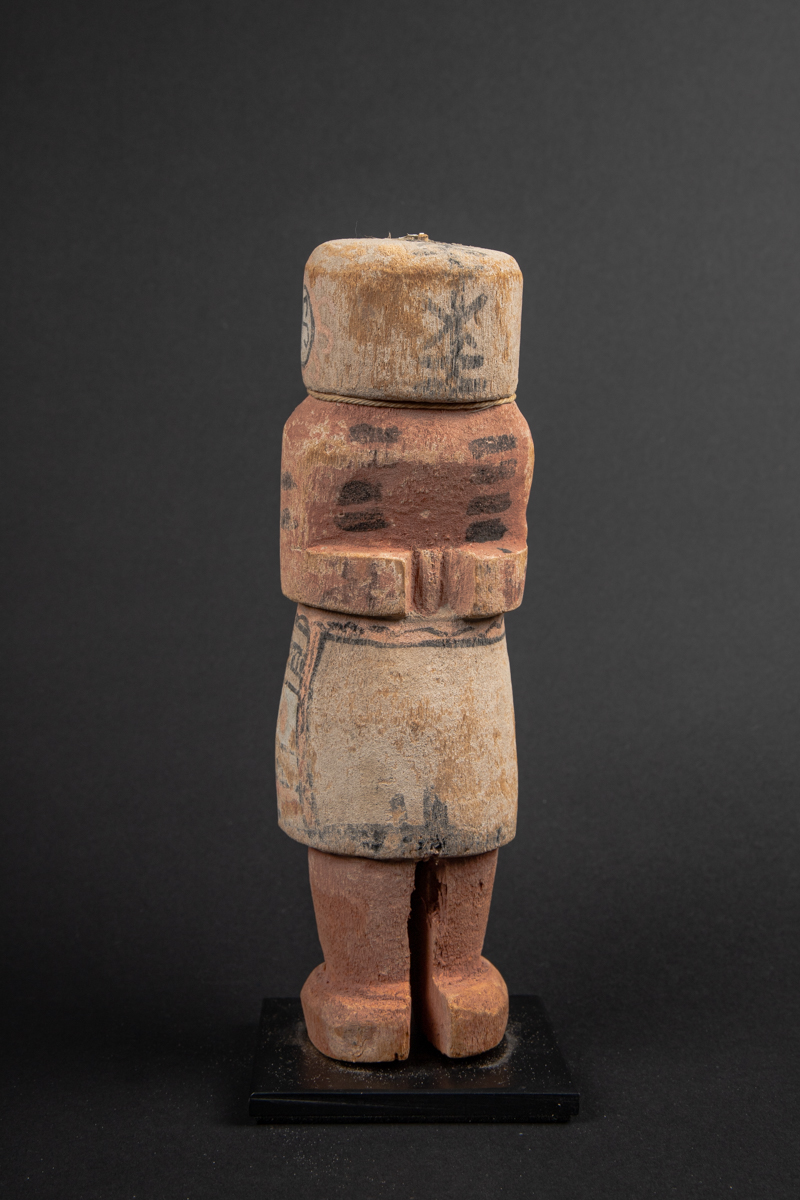
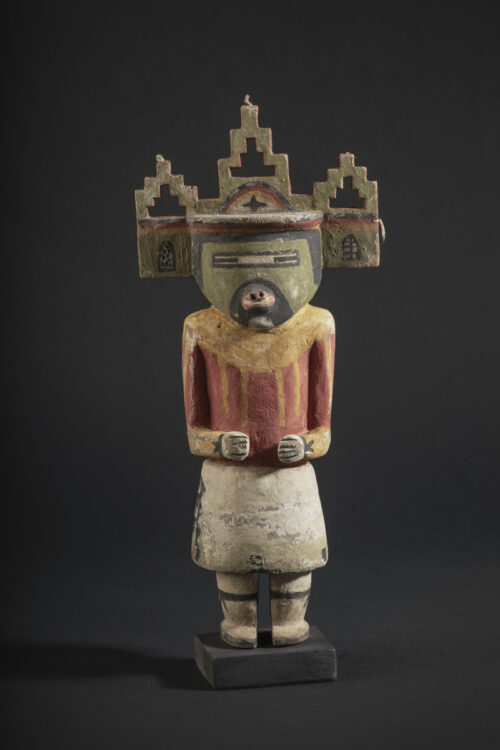
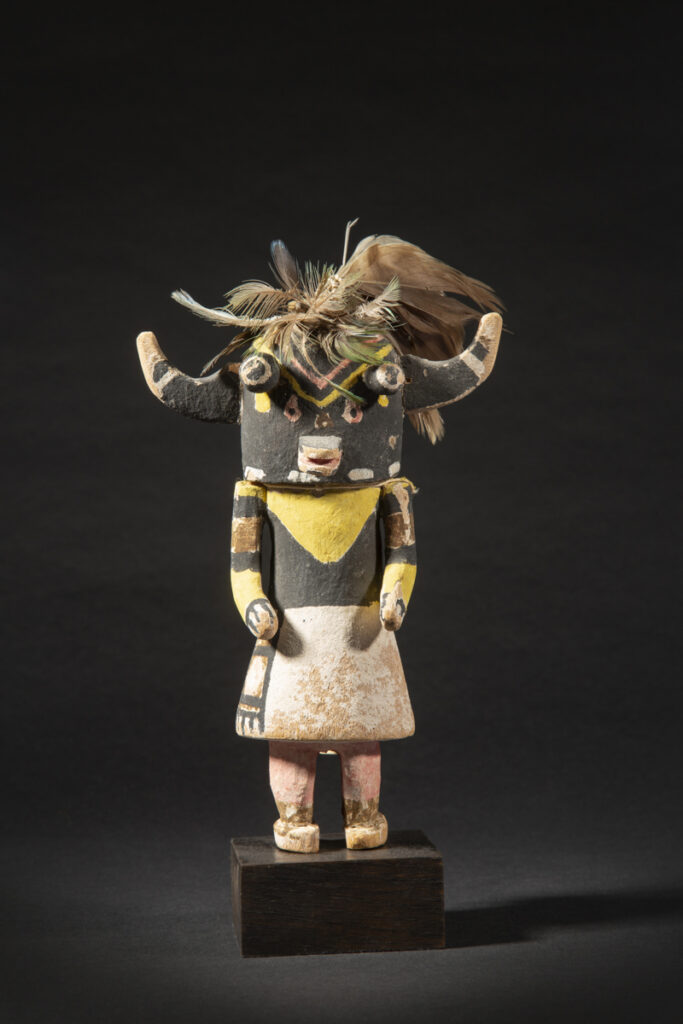
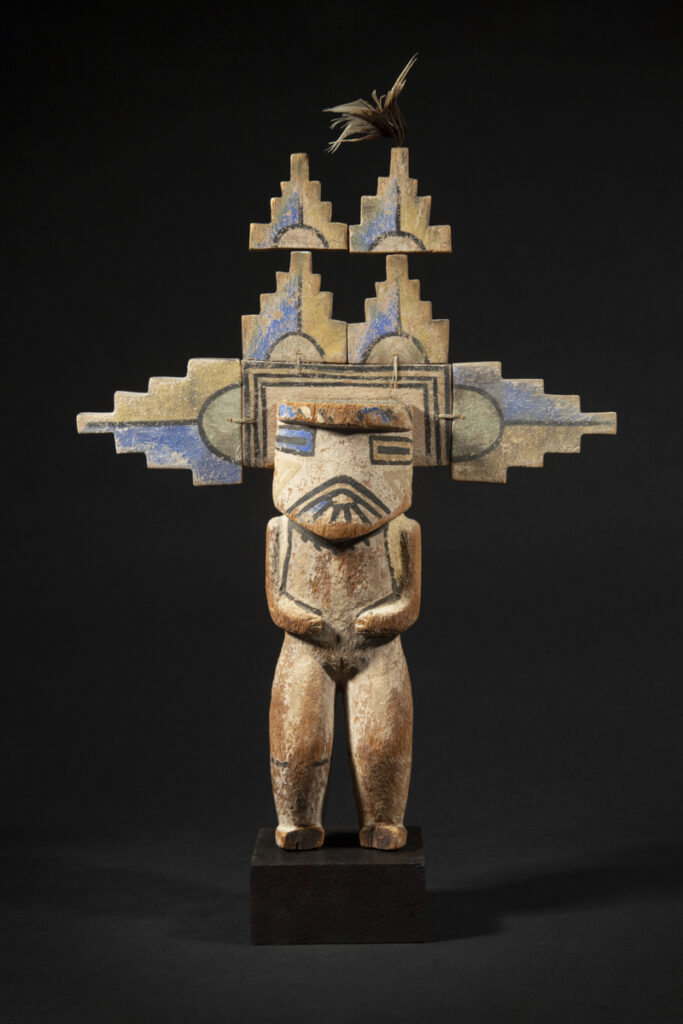
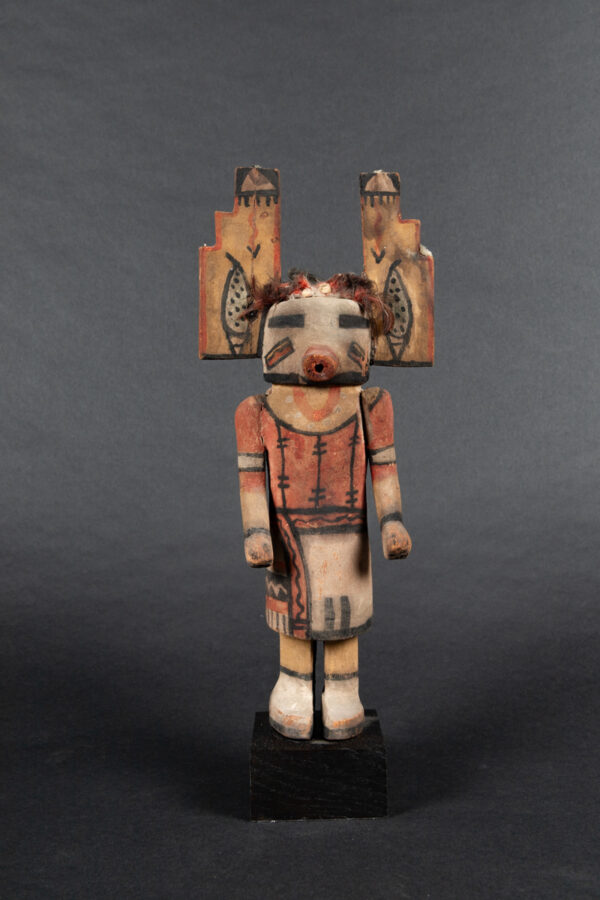
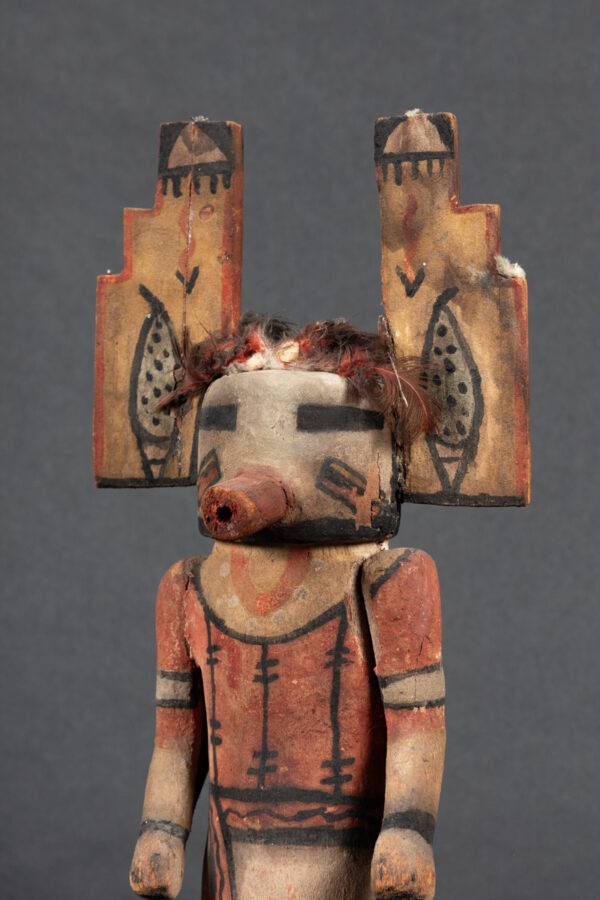
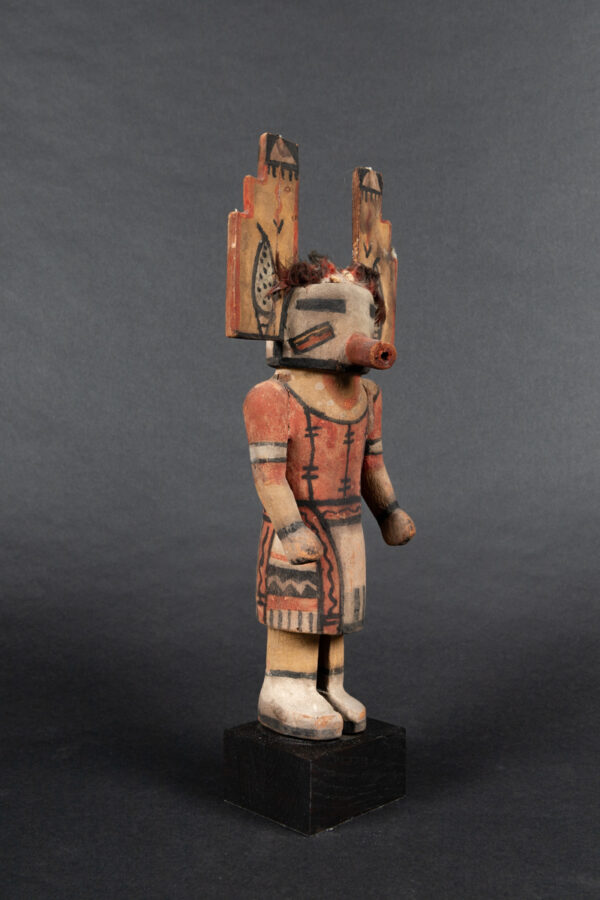
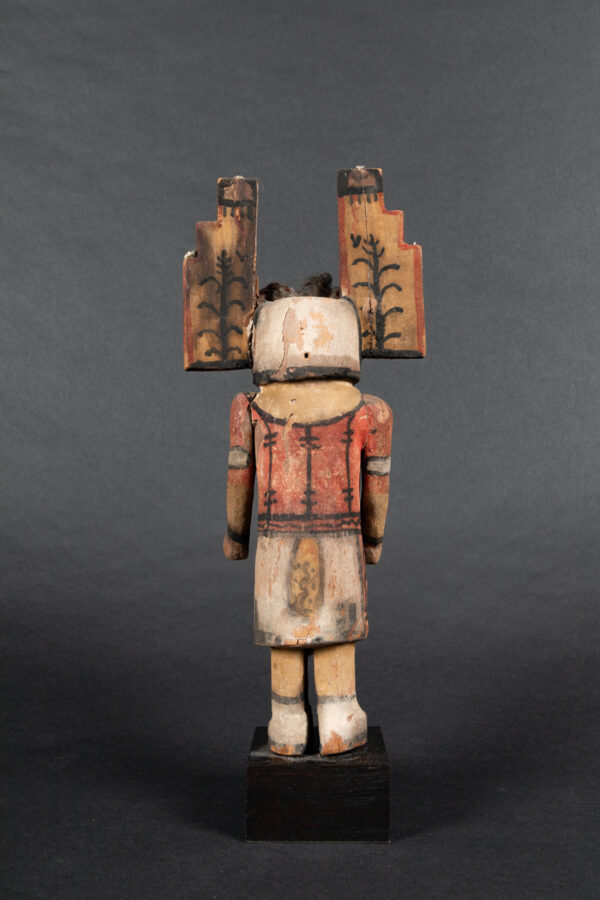
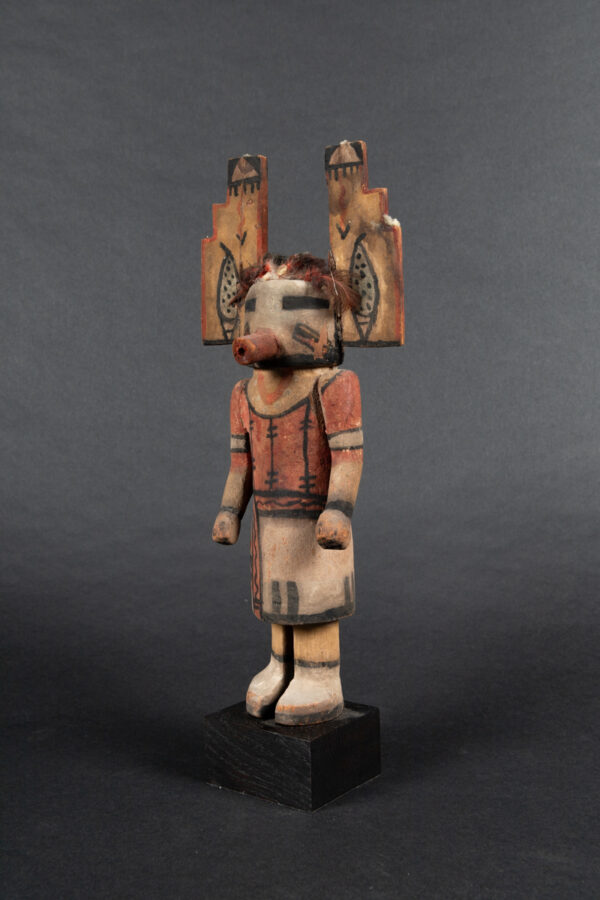
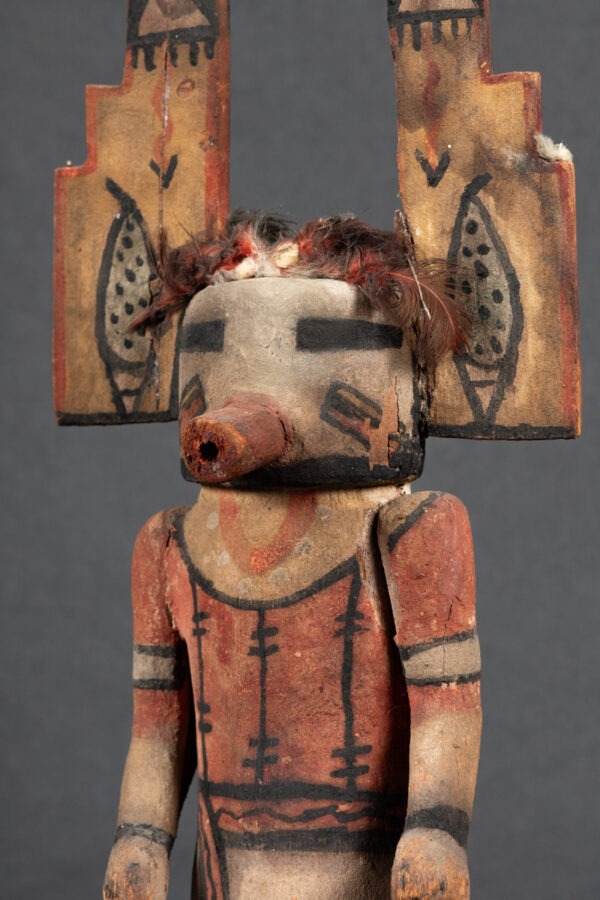
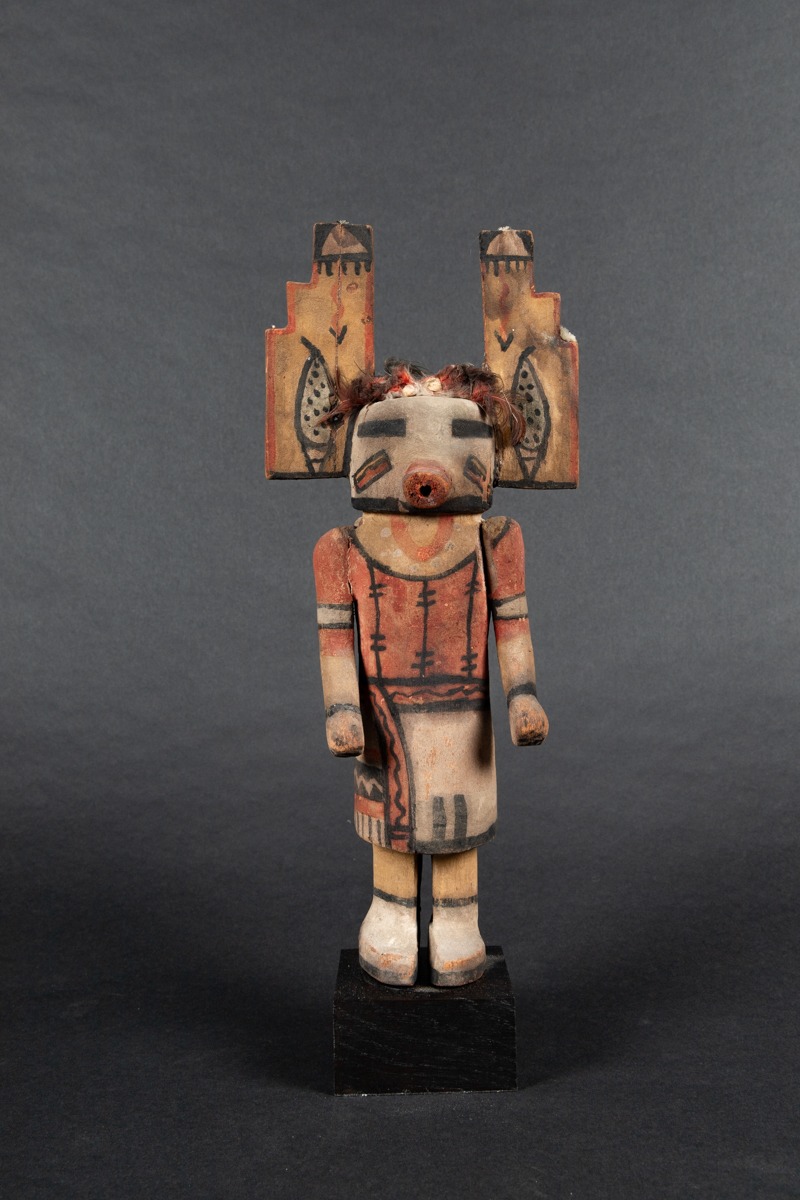
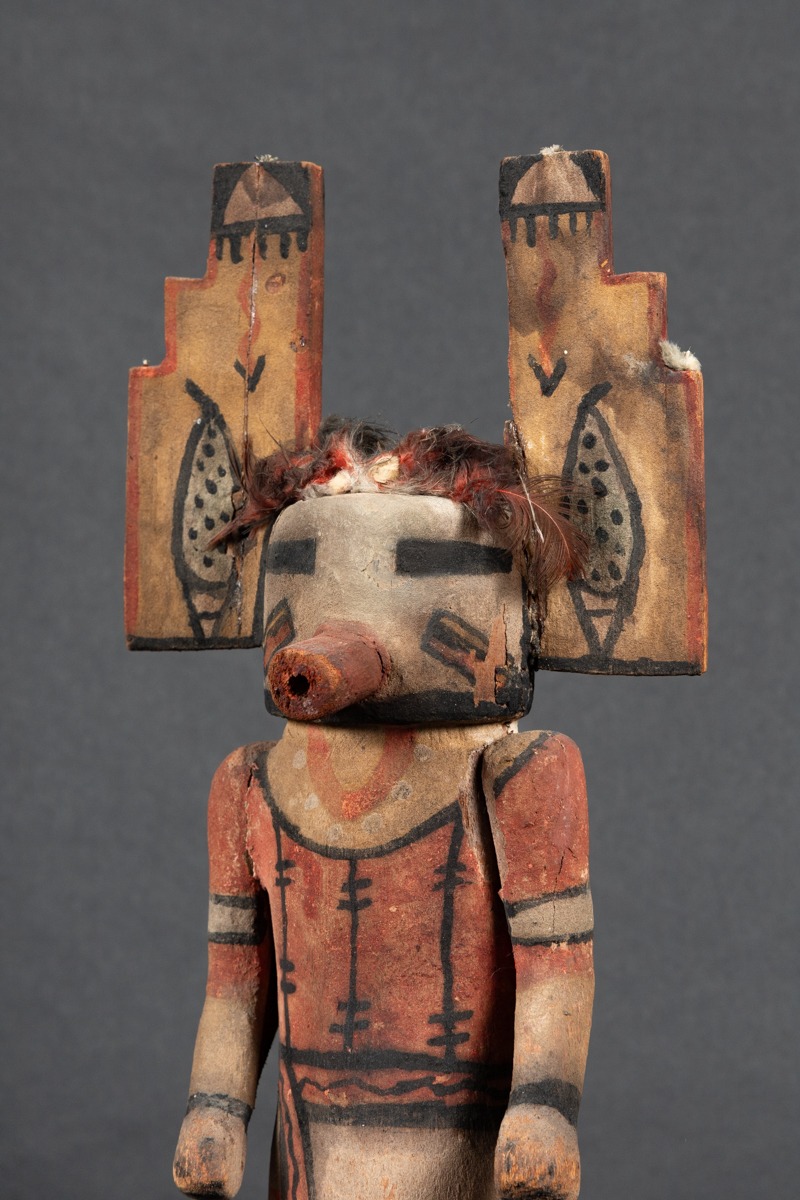
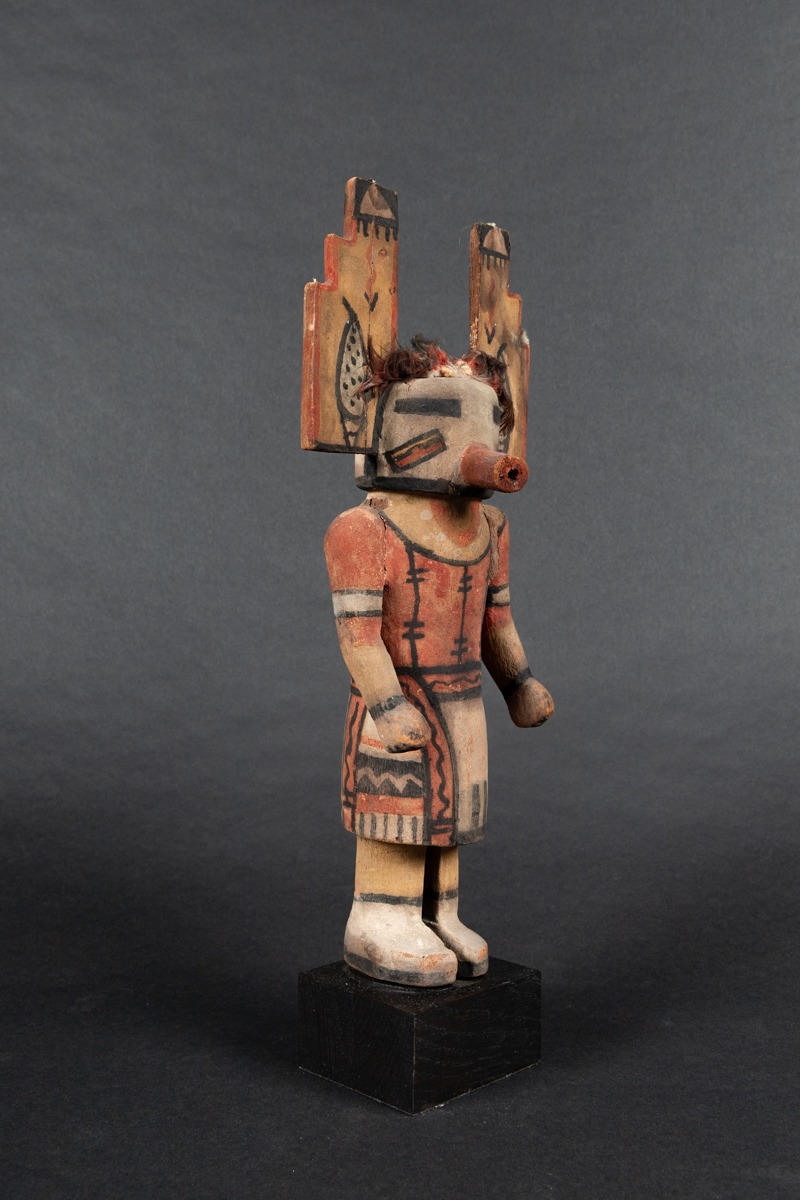
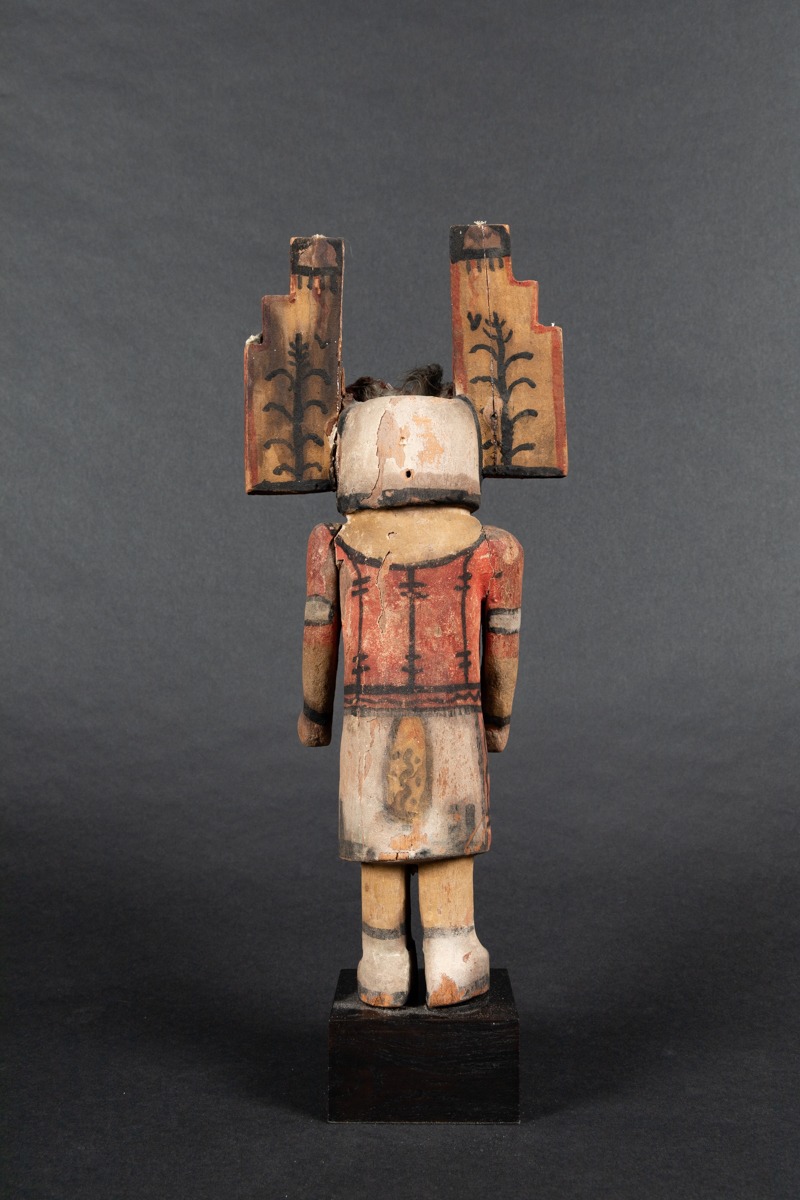
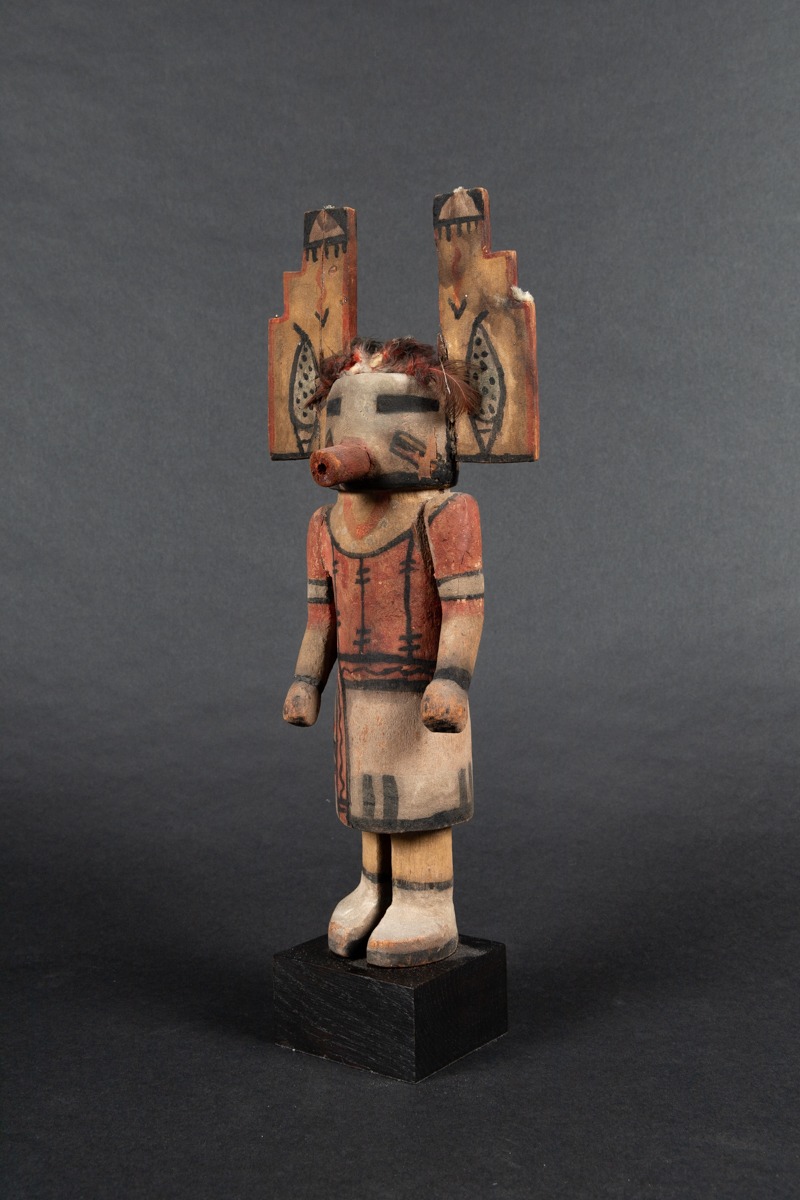
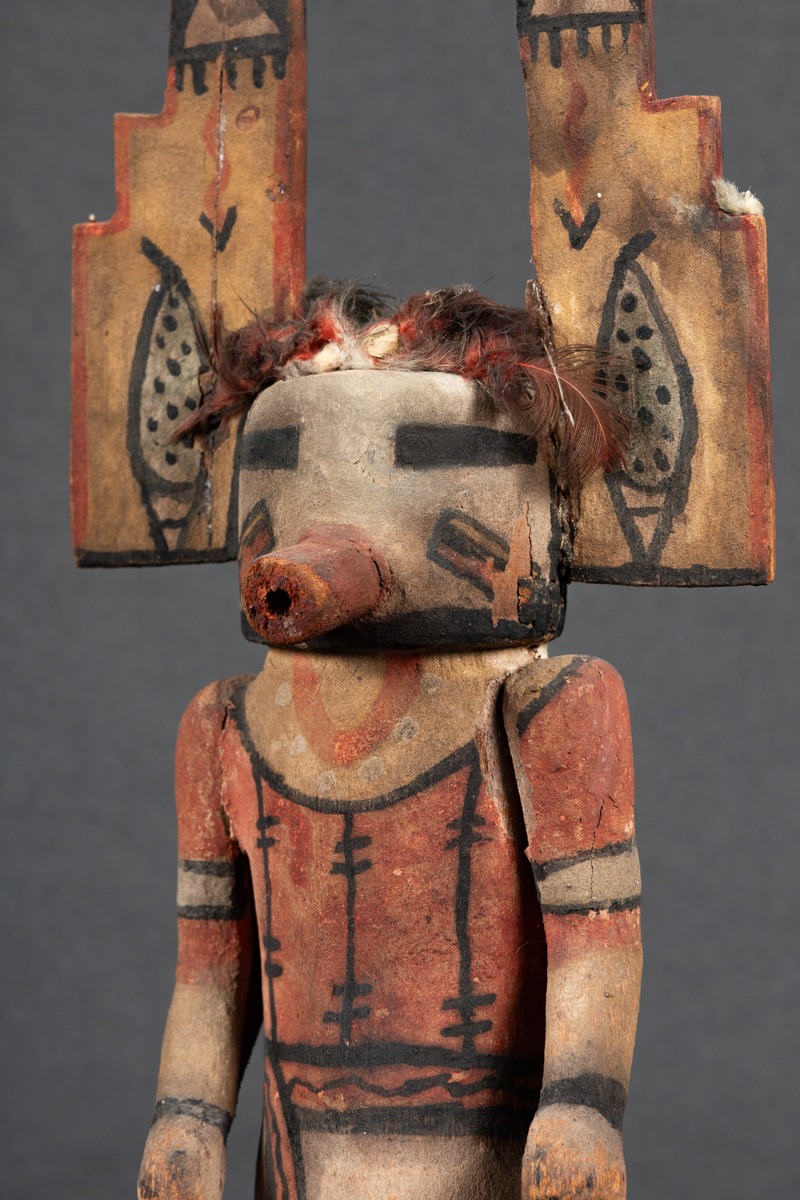
Corn Katsina doll
Carved by Hopi Chief Wilson Tawaquaptewa, Oraibi (1873-1960)
Hopi, Arizona, USA
Circa 1930
Carved wood (cottonwood), pigments
Height: 29 cm – 11 ½ in.
Provenance
Collection Enrico Donati (1909-2008), New York
Sotheby’s New York « Important American Indian, African, Oceanic and other Works of Art from the Studio of Enrico Donati », 14 May 2010, lot 5
Collection Sheikh Saud Al-Thani, Qatar, acquired from the above
Sold
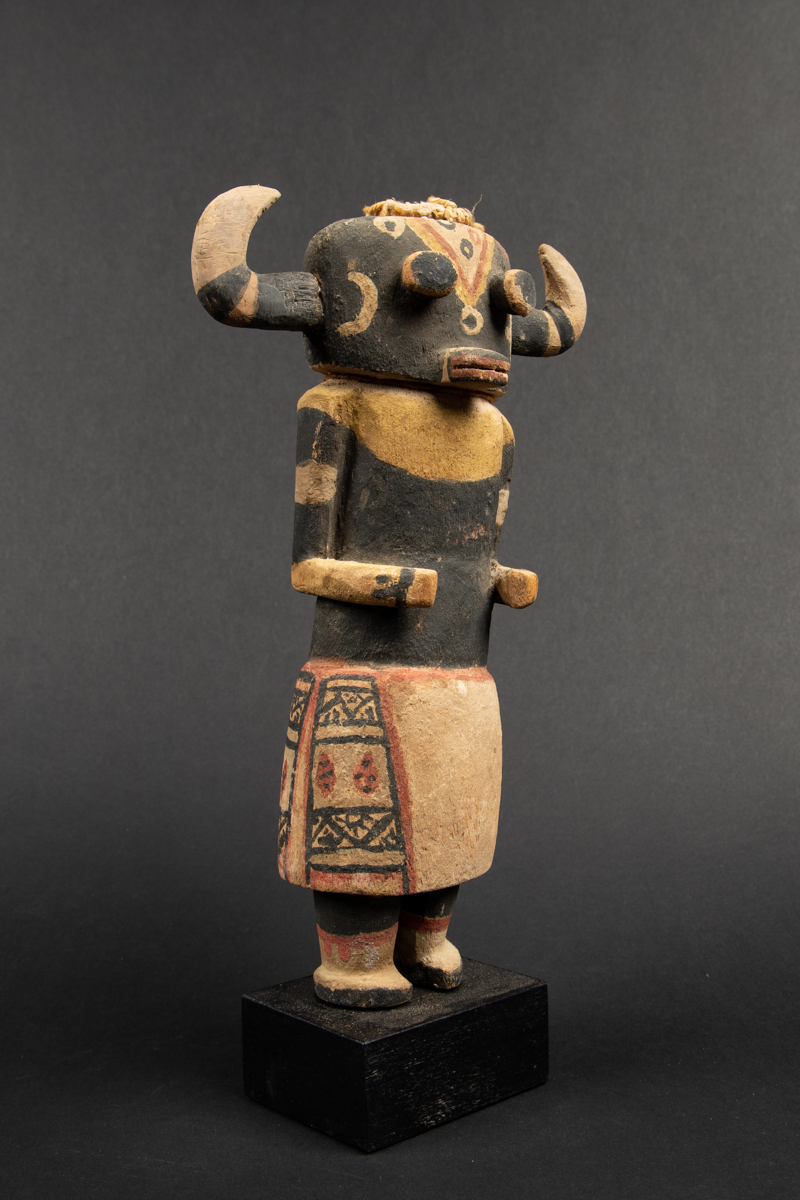
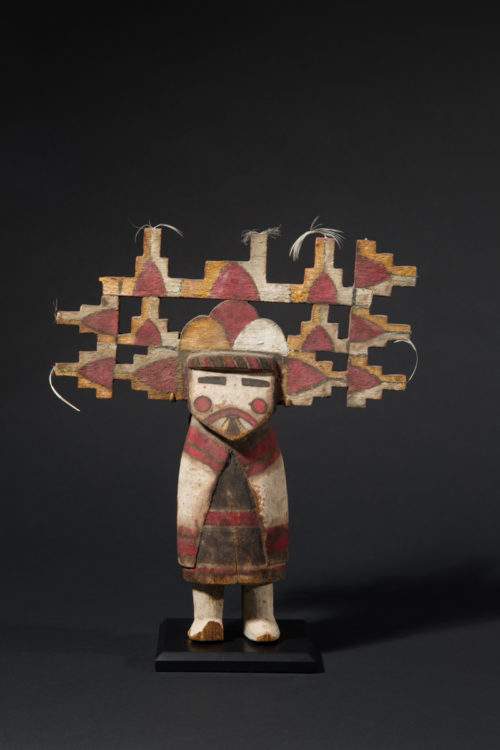
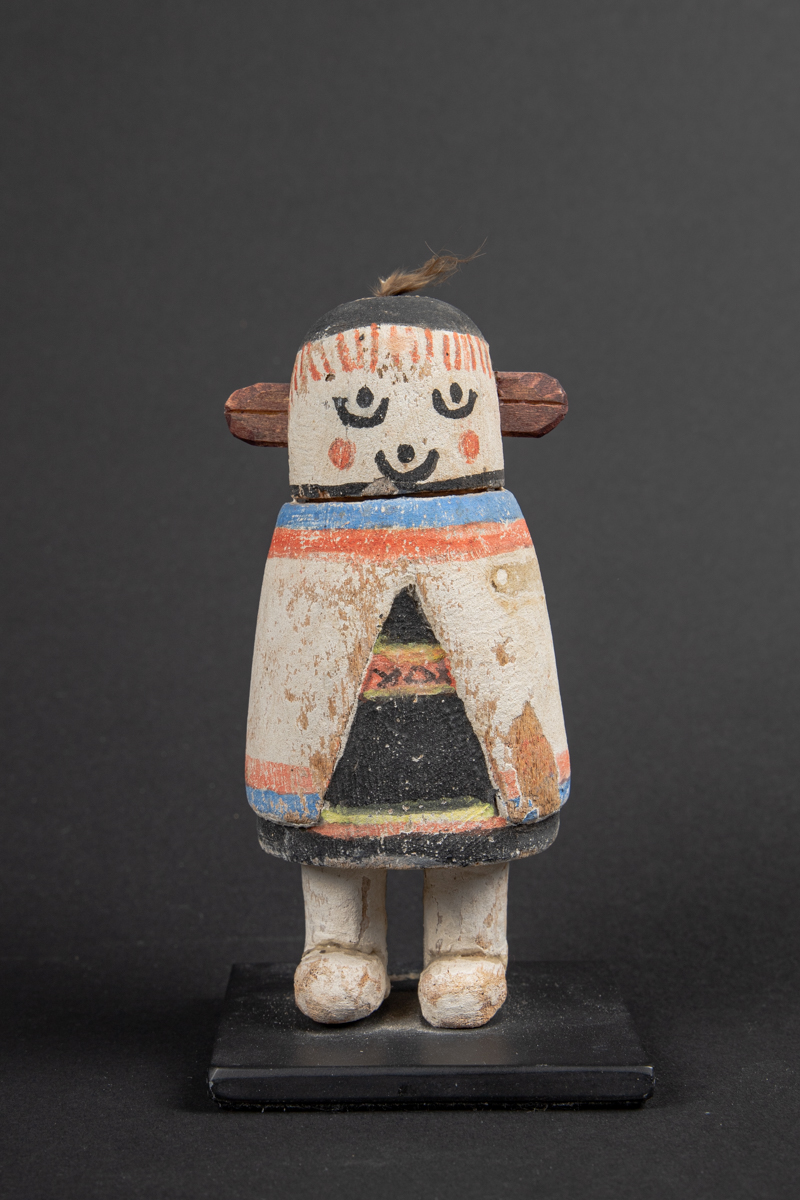
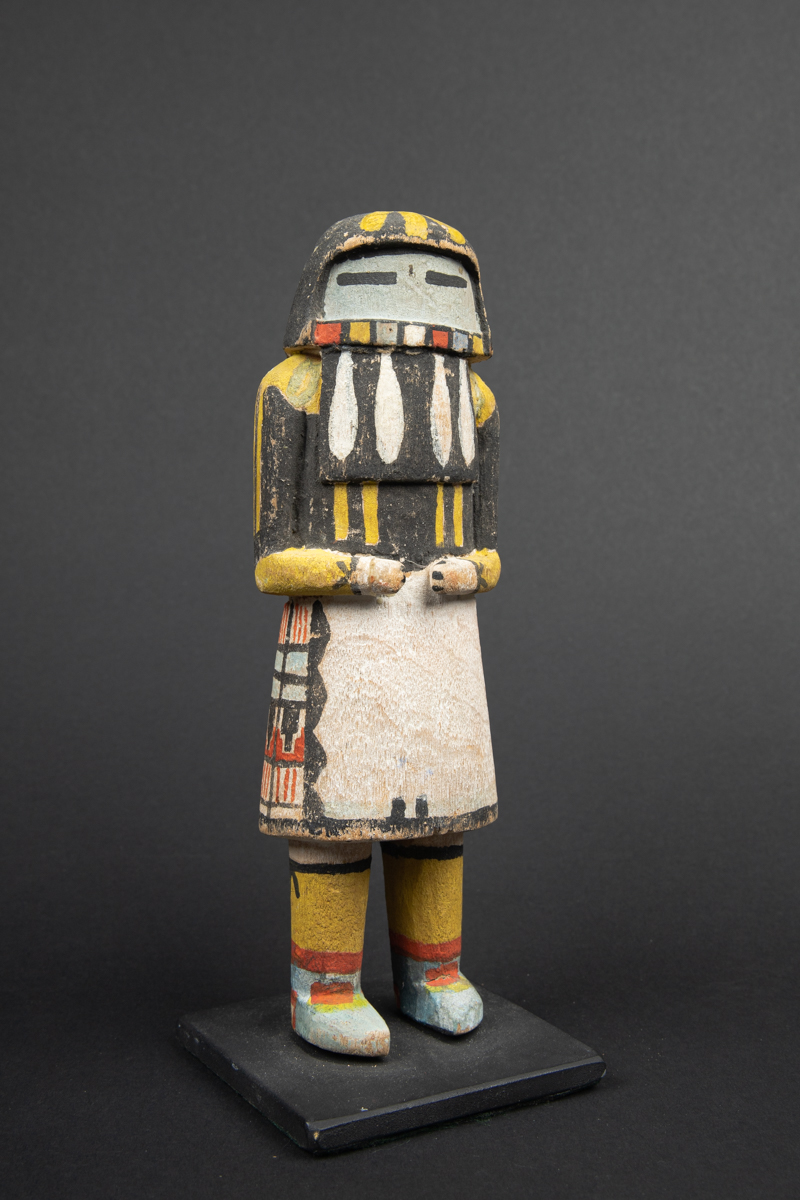
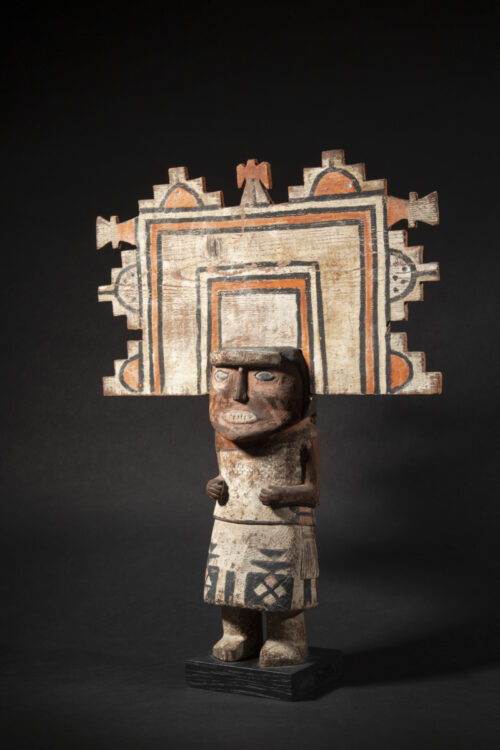
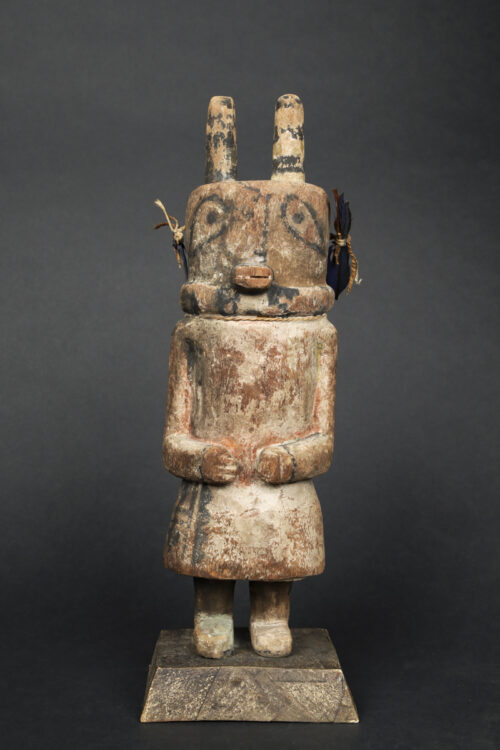
Katsina dolls (or Katsinam) represent spirits or gods from the pantheon of the Pueblo peoples in the American Southwest. Given to children, Katsina dolls constituted a pedagogical tool allowing them to familiarize themselves with the spiritual world and perpetuating knowledge of the founding myths on which their society was based.
This Katsina doll is the work of a Hopi master carver, Wilson Tawaquaptewa (1873-1960).
Oraibi chief W. Tawaquaptewa was both a prominent a spiritual and political Hopi leader; he is also celebrated as one of the greatest Katsina doll carvers.
A major exhibition of W. Tawaquaptewa's works was notably presented a few years ago at the Birmingham Museum of Art (Alabama, USA).
The color palette on this doll is typical of this artist's works.
For more information on this artist, please refer to the chapter “The Unique Katsinam of Wilson Tawaquaptewa” in the book "L'Appel des Kachinas - Katsina Calling", pages 60 to 72 (B. Walsh, J. Flak, 2024).
This Katsina doll was part of the collection of the artist Enrico Donati (1909–2008), a prominent figure of the Surrealist movement. Of Italian origin, Donati first trained in sociology and music before turning to painting. After settling in Paris and later in New York, he joined the close circle of André Breton and other major Surrealist figures, bringing new vitality to the movement with works imbued with mystery and organic forms.
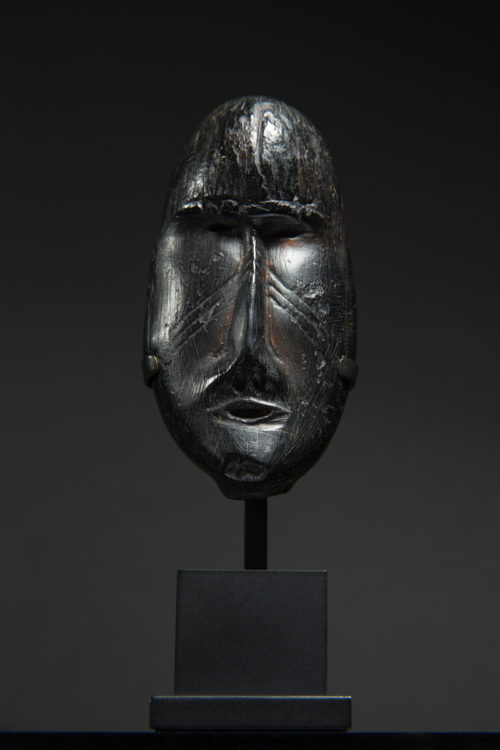
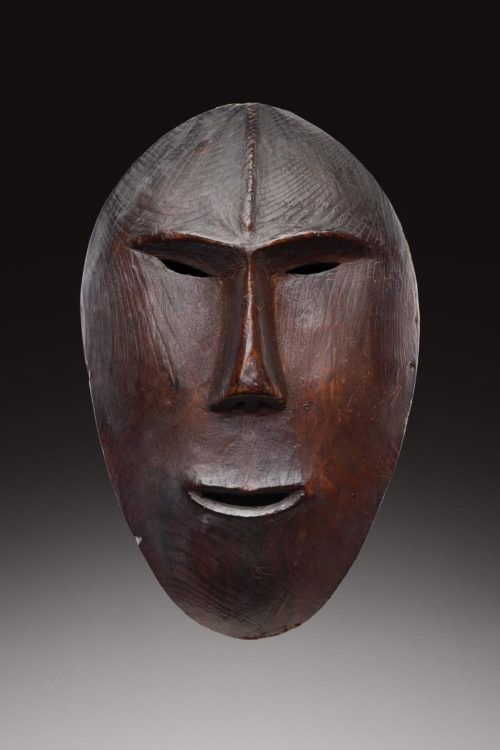
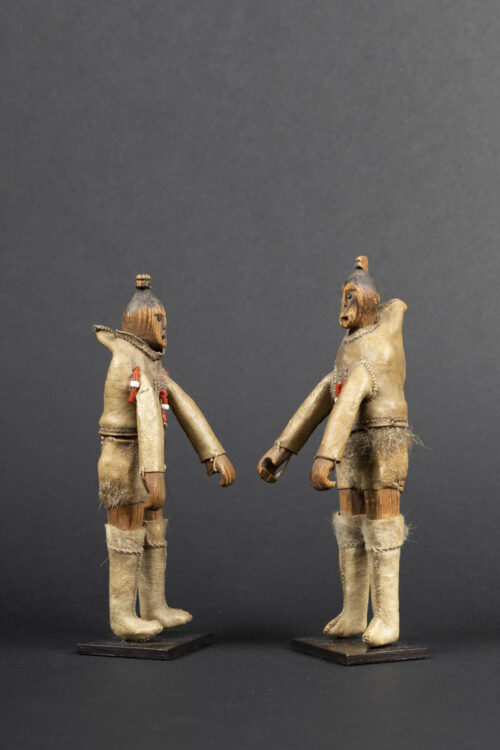
In the 1930s, Donati developed a genuine passion for Native American art. Fascinated by ritual objects and the magical dimension of Indigenous creations, he visited Indian reservations in the American Southwest and northern Canada, spending several months among the Apache, Hopi, Zuni, and Inuit. During these stays, Donati exchanged European objects for Katsina figures, baskets, and masks, building a rich collection that left a lasting mark on his imagination.
This immersion did not lead Donati to a formal imitation of Native aesthetics, but rather to an embrace of a “primal” and magical spirit. Through matter and texture, he sought to reveal what lies beyond the visible. For him, Native American art acted as a catalyst of mysterious forces—an approach he strove to transpose into his own Surrealist works, where myths, enigmas, and symbols are in constant dialogue with the unknown.
For further insight into the importance of Native American art for Enrico Donati, see Marie Mauzé’s chapter “Surrealism and Hopimania” in « L’Appel des Kachinas – Katsina Calling » (Éditions l’Enfance de l’Art, 2024).
This Katsina doll is the work of a Hopi master carver, Wilson Tawaquaptewa (1873-1960).
Oraibi chief W. Tawaquaptewa was both a prominent a spiritual and political Hopi leader; he is also celebrated as one of the greatest Katsina doll carvers.
A major exhibition of W. Tawaquaptewa's works was notably presented a few years ago at the Birmingham Museum of Art (Alabama, USA).
The color palette on this doll is typical of this artist's works.
For more information on this artist, please refer to the chapter “The Unique Katsinam of Wilson Tawaquaptewa” in the book "L'Appel des Kachinas - Katsina Calling", pages 60 to 72 (B. Walsh, J. Flak, 2024).
This Katsina doll was part of the collection of the artist Enrico Donati (1909–2008), a prominent figure of the Surrealist movement. Of Italian origin, Donati first trained in sociology and music before turning to painting. After settling in Paris and later in New York, he joined the close circle of André Breton and other major Surrealist figures, bringing new vitality to the movement with works imbued with mystery and organic forms.
In the 1930s, Donati developed a genuine passion for Native American art. Fascinated by ritual objects and the magical dimension of Indigenous creations, he visited Indian reservations in the American Southwest and northern Canada, spending several months among the Apache, Hopi, Zuni, and Inuit. During these stays, Donati exchanged European objects for Katsina figures, baskets, and masks, building a rich collection that left a lasting mark on his imagination.
This immersion did not lead Donati to a formal imitation of Native aesthetics, but rather to an embrace of a “primal” and magical spirit. Through matter and texture, he sought to reveal what lies beyond the visible. For him, Native American art acted as a catalyst of mysterious forces—an approach he strove to transpose into his own Surrealist works, where myths, enigmas, and symbols are in constant dialogue with the unknown.
For further insight into the importance of Native American art for Enrico Donati, see Marie Mauzé’s chapter “Surrealism and Hopimania” in « L’Appel des Kachinas – Katsina Calling » (Éditions l’Enfance de l’Art, 2024).
Explore the entire collection