North America | Arizona
Katsina doll
Arizona
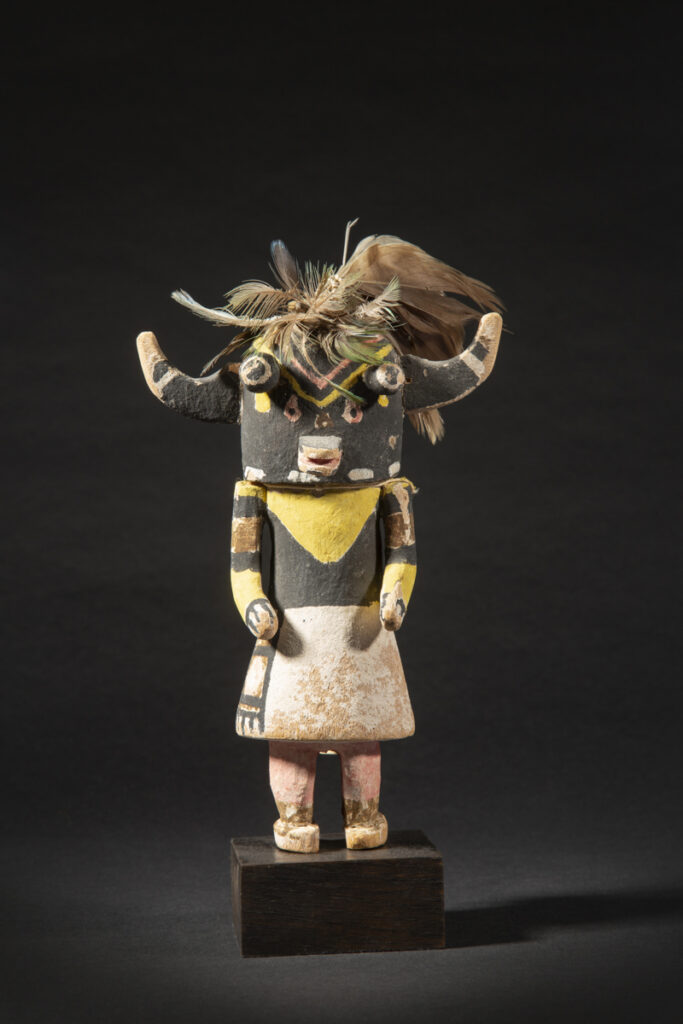
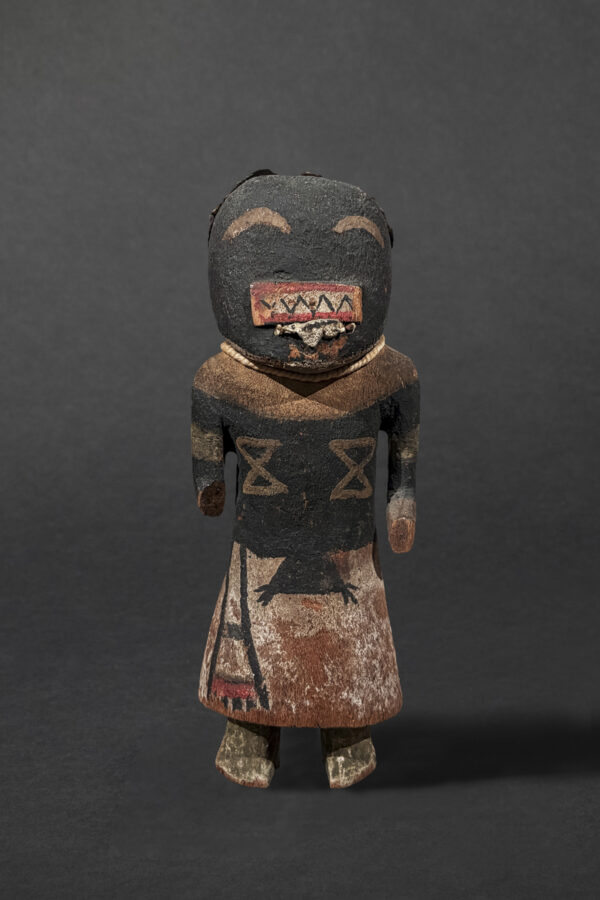
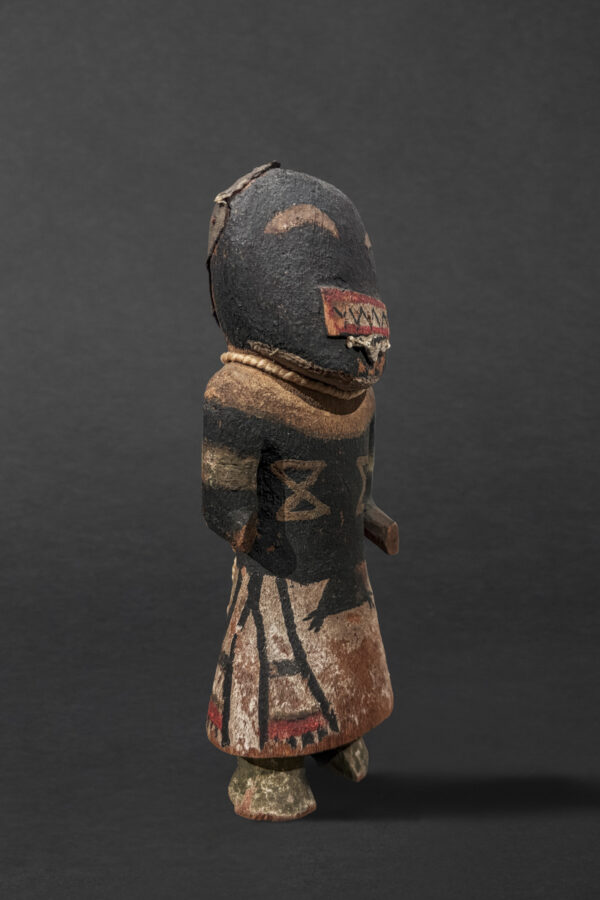
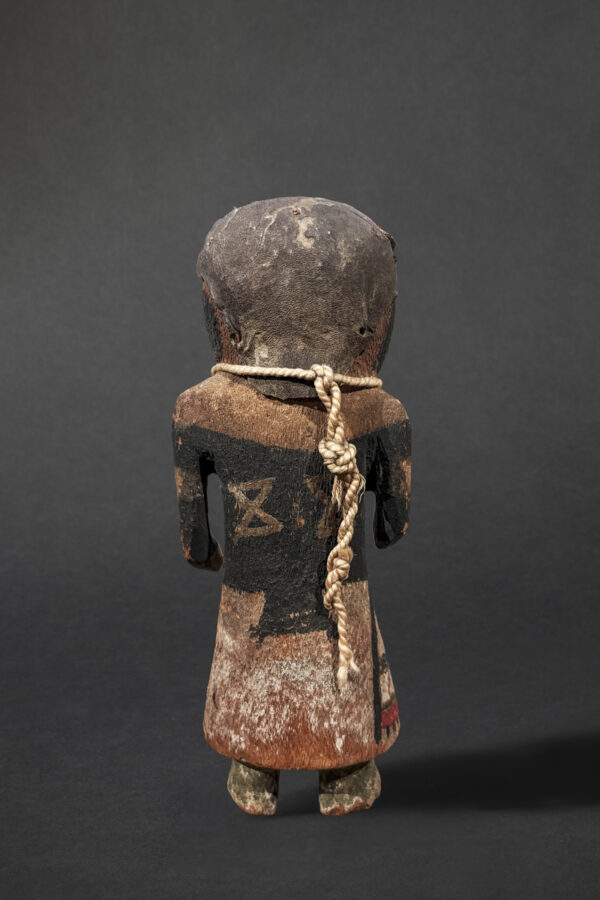
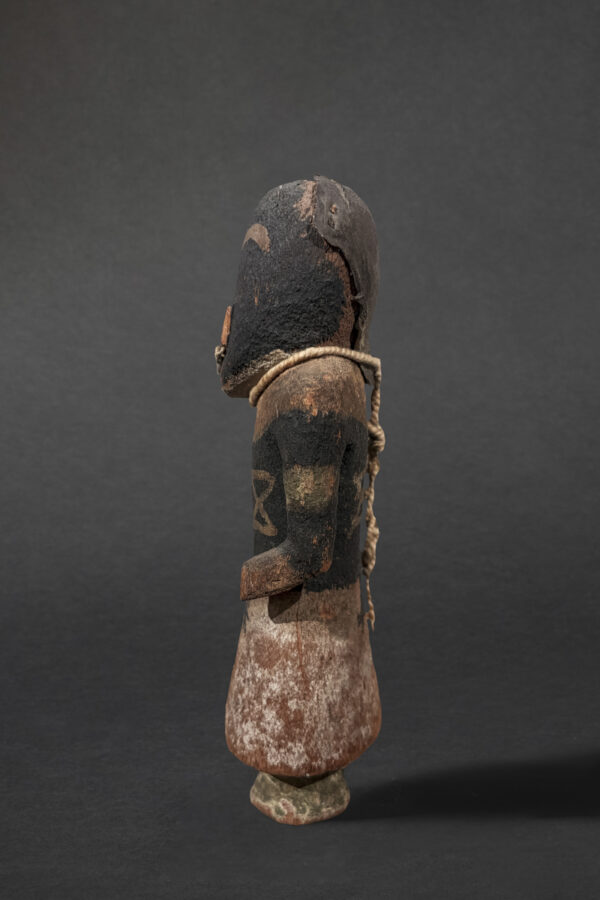
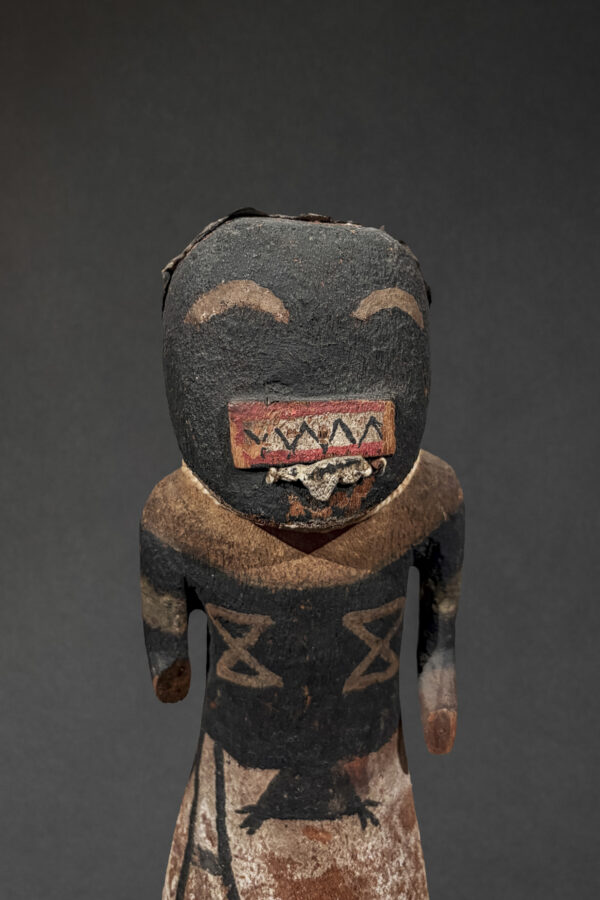
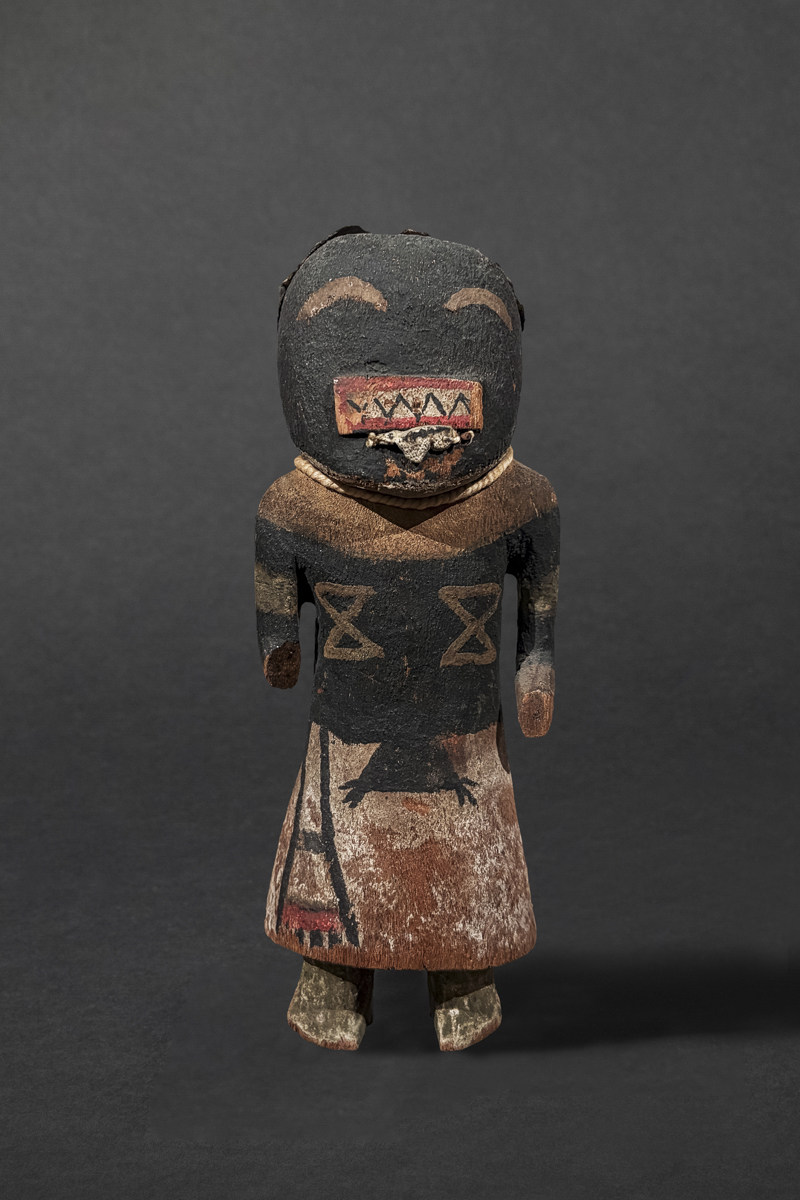
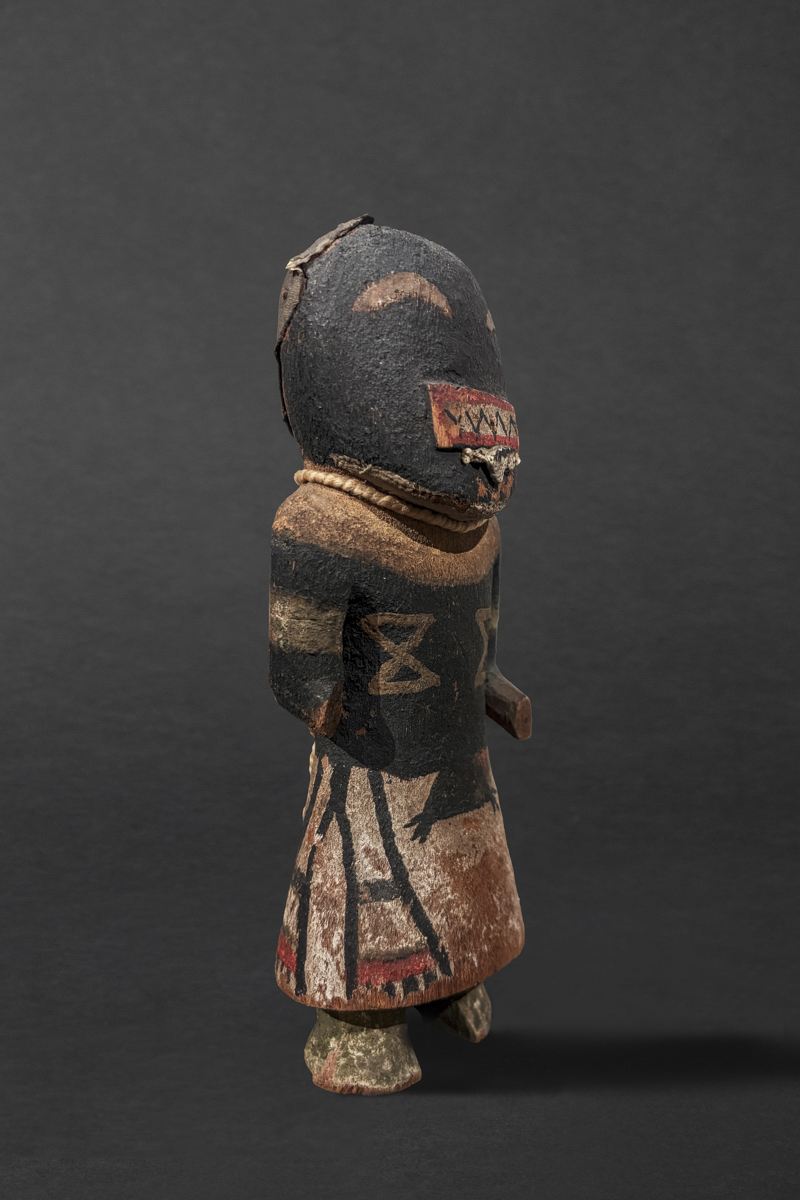
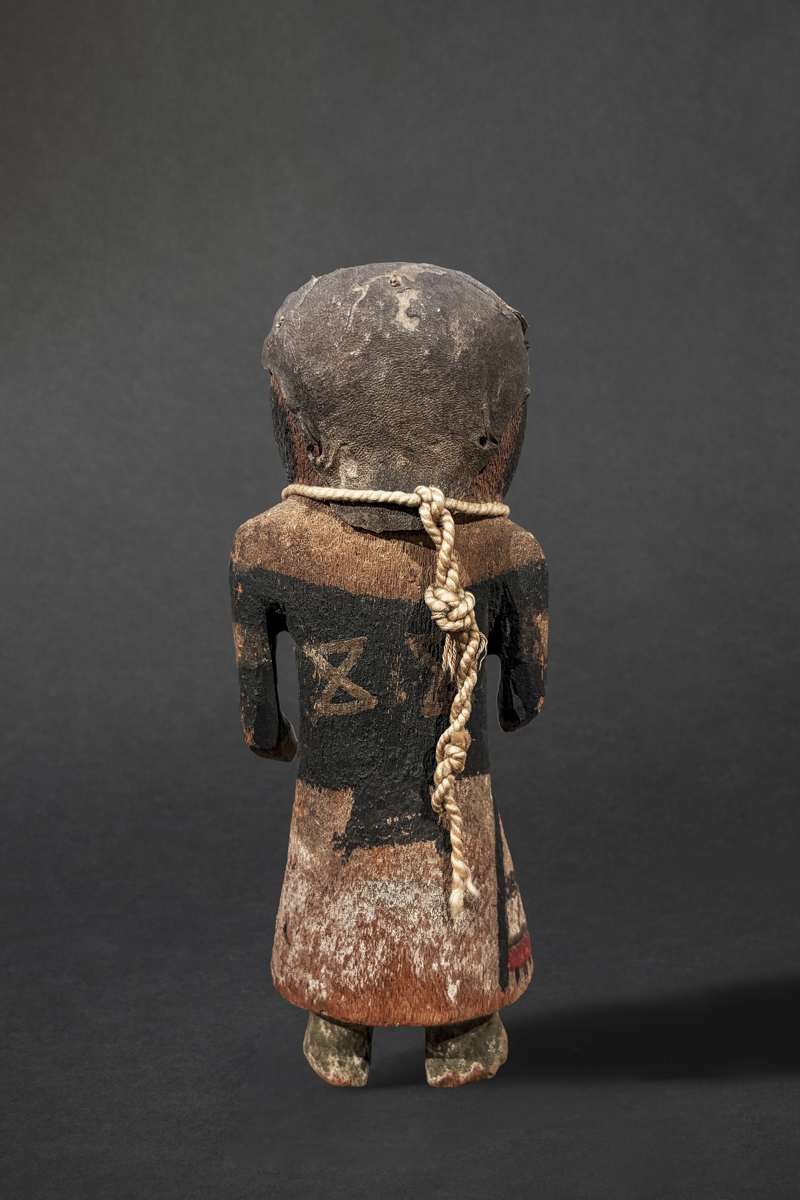
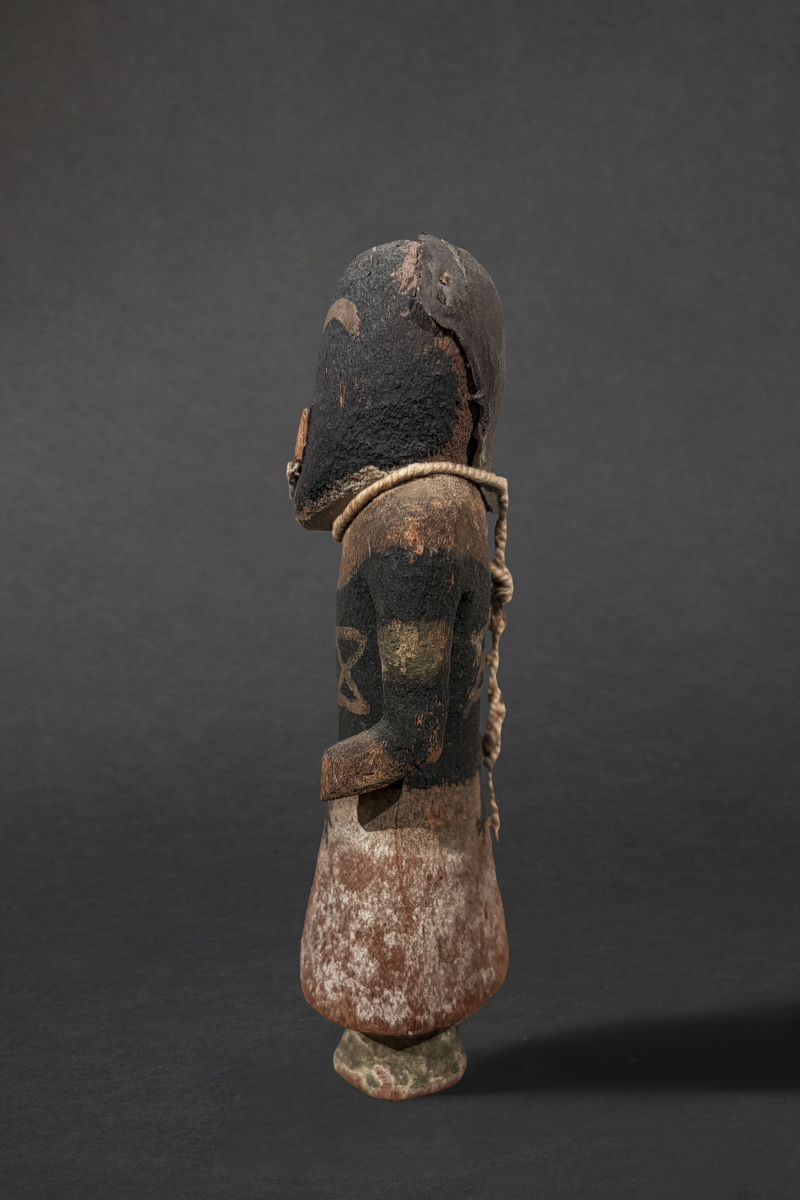
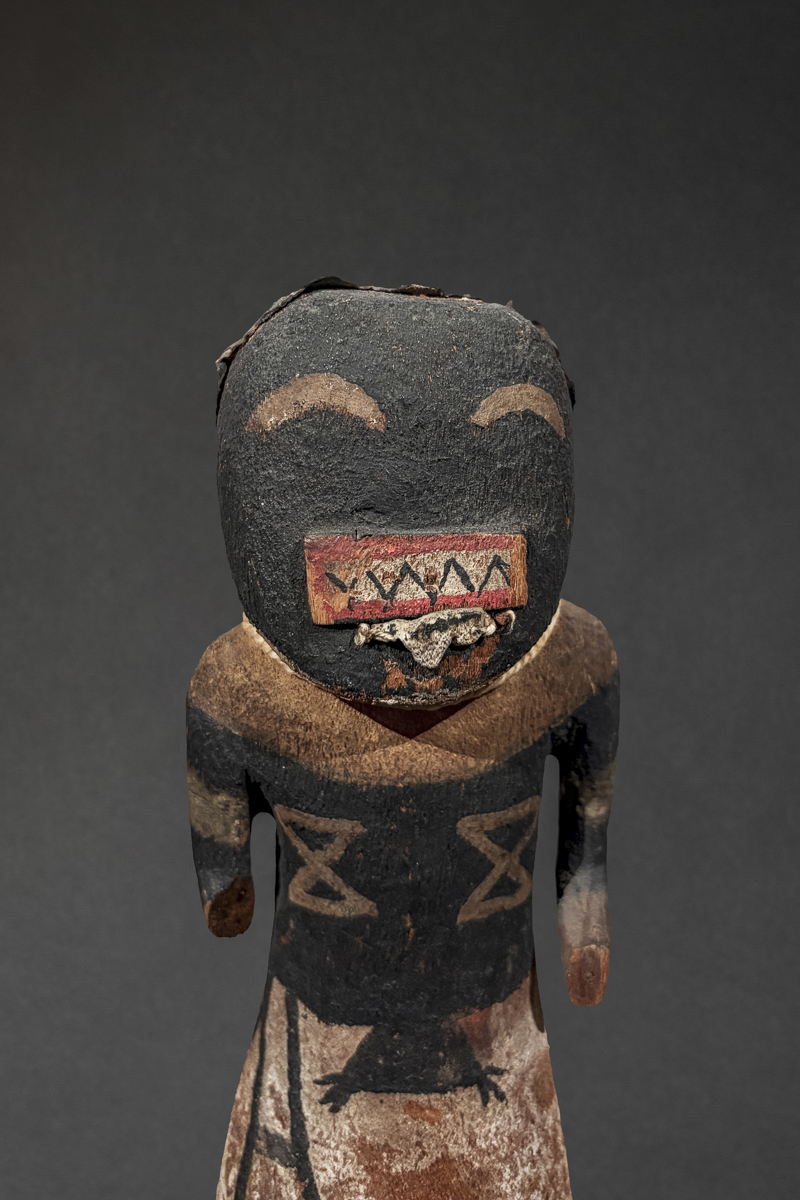
The Black Warrior Katsina Doll
Tsakwaina
Hopi
Arizona, USA
Circa 1880 – 1890
Carved wood and pigments
Height: 18 cm – 7 in.
Provenance
Collection Max Ernst & Dorothea Tanning, Sedona
Collection Marcel Duchamp & Teeny Matisse, New York
Collection Rudi Blesh, New York
By family descent
Christie’s New York, 23 June 2004, lot 44
Collection Dennis & Janice Lyon, Arizona
Morning Star Gallery, Santa Fe, 2007
Collection Ralph T. Coe (1929-2010), Santa Fe
The Ralph T. Coe Center for the Arts, Santa Fe
Sold by the Ralph T. Coe Center in 2025 to support the museum’s philanthropic initiatives
Publication
« Hopi Katsina, 1600 artists biographies »,
Gregory Schaaf, 2008, p. 10
Tsakwaina Katsina doll Max Ernst 18 cm / Galerie Flak
Price: on request
An Archaic Katsina Doll of Remarkable Surrealist Provenance
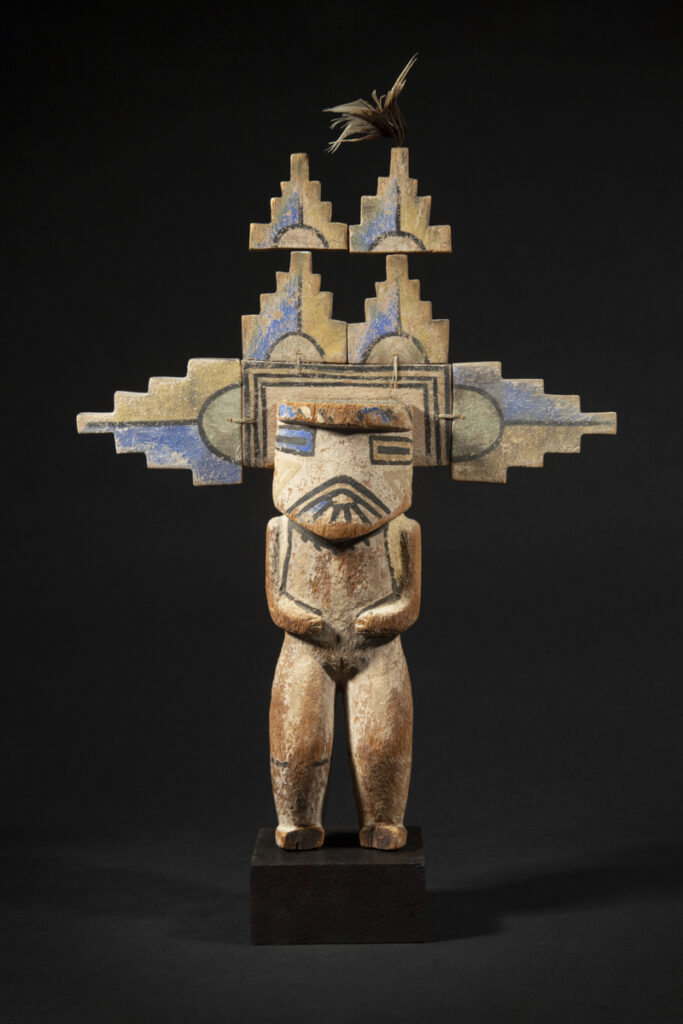
Katsina dolls (or katsinam) represent spirits or gods from the pantheon of the Pueblo peoples in the American Southwest. Given to children, Katsina dolls constituted a teaching tool allowing them to familiarize themselves with the spiritual world and perpetuating knowledge of the founding myths on which their society was based.
Tsakwaina (or Chakwaina), the Black Warrior Katsina Spirit is sometimes referred to as Esteban the Moor by the Hopi and their Pueblo neighbors. This nickname stems from a historical event that allegedly took place during the Spanish Conquista in the 1530s, at the onset of the search for the Seven Cities of Cibola, the legendary "Eldorado."
Esteban, a Moorish slave, was sent as a scout for the Spanish army on a mission to prepare for the arrival of troops and ensure a steady supply of food and shelter.
However, Zuni oral history recounts a different story. According to this version, Esteban violated a sacred boundary by crossing a line of corn pollen at the entrance of the now-disappeared village of Hawikuh. As a result, Zuni warriors killed him. Nevertheless, they recognized in hindsight his bravery for daring to come alone and defy the entire village. To commemorate this event, the Zuni decided to include the figure of a Black-faced Warrior, known as Tsakwaina, in their Katsina pantheon. The Hopi later adopted this Katsina figure too. The red tongue sticking out of the mouth is said to represent Esteban's death at the hands of Zuni archers.
The provenance of this Katsina figure is remarkable in more than one respect, having passed during the 20th century into the hands of major figures in the art world, beginning with two legendary Surrealist couples.
Originally part of the collection of Max Ernst and his wife Dorothea Tanning, this statuette was presented by them to their friends Marcel Duchamp and Alexina (Teeny) Matisse.
Max Ernst (1891-1976) and Dorothea Tanning (1910-2012), as well as Marcel Duchamp (1887-1968) and Teeny Matisse (1898-1983), shared not only enduring partnerships but also profound friendships rooted in their dedication to the arts. Both couples were particularly drawn to the art and material culture of North America, collecting, studying, and engaging with it in ways that informed and enriched their own creative practices. Their relationships exemplify how shared artistic curiosity and admiration can foster both personal connection and intellectual exchange.
Katsina dolls (or katsinam) represent spirits or gods from the pantheon of the Pueblo peoples in the American Southwest. Given to children, Katsina dolls constituted a teaching tool allowing them to familiarize themselves with the spiritual world and perpetuating knowledge of the founding myths on which their society was based.
Tsakwaina (or Chakwaina), the Black Warrior Katsina Spirit is sometimes referred to as Esteban the Moor by the Hopi and their Pueblo neighbors. This nickname stems from a historical event that allegedly took place during the Spanish Conquista in the 1530s, at the onset of the search for the Seven Cities of Cibola, the legendary "Eldorado."
Esteban, a Moorish slave, was sent as a scout for the Spanish army on a mission to prepare for the arrival of troops and ensure a steady supply of food and shelter.
However, Zuni oral history recounts a different story. According to this version, Esteban violated a sacred boundary by crossing a line of corn pollen at the entrance of the now-disappeared village of Hawikuh. As a result, Zuni warriors killed him. Nevertheless, they recognized in hindsight his bravery for daring to come alone and defy the entire village. To commemorate this event, the Zuni decided to include the figure of a Black-faced Warrior, known as Tsakwaina, in their Katsina pantheon. The Hopi later adopted this Katsina figure too. The red tongue sticking out of the mouth is said to represent Esteban's death at the hands of Zuni archers.
The provenance of this Katsina figure is remarkable in more than one respect, having passed during the 20th century into the hands of major figures in the art world, beginning with two legendary Surrealist couples.
Originally part of the collection of Max Ernst and his wife Dorothea Tanning, this statuette was presented by them to their friends Marcel Duchamp and Alexina (Teeny) Matisse.
Max Ernst (1891-1976) and Dorothea Tanning (1910-2012), as well as Marcel Duchamp (1887-1968) and Teeny Matisse (1898-1983), shared not only enduring partnerships but also profound friendships rooted in their dedication to the arts. Both couples were particularly drawn to the art and material culture of North America, collecting, studying, and engaging with it in ways that informed and enriched their own creative practices. Their relationships exemplify how shared artistic curiosity and admiration can foster both personal connection and intellectual exchange.
Explore the entire collection