Archives | New Ireland
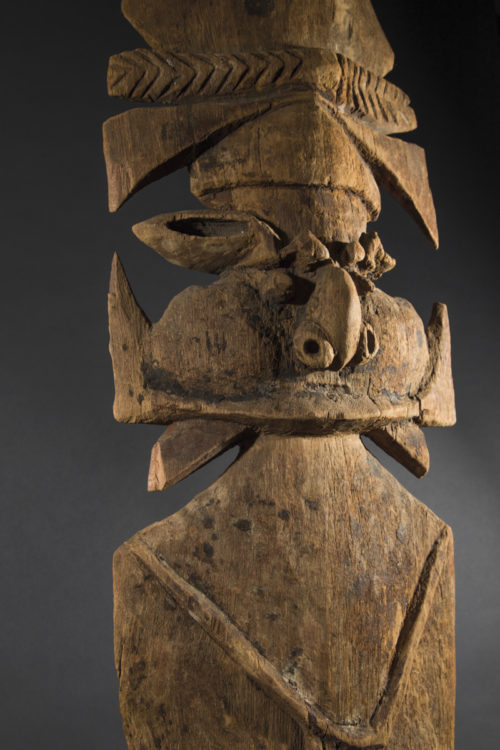
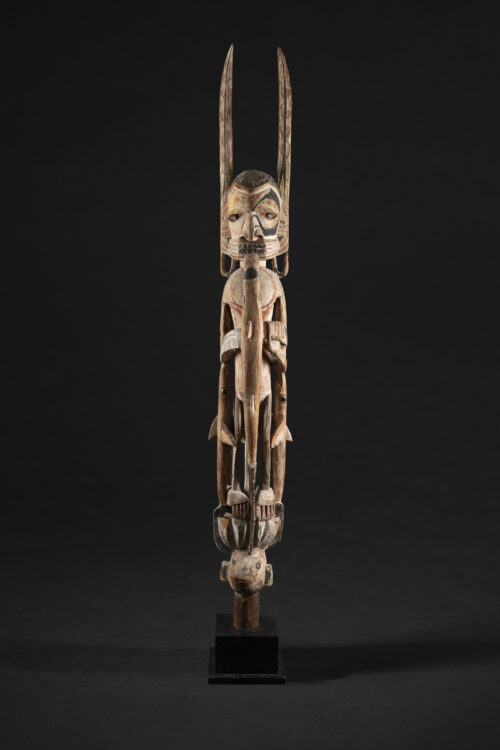
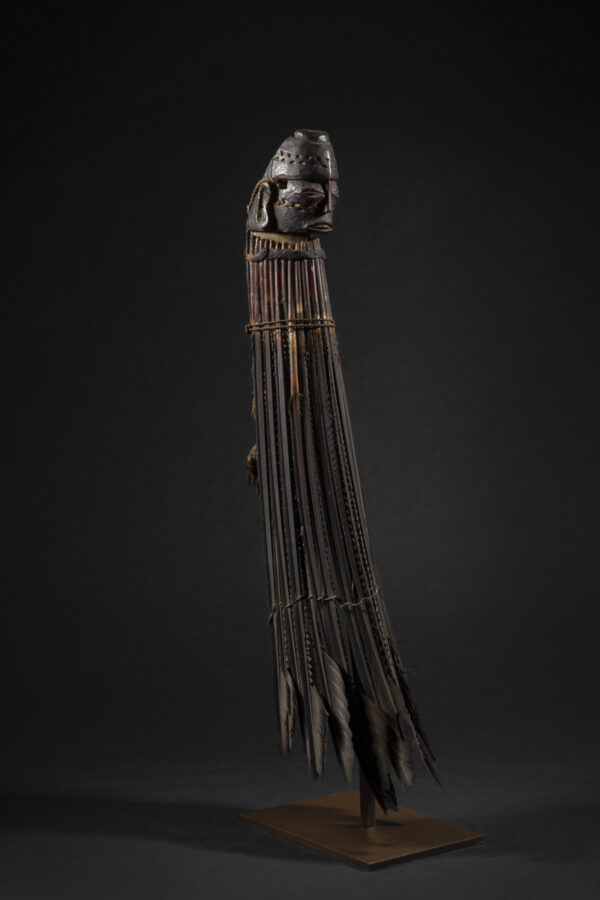
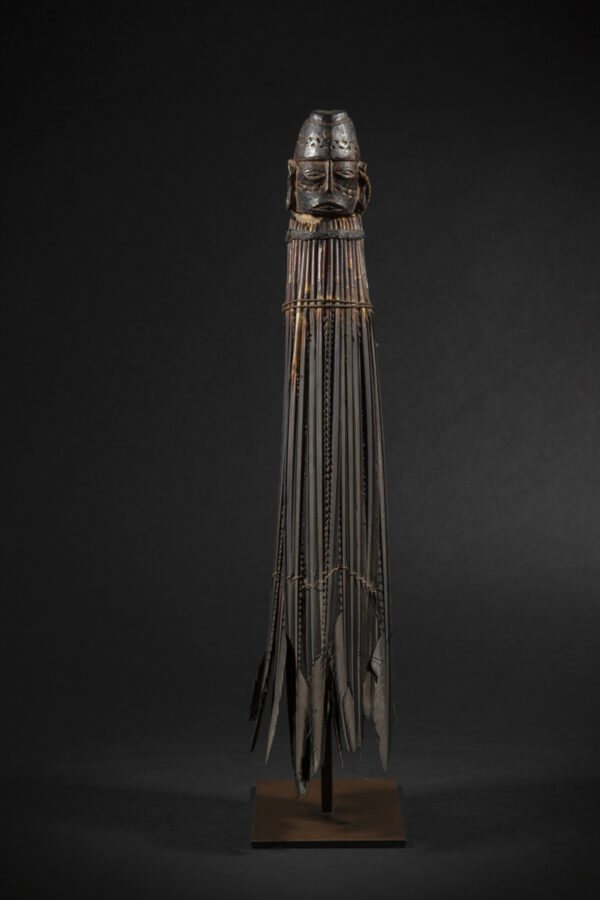
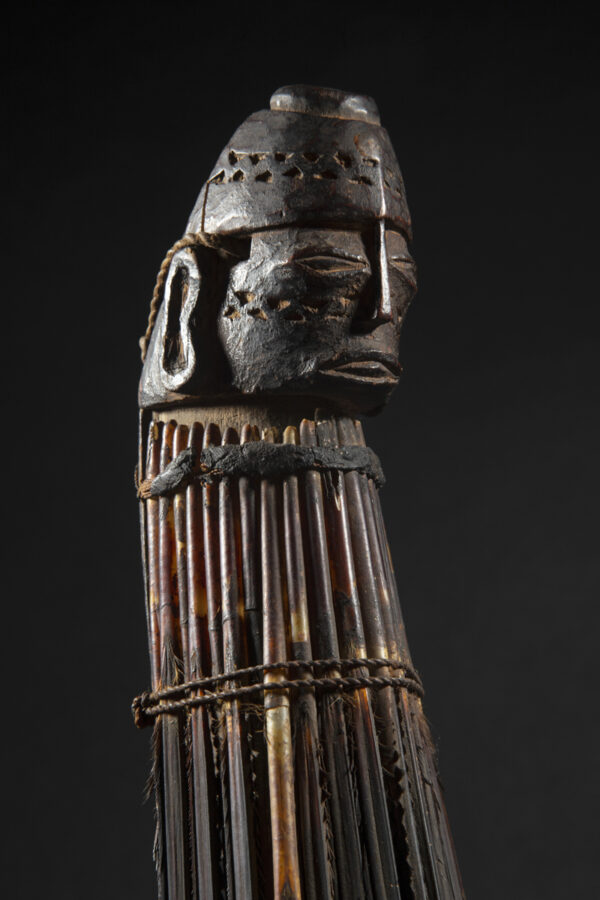
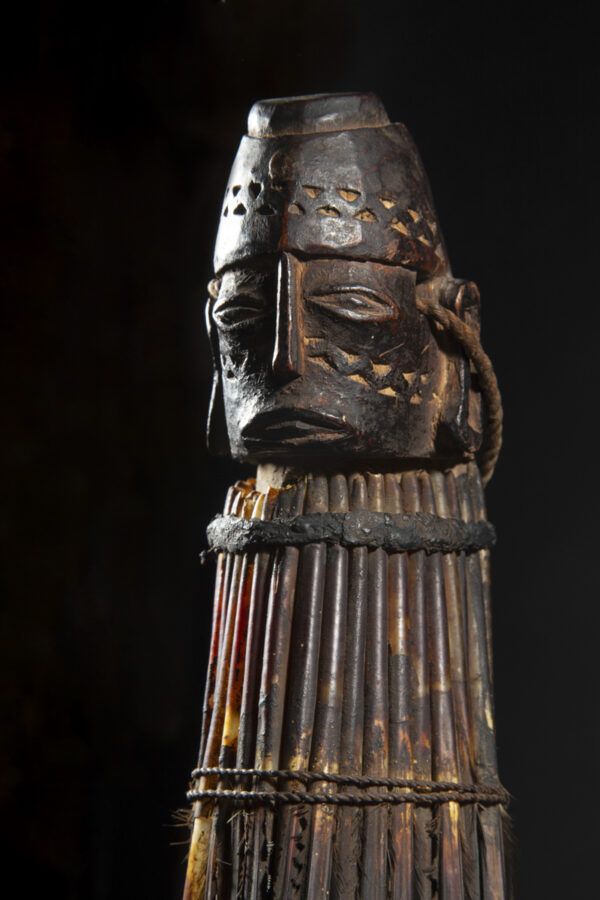
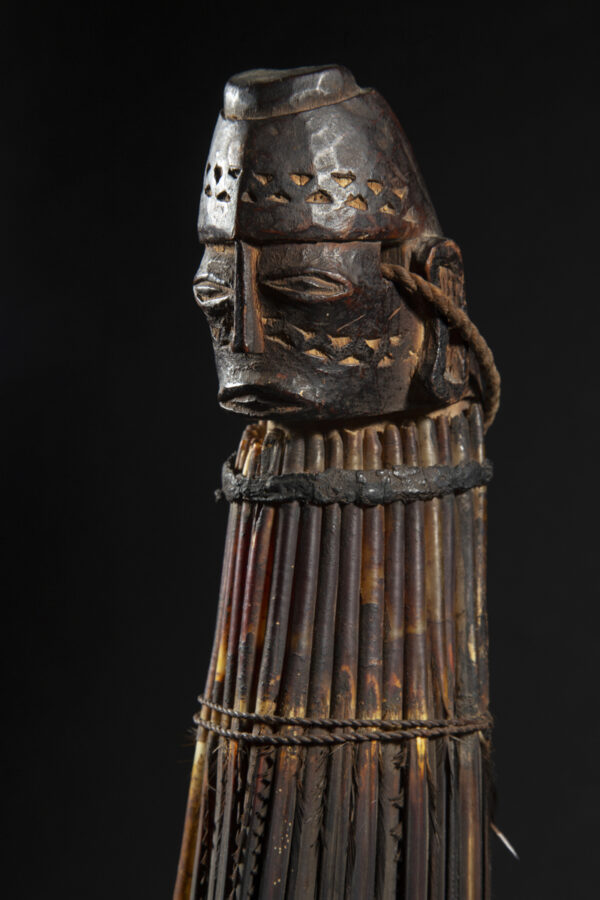
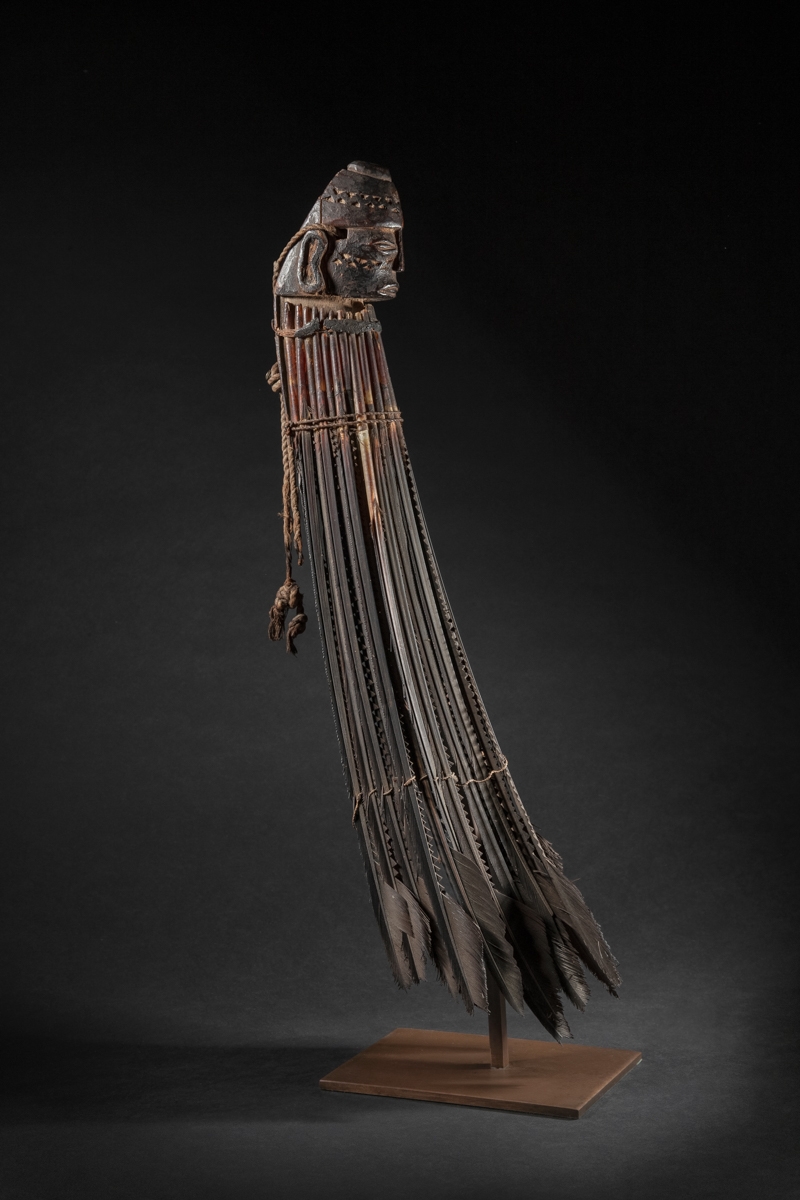
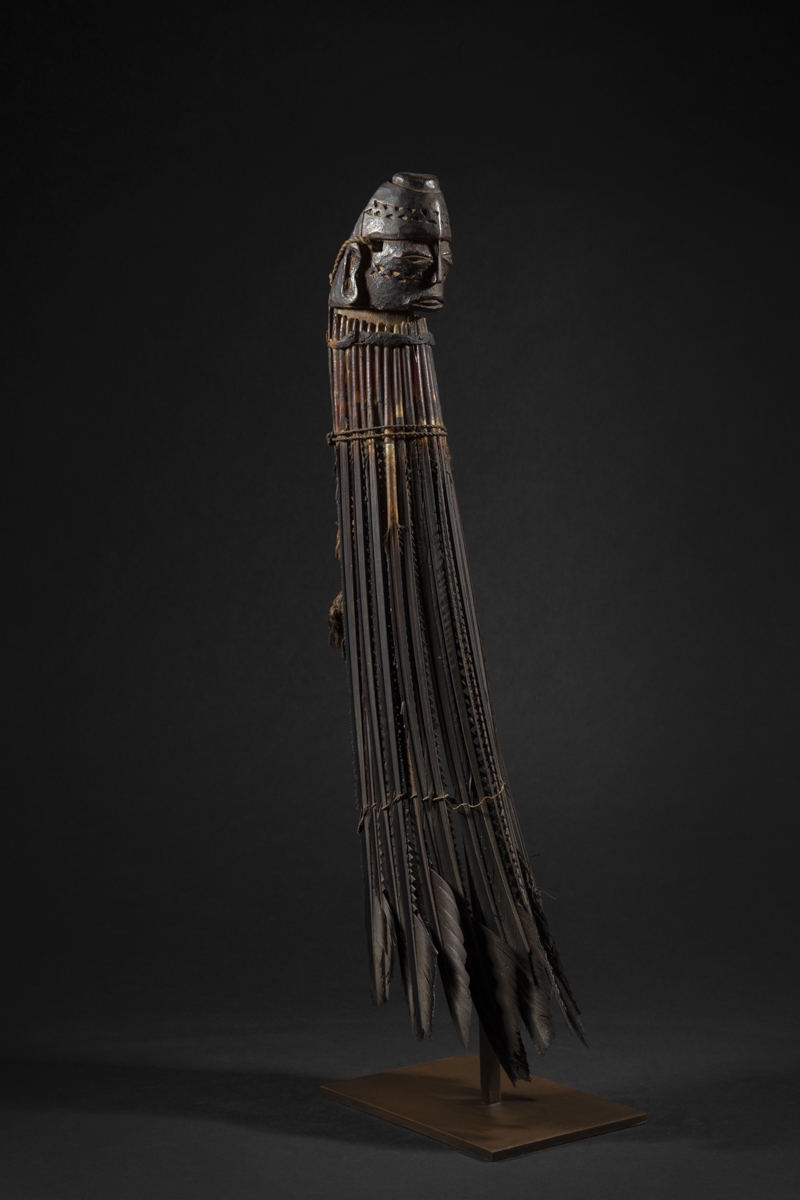
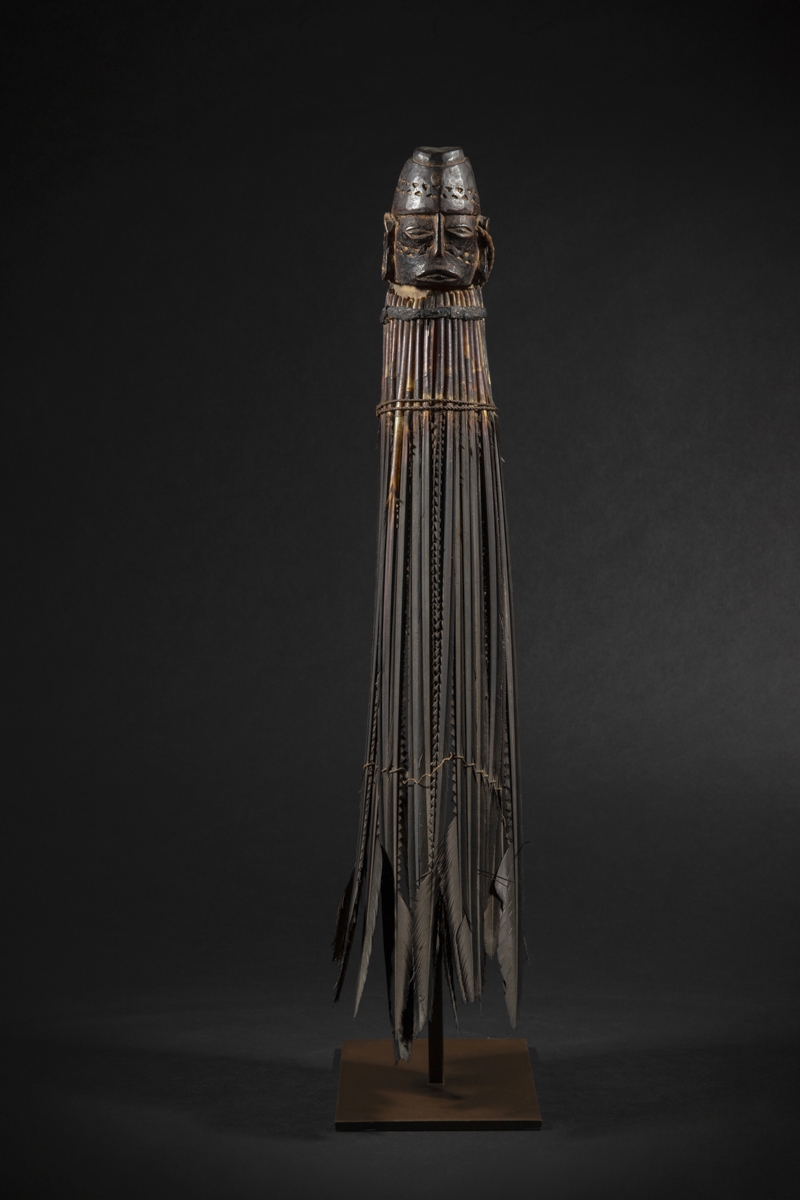
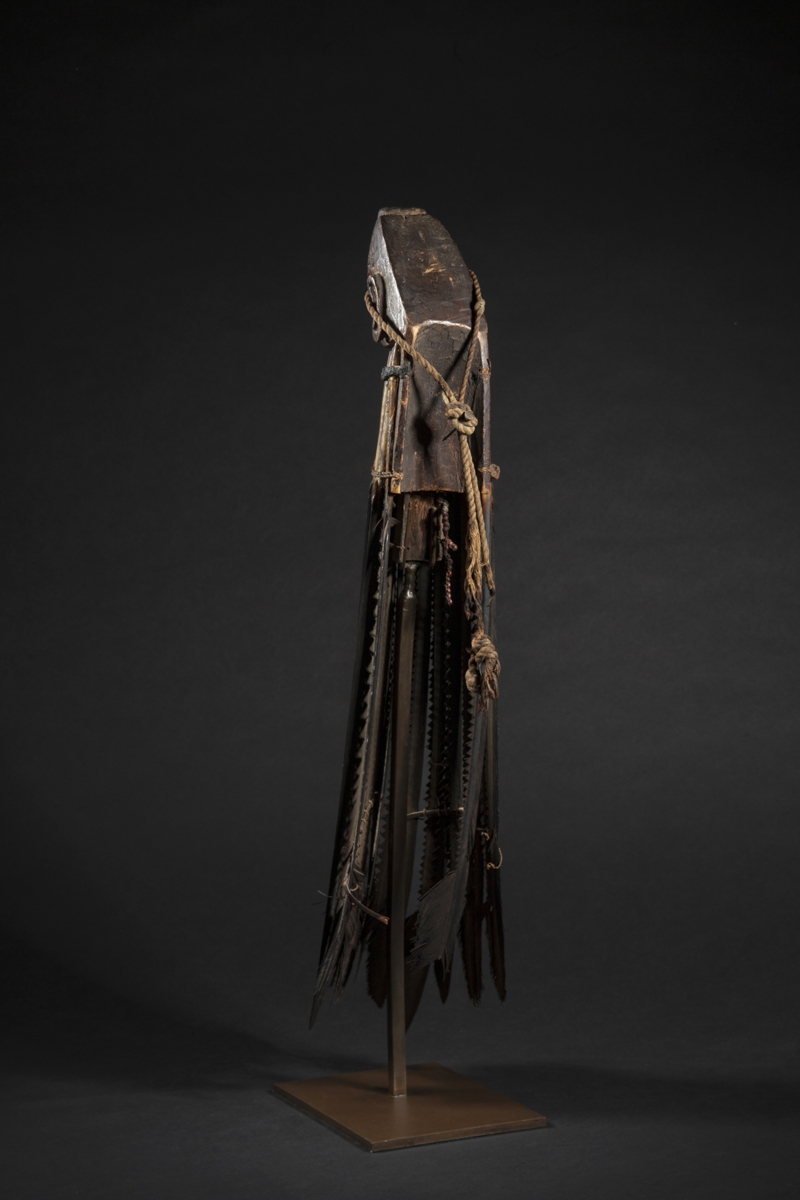
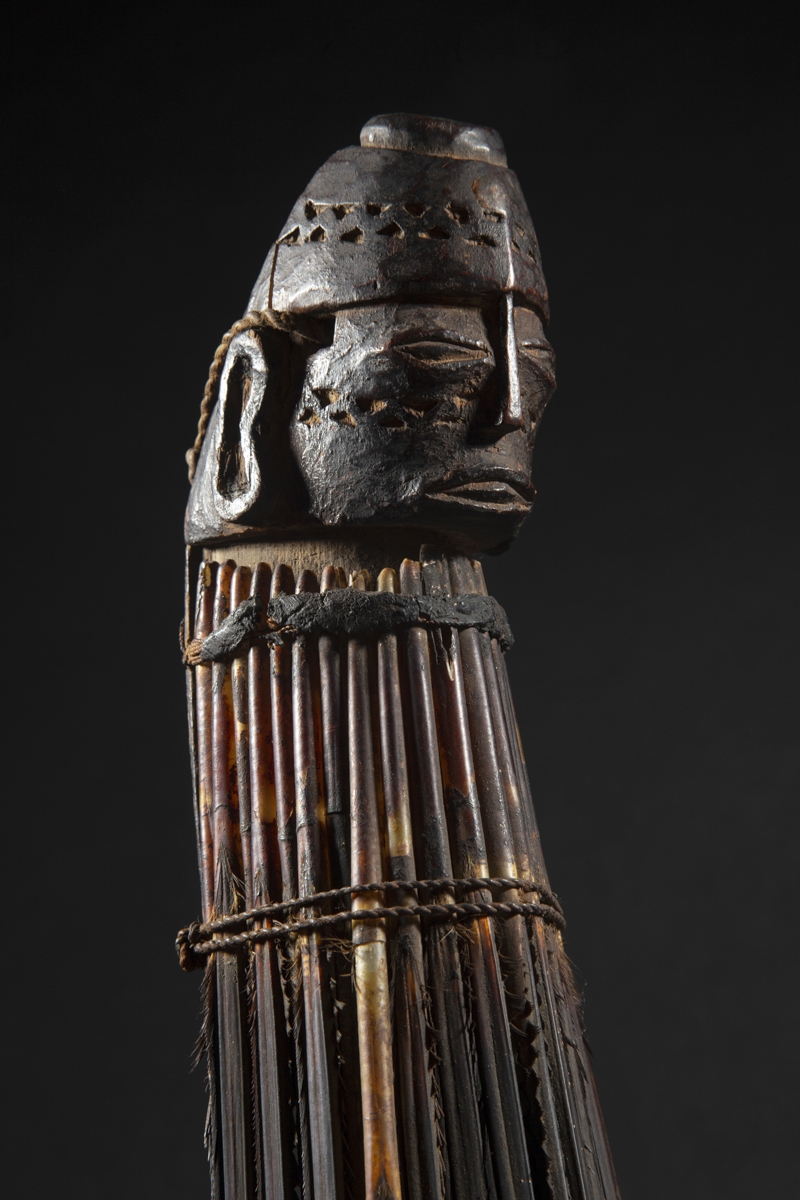
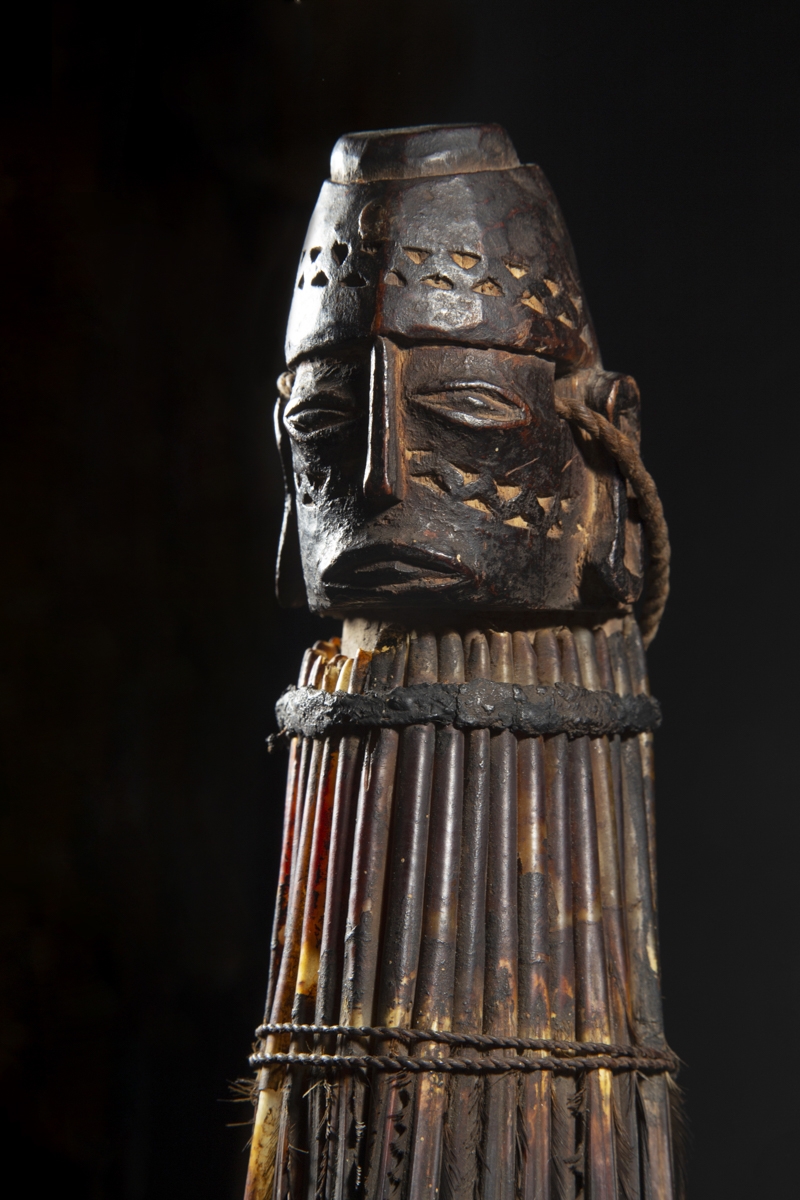
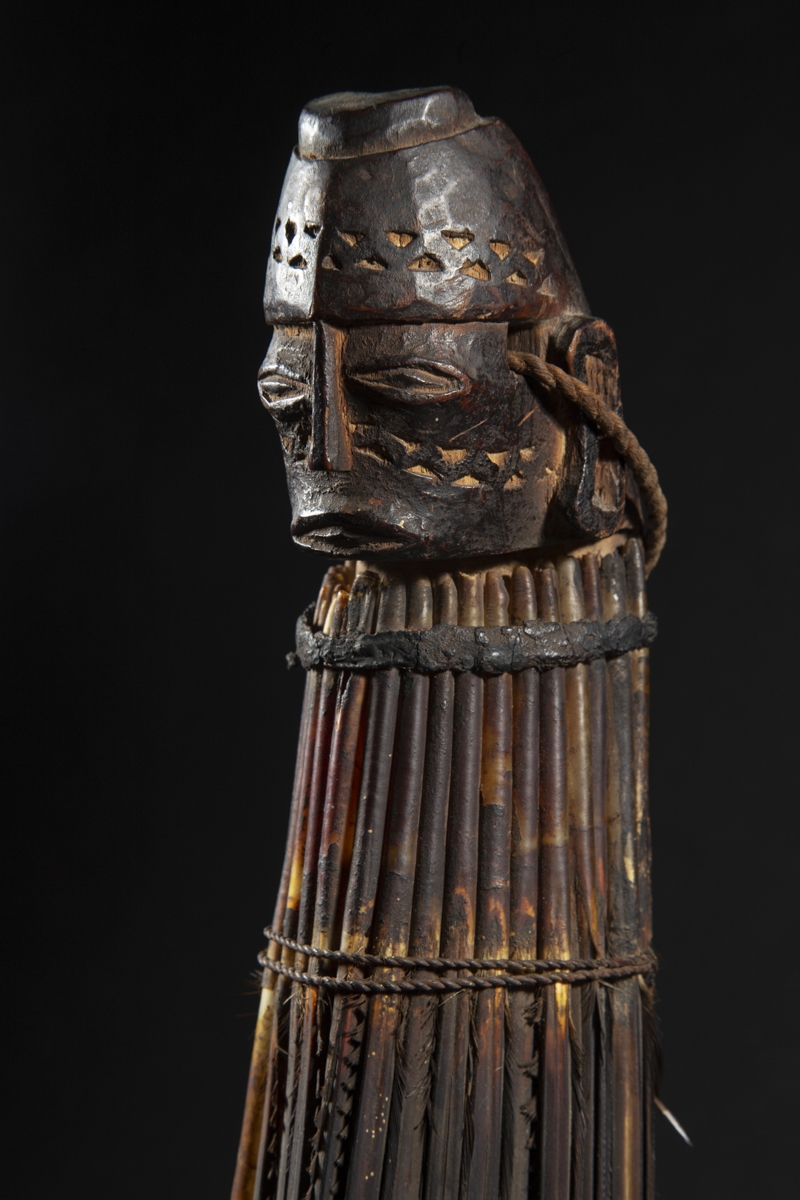
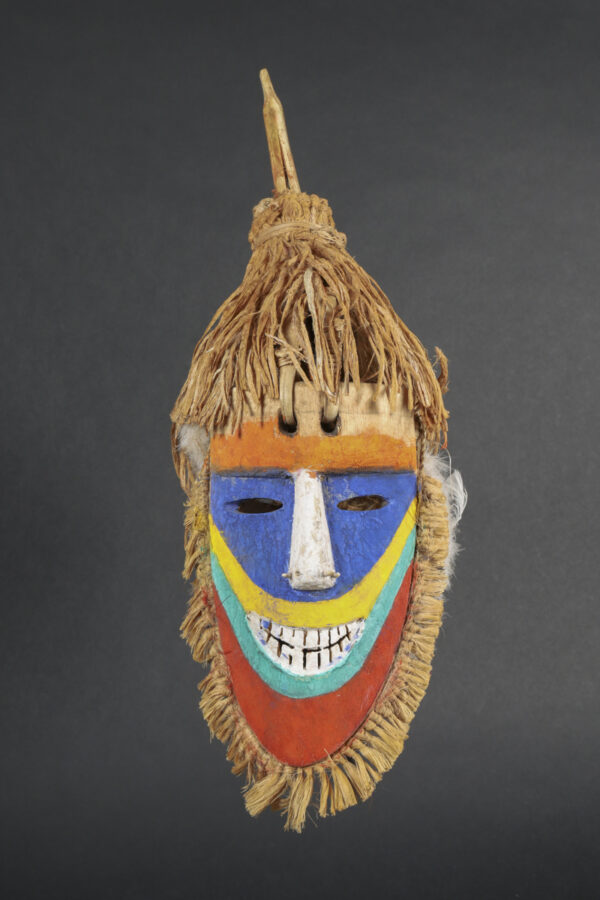
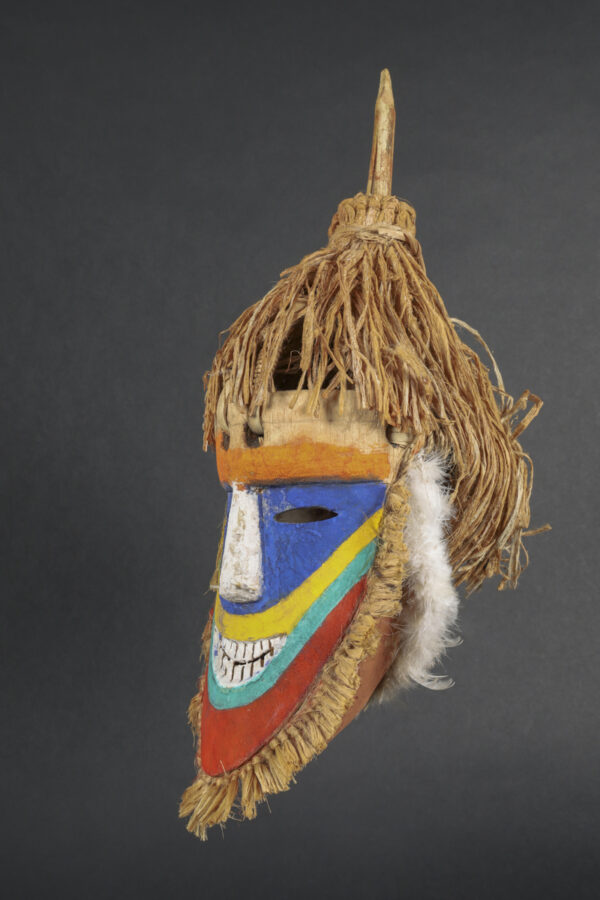
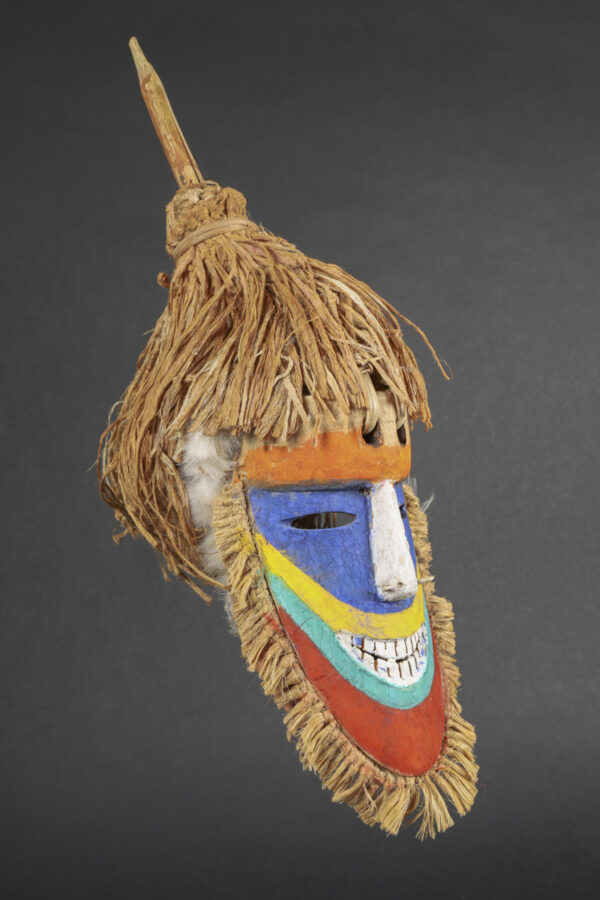
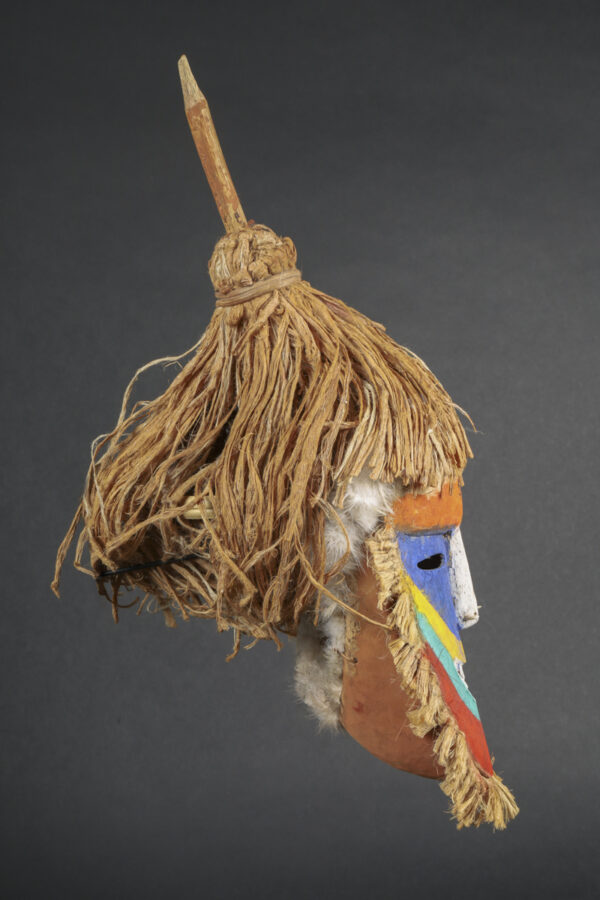
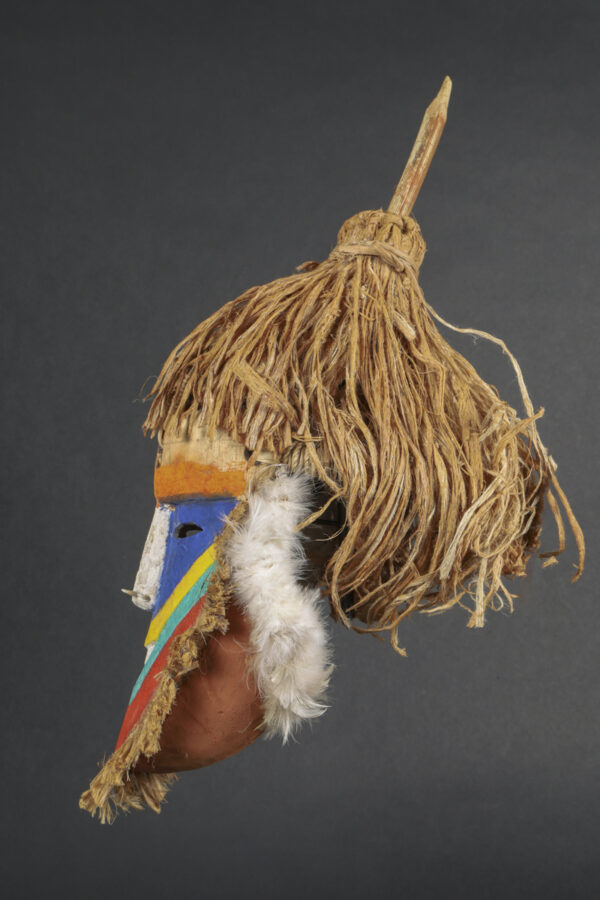
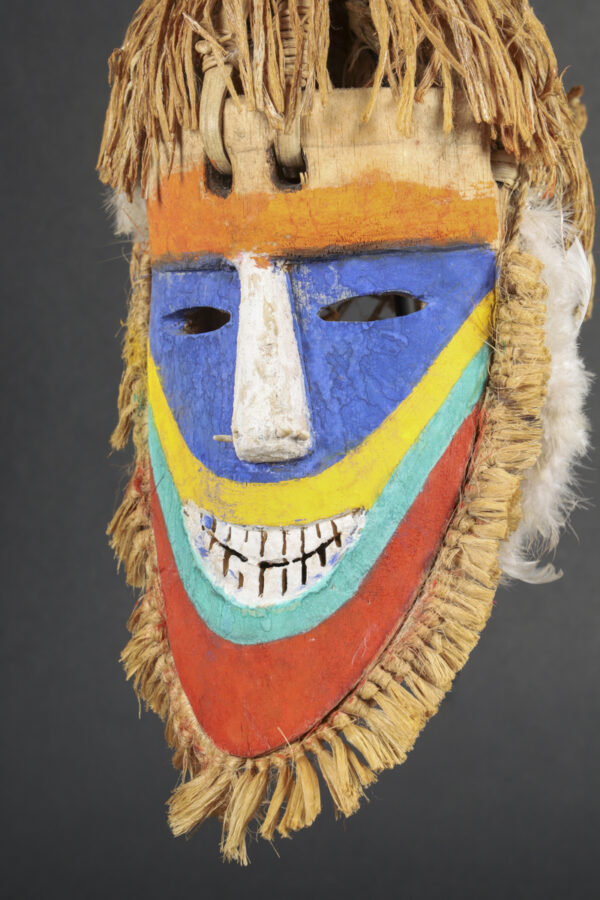
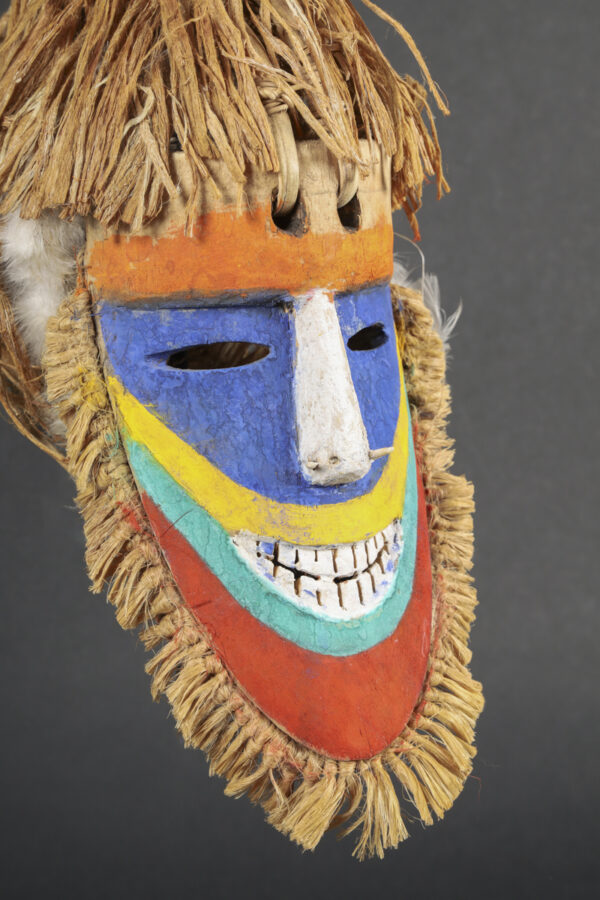
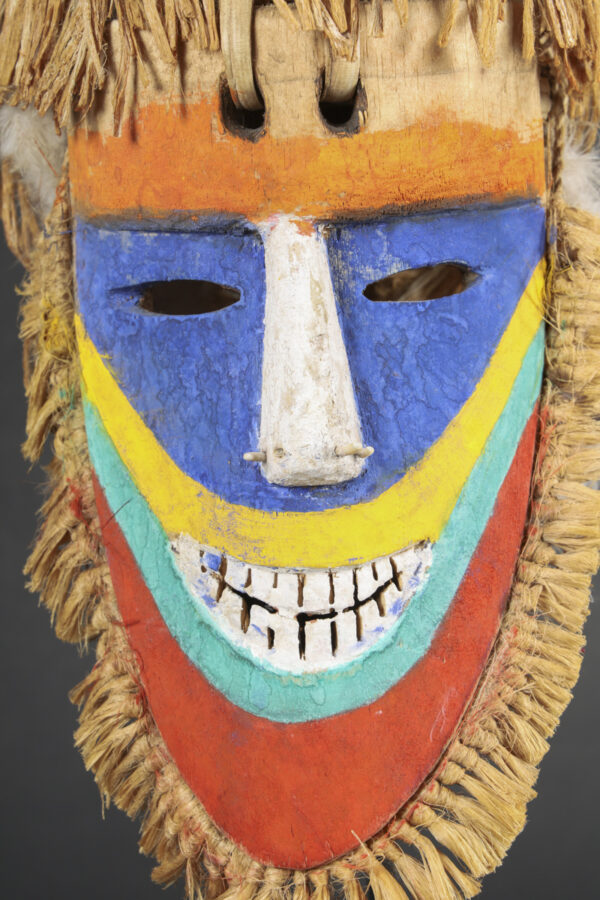
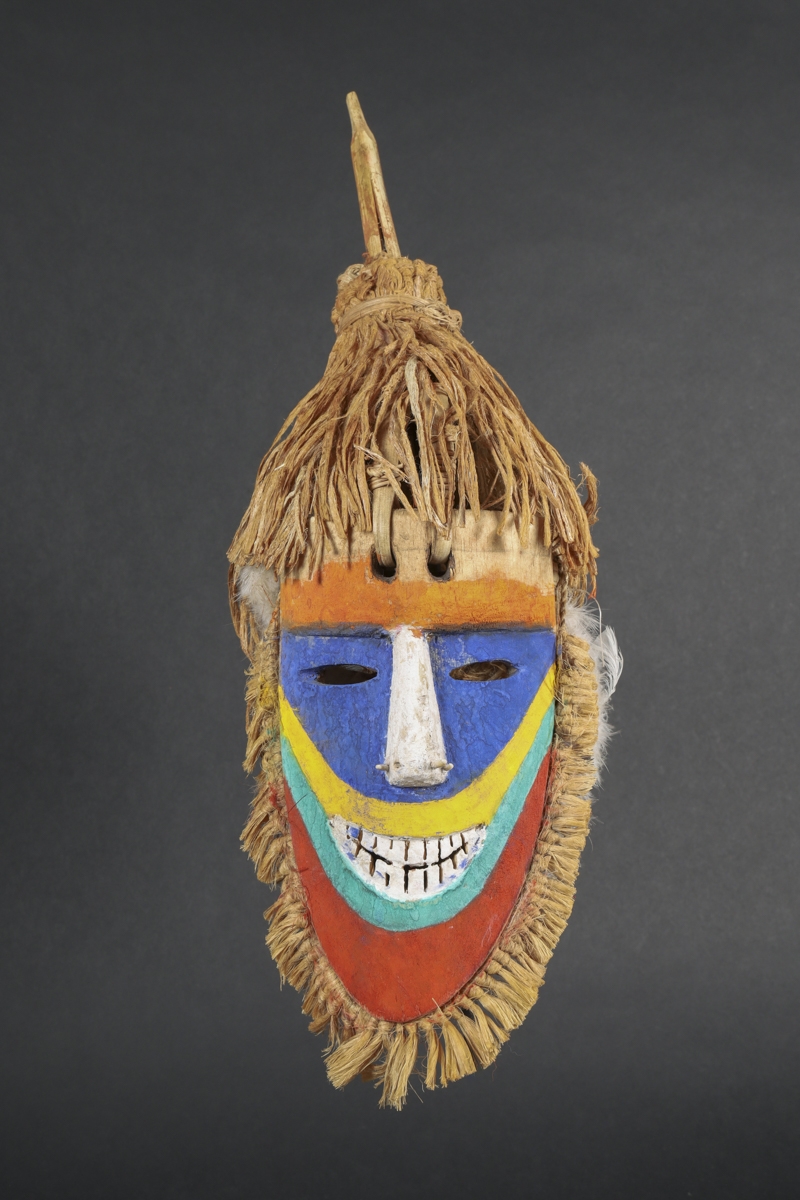
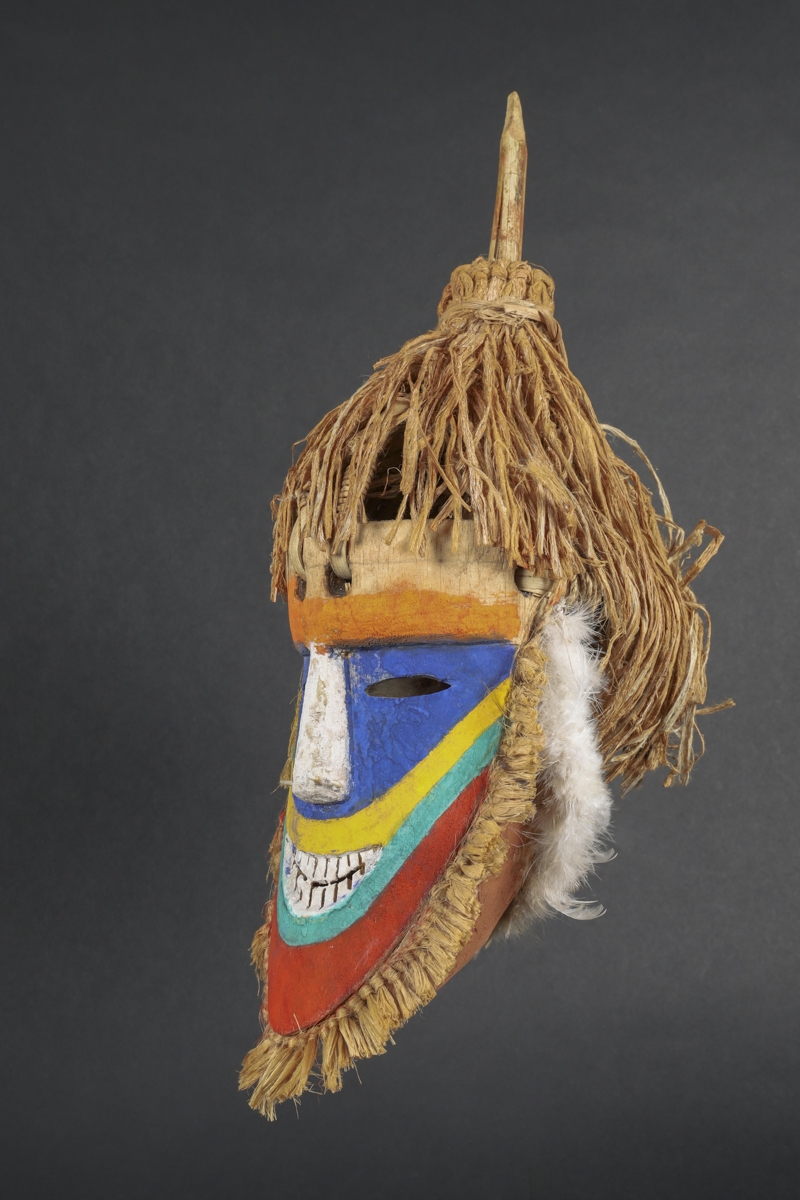
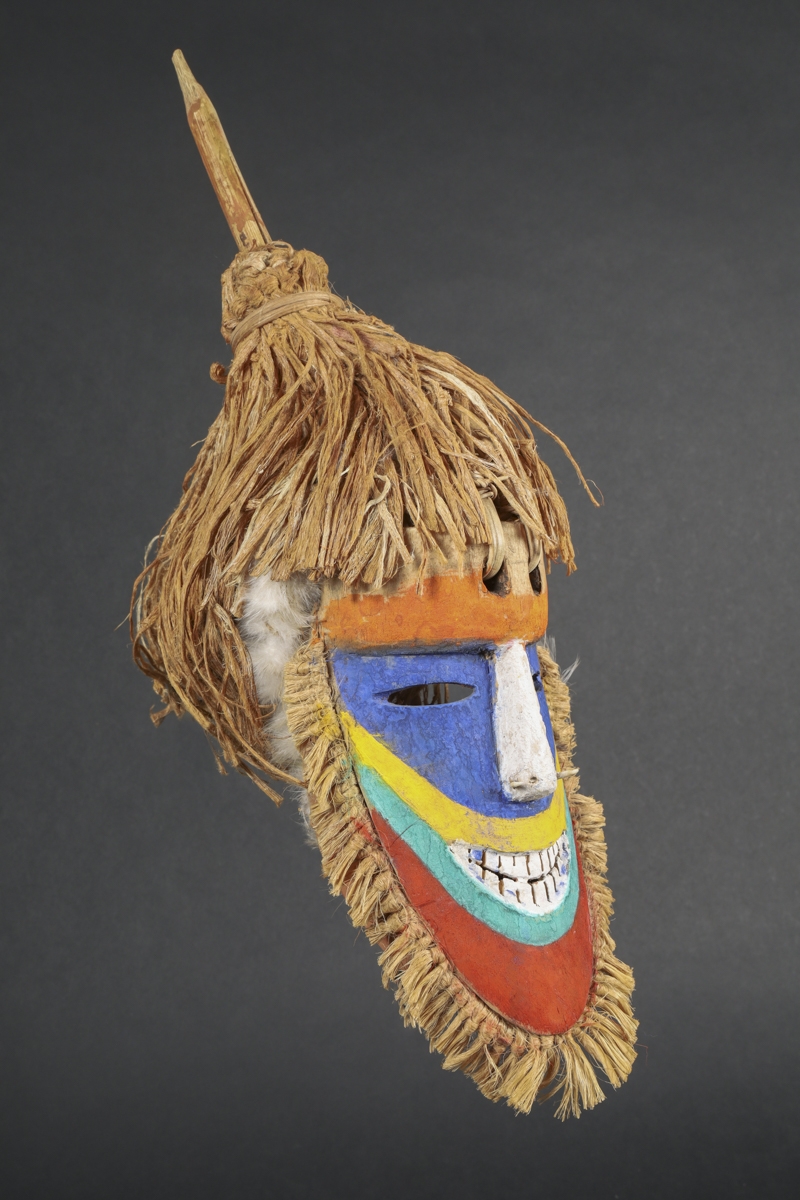
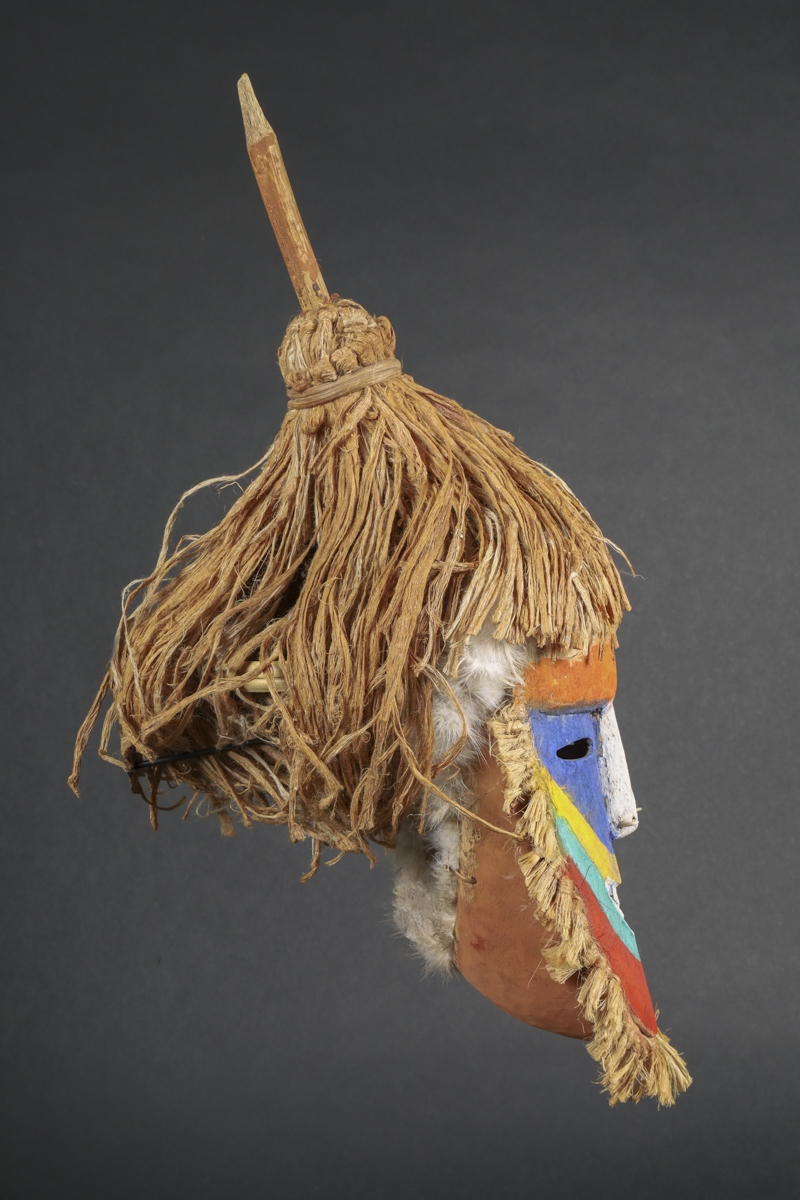
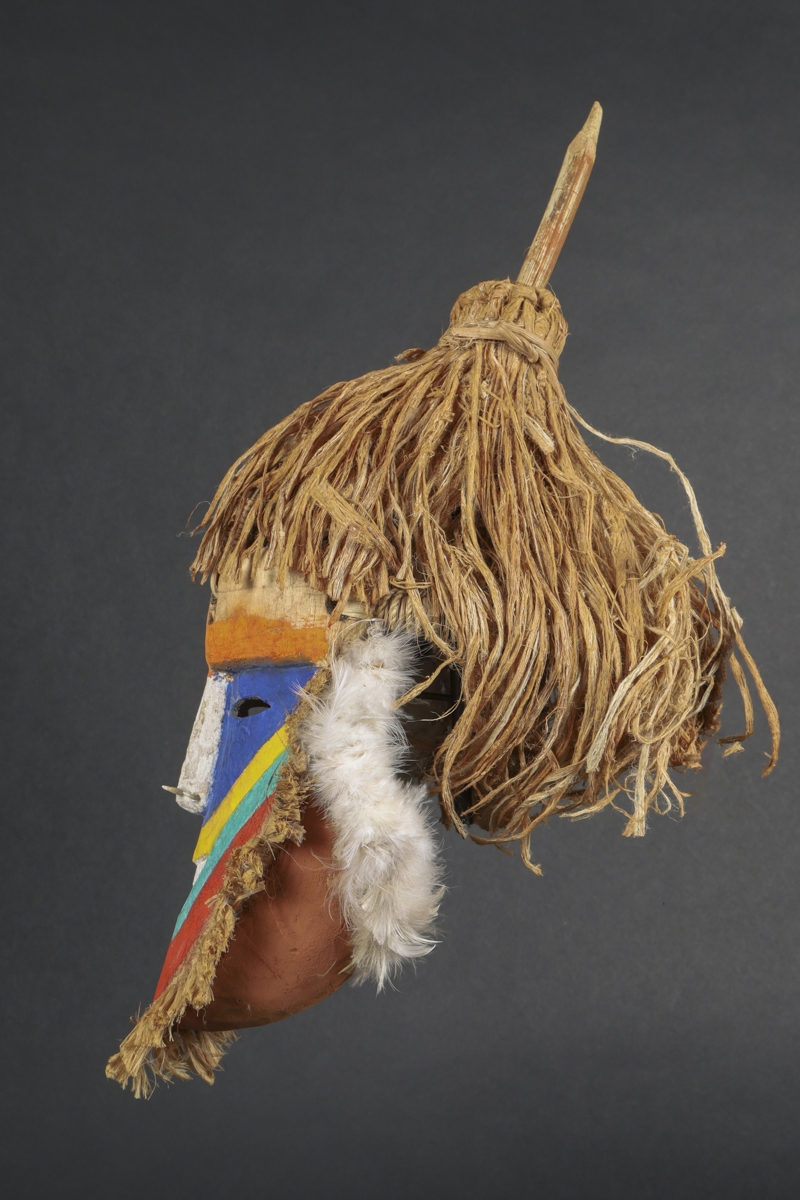
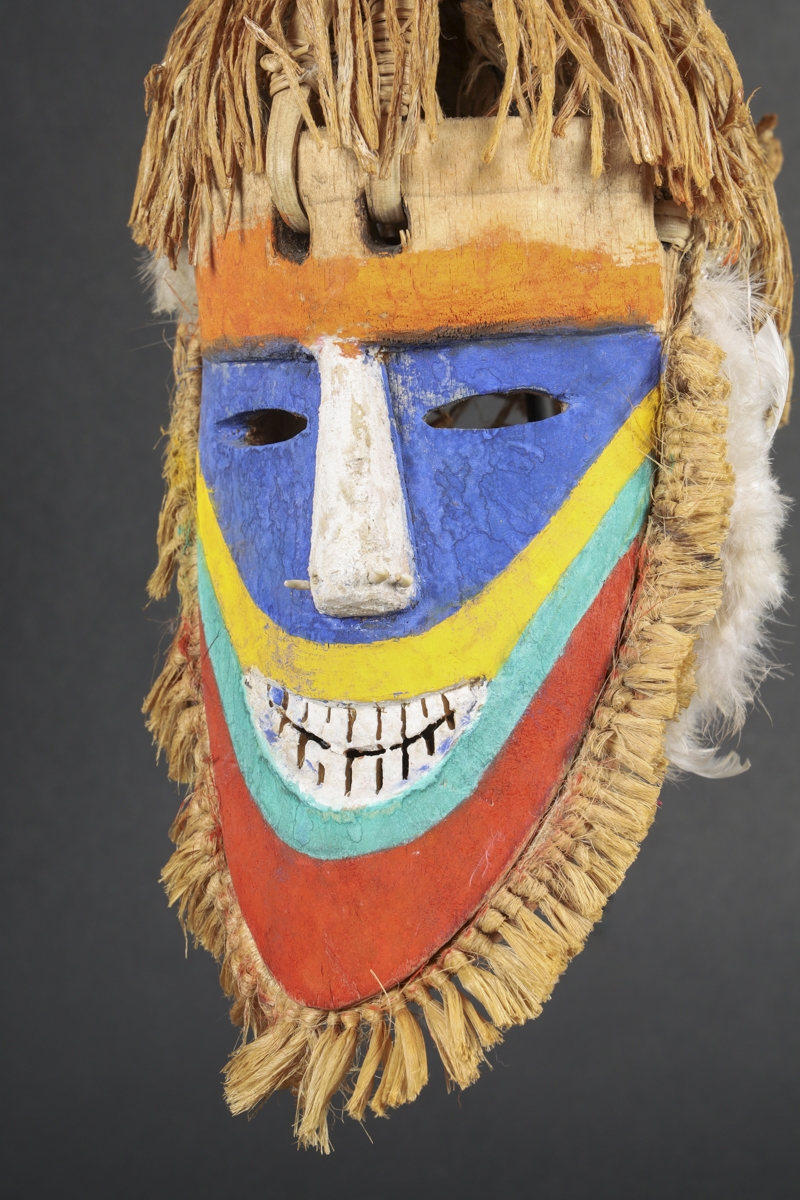
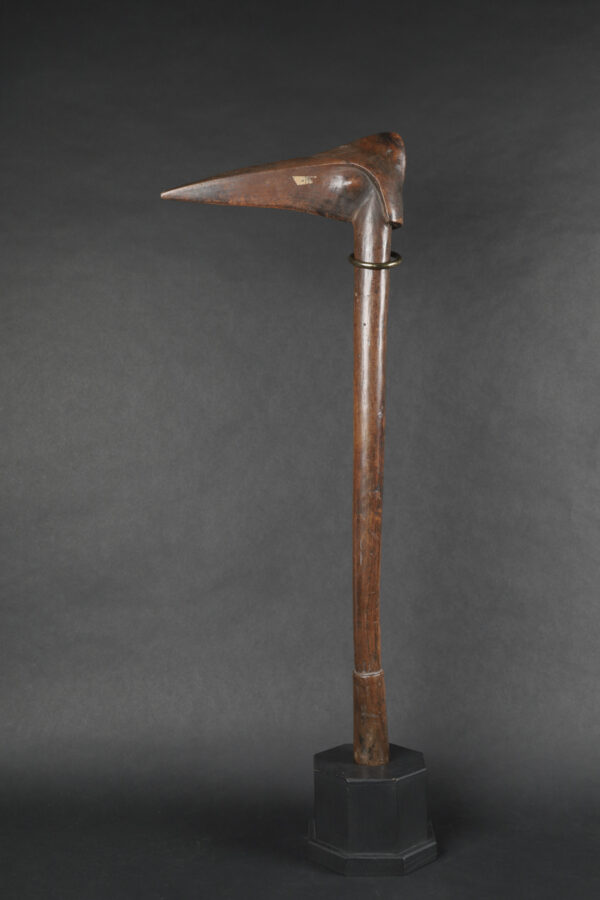
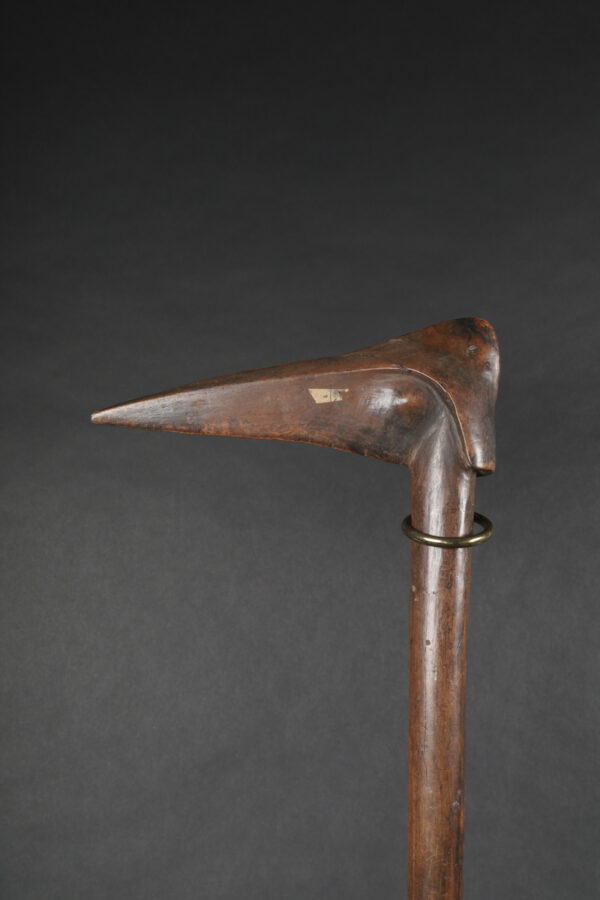
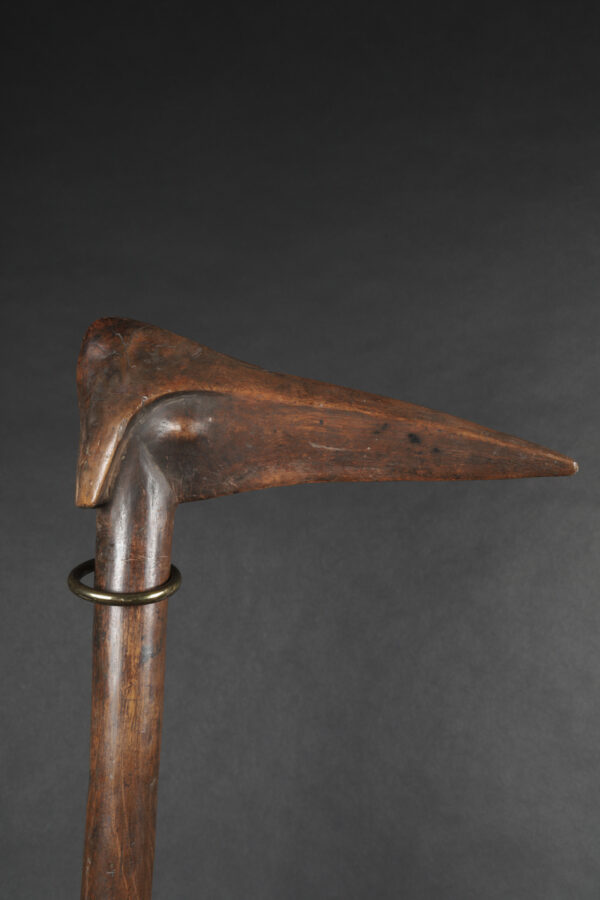
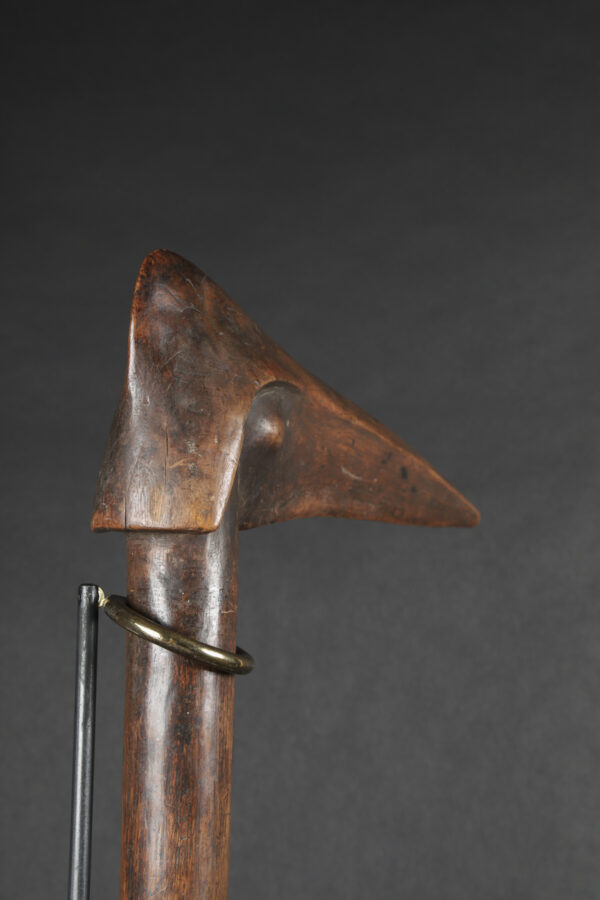
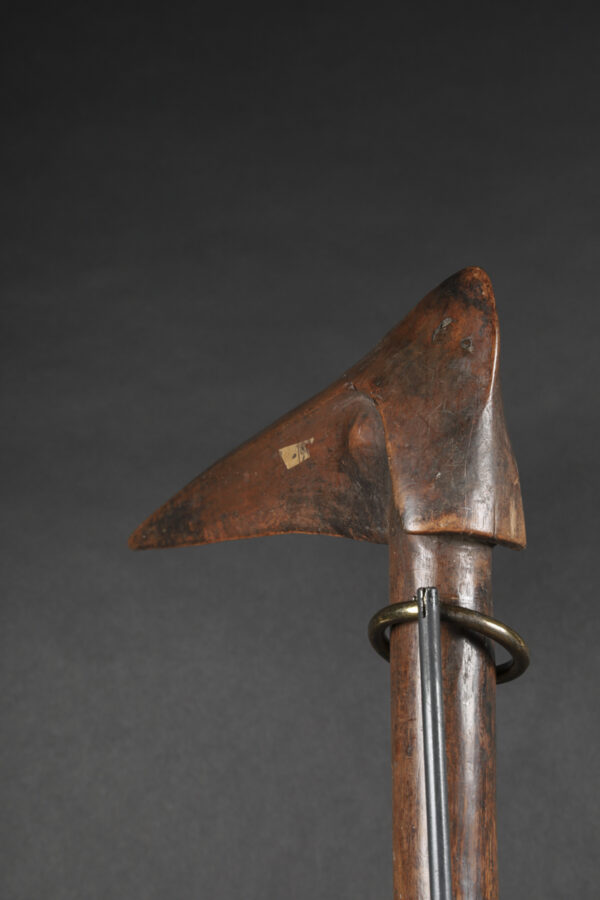
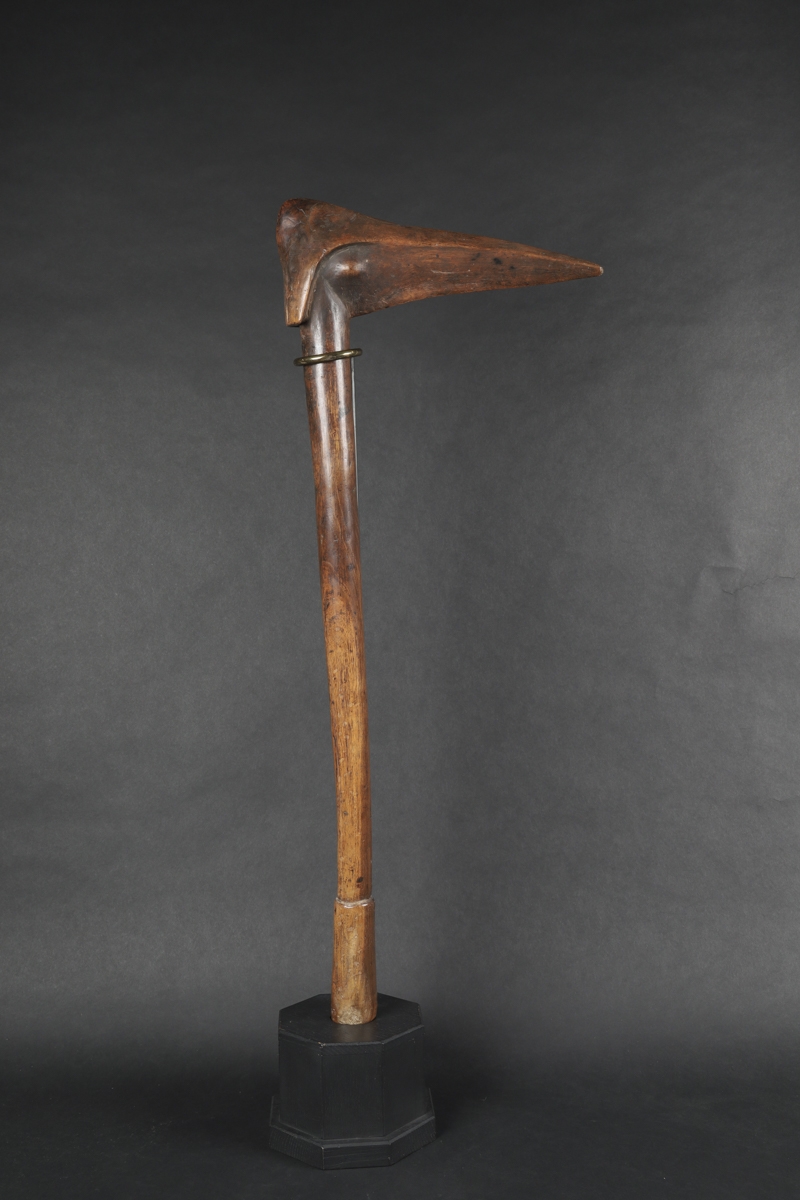
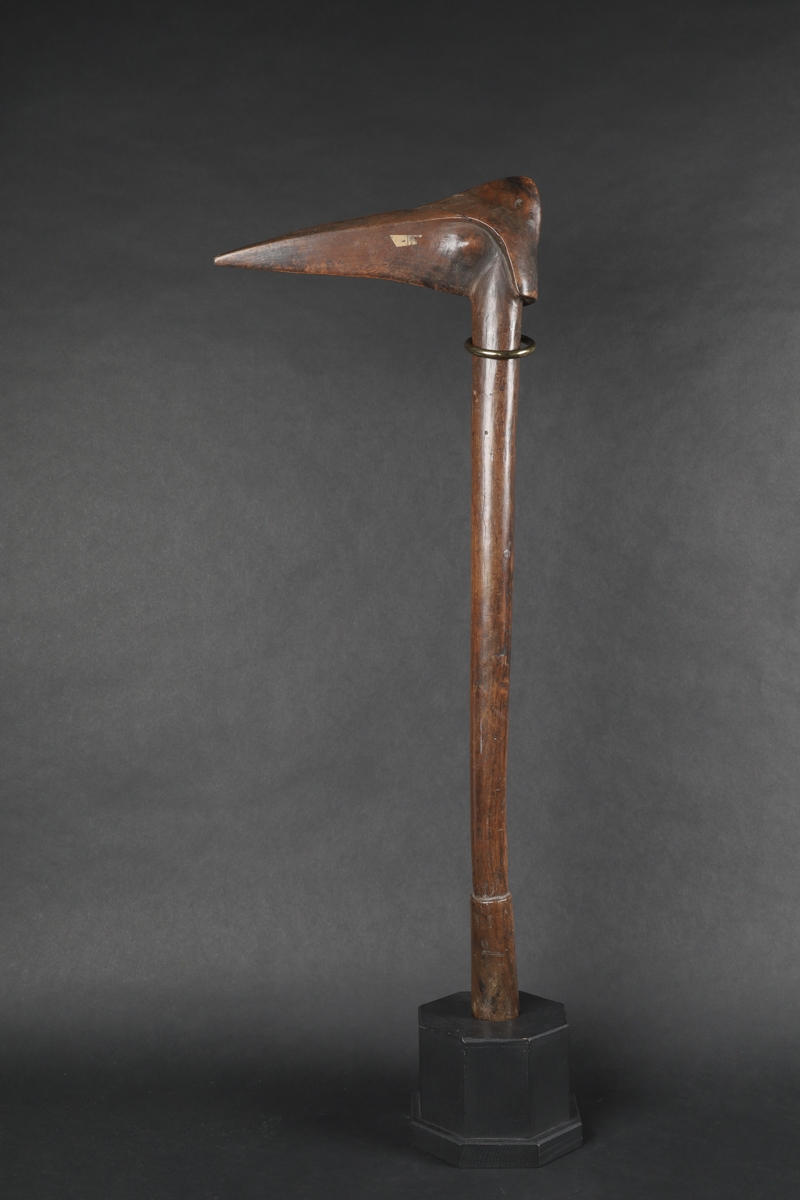
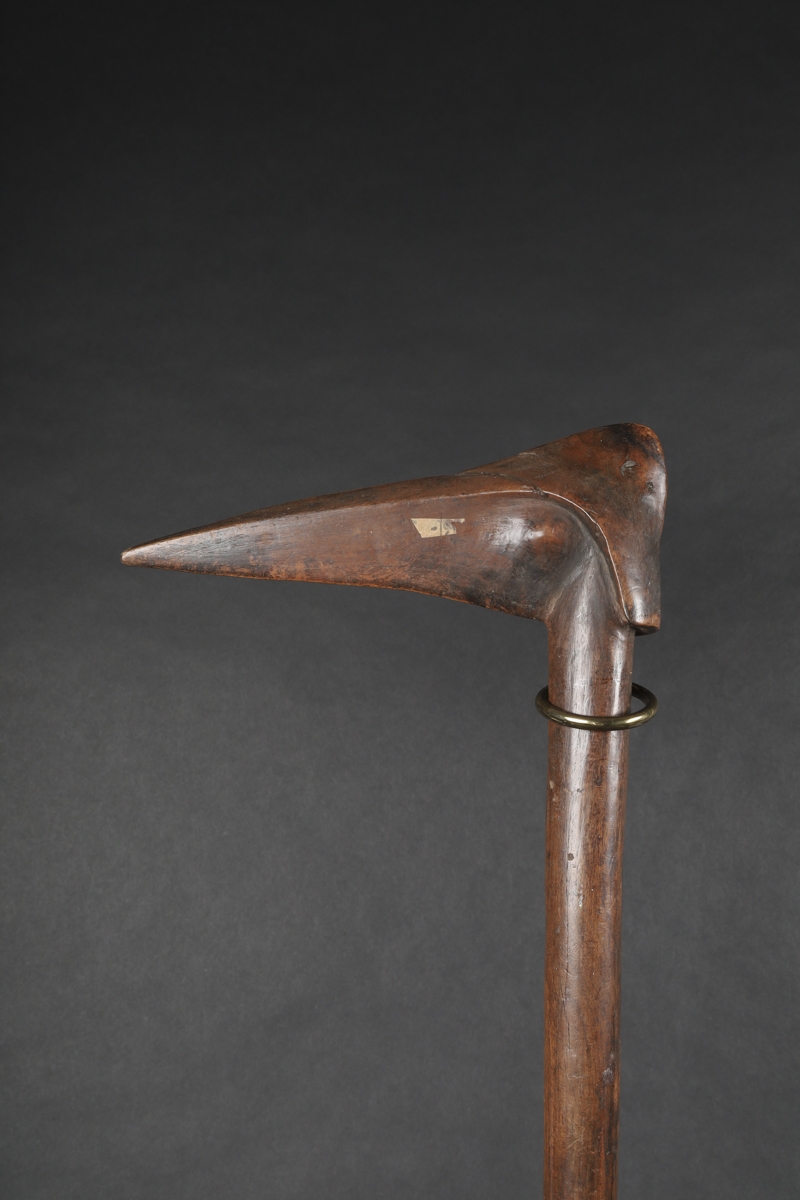
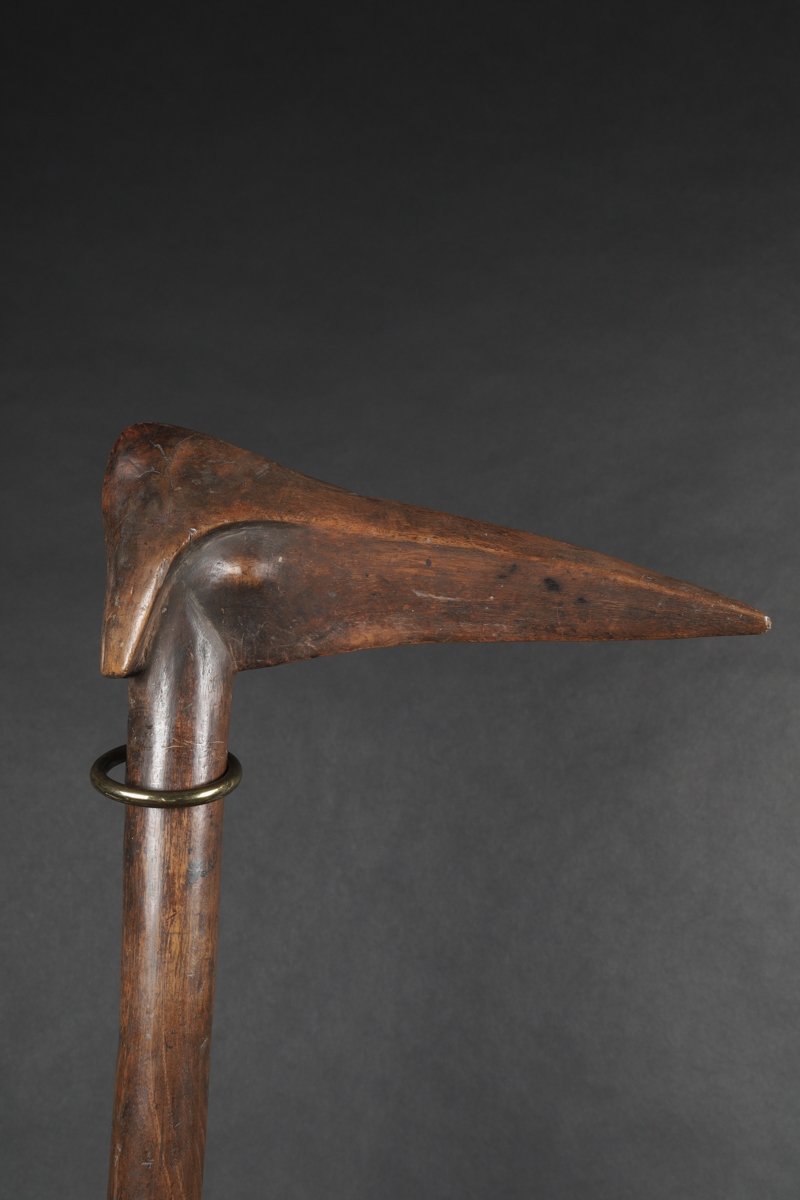
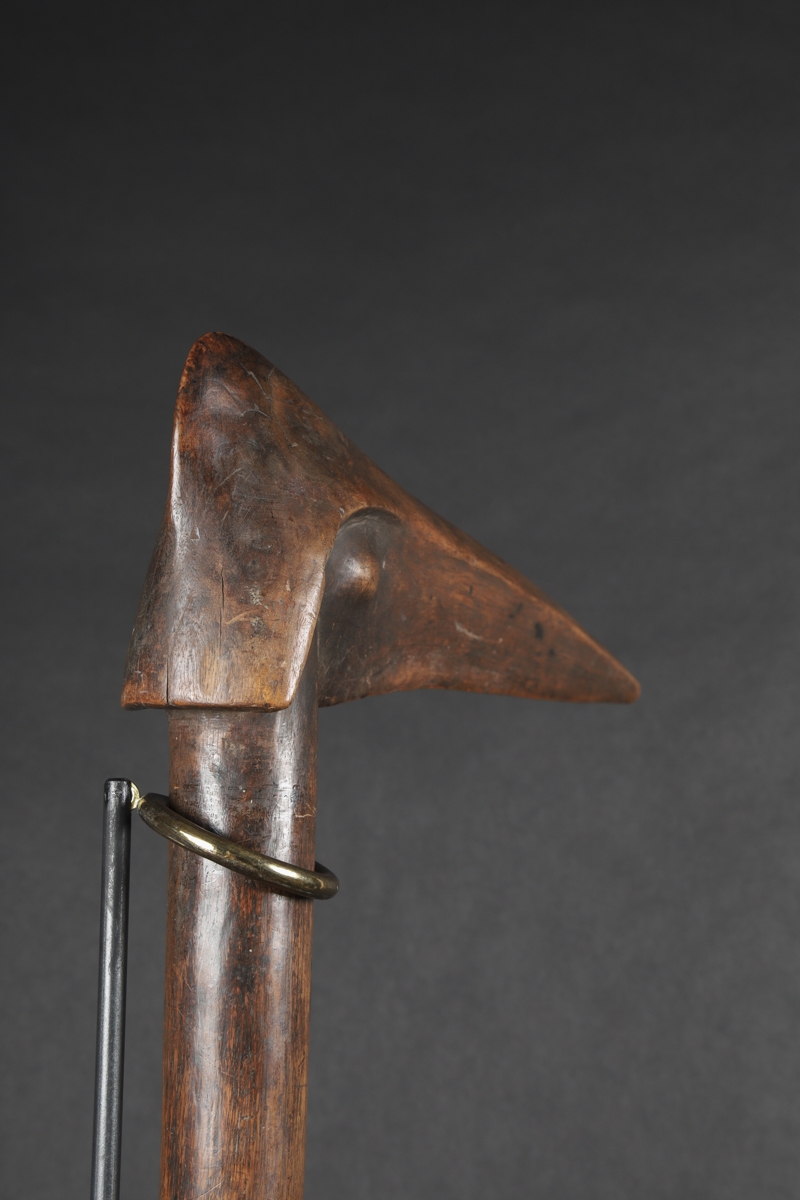
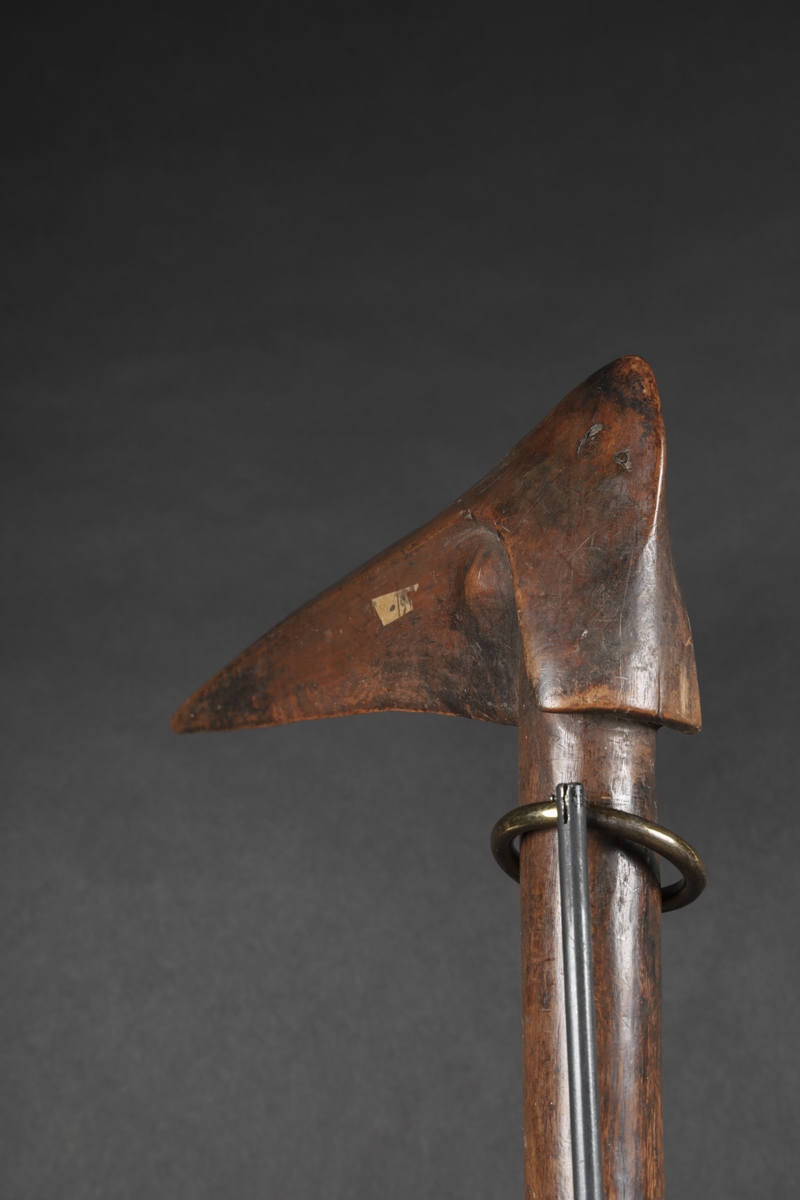
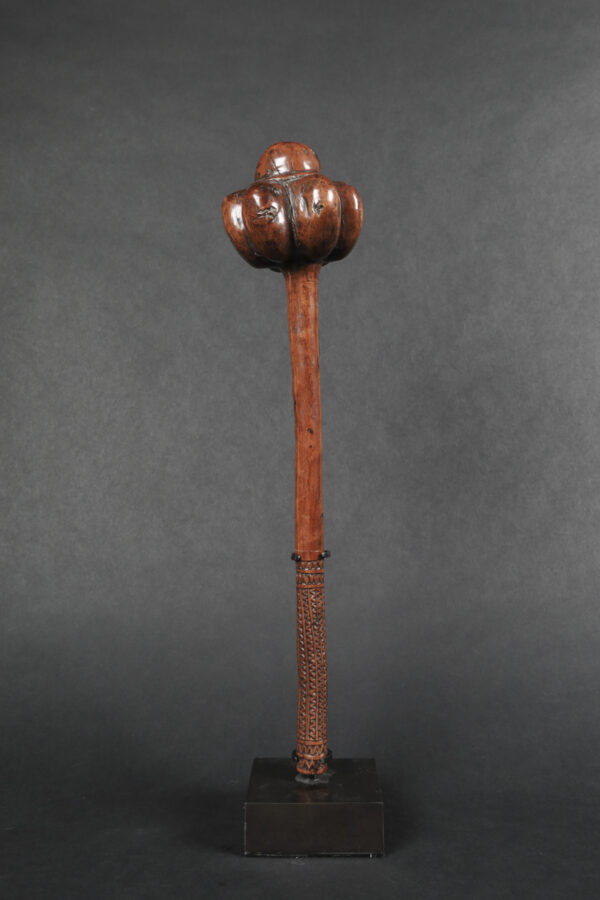
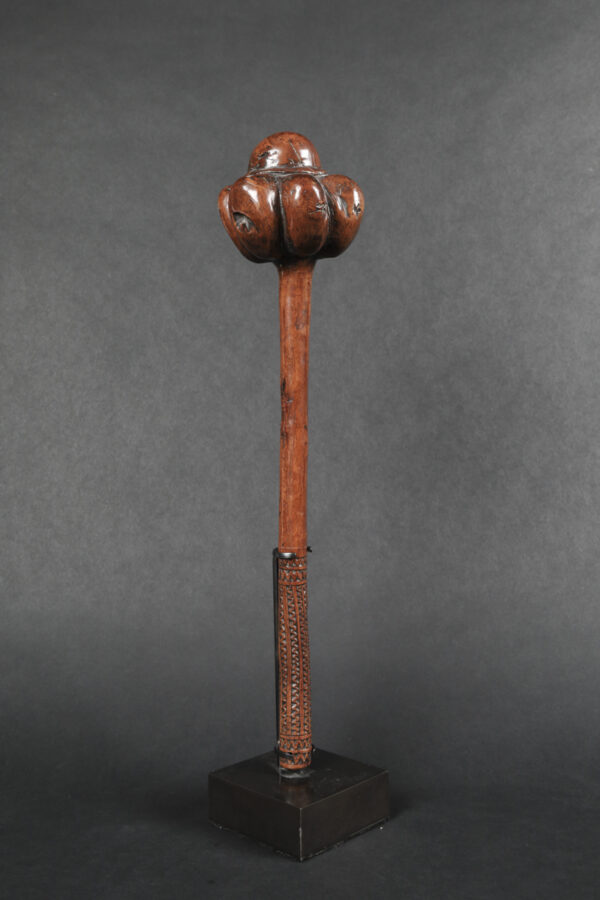
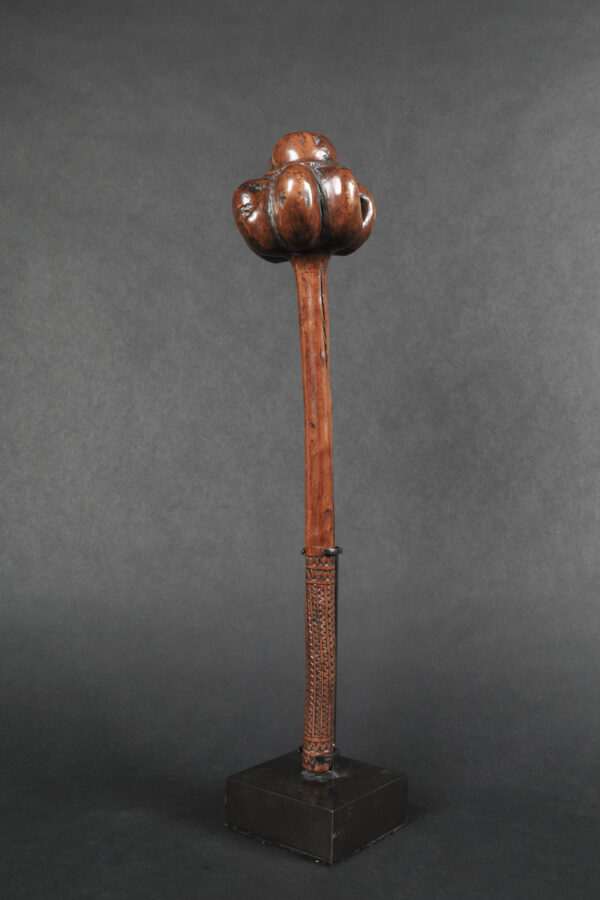
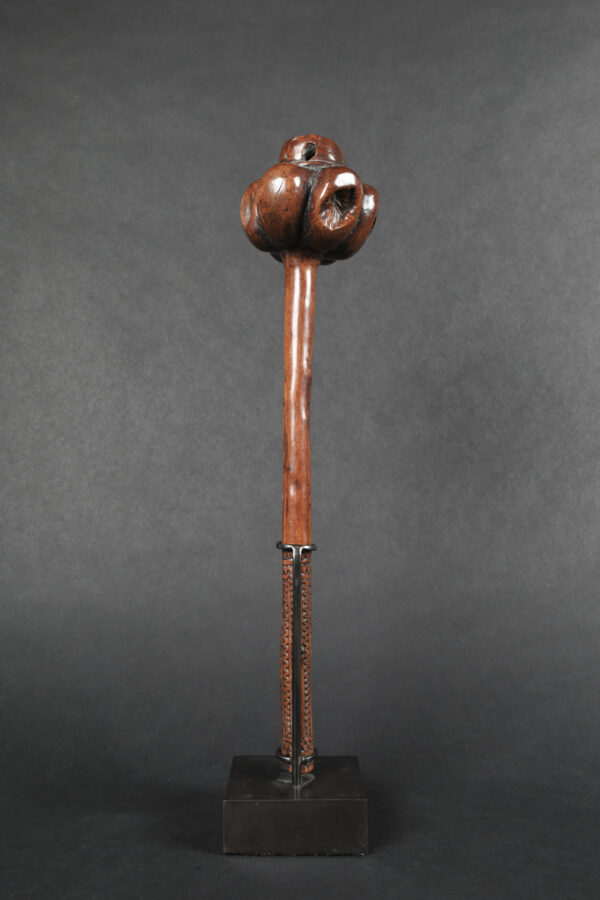
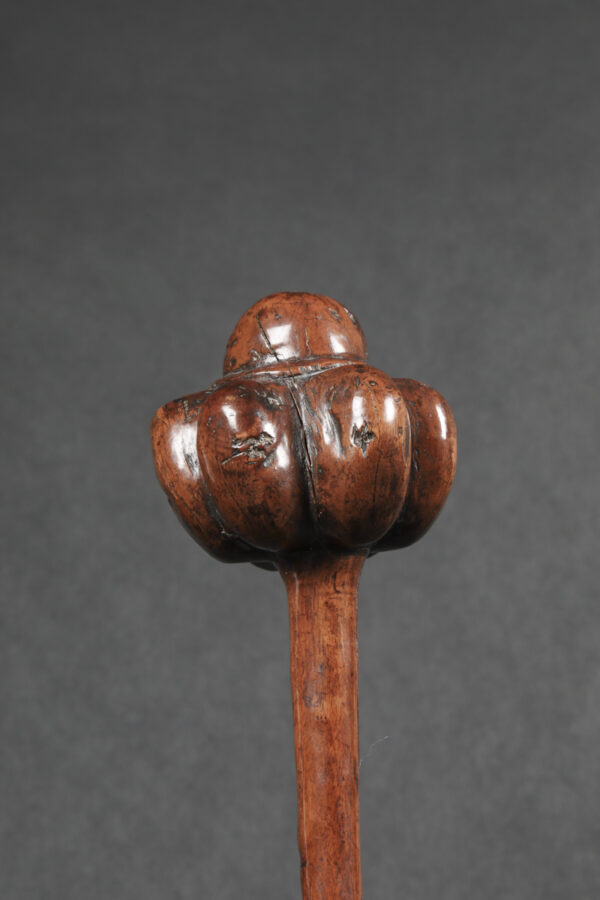
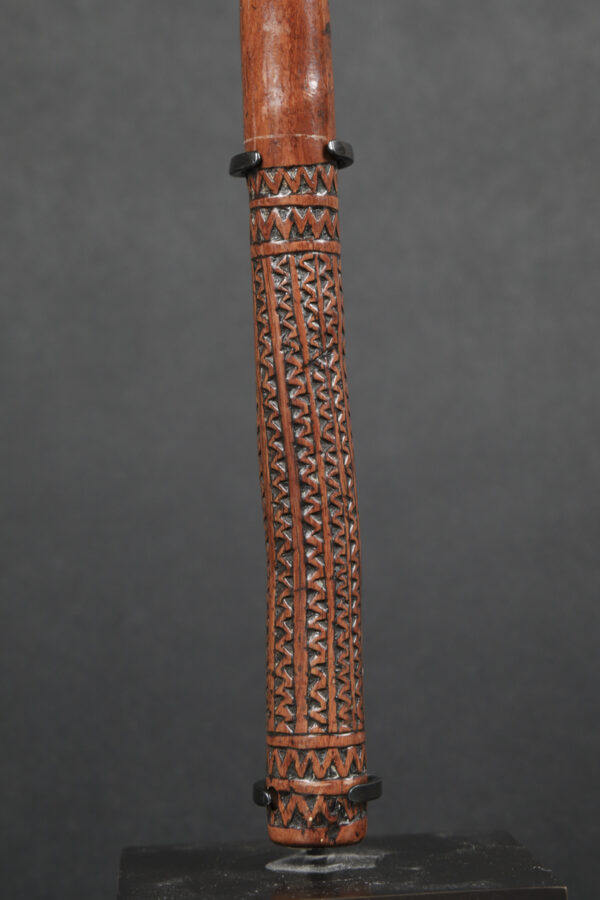
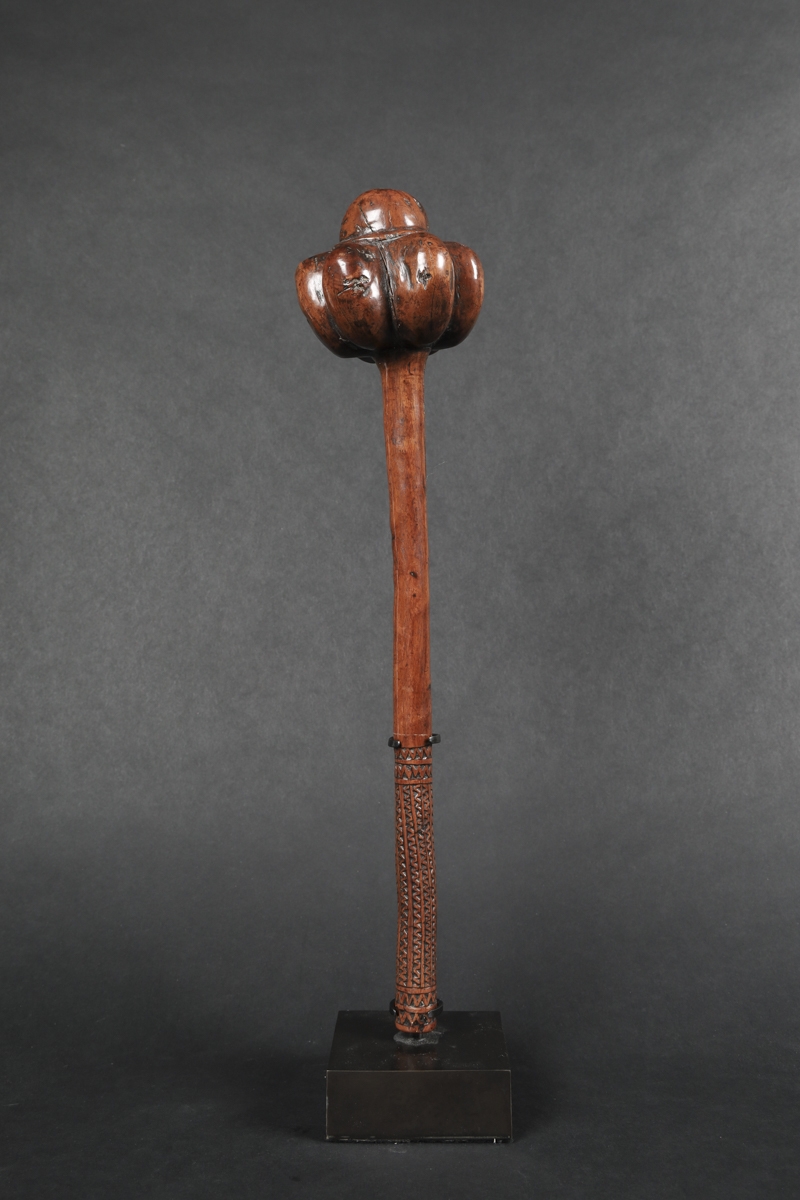
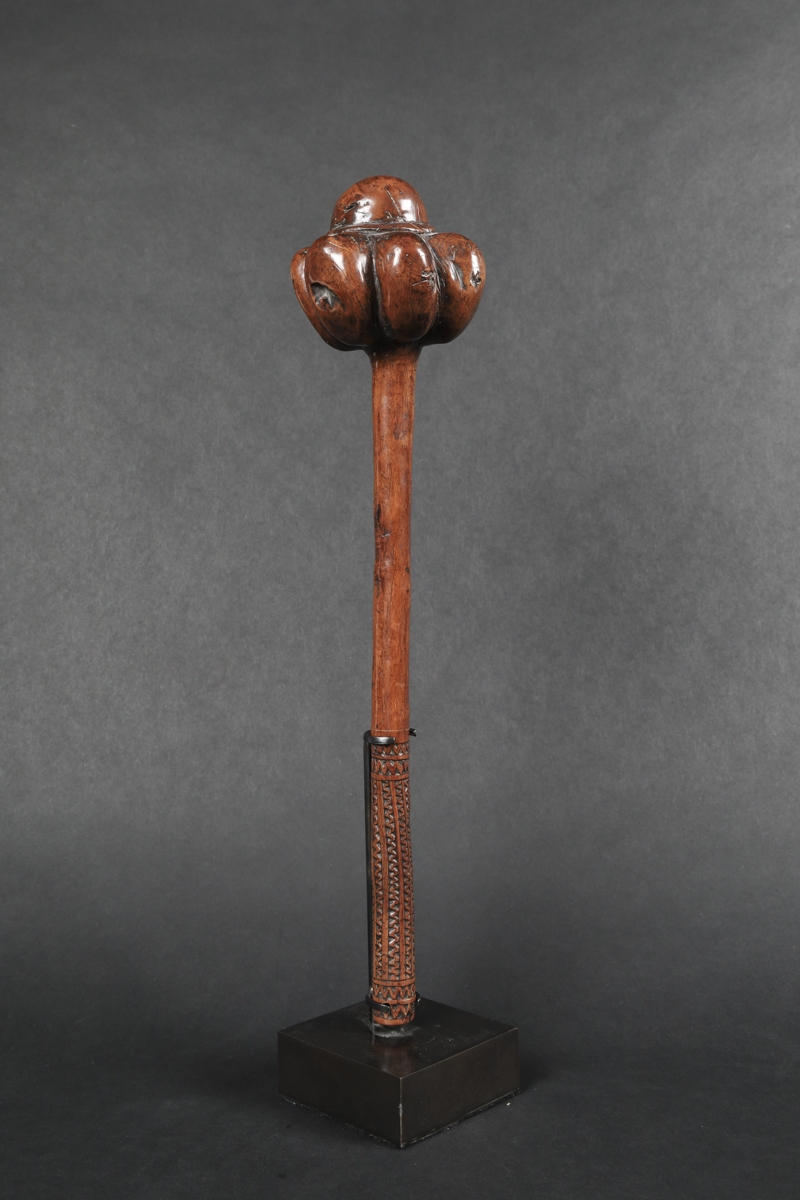
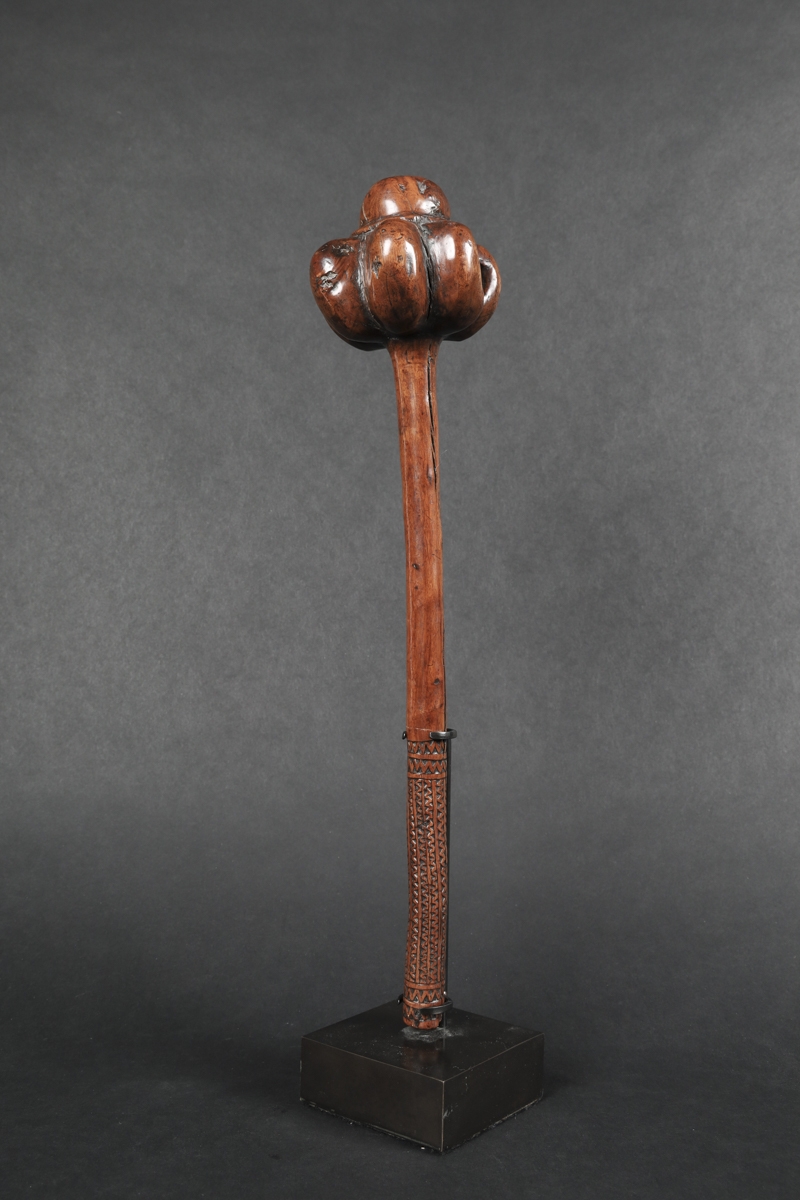
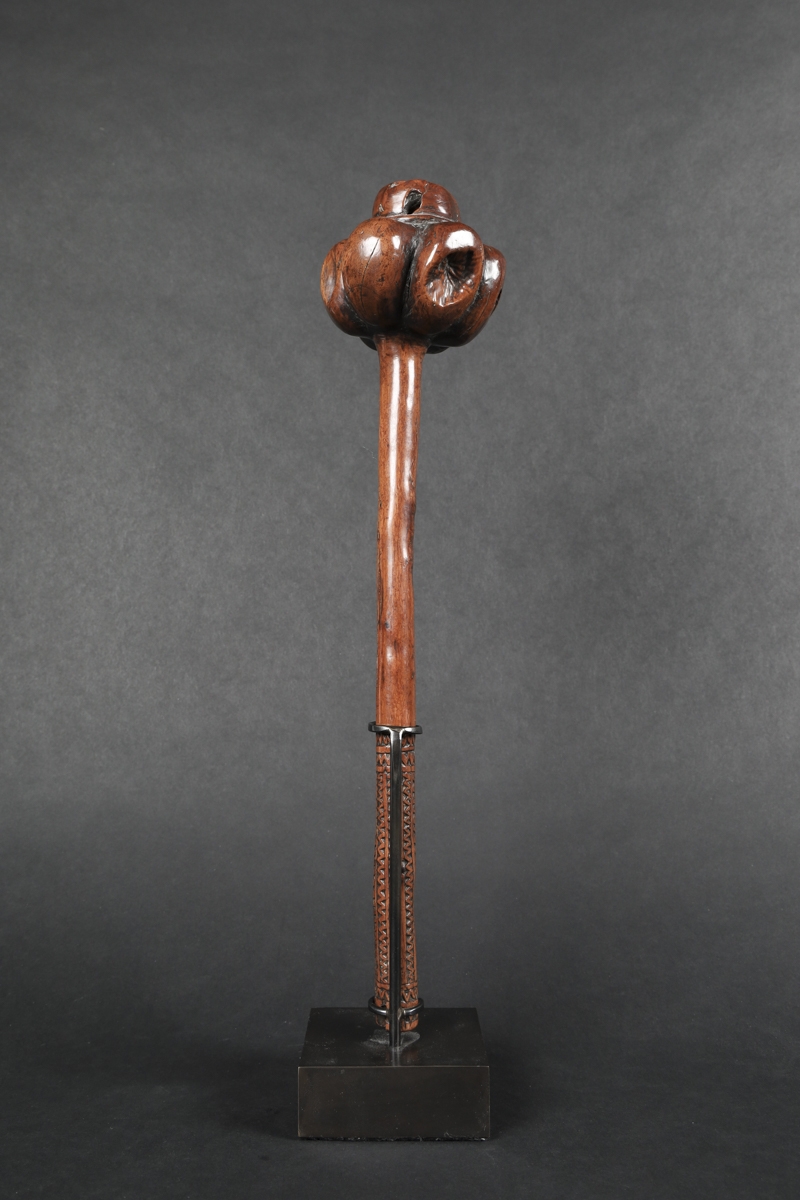
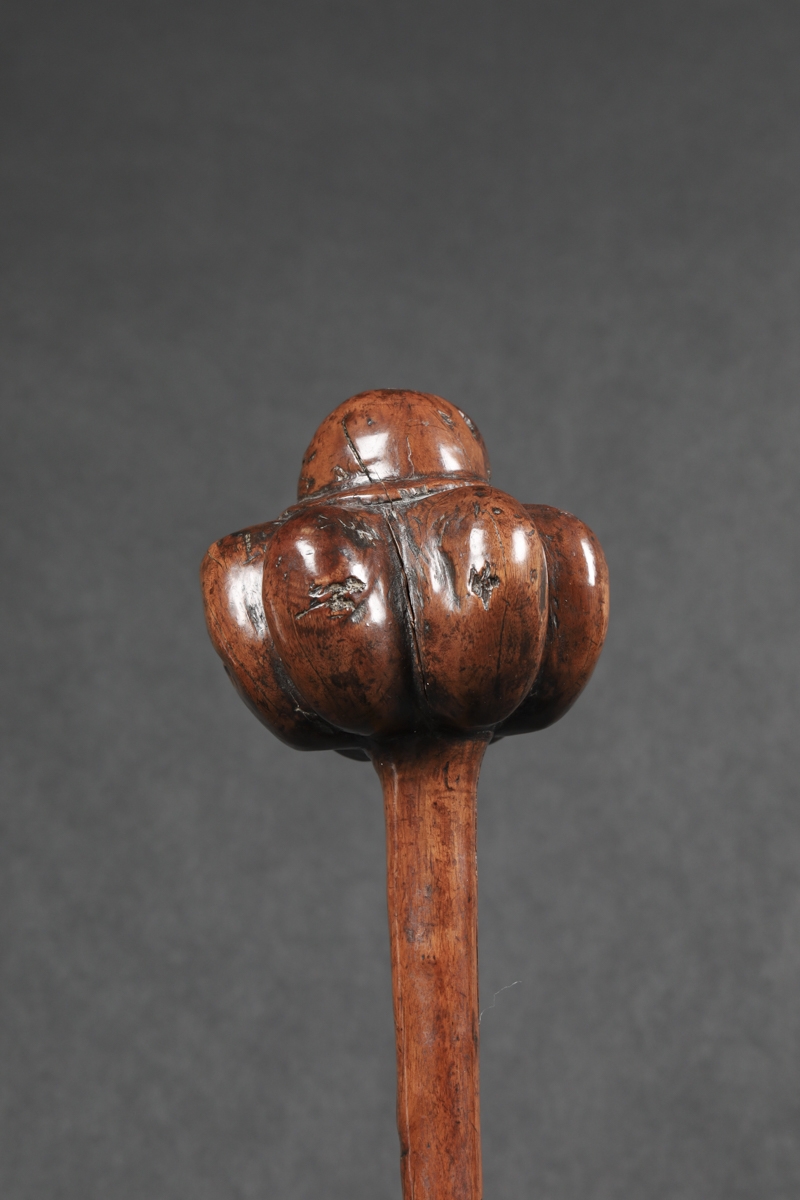
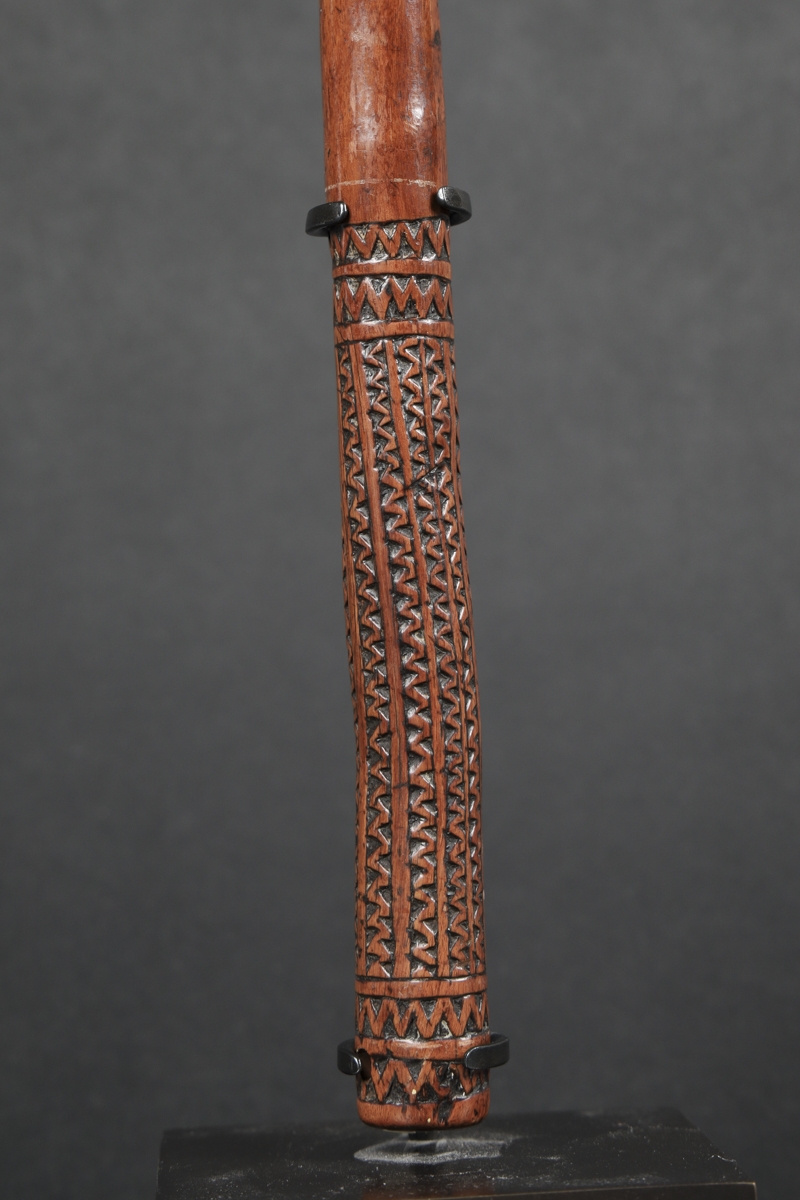
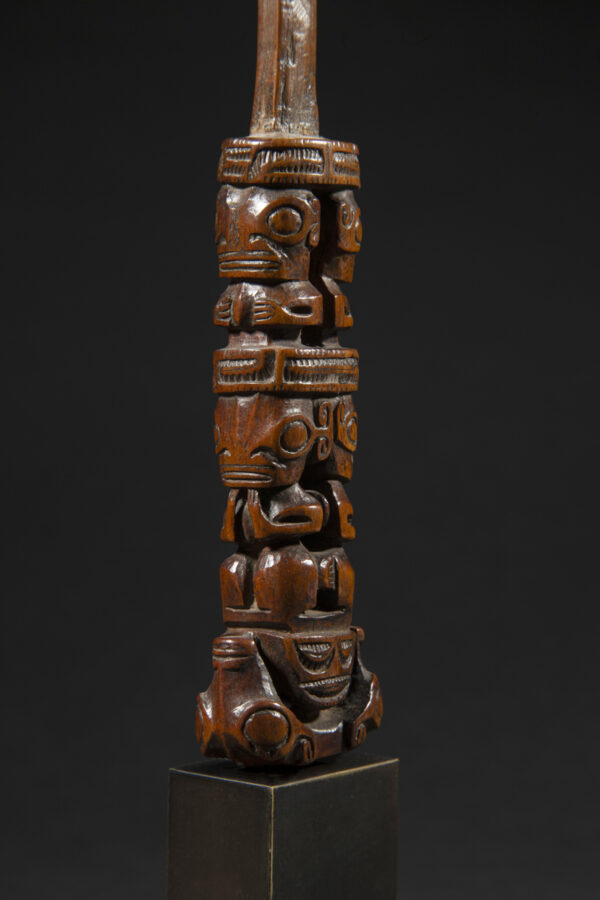
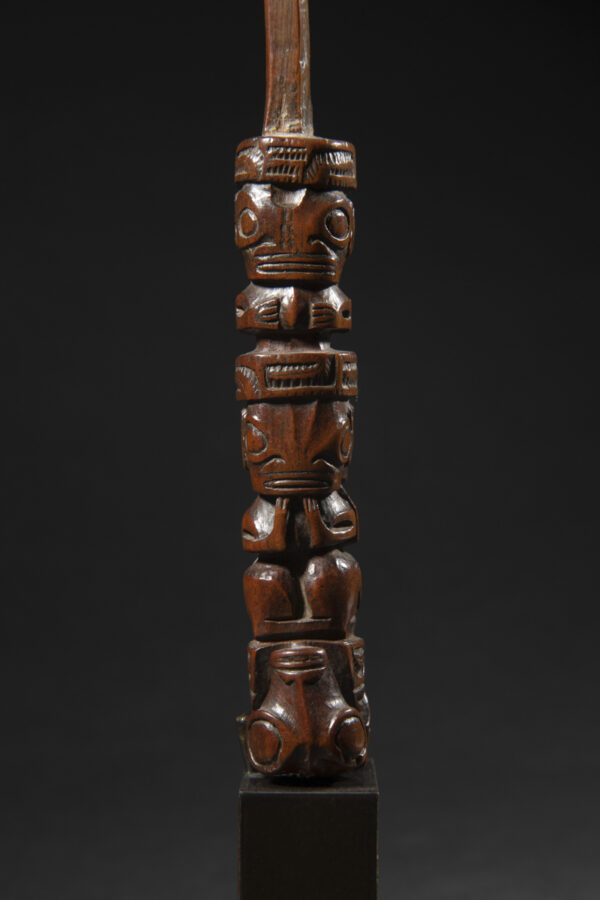
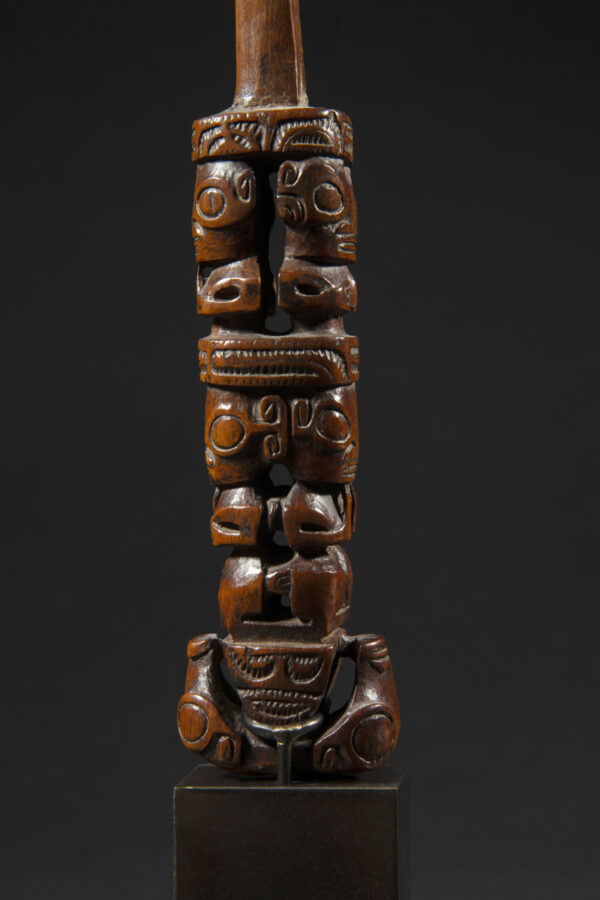
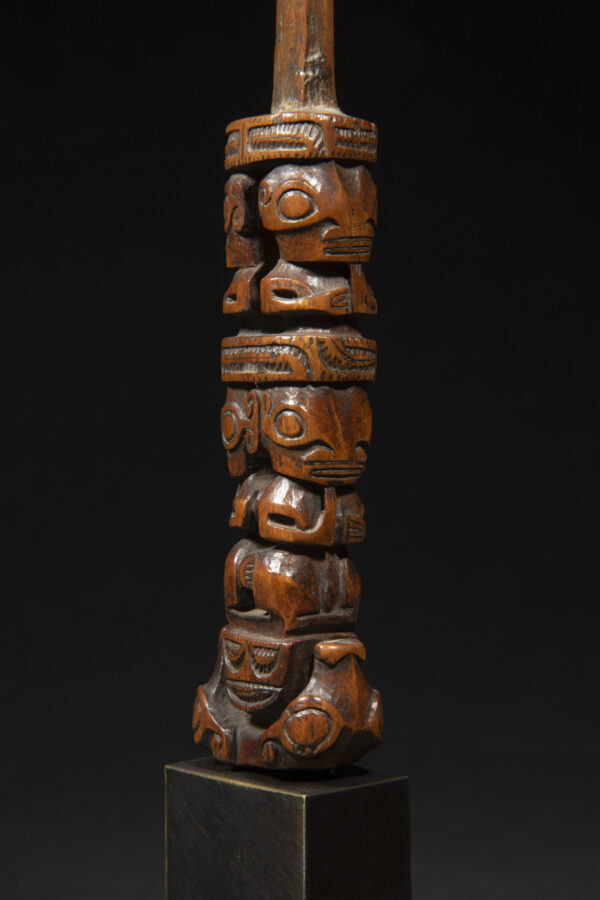
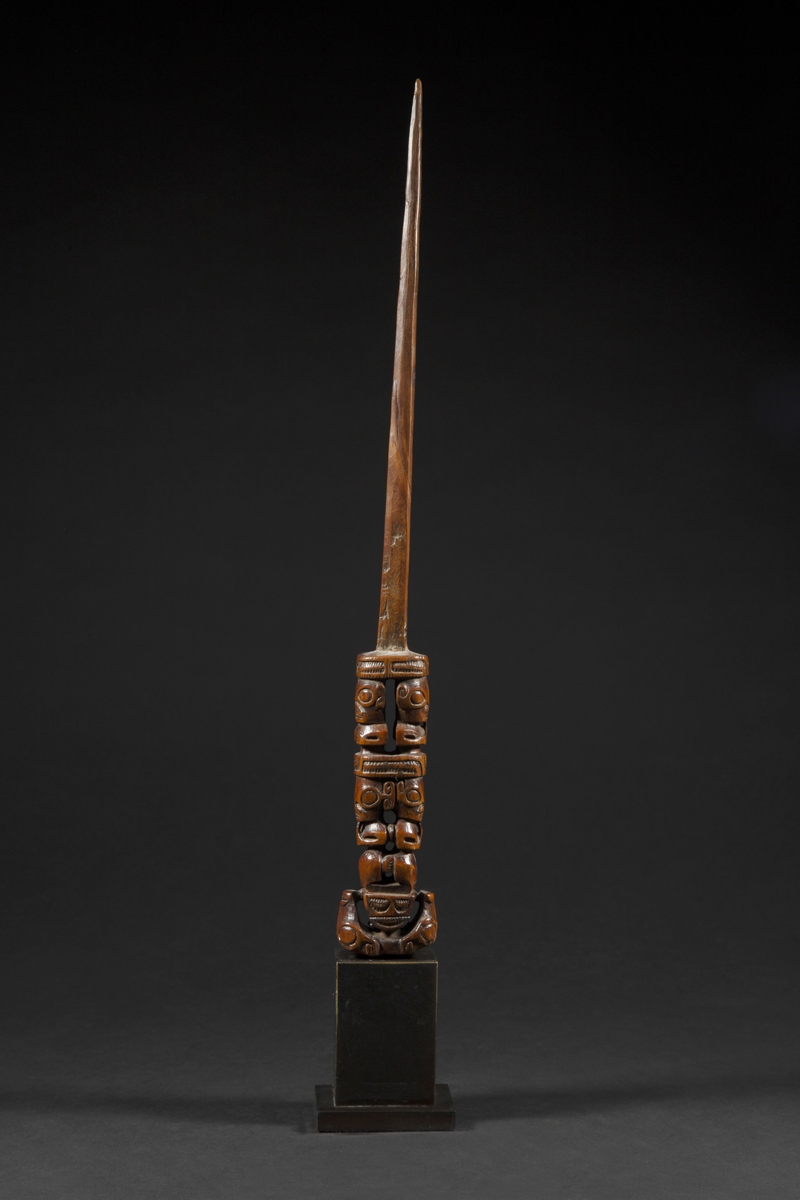
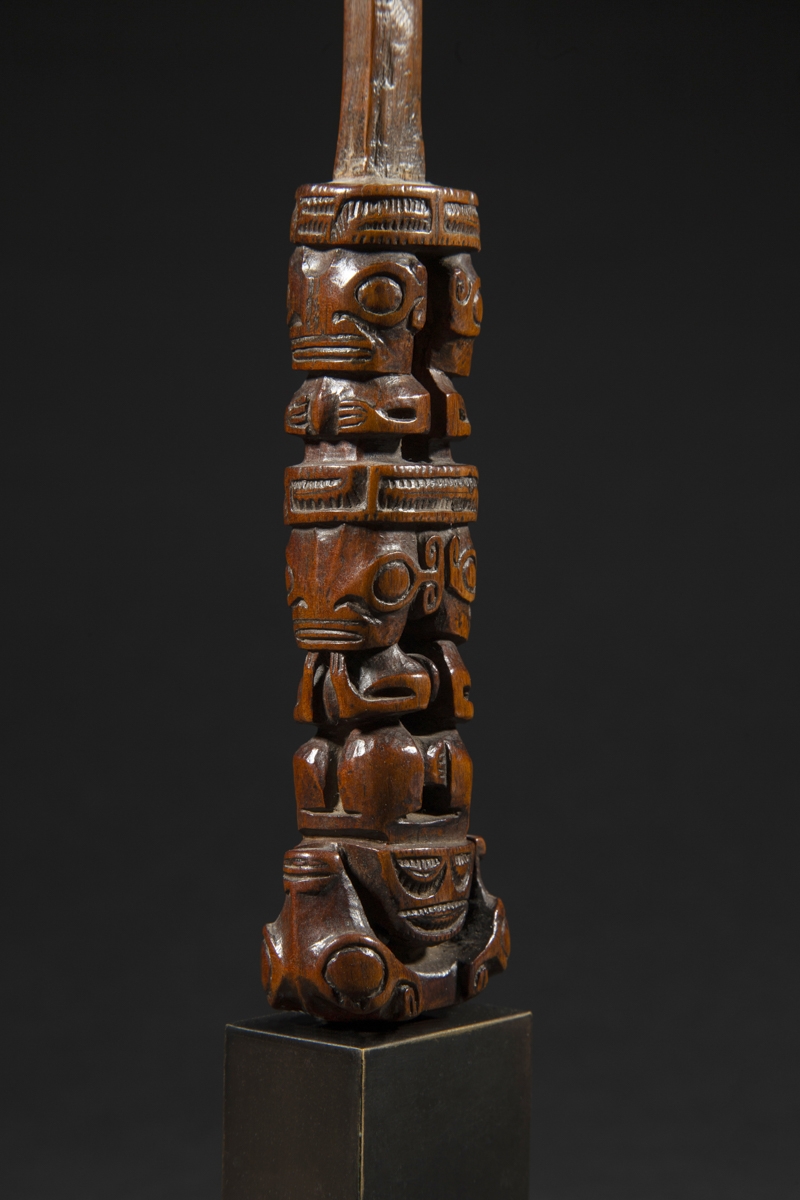
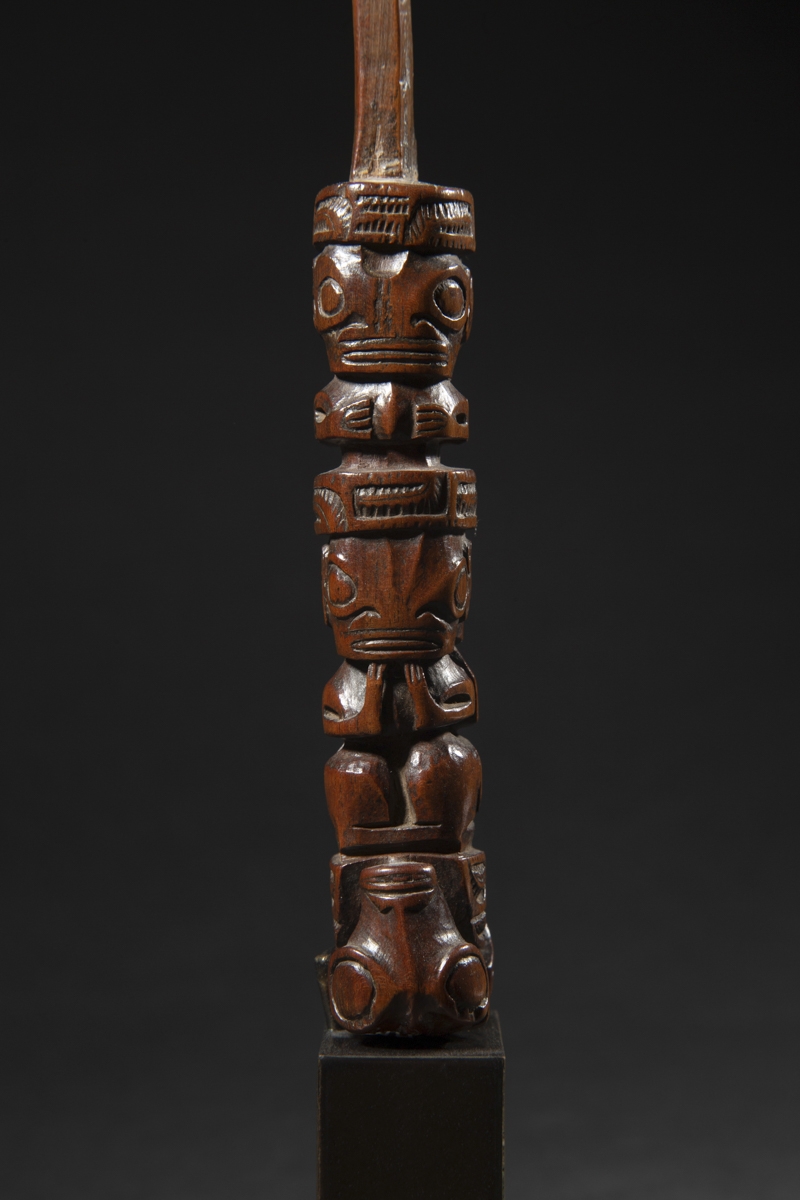
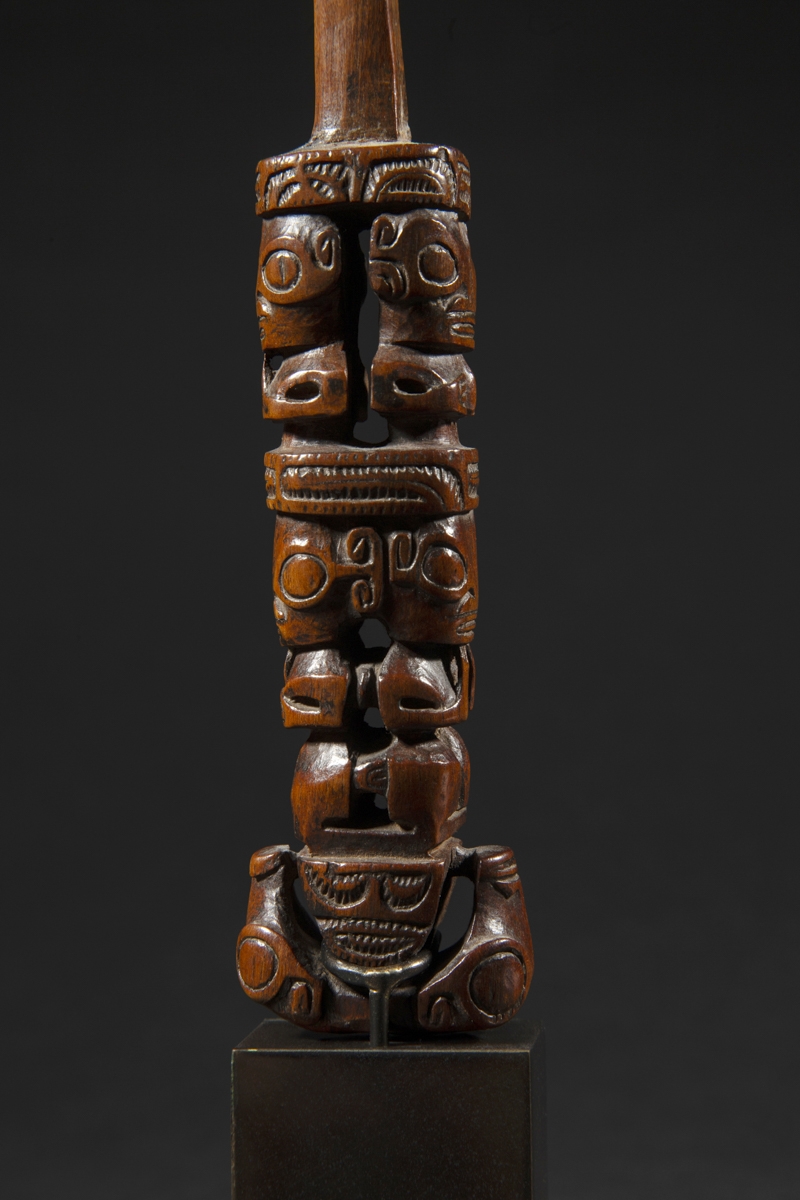
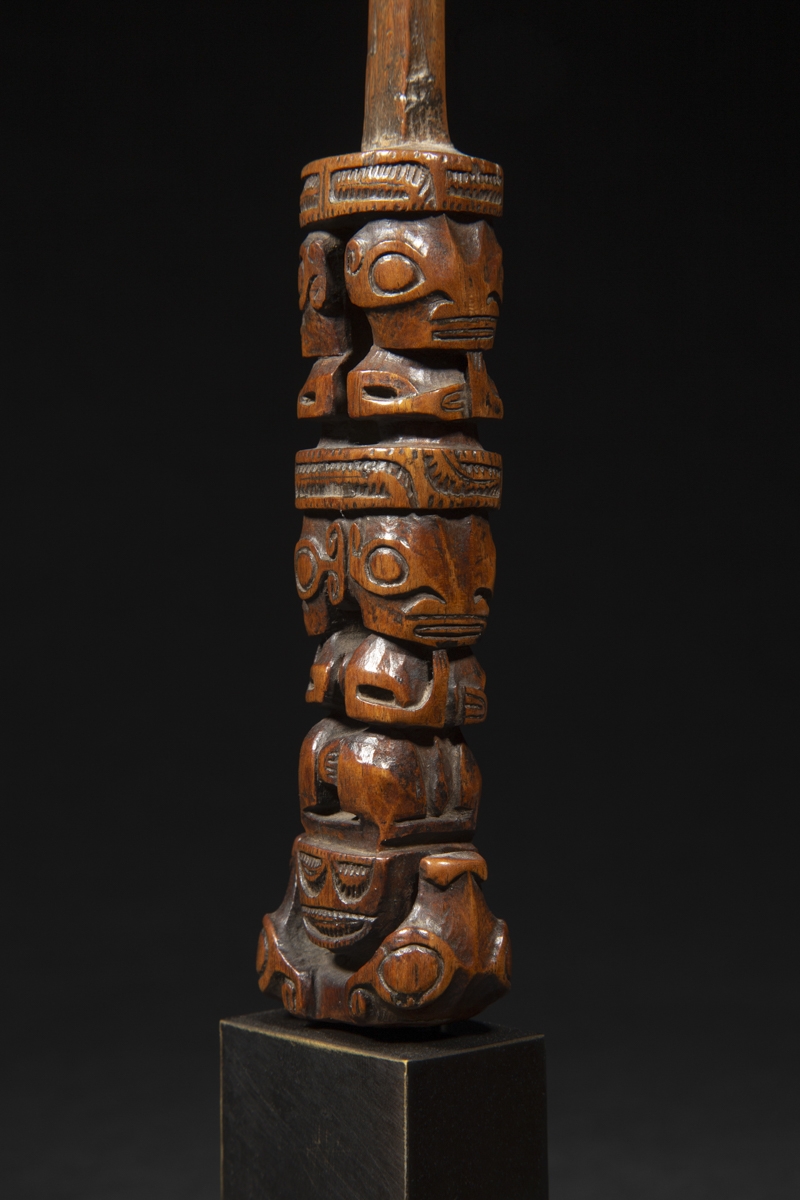
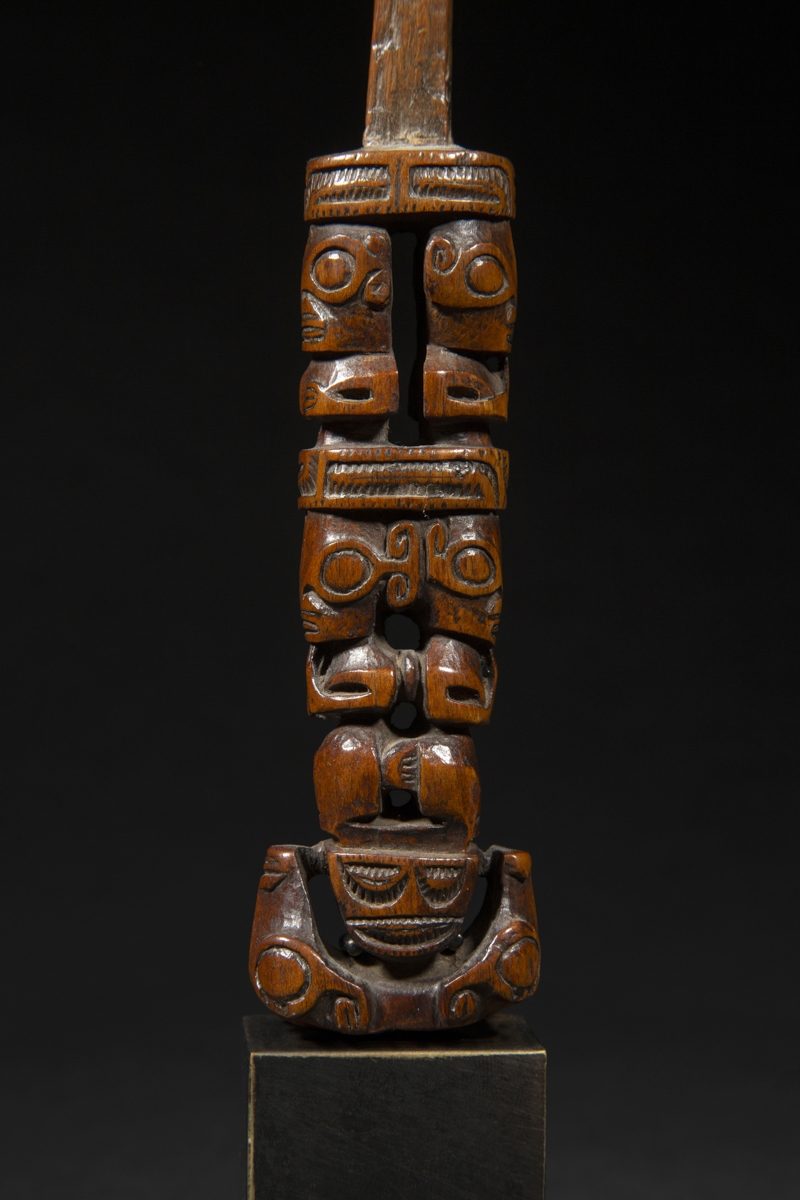
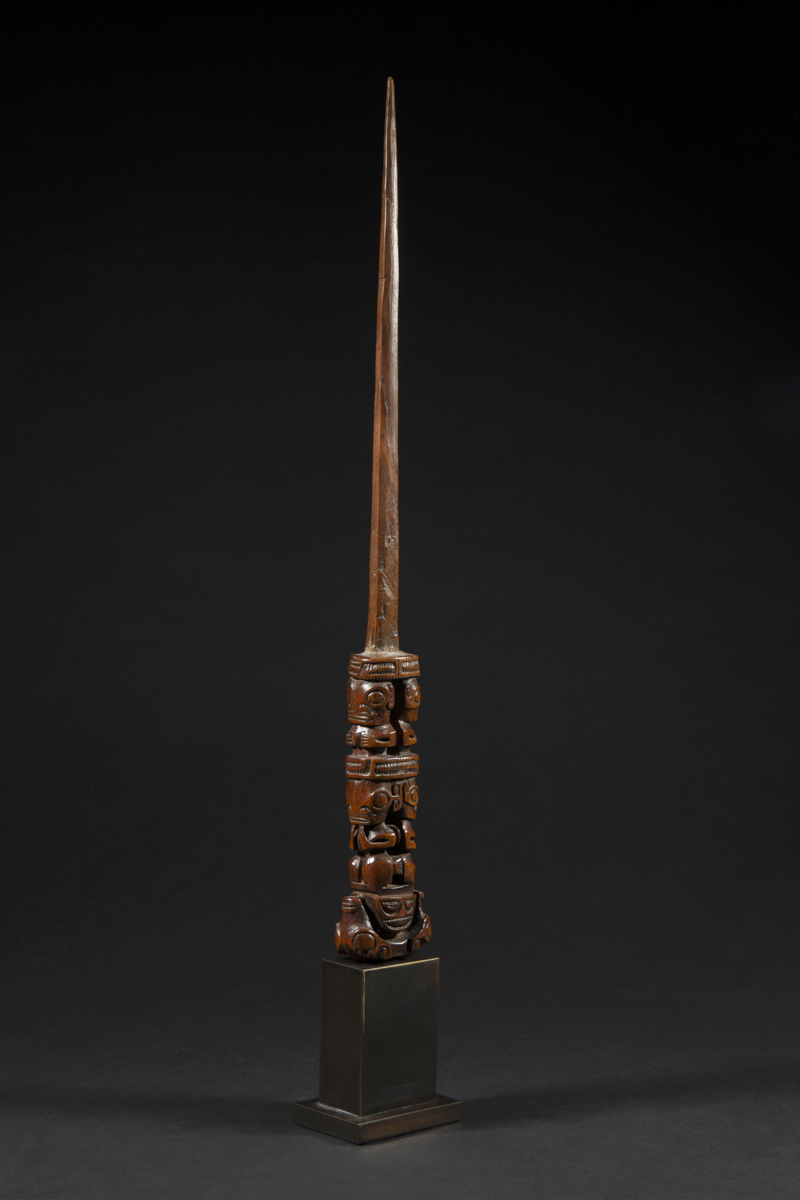
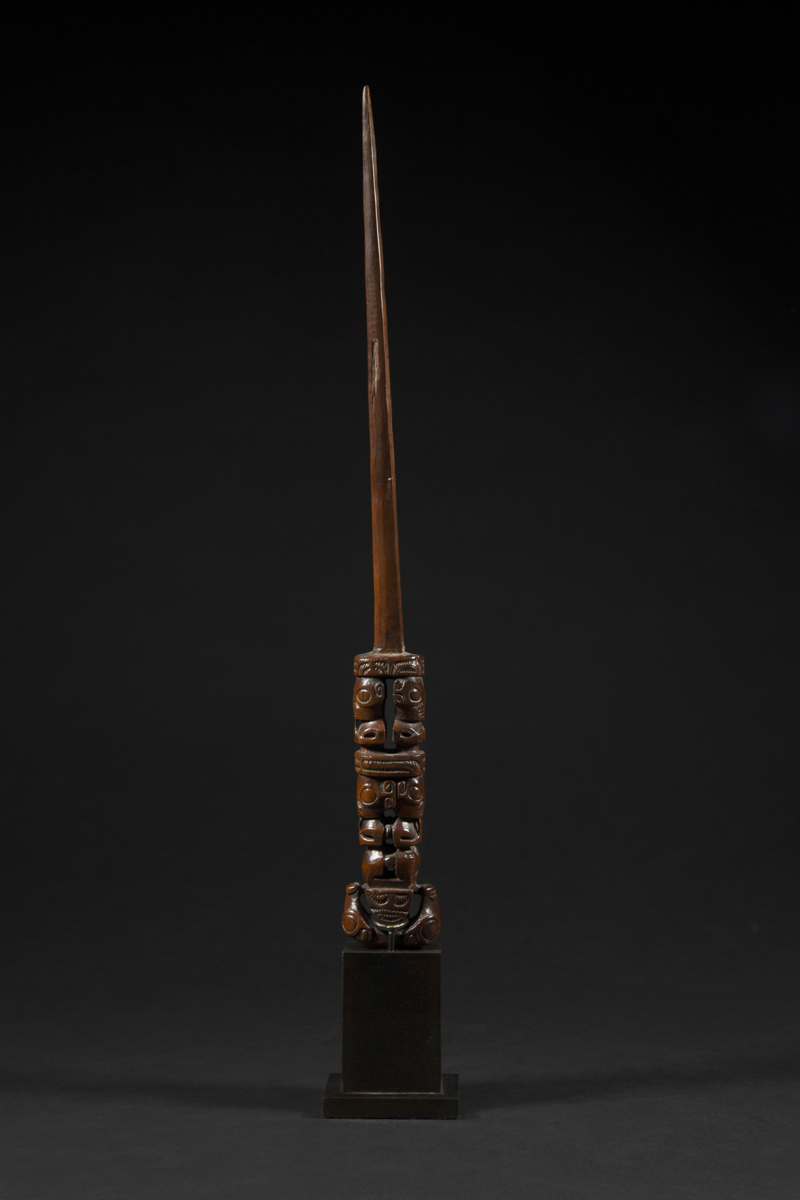
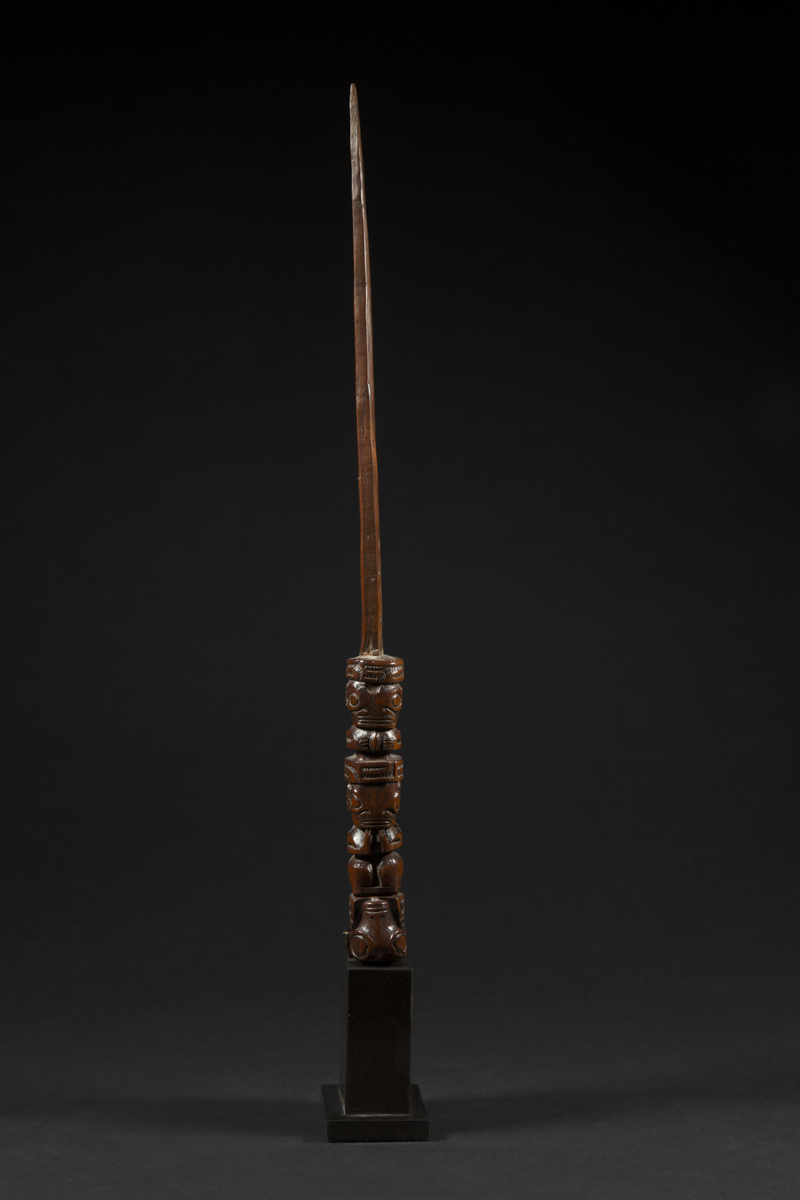
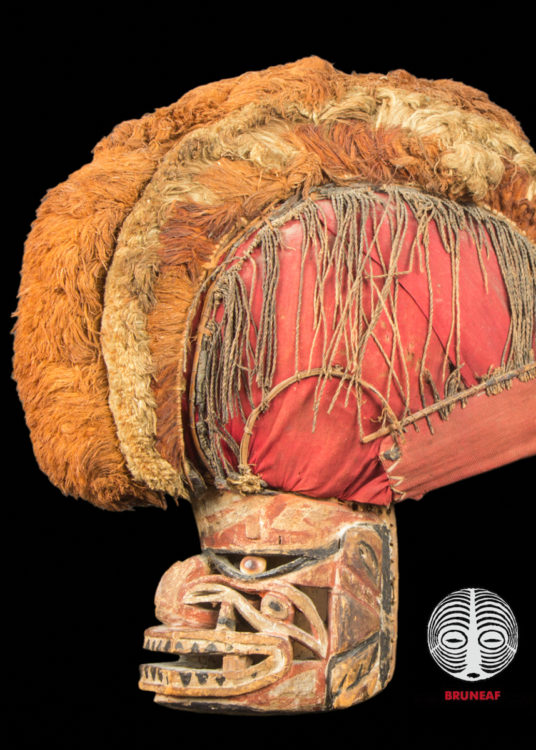
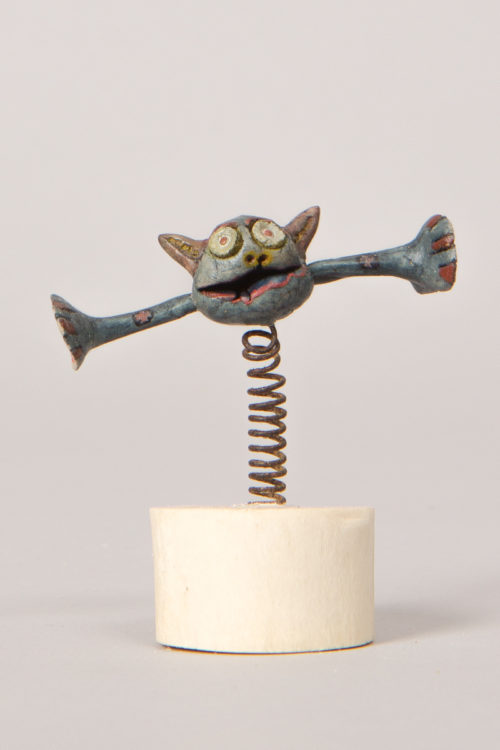
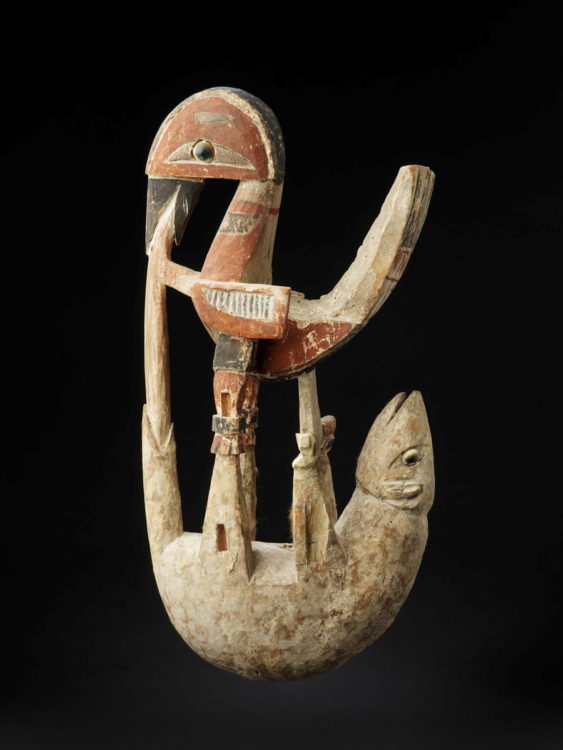
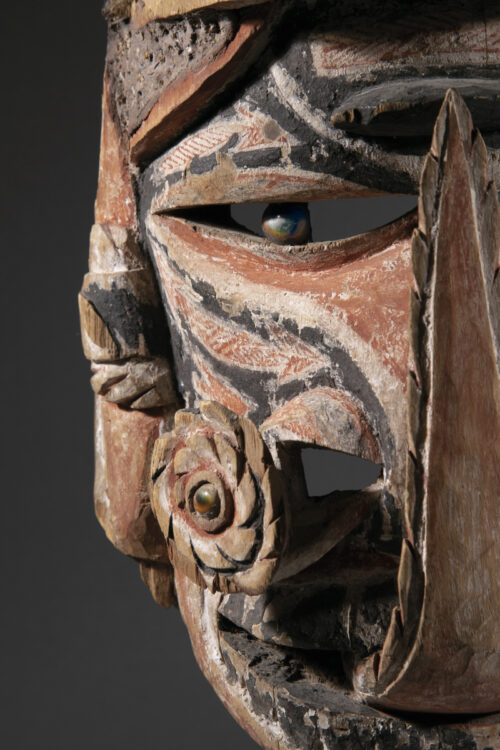
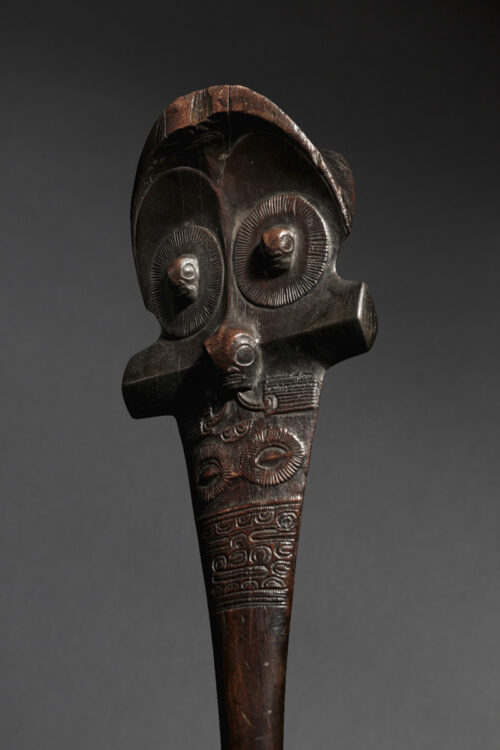
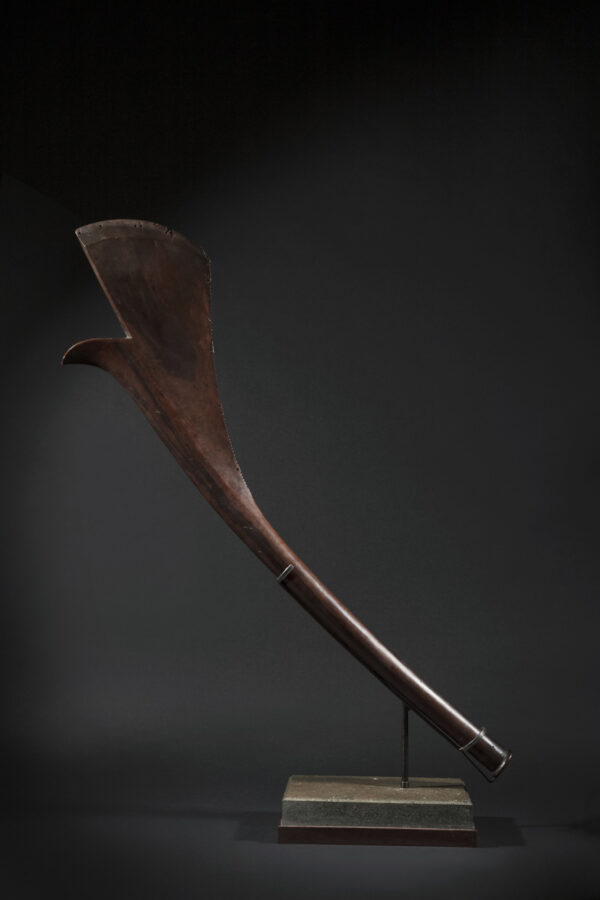
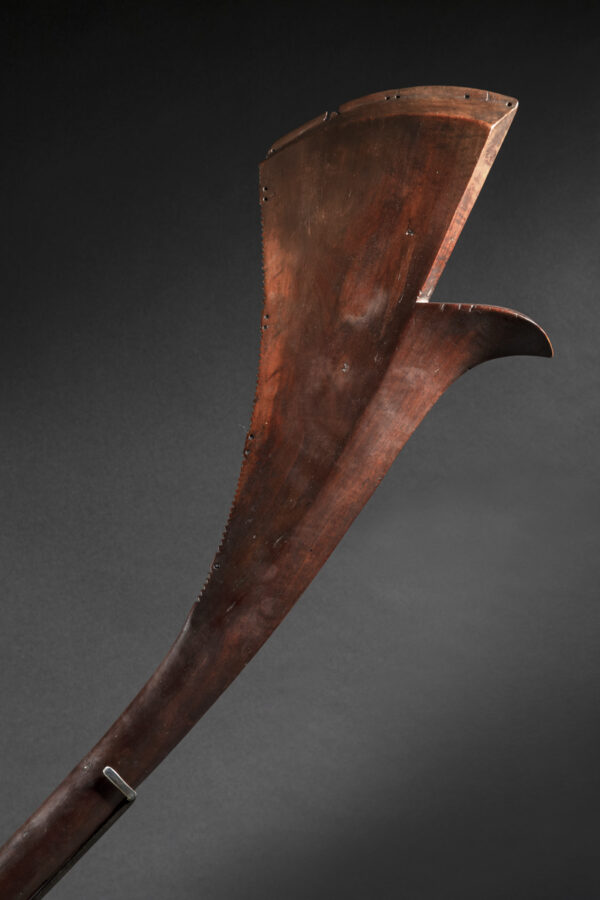
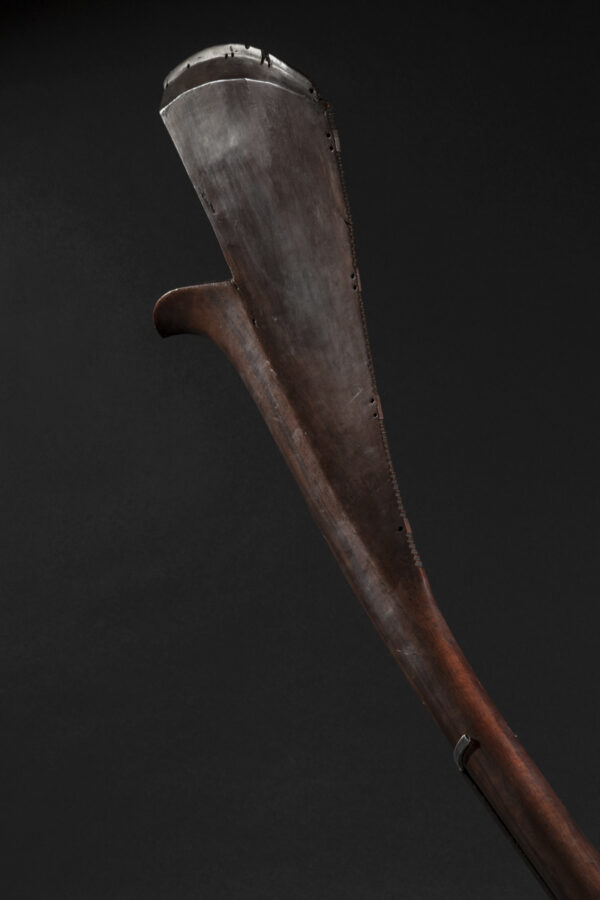
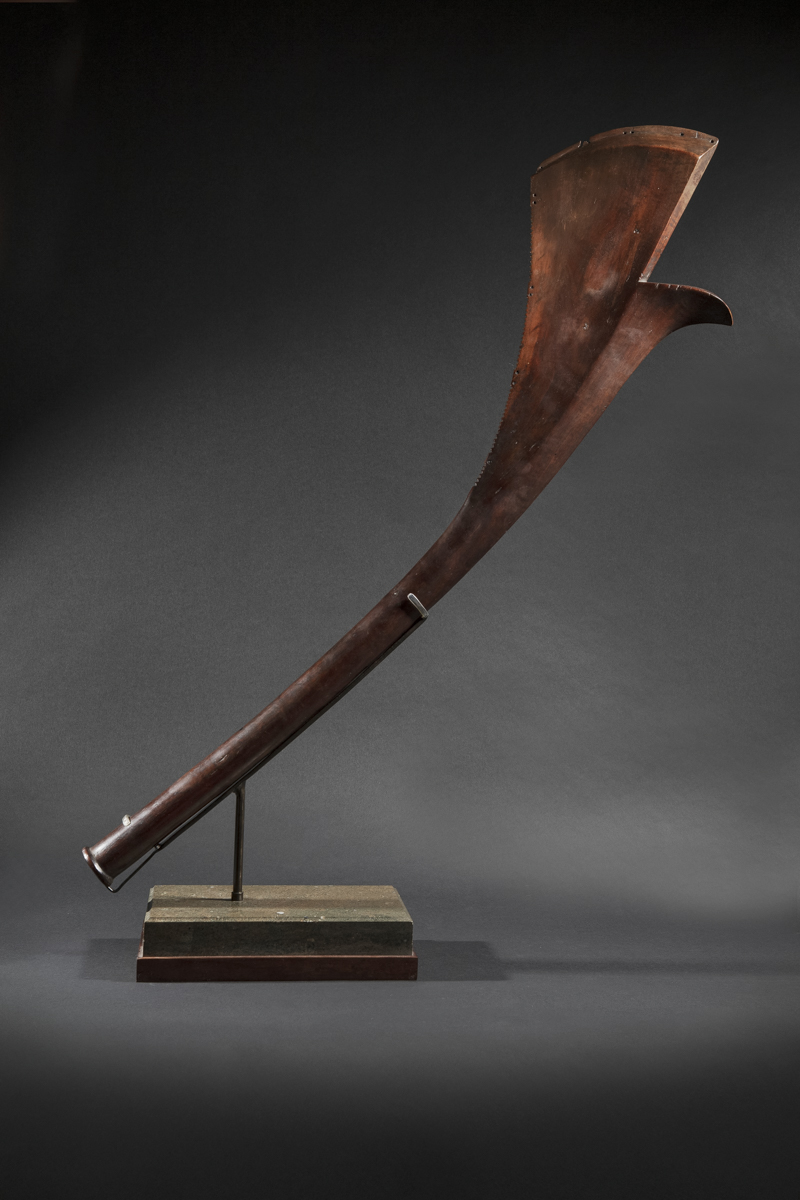
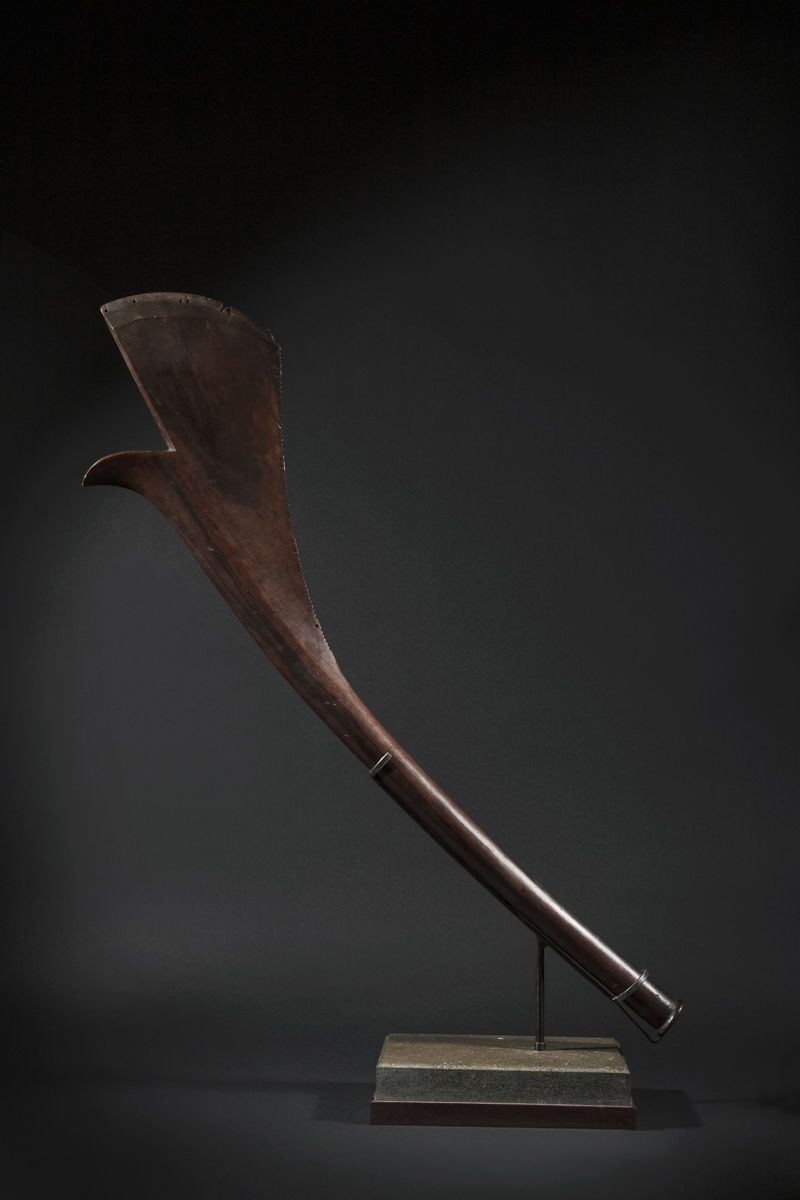
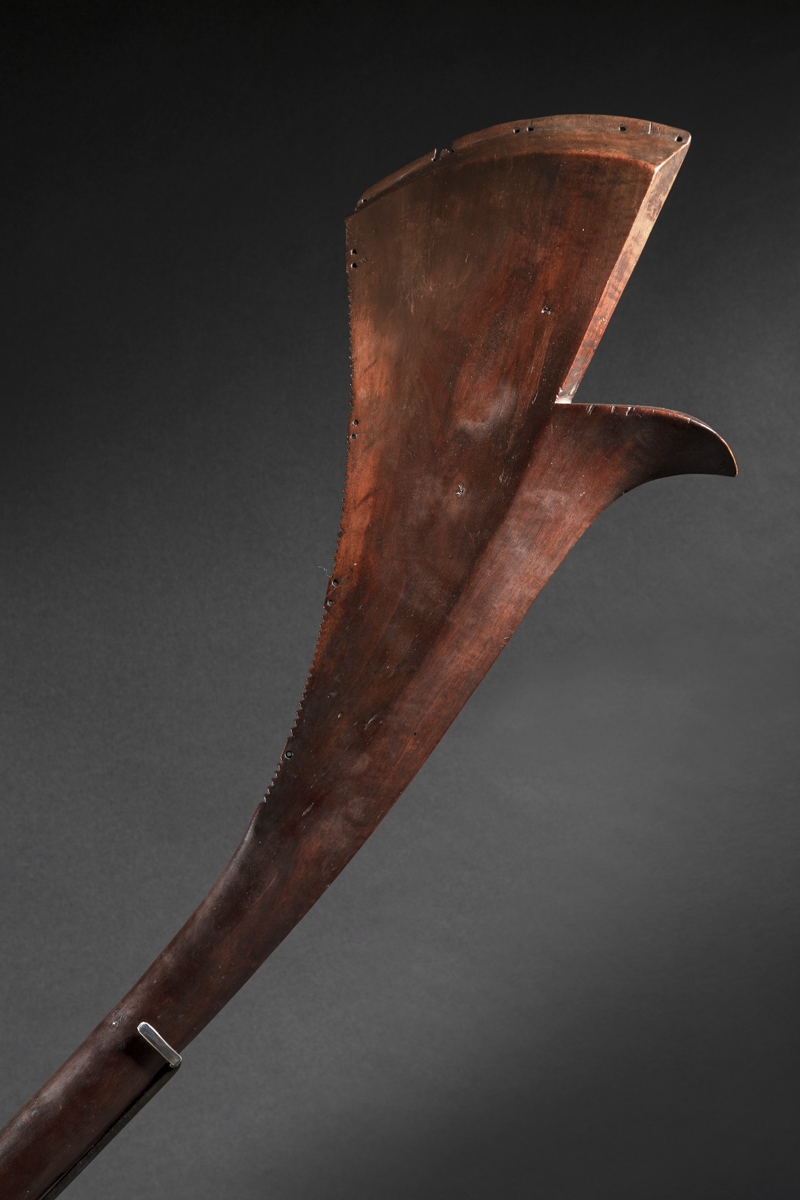
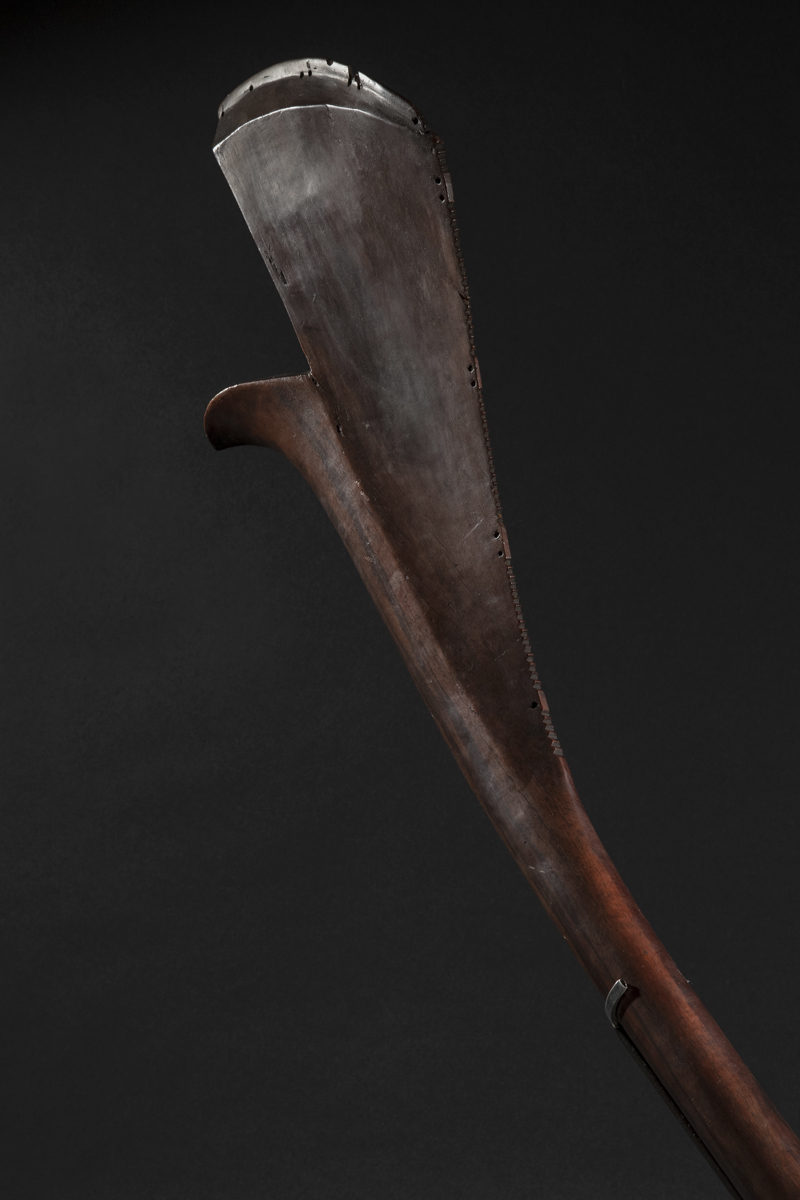
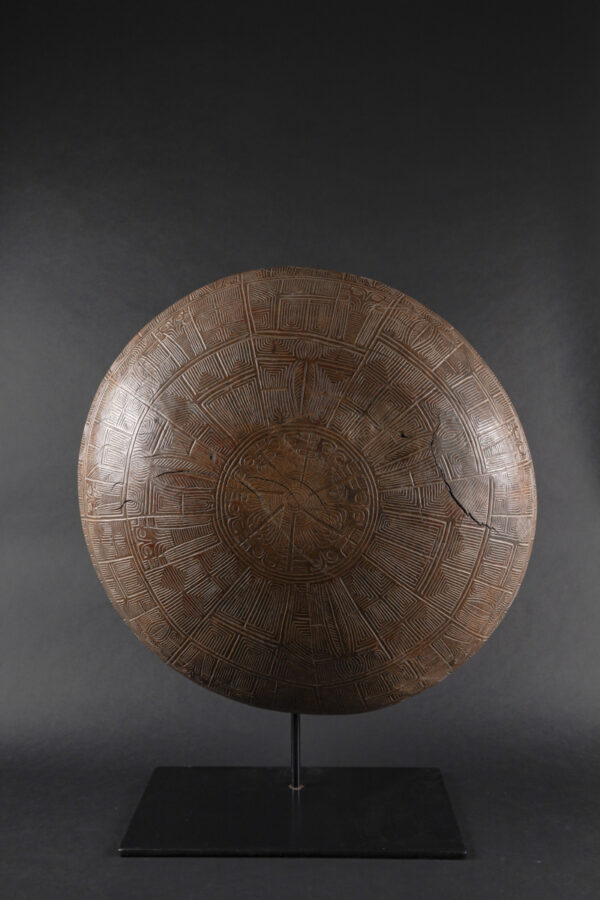
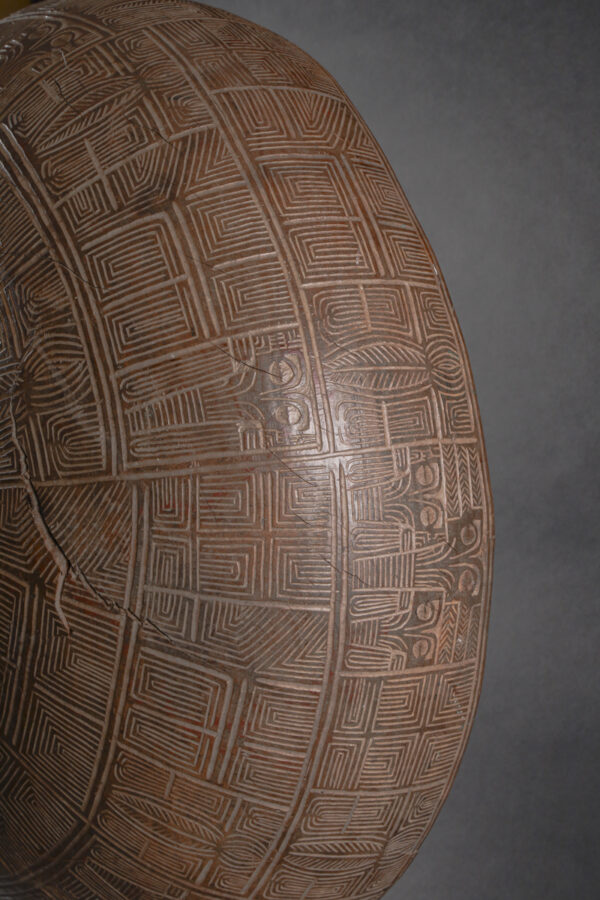
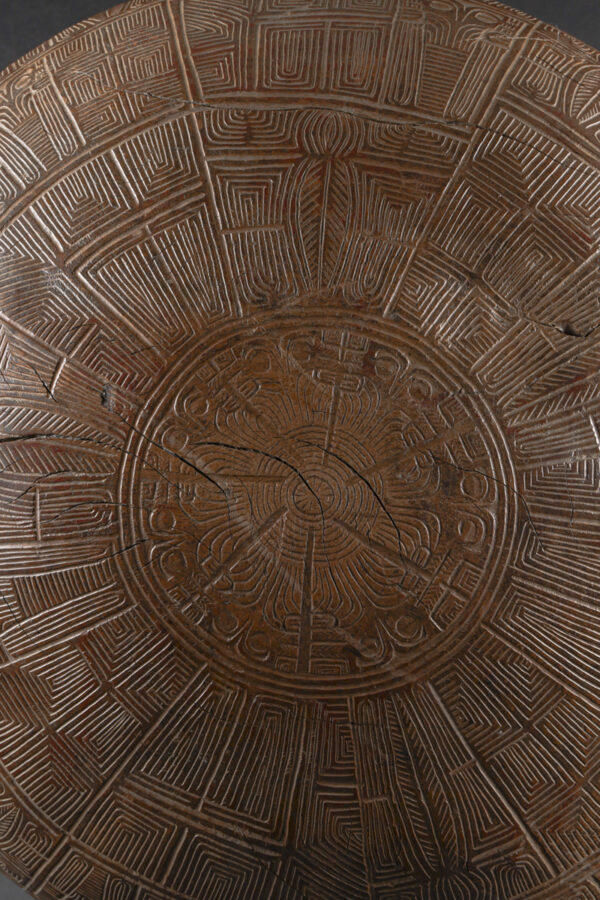
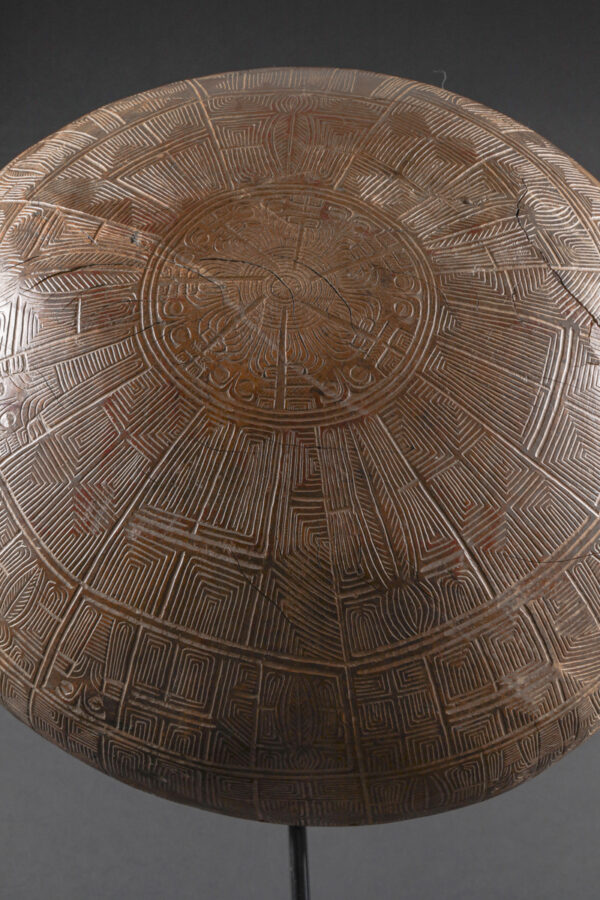
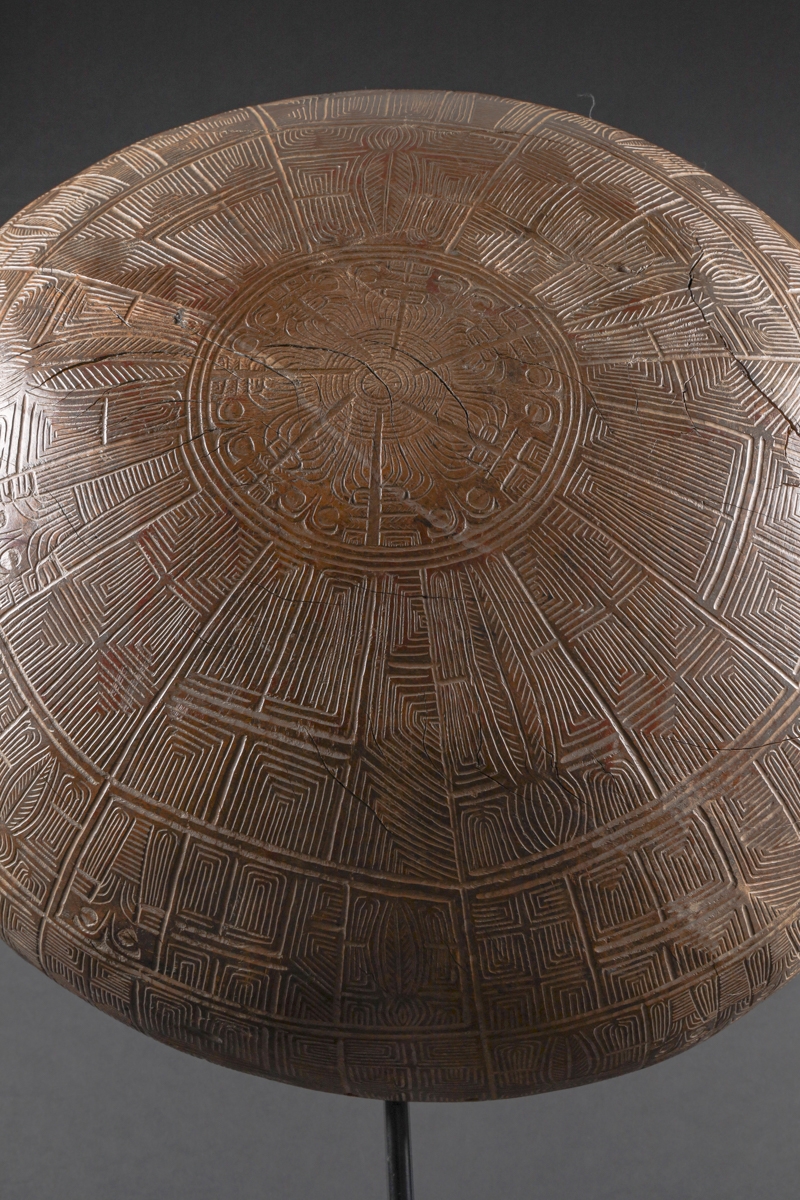
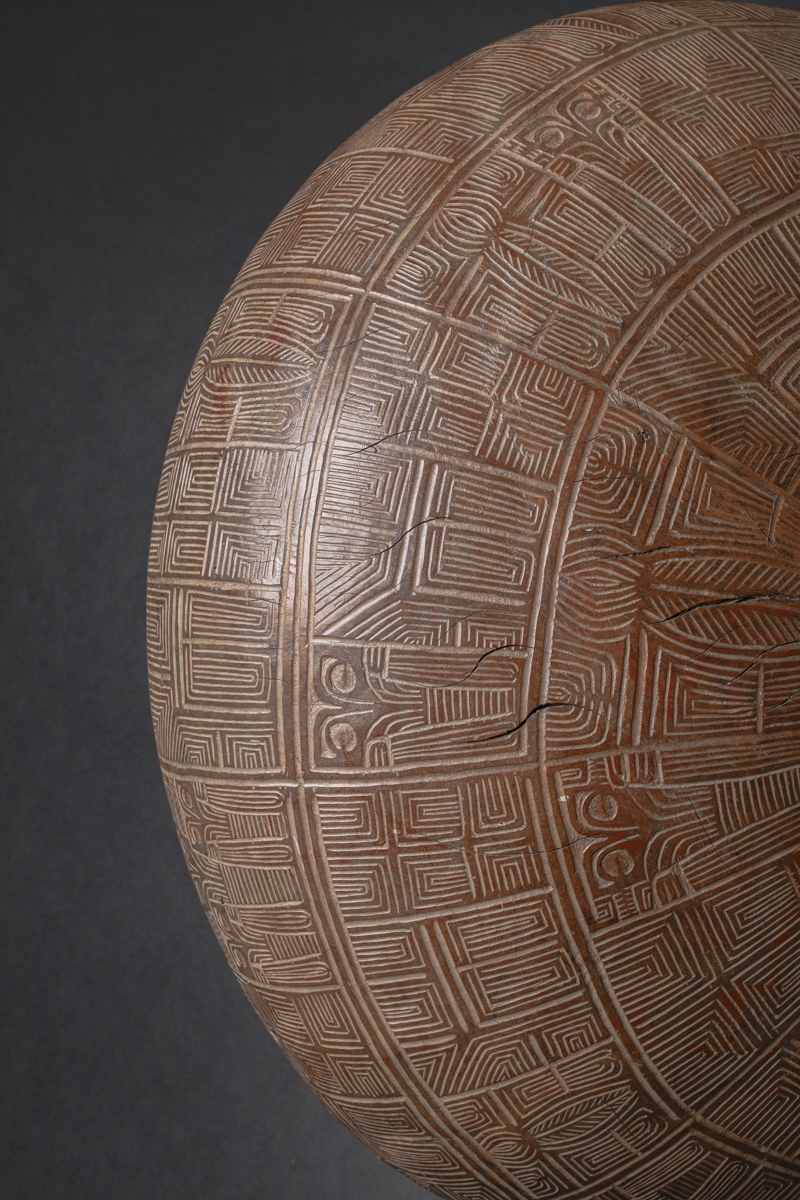
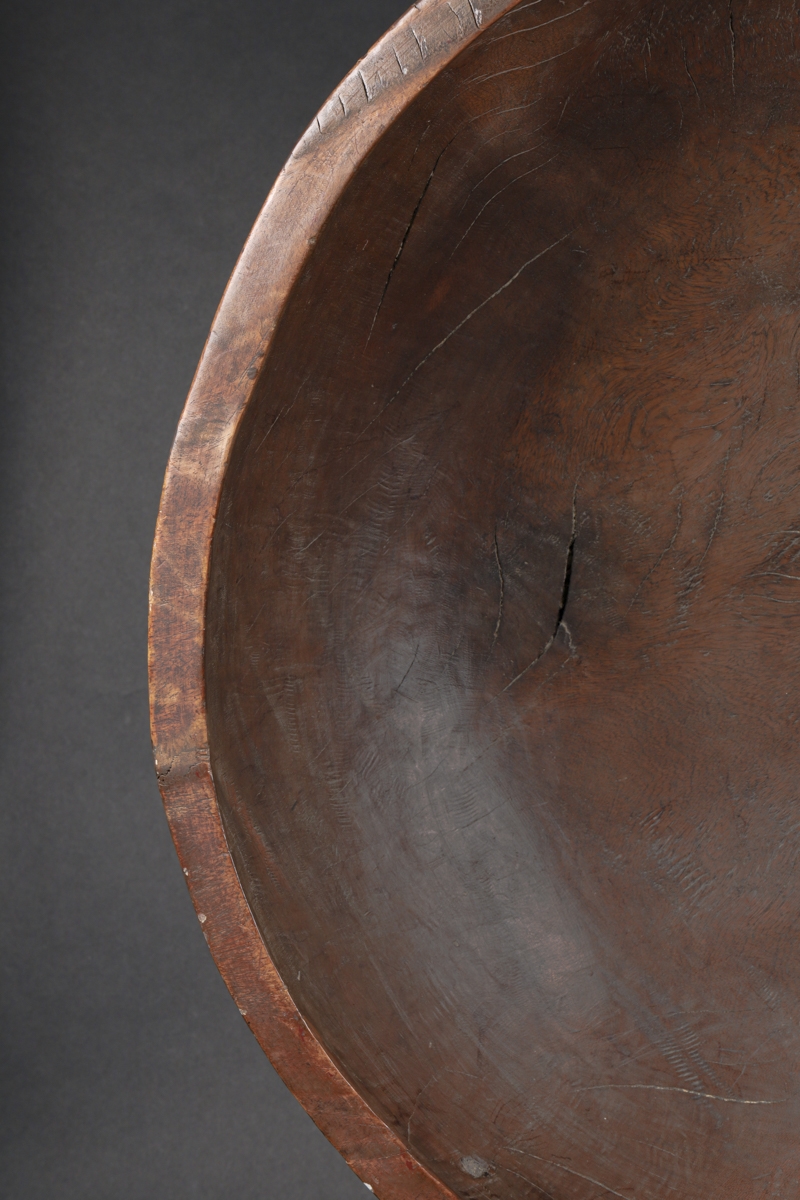
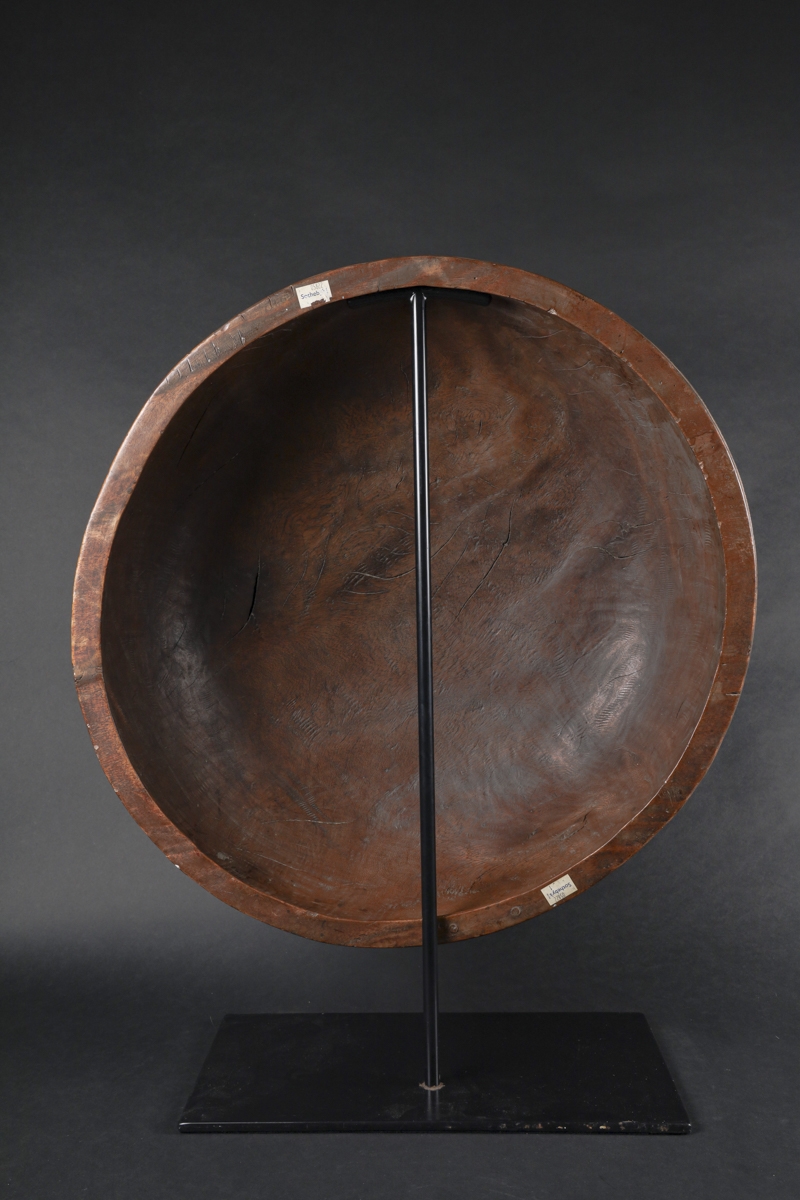
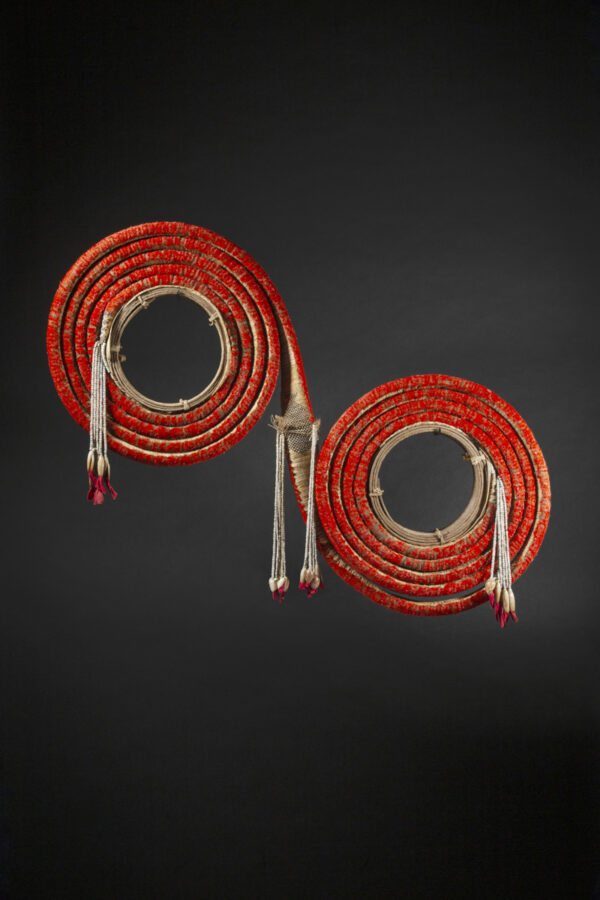
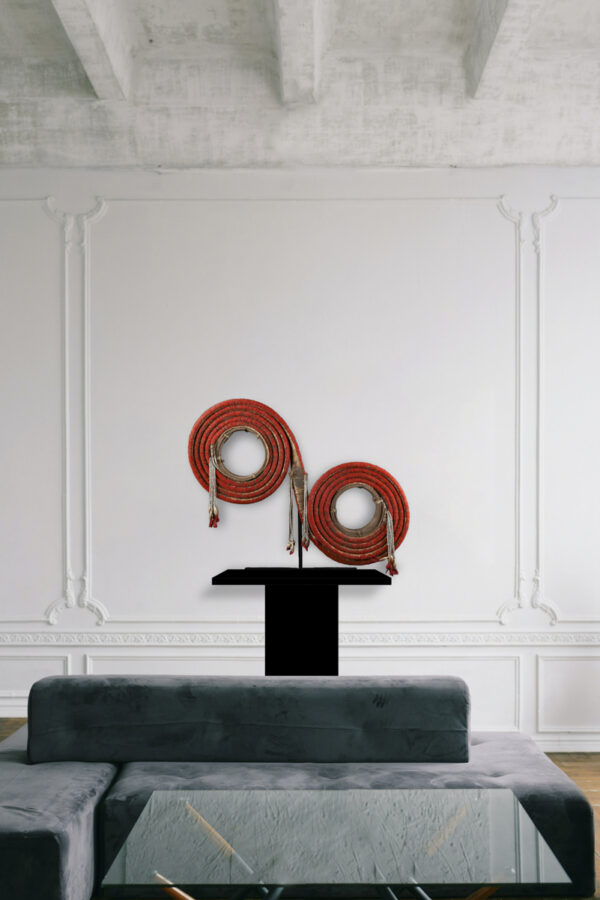
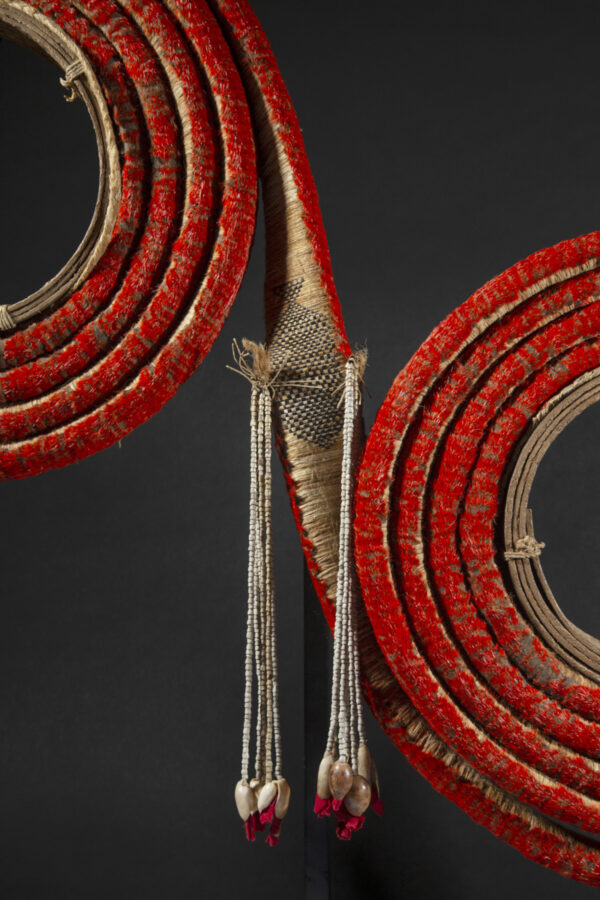
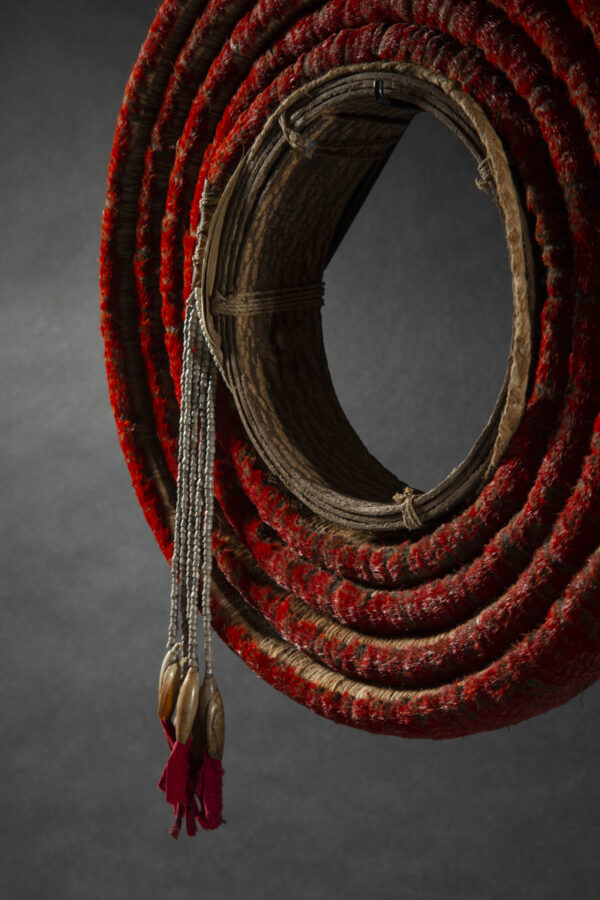
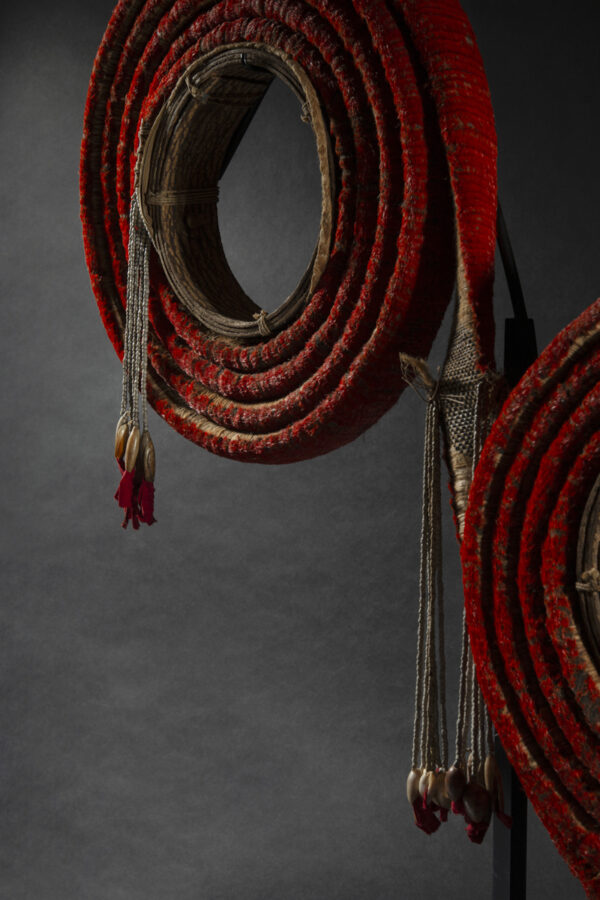
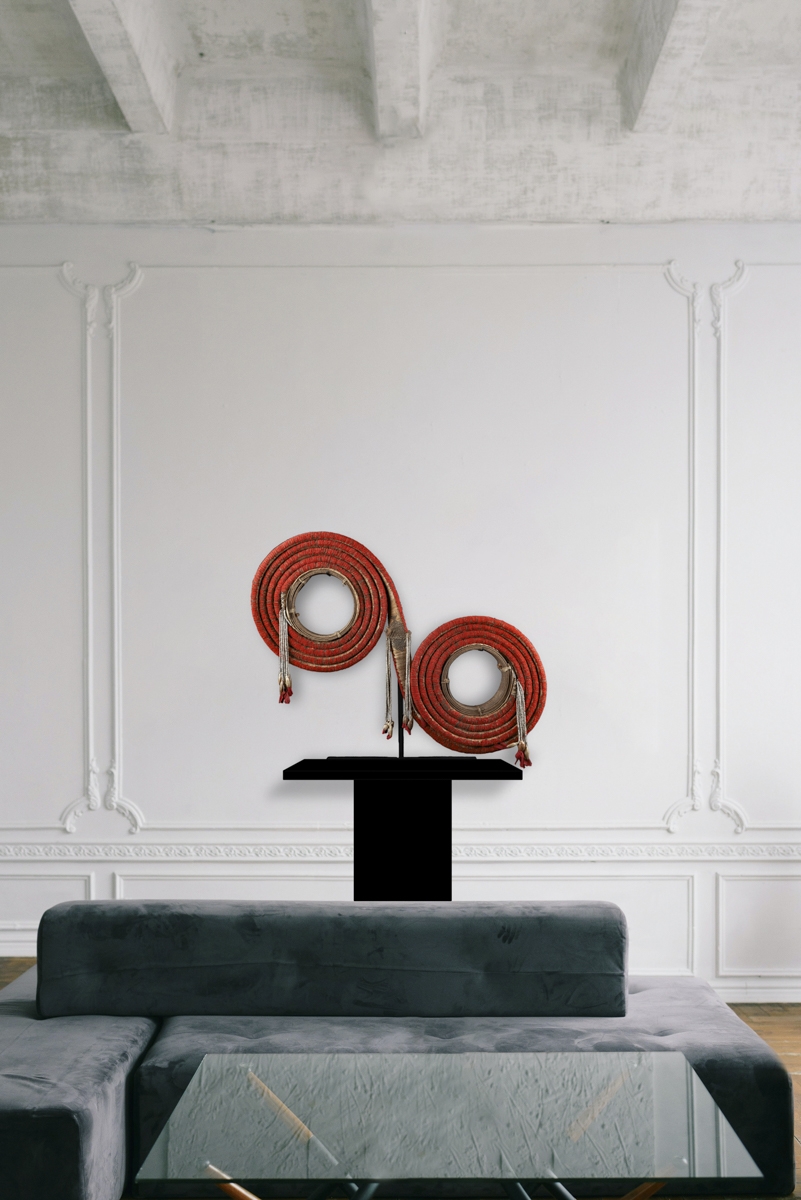
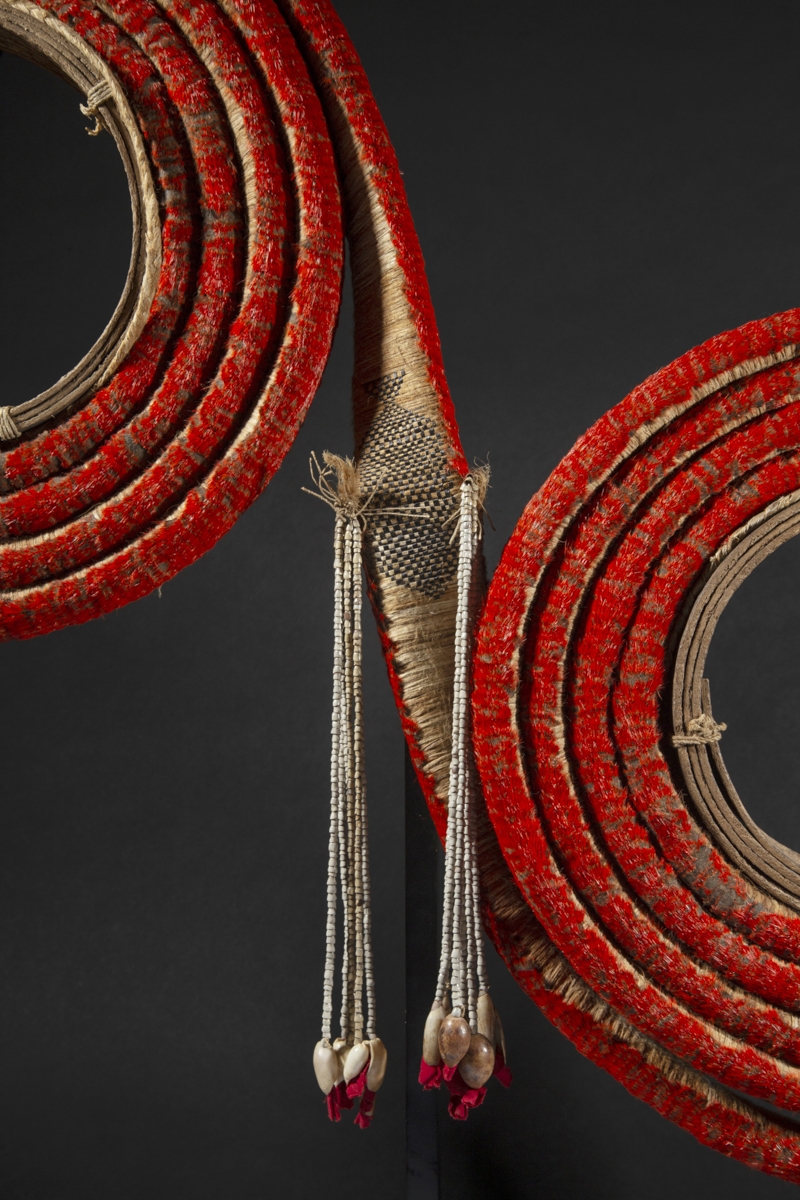
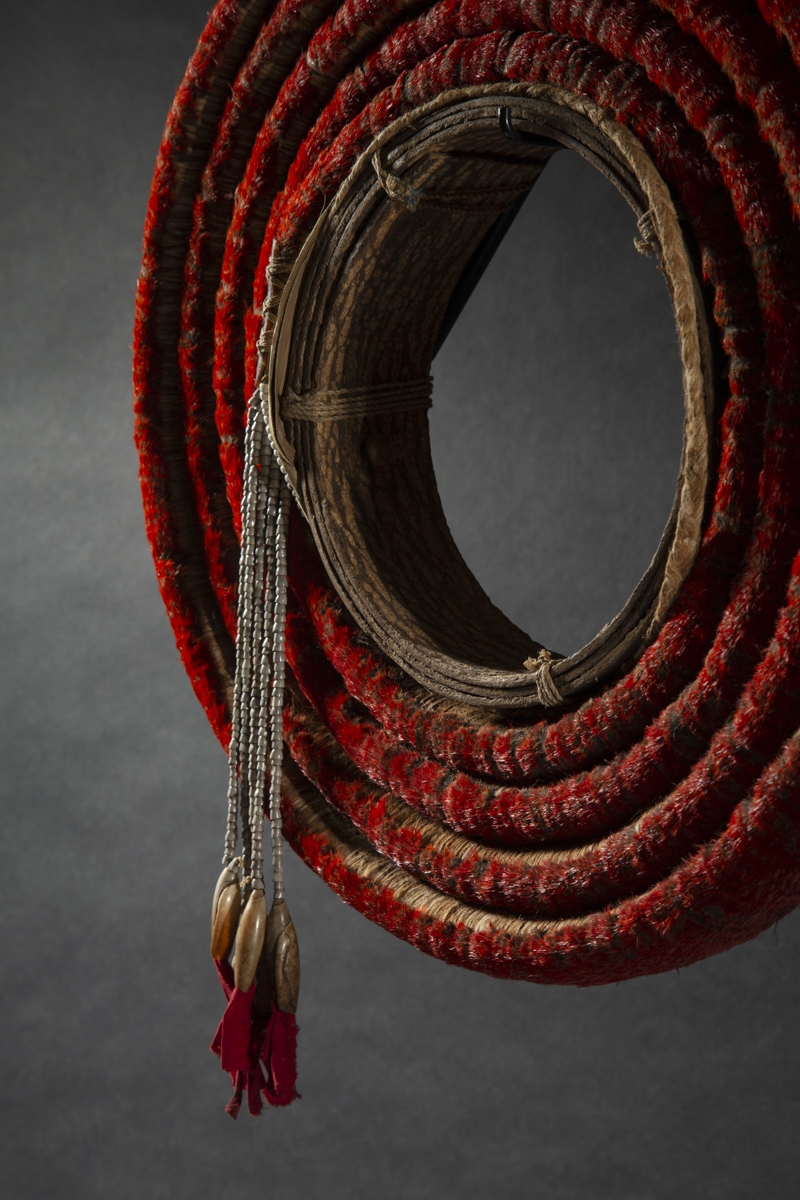
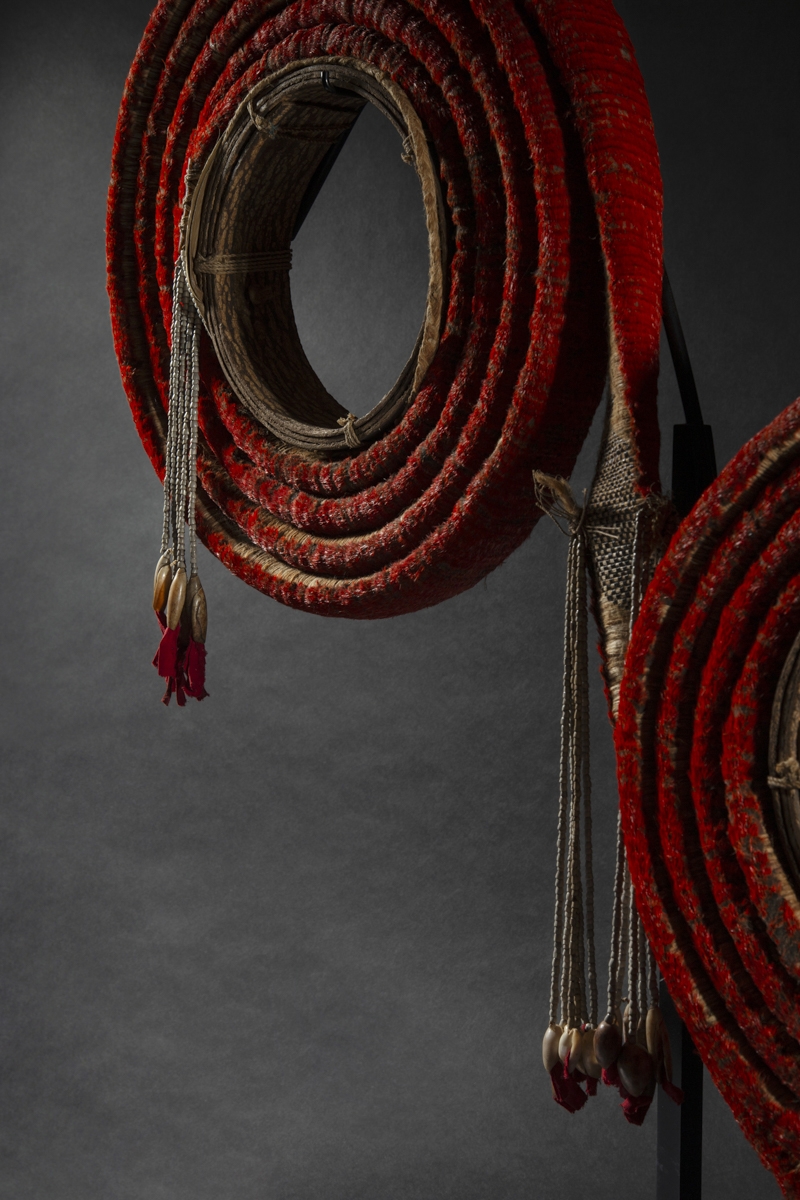
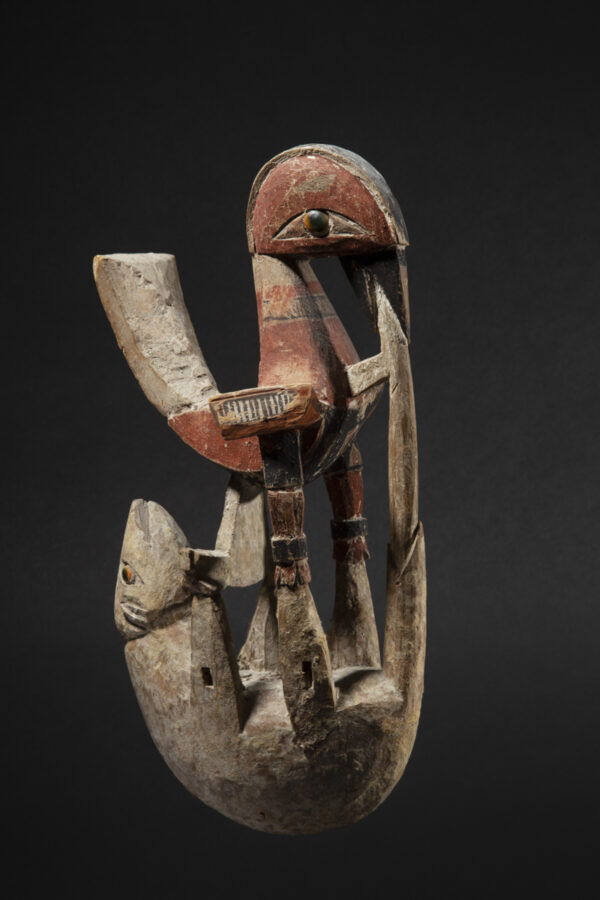
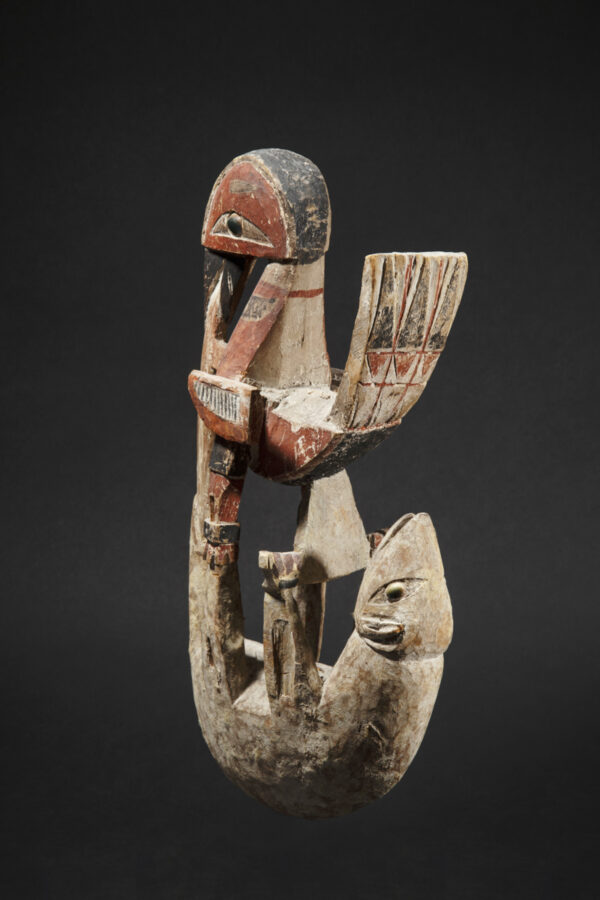
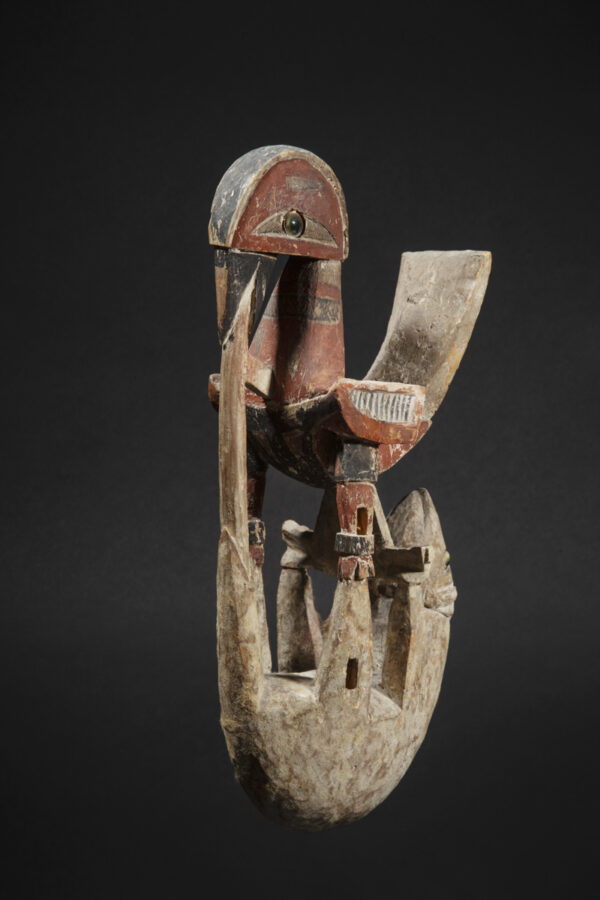
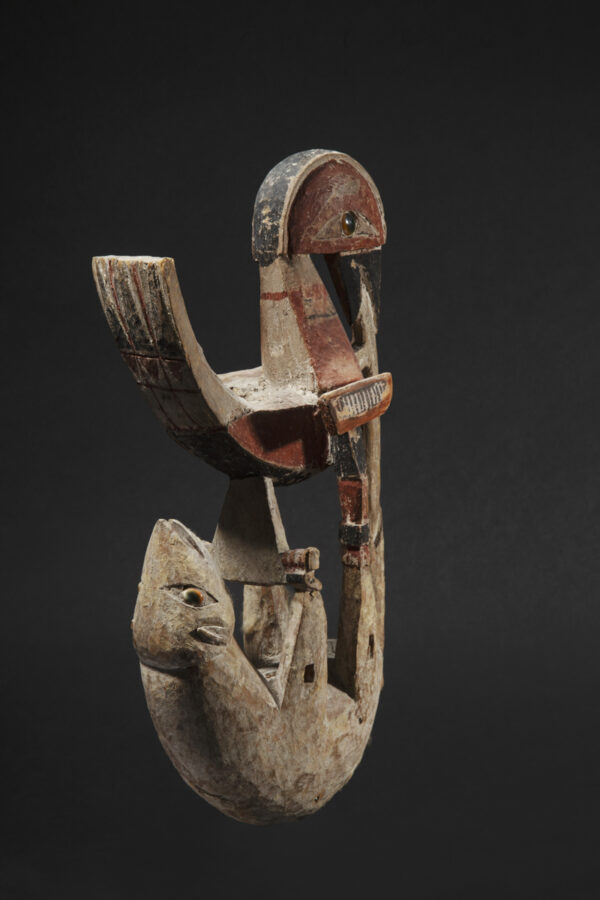
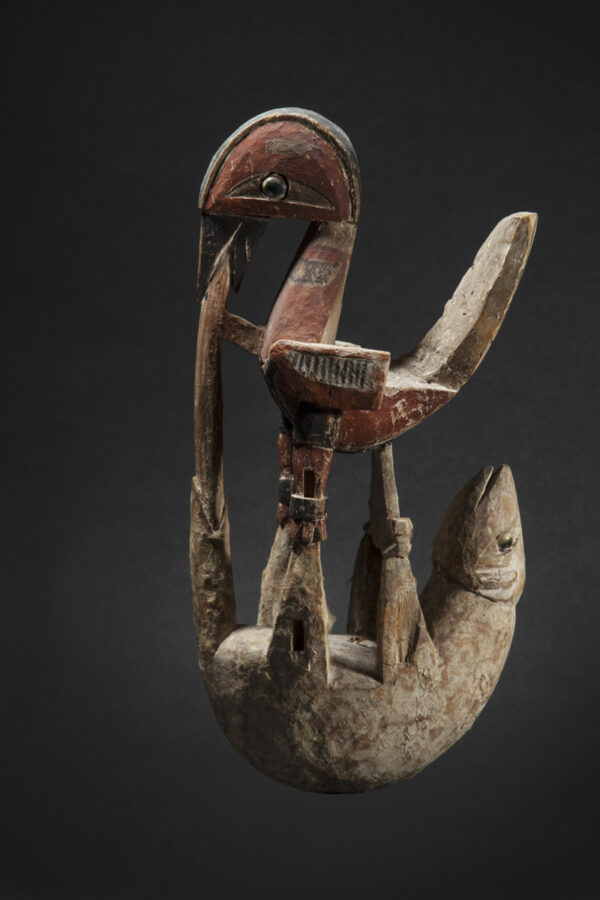
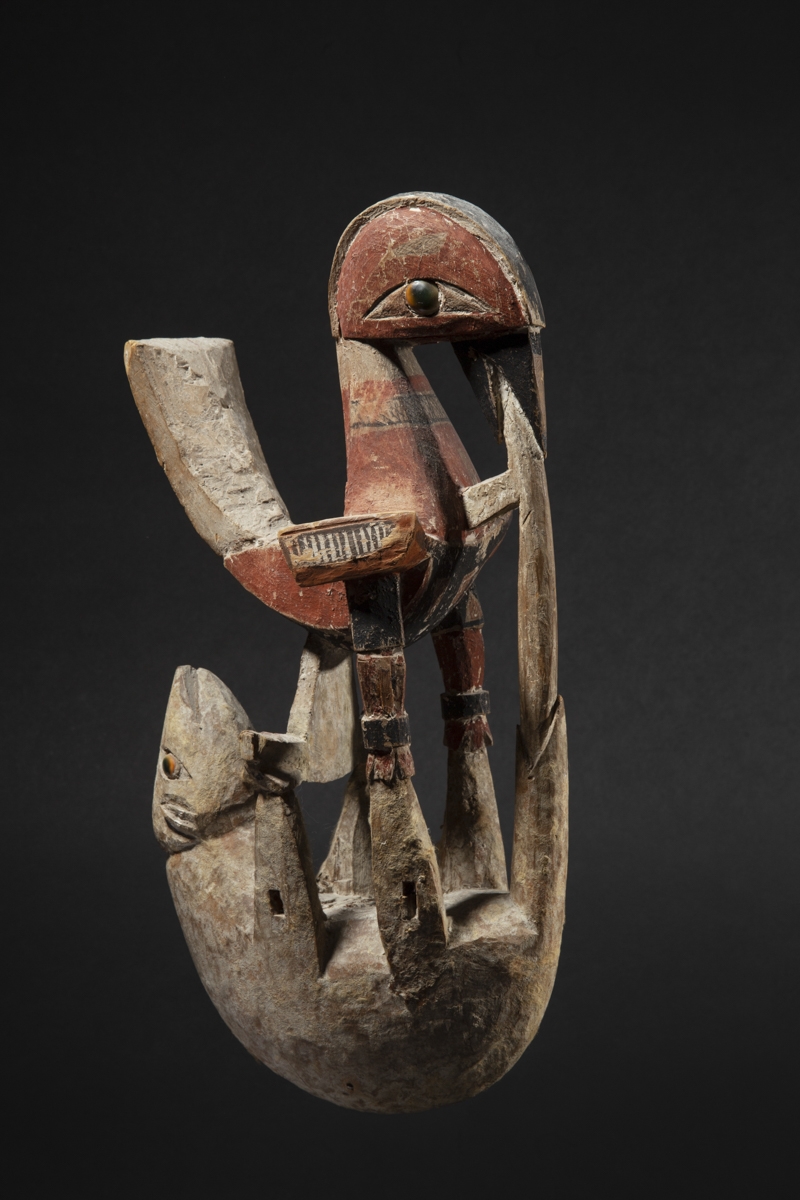
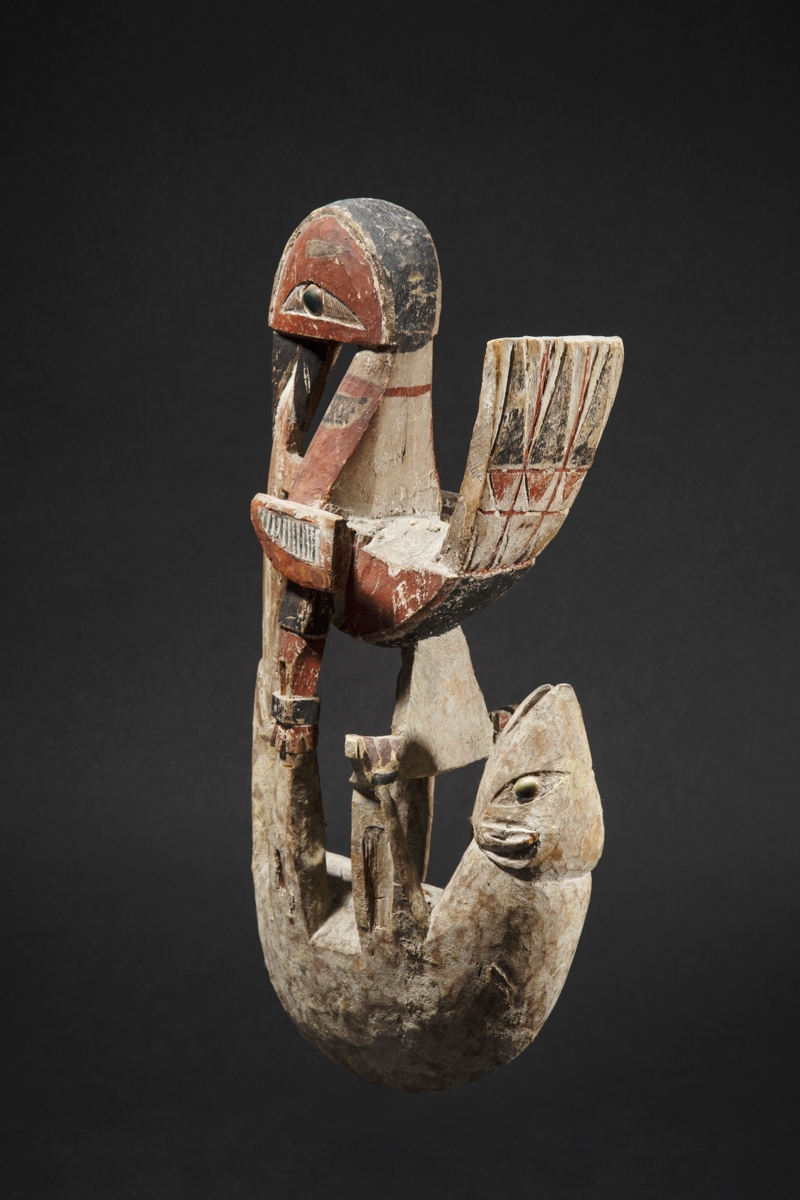
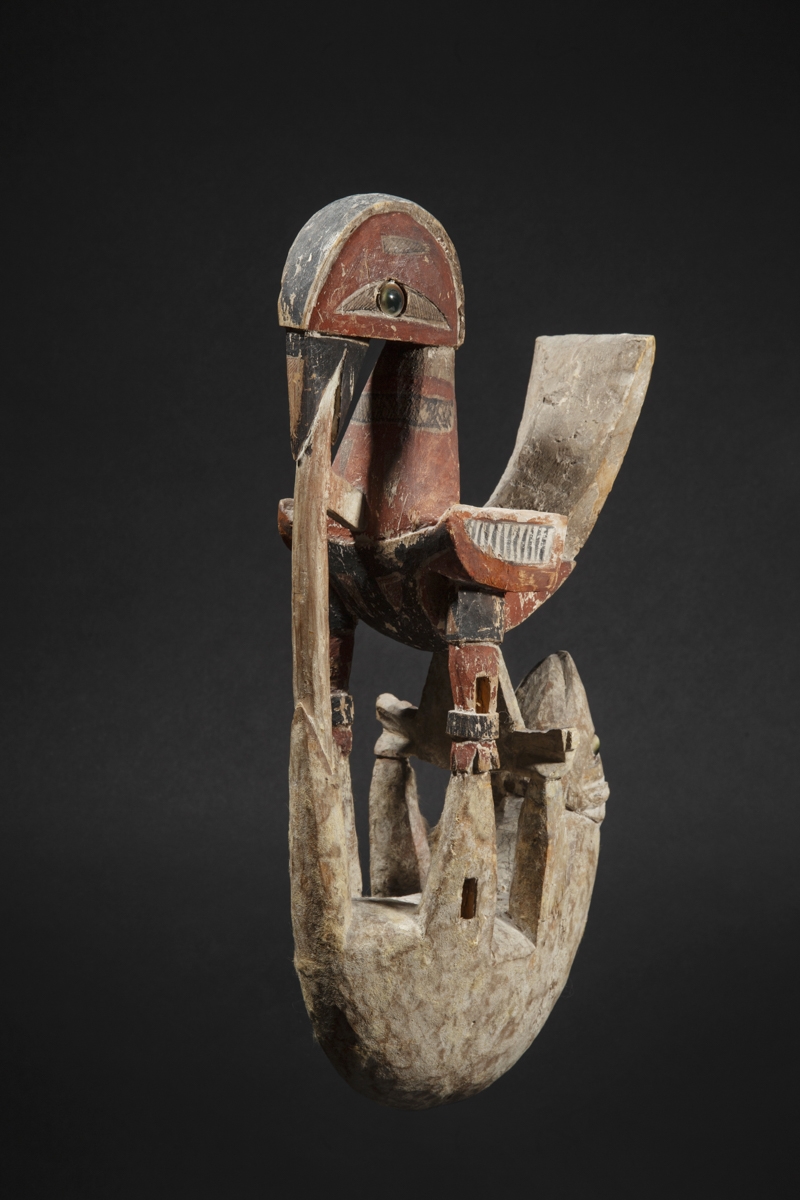
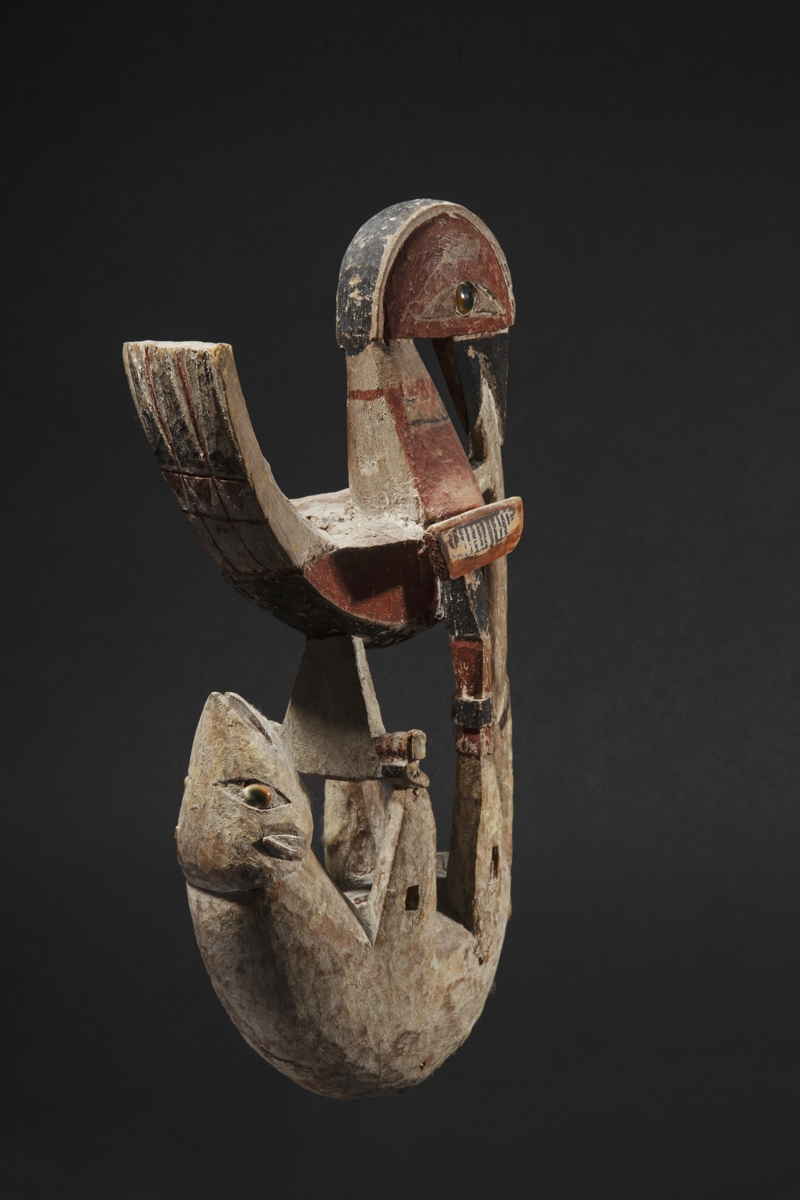
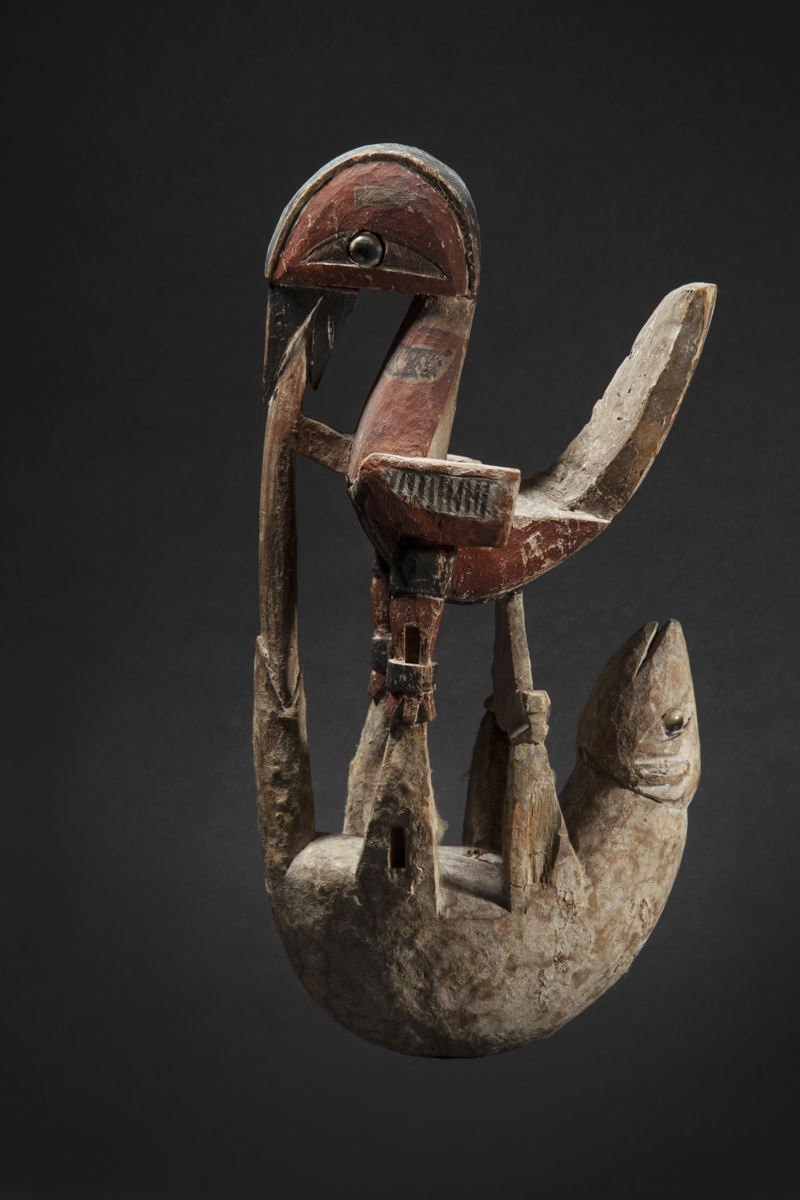
Malagan Ornament
New Ireland
Late 19th or early 20th century
Carved wood, pigments, shell
Height: 40 cm – 15 ¾ in.
Provenance
Ex Galerie Pierre Vérité, Paris
Ex private collection, France, acquired from the above in 1962
Ex Galerie Flak, Paris
Ex collection Pierrette & Pierre Souleil, Paris, acquired from the above
Ex Christie’s Paris, Dec. 2020
Sold
"And Loplop, bird superior, has transformed himself into flesh without flesh and will dwell among us..."
Max Ernst, The Hundred Headless Woman, Editions du Carrefour, 1929
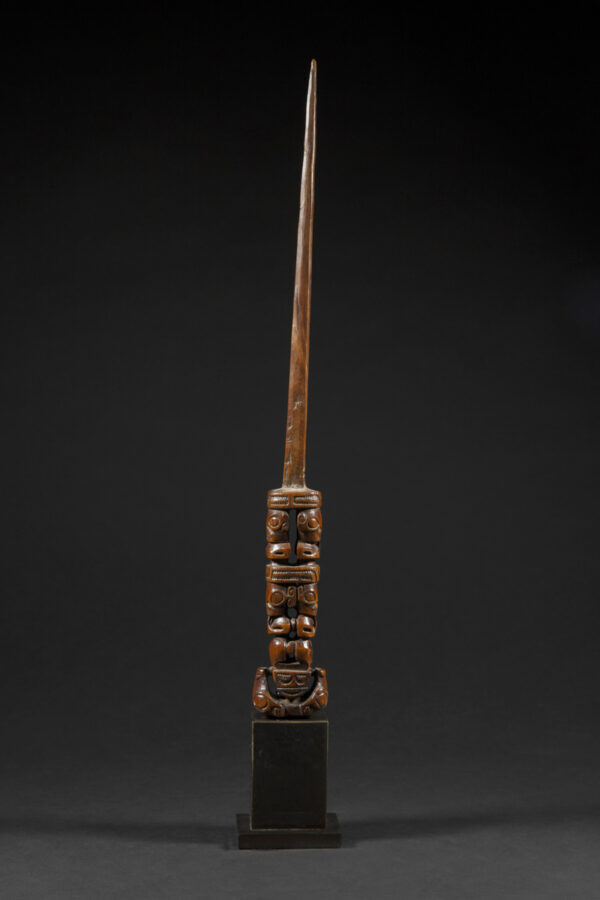
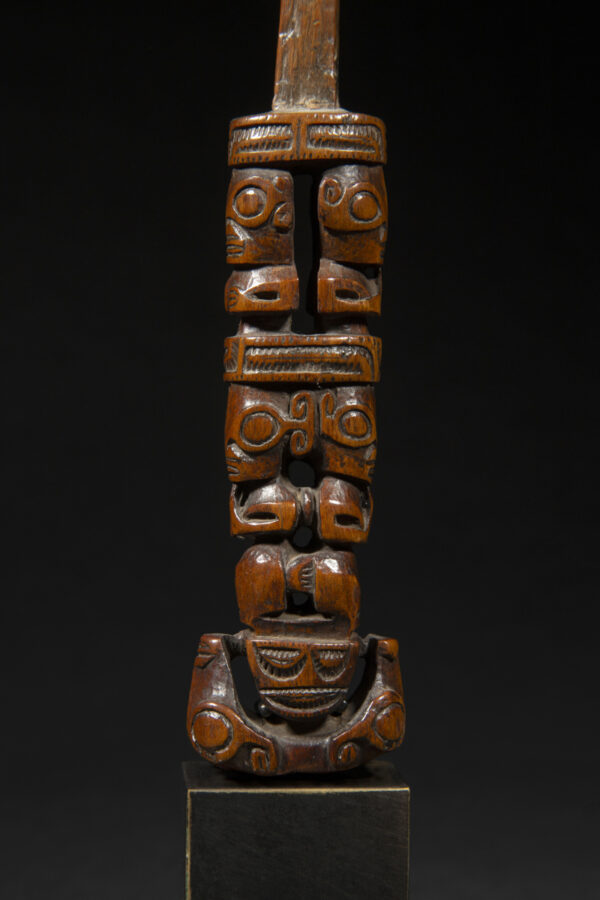
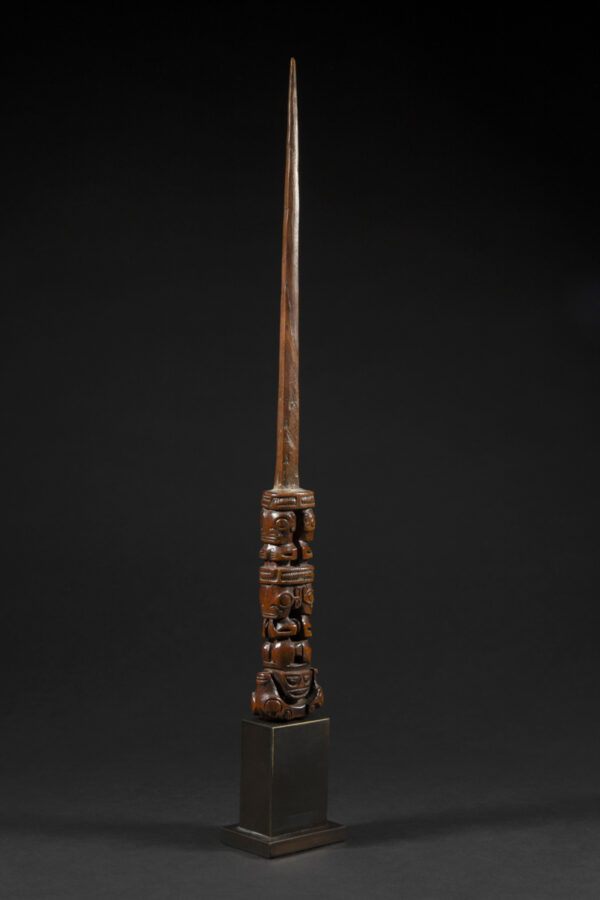
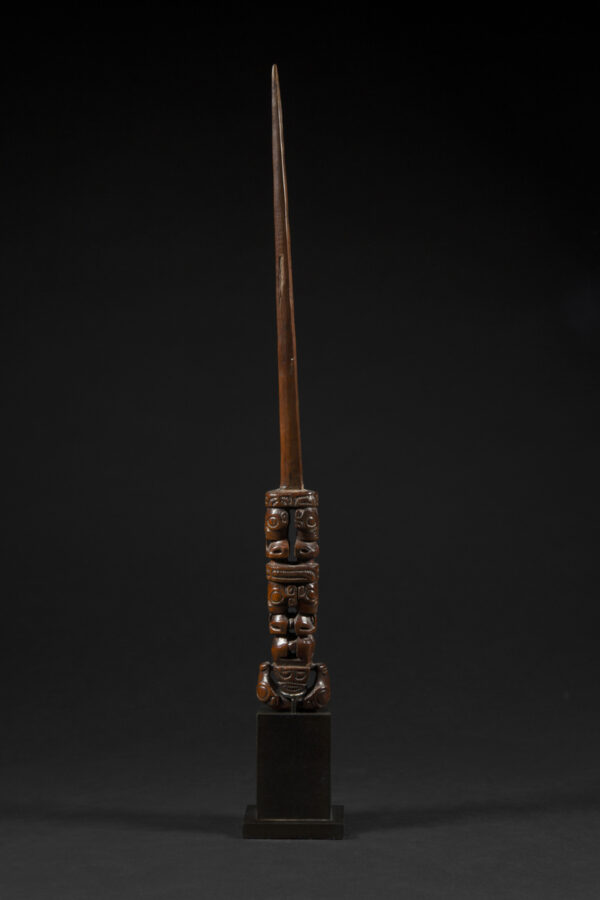
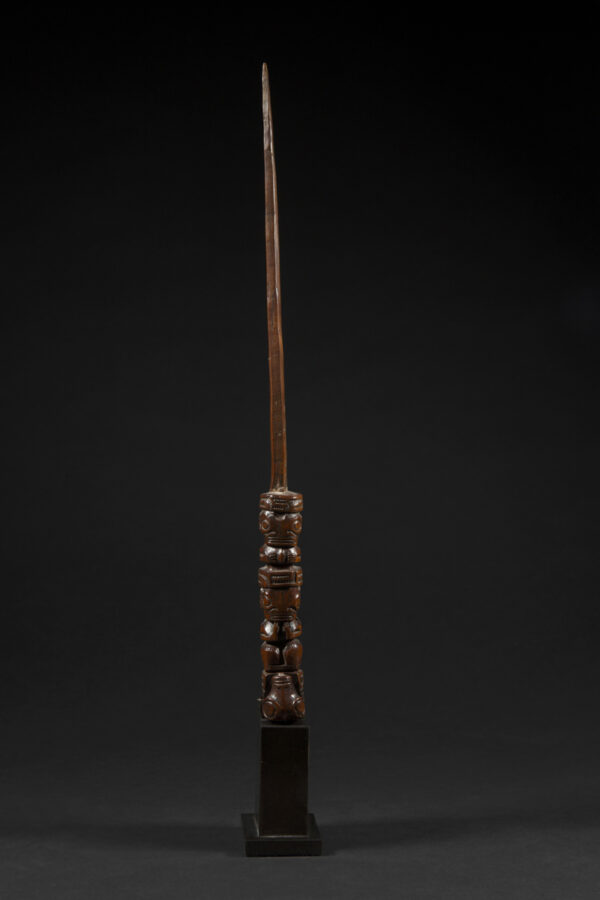
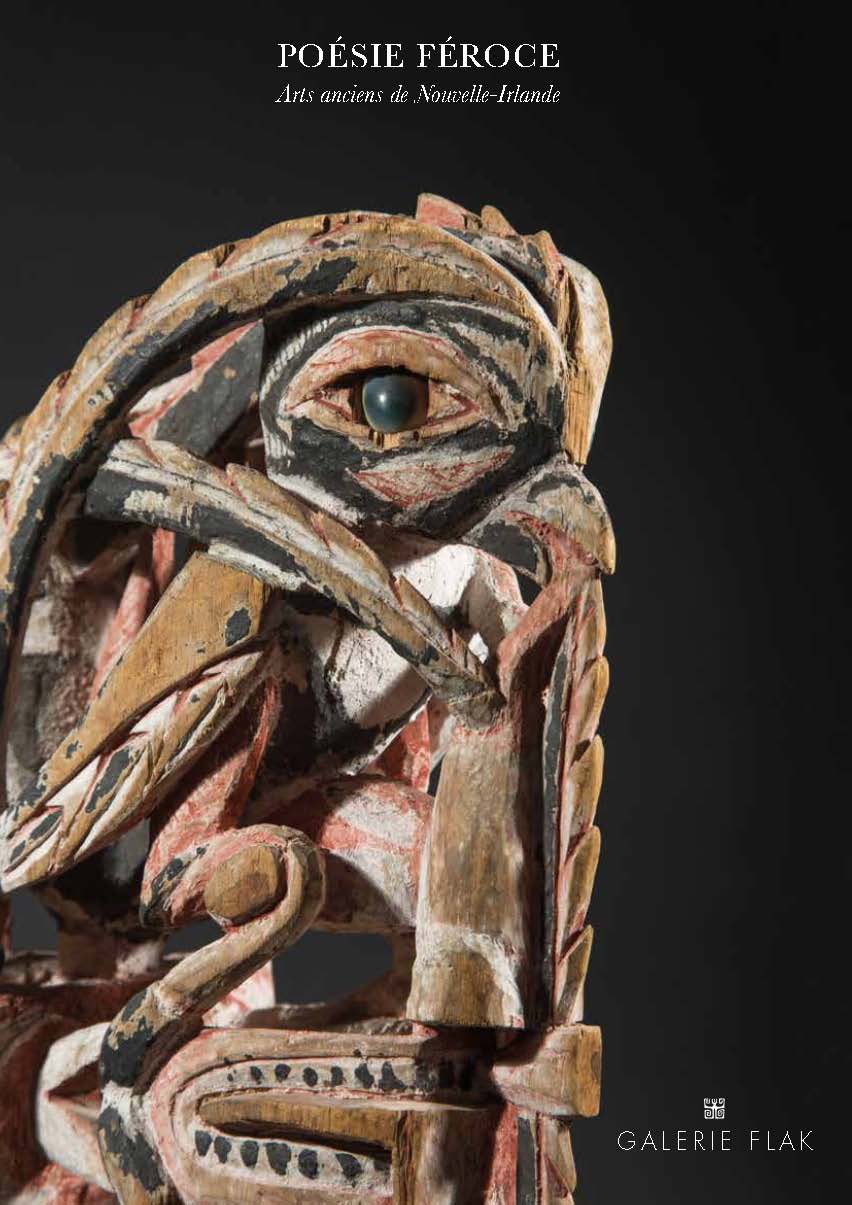
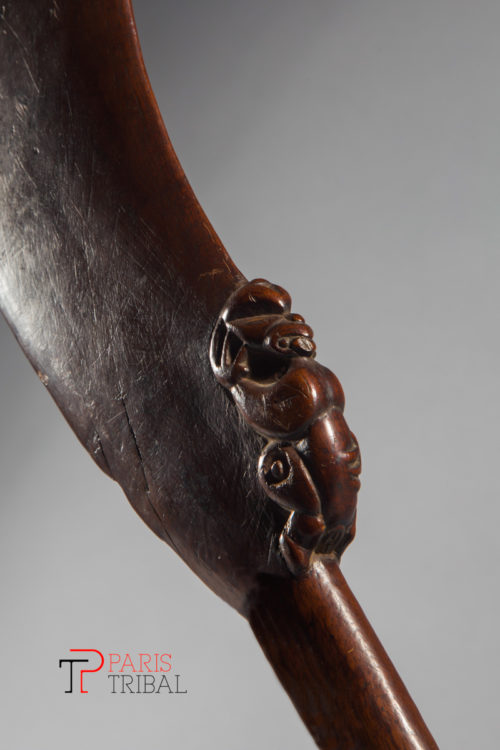
The Surrealists were enthusiastic admirers of the arts of New Ireland, and the preceding quote resonates perfectly with the sculpture opposite depicting two intertwined animals, a bird perched on a marsupial.
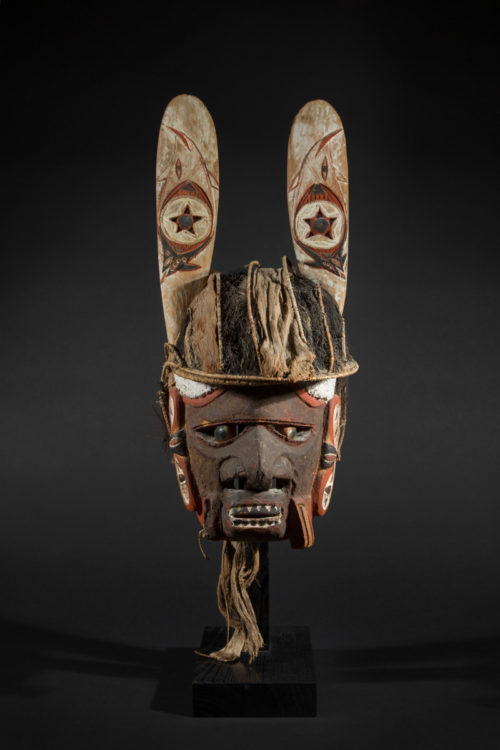
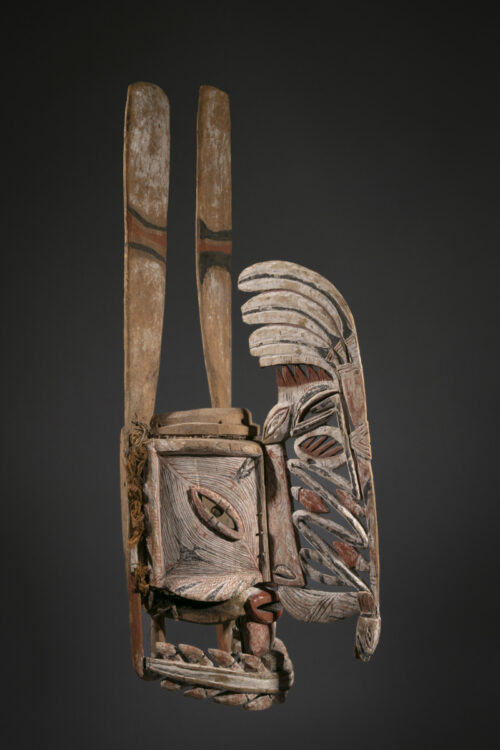
The ritual life and social organization of the clans of northern New Ireland was punctuated by long and complex funerary ceremonies called malagan. An extraordinarily diverse group of statues, objects and masks with specific functions was created in this context, sometimes for a single use lasting only minutes. Philippe Peltier notes in New Ireland: Art of the South Pacific (quai Branly museum, 2006, p. 78) that the malagan aims at picking up the ancestor's energy, channeling it and sharing it out among the members of the clan to tighten social bonds within the community.
Max Ernst, The Hundred Headless Woman, Editions du Carrefour, 1929
The Surrealists were enthusiastic admirers of the arts of New Ireland, and the preceding quote resonates perfectly with the sculpture opposite depicting two intertwined animals, a bird perched on a marsupial.
The ritual life and social organization of the clans of northern New Ireland was punctuated by long and complex funerary ceremonies called malagan. An extraordinarily diverse group of statues, objects and masks with specific functions was created in this context, sometimes for a single use lasting only minutes. Philippe Peltier notes in New Ireland: Art of the South Pacific (quai Branly museum, 2006, p. 78) that the malagan aims at picking up the ancestor's energy, channeling it and sharing it out among the members of the clan to tighten social bonds within the community.
Documentation
Explore the entire collection