Africa | Ivory Coast
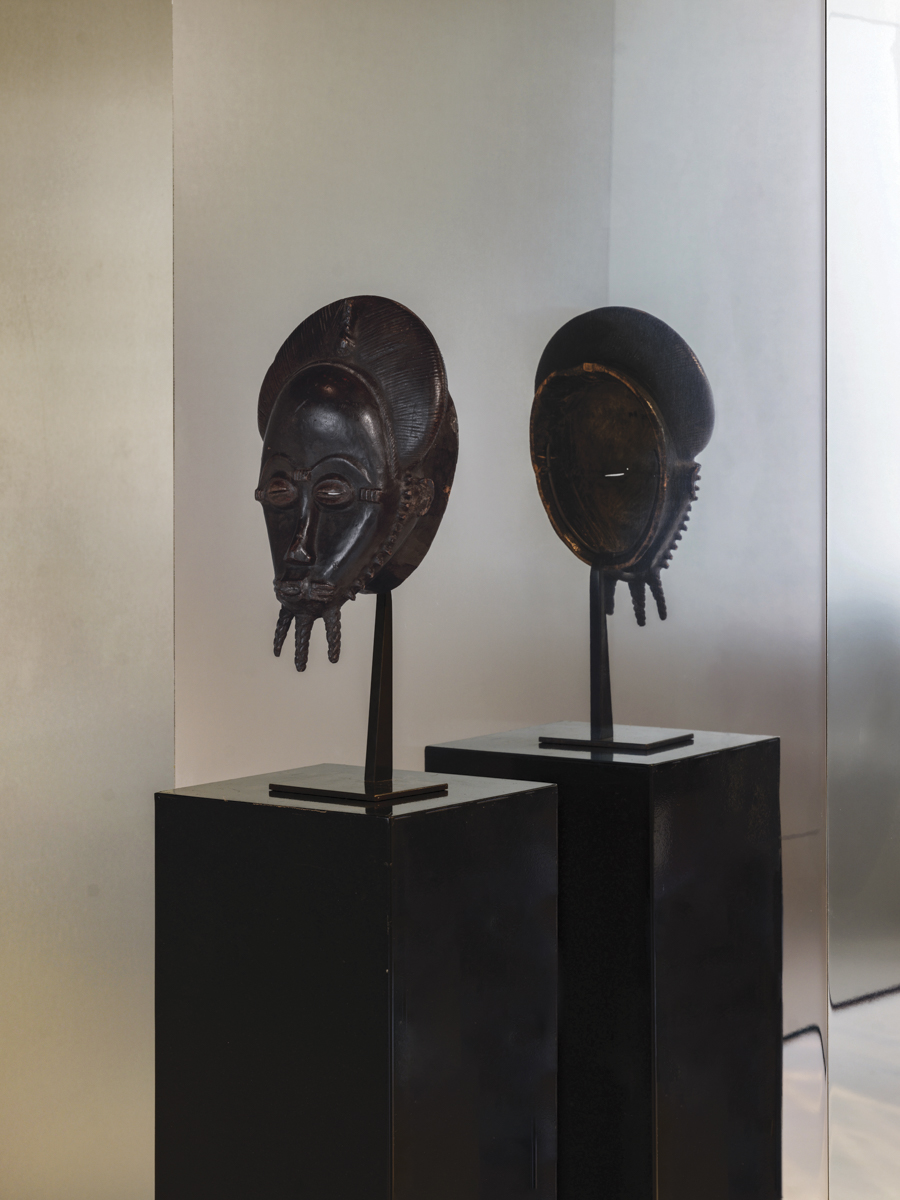
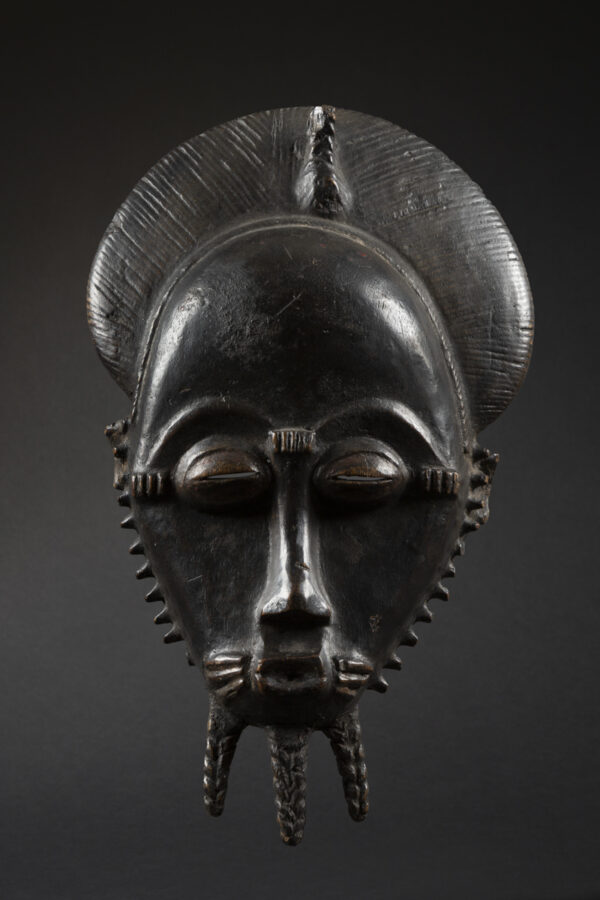
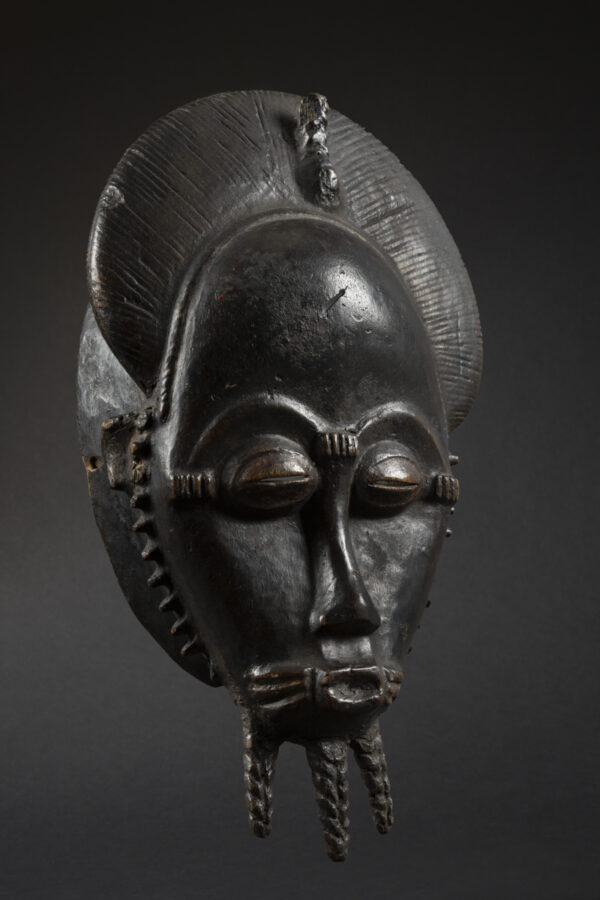
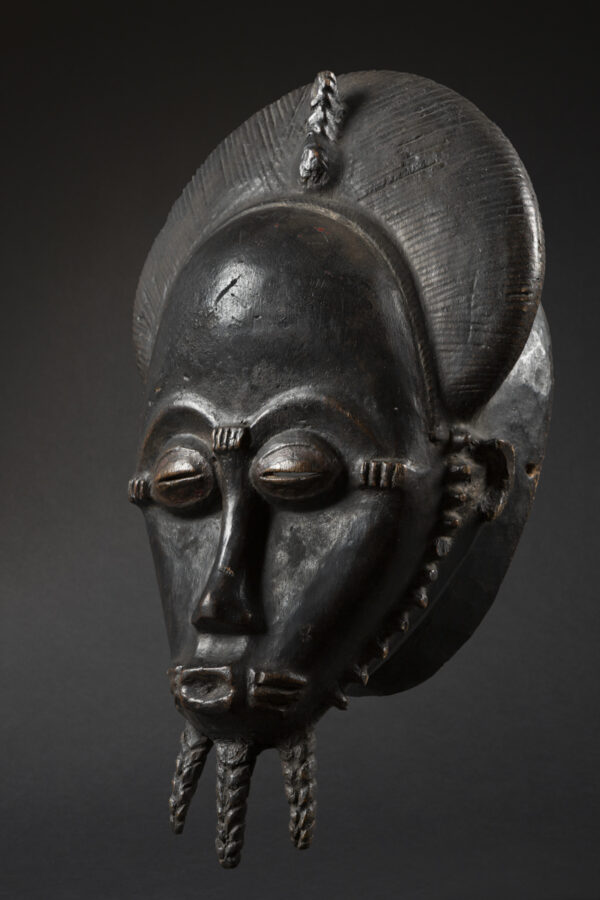
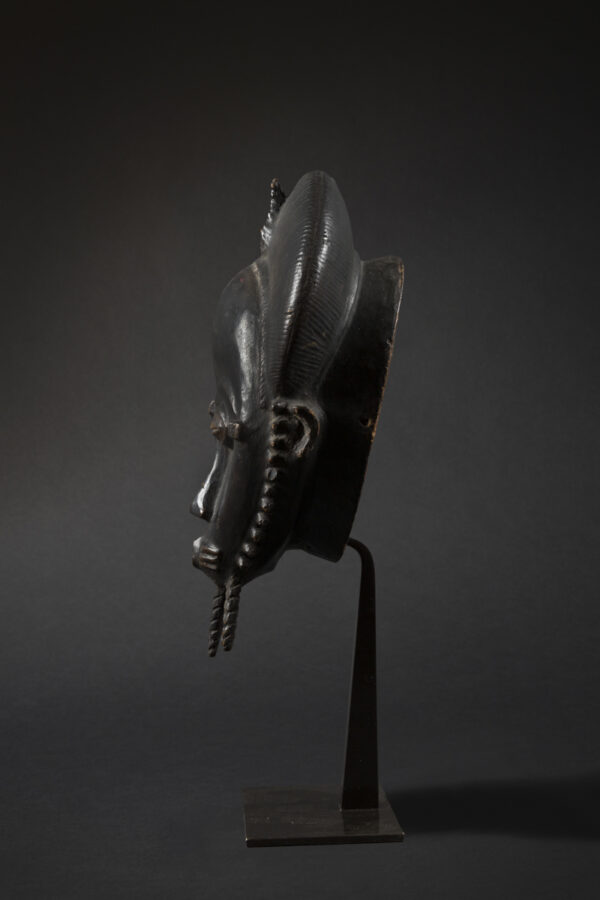
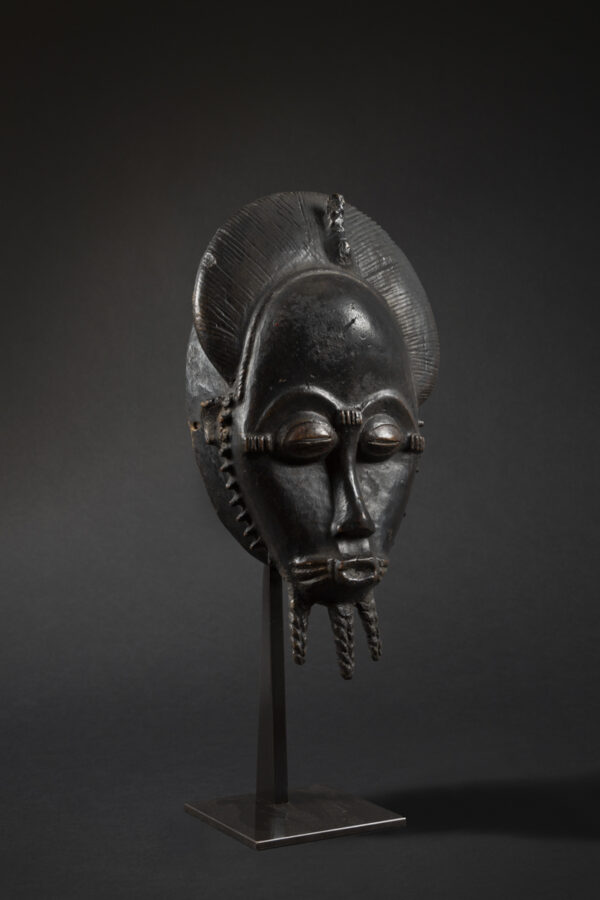
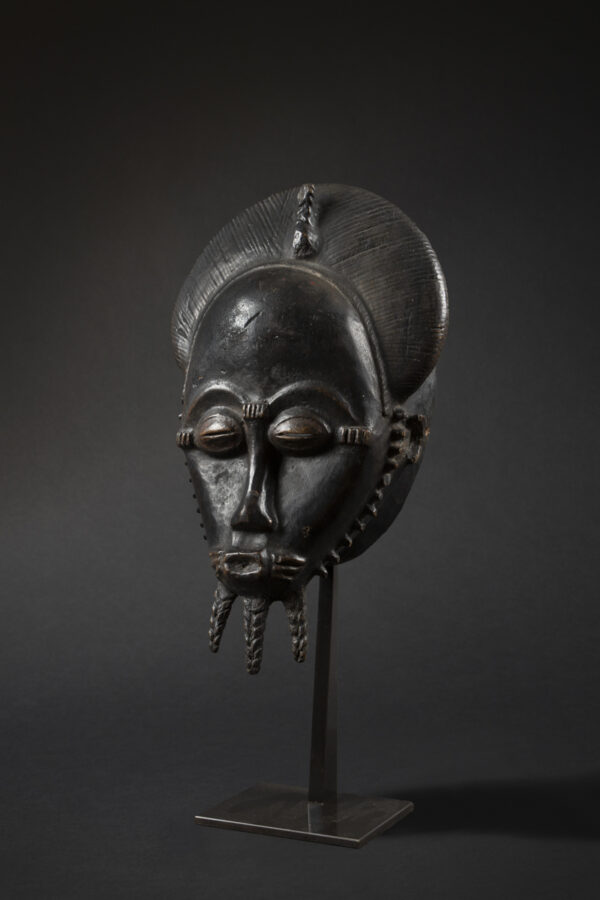
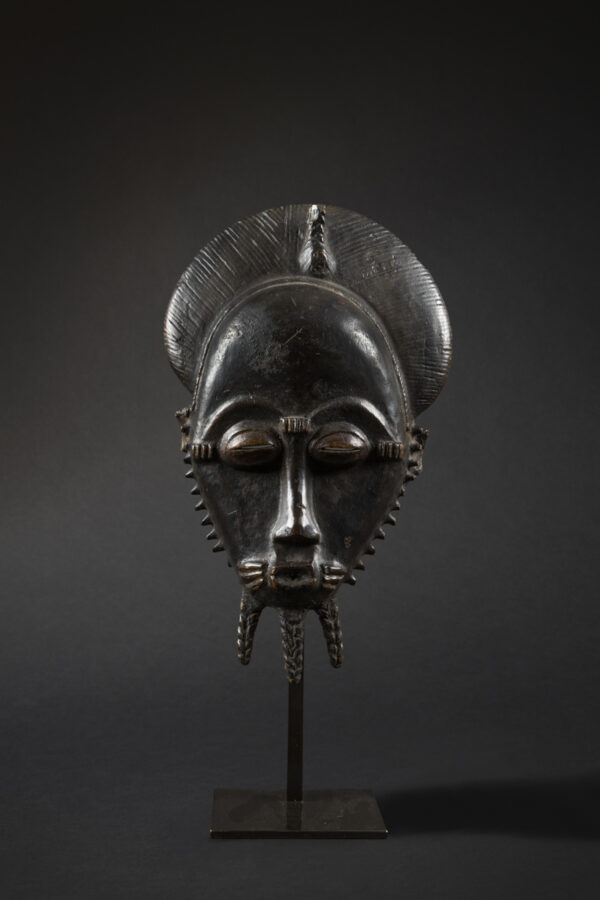
Baule Mask
Ivory Coast
Ndoma Mask
Attributed to the Master of Totokro
Baule
Ivory Coast
Early 20th century
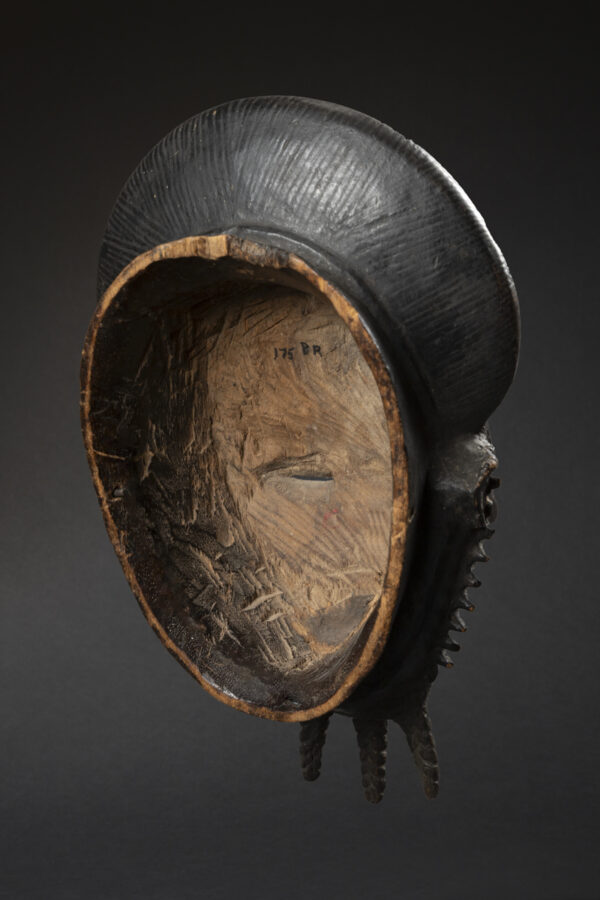
Carved wood and pigments
Height : 34 cm – 13 ¼ in.
Provenance
Collection Thomas Alexander III, Saint Louis, USA
Collection Allen Davis, Santa Fe
Collection Ralph T. Coe, Arizona
Collection Adrian Schlag, Spain
Exhibition
Wheelwright Museum of the American Indian, « Connoisseurship and Good Pie: Ted Coe and Collecting Native Art », July 2015 – April 2016, Santa Fe, USA
Baule Mask 34 cm Ralph T Coe / Galerie Flak
Price: on request
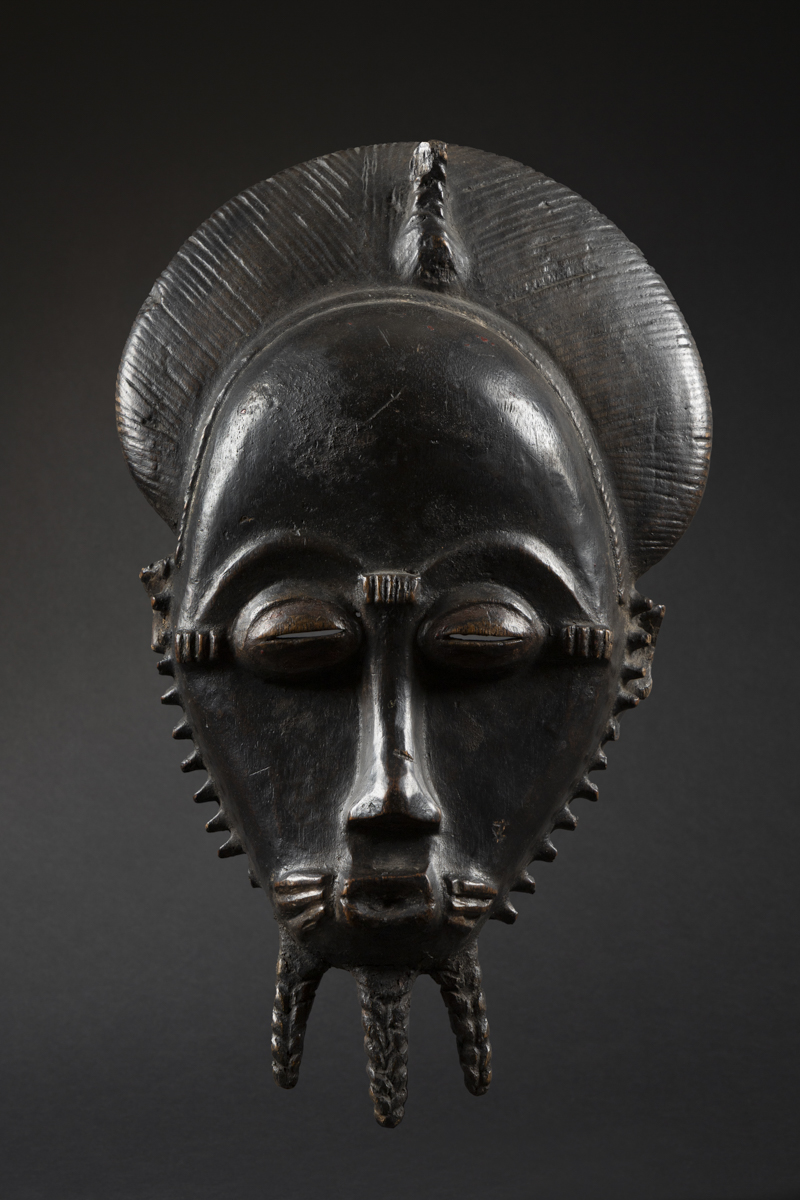
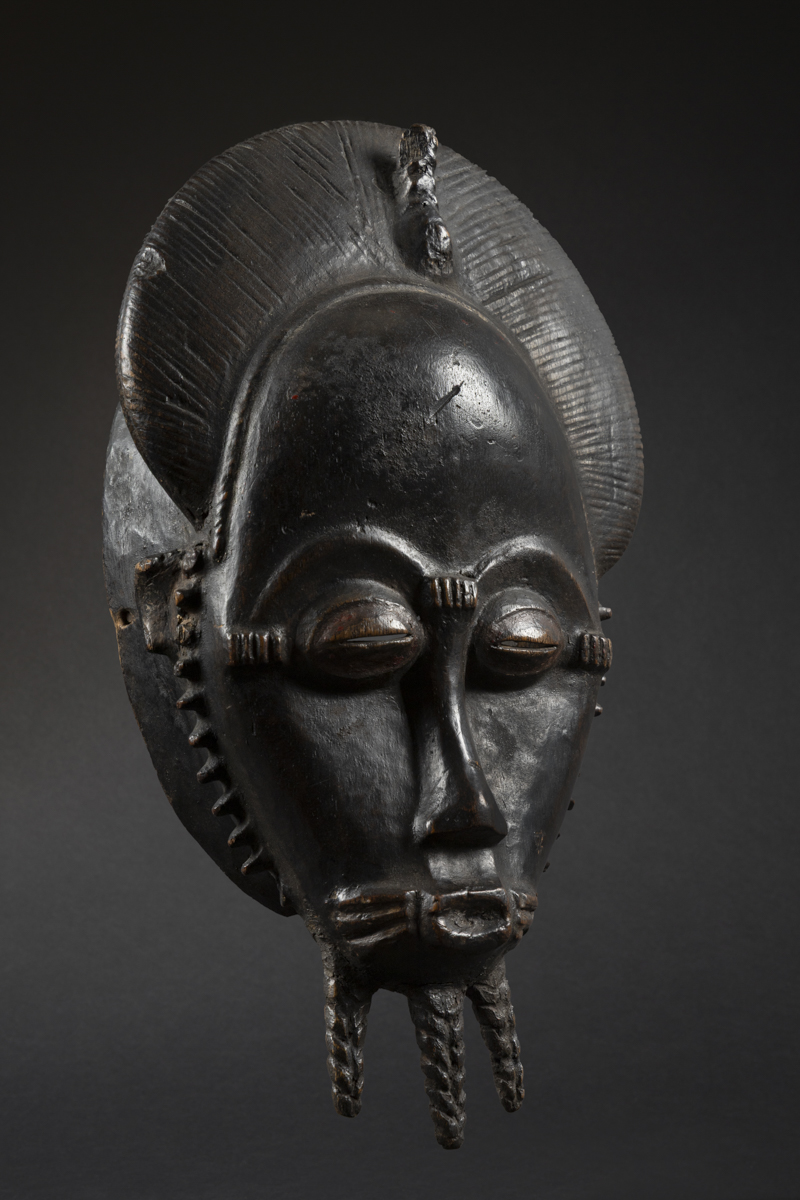
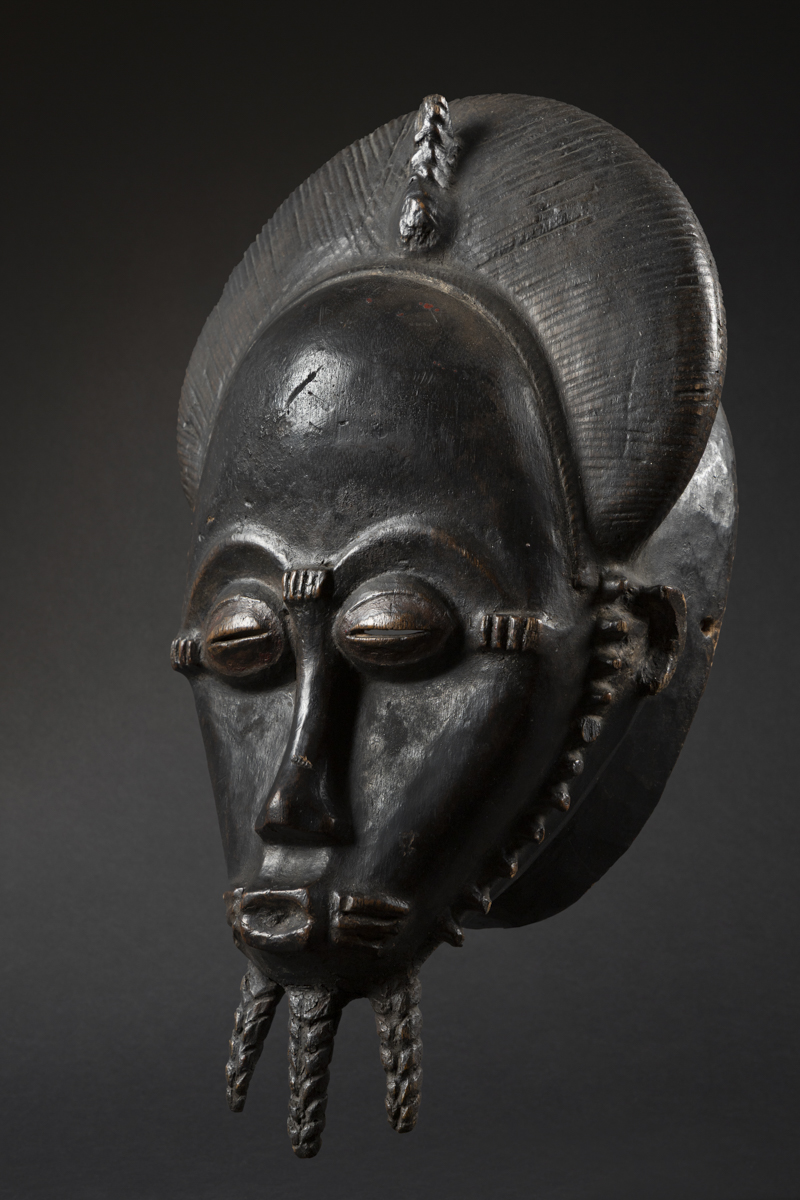
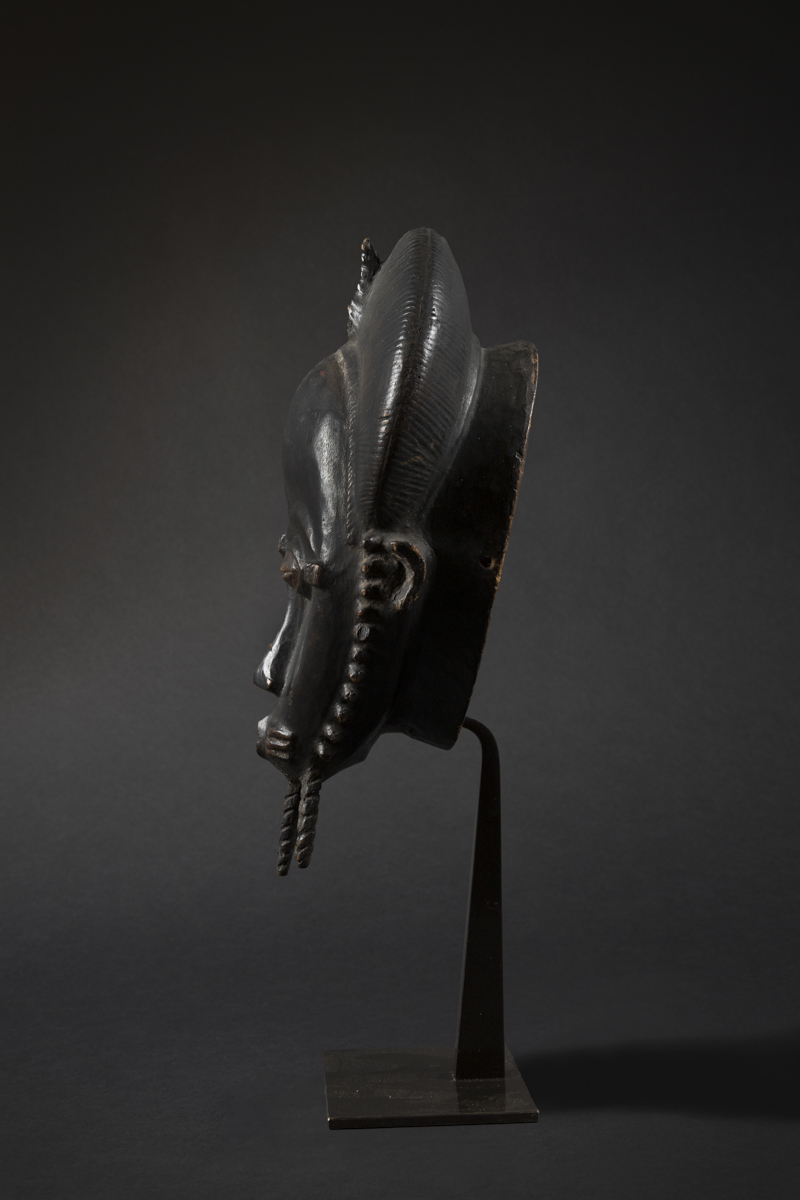
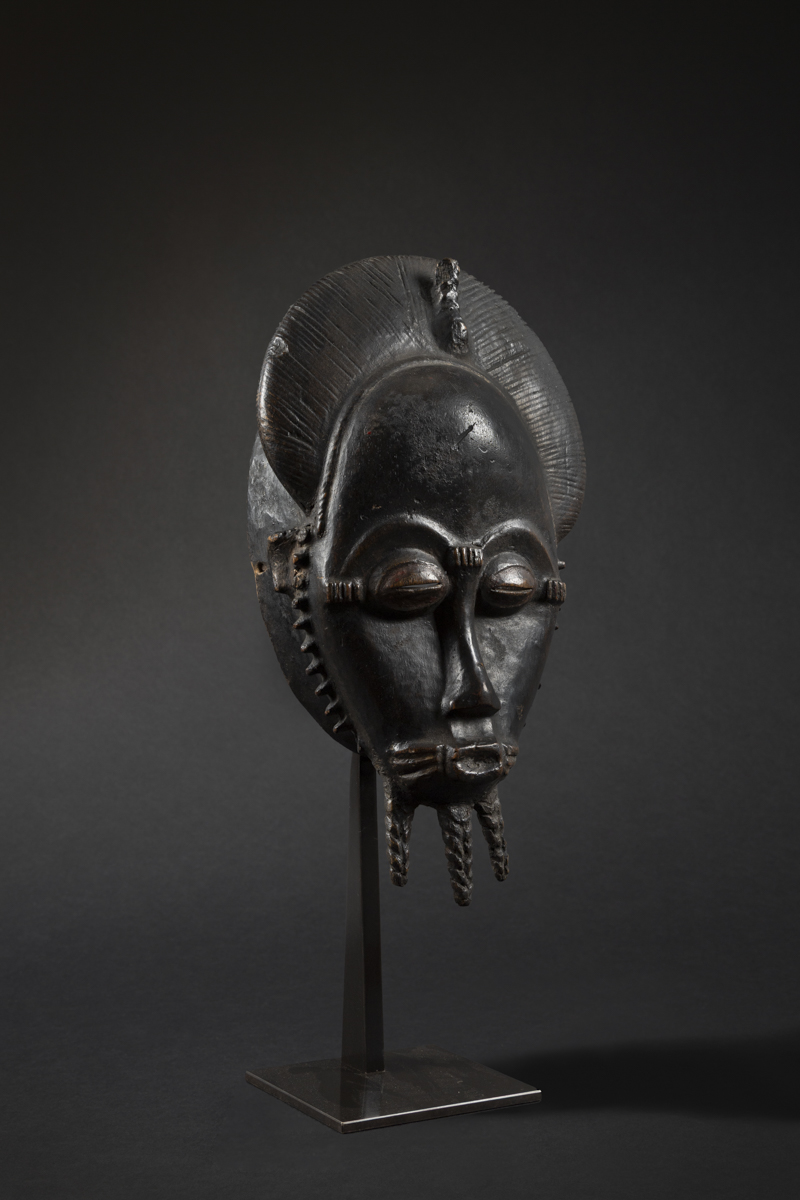
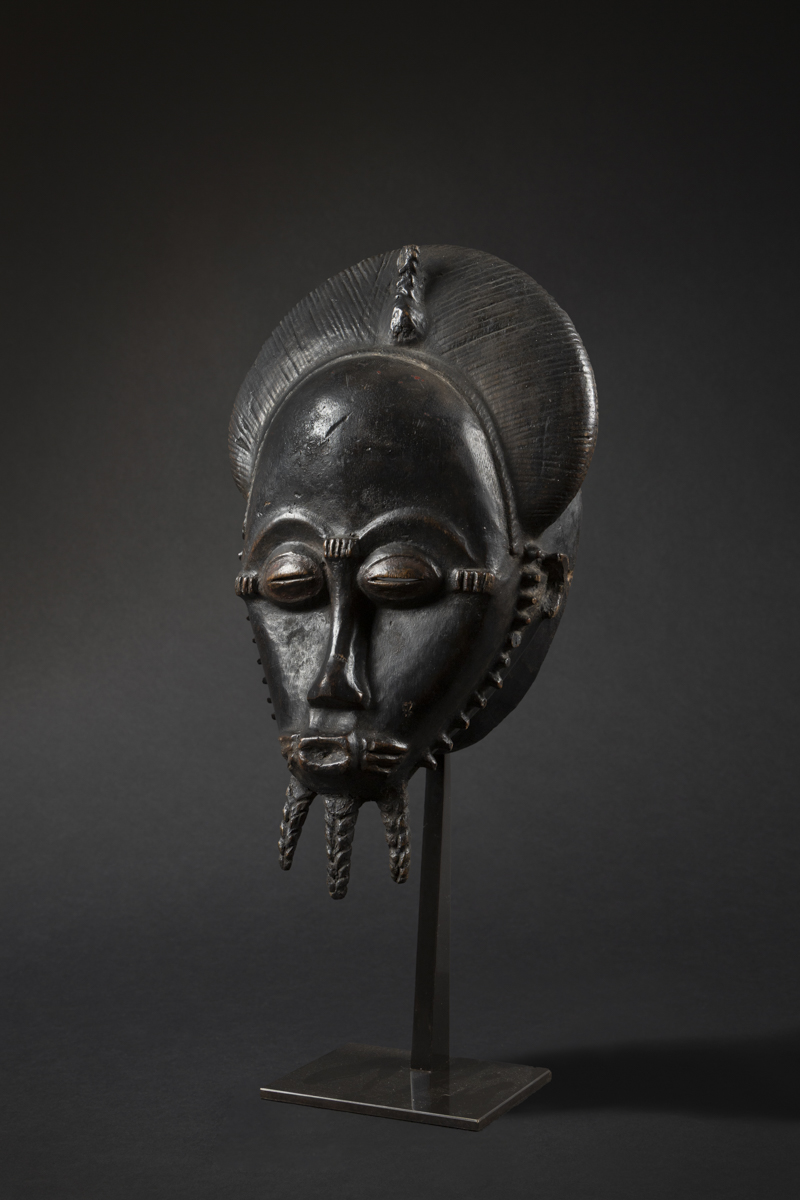
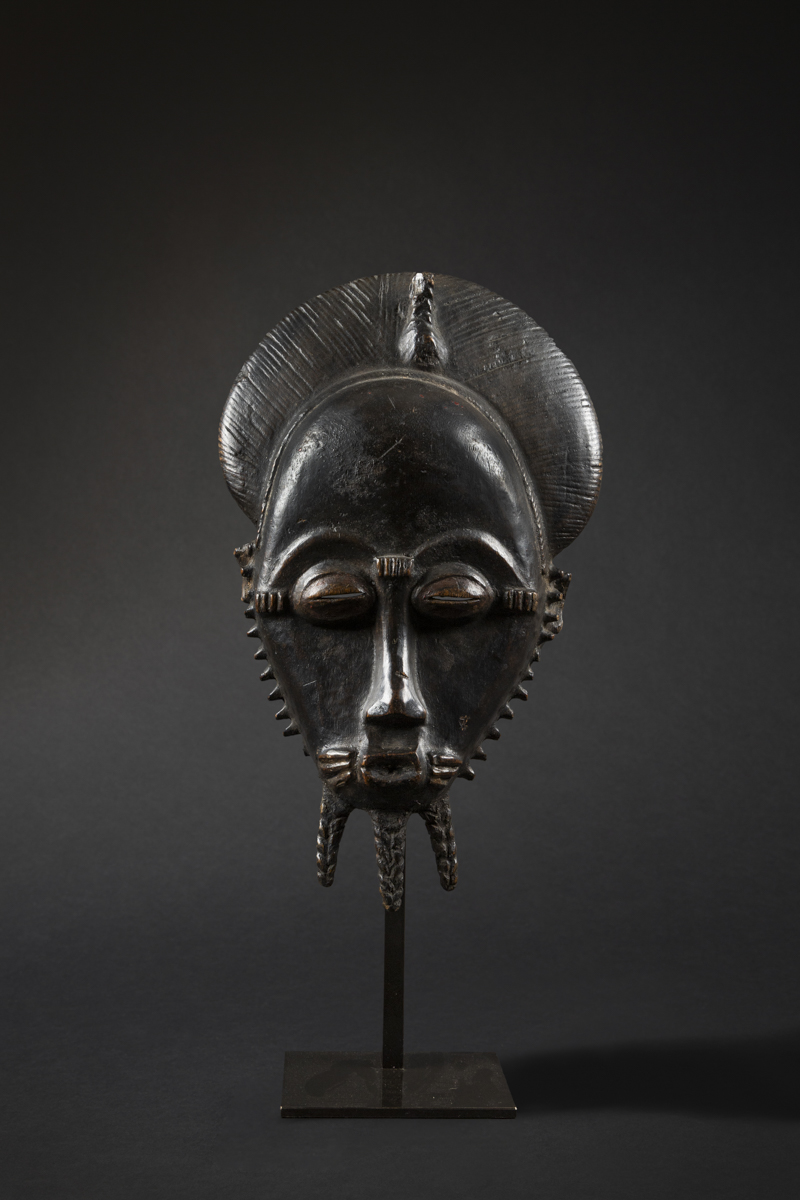
This exceptionally rare mask is part of a very limited group of works attributed to the Master of Totokro.
Among the Baule people, masks such as this one are traditionally conceived as portraits of renowned individuals. Known as Ndoma (meaning "double"), they appear only during major ceremonies and Mblo entertainment dances.
According to scholar Susan Vogel (see Baule: African Art Western Eyes, 1997), the public appearances of these masks are intentionally brief and rare, a practice designed to preserve the power of their beauty.
The present mask embodies an ideal of perfection, following "the canons of human beauty among the Baule, from both an aesthetic and a moral standpoint" (Boyer, Baule: Visions of Africa Series, 2008). Through its balanced features, it illustrates the profound sophistication of the classical Baule aesthetic, seamlessly blending strength and grace.
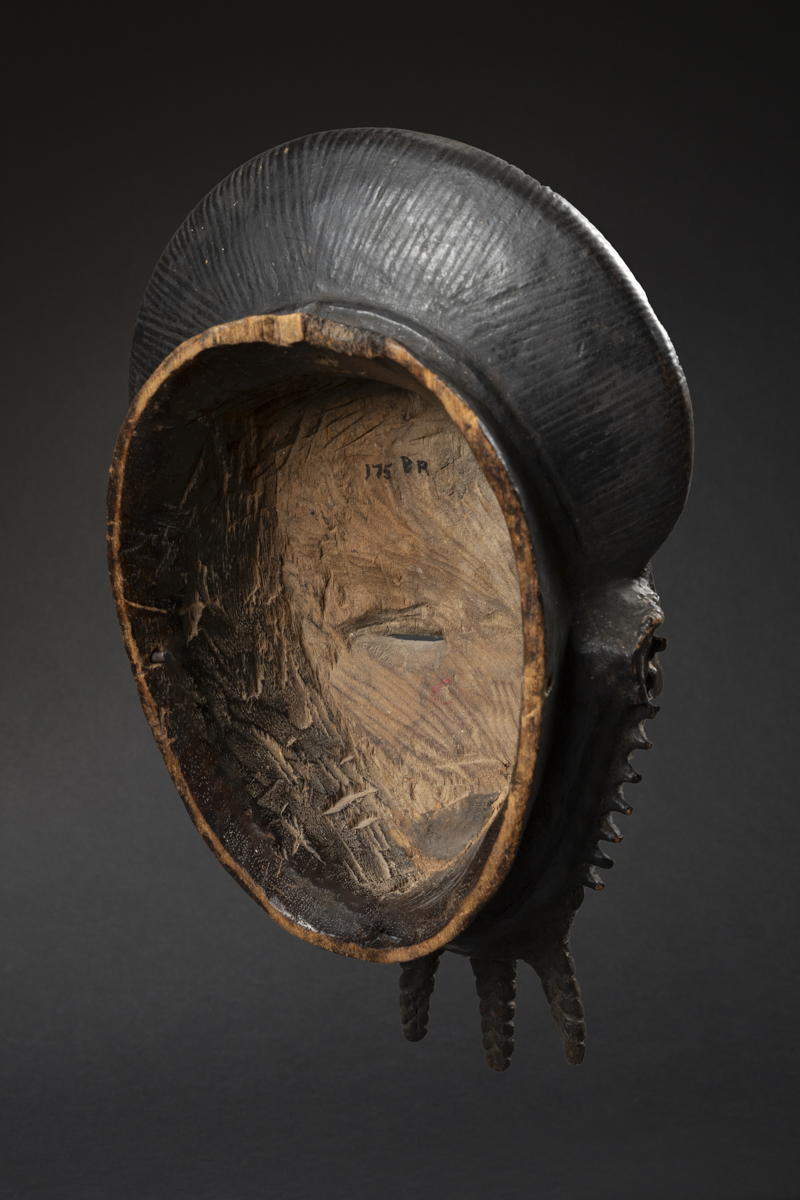
When analyzing this mask in 2010, Ralph T. Coe wrote: "This late 19th century Baule mask is the finest of the group that I have from this African tribe. It is so well worn that surmounting hair ornament is nearly worn away yet still retains its prominence. The condition of the mask shows signs of several generations of use...The elegance and aged patina of this mask enhances the classical characteristics clearly evident and balances its archaic beauty. Occult balance of the design elements and the softness only obtained by years of use would appeal not only to an ethnological collector but also be recognized by all connoisseurs as an object of great perception and beauty. The carver is so assured that he is not hindered by mechanically mundane measurements, but can carve to a greater organic effect by simply using his deeply perceptive eye. The result is an inner spiritual vitality that emerges from the mask in an extraordinarily timeless aura all its own."
Among the Baule people, masks such as this one are traditionally conceived as portraits of renowned individuals. Known as Ndoma (meaning "double"), they appear only during major ceremonies and Mblo entertainment dances.
According to scholar Susan Vogel (see Baule: African Art Western Eyes, 1997), the public appearances of these masks are intentionally brief and rare, a practice designed to preserve the power of their beauty.
The present mask embodies an ideal of perfection, following "the canons of human beauty among the Baule, from both an aesthetic and a moral standpoint" (Boyer, Baule: Visions of Africa Series, 2008). Through its balanced features, it illustrates the profound sophistication of the classical Baule aesthetic, seamlessly blending strength and grace.
When analyzing this mask in 2010, Ralph T. Coe wrote: "This late 19th century Baule mask is the finest of the group that I have from this African tribe. It is so well worn that surmounting hair ornament is nearly worn away yet still retains its prominence. The condition of the mask shows signs of several generations of use...The elegance and aged patina of this mask enhances the classical characteristics clearly evident and balances its archaic beauty. Occult balance of the design elements and the softness only obtained by years of use would appeal not only to an ethnological collector but also be recognized by all connoisseurs as an object of great perception and beauty. The carver is so assured that he is not hindered by mechanically mundane measurements, but can carve to a greater organic effect by simply using his deeply perceptive eye. The result is an inner spiritual vitality that emerges from the mask in an extraordinarily timeless aura all its own."
Documentation
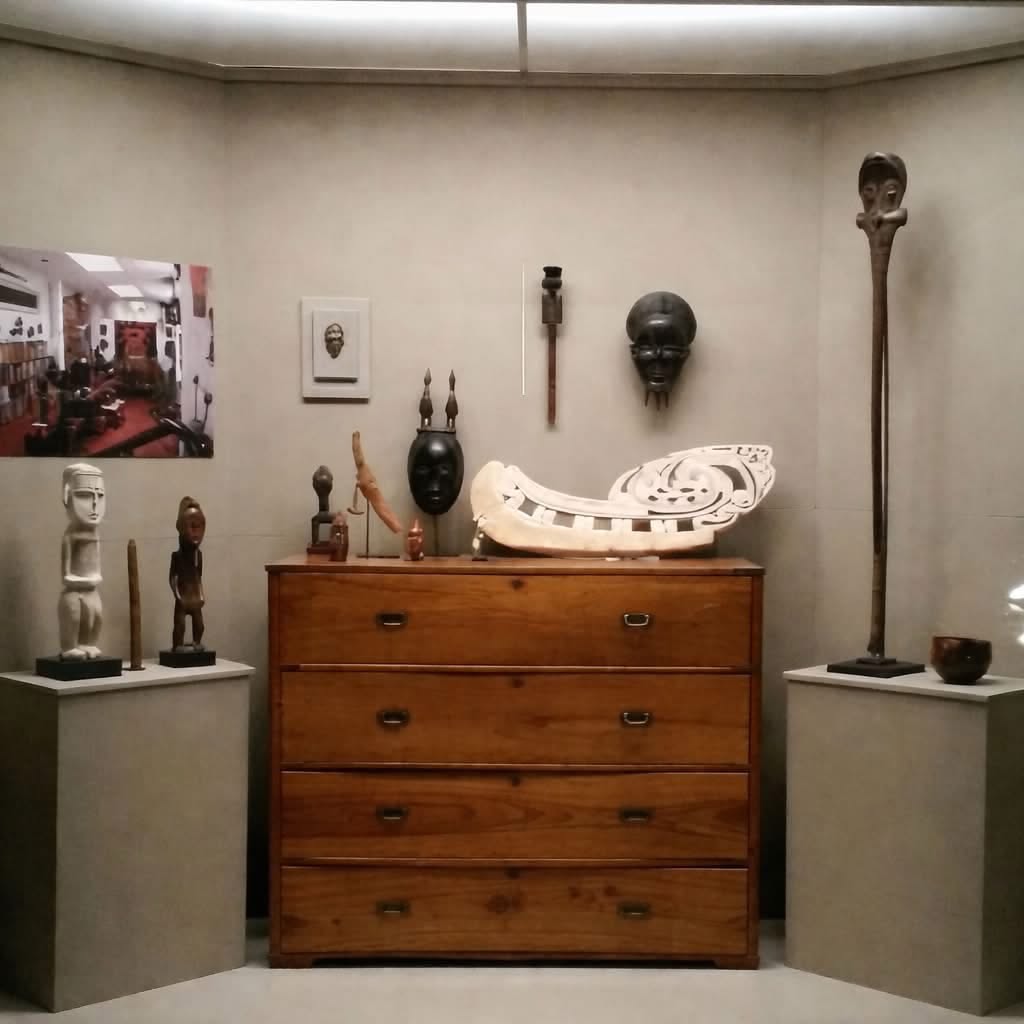
Exhibition
2015, July – 2016, April.
Ted Coe and Collecting Native Art.
Organized by the Ralph T. Coe Foundation.
Wheelwright Museum of the American Indian. Santa Fe
Explore the entire collection