Archives | Arizona
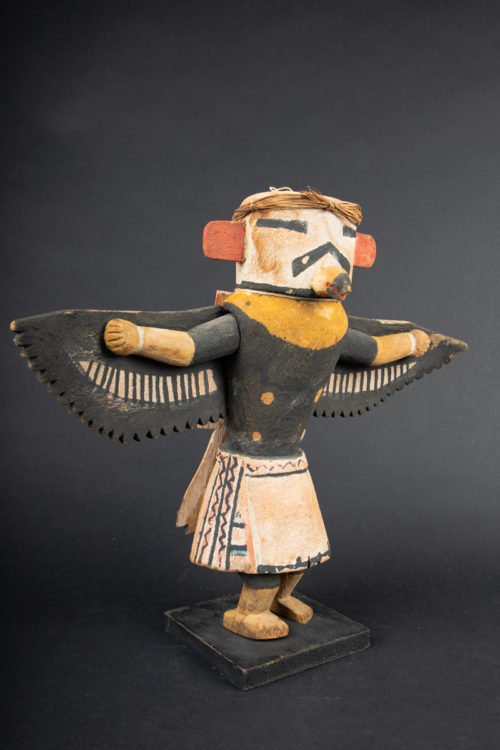
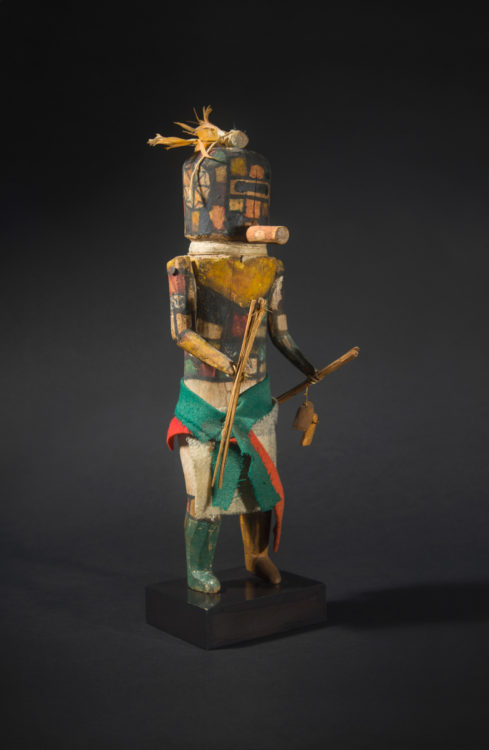
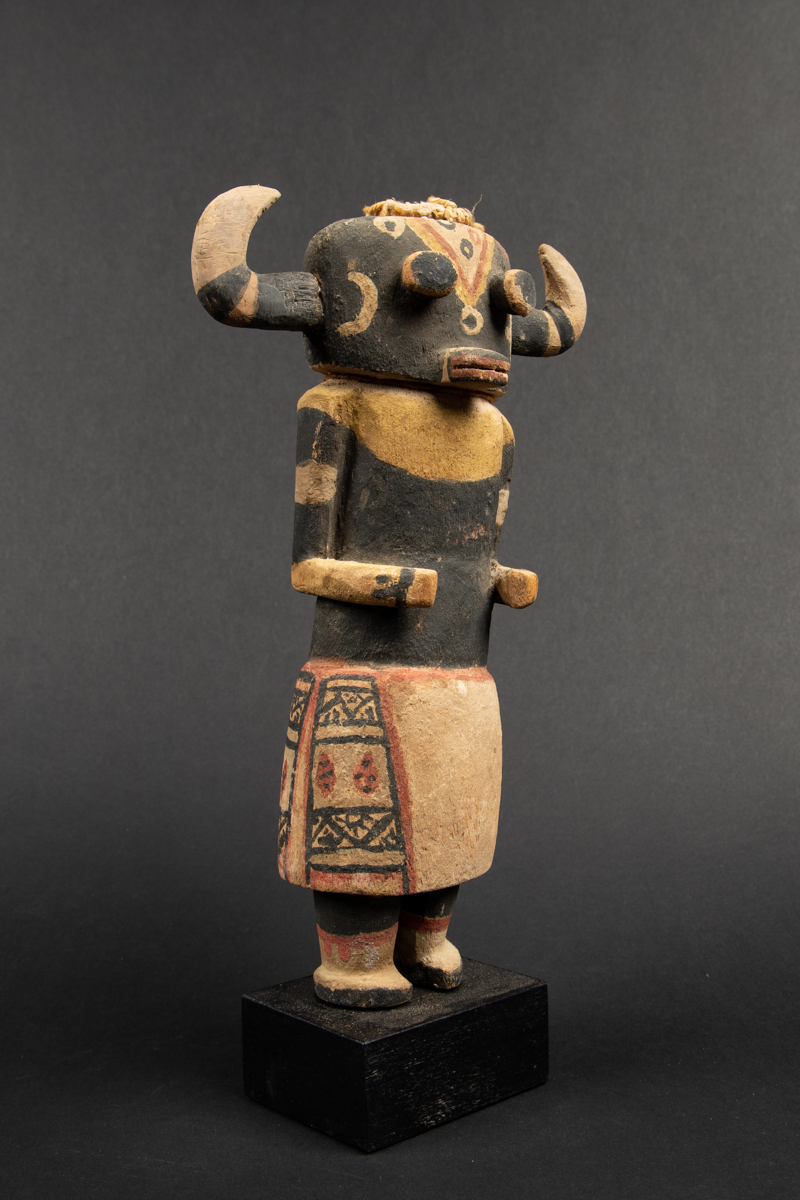
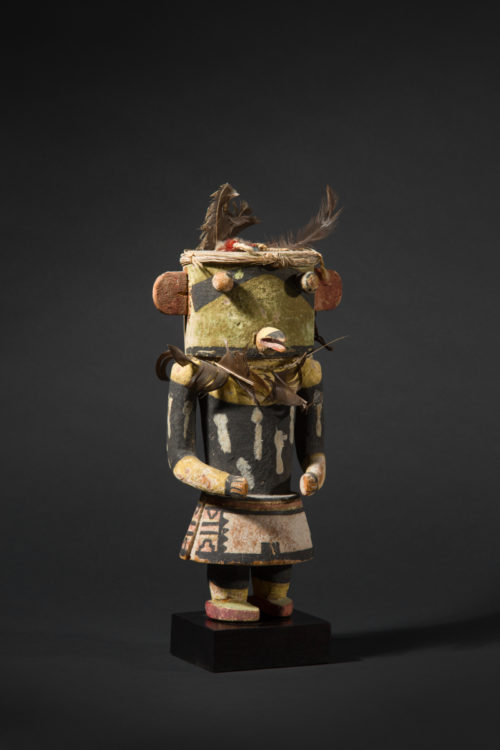
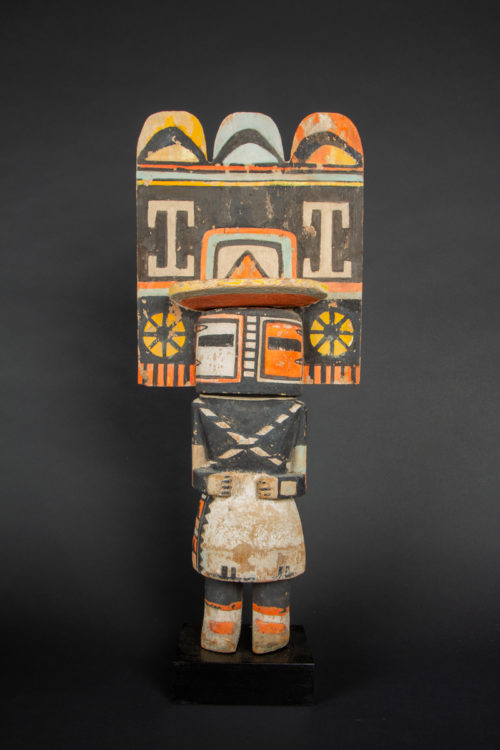
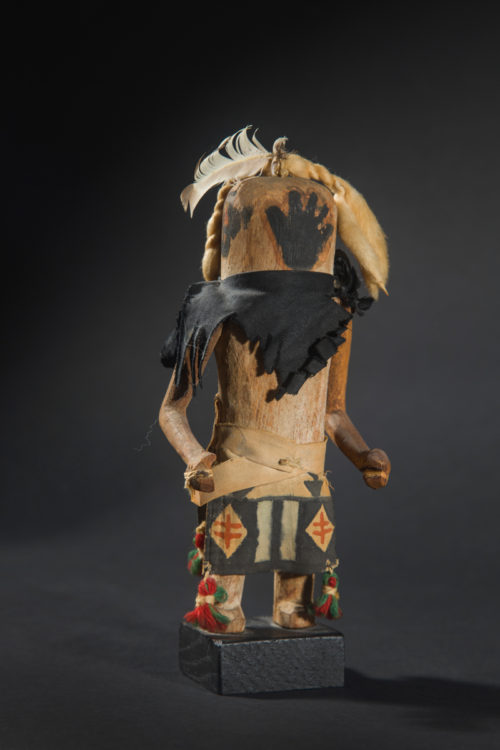
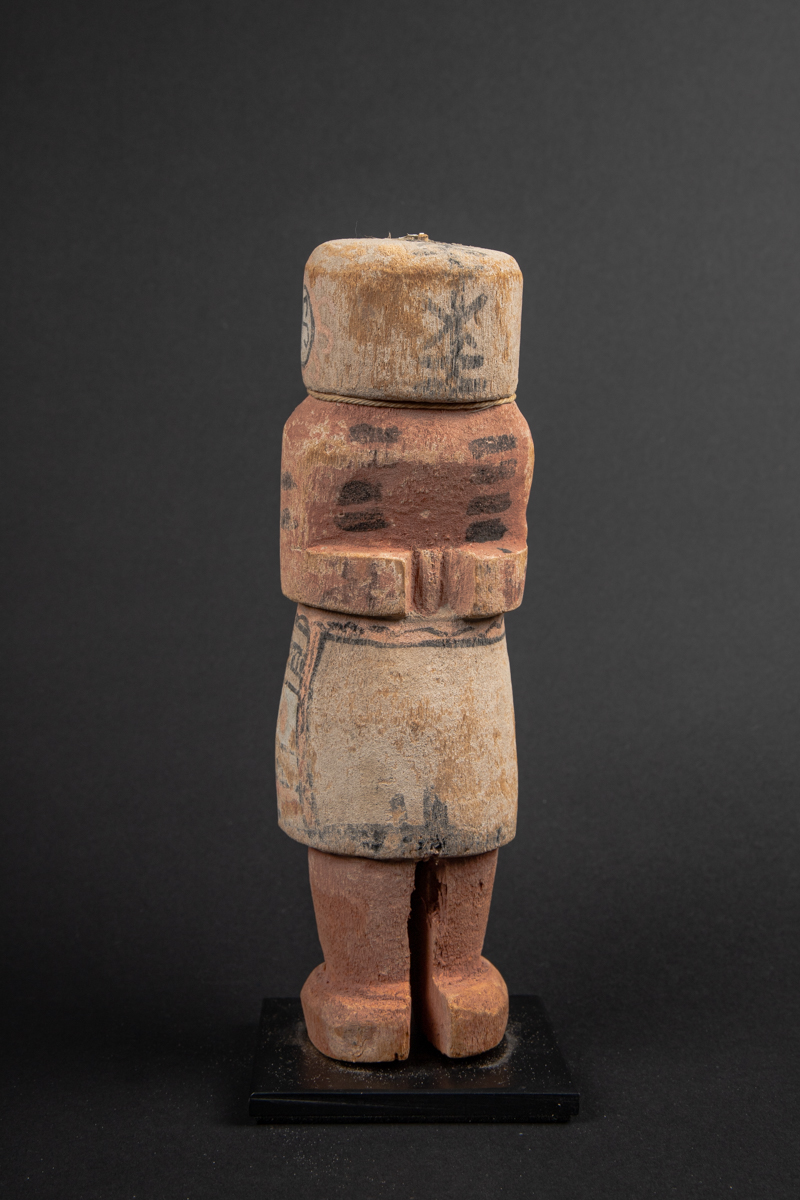
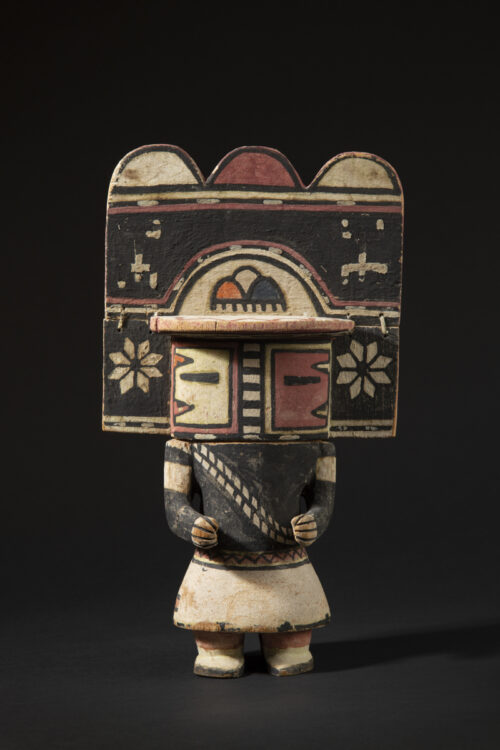
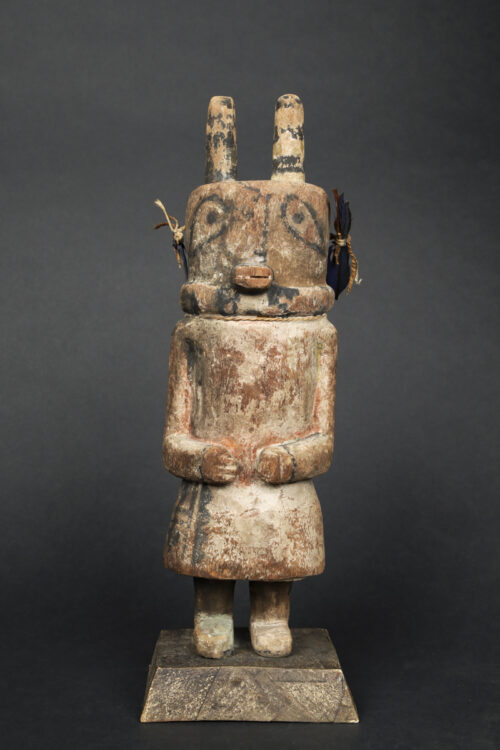
Katsina Doll
Arizona
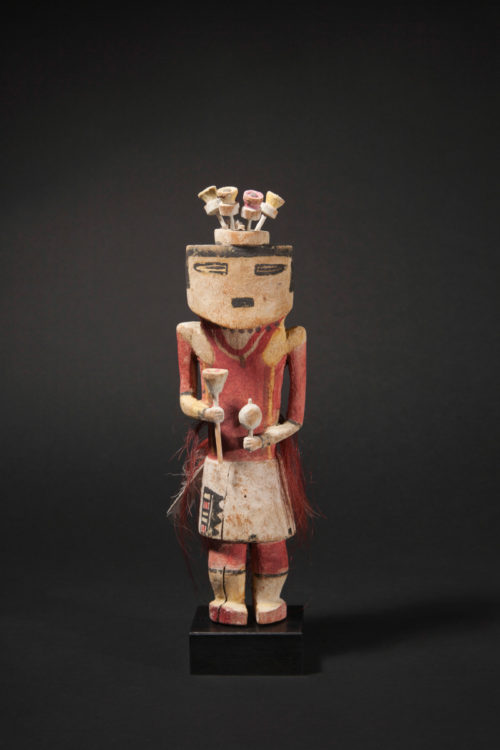
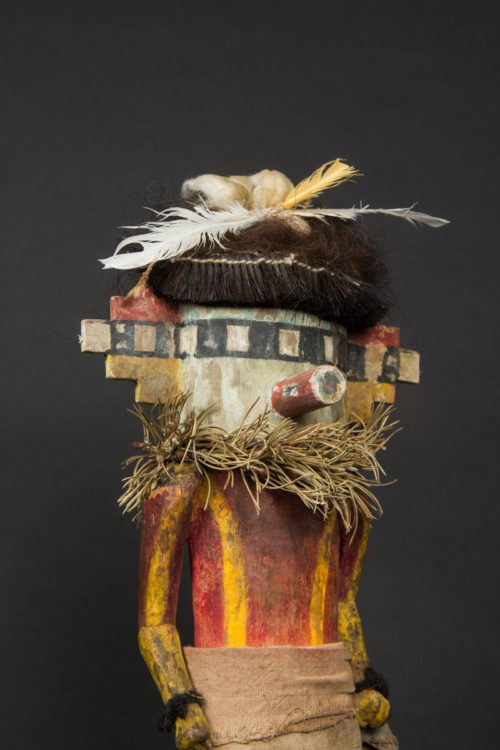
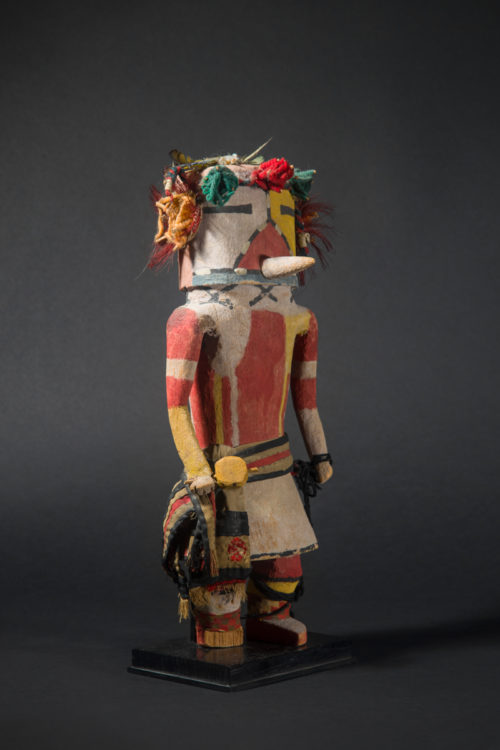
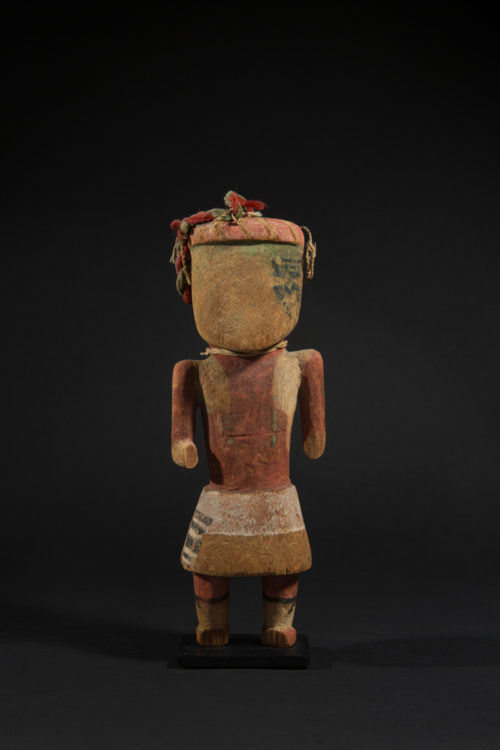
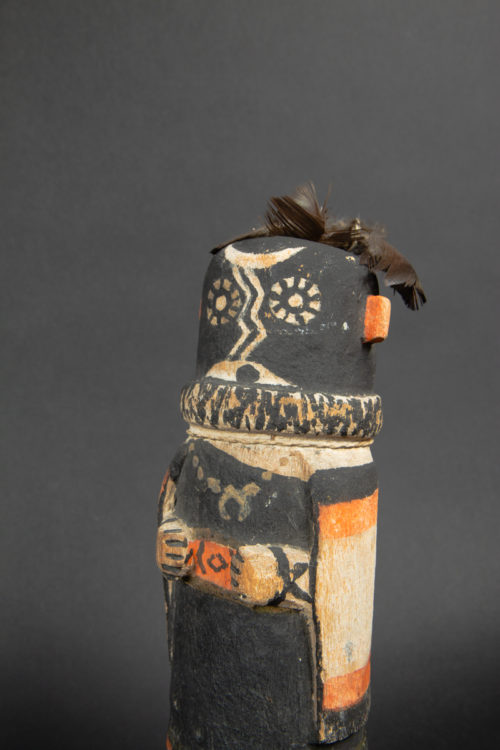
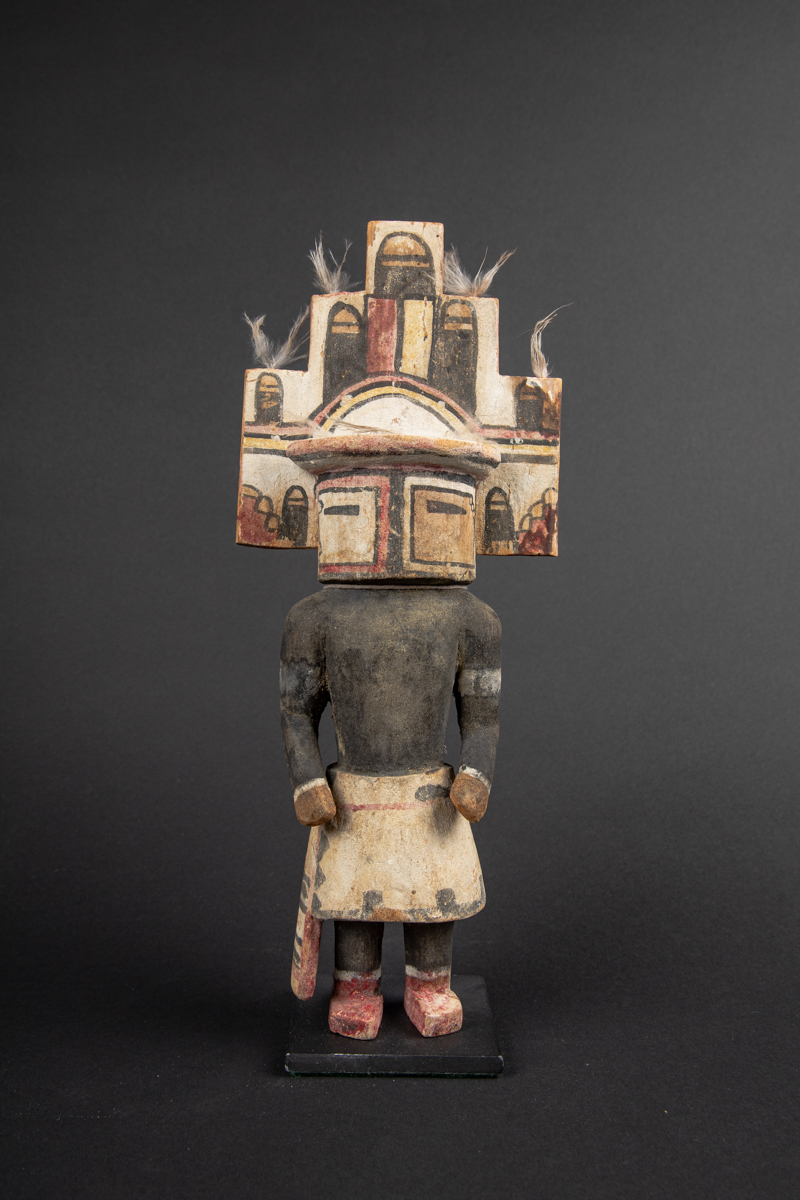
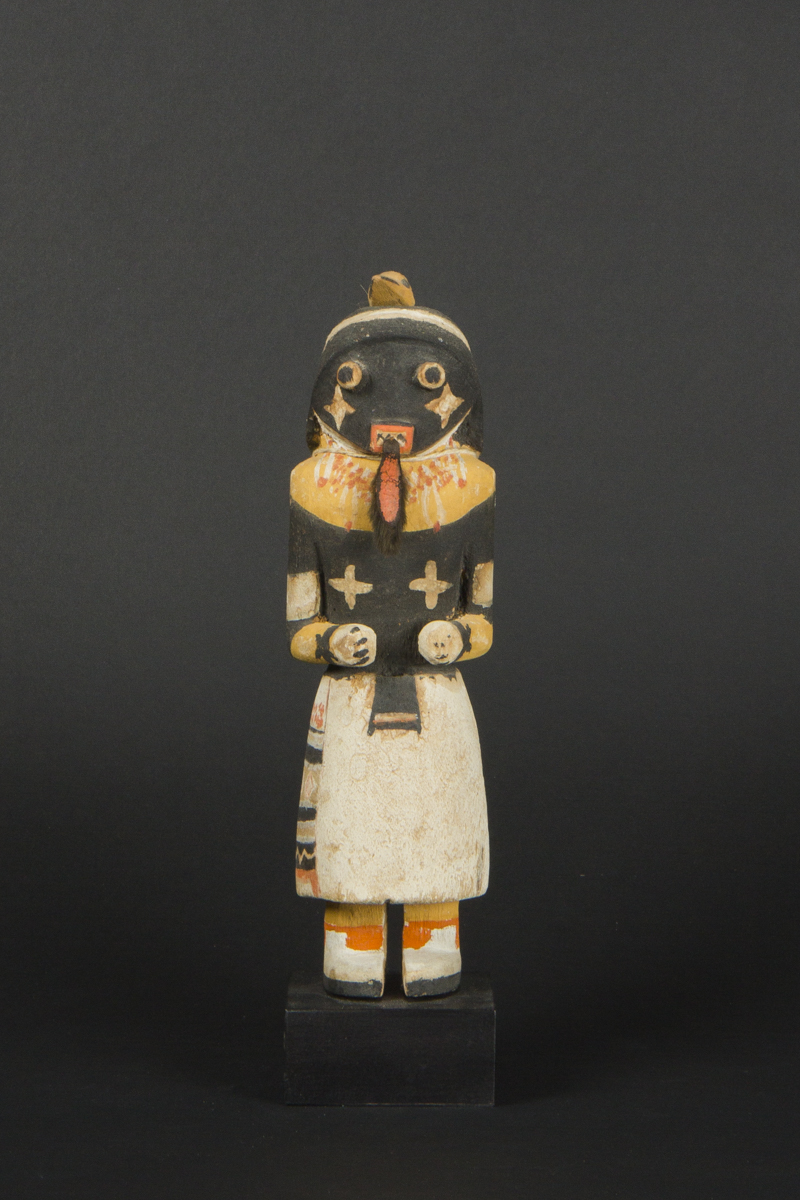
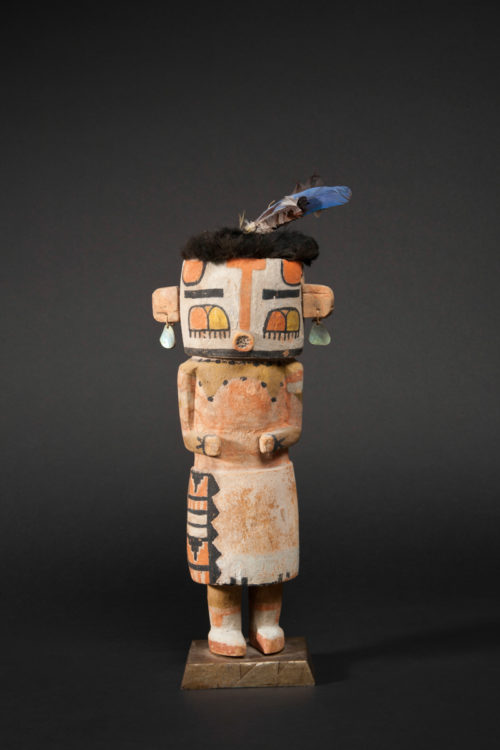
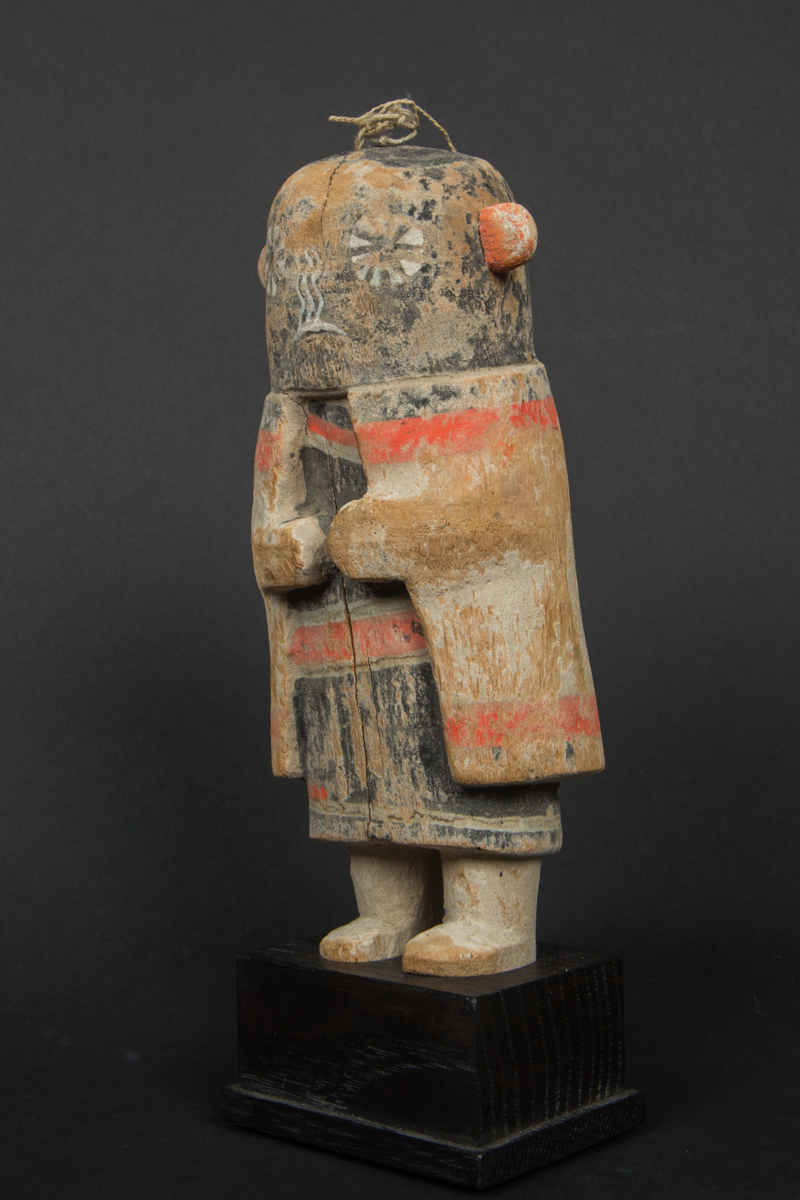
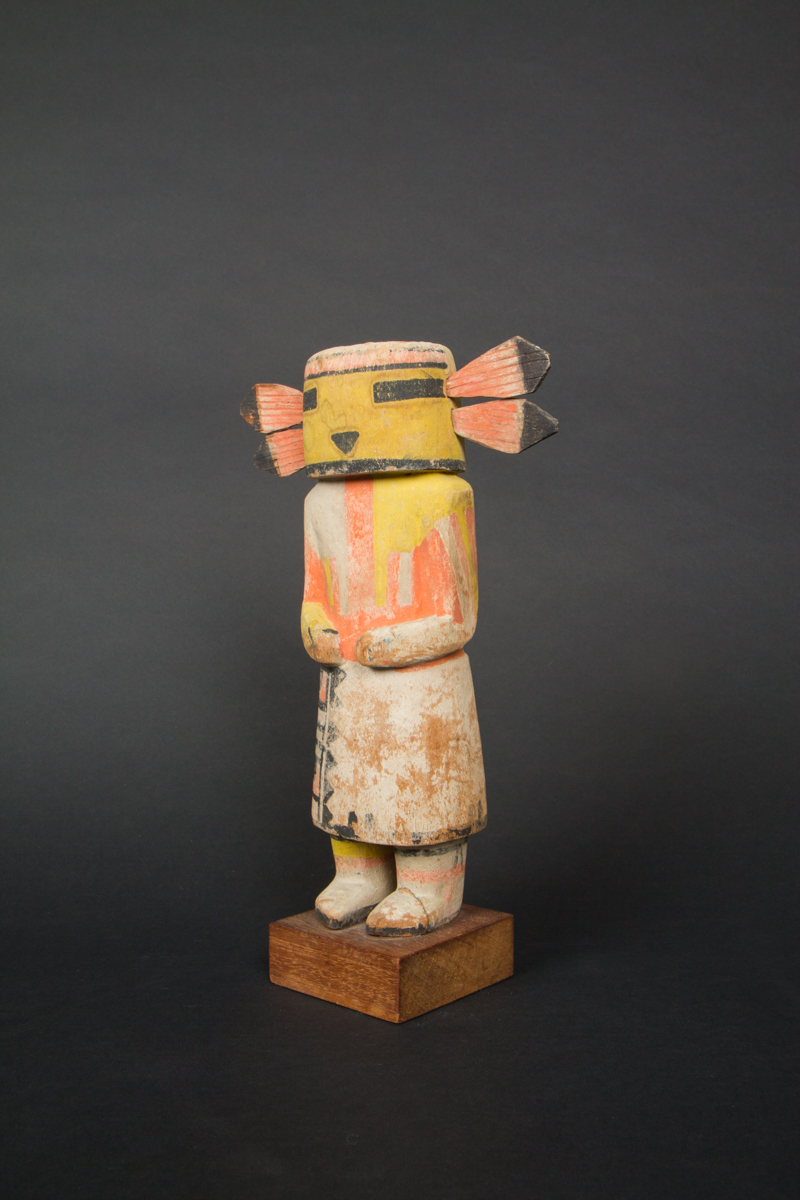
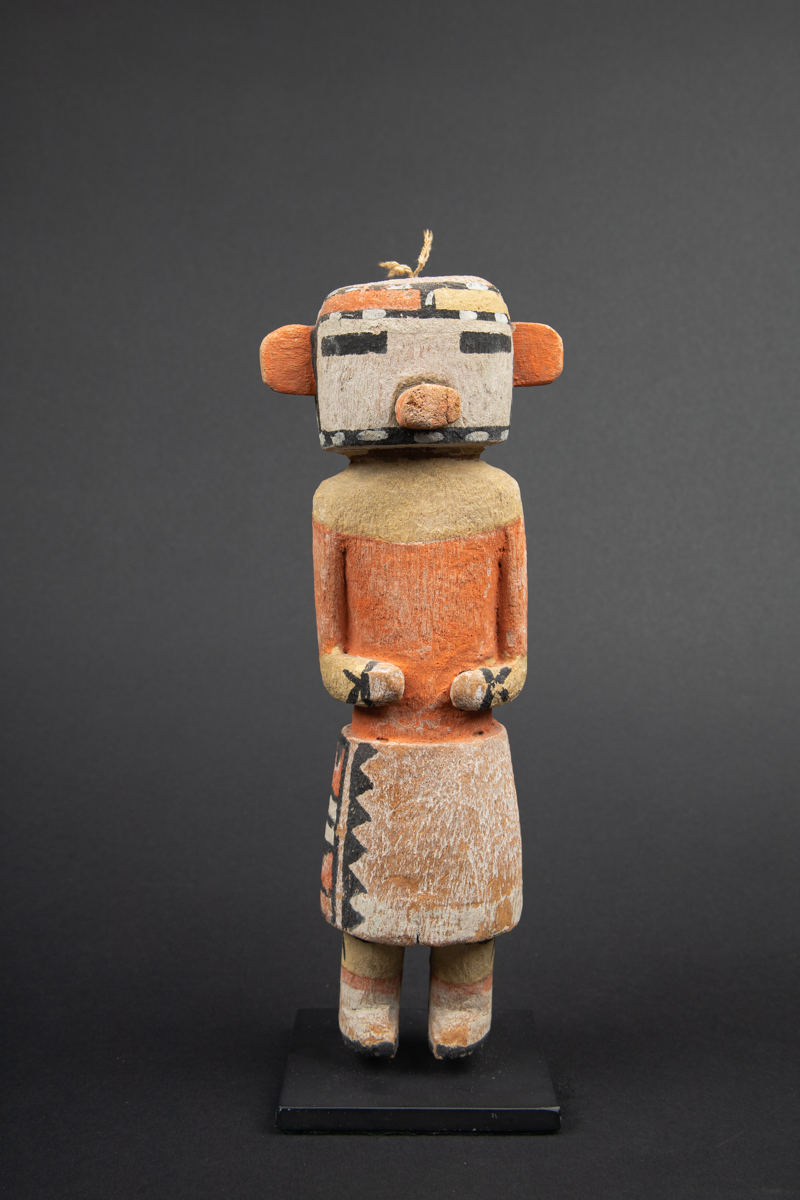
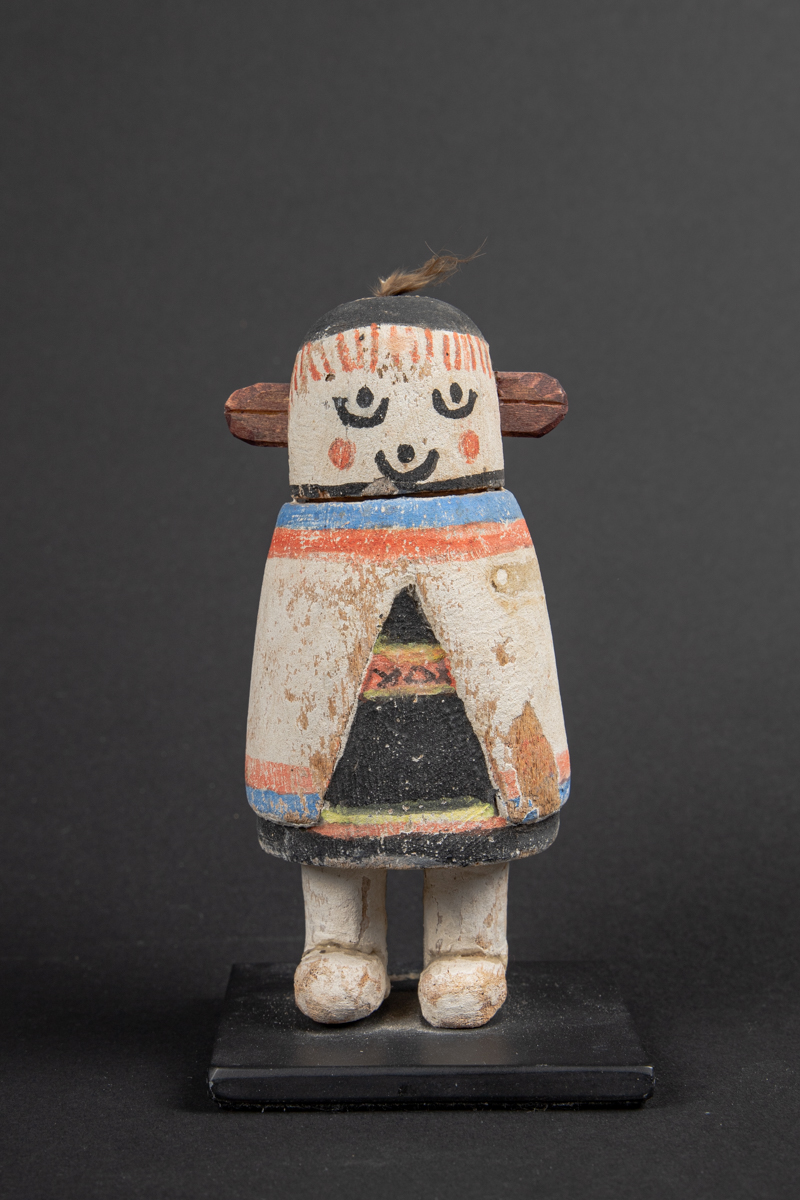
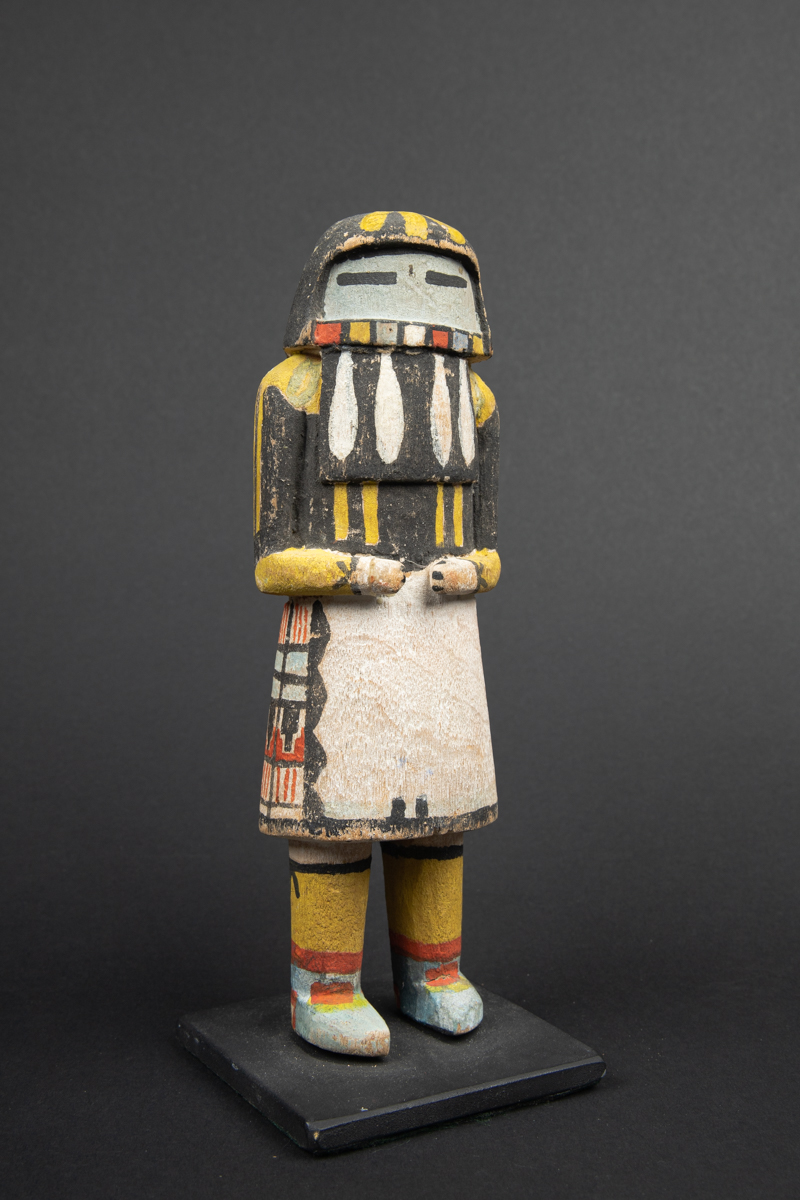
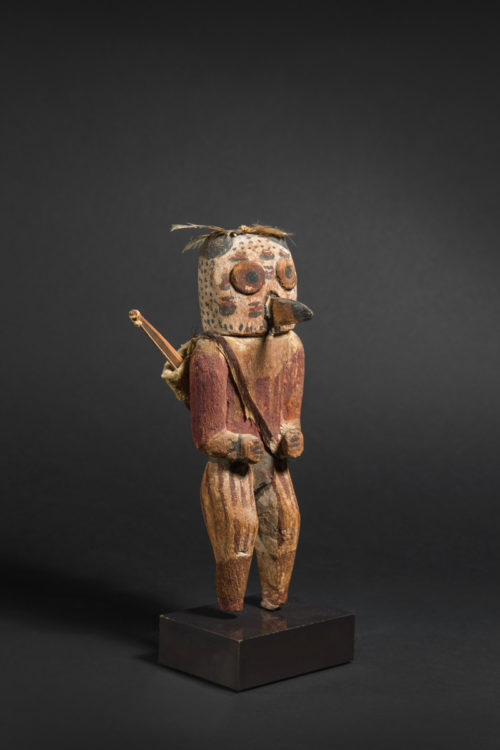
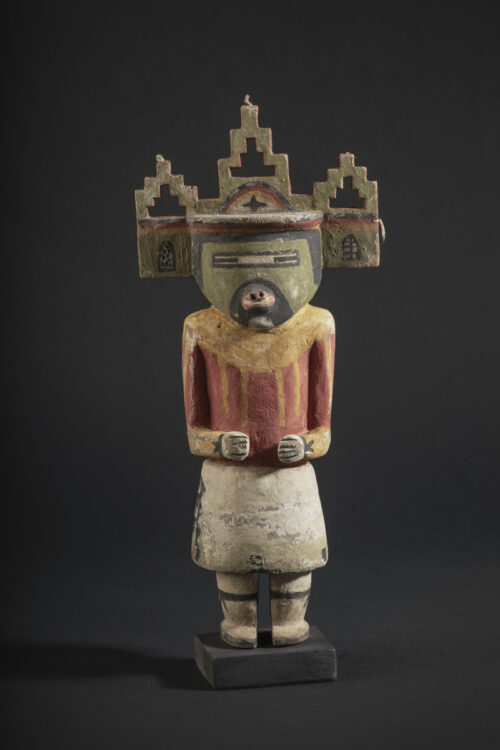
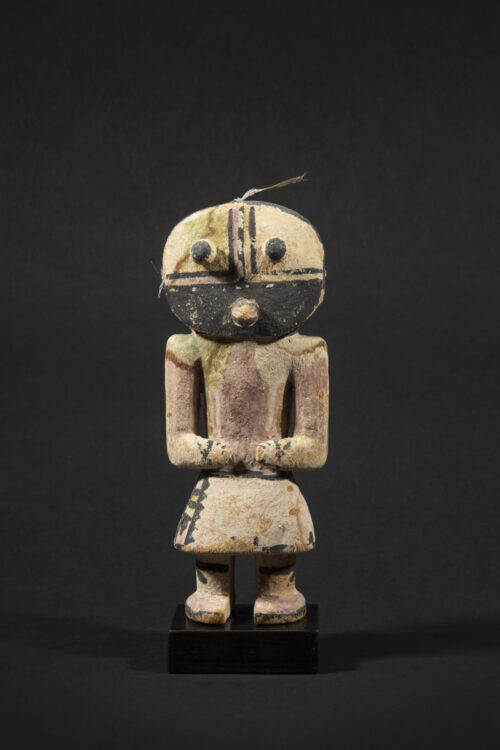
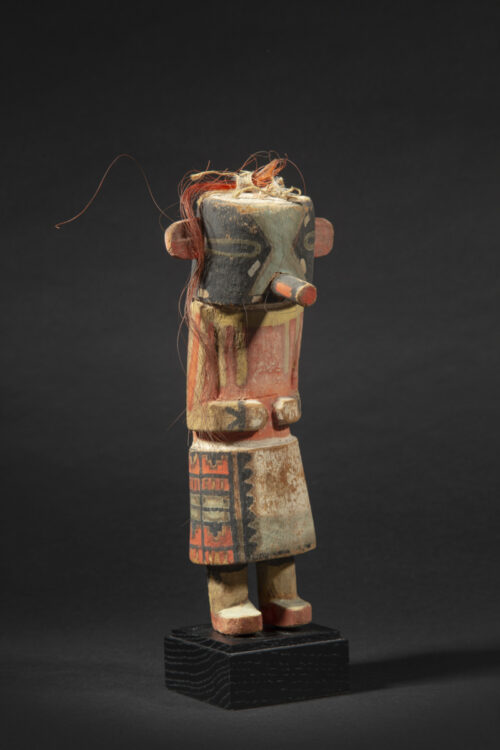
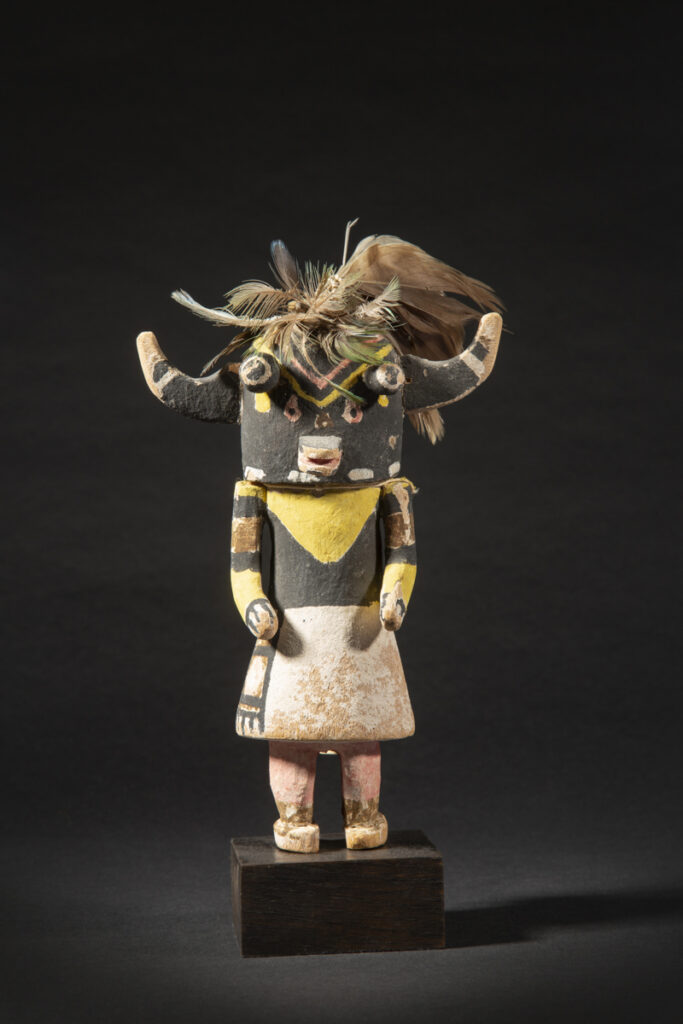
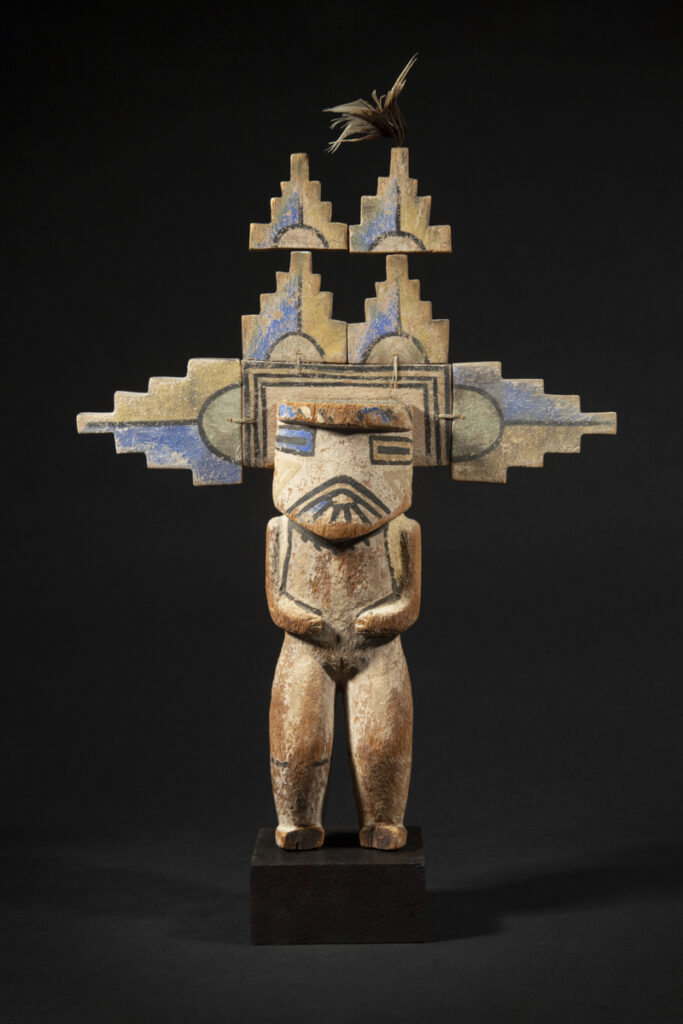
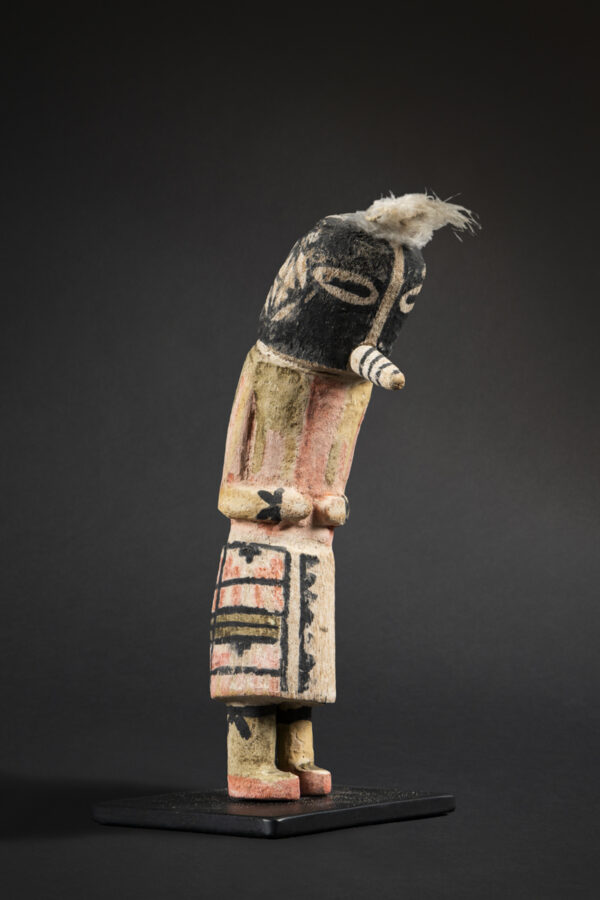
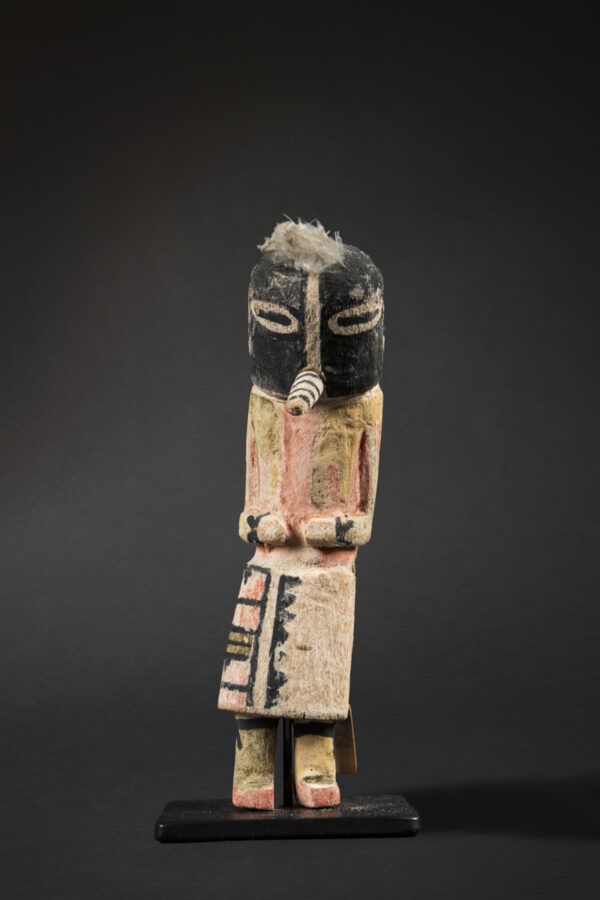
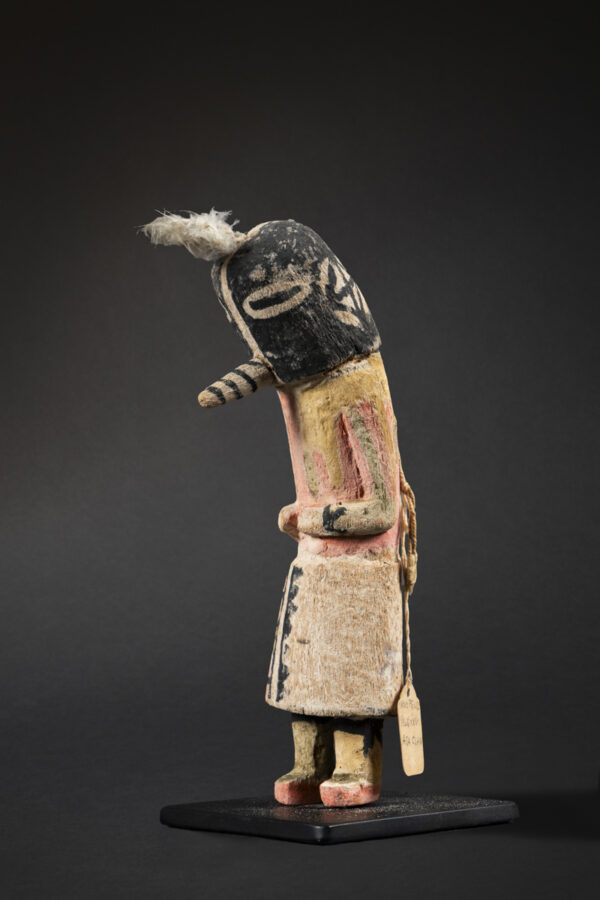
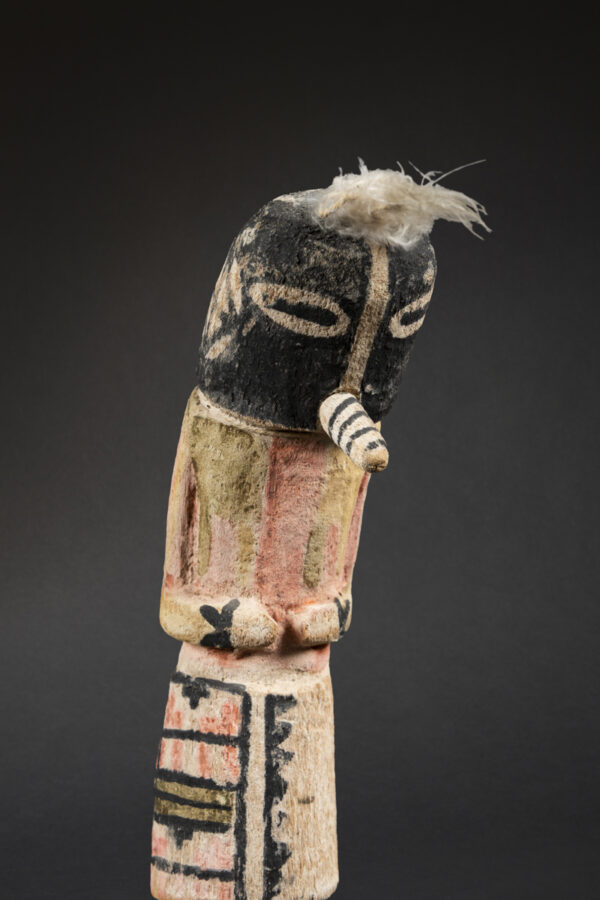
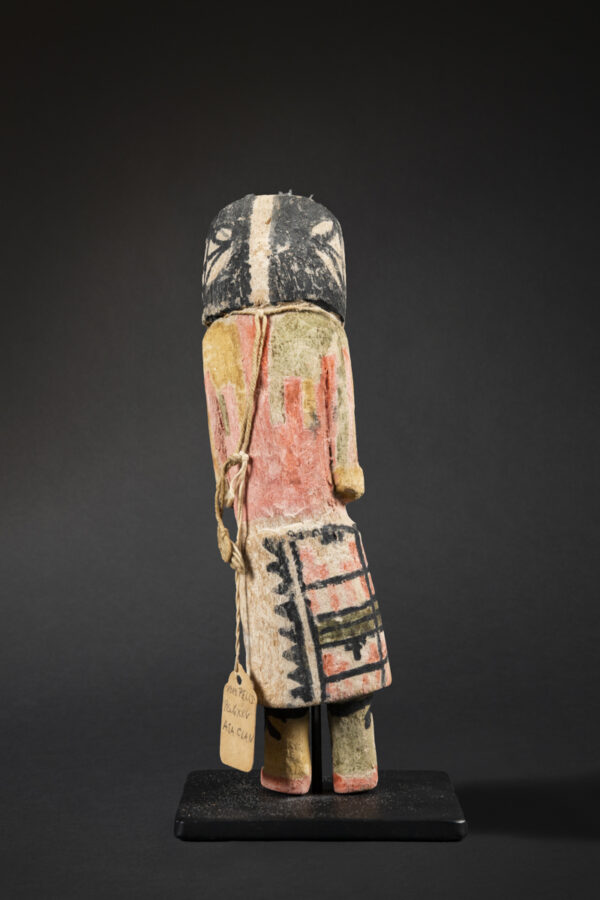
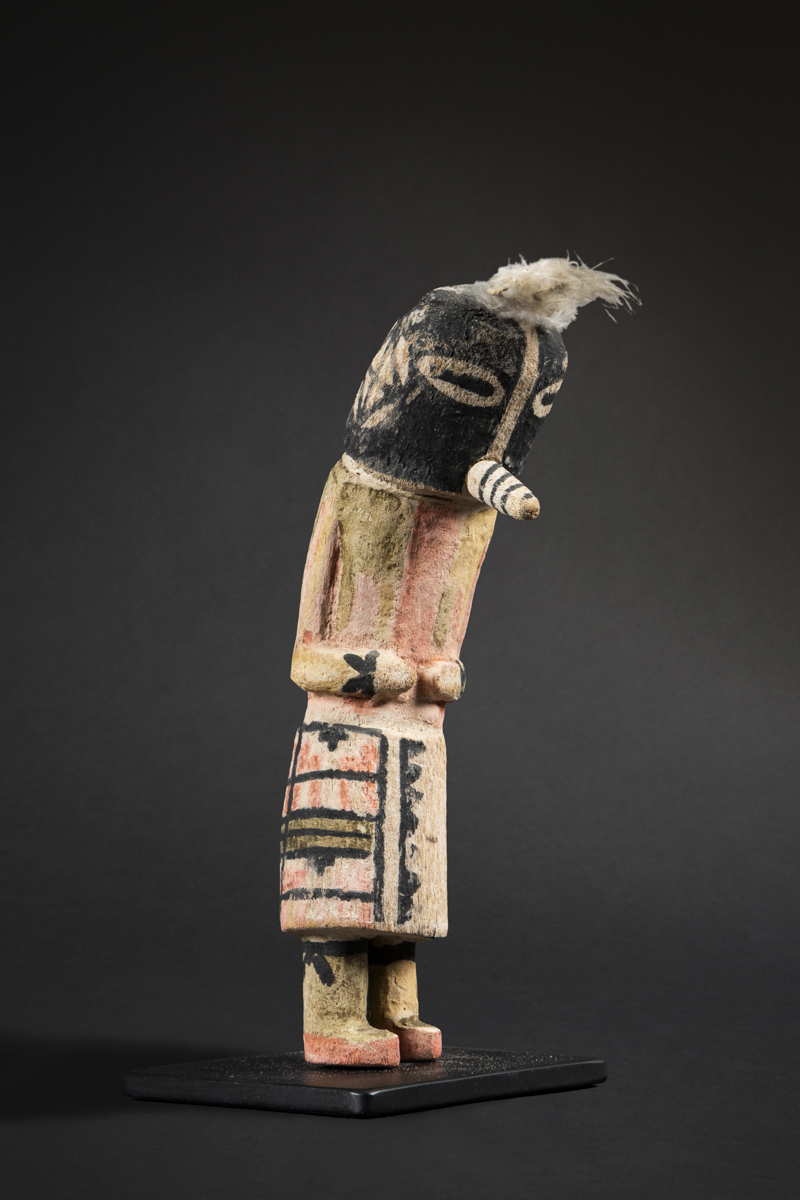
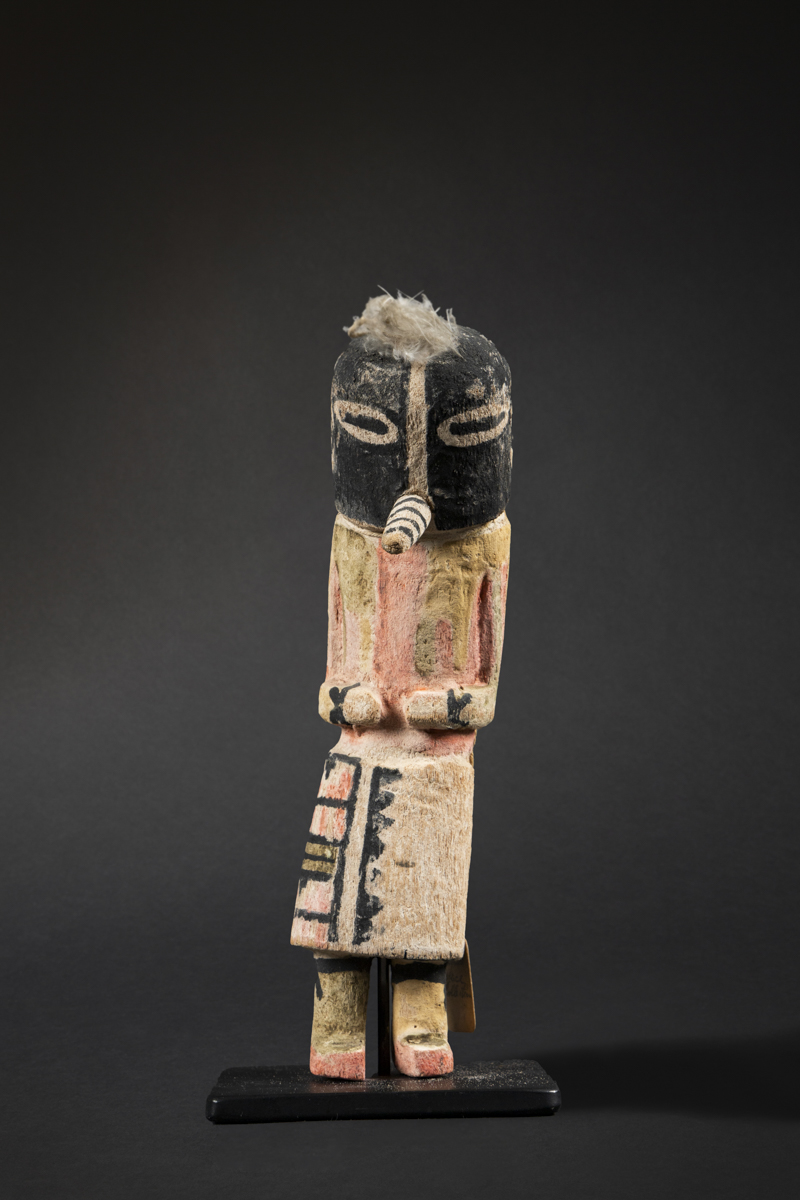
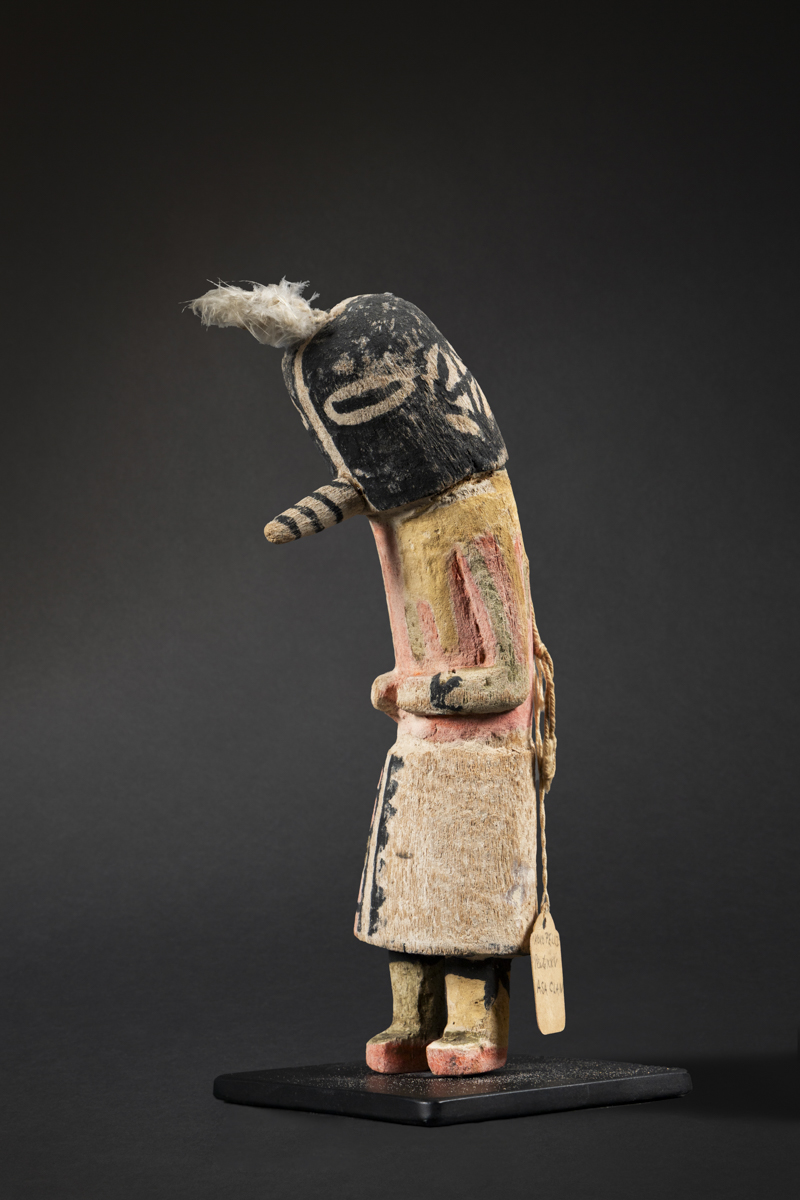
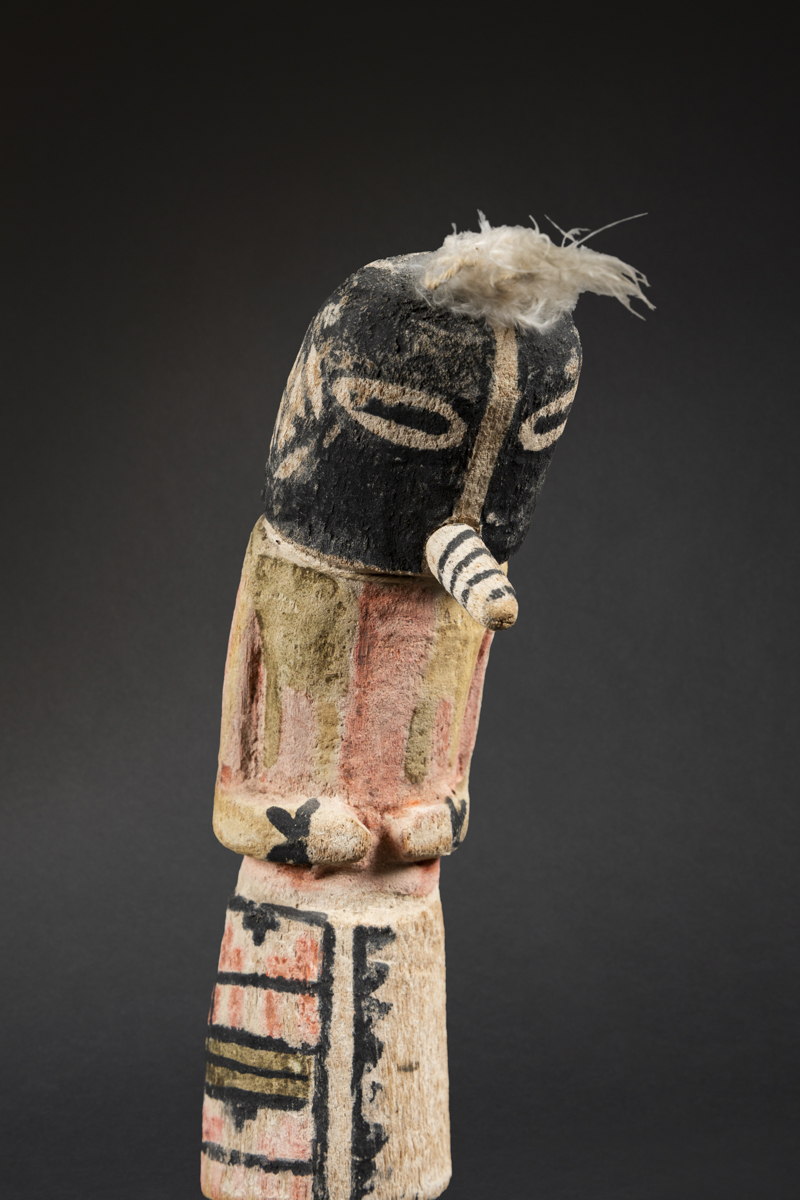
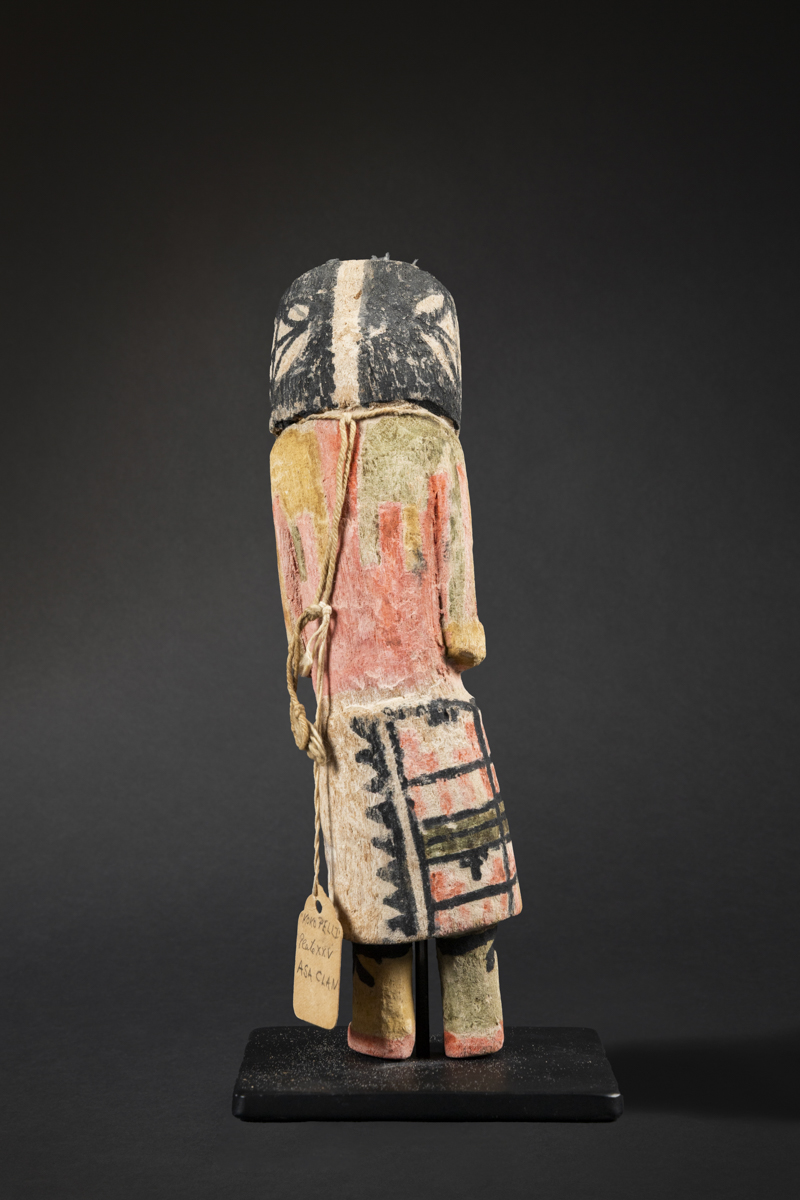
Kokopelli Katsina – Fertility Katsina Doll
Hopi
Circa 1900-1910
Carved wood (cottonwood), pigments, fibers
Height: 19 cm – 7 ½ in.
Provenance
Collection Mace, USA
Collection Michael C. Higgins, USA
Sold
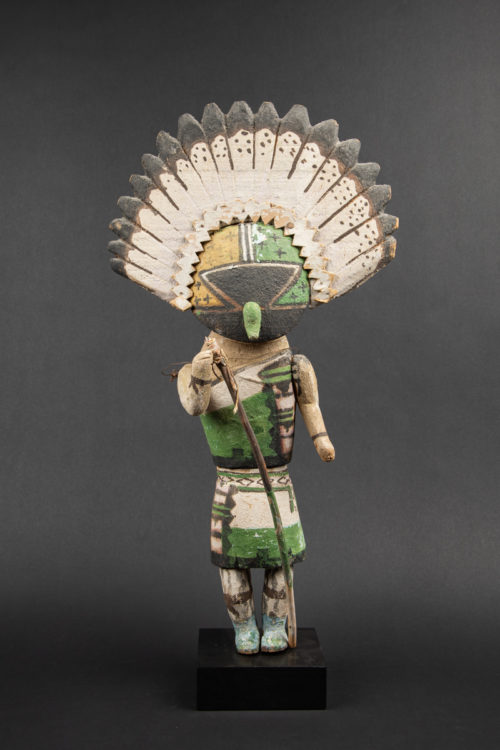
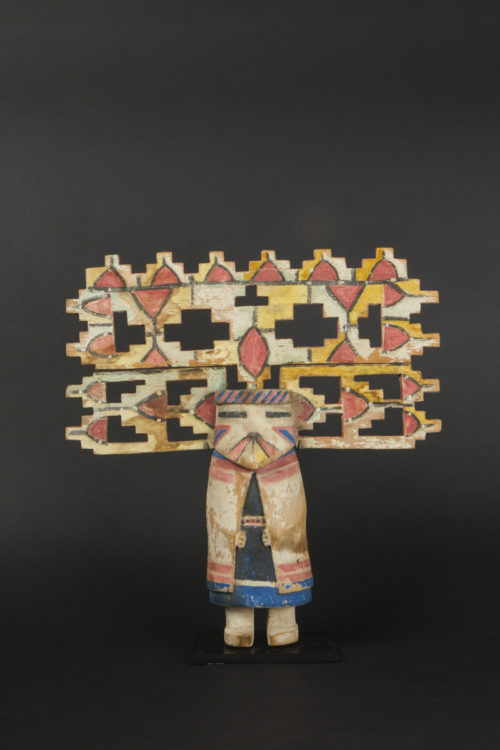
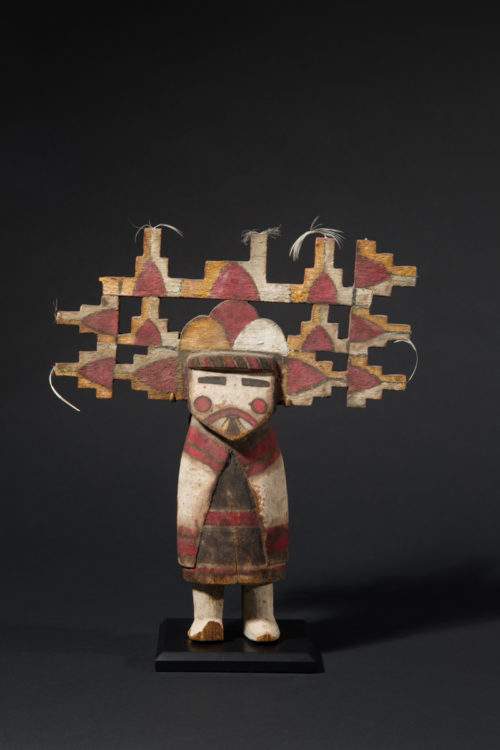
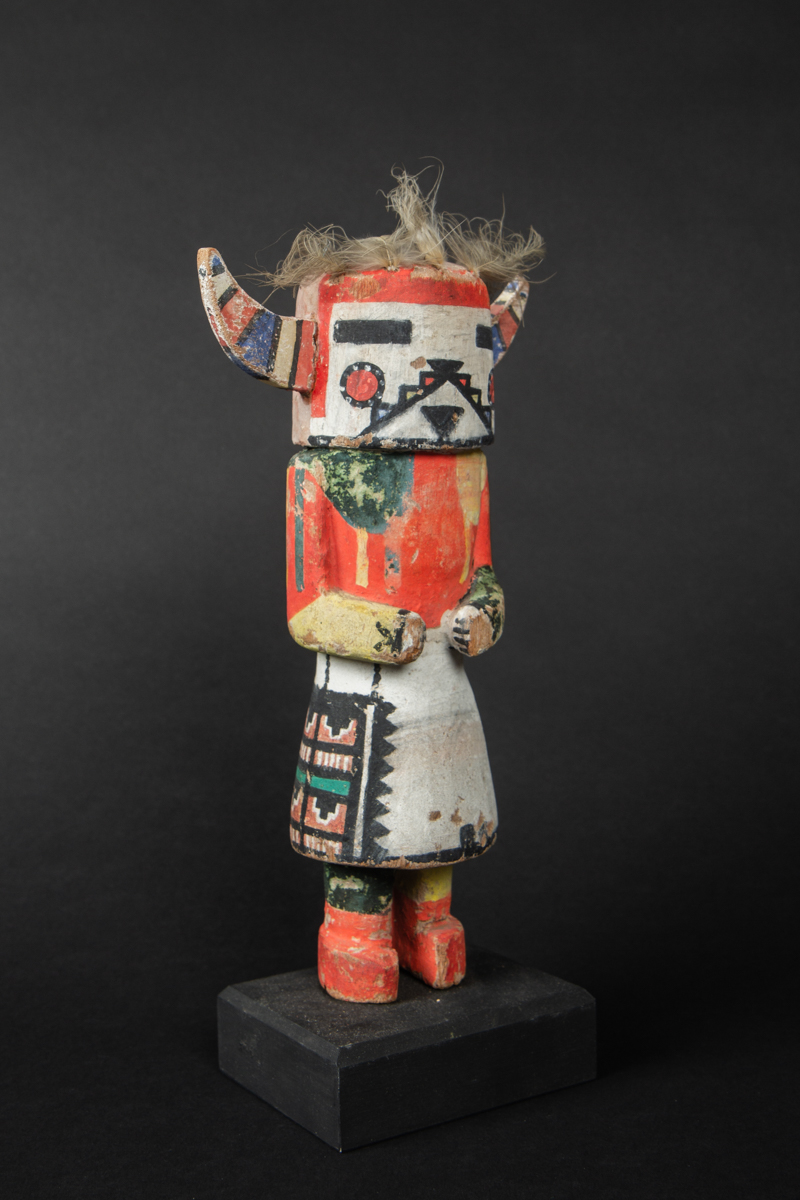
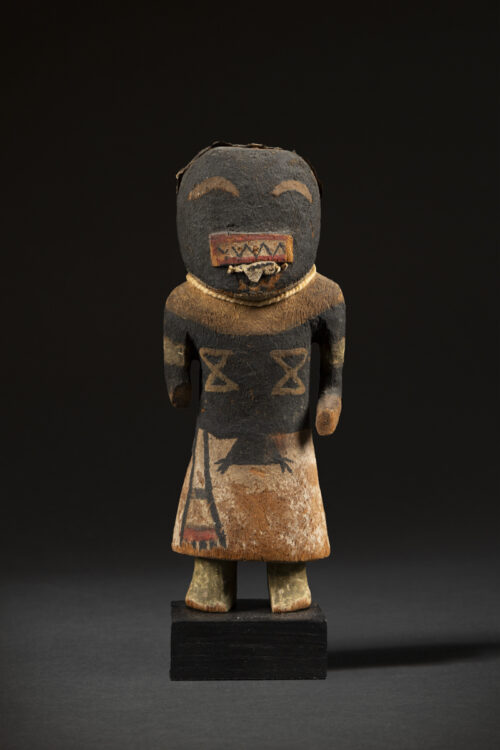
Katsina dolls (or katsinam) represent spirits or gods from the pantheon of the Pueblo peoples in the American Southwest. Given to children, katsina dolls constituted a pedagogical tool allowing them to familiarize themselves with the spiritual world and perpetuating knowledge of the founding myths on which their society was based.
According to the research of Andy Salinas, Kokopelli is a mythical figure often depicted as a humpbacked flute player. Originating from ancient Native American beliefs in the Southwestern United States, he dates back more than 3,000 years. A central image in Anasazi mythology, Kokopelli is a powerful symbol of fertility, joy, celebration, and longevity.
He is a multifaceted spirit: a minstrel and master of music, a storyteller, a traveling merchant, and a rainmaker. He is also revered as a healer, a teacher, a trickster magician, and a seducer. Carrying the wisdom of the ages, this joyful traveler offers a lesson to everyone—the most vital being that we should not take life too seriously.
While he is most prominently found in the "Four Corners" region—the high plateau where New Mexico, Colorado, Utah, and Arizona meet on the Navajo reservation—rock paintings depicting his silhouette have been discovered from Peru to Canada.
According to other scholars such as Ekkehart Malotki ("Kokopelli: The Meaning and History of a South-Western Icon", University of Nebraska Press, 2000) or Barton Wright, the figure of Kokopelli is not necessarily a flute player; it is often conflated with other Katsina spirits associated with the flute, notably the Cicada (Maahu) . They argue that Kokopelli was originally a fertility deity who did not carry a musical instrument.
According to the research of Andy Salinas, Kokopelli is a mythical figure often depicted as a humpbacked flute player. Originating from ancient Native American beliefs in the Southwestern United States, he dates back more than 3,000 years. A central image in Anasazi mythology, Kokopelli is a powerful symbol of fertility, joy, celebration, and longevity.
He is a multifaceted spirit: a minstrel and master of music, a storyteller, a traveling merchant, and a rainmaker. He is also revered as a healer, a teacher, a trickster magician, and a seducer. Carrying the wisdom of the ages, this joyful traveler offers a lesson to everyone—the most vital being that we should not take life too seriously.
While he is most prominently found in the "Four Corners" region—the high plateau where New Mexico, Colorado, Utah, and Arizona meet on the Navajo reservation—rock paintings depicting his silhouette have been discovered from Peru to Canada.
According to other scholars such as Ekkehart Malotki ("Kokopelli: The Meaning and History of a South-Western Icon", University of Nebraska Press, 2000) or Barton Wright, the figure of Kokopelli is not necessarily a flute player; it is often conflated with other Katsina spirits associated with the flute, notably the Cicada (Maahu) . They argue that Kokopelli was originally a fertility deity who did not carry a musical instrument.
Explore the entire collection