
North America | Alaska
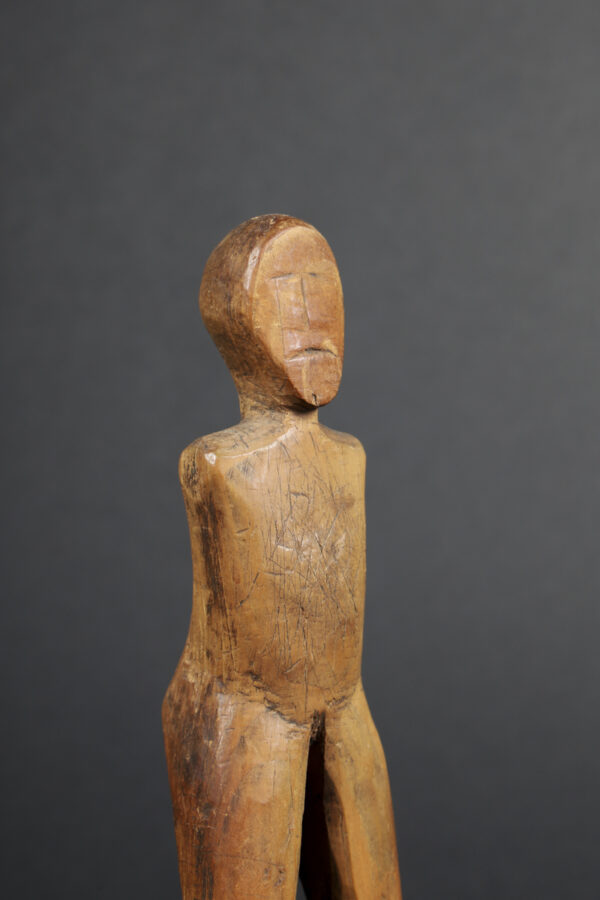
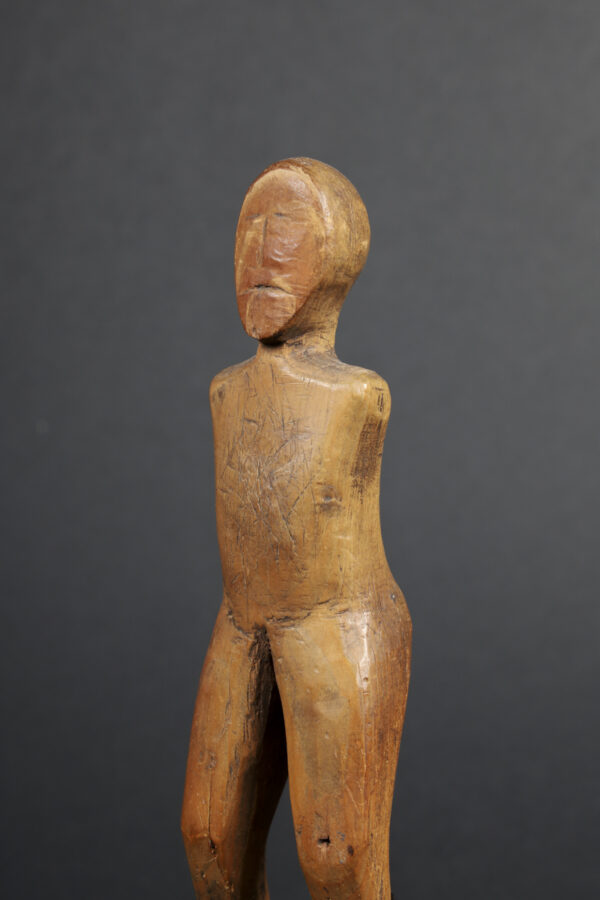
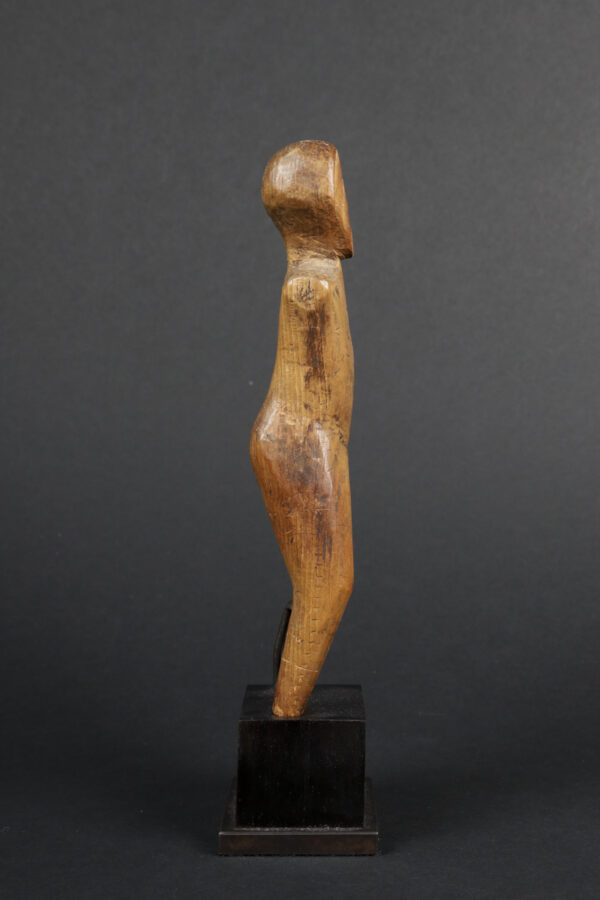
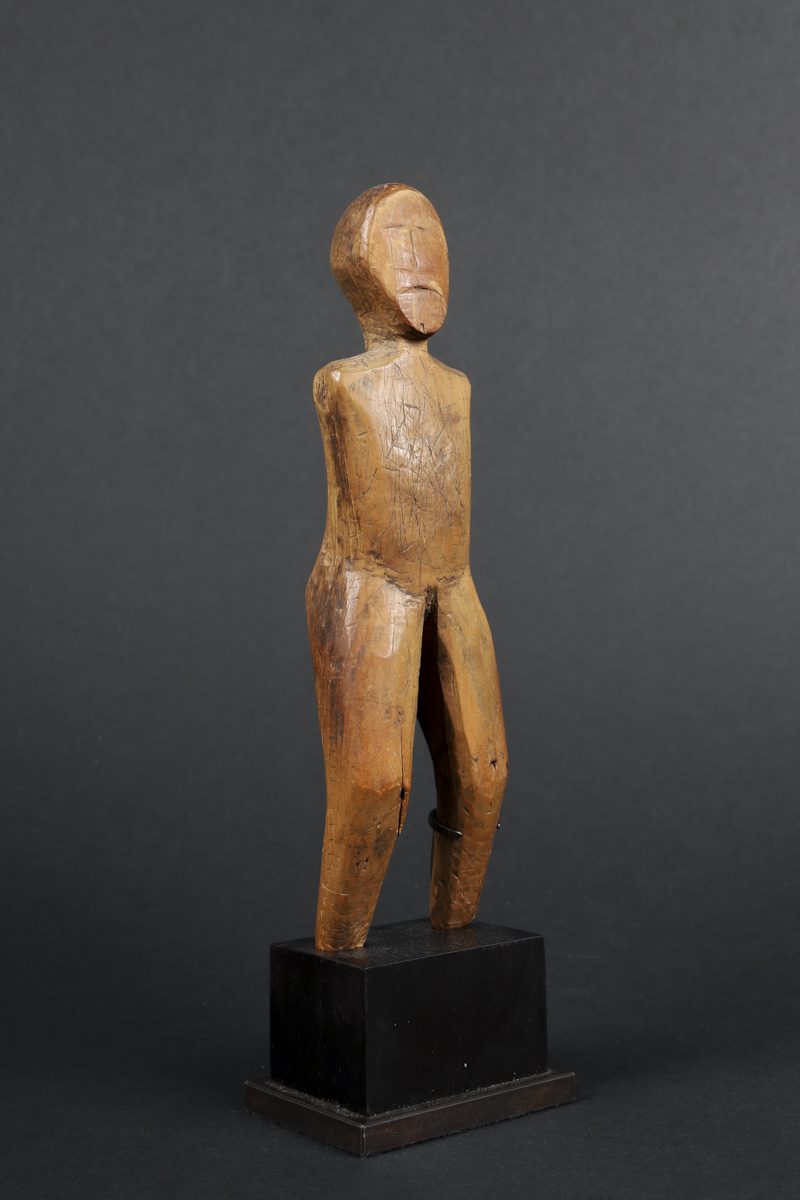
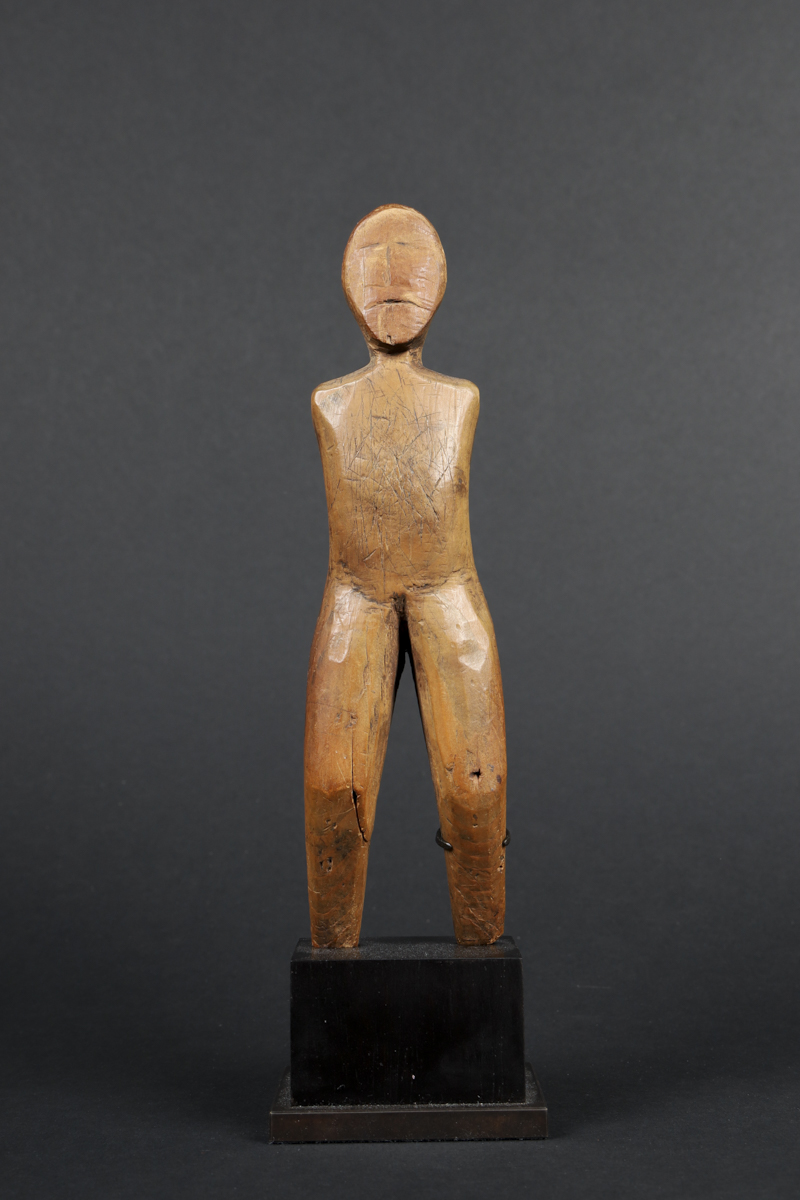
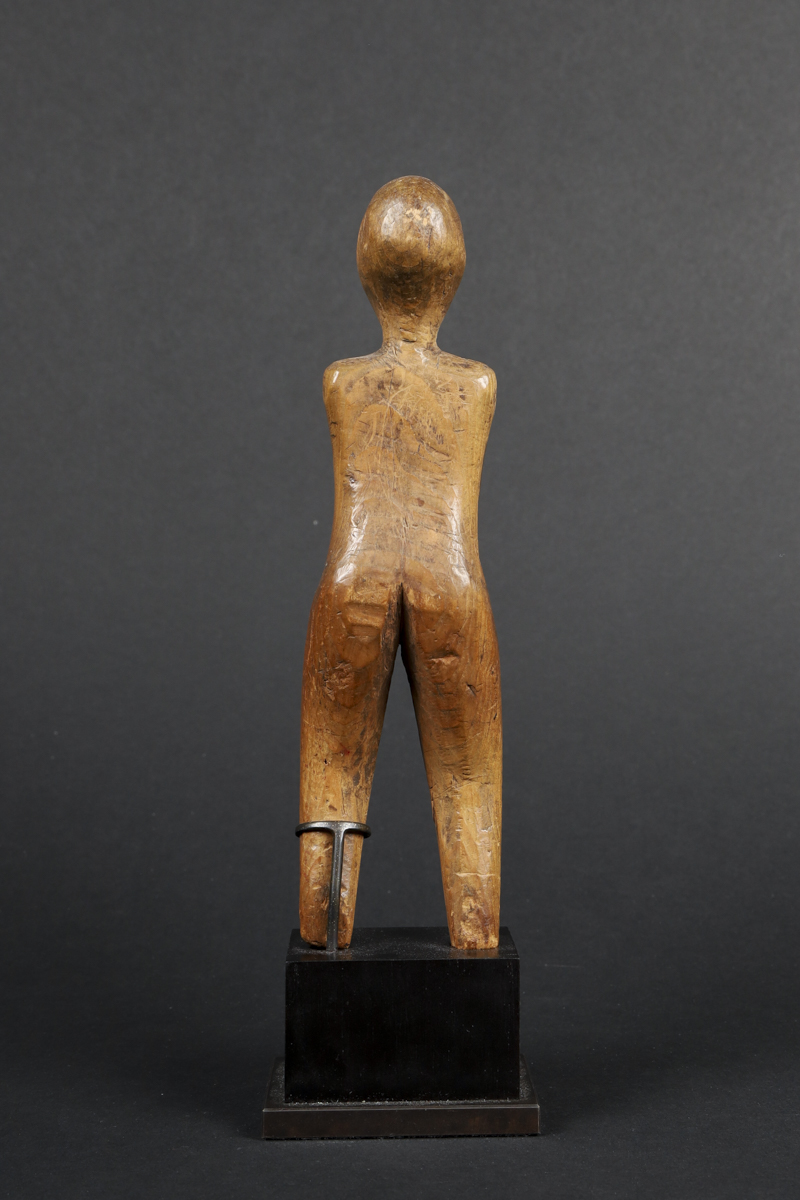
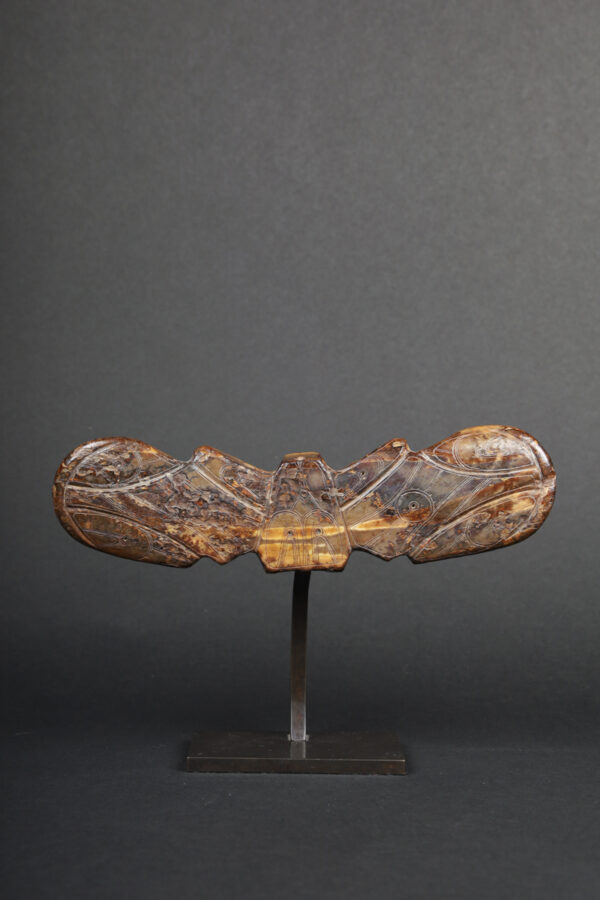
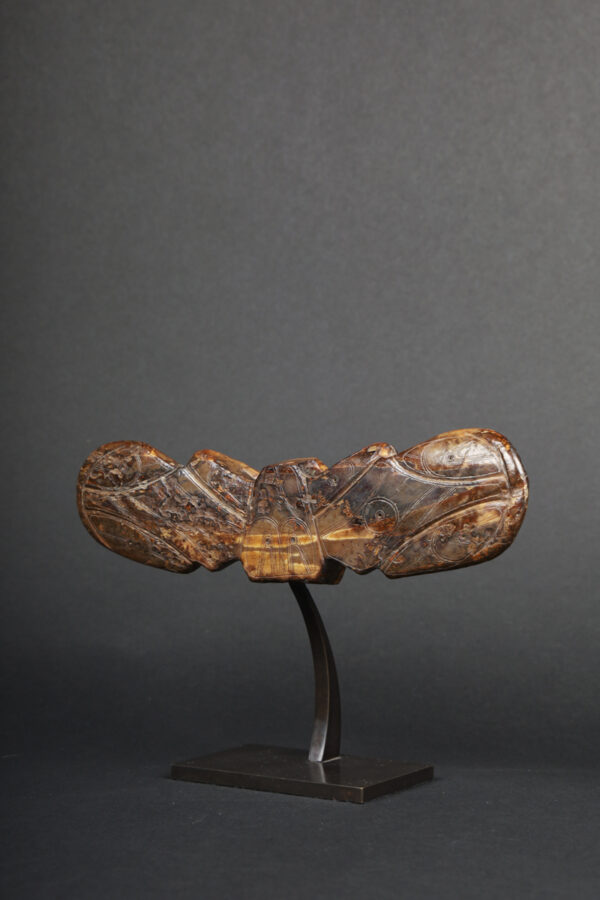
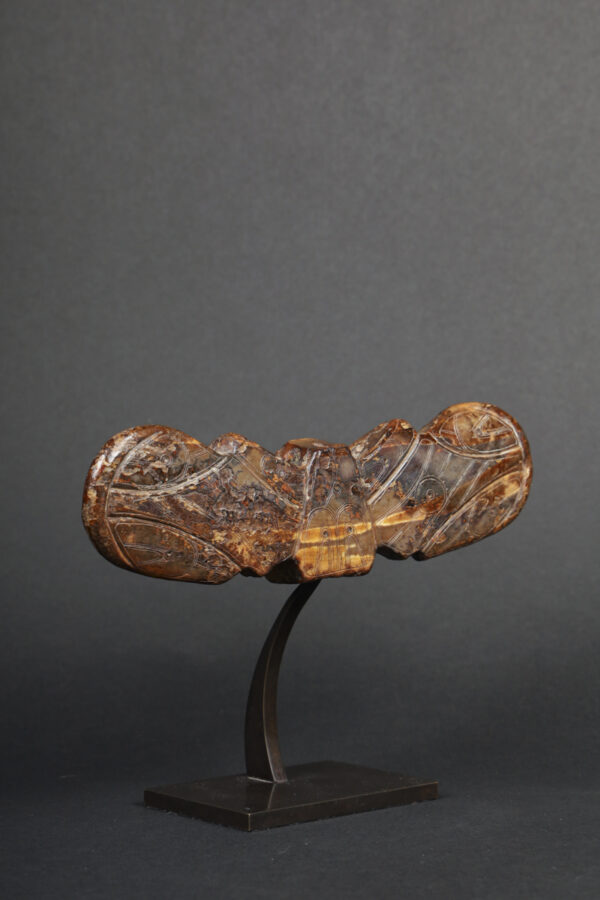
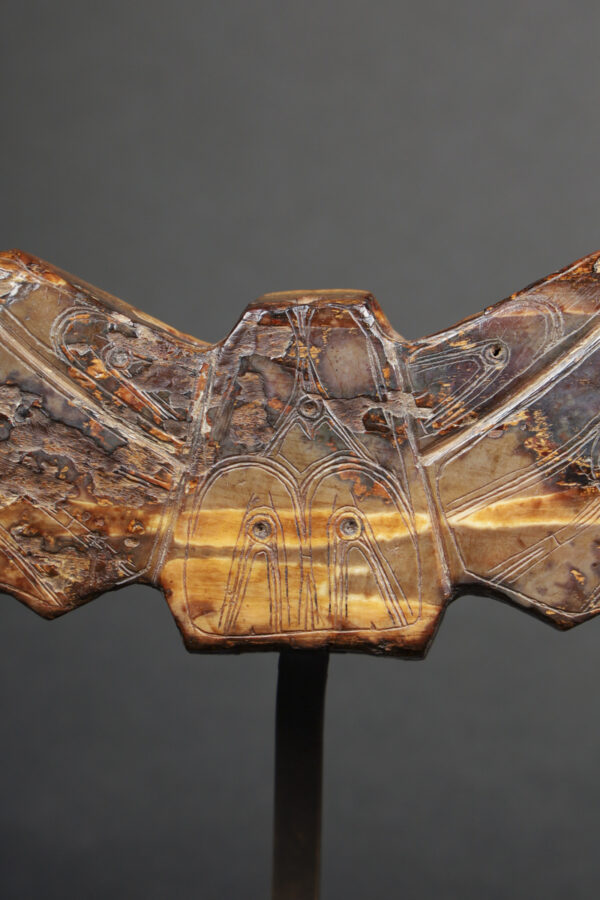
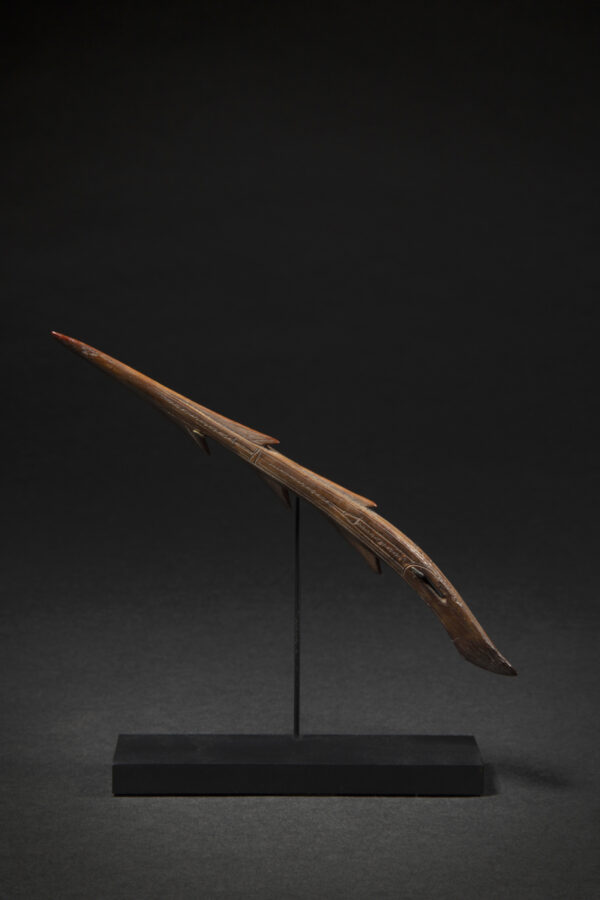
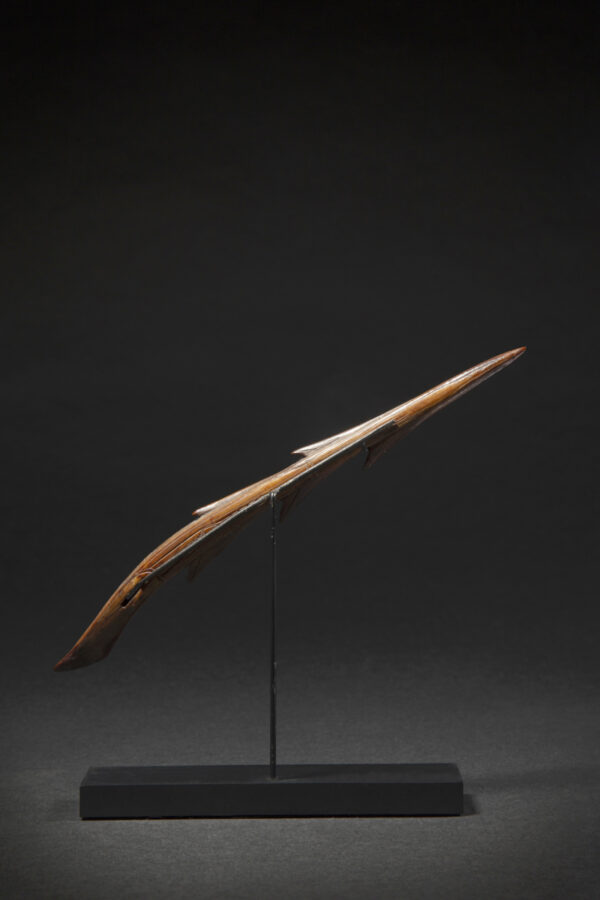
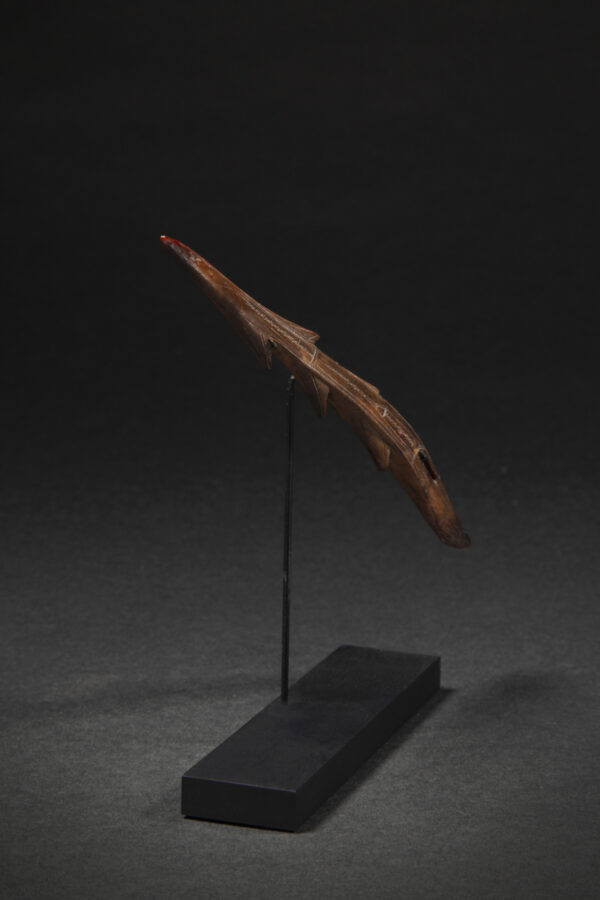
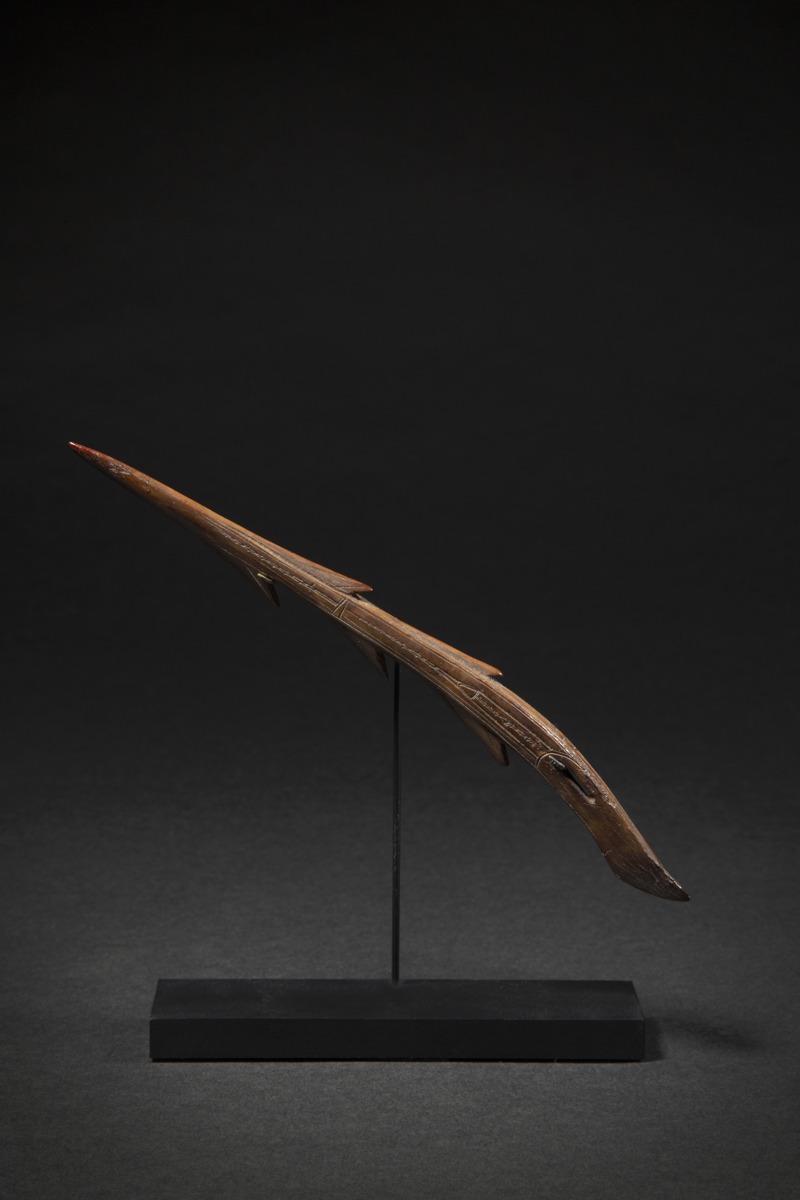
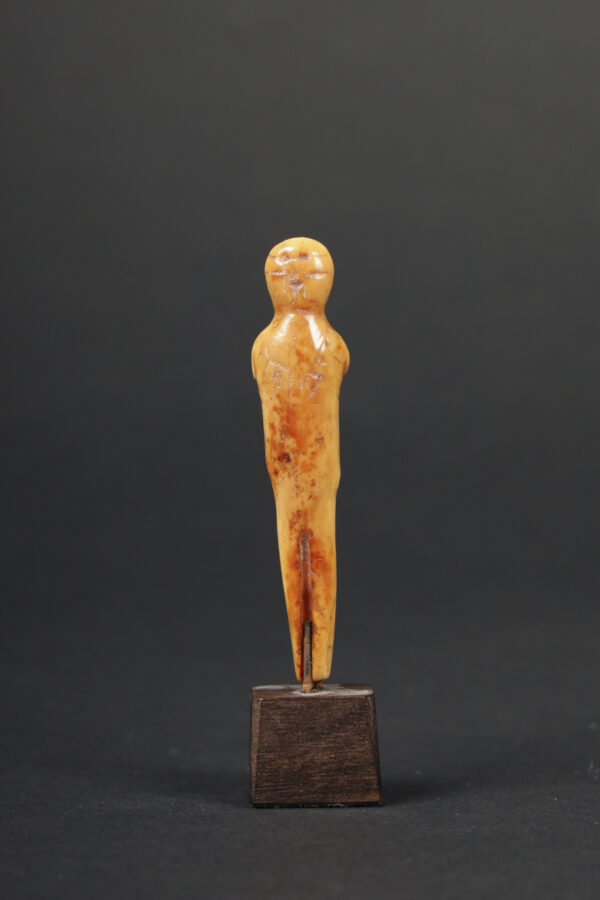
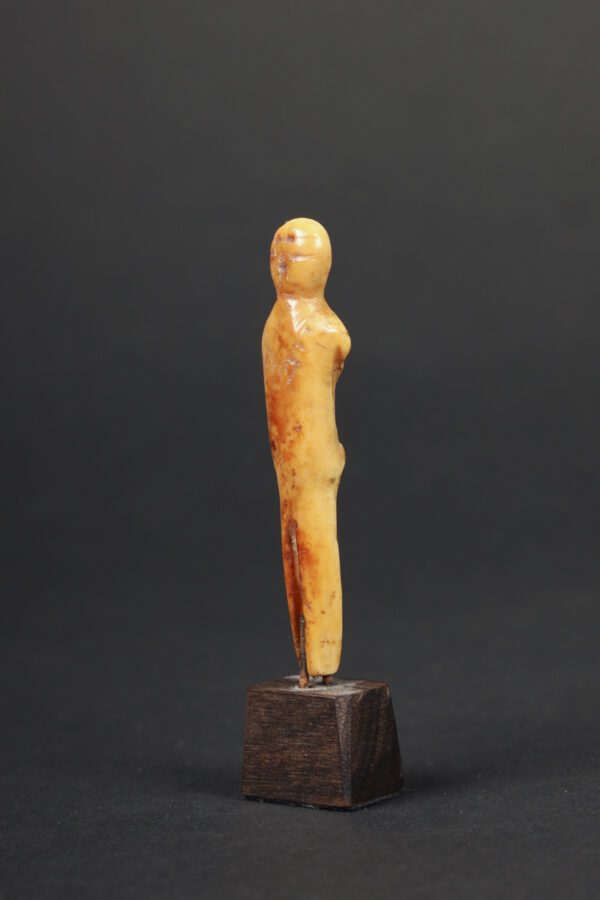
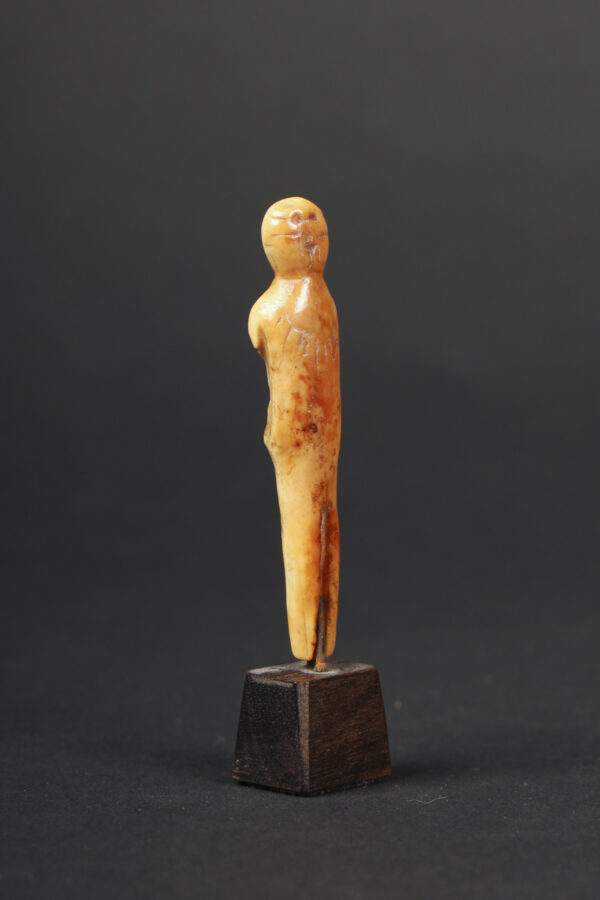
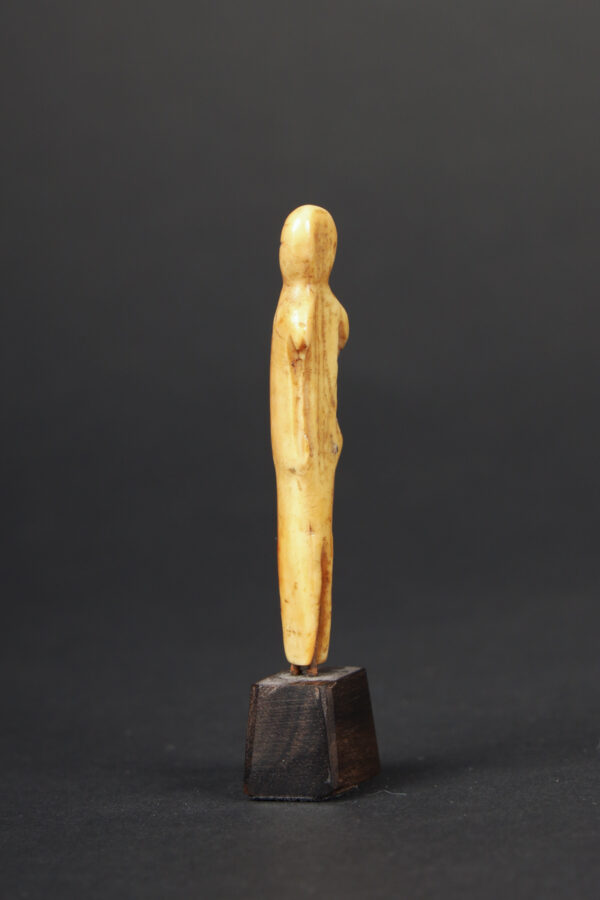
Janus figure
Alaska
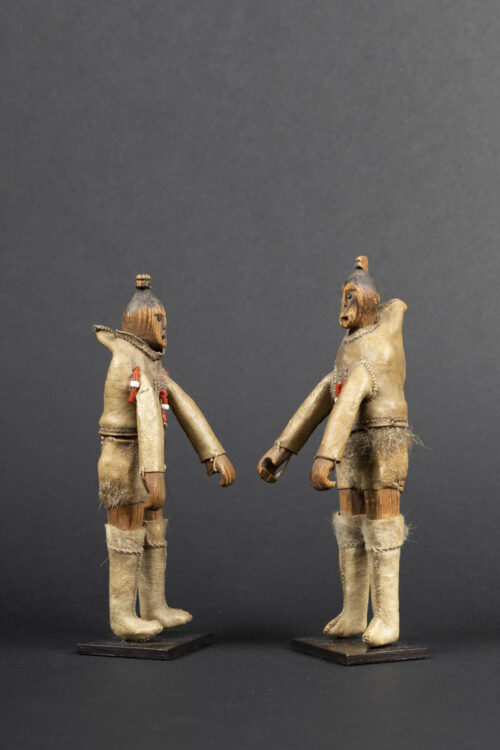
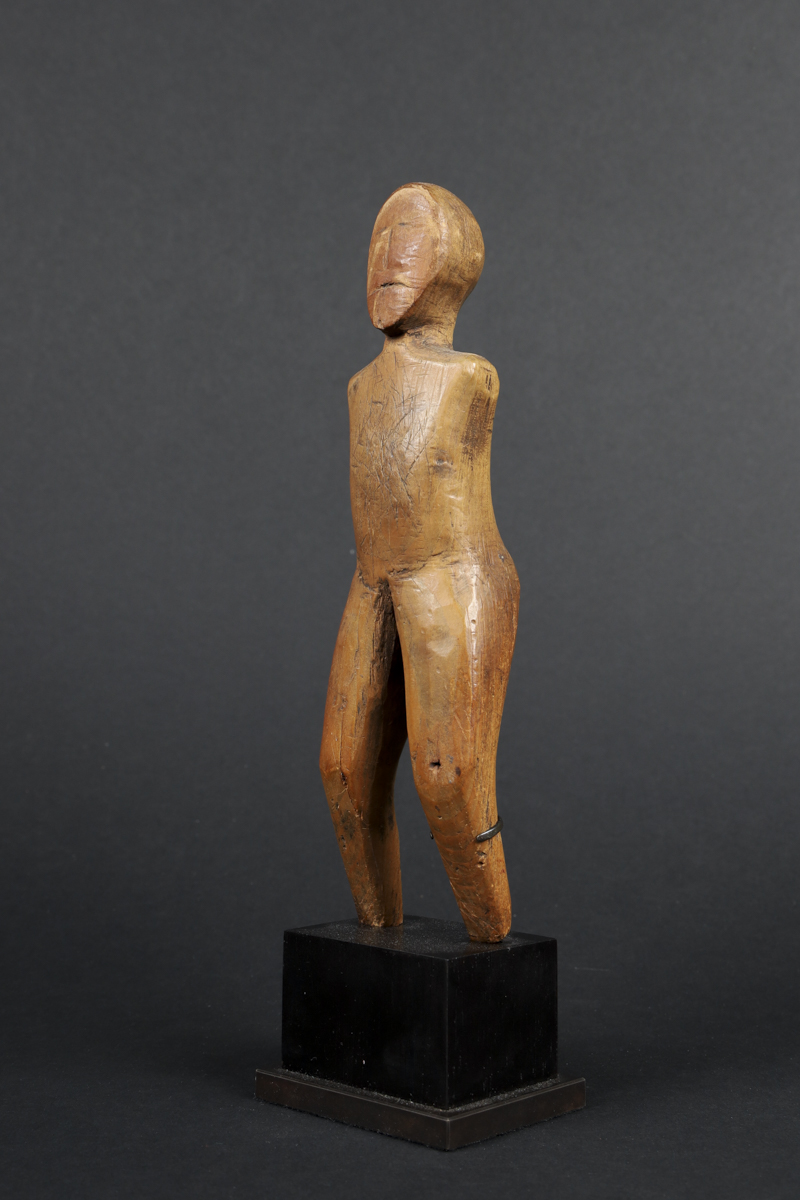
Anthropomorphic doll
Yup’ik, Eskimo
Kuskokwim River, Alaska
Carved wood and metal
Mid-19th century
Height: 5 ¾ in. – 15 cm
Provenance
Collection Dan & Martha Albrecht, Scottsdale, U.S.A.
Collection Marion Scott Gallery, Vancouver, Canada
Skinner Auctions, June 1993
Collection Donald Ellis Gallery, inv. E4276, Toronto, Canada
Walker’s Auction, Inuit & First Nations Art, 22 Nov 2017, Ottawa, Canada, lot 47
Private collection, Paris, France
Collection David Utzon-Frank, Copenhagen, Denmark
Yup'ik janus wooden doll / Galerie Flak
Price: on request
Isn’t she a doll?
Arctic wooden dolls exhibit an astonishing array of variety, serving multiple purposes: they represent absent villagers during festivals, ward off infertility, act as toys, or concentrate the attention of animal inua (spirits) to bless future hunting and fishing expeditions.
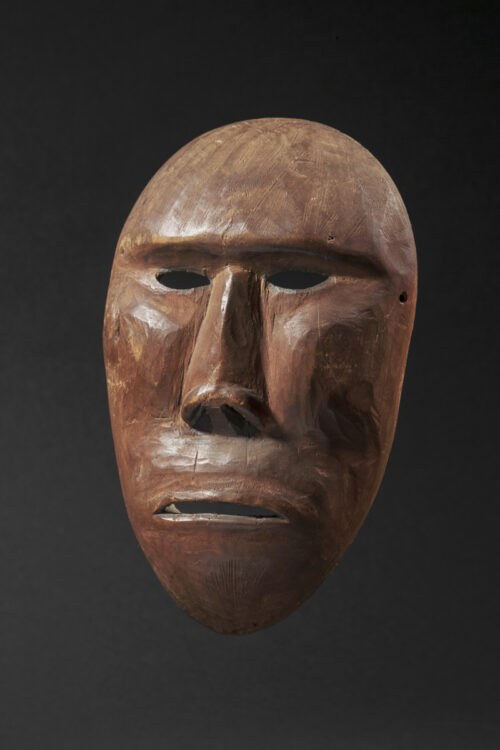
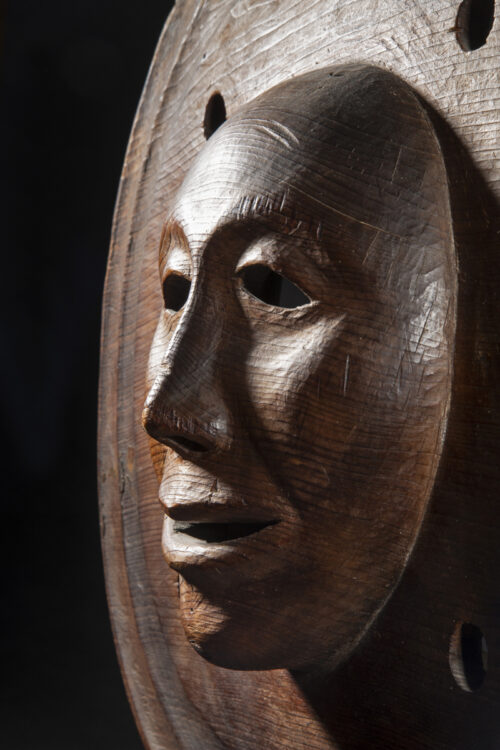
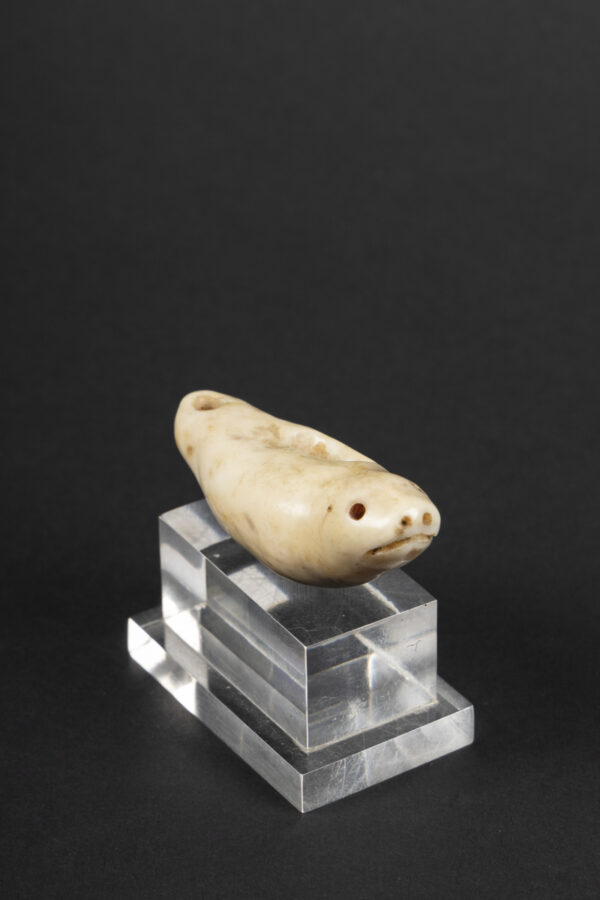
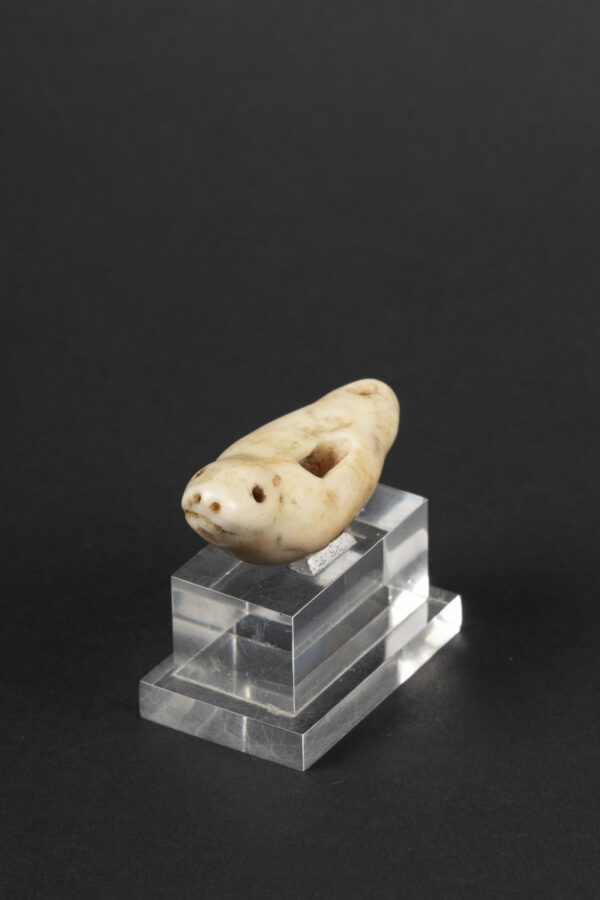
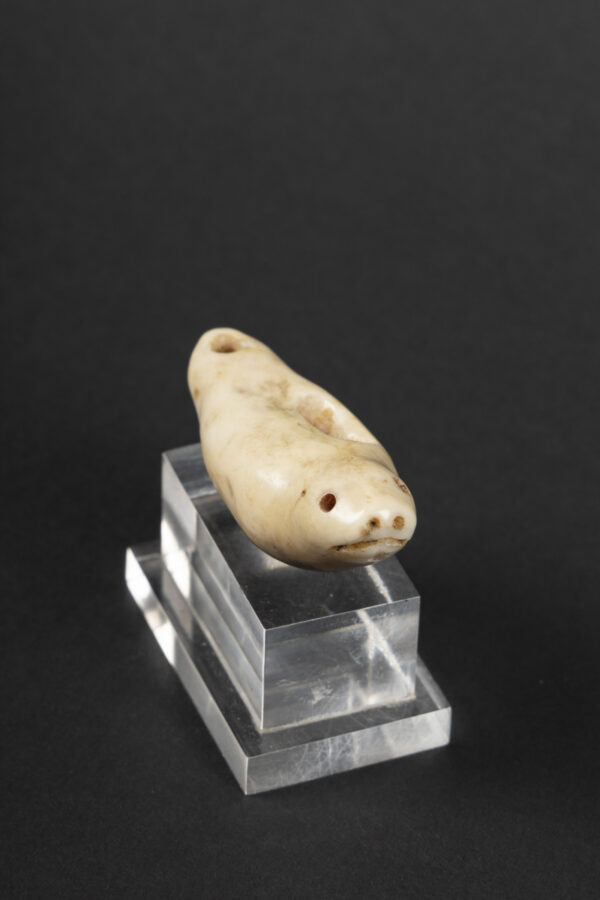
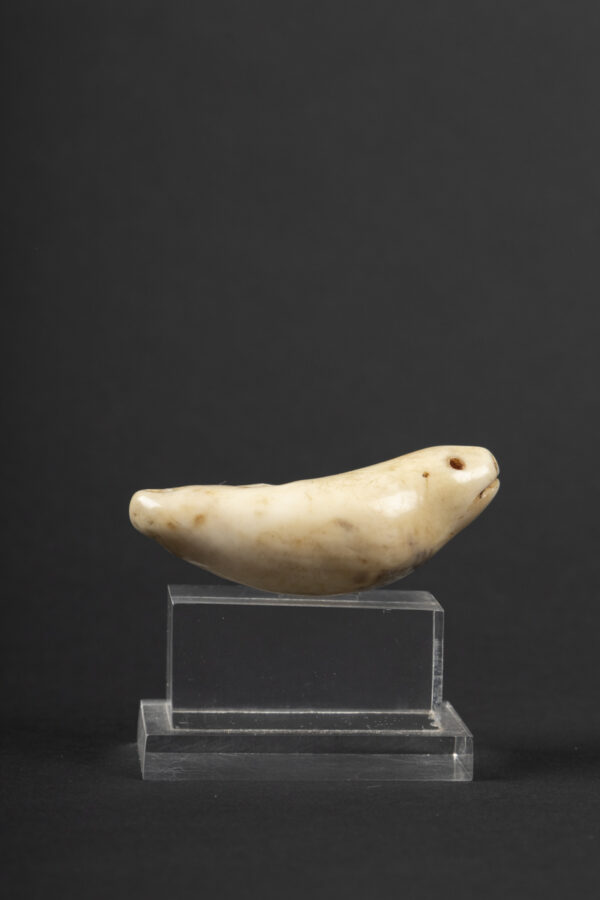
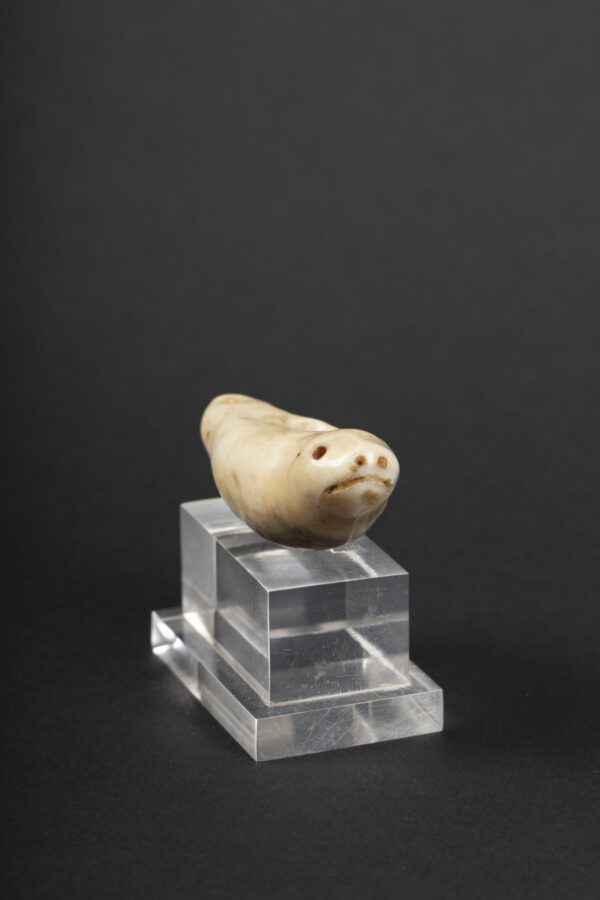
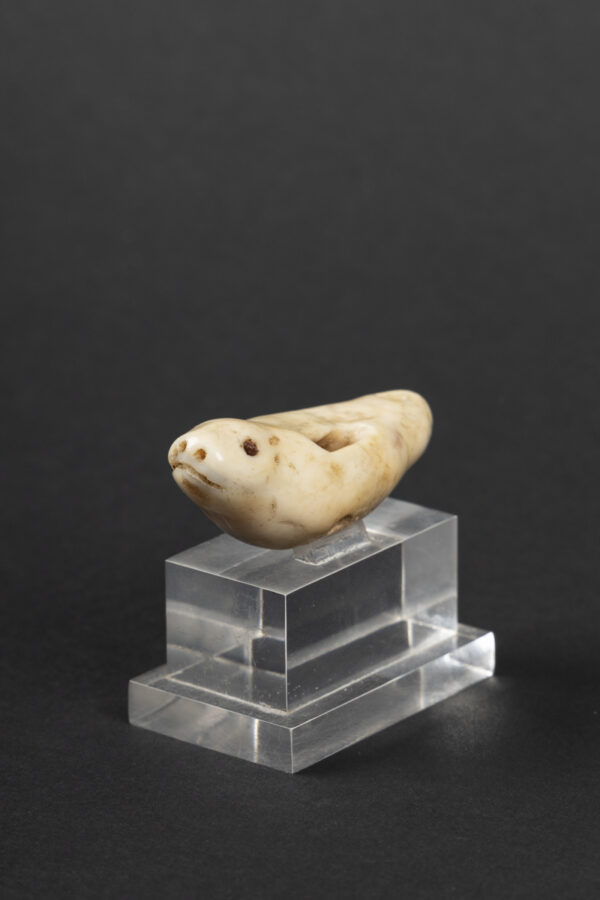
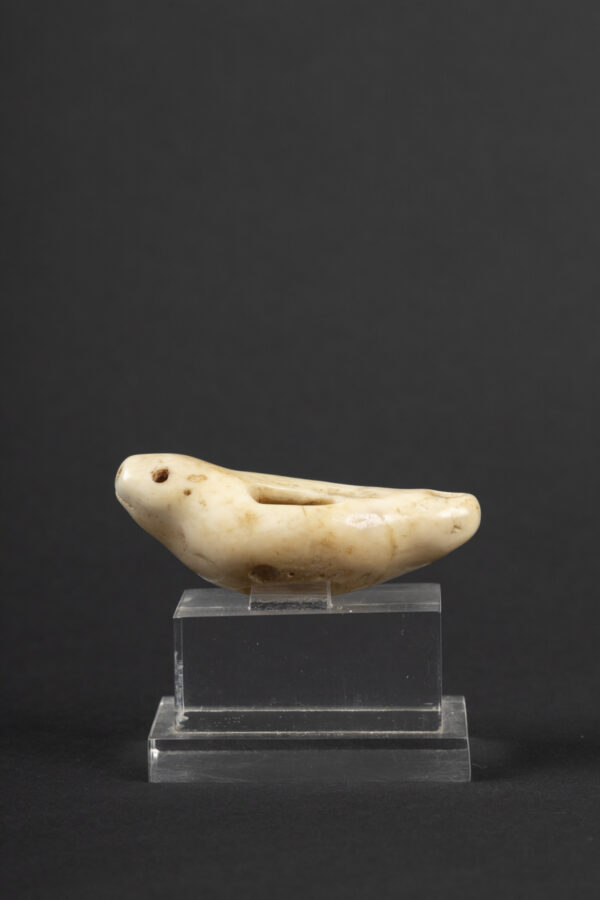
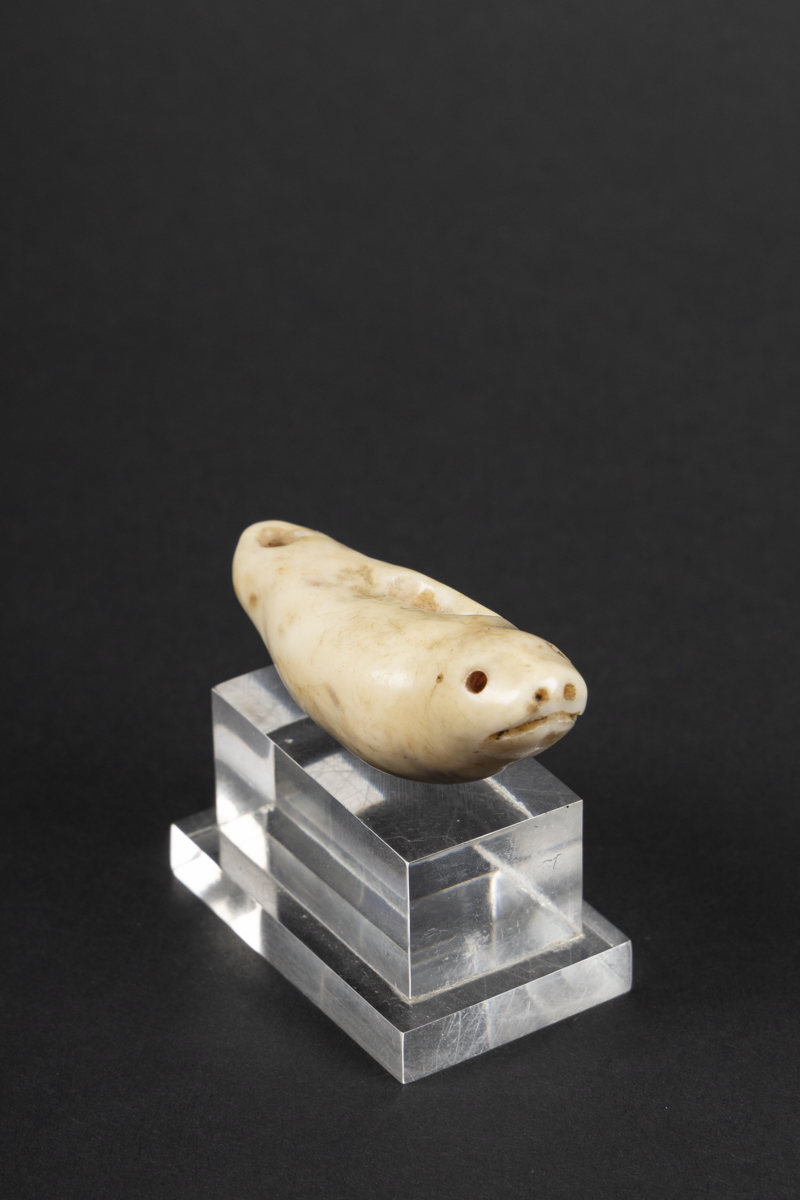
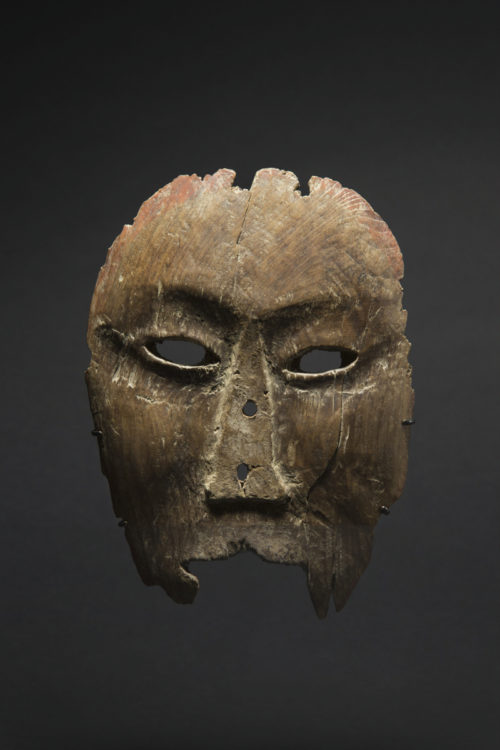
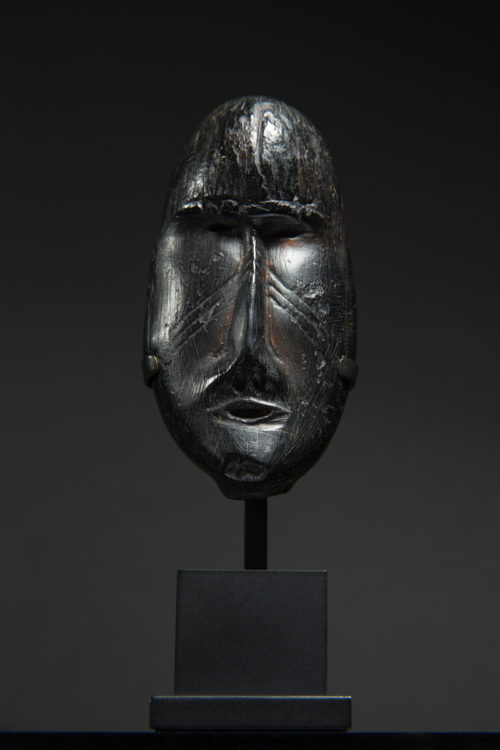
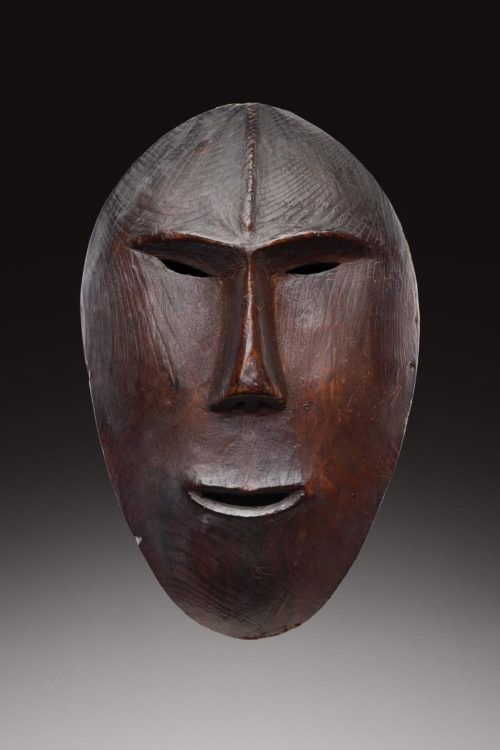
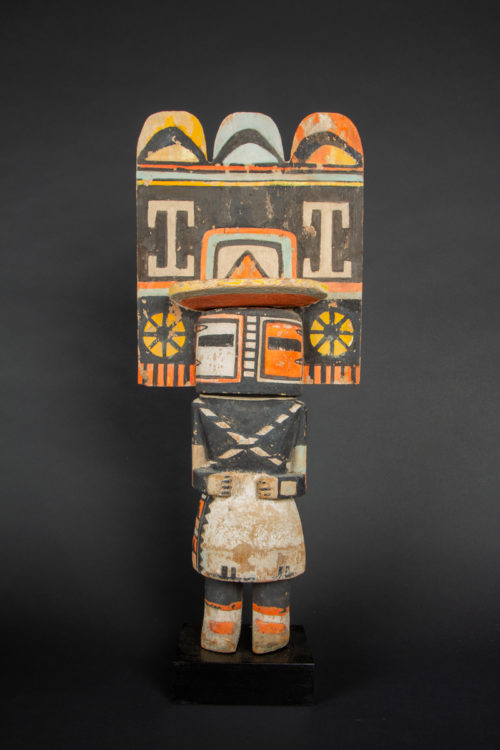
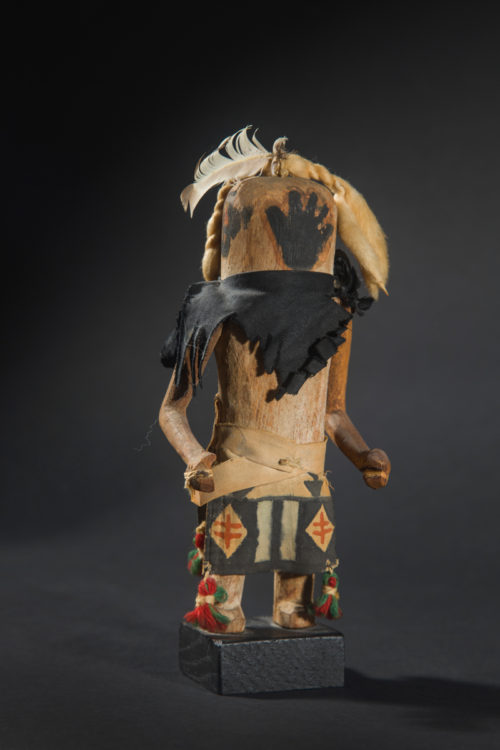
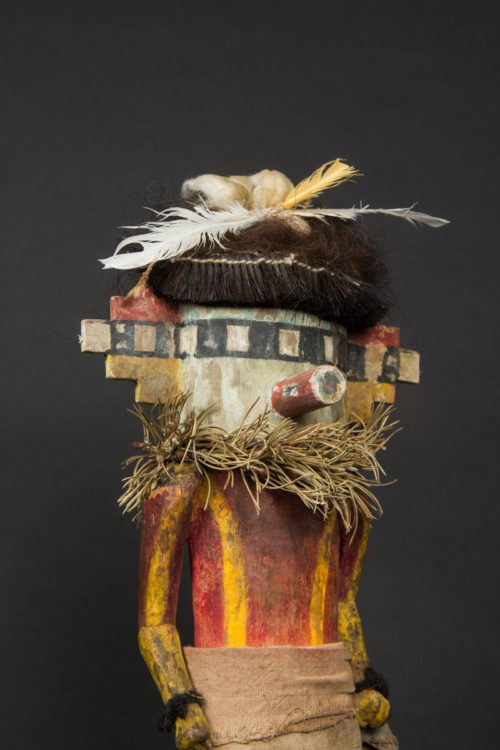
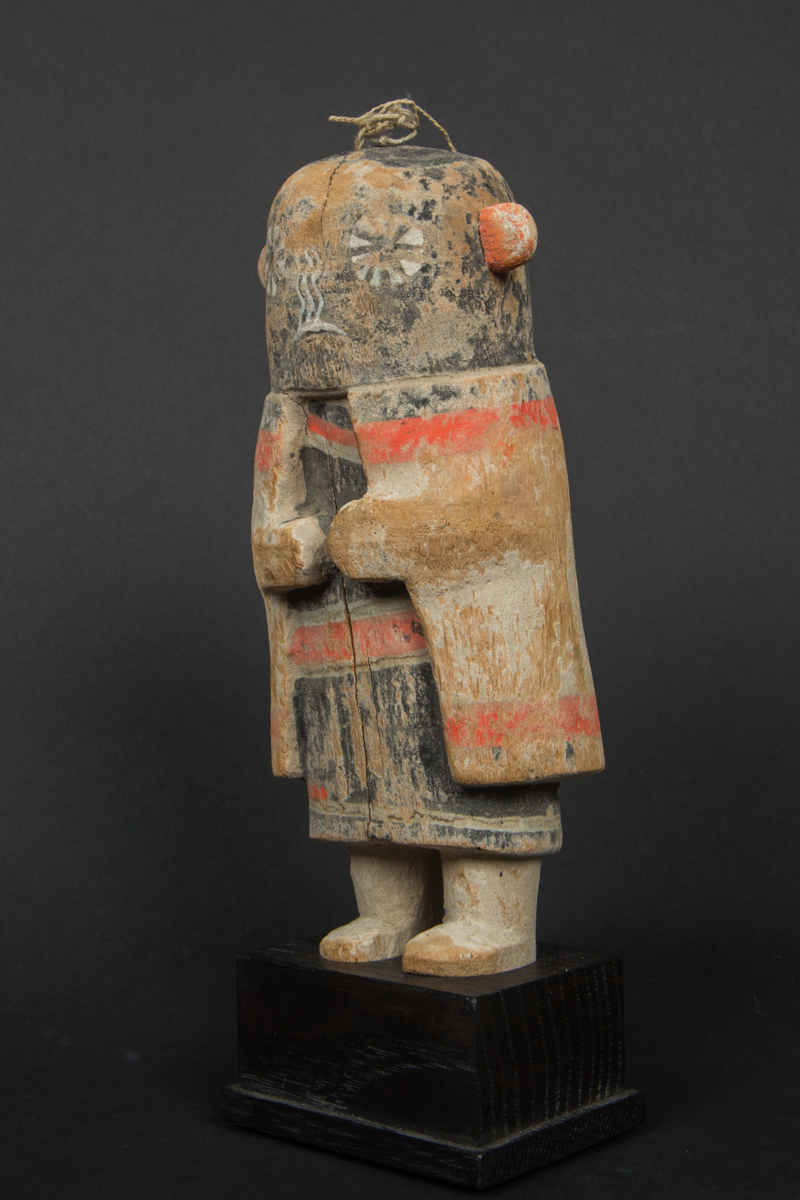
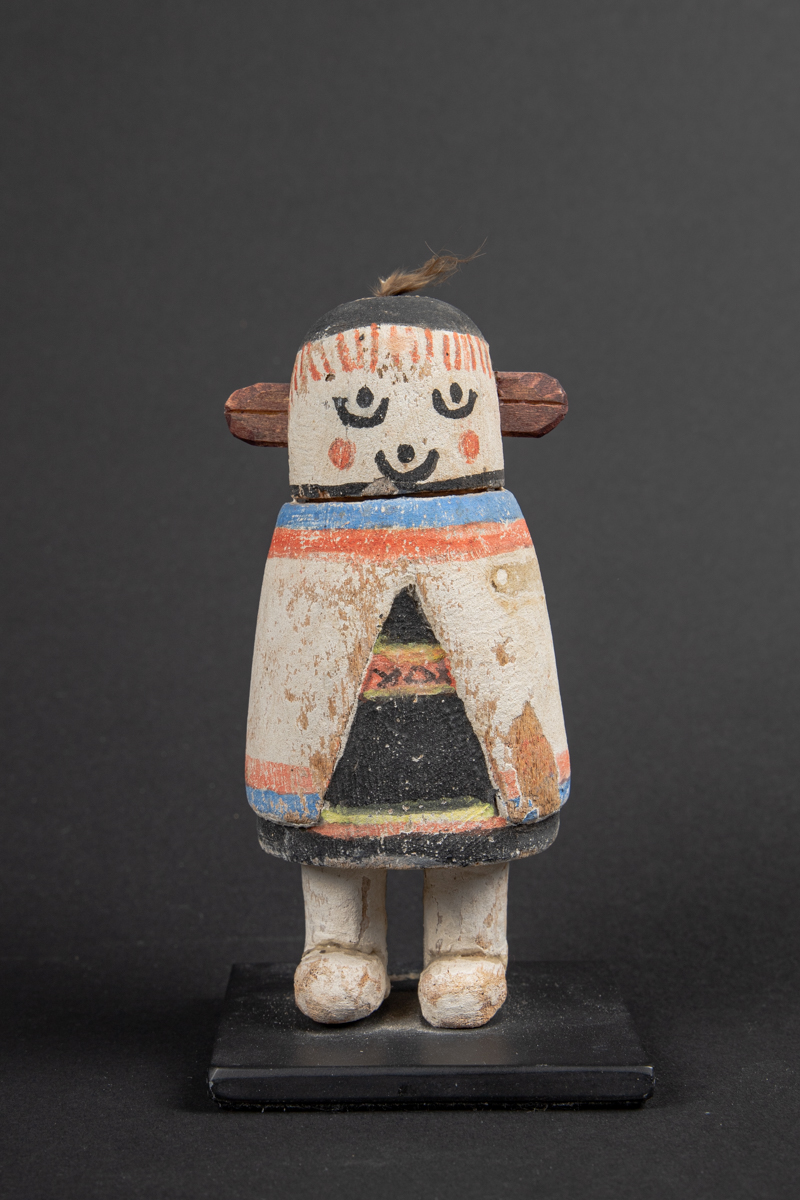
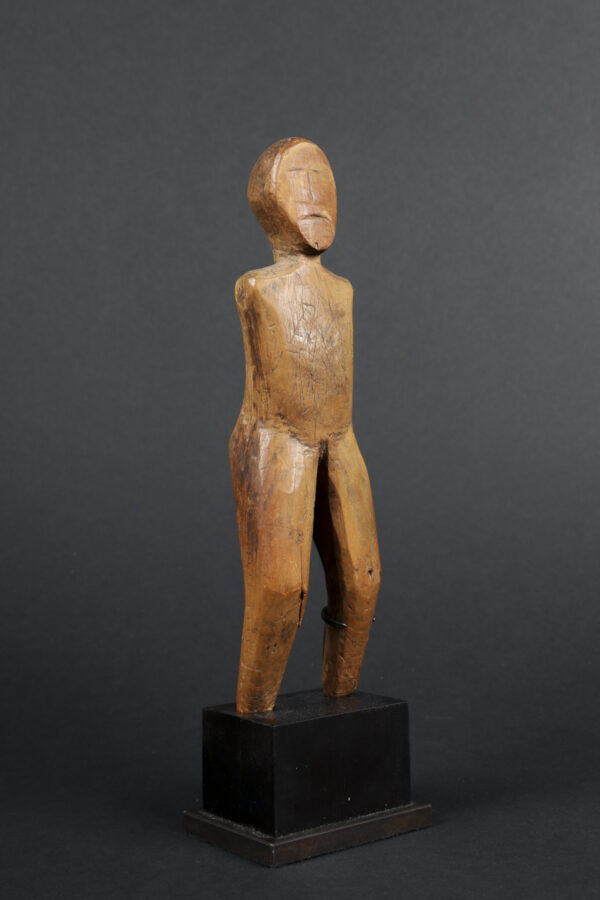
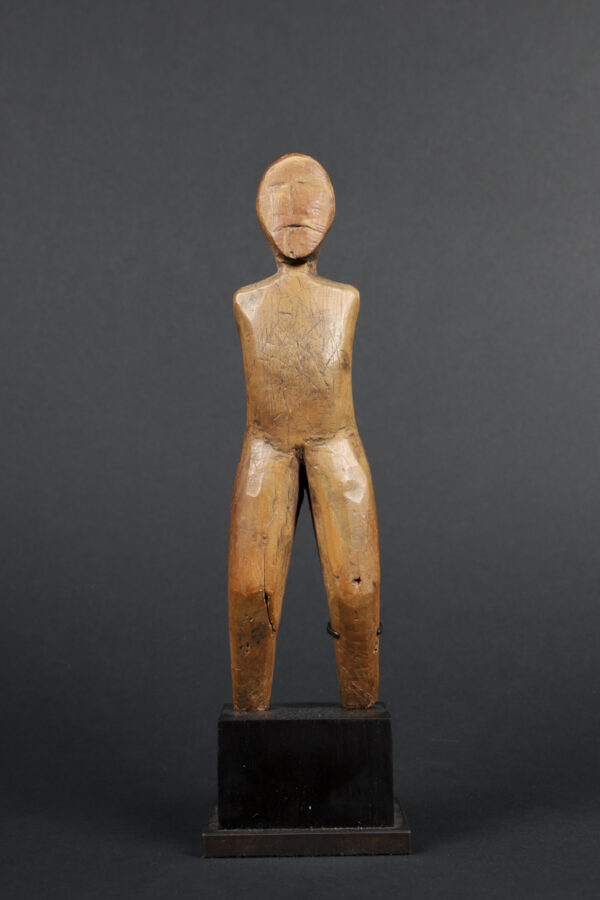
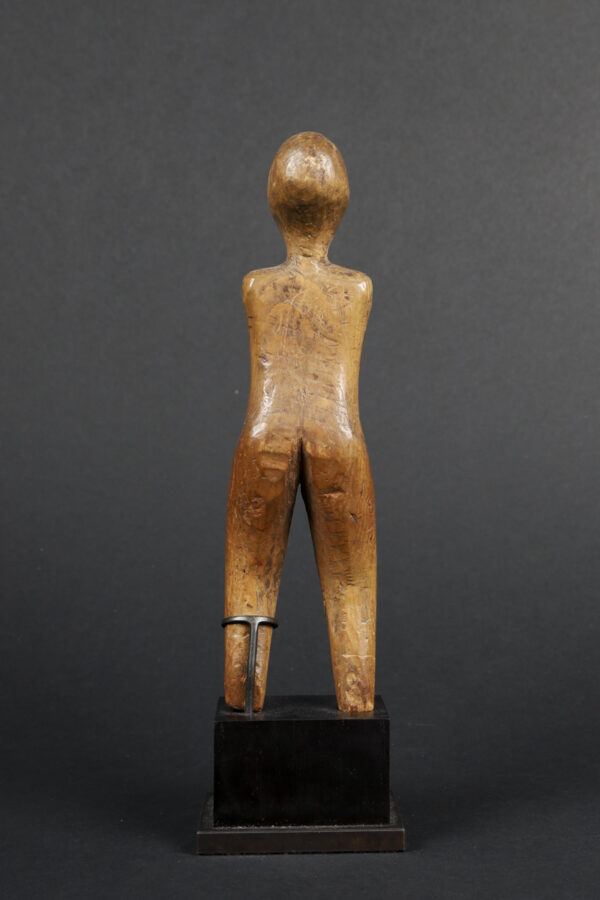
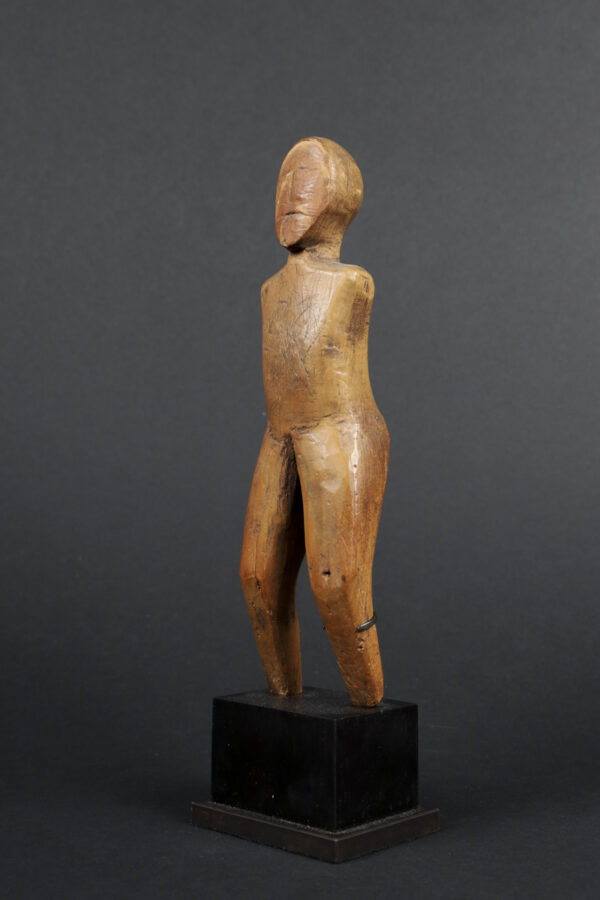
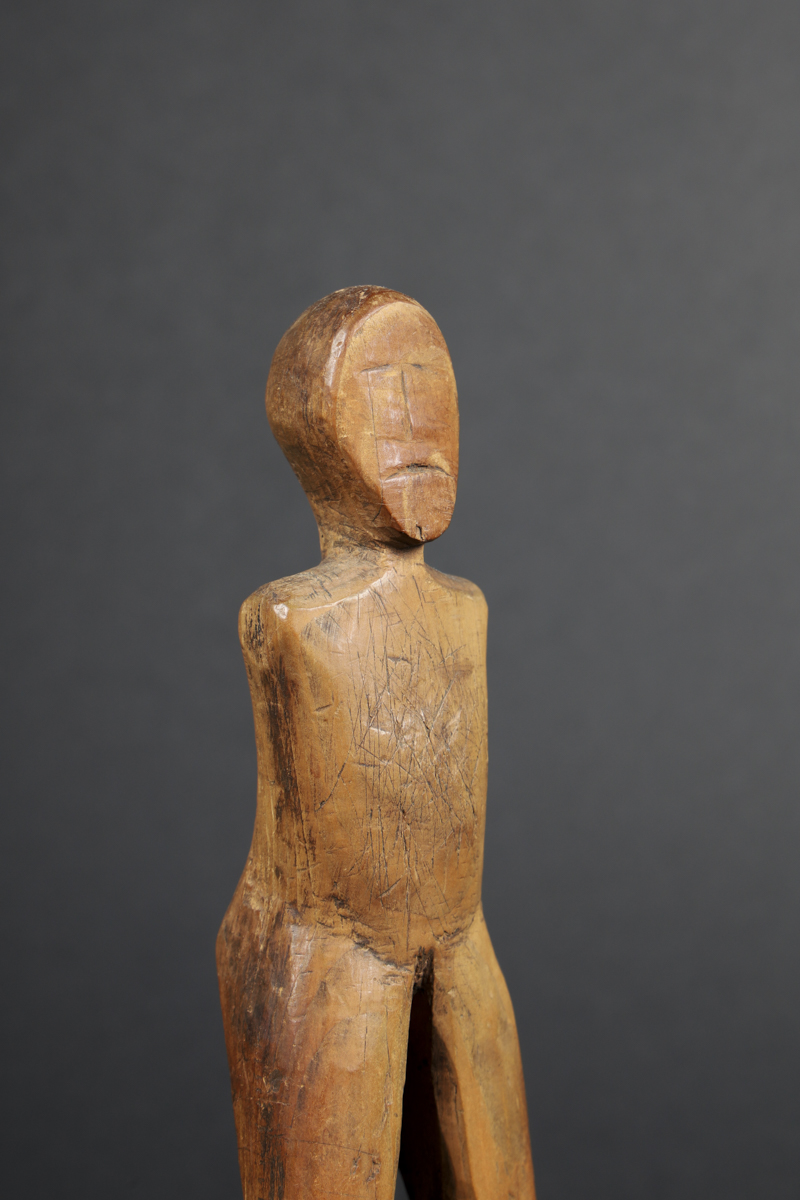
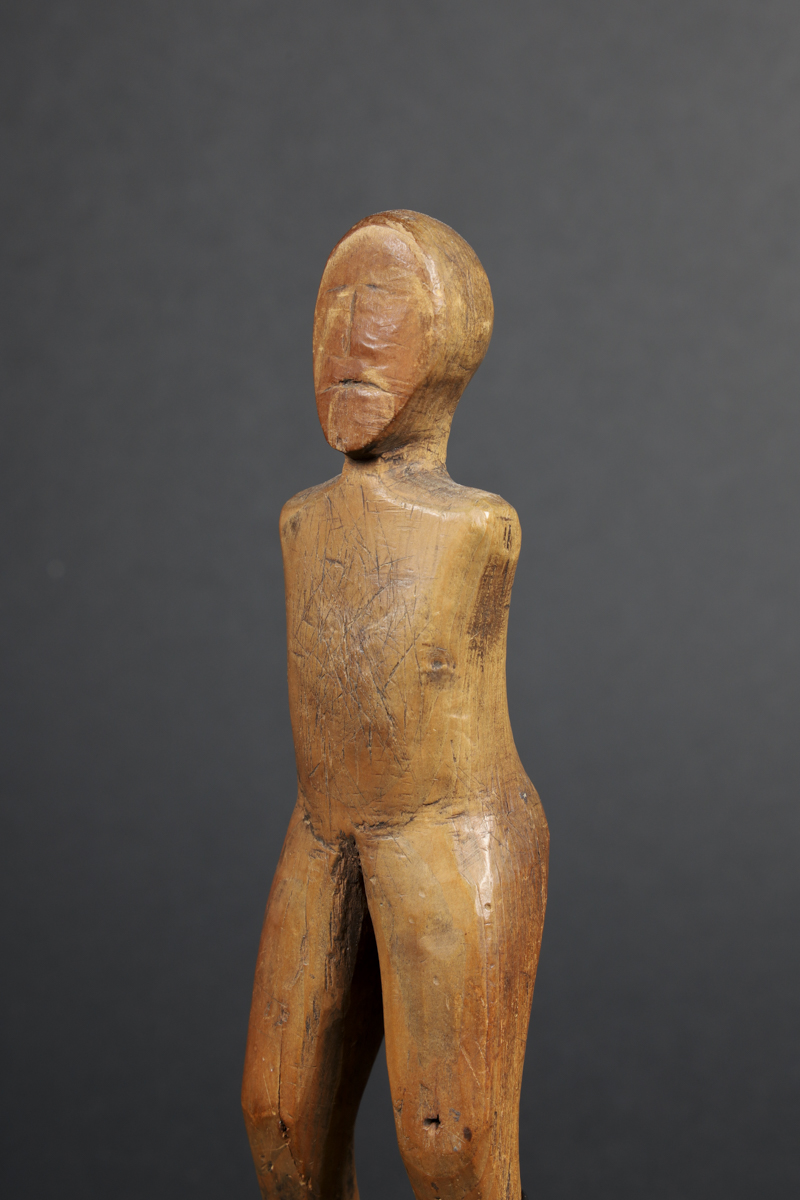
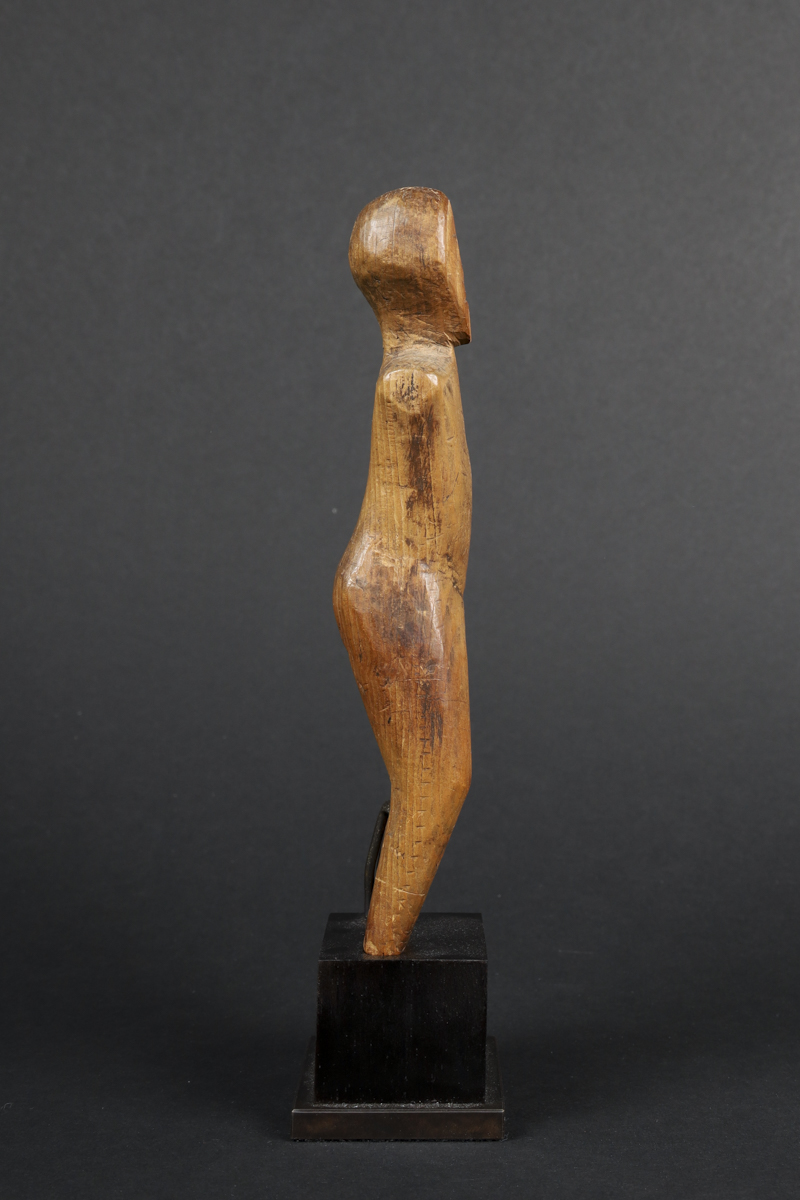
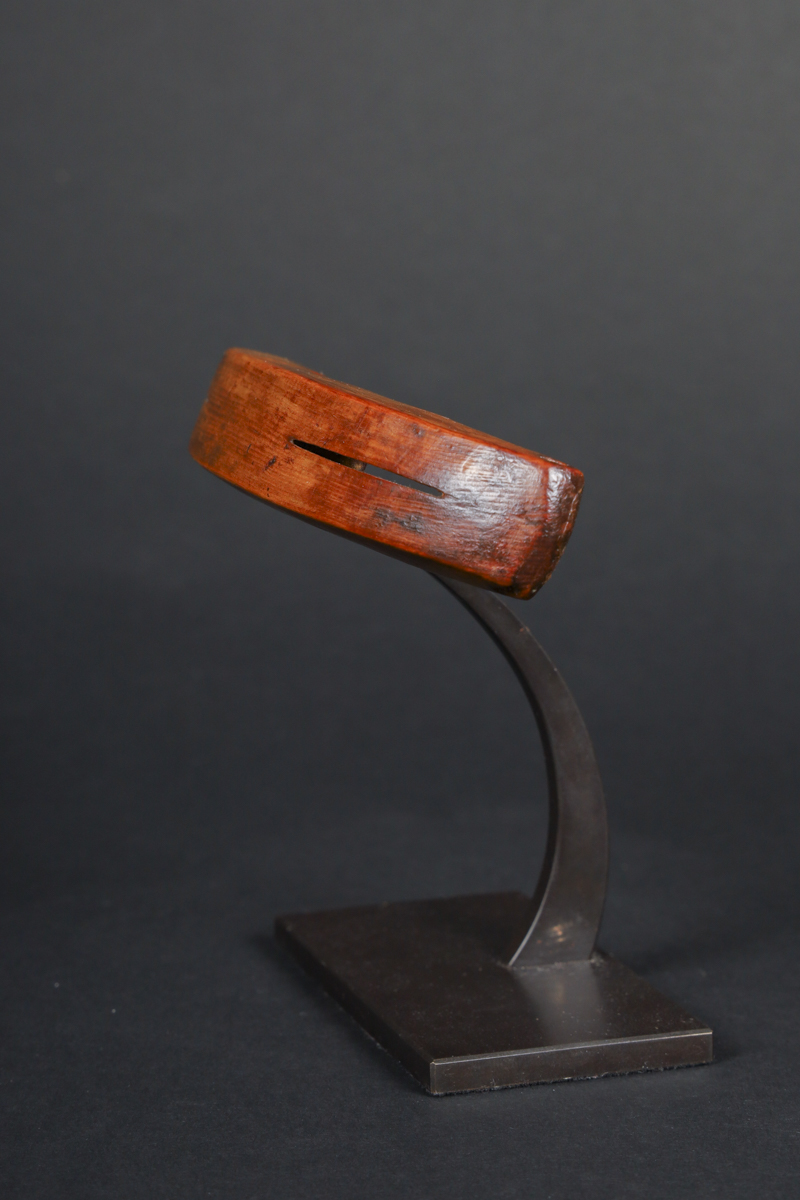
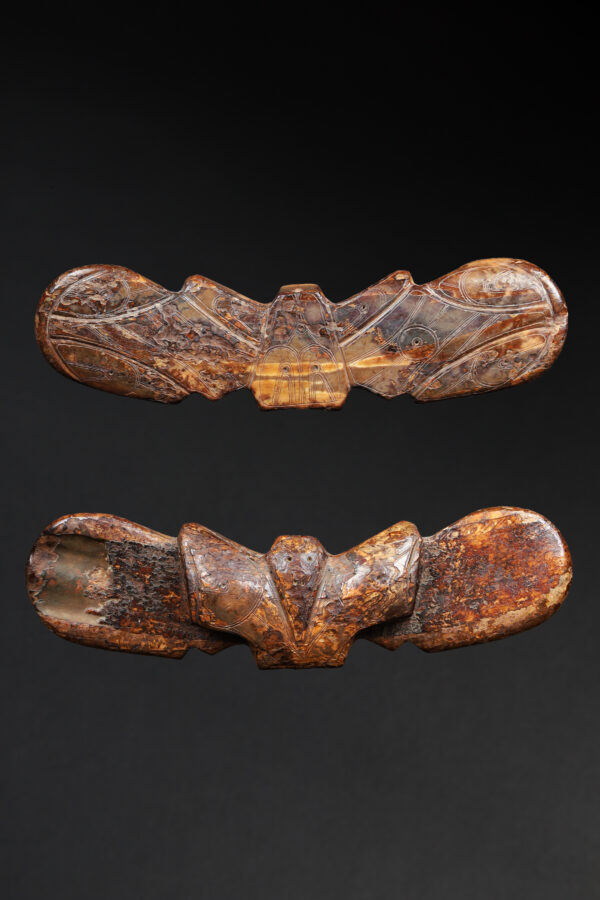
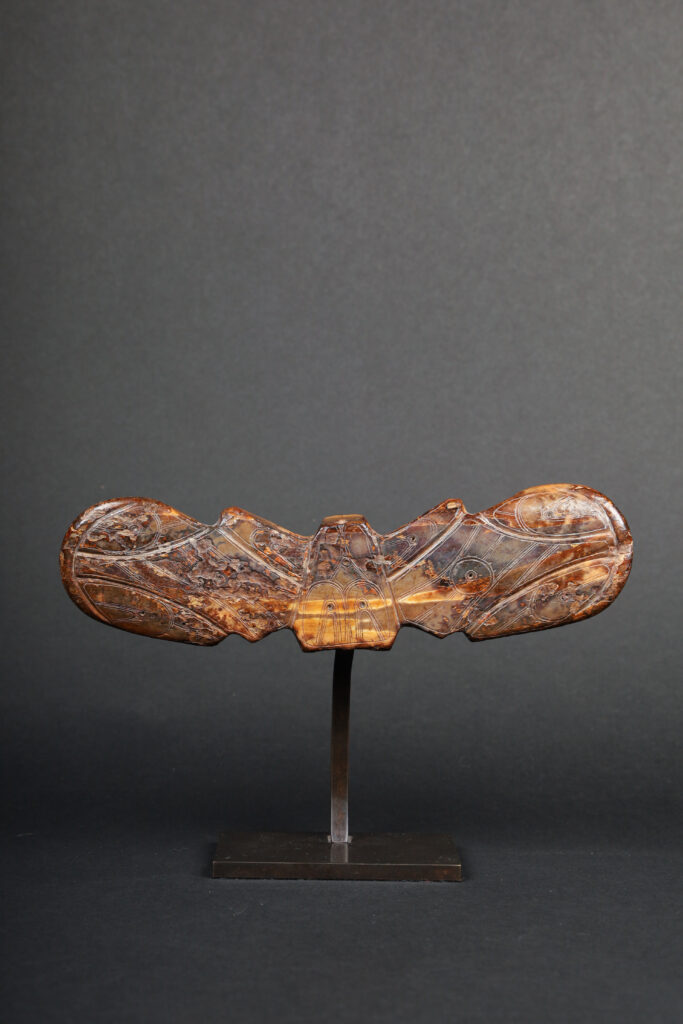
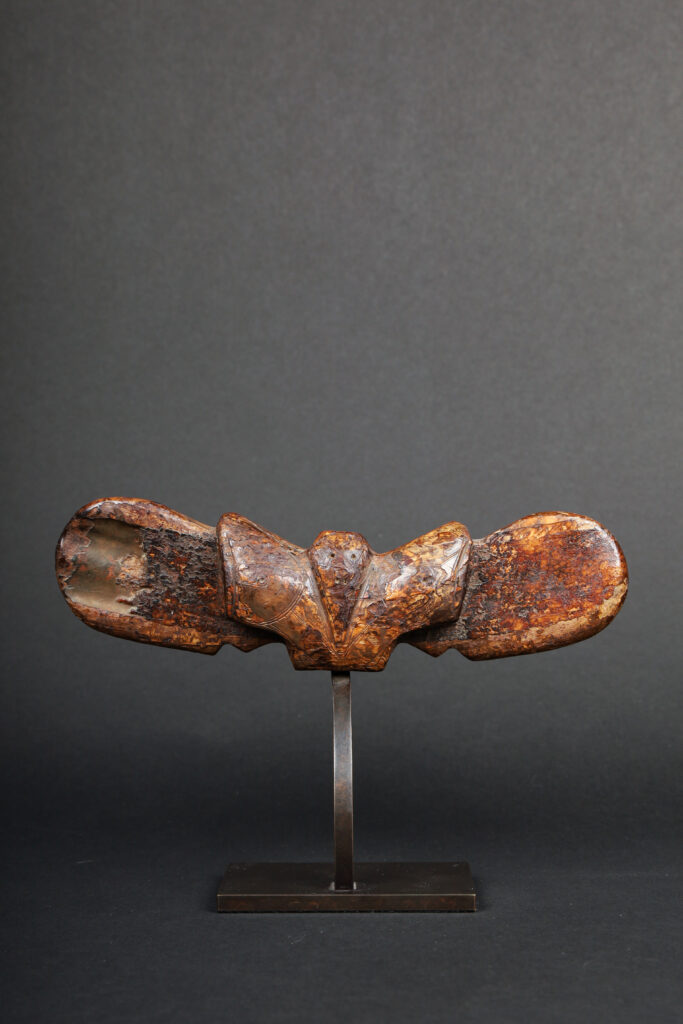
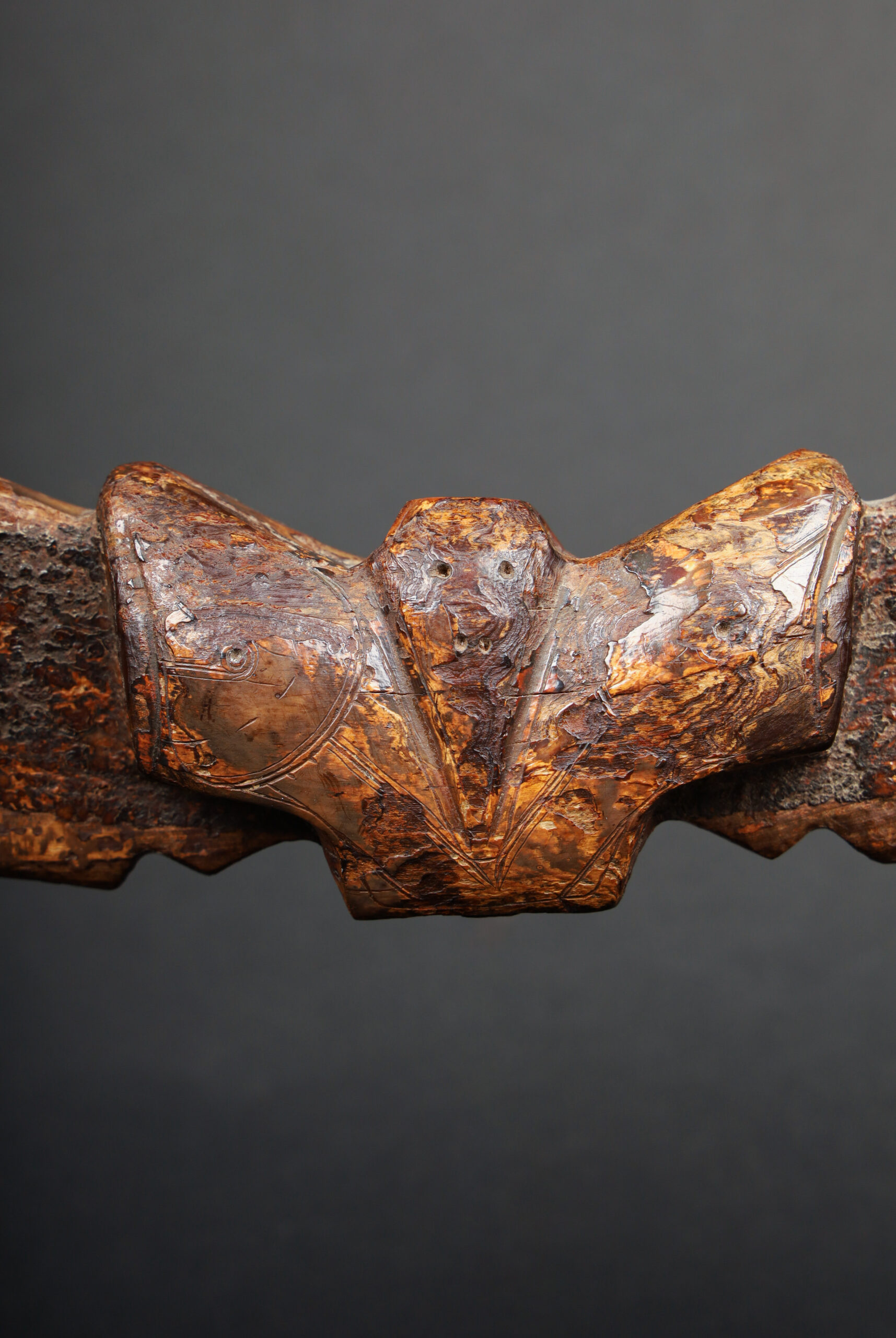
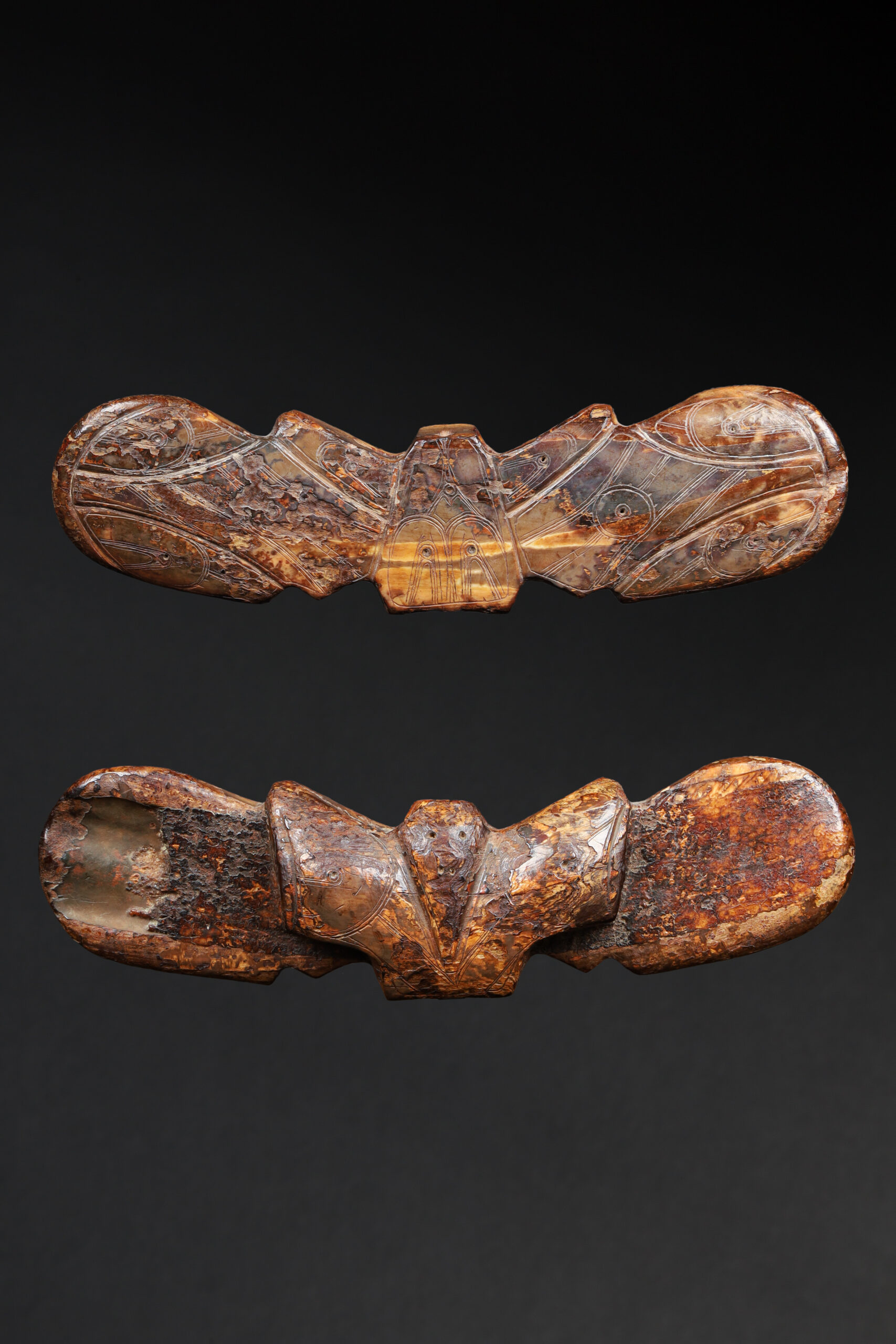
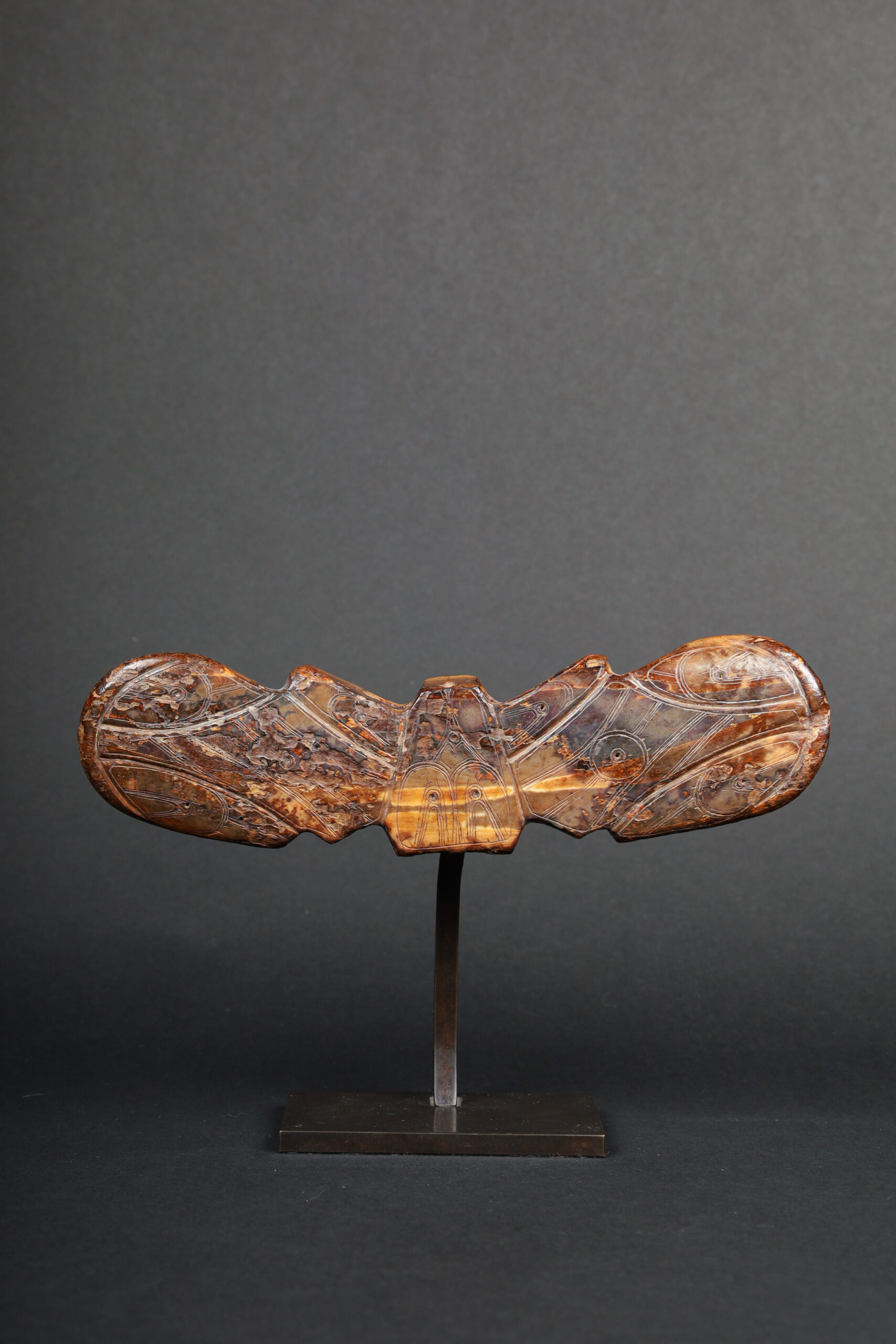
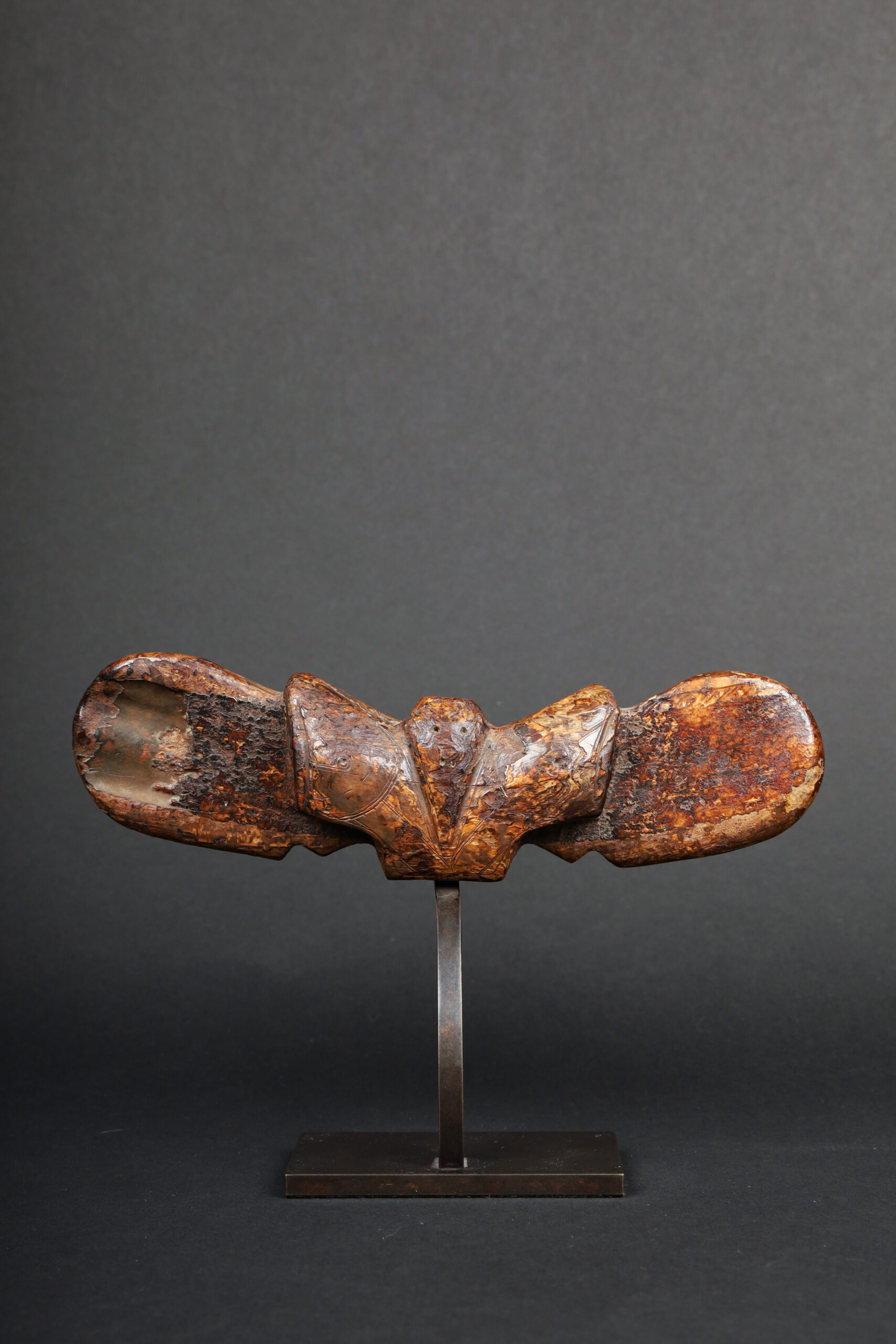
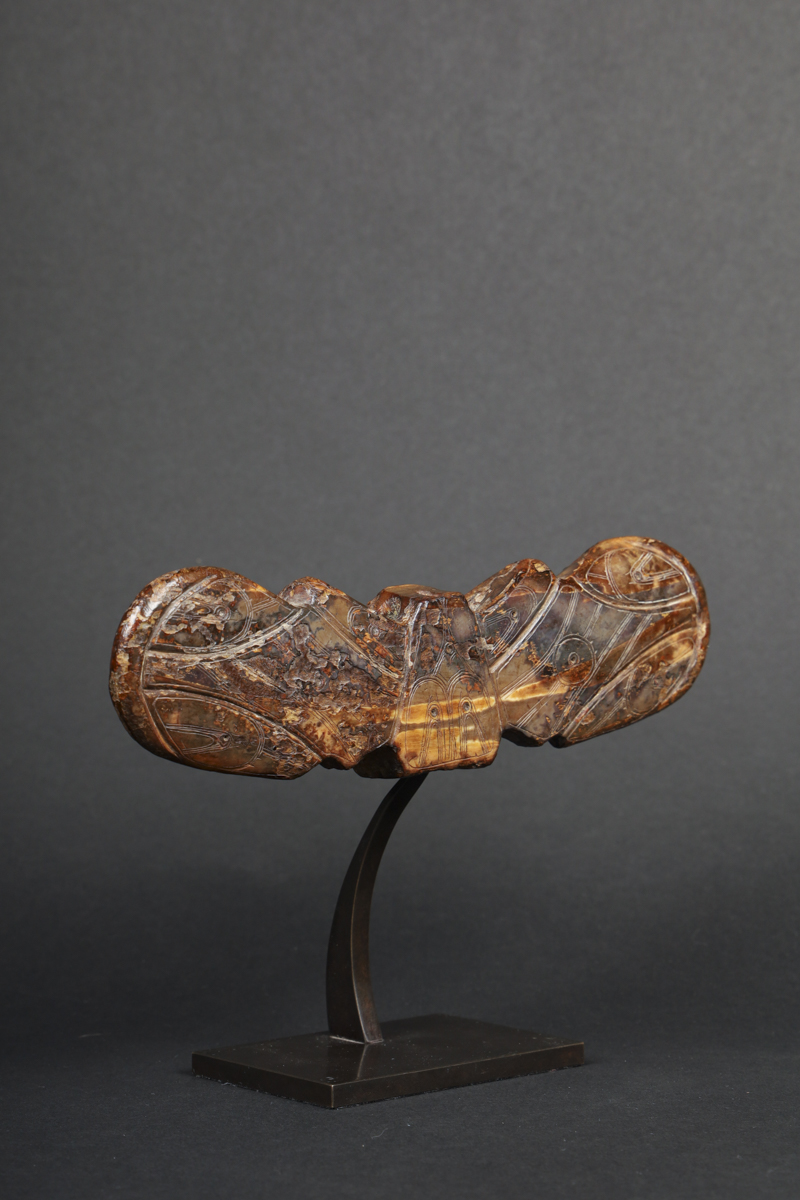
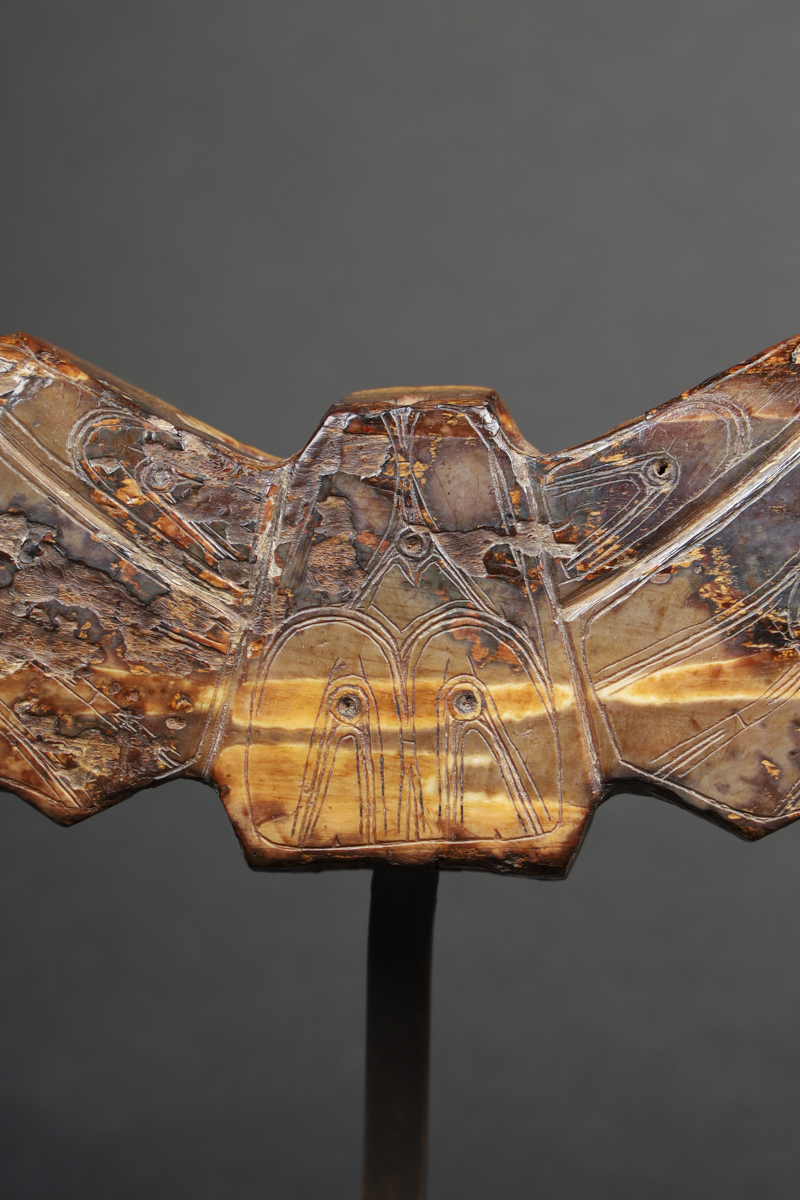
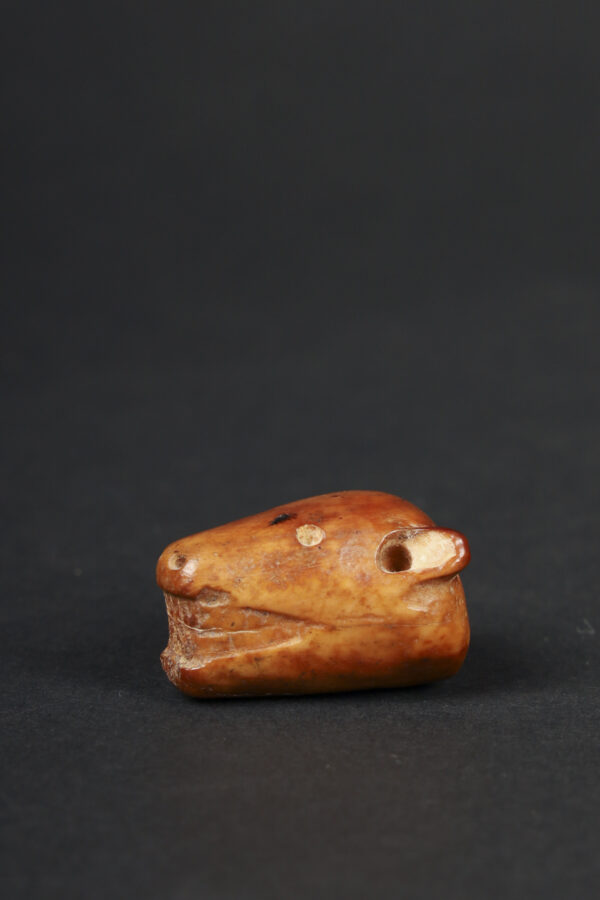
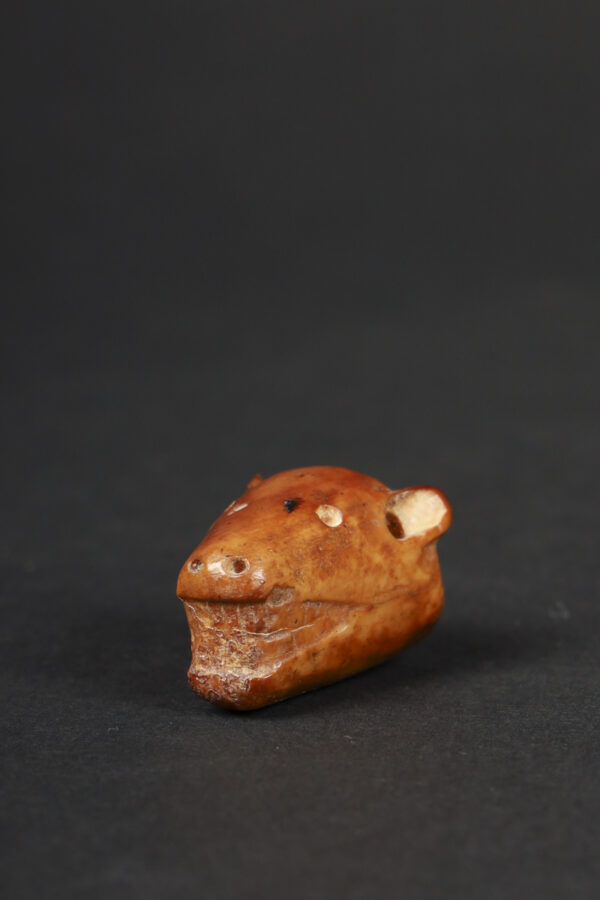
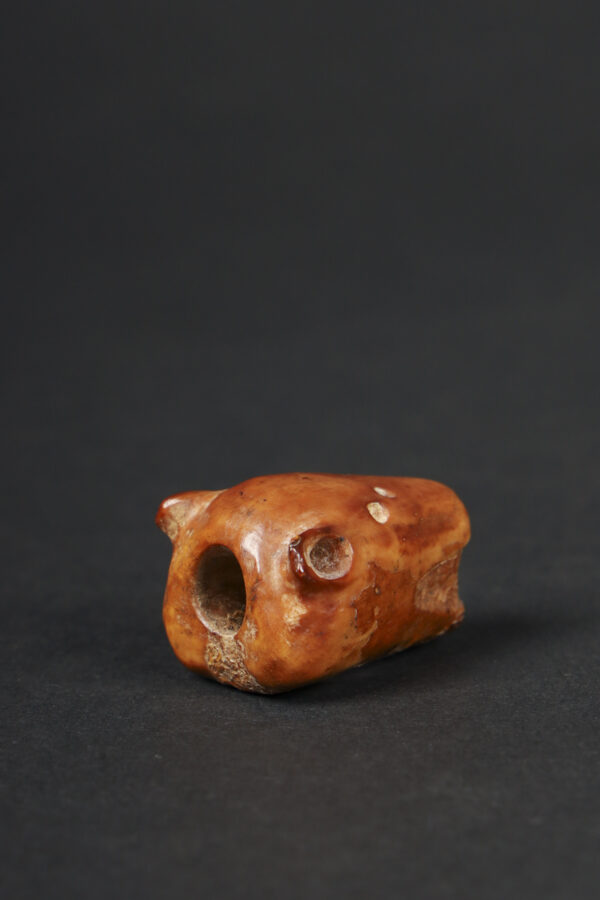
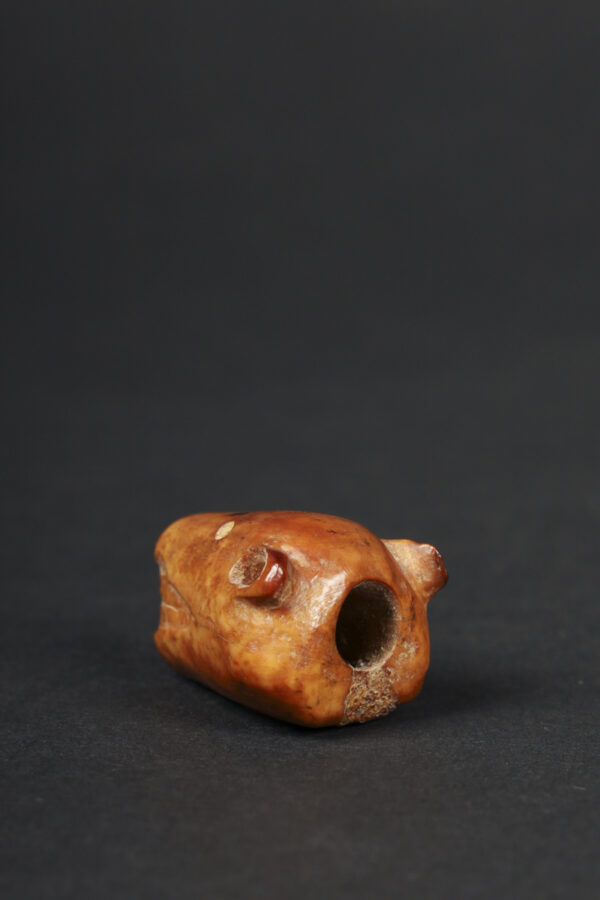
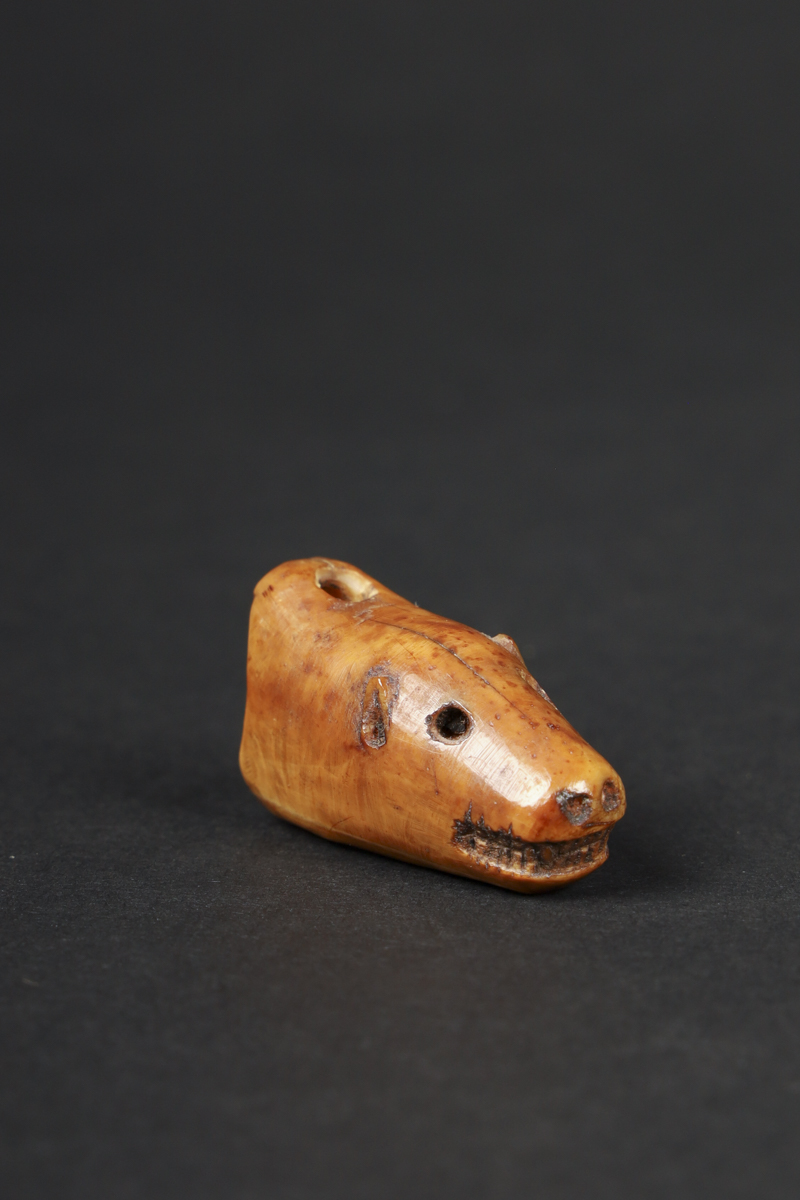
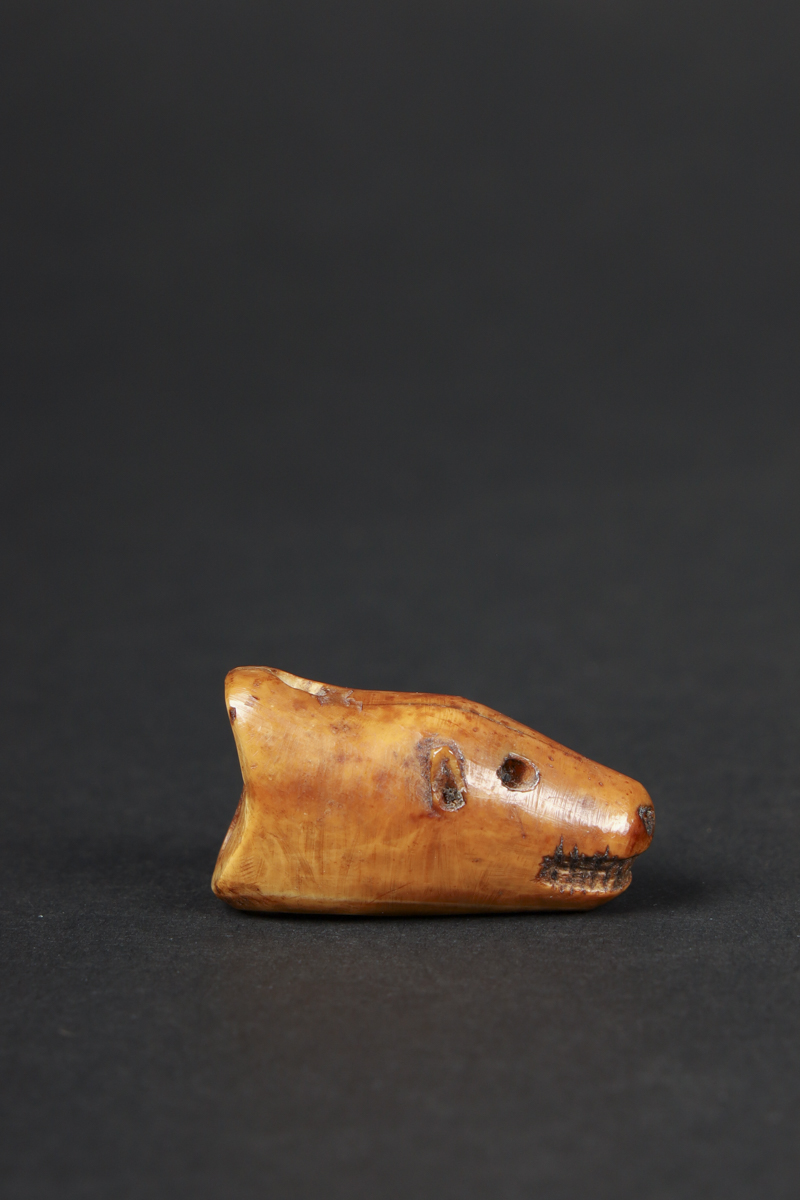
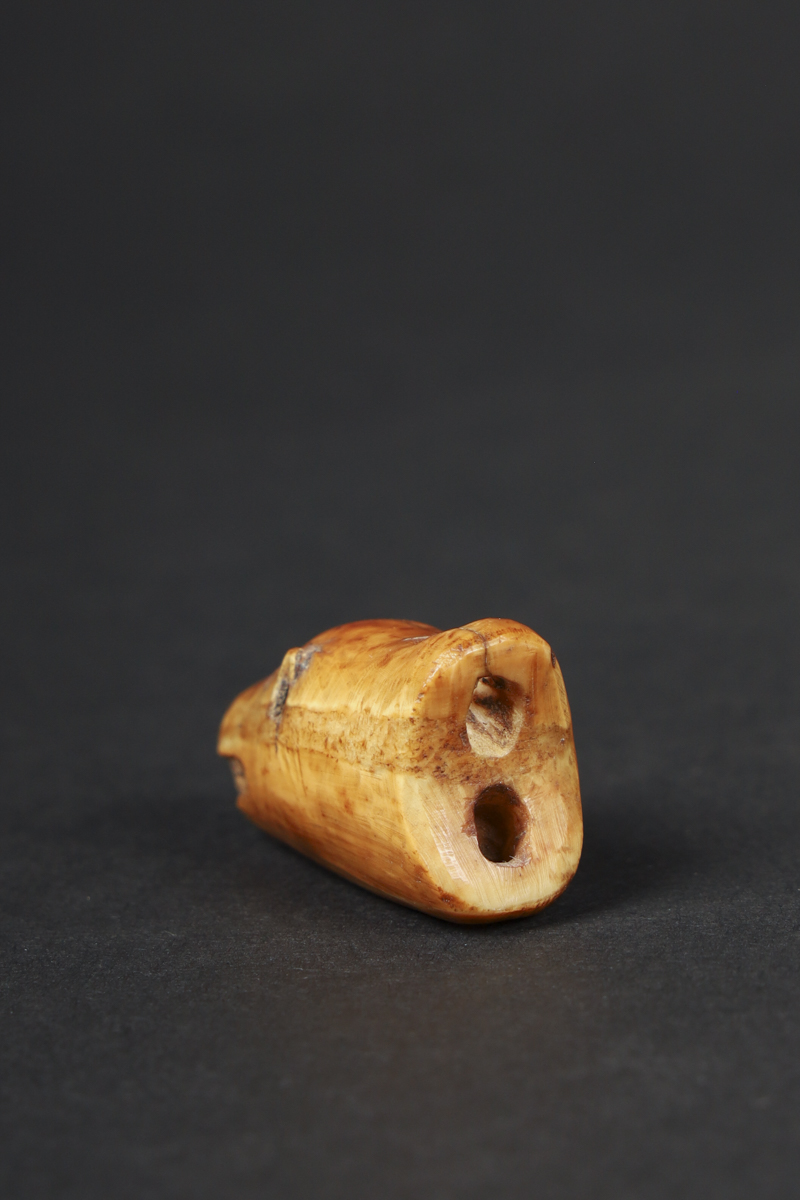
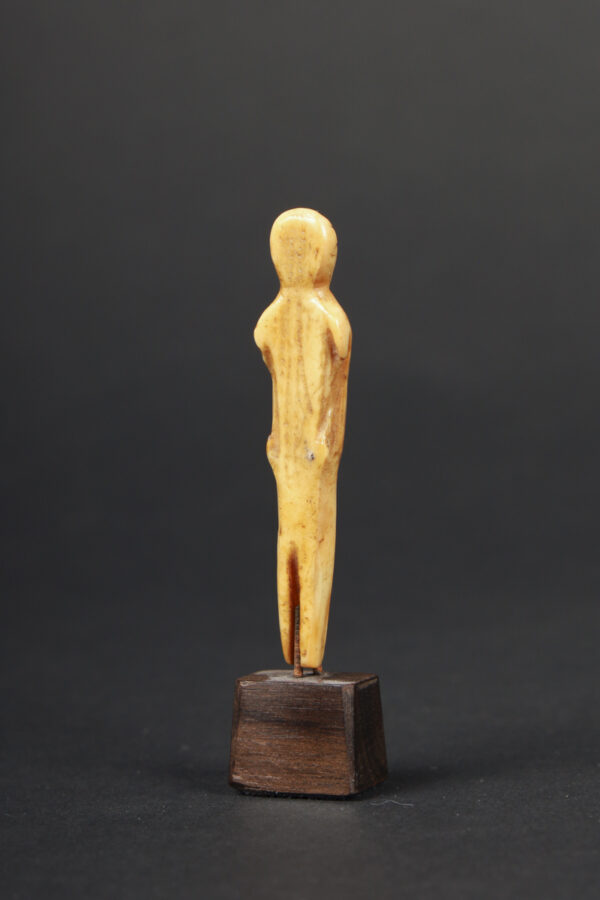
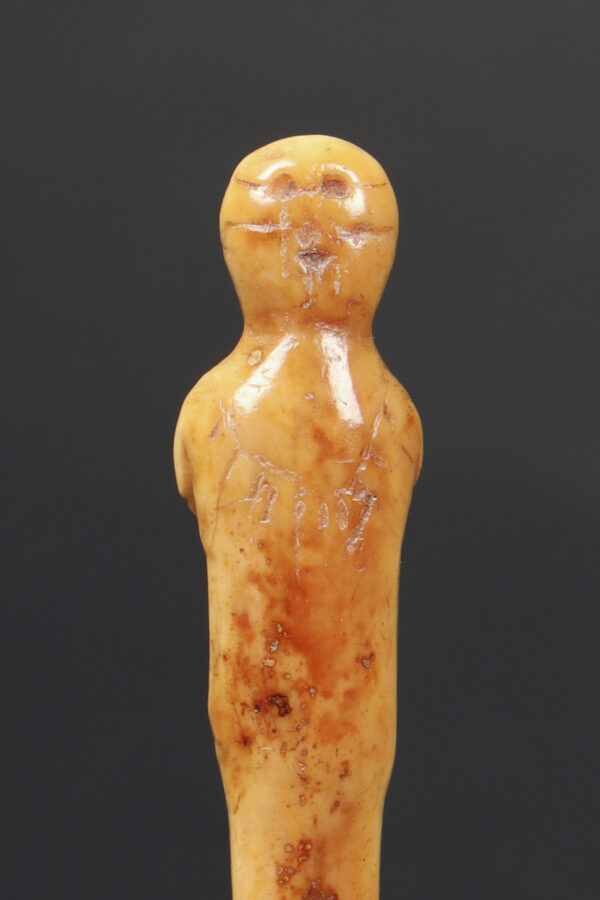
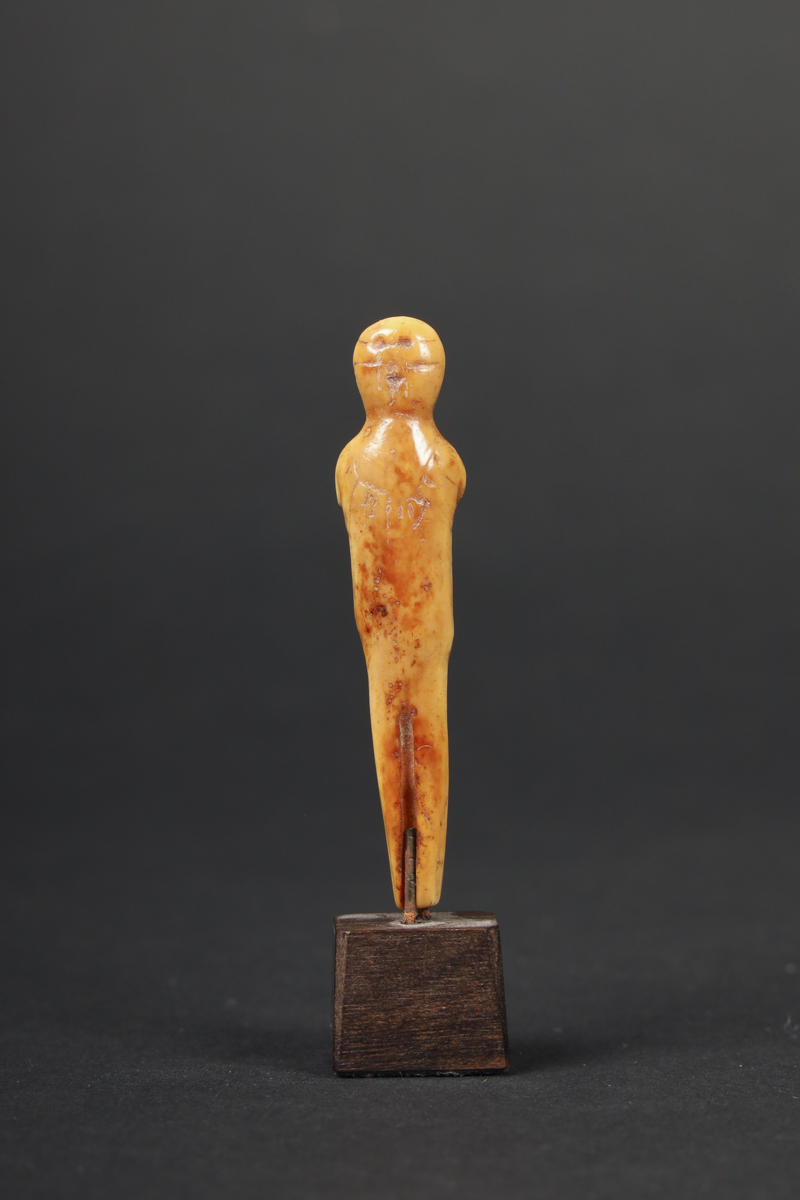
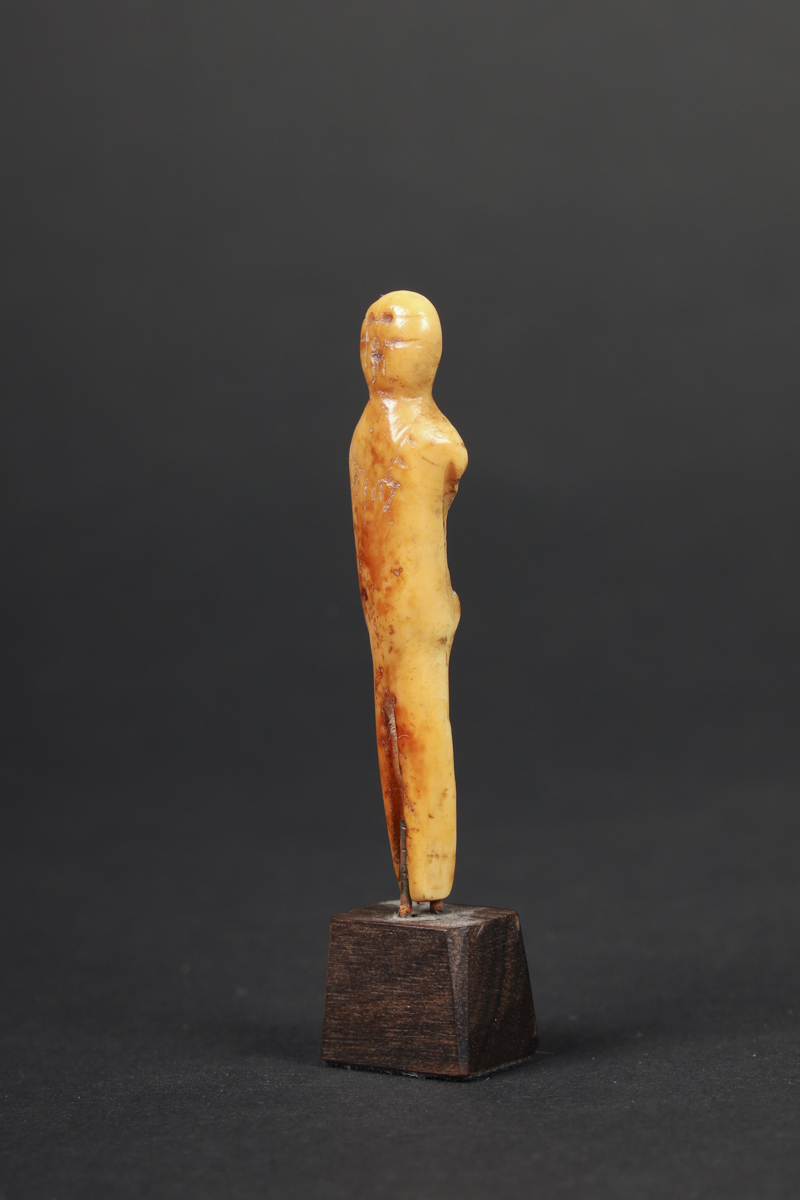
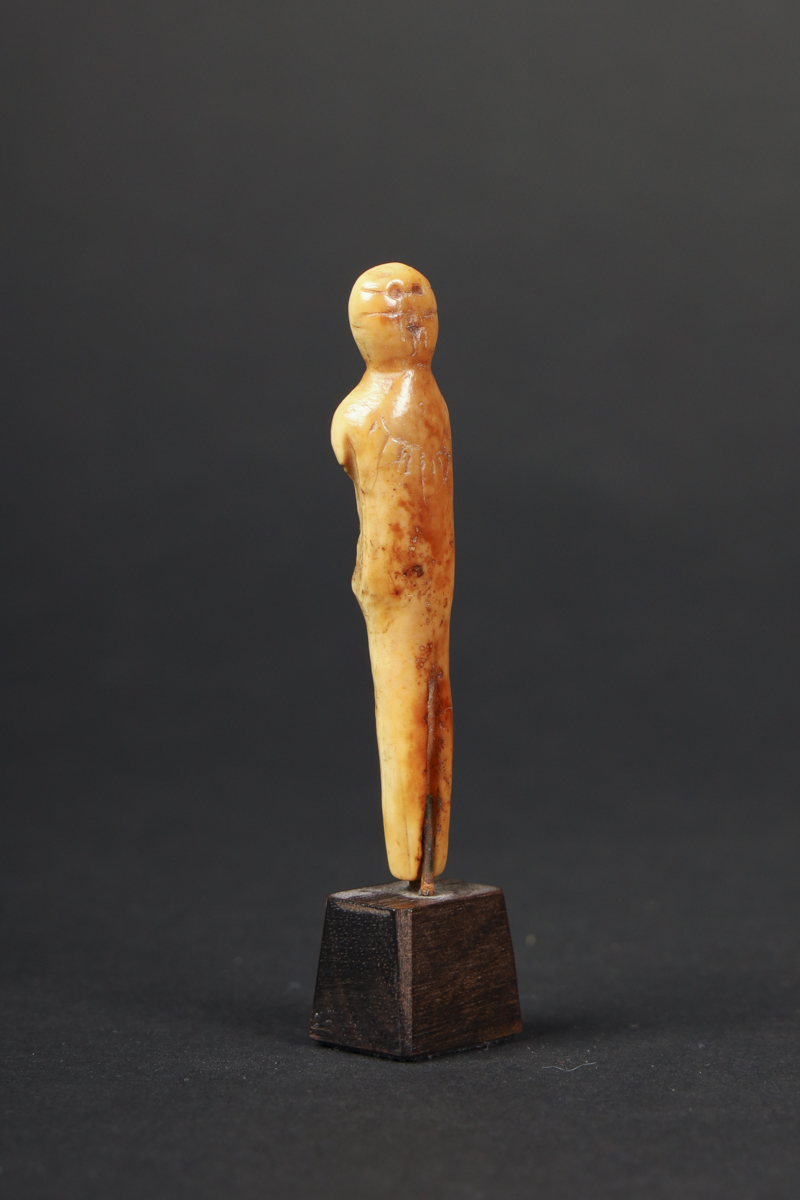
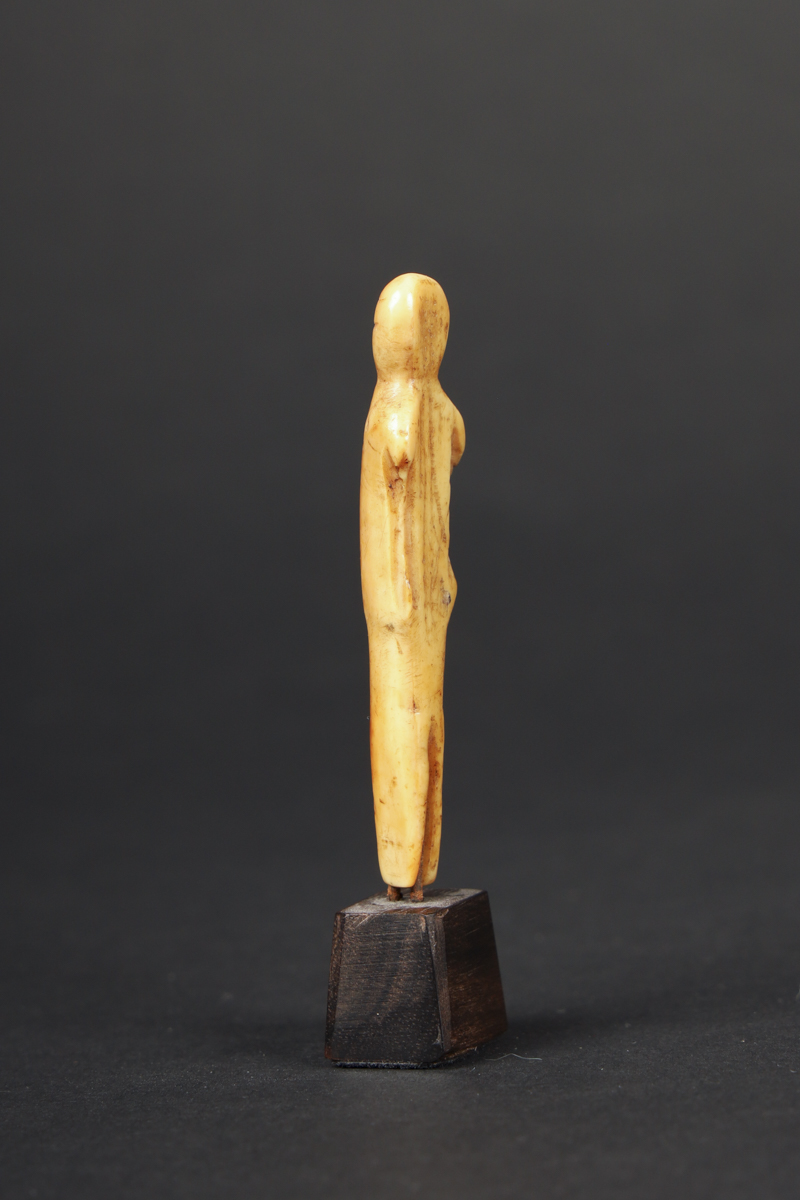
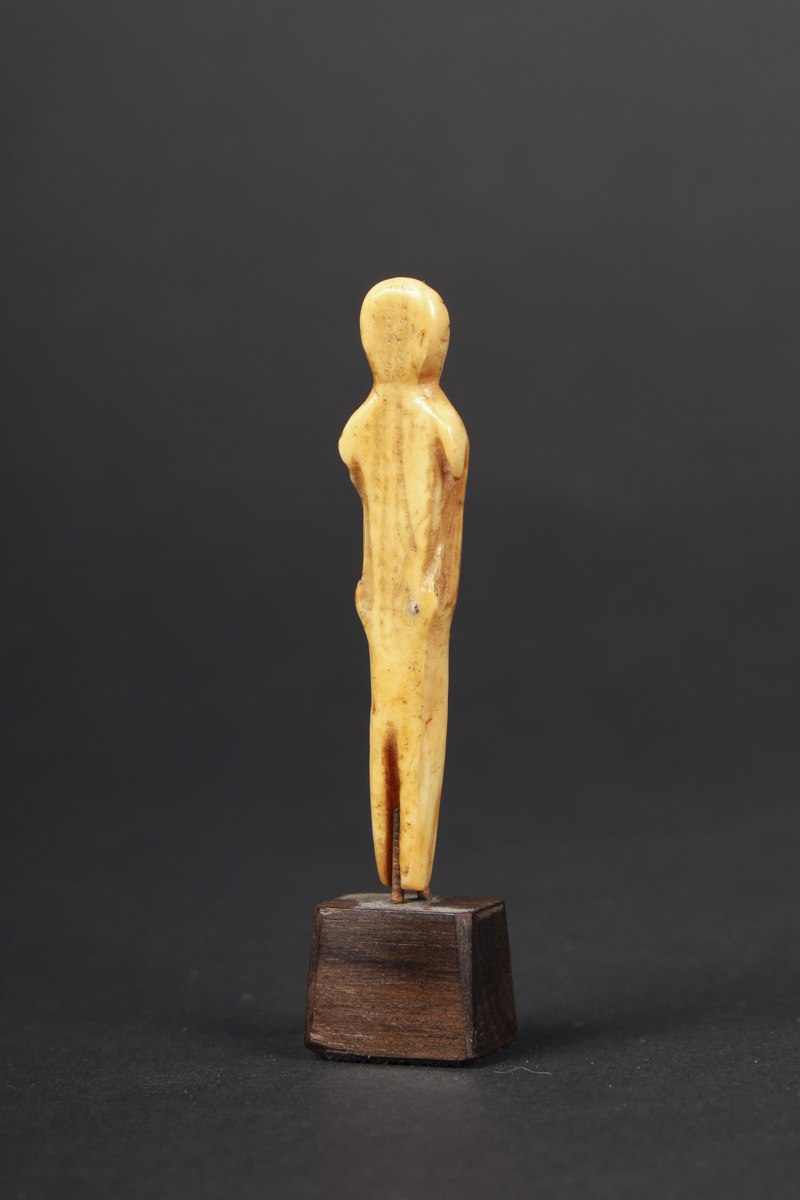
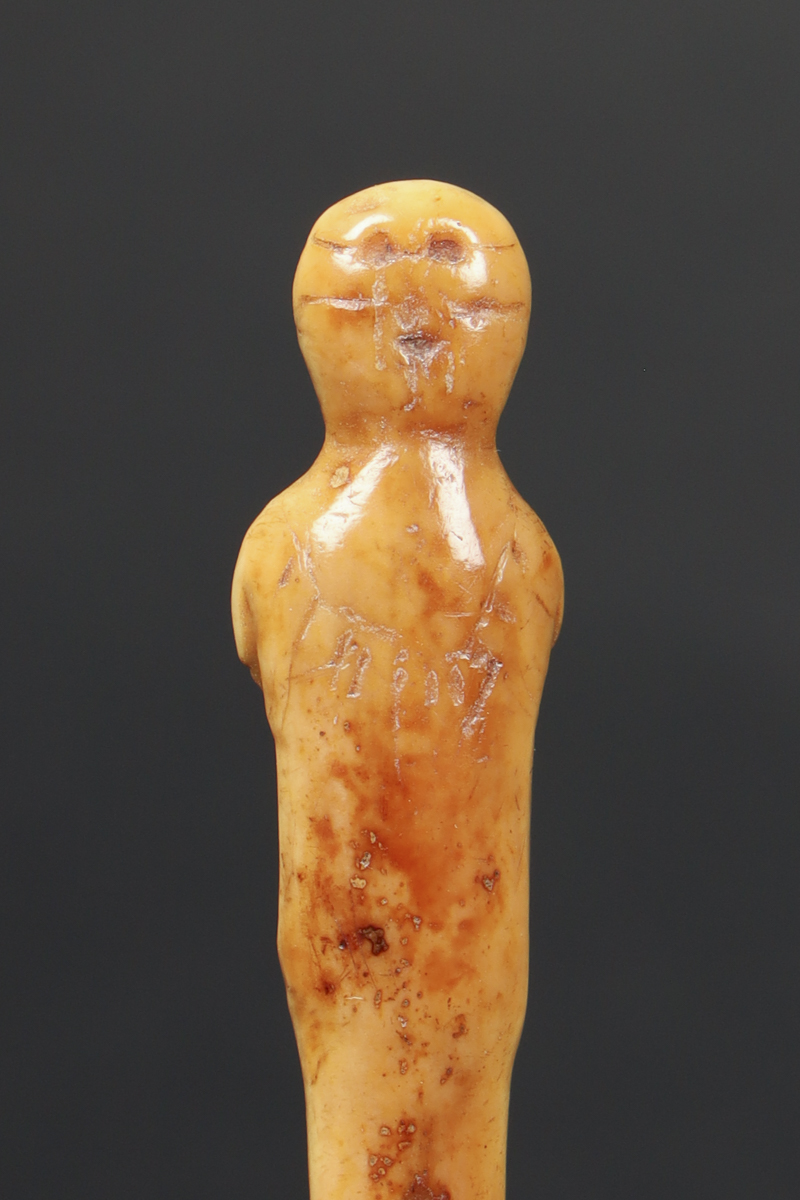
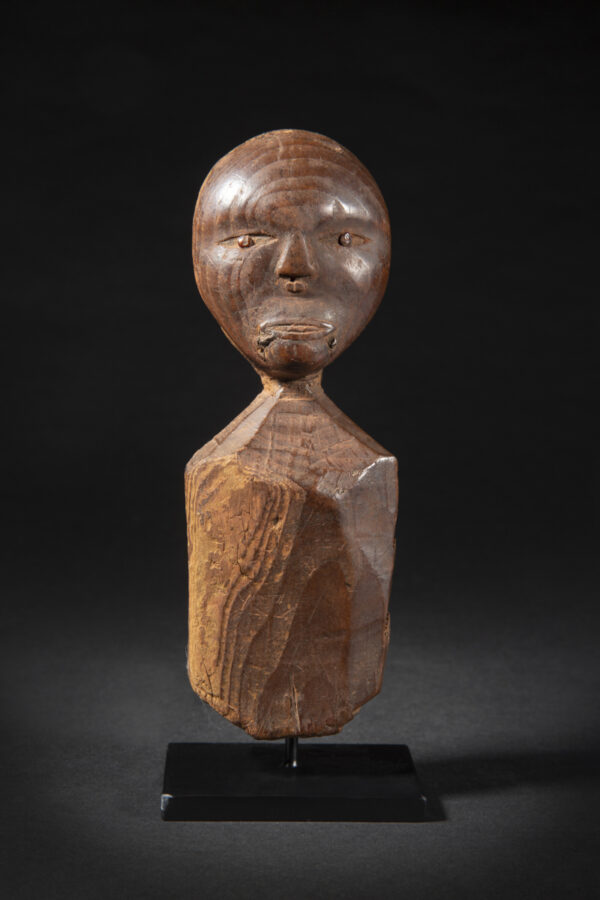
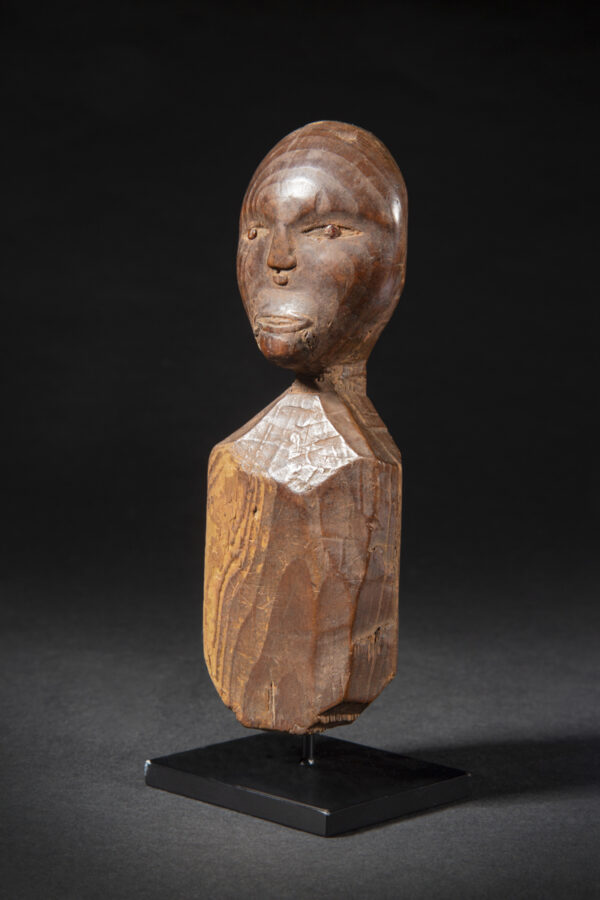
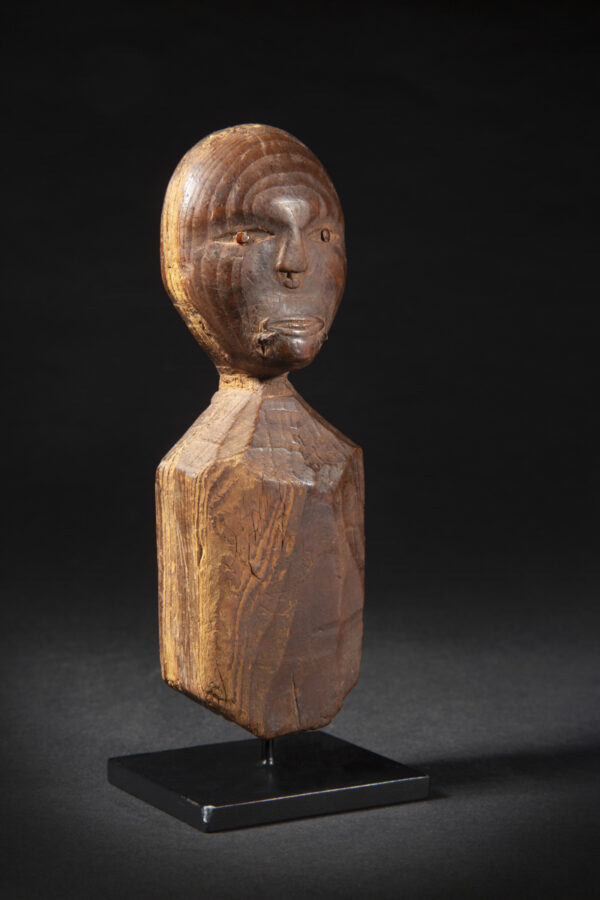
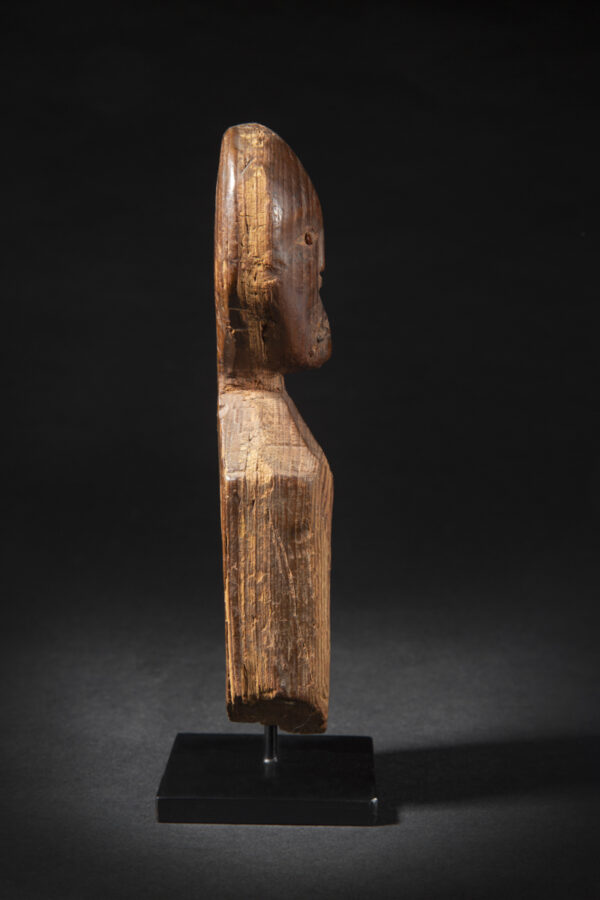
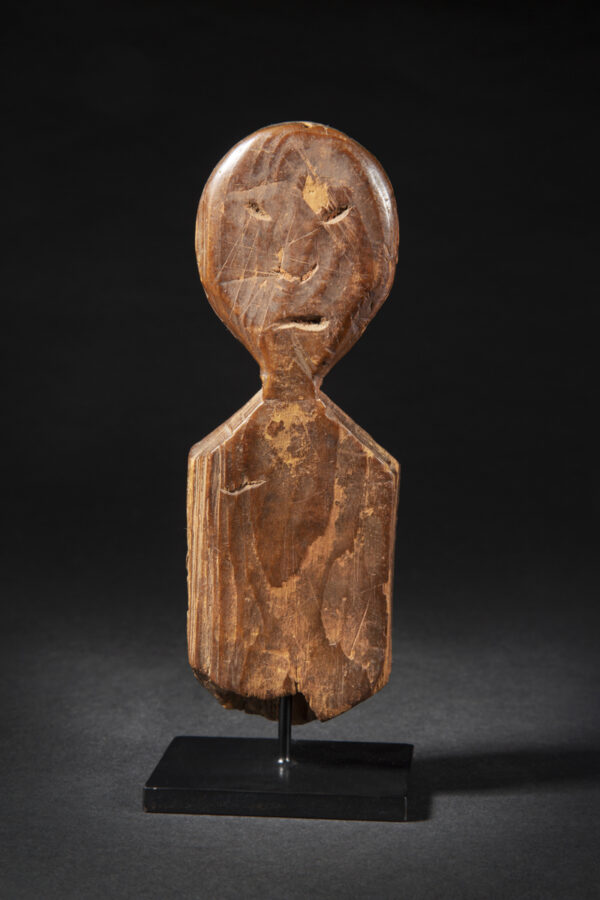
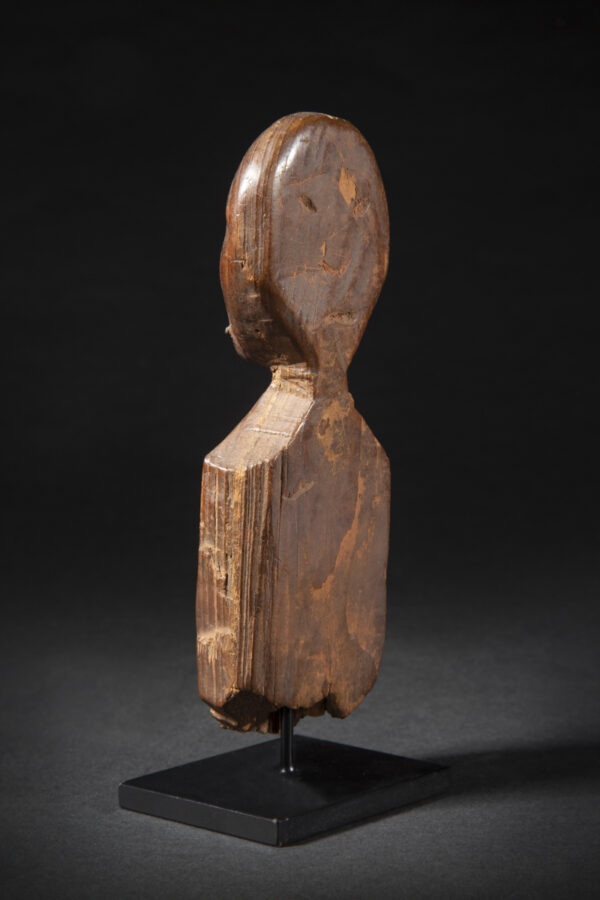
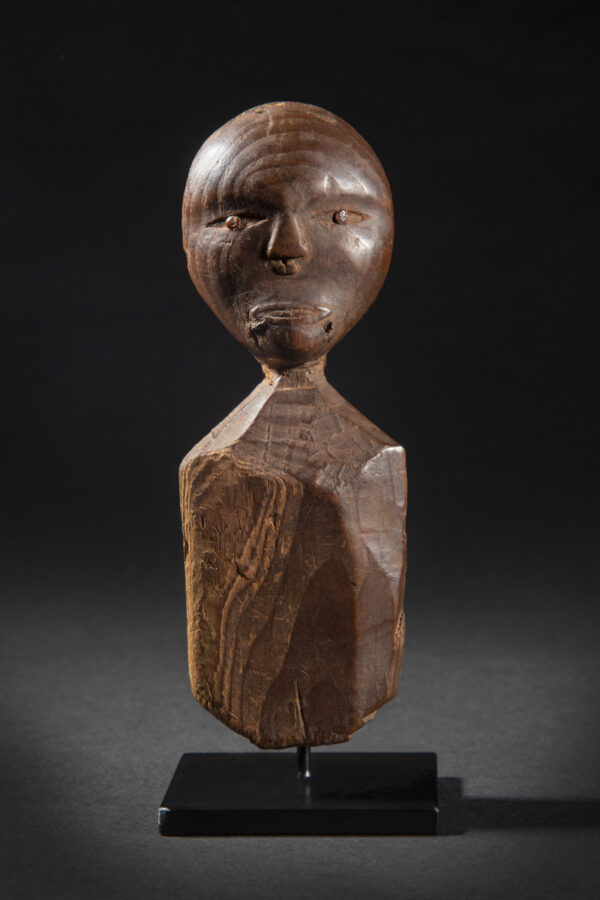
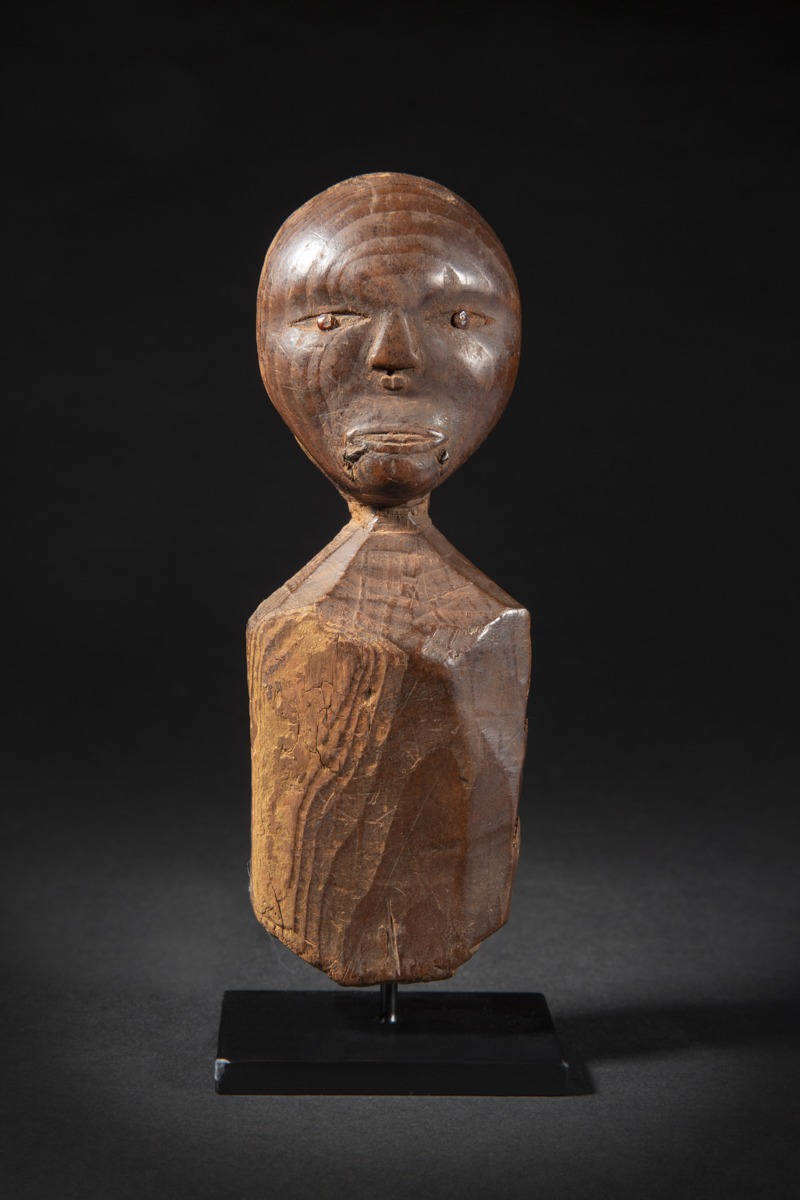
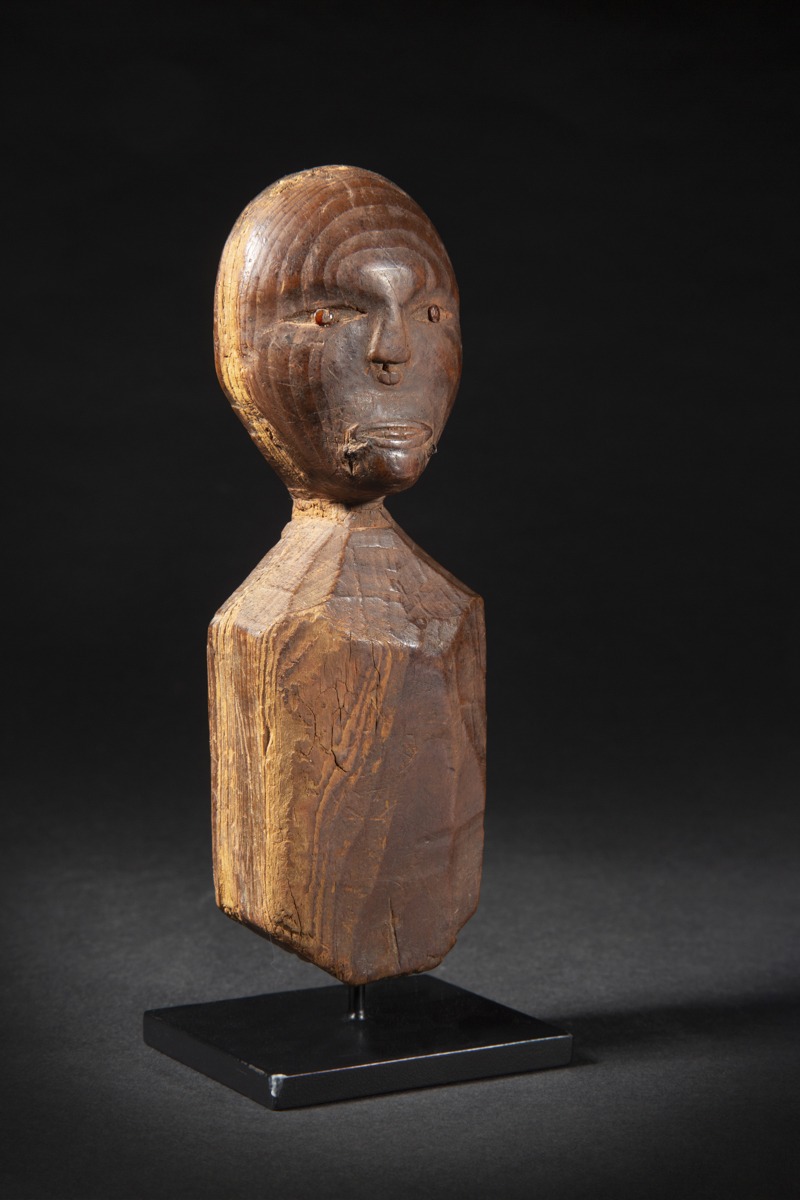
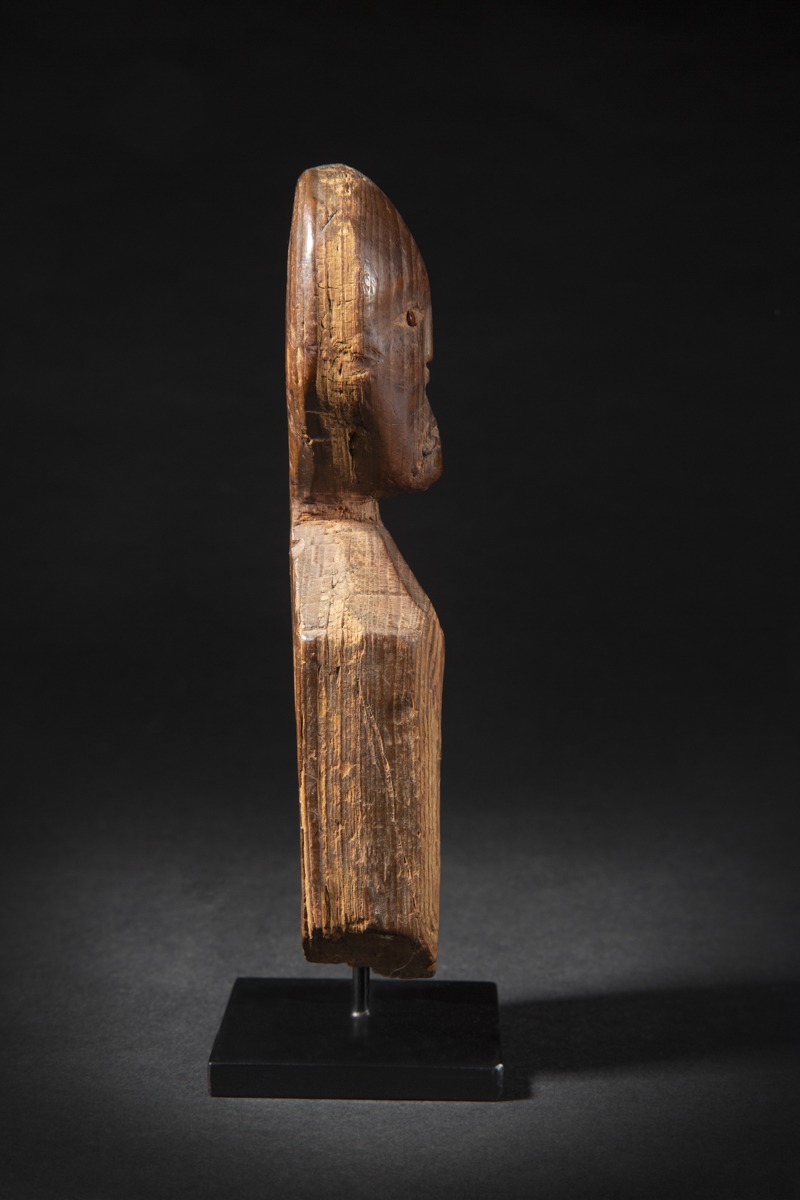
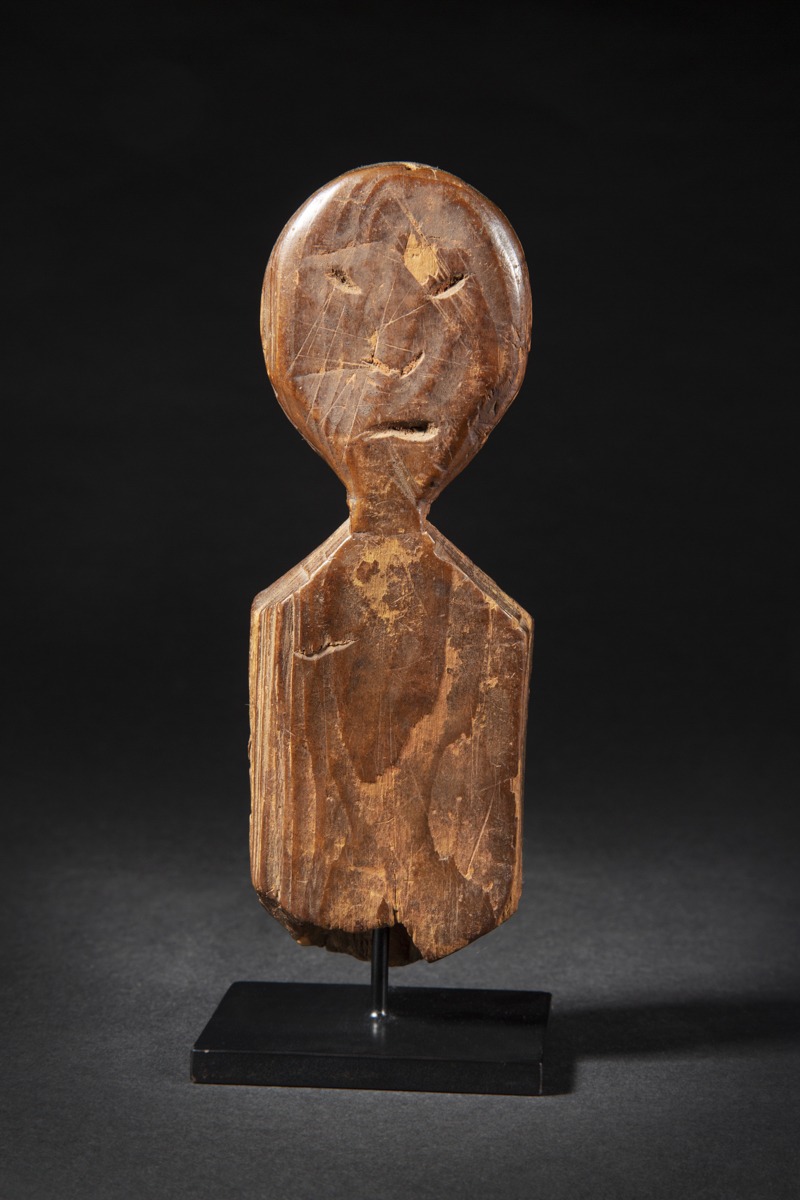
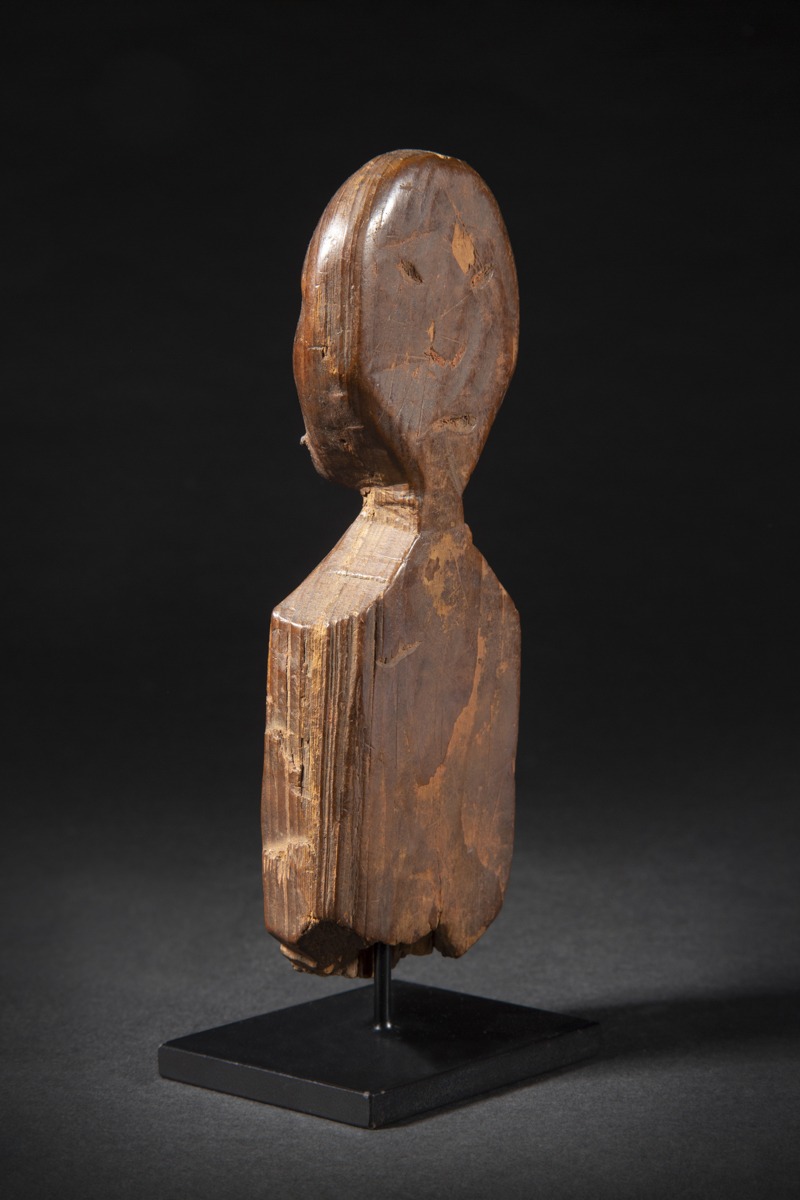
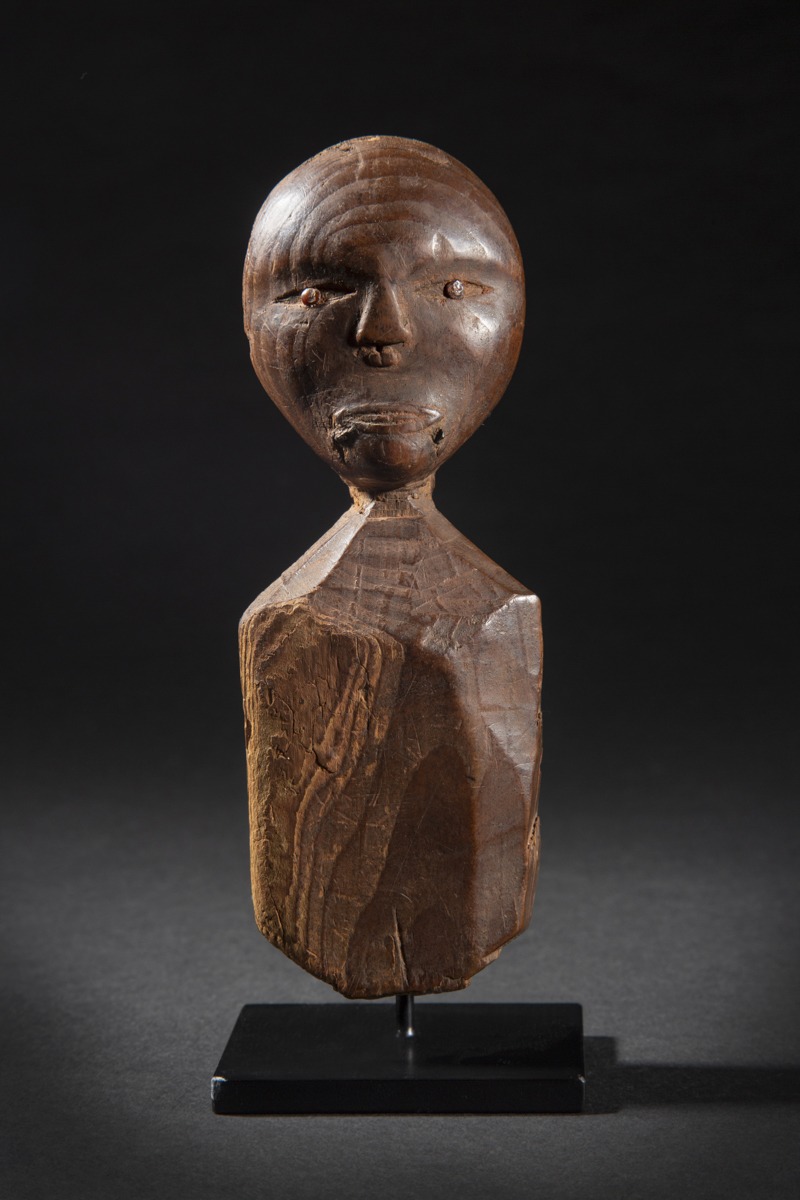
This particular carving is typical of the Kuskokwim River region (Yup’ik Eskimo people, Alaska). It showcases a strikingly expressive face with inlaid eyes and a torso rendered with subtle simplicity. Uniquely, this doll features a secondary, more rudimentary face carved into its back.
Arctic wooden dolls exhibit an astonishing array of variety, serving multiple purposes: they represent absent villagers during festivals, ward off infertility, act as toys, or concentrate the attention of animal inua (spirits) to bless future hunting and fishing expeditions.
This particular carving is typical of the Kuskokwim River region (Yup’ik Eskimo people, Alaska). It showcases a strikingly expressive face with inlaid eyes and a torso rendered with subtle simplicity. Uniquely, this doll features a secondary, more rudimentary face carved into its back.
Explore the entire collection