Archives | Alaska
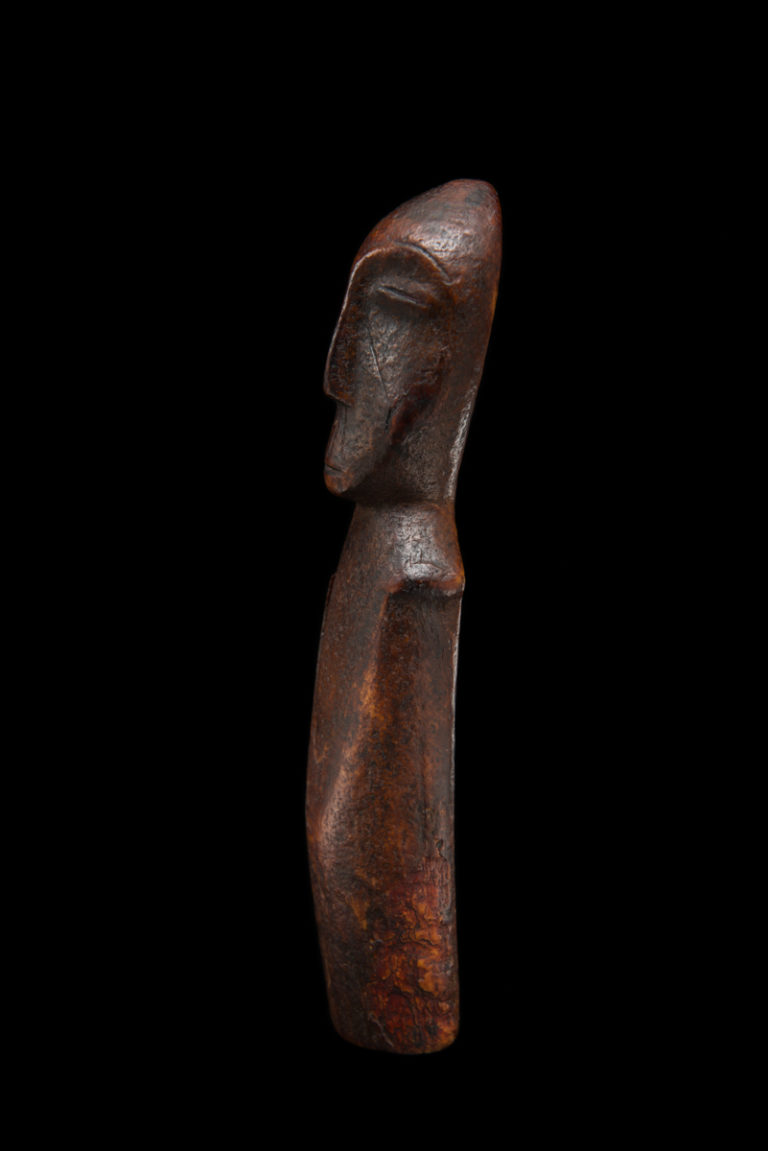
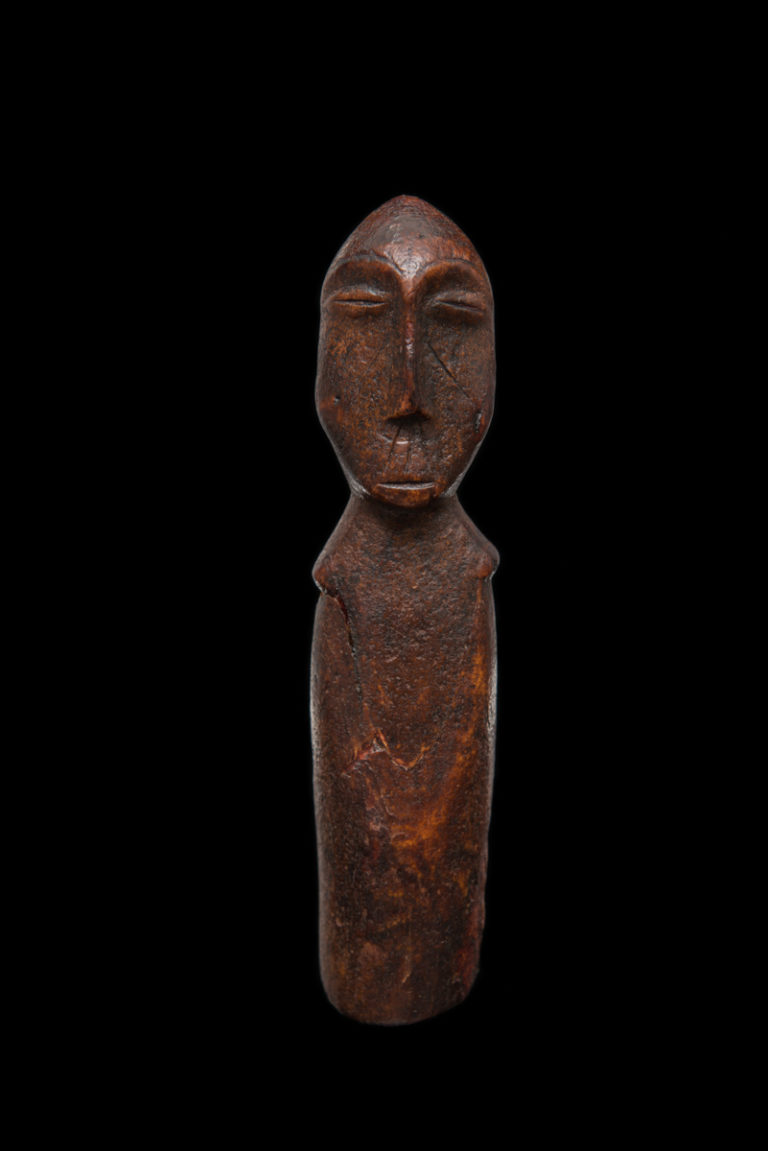
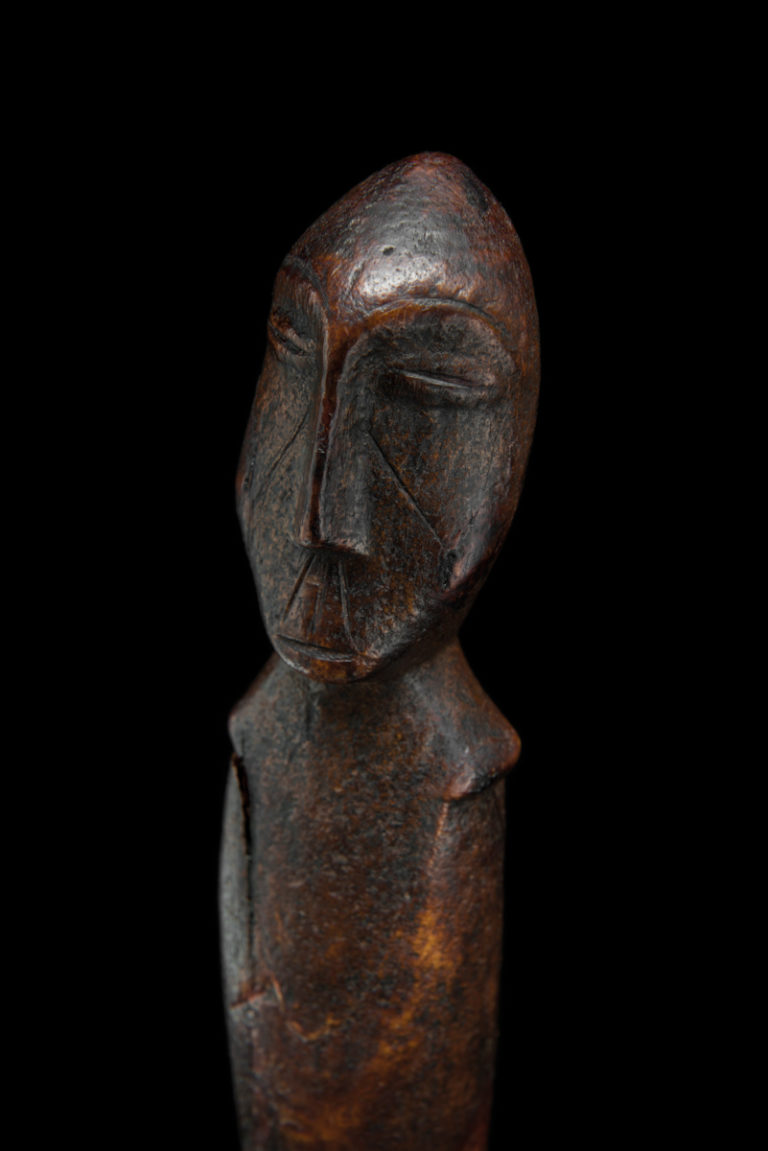
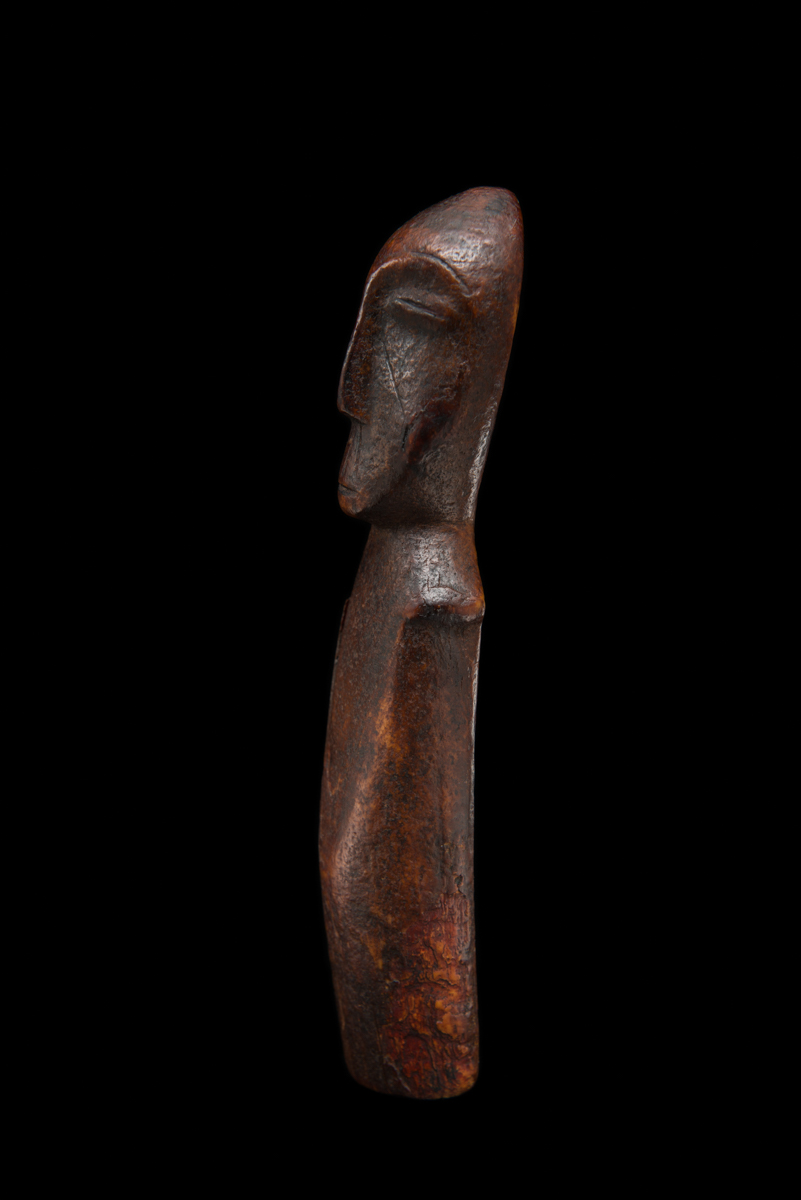
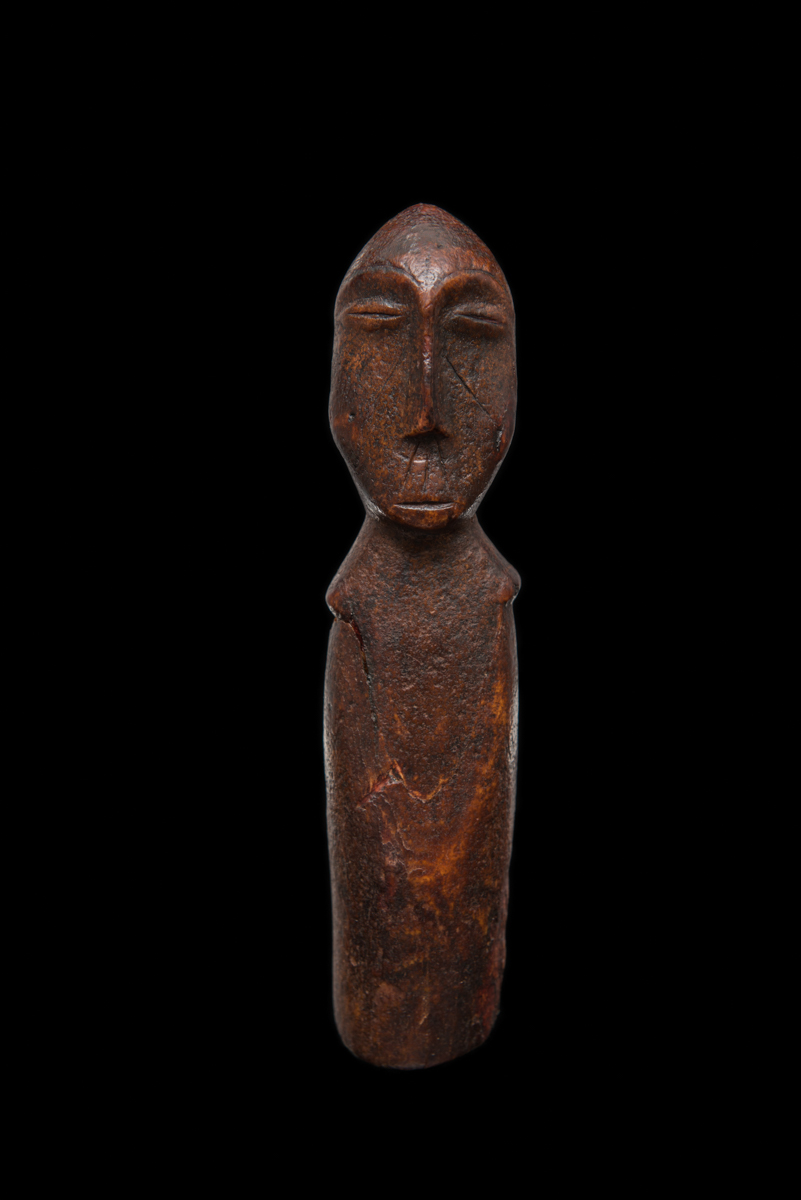
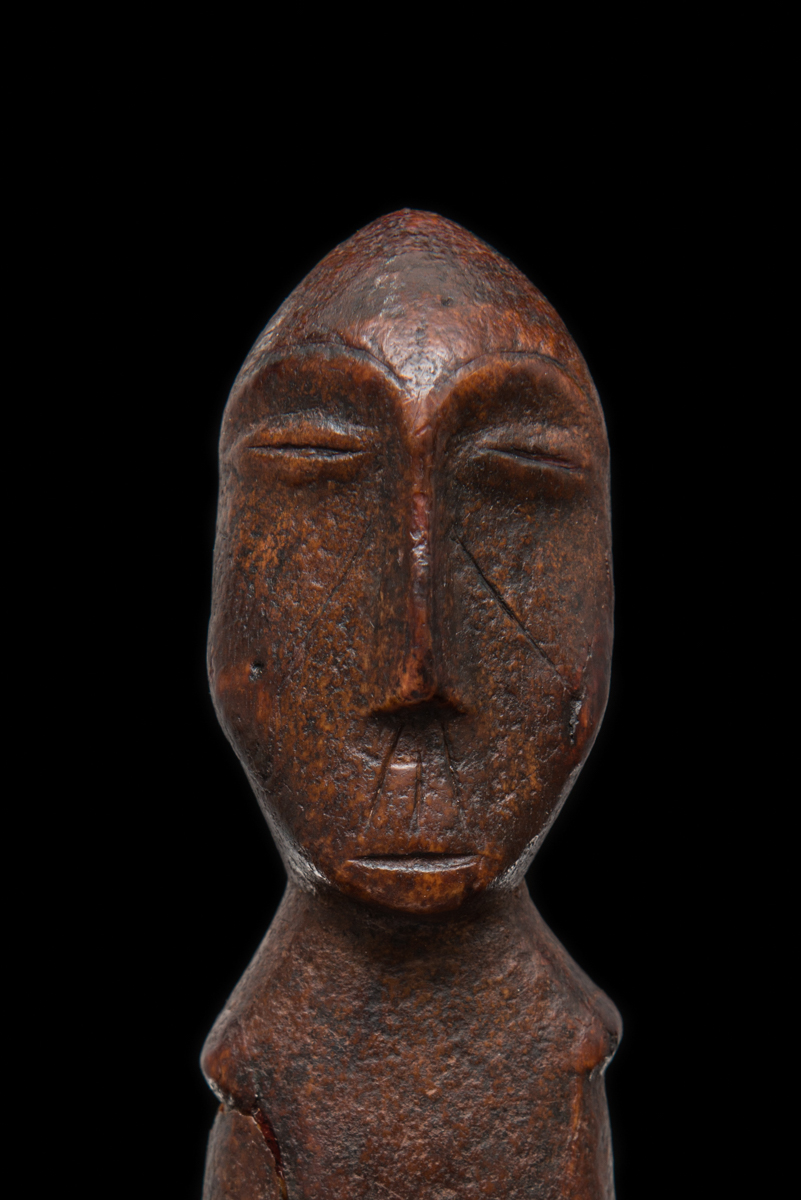
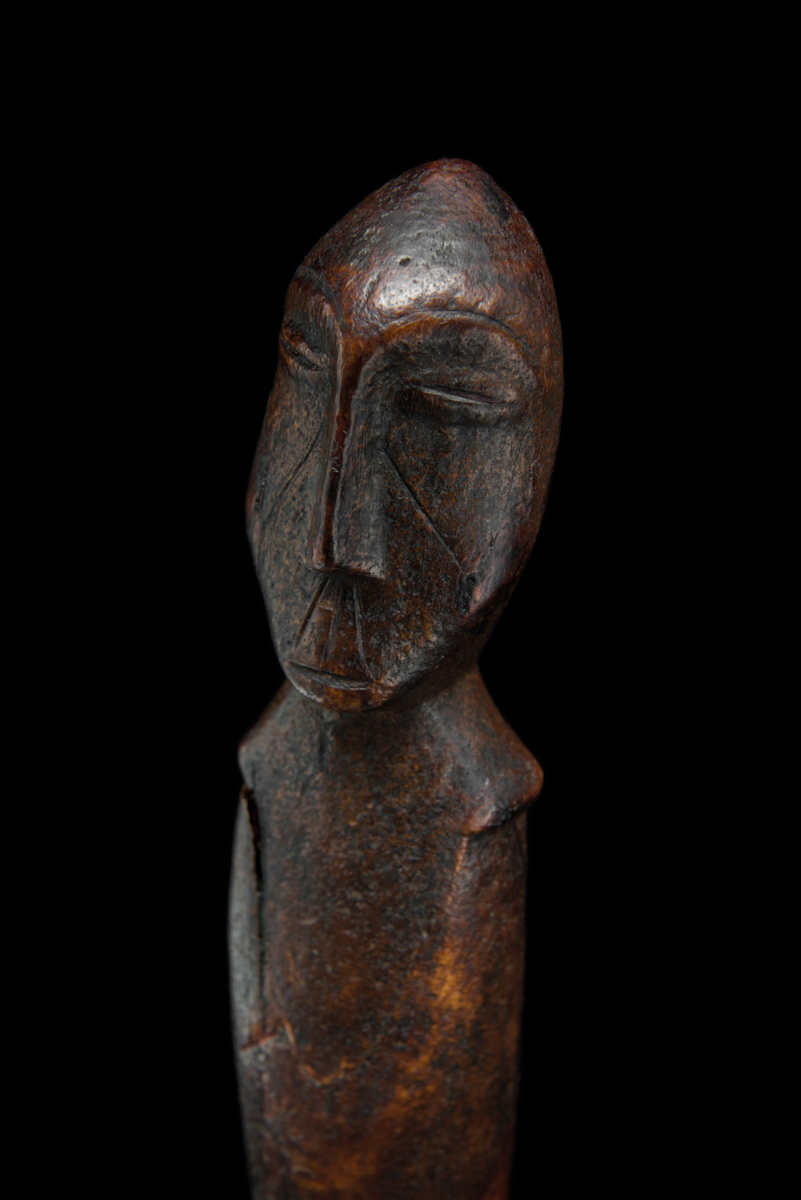
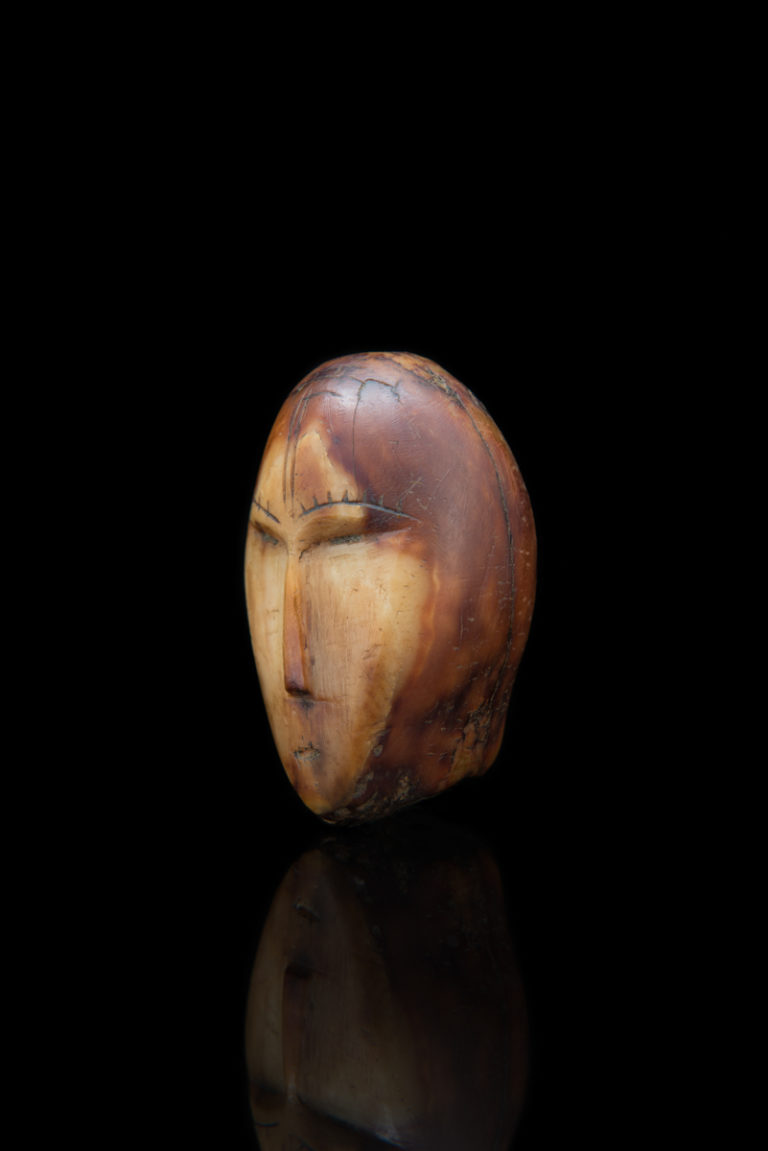
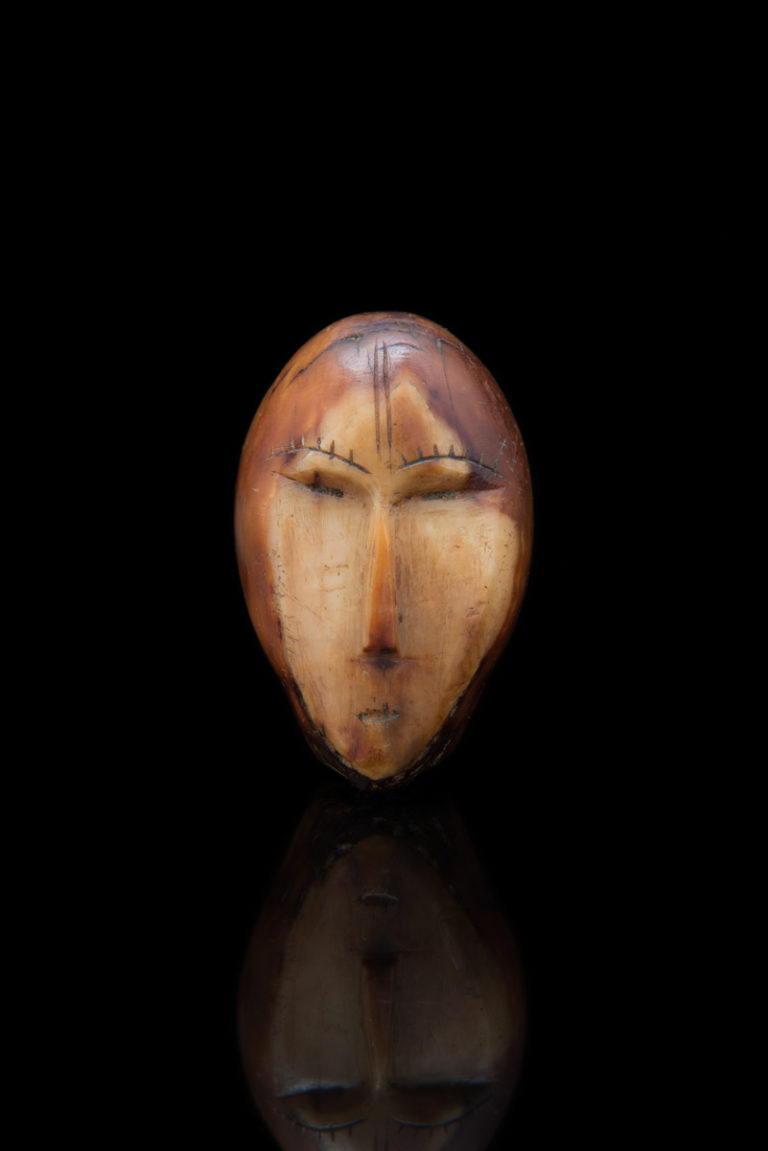
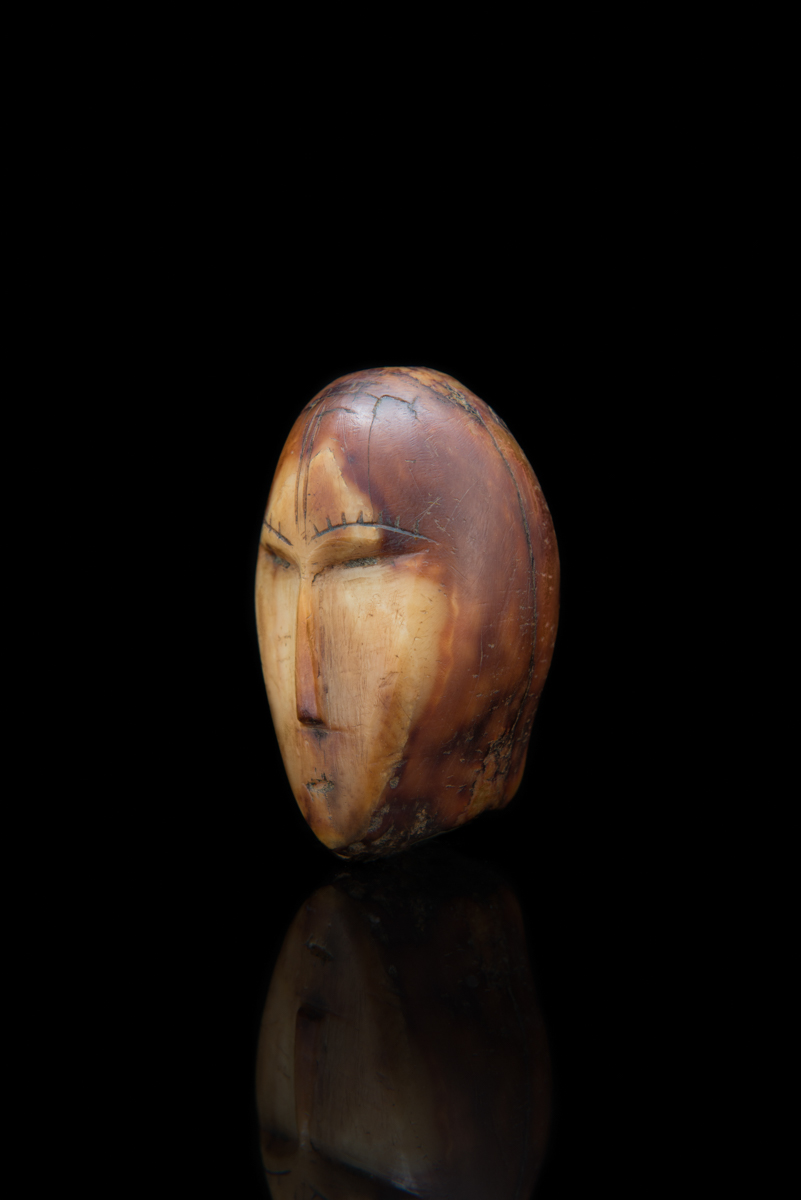
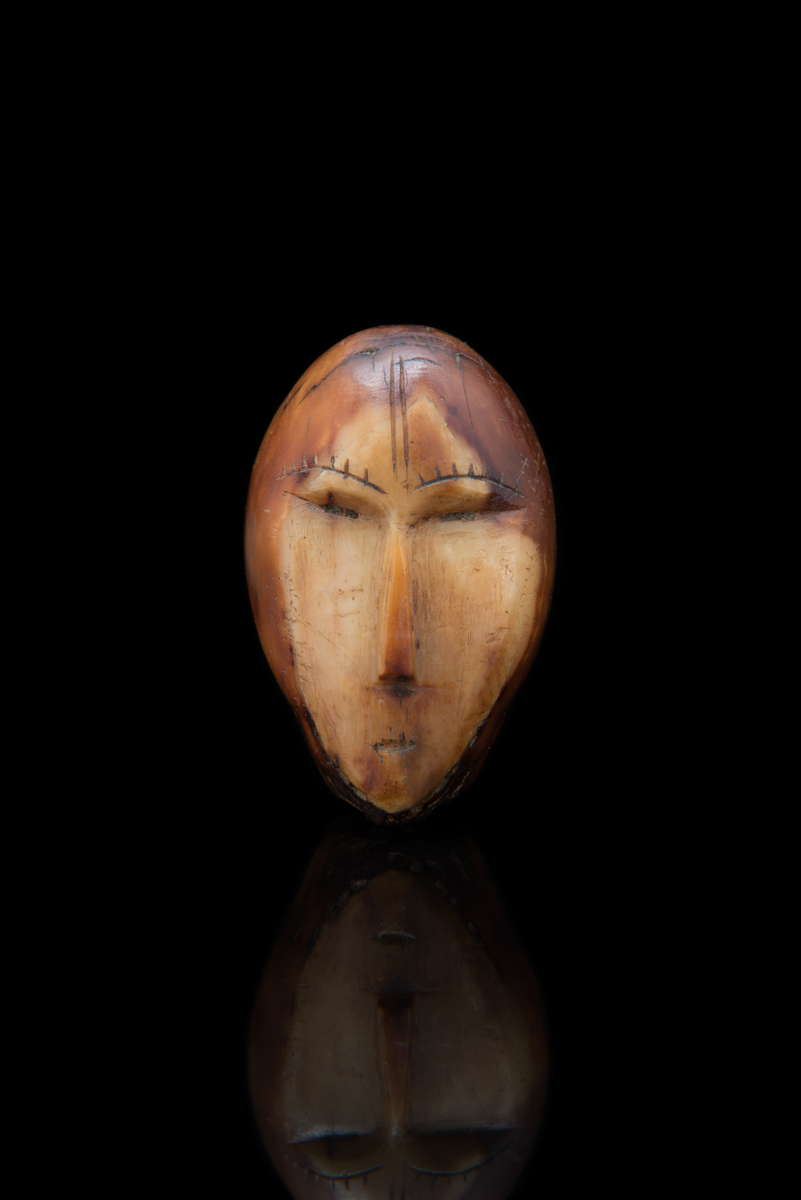
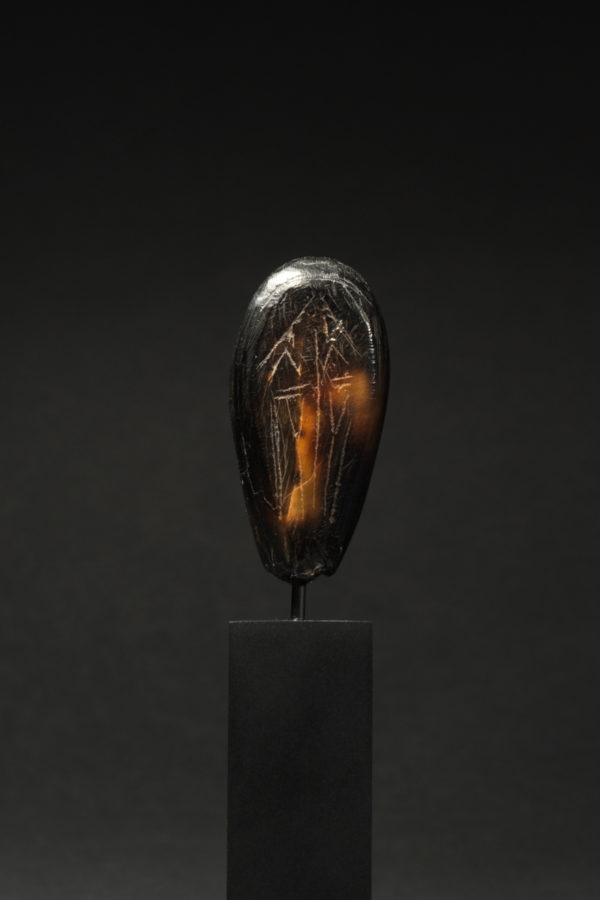
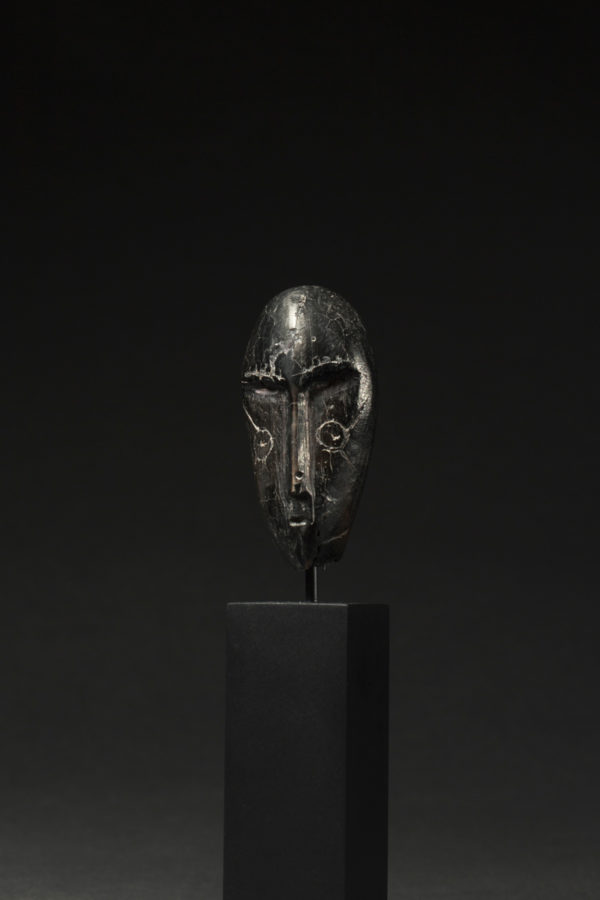
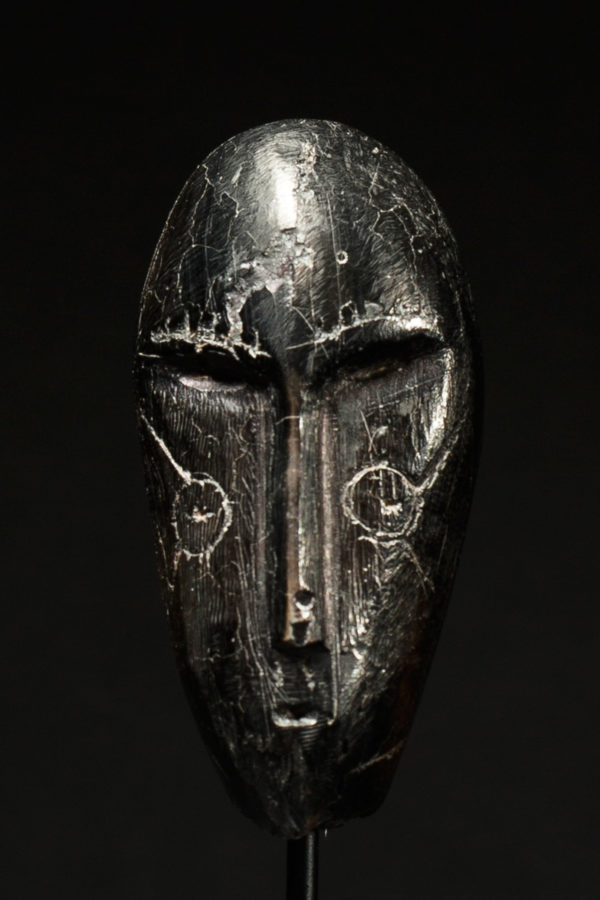
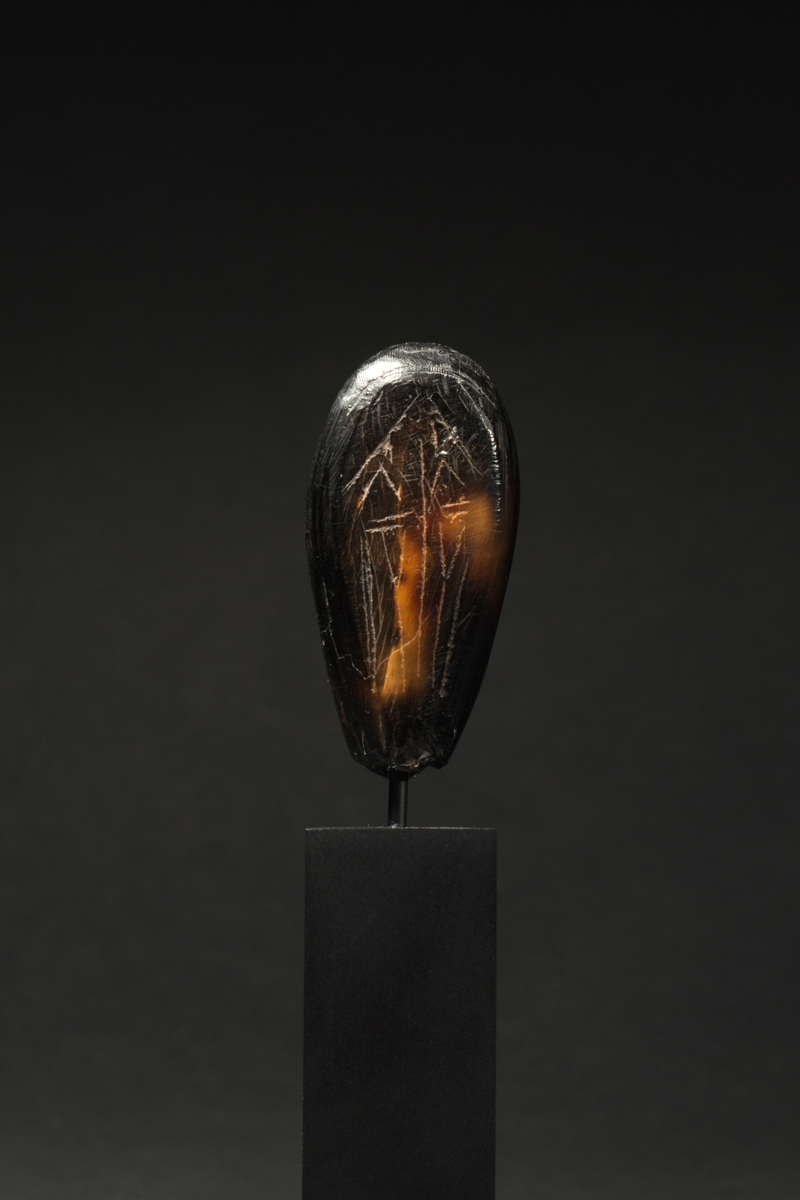
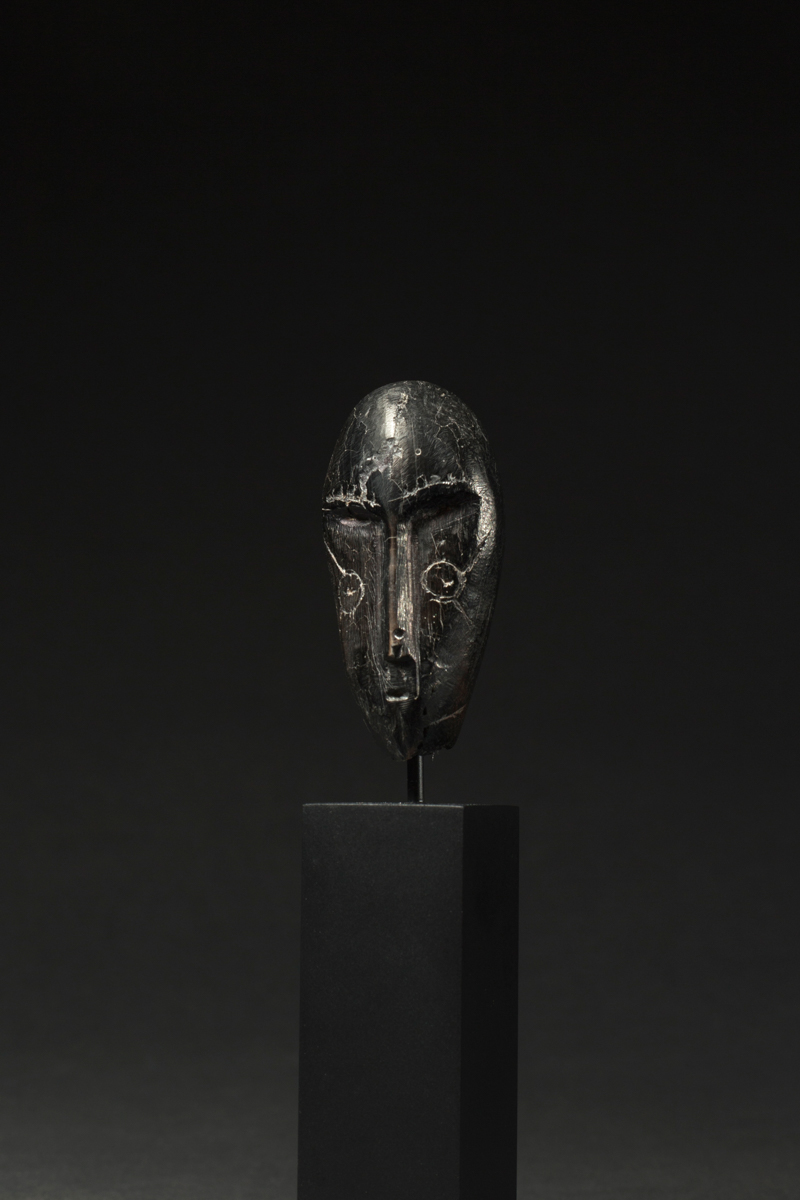
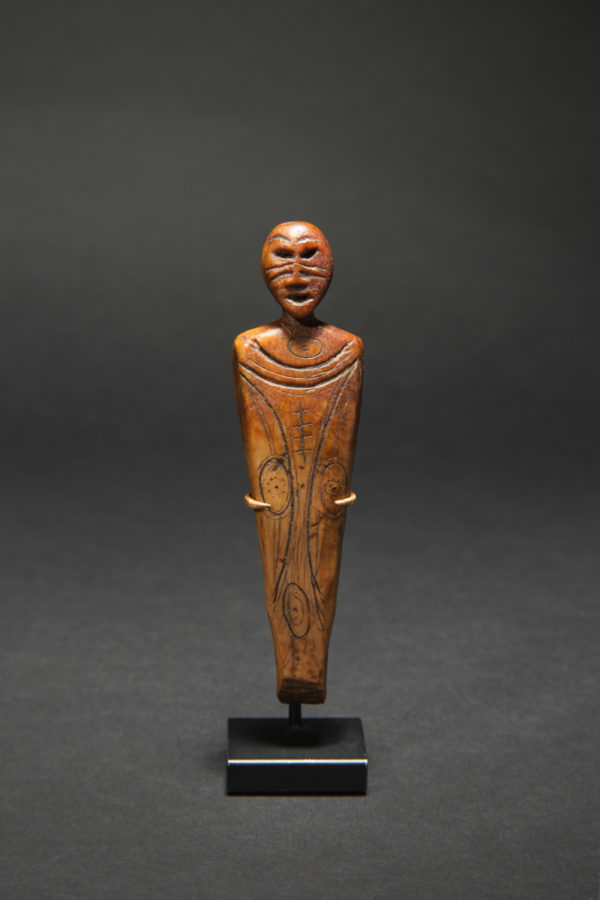
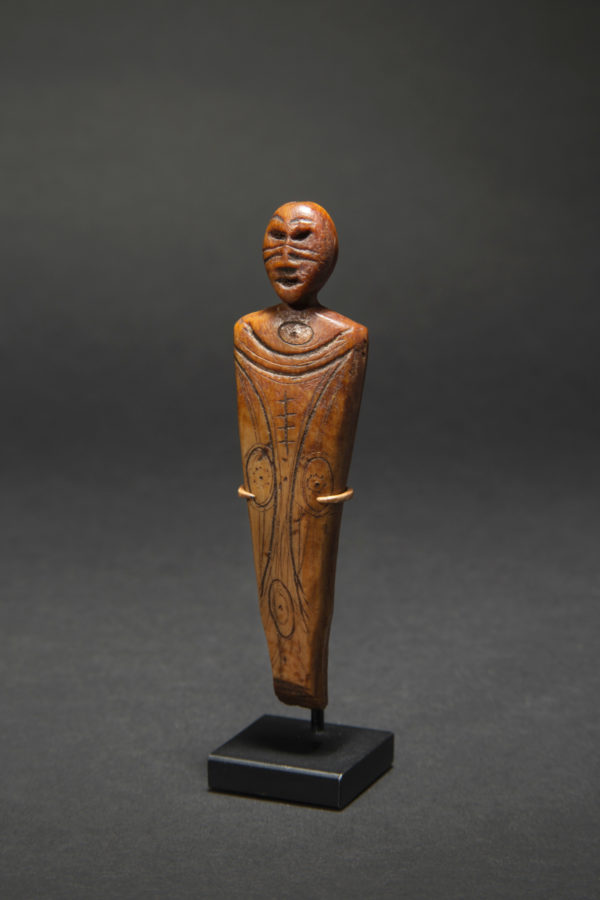
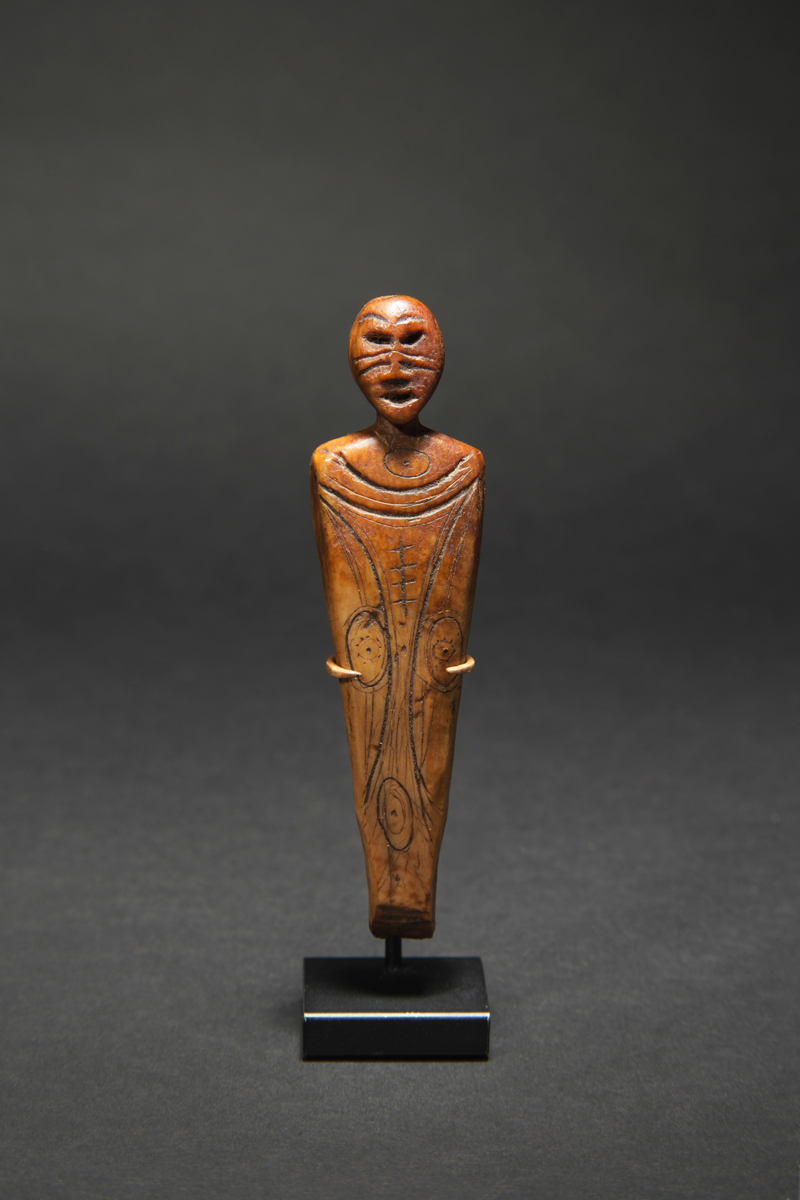
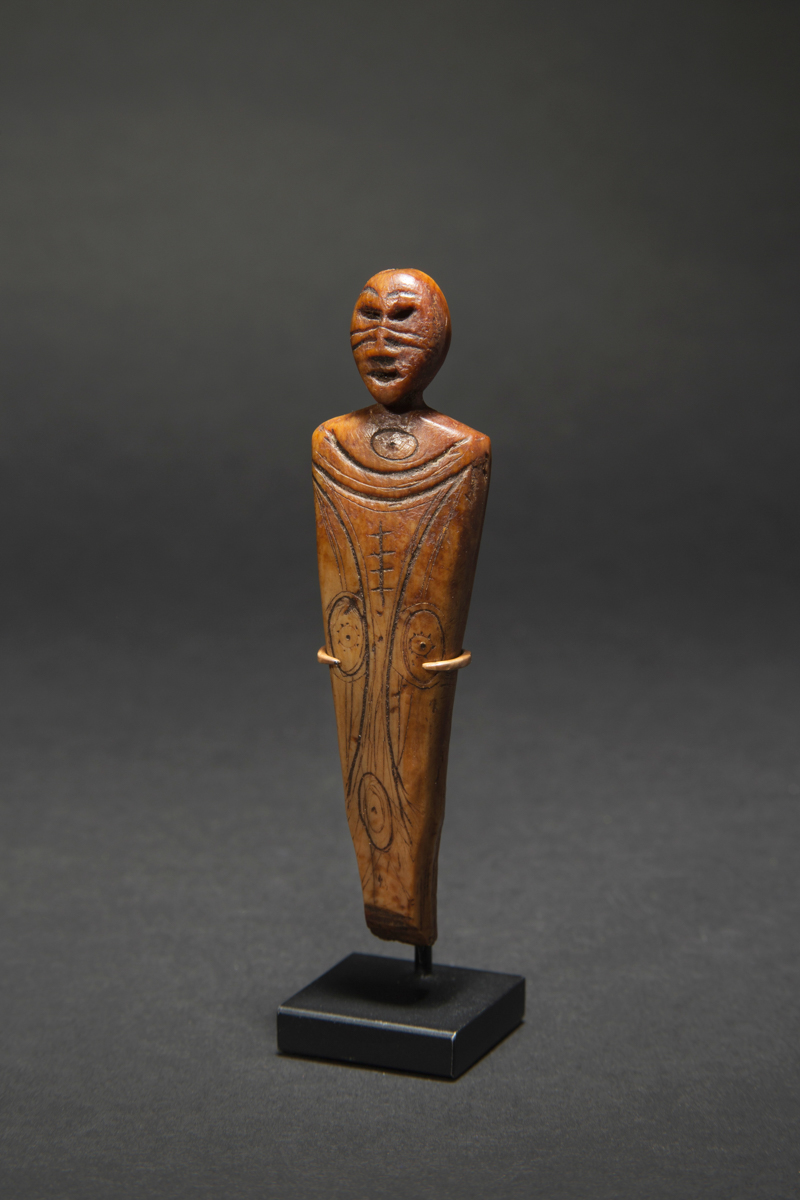
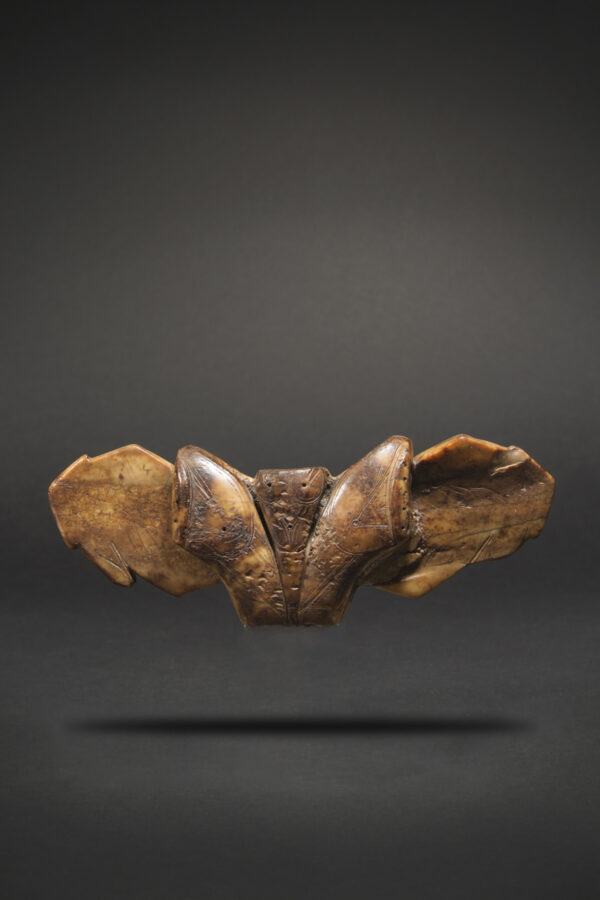
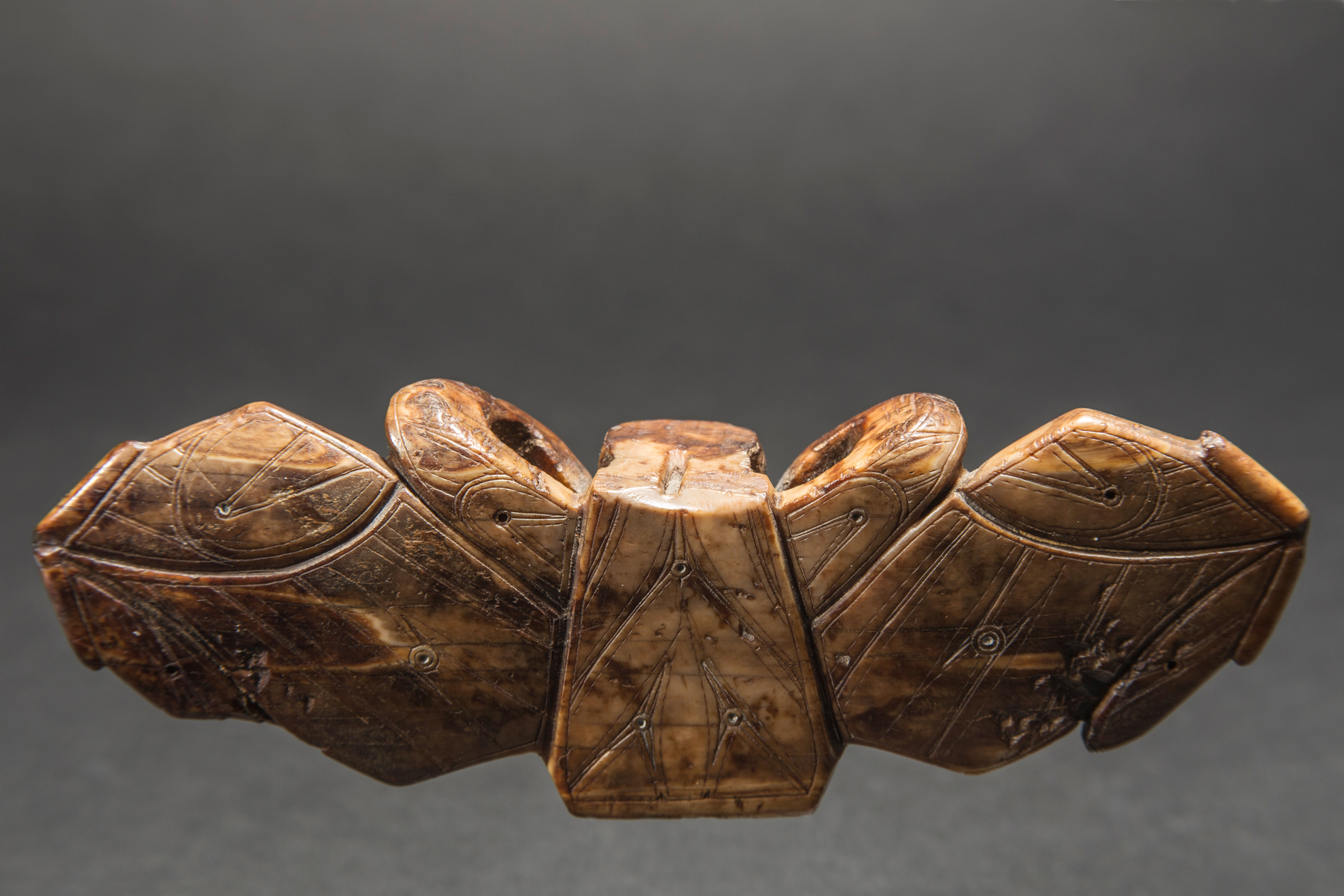
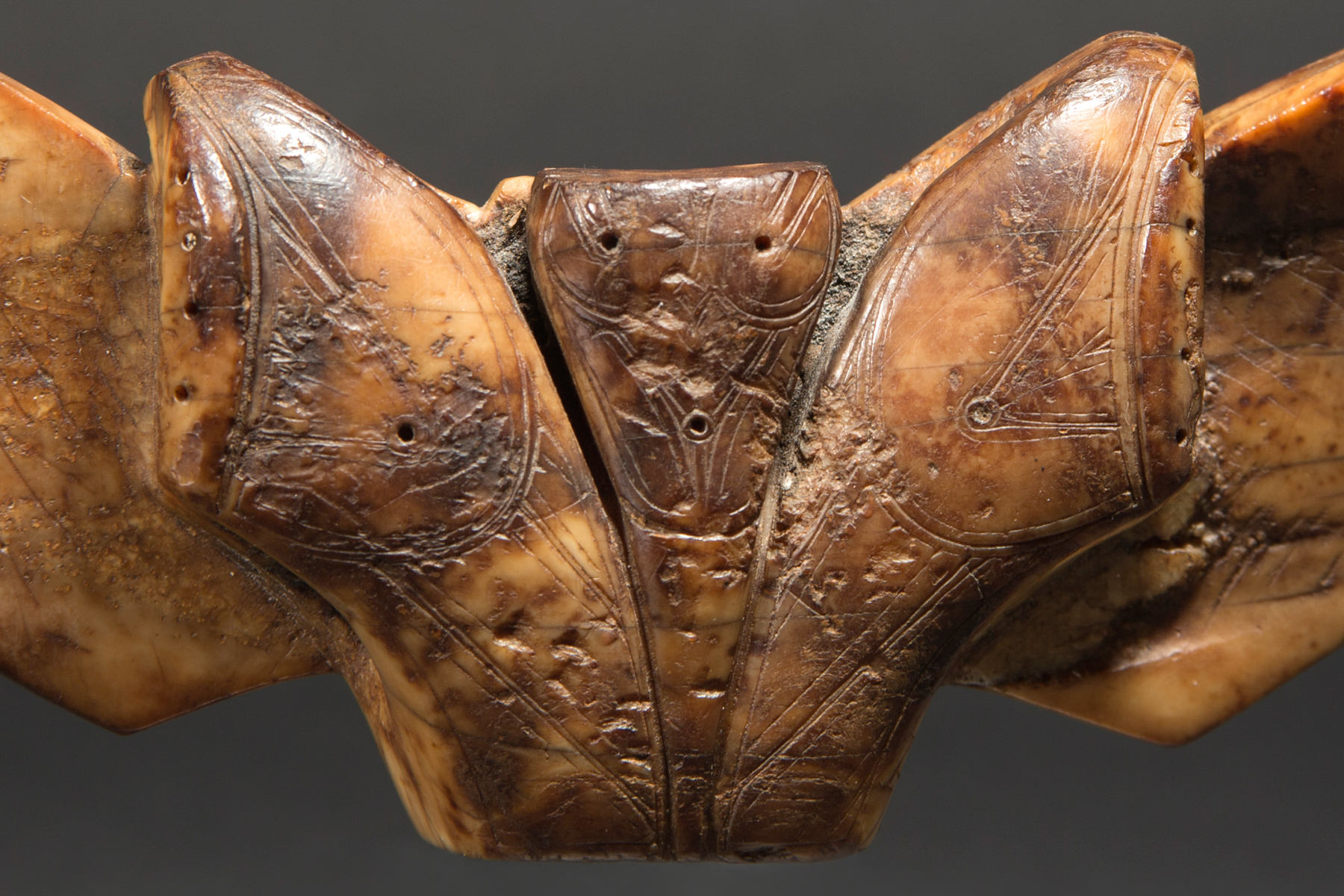
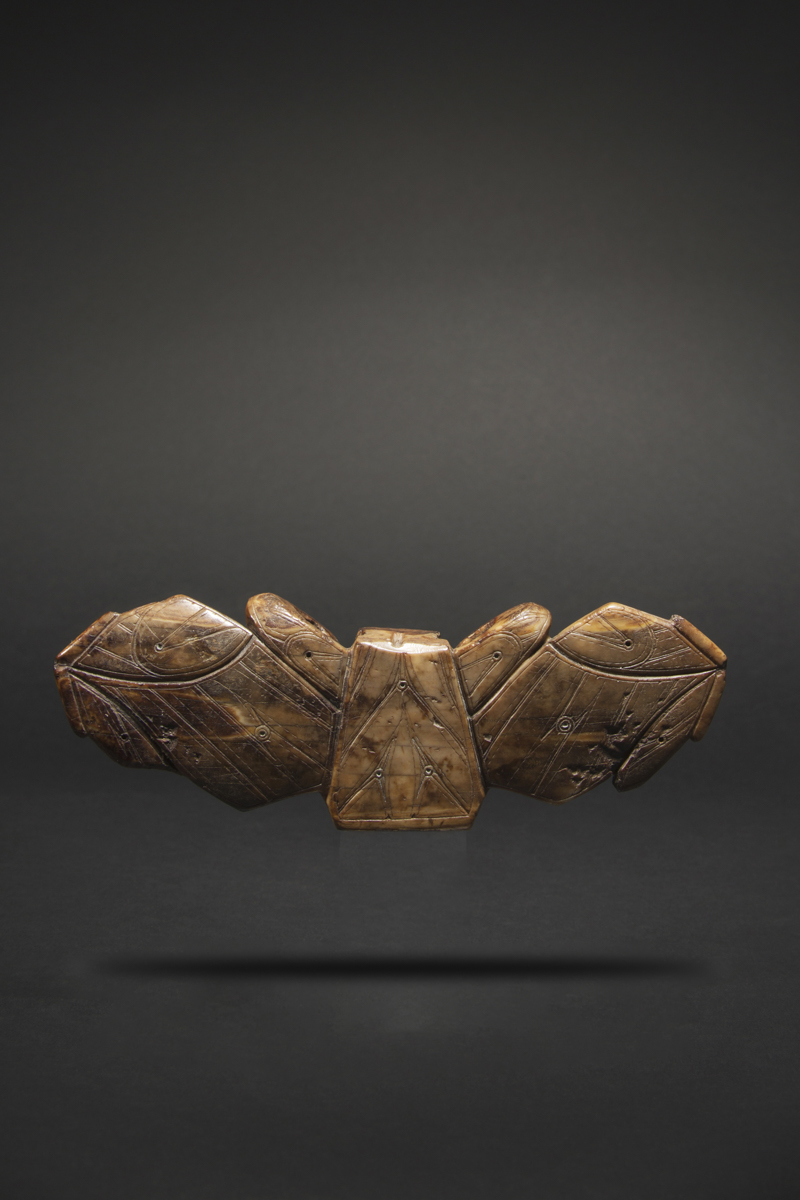
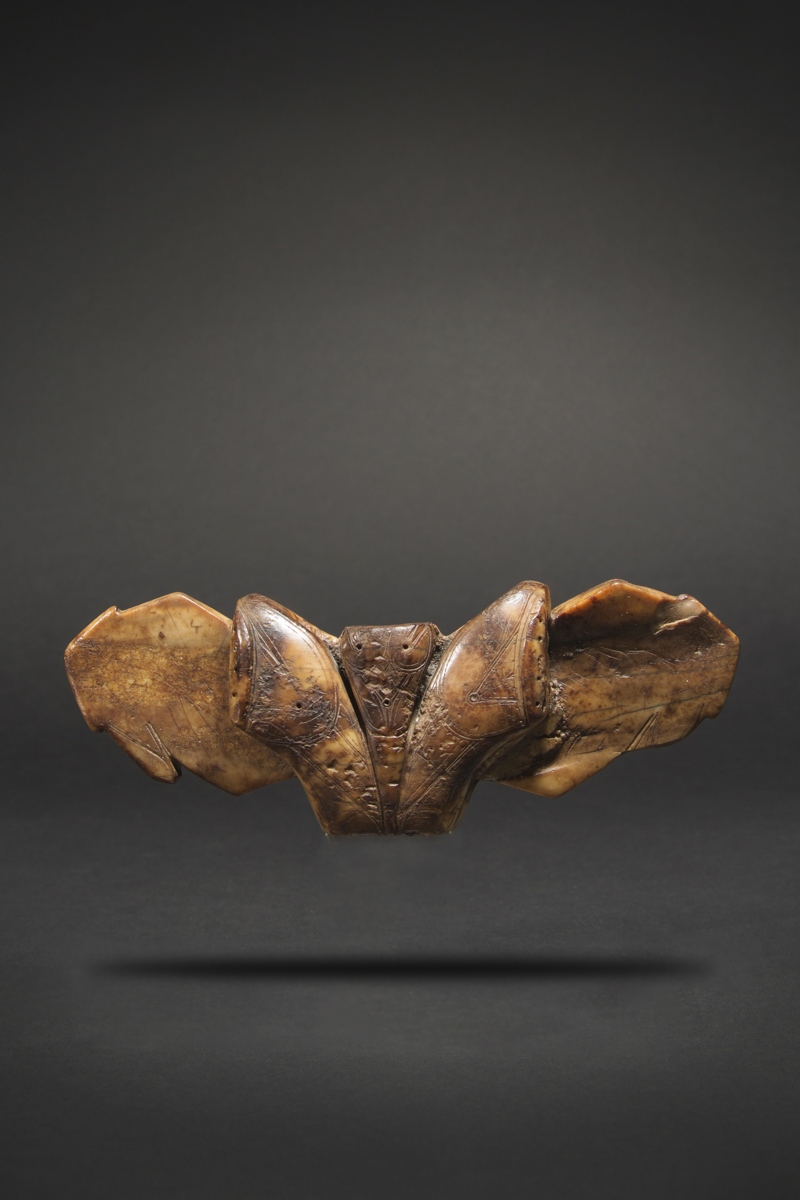
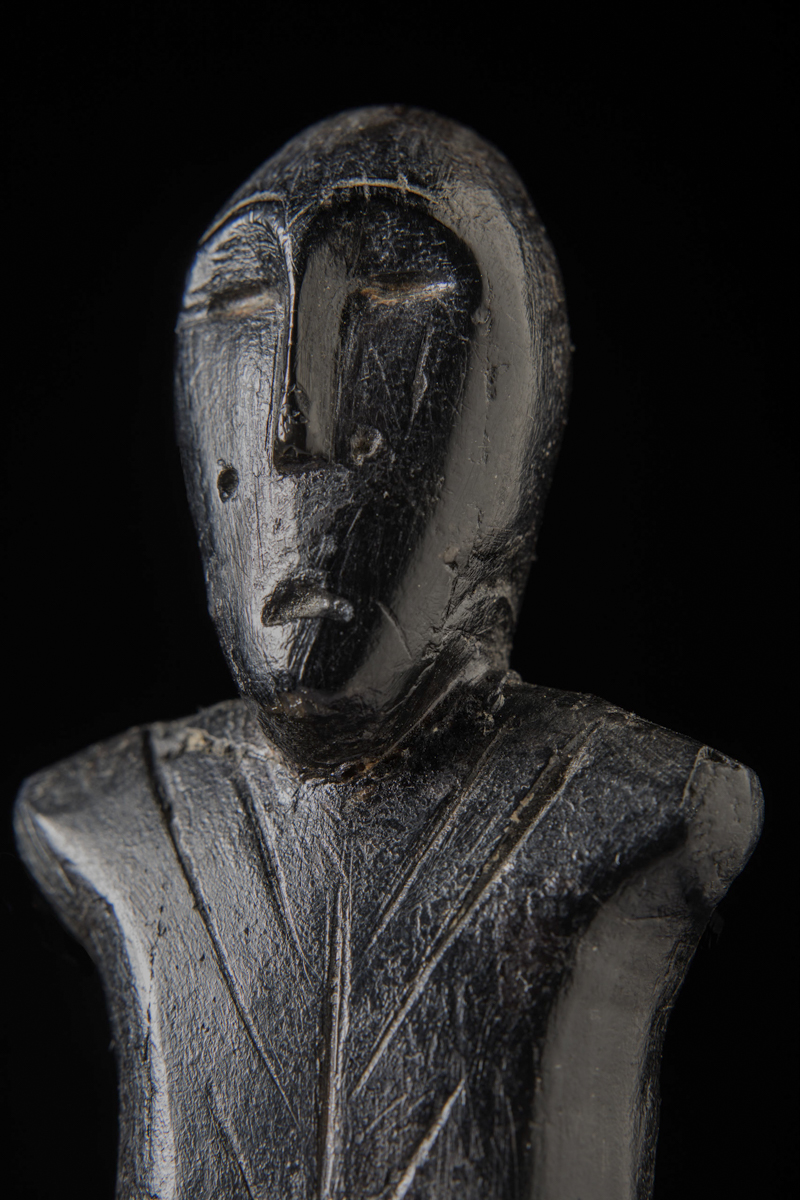
Okvik Figure
Alaska
Old Bering Sea I (Archaic Eskimo)
200 B.C. – 100 A.D.
Carved walrus tooth
Height: 4 ½ in. (11.5 cm)
Excavated in 1987
Ex collection Boorsuks, Johannesburg
Sold
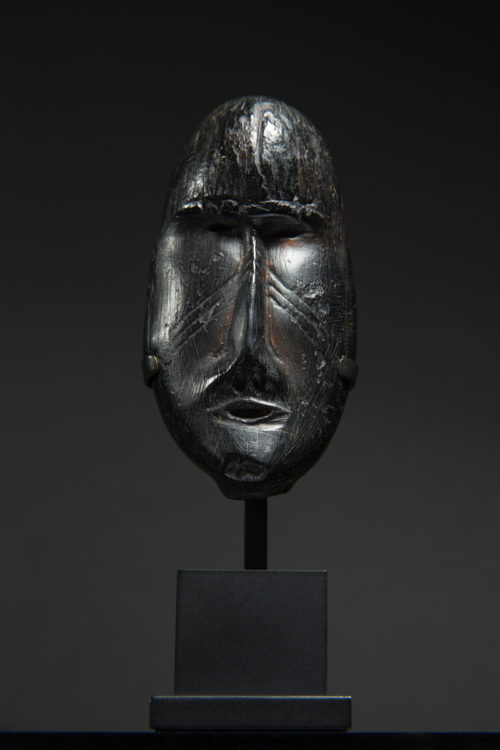
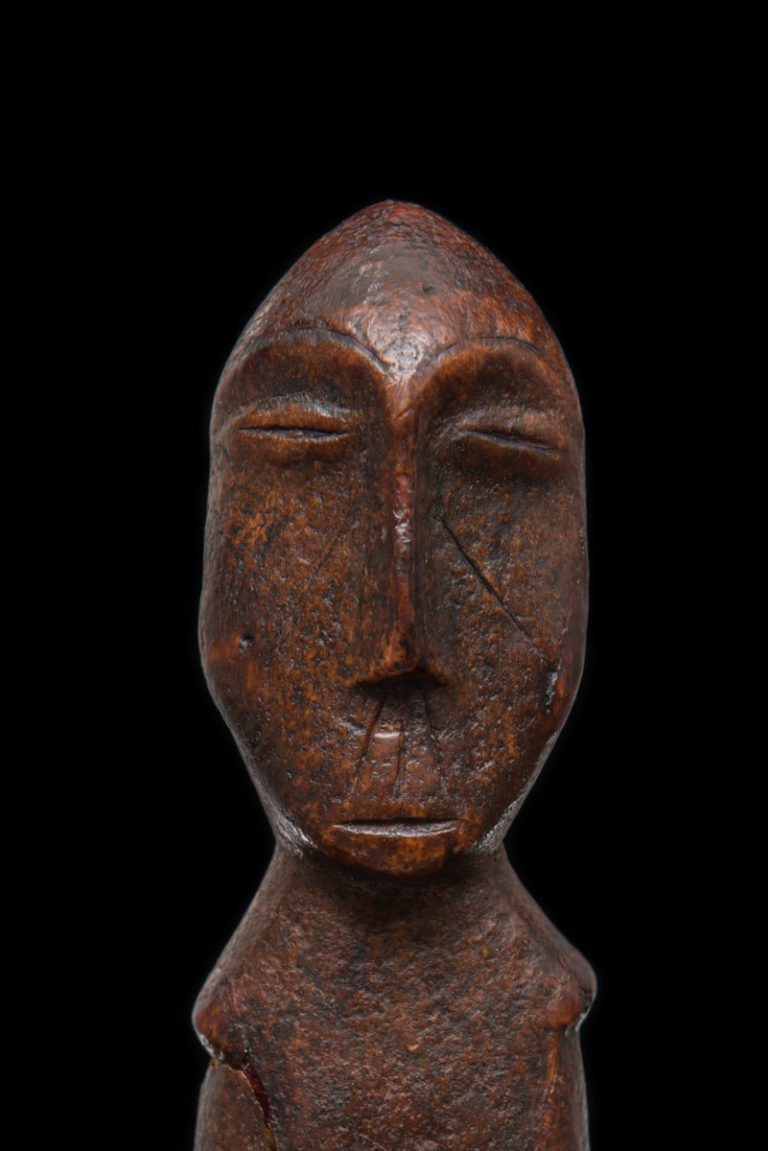
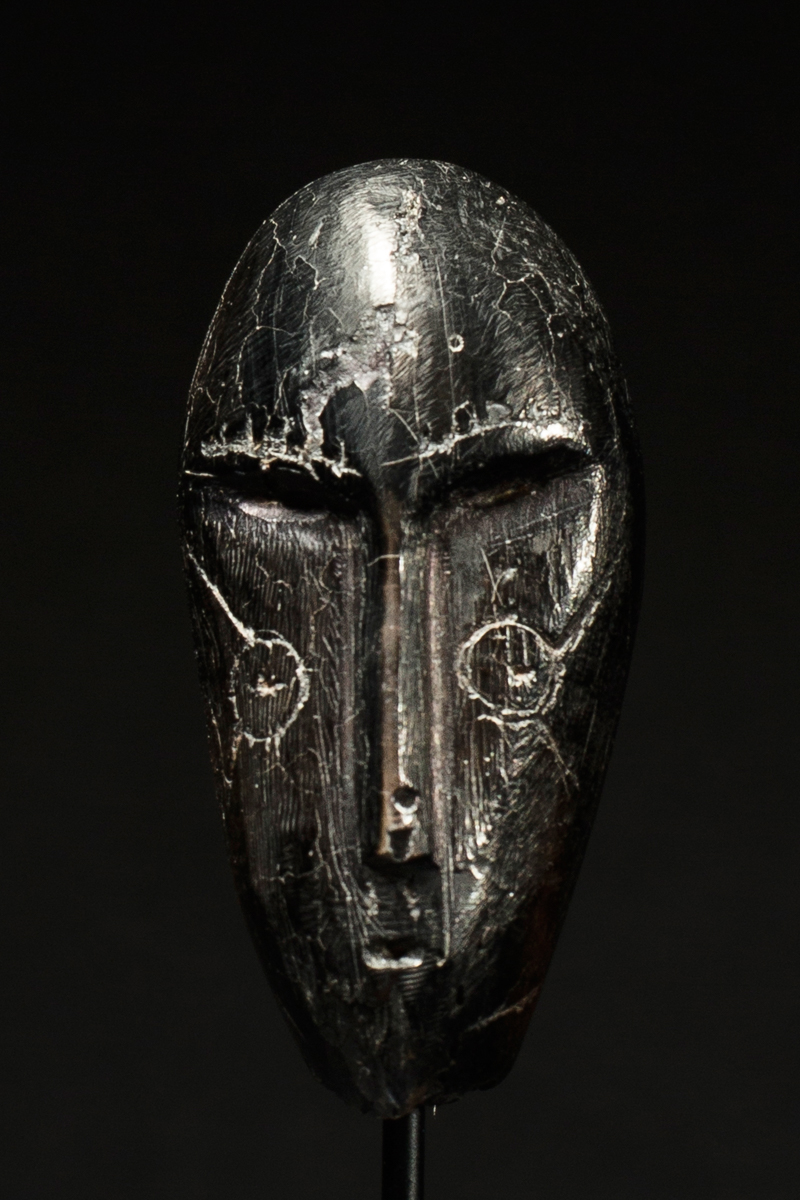
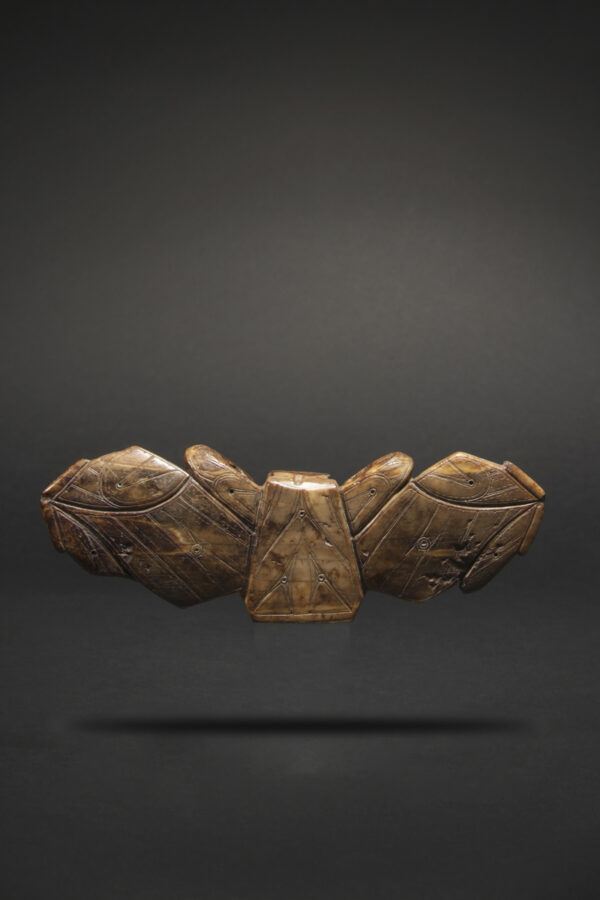
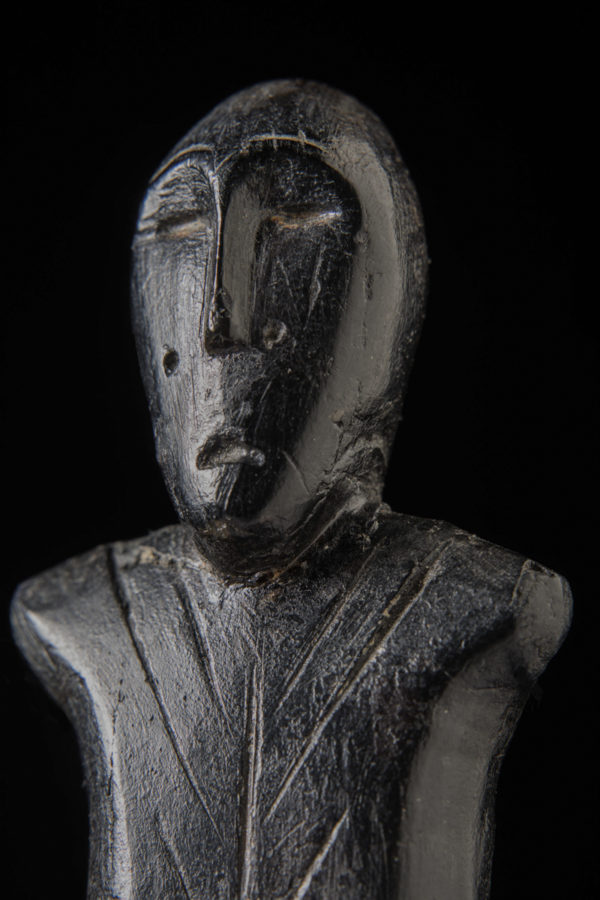
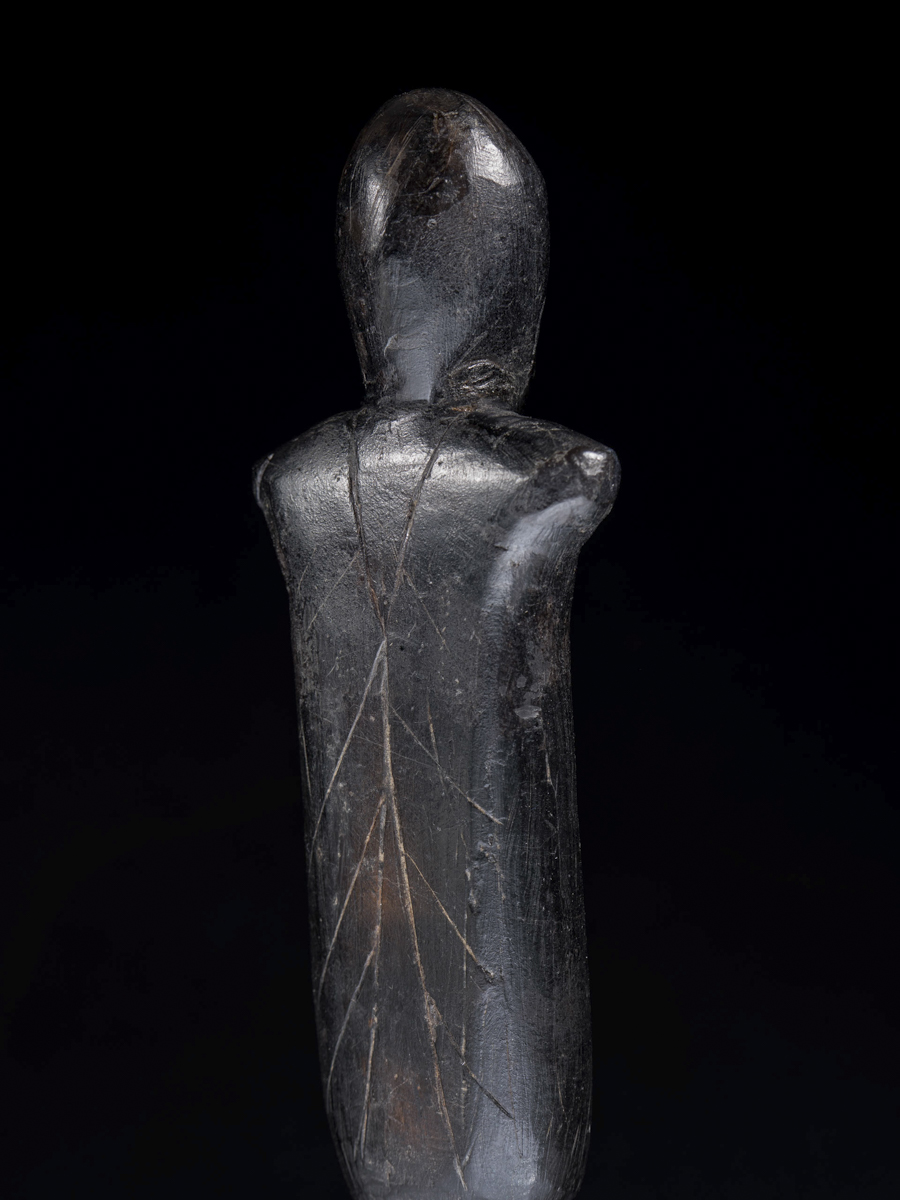
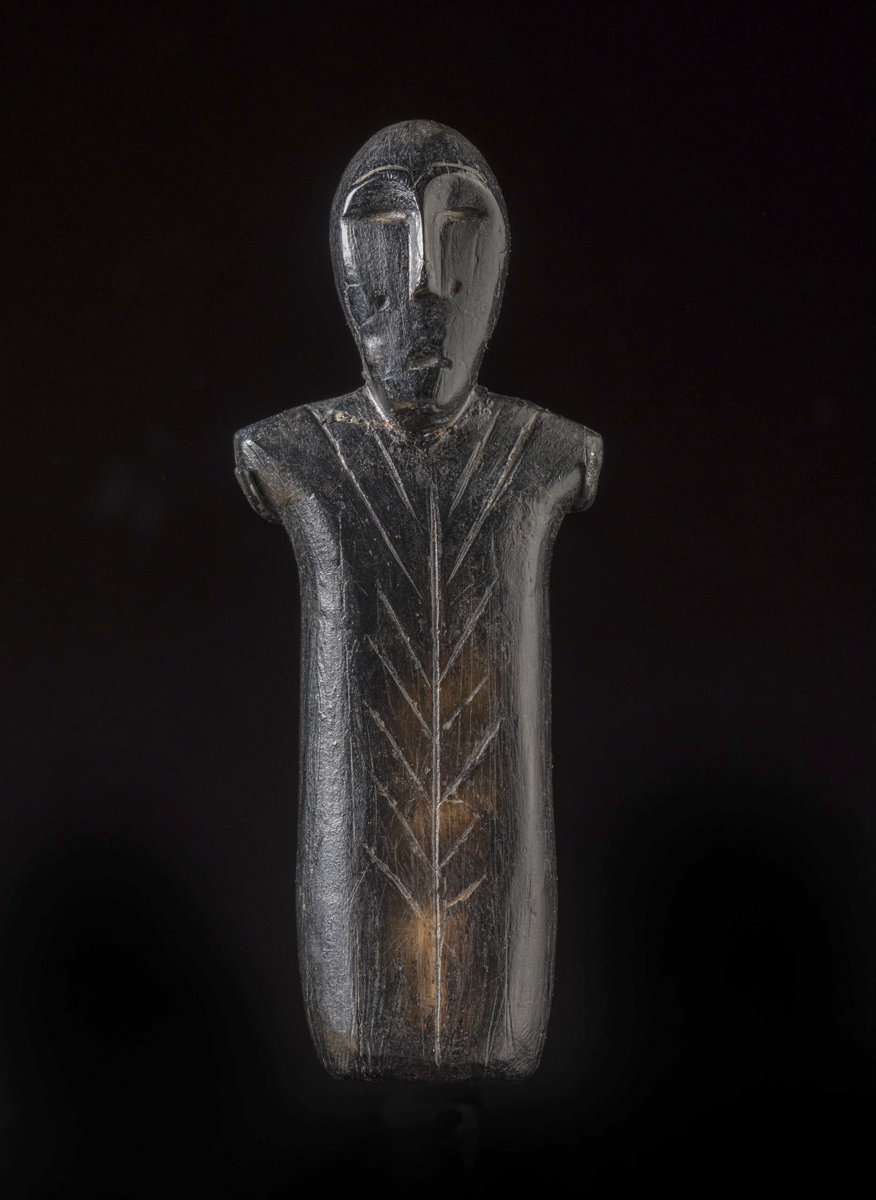
This hieratic figure in fossilized ivory constitutes an extremely rare, archetypal example of archaic Eskimo art. It belongs to the very small corpus of the great classic art of the Okvik culture (Old Bering Sea I) which was born and developed on St. Lawrence Island at the southern part of the Bering Strait more than 2,000 years ago.
Okvik figures in marine ivory were used during ceremonies linked to fertility as well as for ensuring successful hunting expeditions.
Objects used to transmit knowledge and as aides for shamanic practices, these sculptures constituted a privileged channel for communicating with the invisible world of the spirits.
This human figure is characterized by the purity and elongation of its lines. The treatment of the face recalls in a vivid way the work of certain 20th century artists, such as Amedeo Modigliani or Constantin Brancusi.
Okvik figures in marine ivory were used during ceremonies linked to fertility as well as for ensuring successful hunting expeditions.
Objects used to transmit knowledge and as aides for shamanic practices, these sculptures constituted a privileged channel for communicating with the invisible world of the spirits.
This human figure is characterized by the purity and elongation of its lines. The treatment of the face recalls in a vivid way the work of certain 20th century artists, such as Amedeo Modigliani or Constantin Brancusi.
Explore the entire collection