North America | Canada
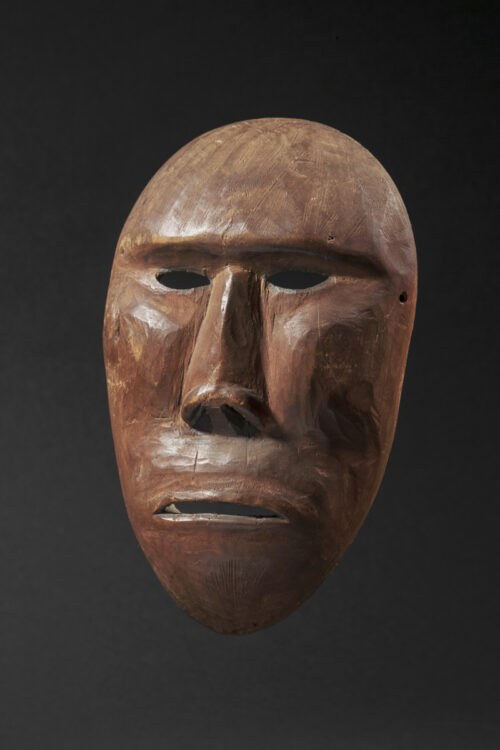
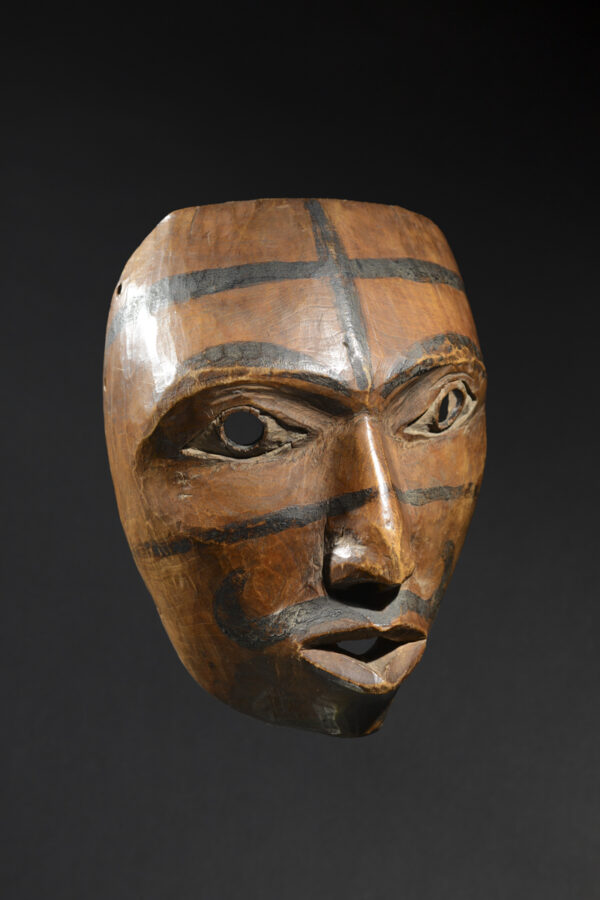
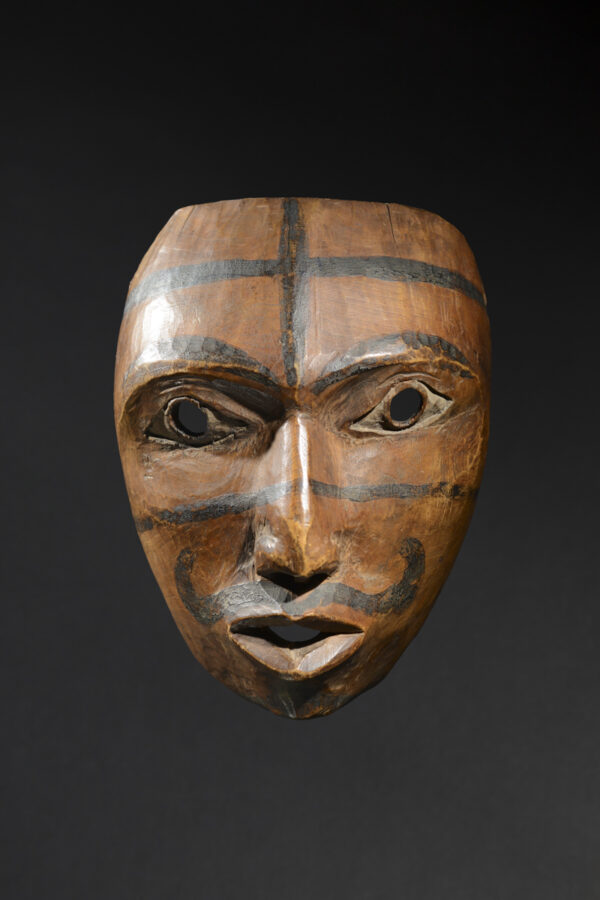
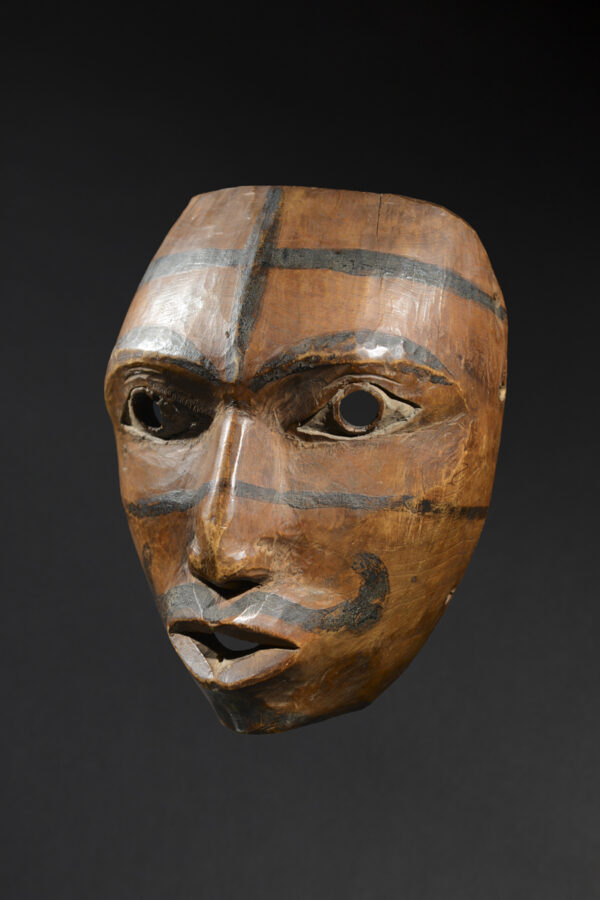
Kwakiutl Mask
Canada
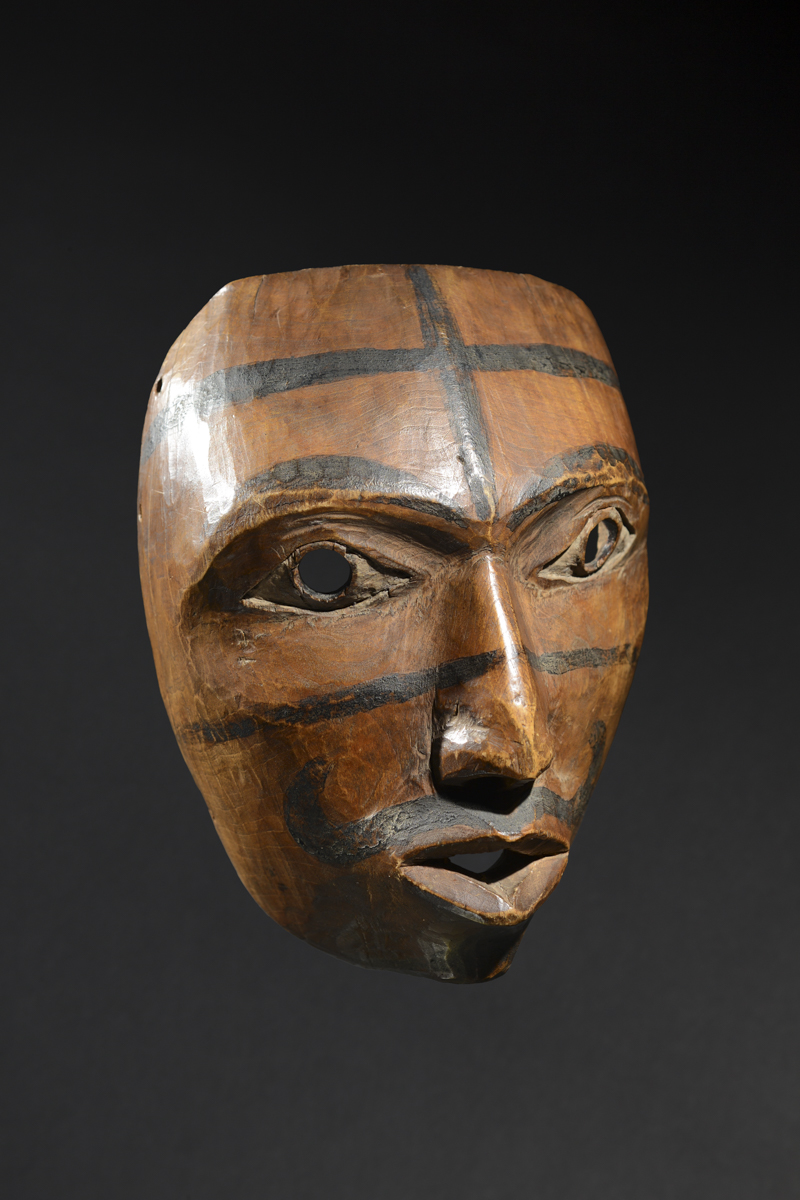
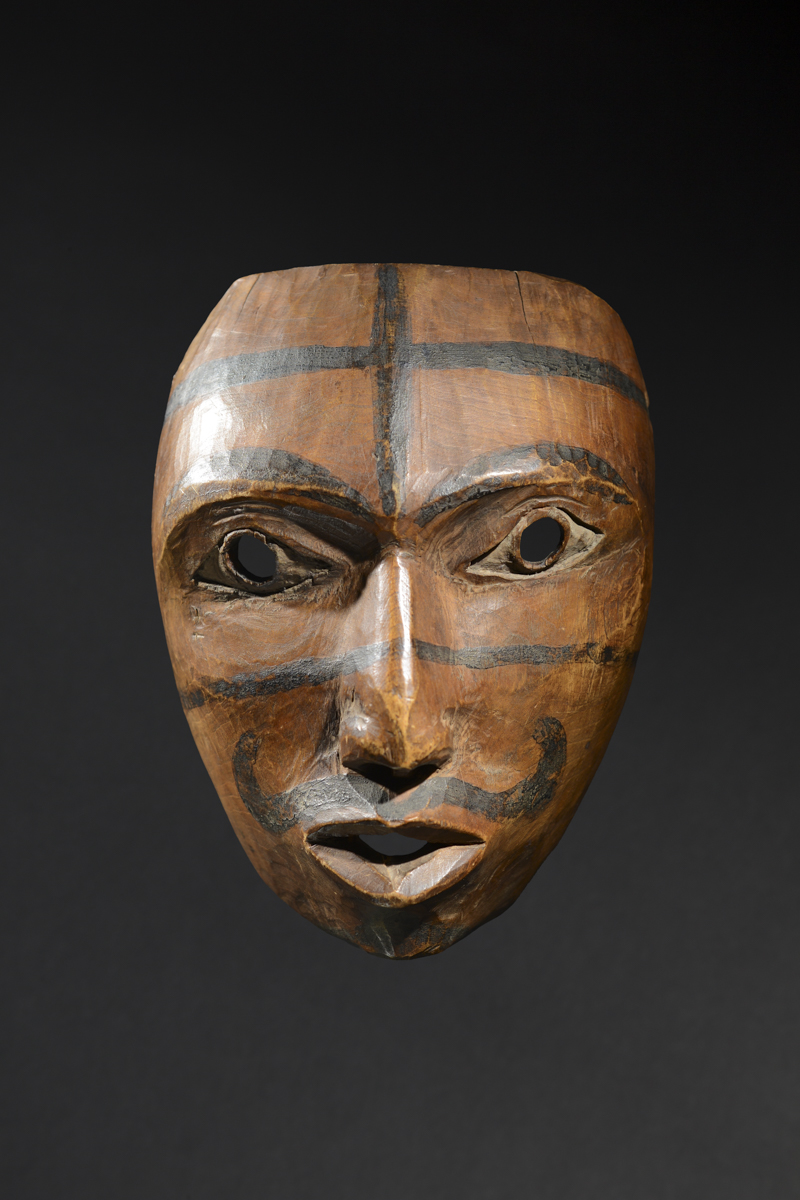
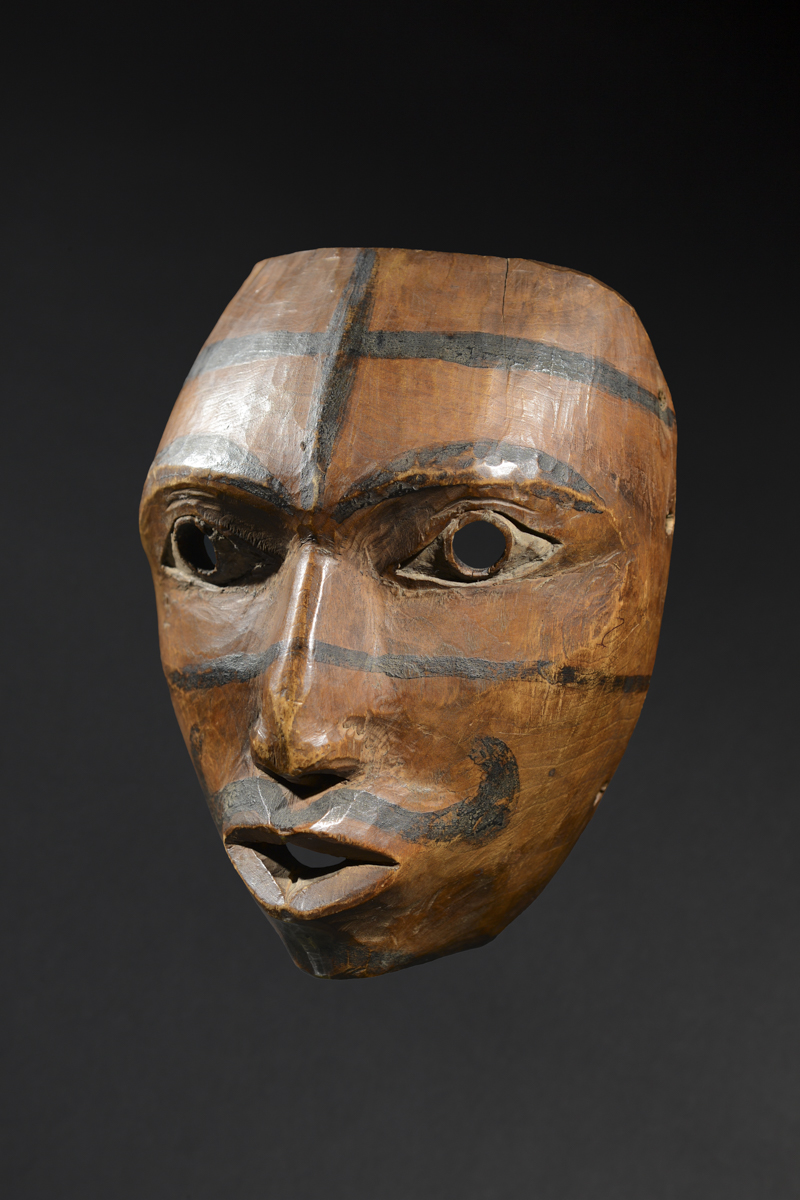
Speaker’s Face Mask, Kwakwa̲ka̲’wakw (Kwakiutl)
British Columbia, Northwest Coast, Canada
19th century
Carved wood and pigments
Height: 20 cm – 7 ¾ in.
Collection label no. 1571
Provenance
Collection Merton Simpson (1928-2013), New York
Collection Peggy (1916-2013) & Paul Rabut (1914-1983), Massachusetts acquired from the above in 1958
Sotheby’s New York. 28 November 1989, lot 189
Collection Jeffrey R. Myers, New York
Collection Paula & Abraham Rosman, New York
Private collection, Montreal
Collection Franck Marcelin, France
Kwakiutl Mask 20 cm / Galerie Flak
Price: on request
In Kwakwaka'wakw (Kwakiutl ) culture, speaker's masks (often referred to as "Talking Man Mask" or "Speaker's Mask") are distinguished by an open or prominent mouth, symbolizing voice, song, and oral tradition. As noted by The Metropolitan Museum of Art and the Brooklyn Museum in New York, the chief's speaker held a position of high prestige among the Kwakiutl. Speaking on behalf of the chief during winter ceremonies and potlatch gatherings, the speaker was tasked with proclaiming the chief's titles, reciting genealogies, recalling ancestral privileges, and celebrating the host's generosity before the assembled community.
For millennia, human groups have settled along the North Pacific coast in British Columbia, Canada. These far-northern civilizations developed arts and cultures centered on fascinating cosmogonies. Belief and healing systems based on shamanism gave rise to art imbued with power and poetry.
The first major Western discoverer of British Columbia art was Captain James Cook, who collected works on-site during his 1778 voyage. As noted by J. C. H. King in "Portrait Masks from the Northwest Coast of America" (Thames & Hudson, 1979), most ritual masks were collected before 1870. After this date, a period began marked by the gradual and definitive disintegration of the social structures and classical traditions within North Pacific Amerindian cultures.
Franz Boas, the great anthropologist of Northwest Coast cultures, visited the region in 1886 with photographs and drawings of masks, seeking to establish their ritual use. He soon realized that the exact role and meaning of each of these masks were, more often than not, already impossible to identify unless one visited the specific village where the mask had been carved. This is largely explained by the fact that these masks were created for a particular individual, who imbued them with personal and secret meaning and identity. Over time and distance, this knowledge was gradually lost.
For millennia, human groups have settled along the North Pacific coast in British Columbia, Canada. These far-northern civilizations developed arts and cultures centered on fascinating cosmogonies. Belief and healing systems based on shamanism gave rise to art imbued with power and poetry.
The first major Western discoverer of British Columbia art was Captain James Cook, who collected works on-site during his 1778 voyage. As noted by J. C. H. King in "Portrait Masks from the Northwest Coast of America" (Thames & Hudson, 1979), most ritual masks were collected before 1870. After this date, a period began marked by the gradual and definitive disintegration of the social structures and classical traditions within North Pacific Amerindian cultures.
Franz Boas, the great anthropologist of Northwest Coast cultures, visited the region in 1886 with photographs and drawings of masks, seeking to establish their ritual use. He soon realized that the exact role and meaning of each of these masks were, more often than not, already impossible to identify unless one visited the specific village where the mask had been carved. This is largely explained by the fact that these masks were created for a particular individual, who imbued them with personal and secret meaning and identity. Over time and distance, this knowledge was gradually lost.
Explore the entire collection