Archives | Arizona
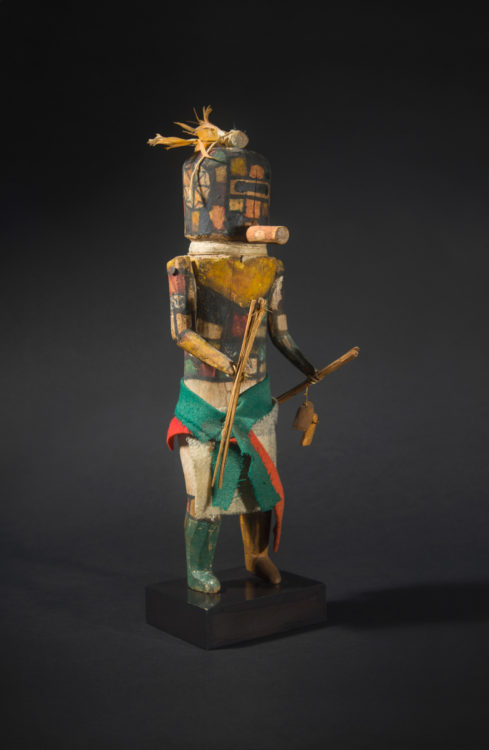
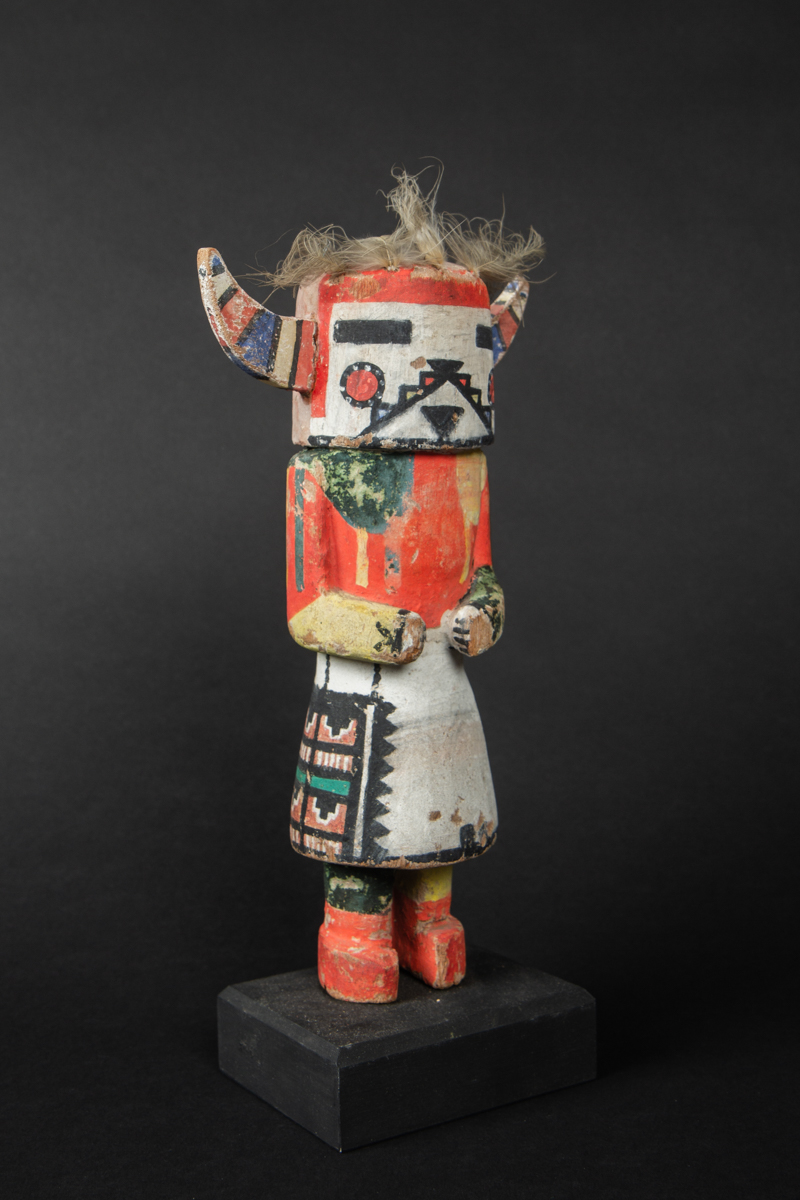
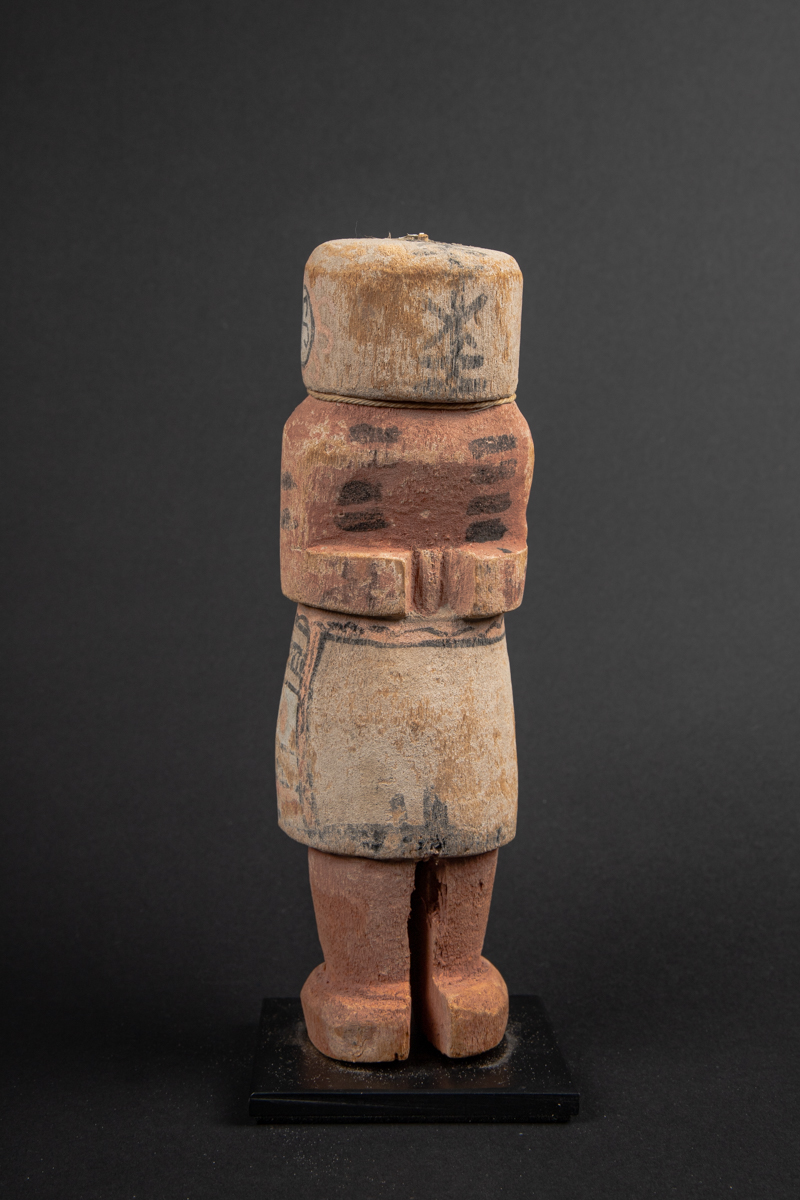
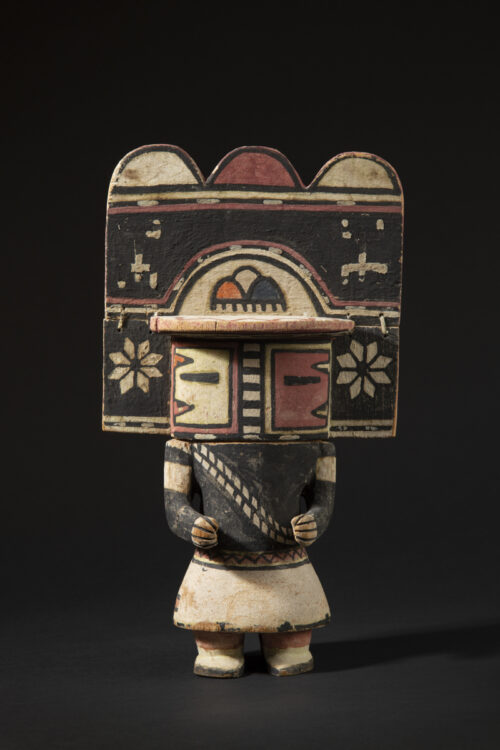
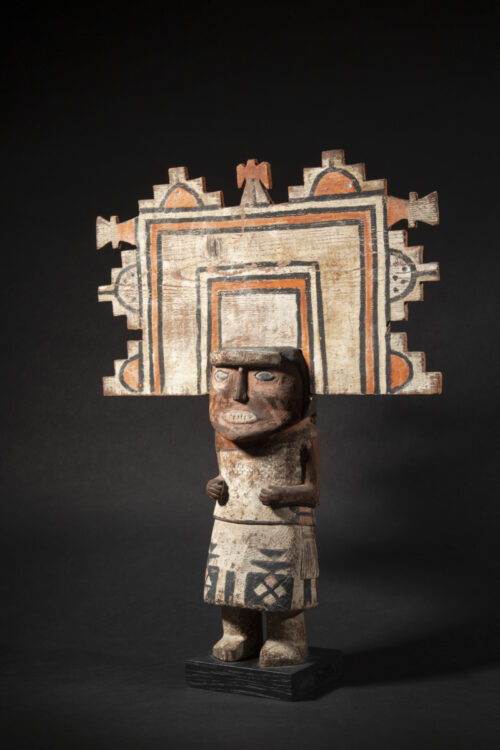
Katsina doll
Arizona
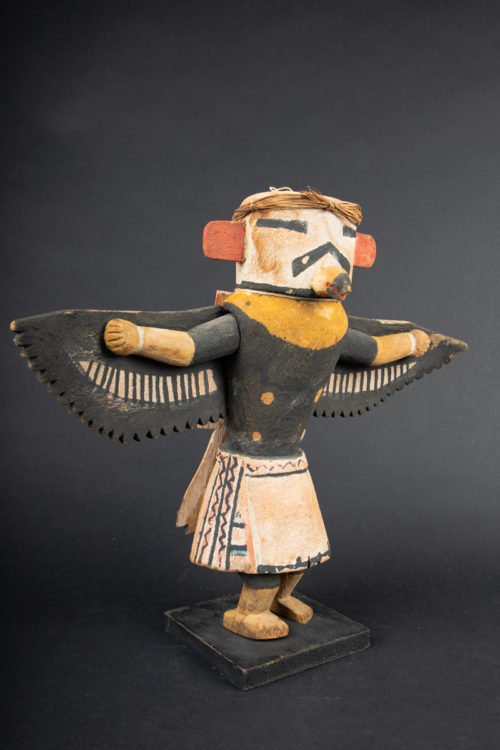
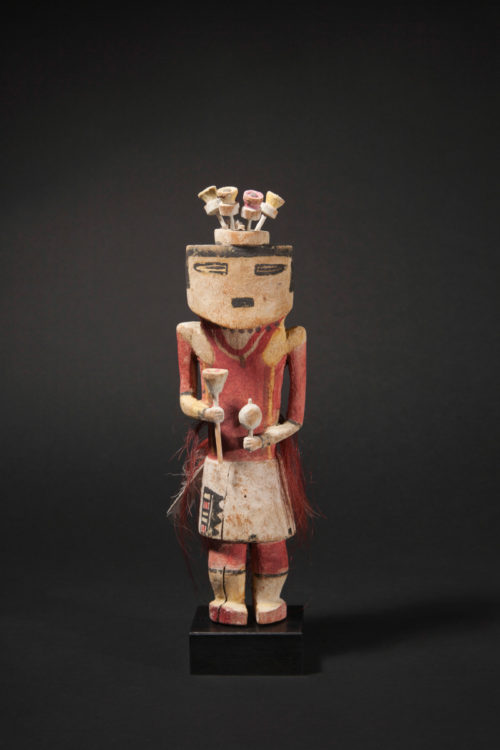
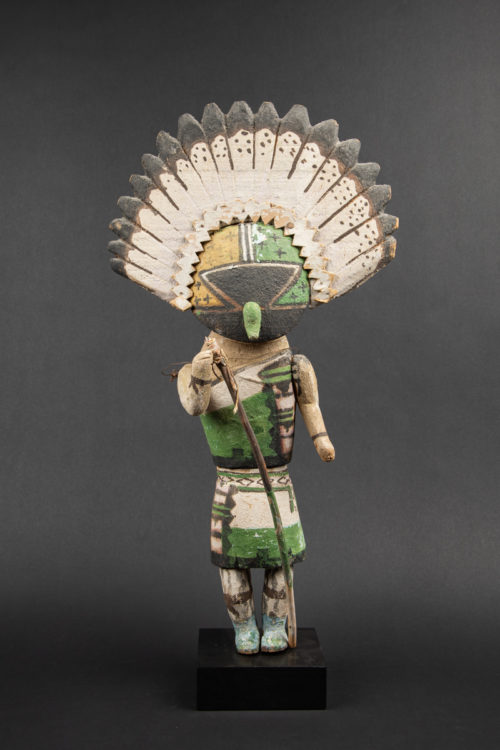
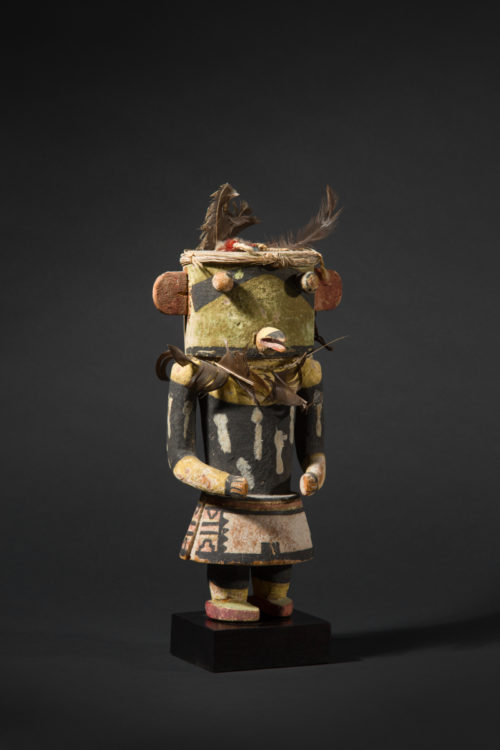
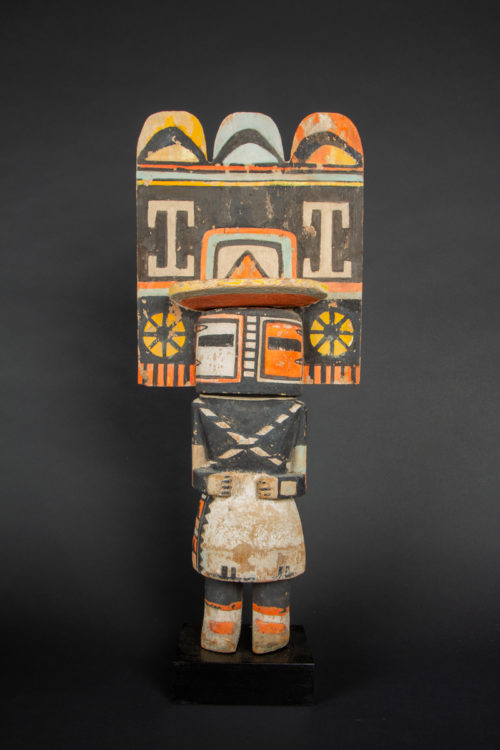
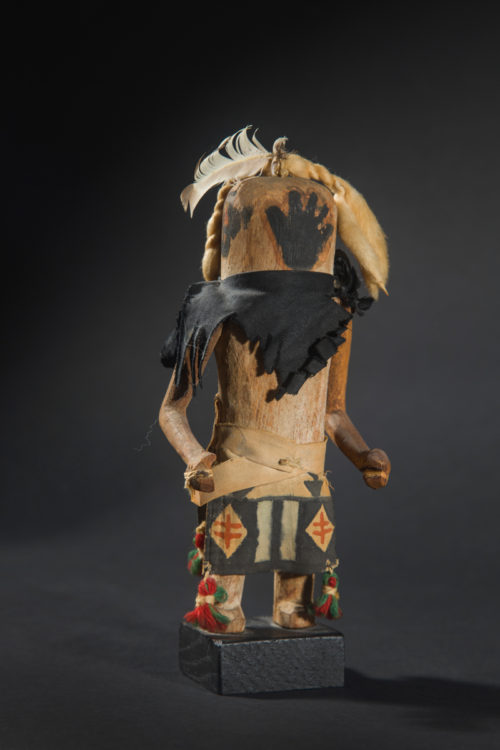
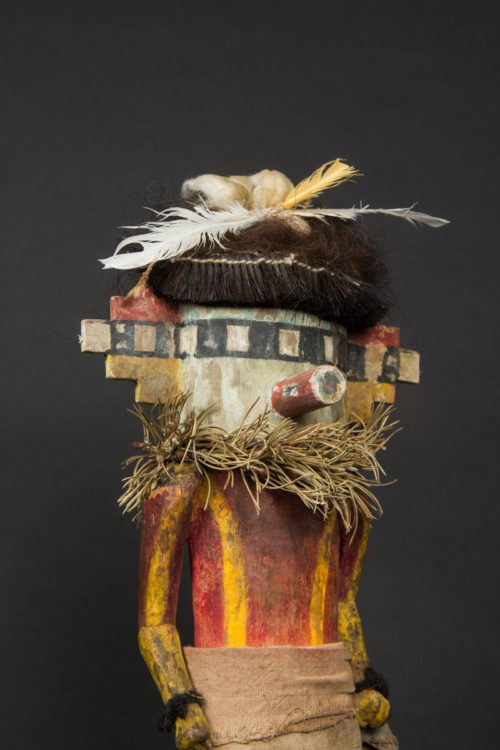
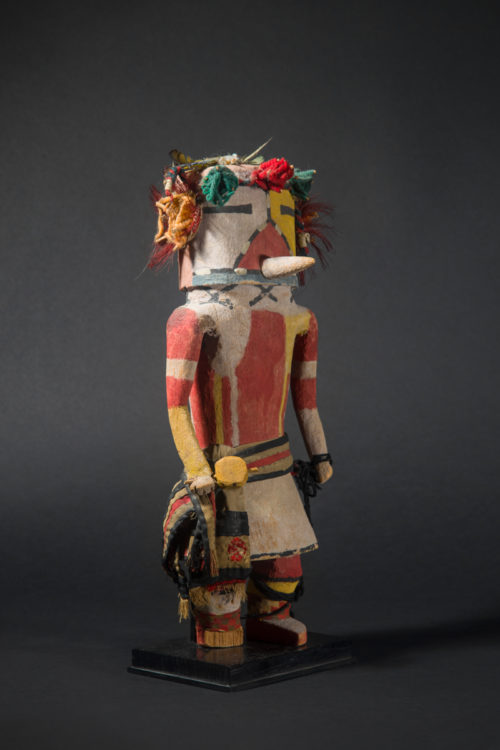
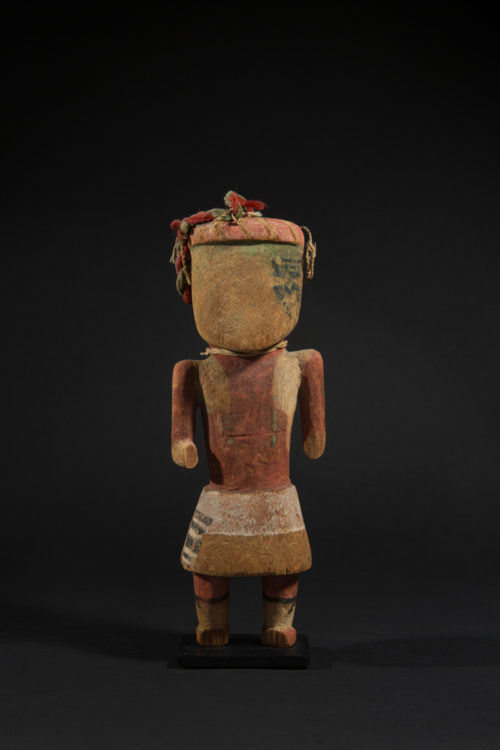
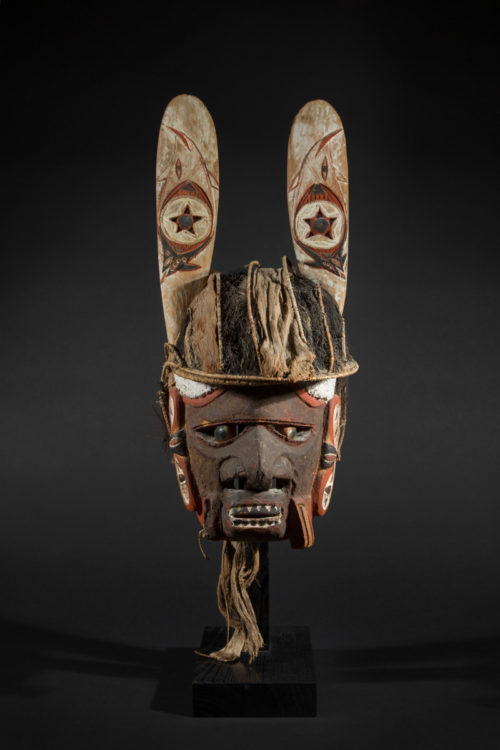
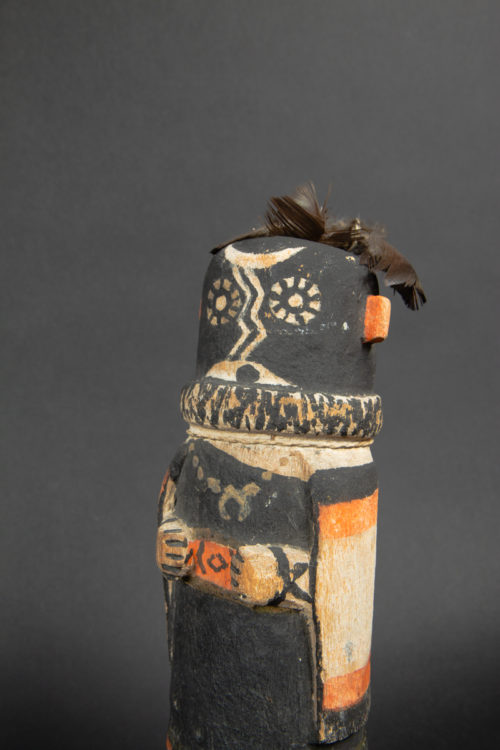
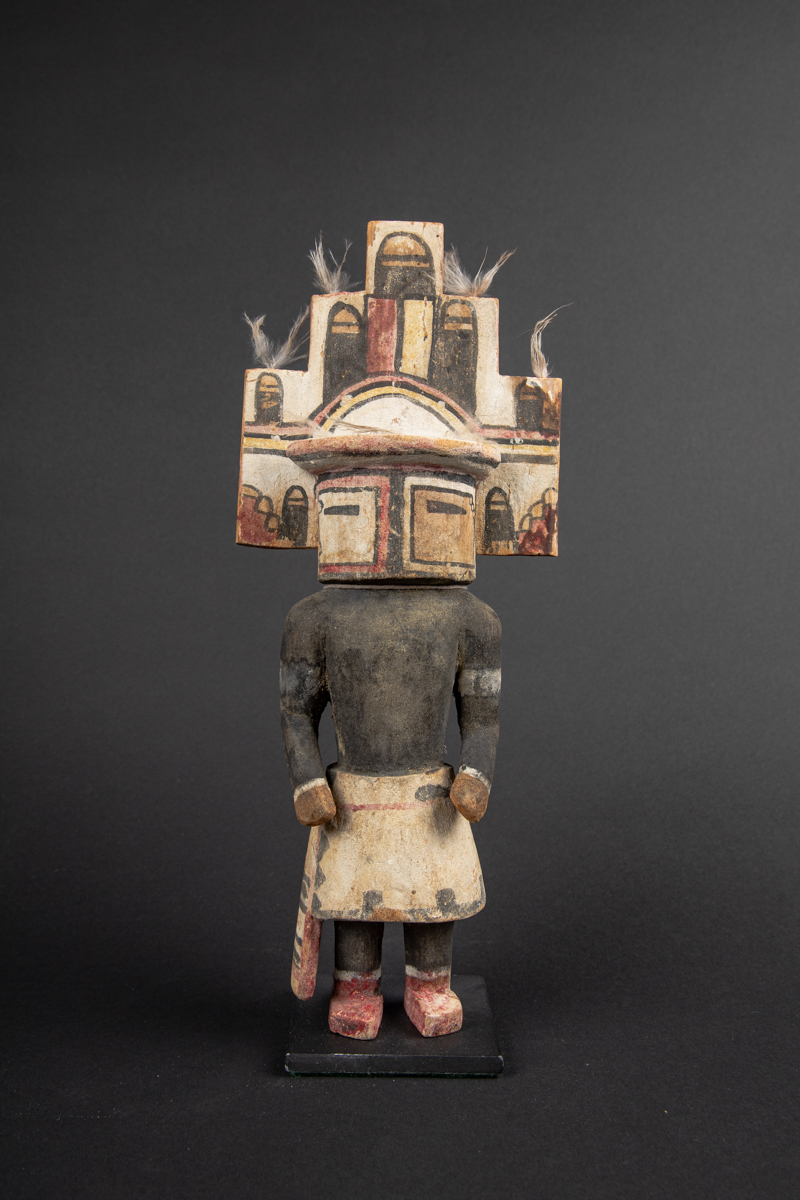
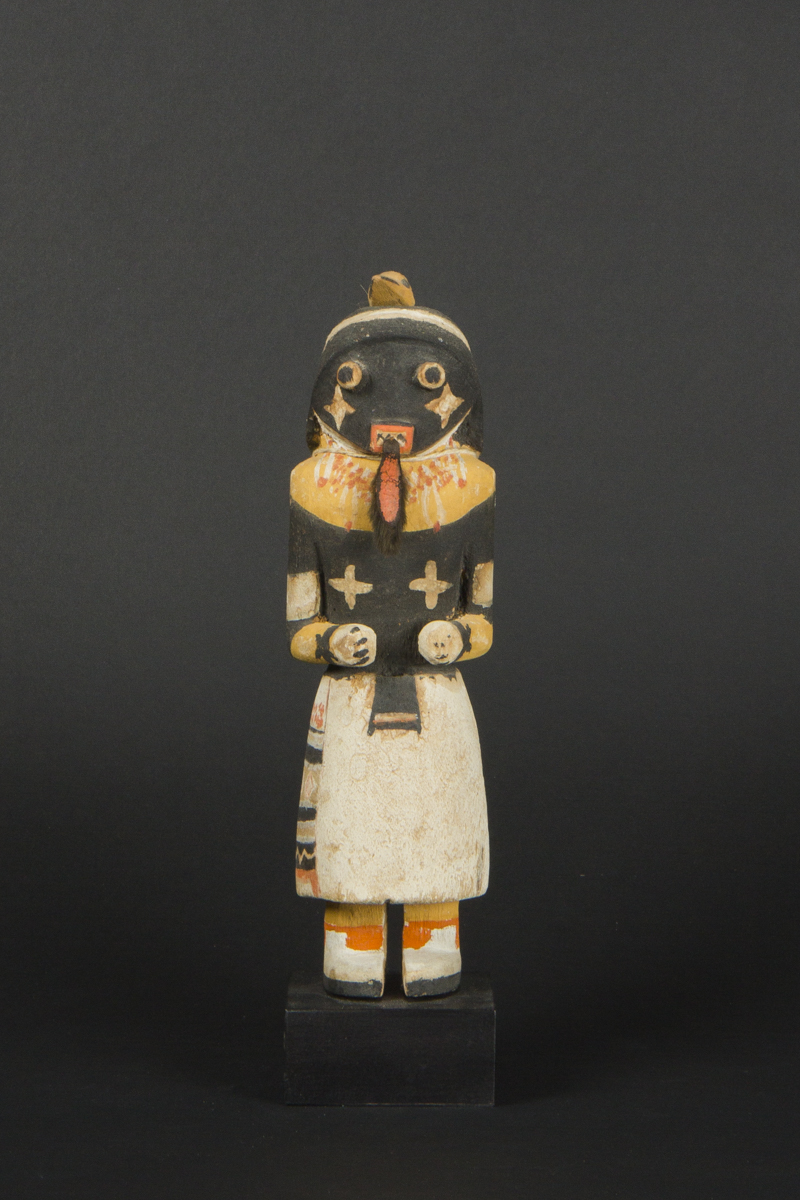
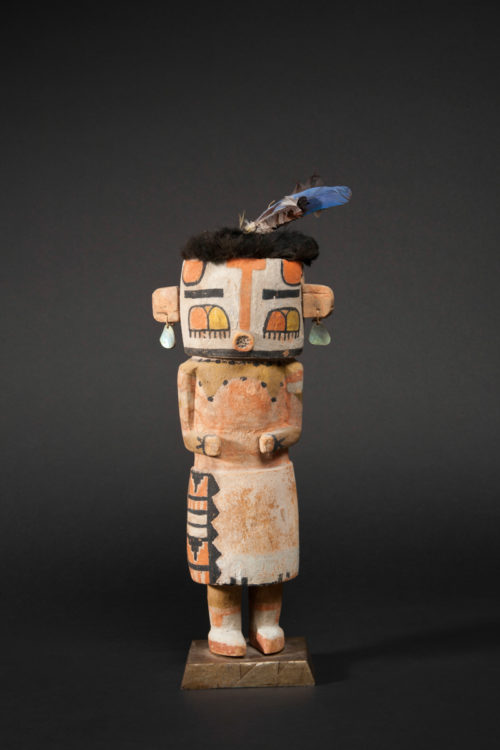
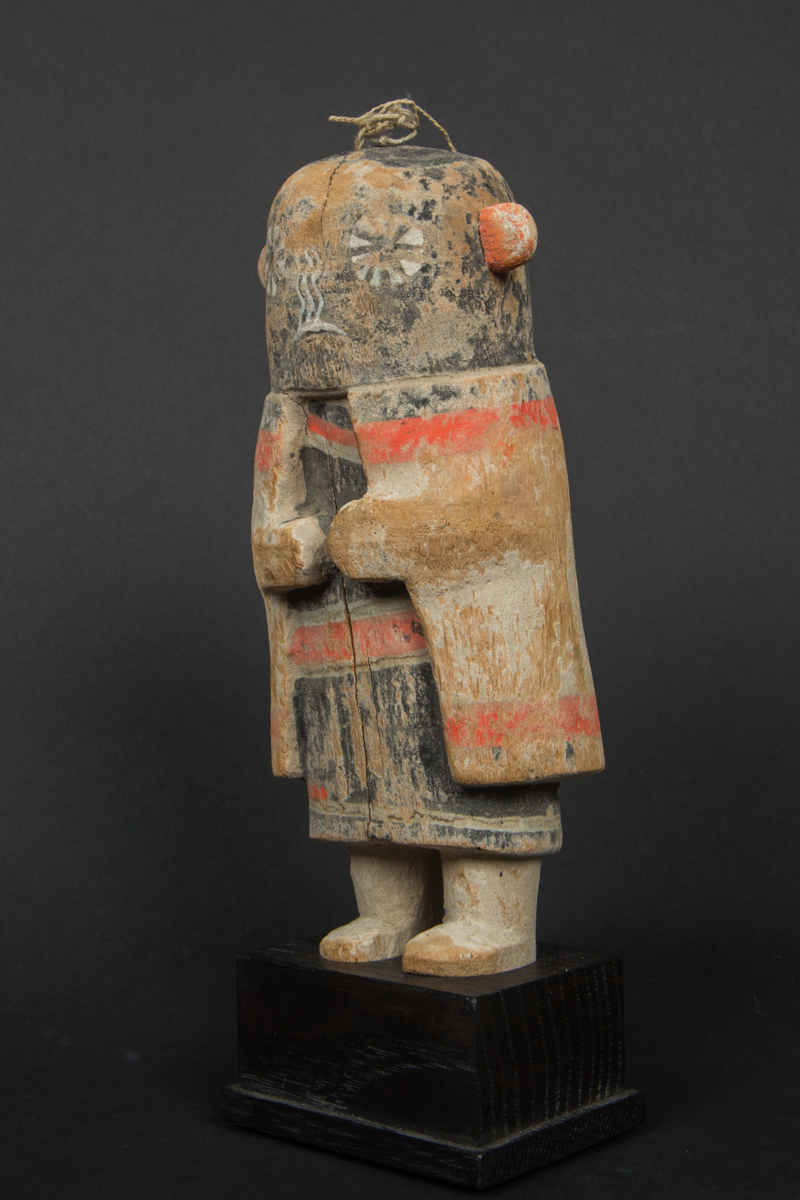
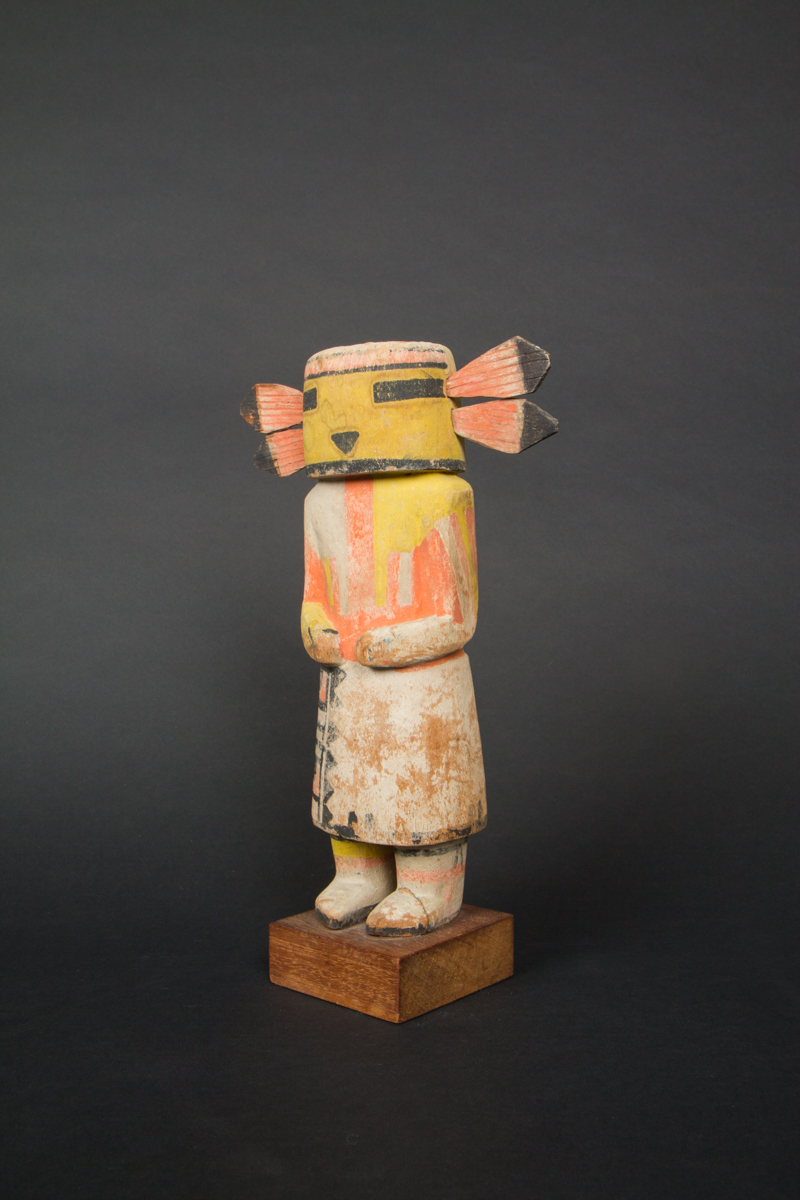
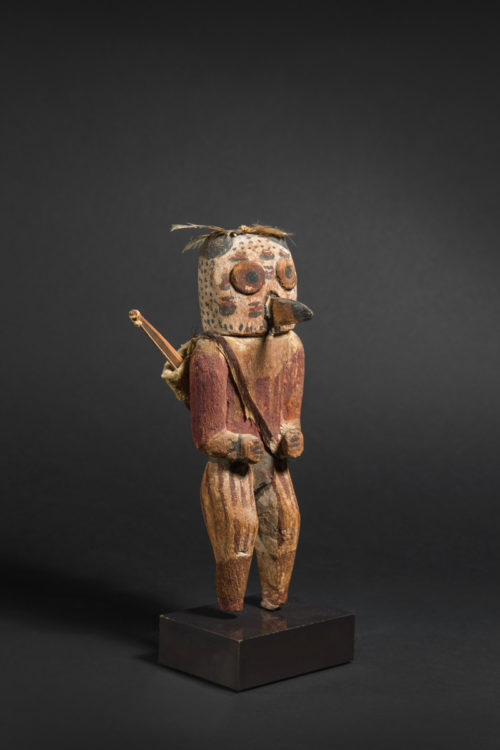
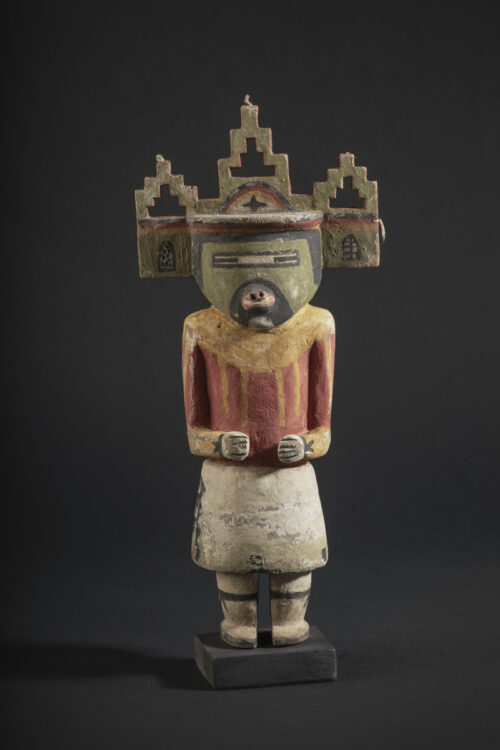
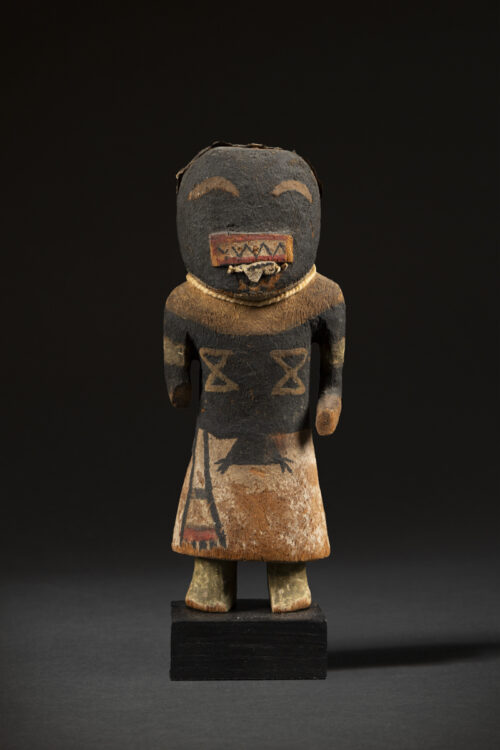
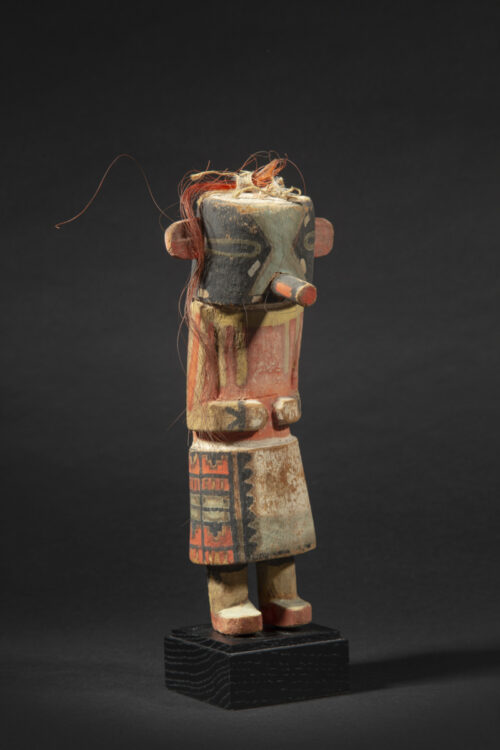
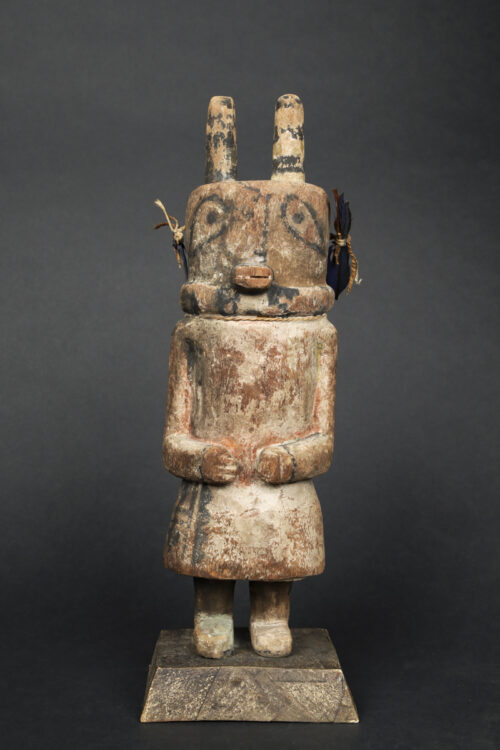
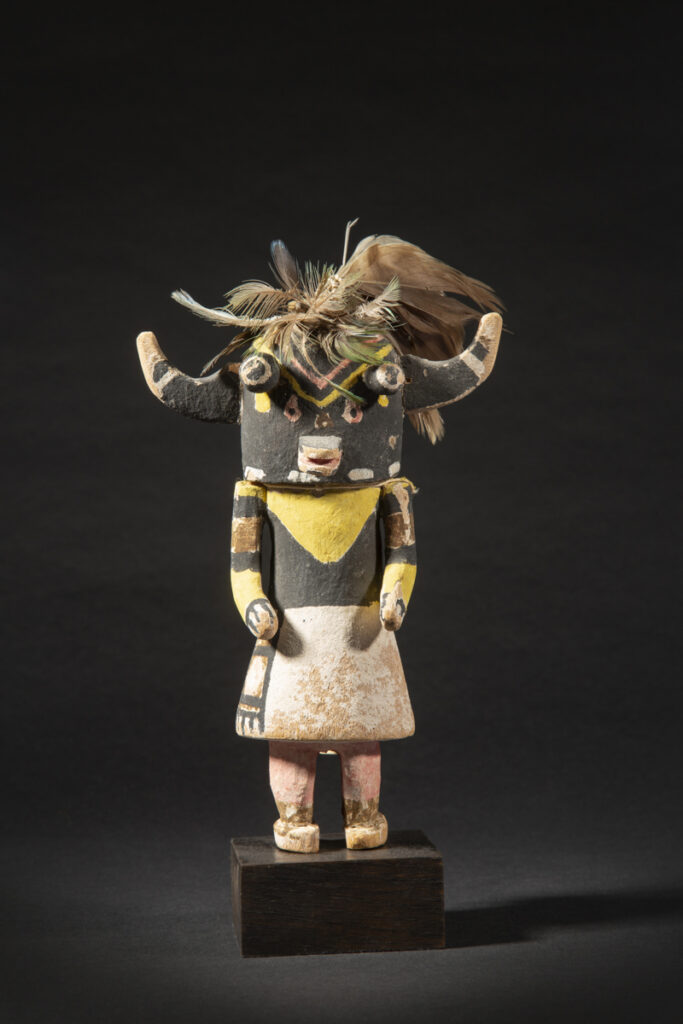
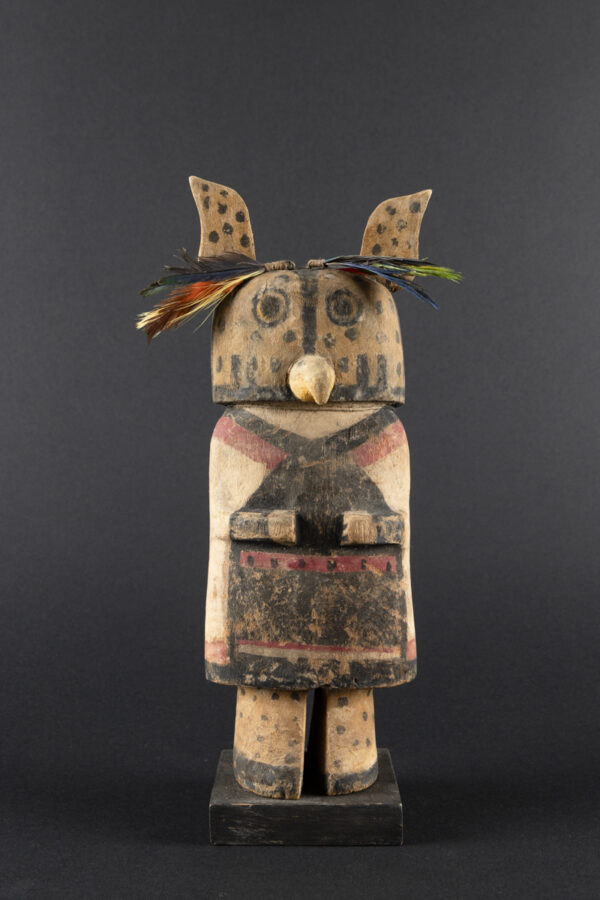
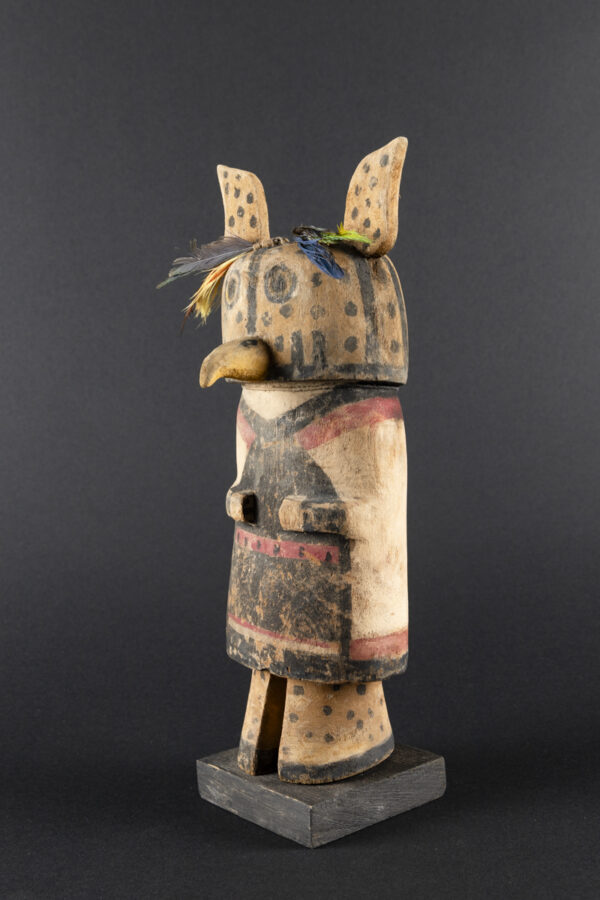
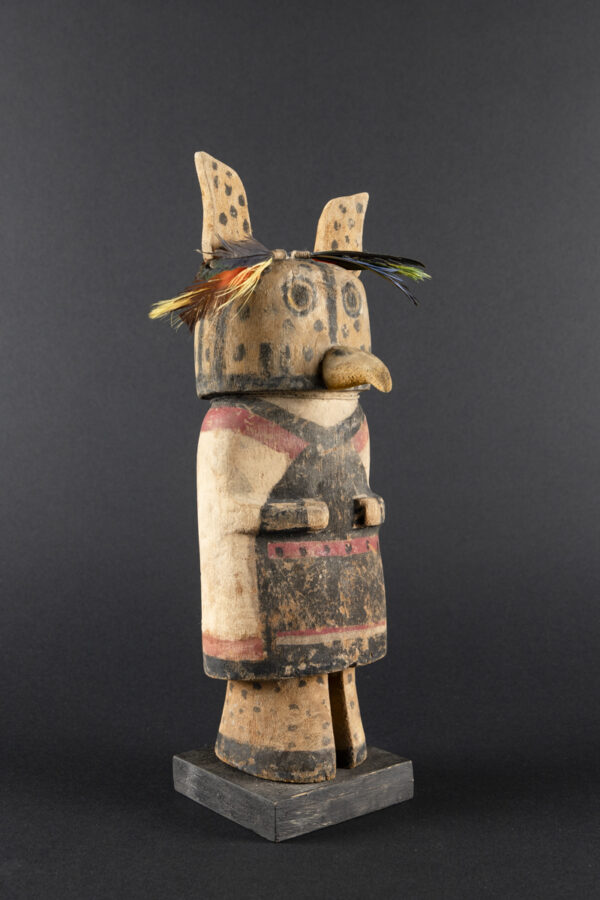
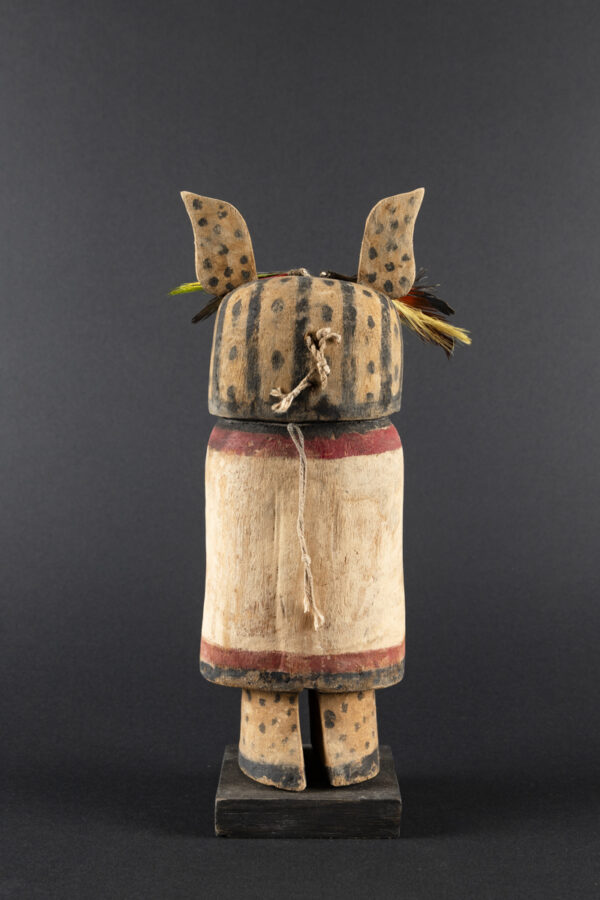
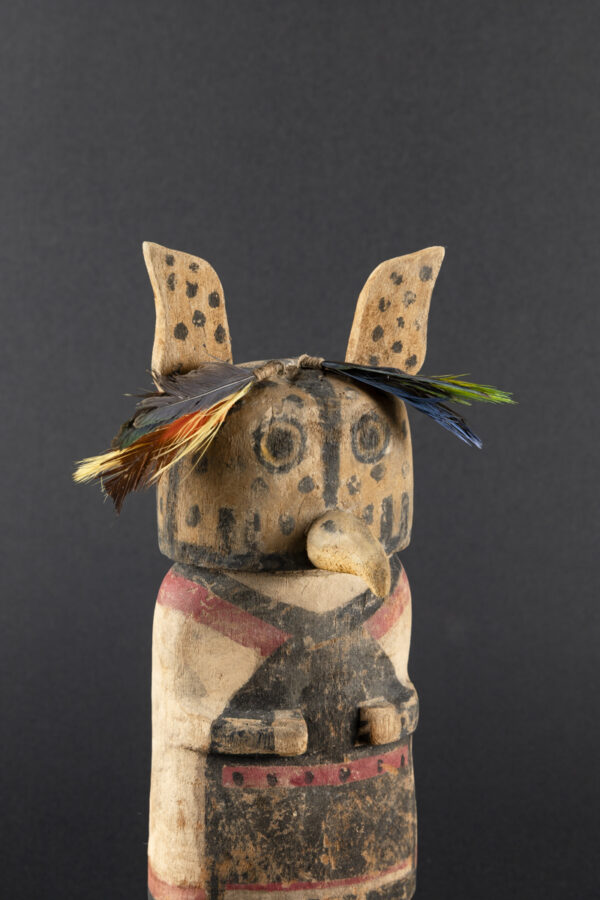
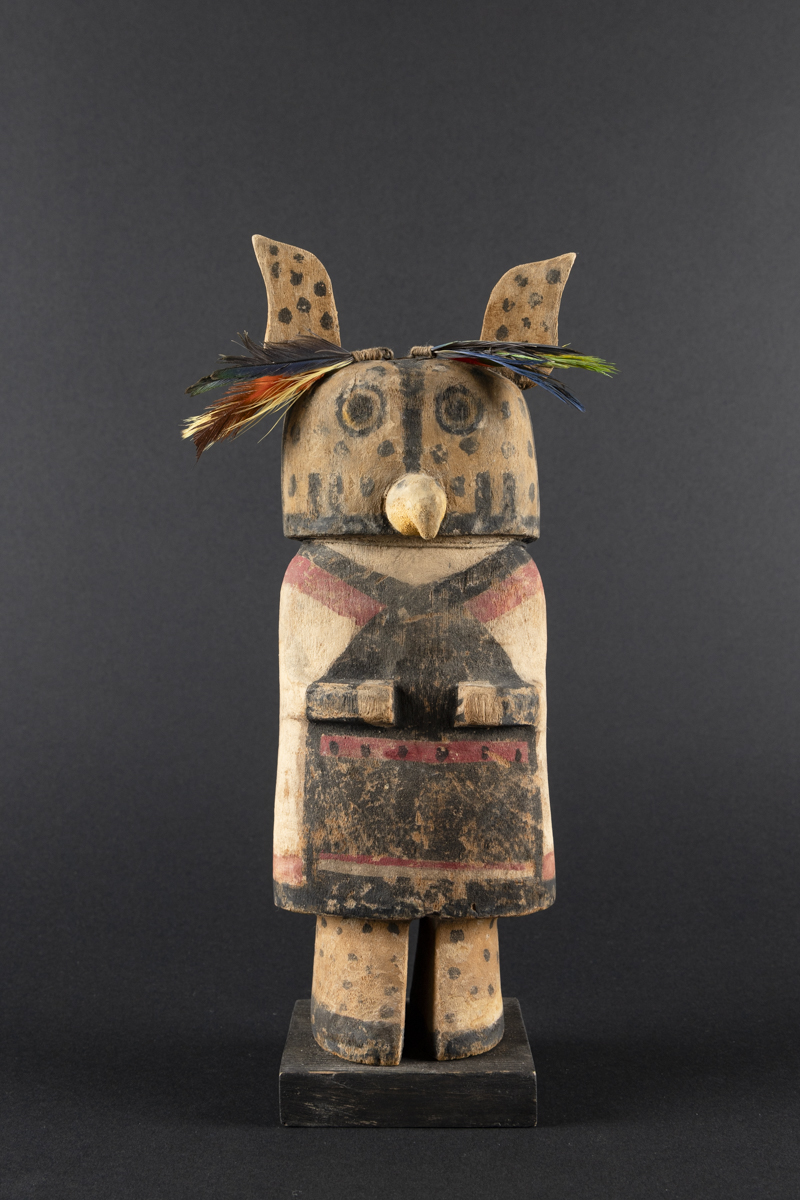
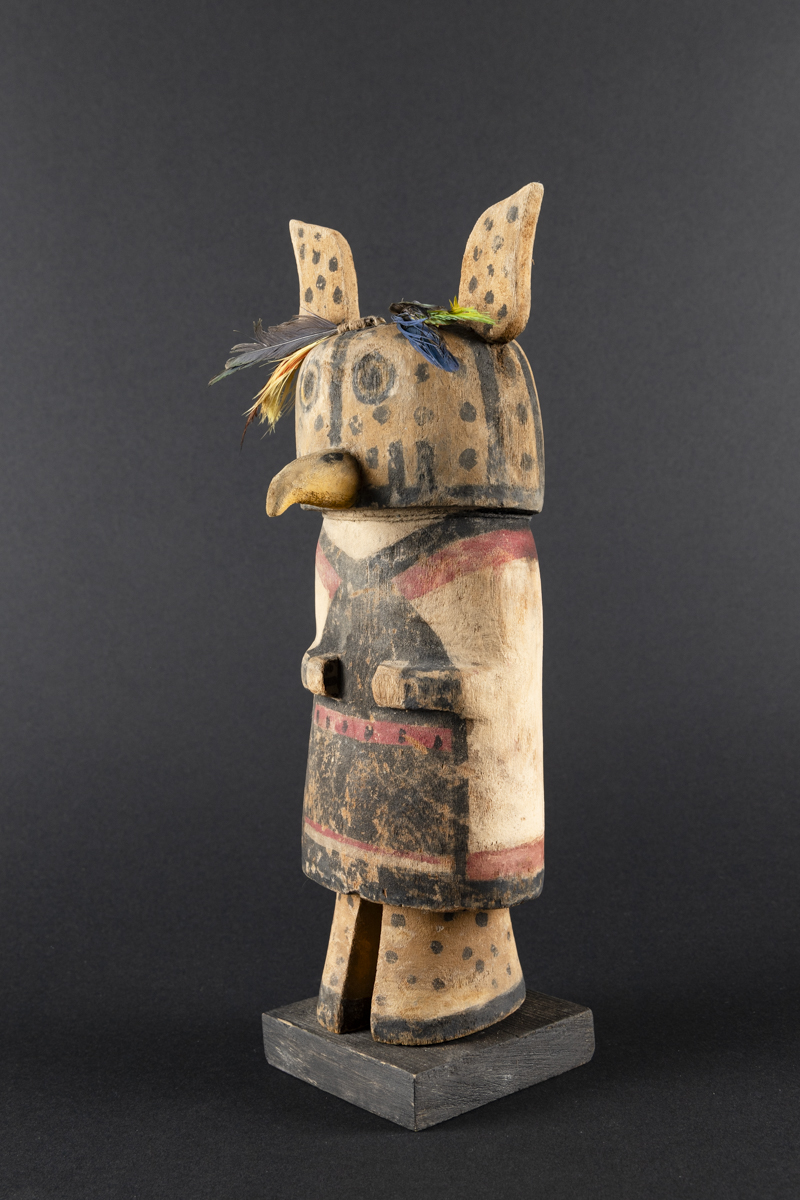
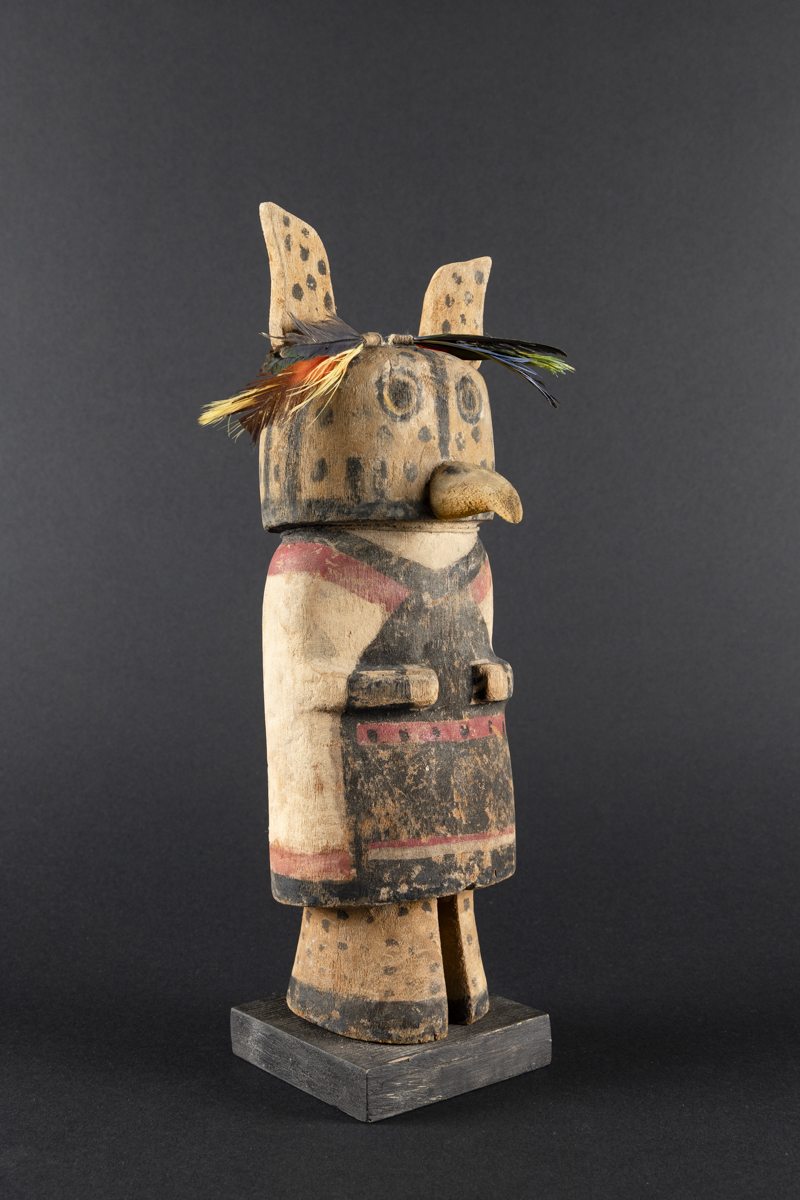
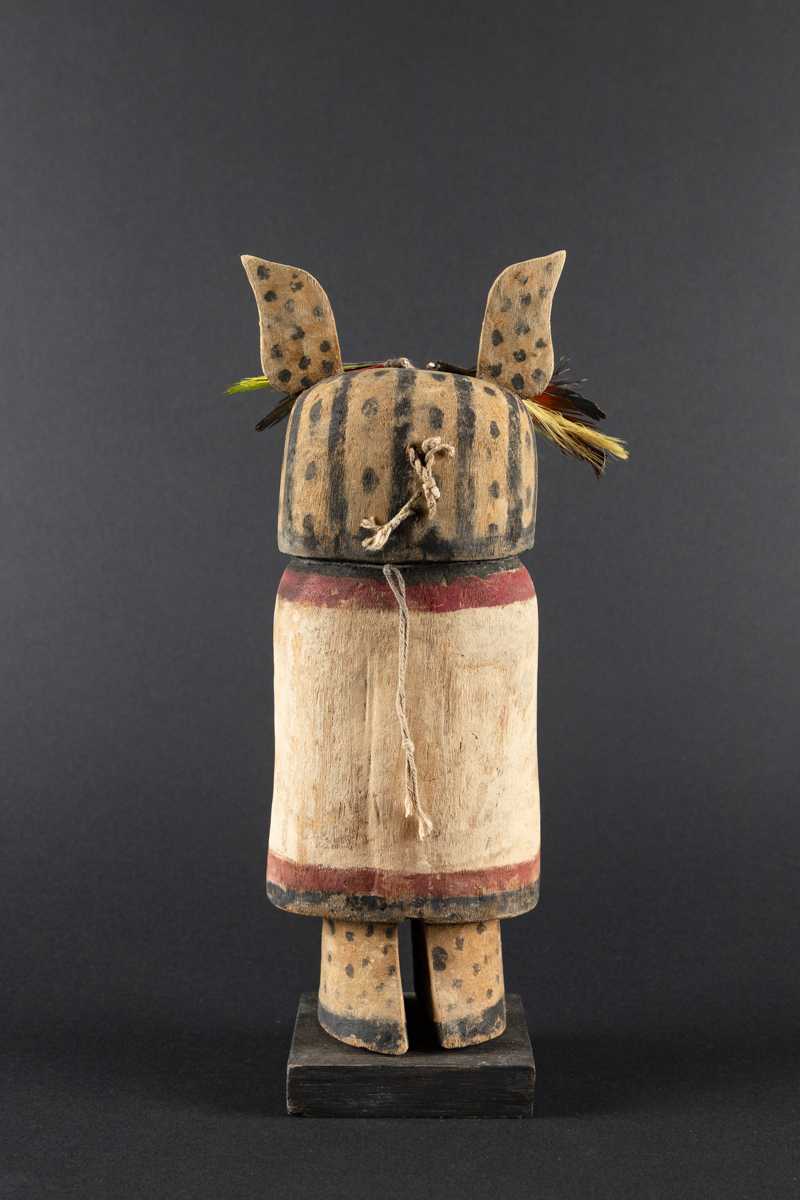
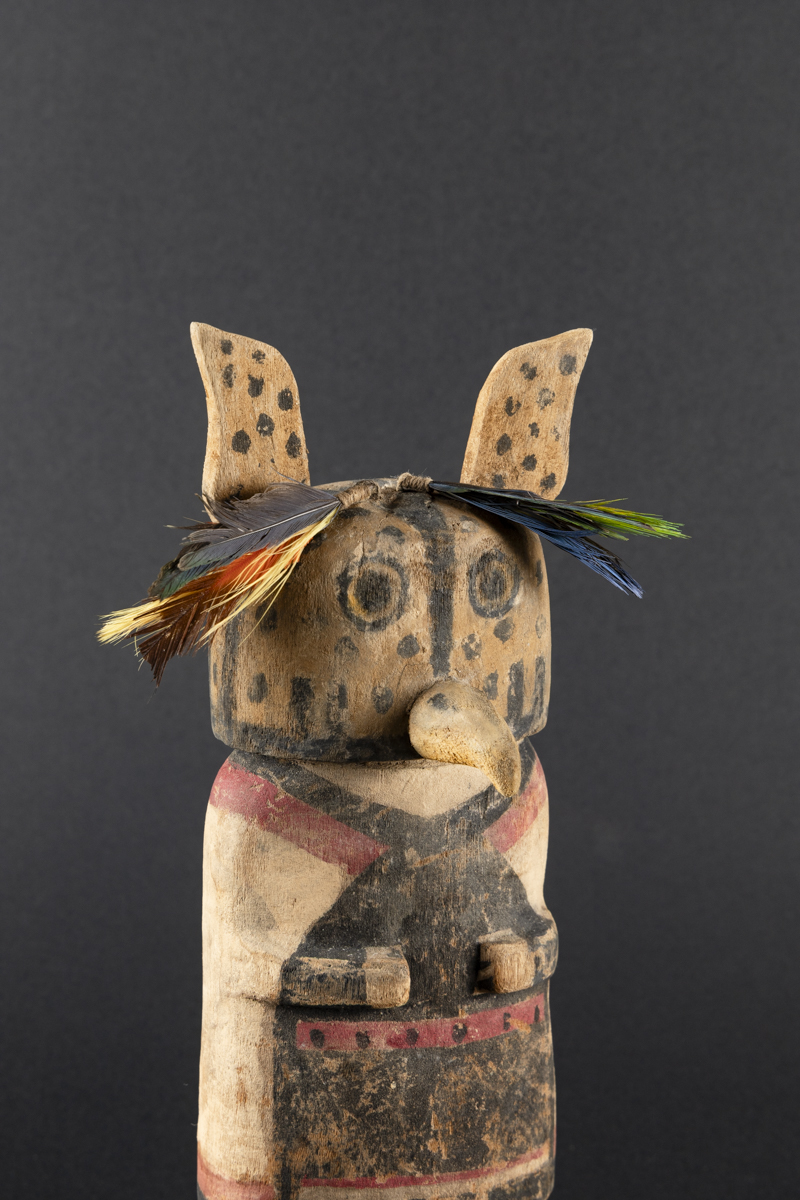
Owl Katsina – Mongwu Katsina
Carved by Hopi Chief Wilson Tawaquaptewa (1873-1960)
Hopi, Arizona, USA
Circa 1930
Carved wood (cottonwood), pigments and feathers
Height: 27.5 cm – 10 ¾ in.
Provenance
Private collection, California
Collection Steve Nelson, California
Sold
Katsina dolls (or katsinam) represent spirits or gods from the pantheon of the Pueblo peoples in the American Southwest. Given to children, katsina dolls constituted a pedagogical tool allowing them to familiarize themselves with the spiritual world and perpetuating knowledge of the founding myths on which their society was based.
This Katsina doll is the work of a Hopi master carver, Wilson Tawaquaptewa (1873-1960).
Oraibi chief W. Tawaquaptewa was both a prominent a spiritual and political Hopi leader; he is also celebrated as one of the greatest Katsina doll carvers.
A major exhibition of W. Tawaquaptewa's works was notably presented a few years ago at the Birmingham Museum of Art (Alabama, USA).
The color palette on this doll is typical of this artist's works.
For more information on this artist, please refer to the chapter “The Unique Katsinam of Wilson Tawaquaptewa” in the book "L'Appel des Kachinas - Katsina Calling", pages 60 to 72 (B. Walsh, J. Flak, 2024).
This doll represents Mongwu, or the Owl kachina spirit. Birds have always played a central role in Hopi ceremonies. According to Hopi mythology, at the beginning of the world, birds gave the first men the key to certain universal mysteries, allowing them to emerge from the Underworld. Birds continue to play the role of counselors for humans, interceding for them with spirits and divinities. Finally, birds are associated with the worship of water: by remaining close to birds and observing them, the Hopi are assured of locating sources of water, and thus of protecting themselves
from drought.
The Owl katsina incarnates justice and wisdom. It plays the role of the keeper of order in ceremonies, especially against clown katsinam. The latter indeed often try to upset the sequence of dances by provoking other dancers or by distracting the attention of the spectators.
This Katsina doll is the work of a Hopi master carver, Wilson Tawaquaptewa (1873-1960).
Oraibi chief W. Tawaquaptewa was both a prominent a spiritual and political Hopi leader; he is also celebrated as one of the greatest Katsina doll carvers.
A major exhibition of W. Tawaquaptewa's works was notably presented a few years ago at the Birmingham Museum of Art (Alabama, USA).
The color palette on this doll is typical of this artist's works.
For more information on this artist, please refer to the chapter “The Unique Katsinam of Wilson Tawaquaptewa” in the book "L'Appel des Kachinas - Katsina Calling", pages 60 to 72 (B. Walsh, J. Flak, 2024).
This doll represents Mongwu, or the Owl kachina spirit. Birds have always played a central role in Hopi ceremonies. According to Hopi mythology, at the beginning of the world, birds gave the first men the key to certain universal mysteries, allowing them to emerge from the Underworld. Birds continue to play the role of counselors for humans, interceding for them with spirits and divinities. Finally, birds are associated with the worship of water: by remaining close to birds and observing them, the Hopi are assured of locating sources of water, and thus of protecting themselves
from drought.
The Owl katsina incarnates justice and wisdom. It plays the role of the keeper of order in ceremonies, especially against clown katsinam. The latter indeed often try to upset the sequence of dances by provoking other dancers or by distracting the attention of the spectators.
Explore the entire collection