Archives | New Mexico
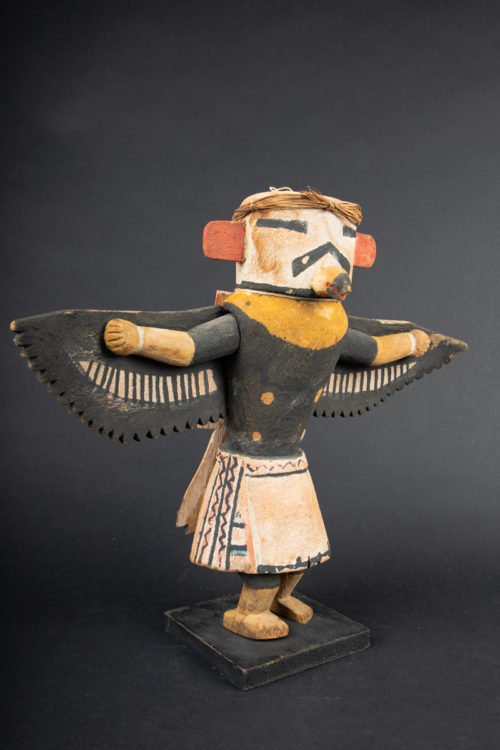
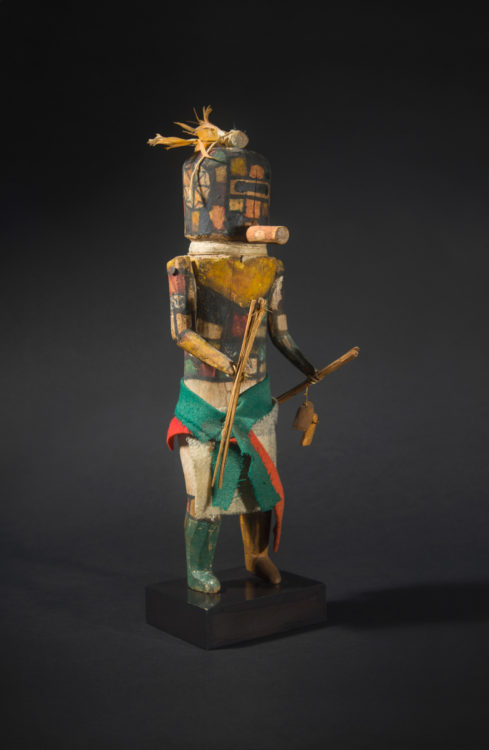
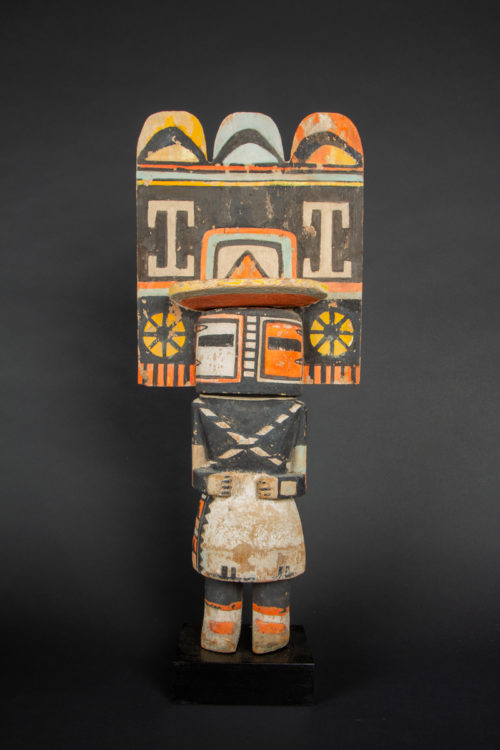
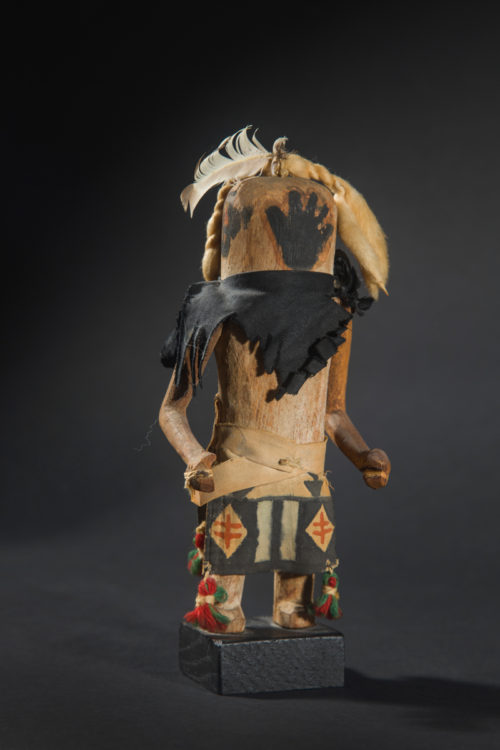
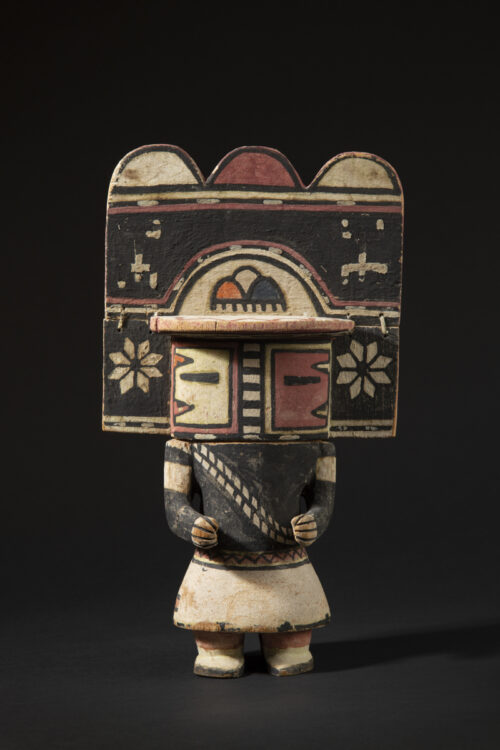
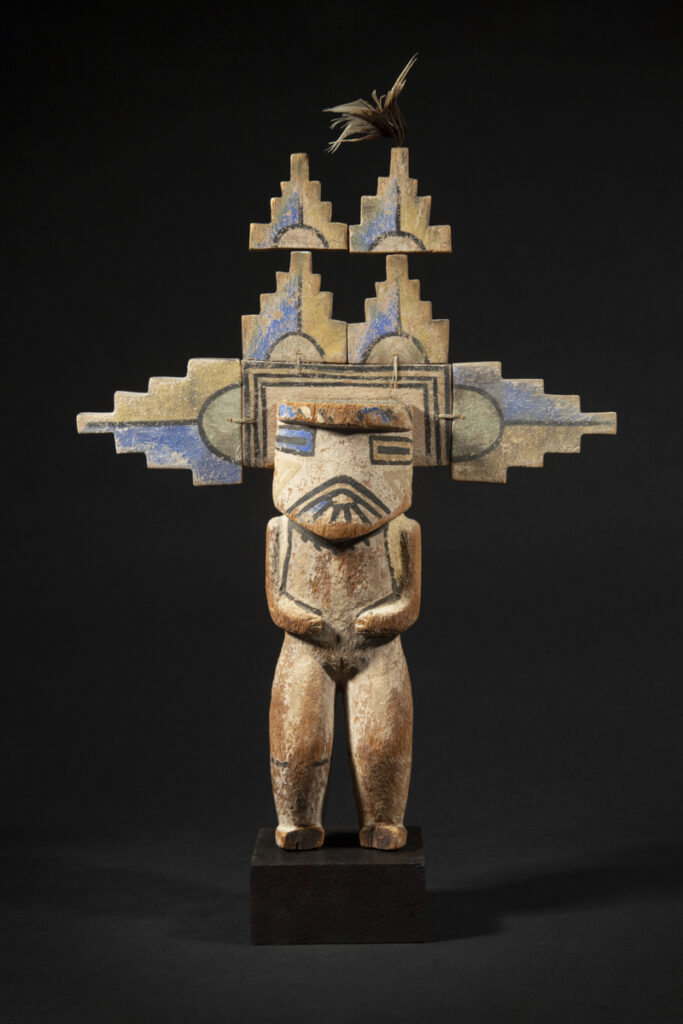
Katsina Doll
New Mexico
An exceptional, early Katsina figure
Acoma / Laguna, Pueblo
New Mexico, USA
Late 19th century
Carved wood, pigments
Height: 34.5 cm – 13 ½ in.
Provenance
Collection Edwin Janss Jr., California, USA
Sotheby’s New York, 28 Nov. 1989, lot 29
Collection Morgan & Gerald Piltzer, Switzerland, acquired at the above sale
Exhibition and Publication
“La Danse des Kachinas”, Pavillon des Arts, Paris Musées, 1998, pl. 136, p. 209
Acoma Doll / Galerie Flak
Sold
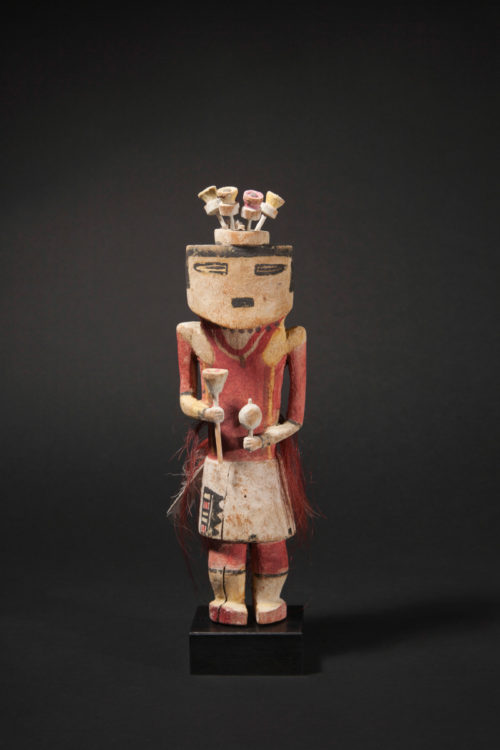
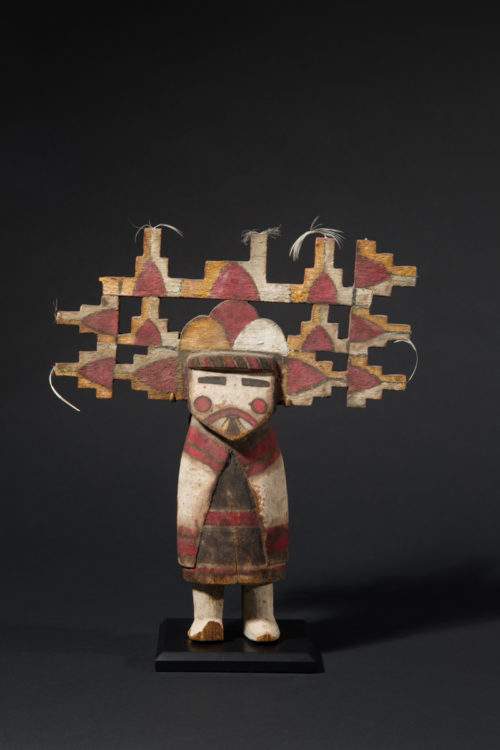
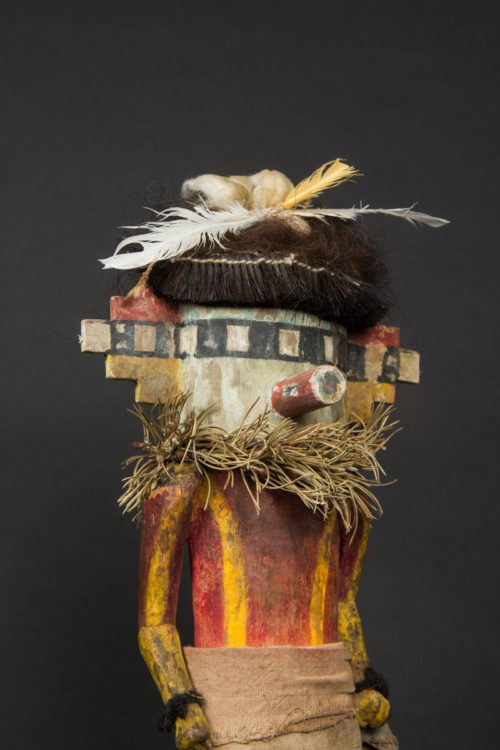
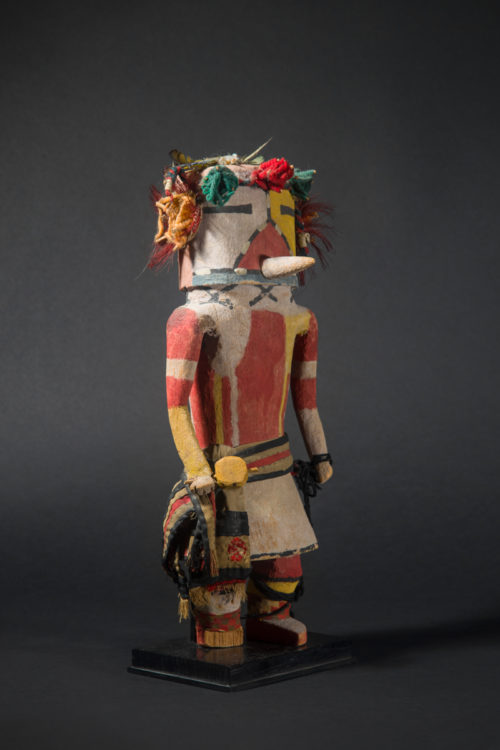
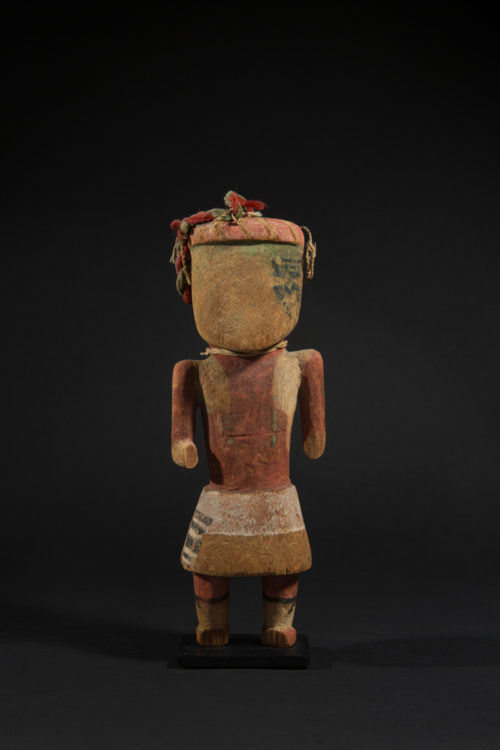
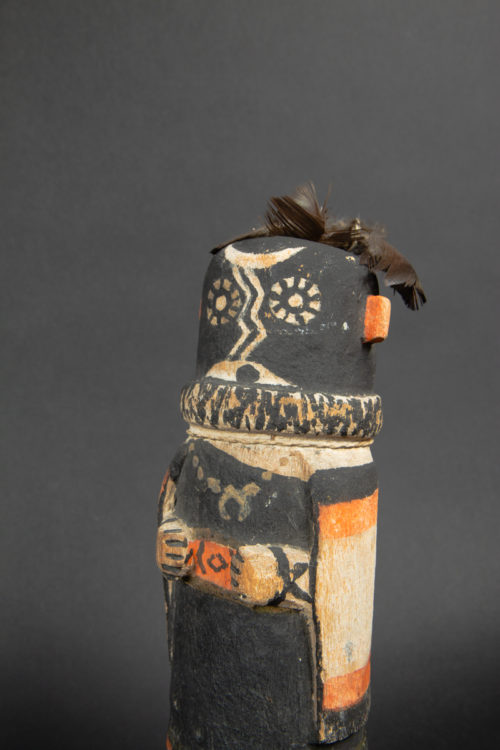
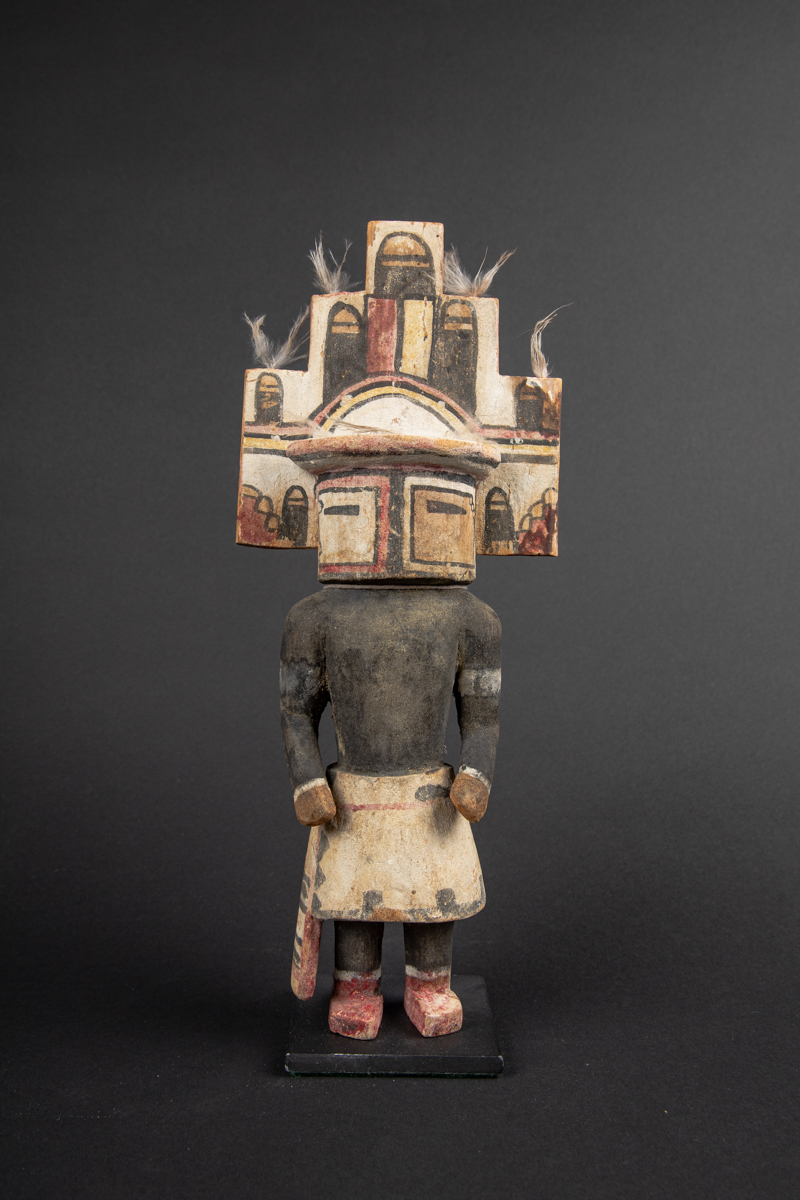
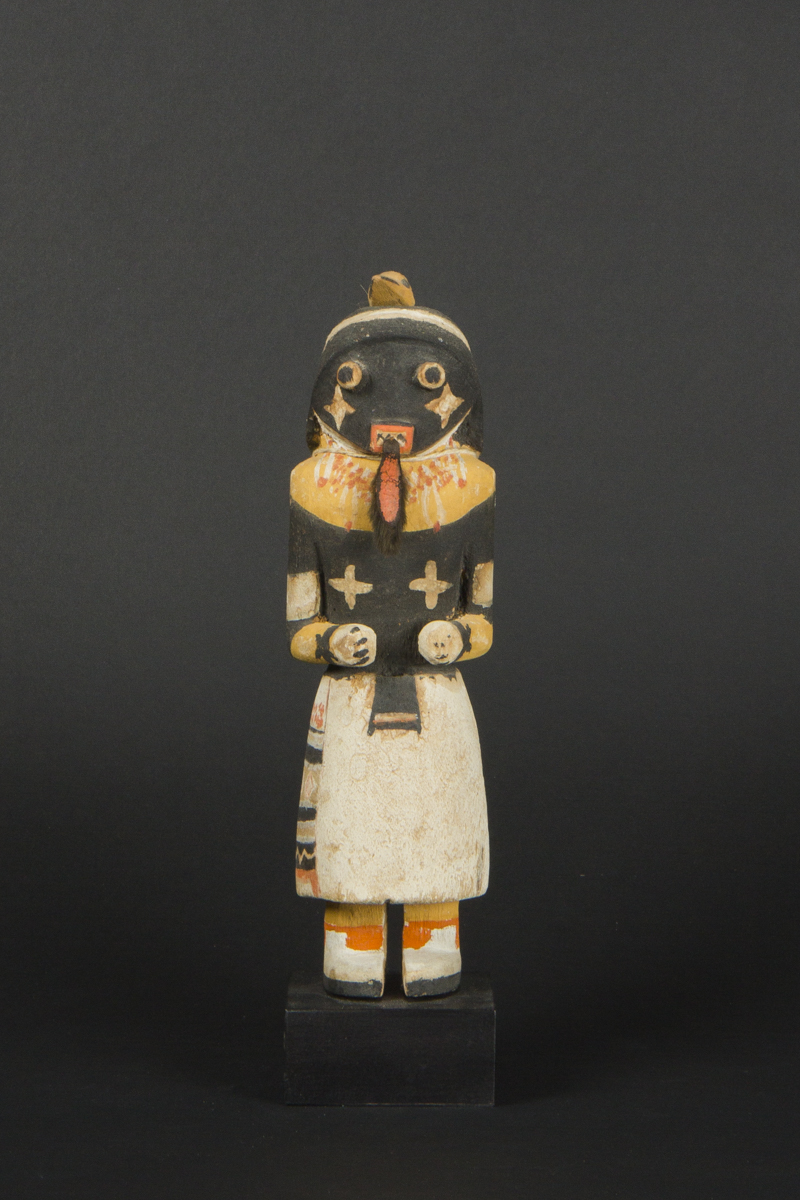
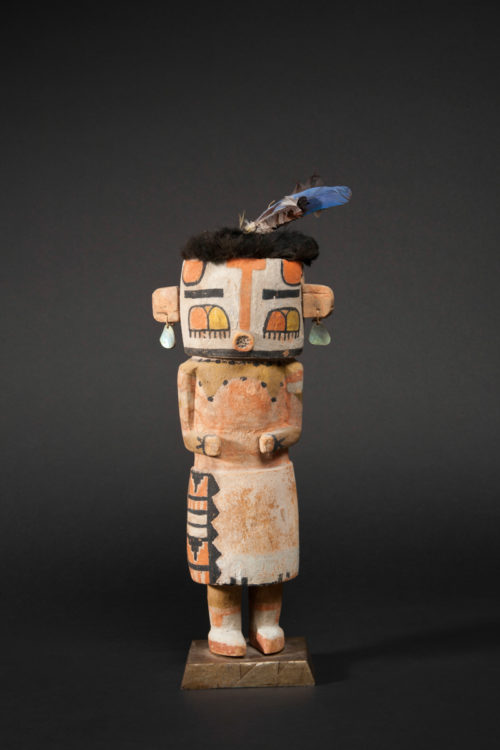
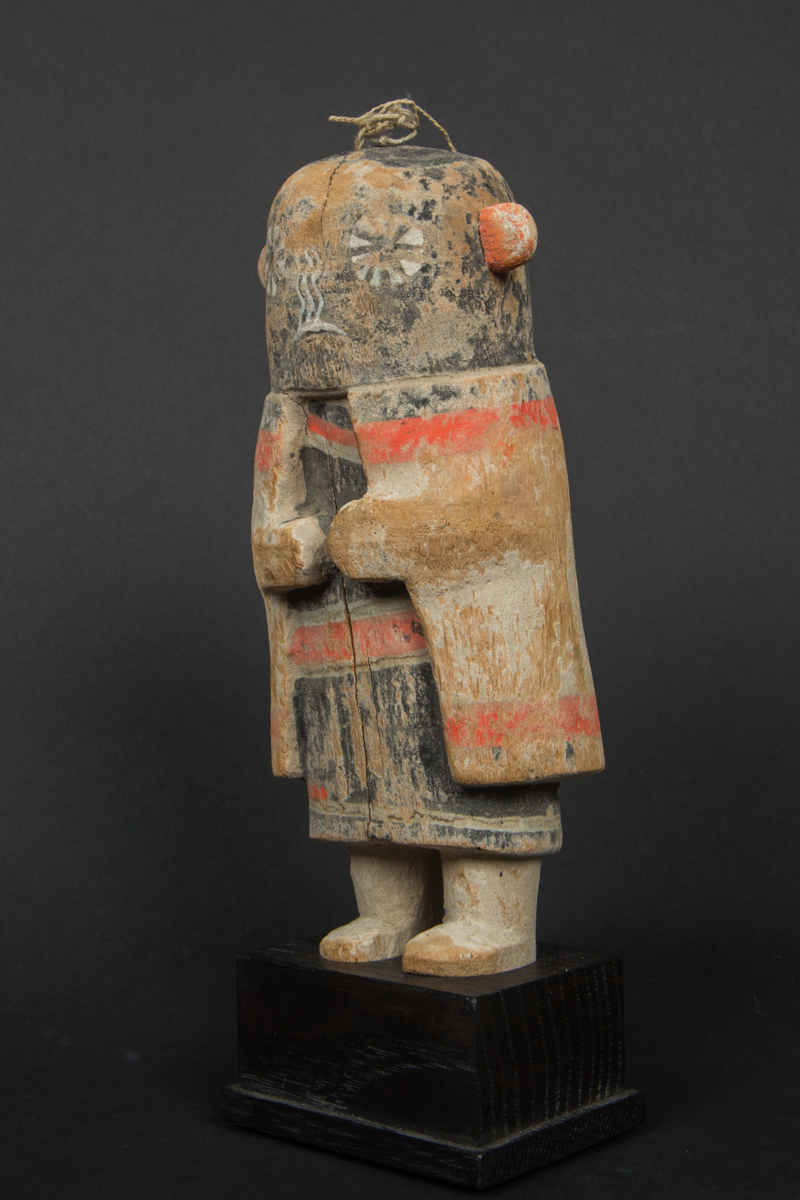
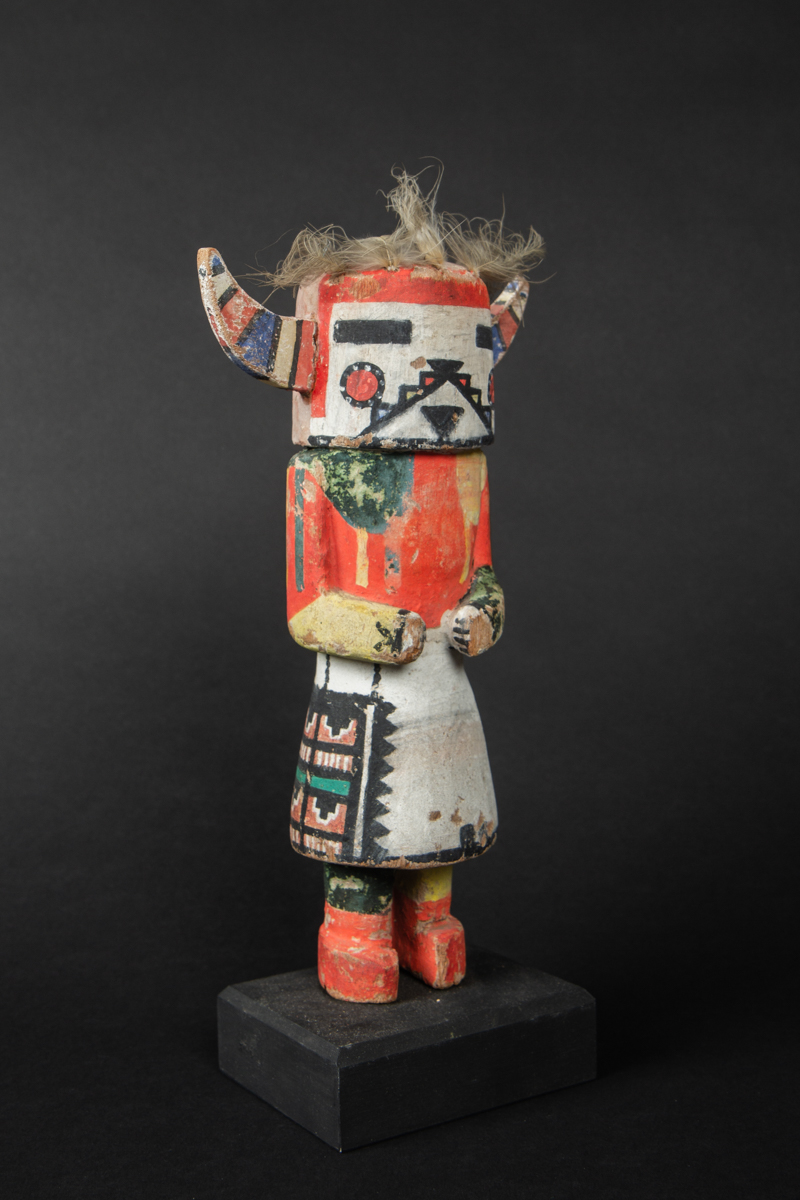
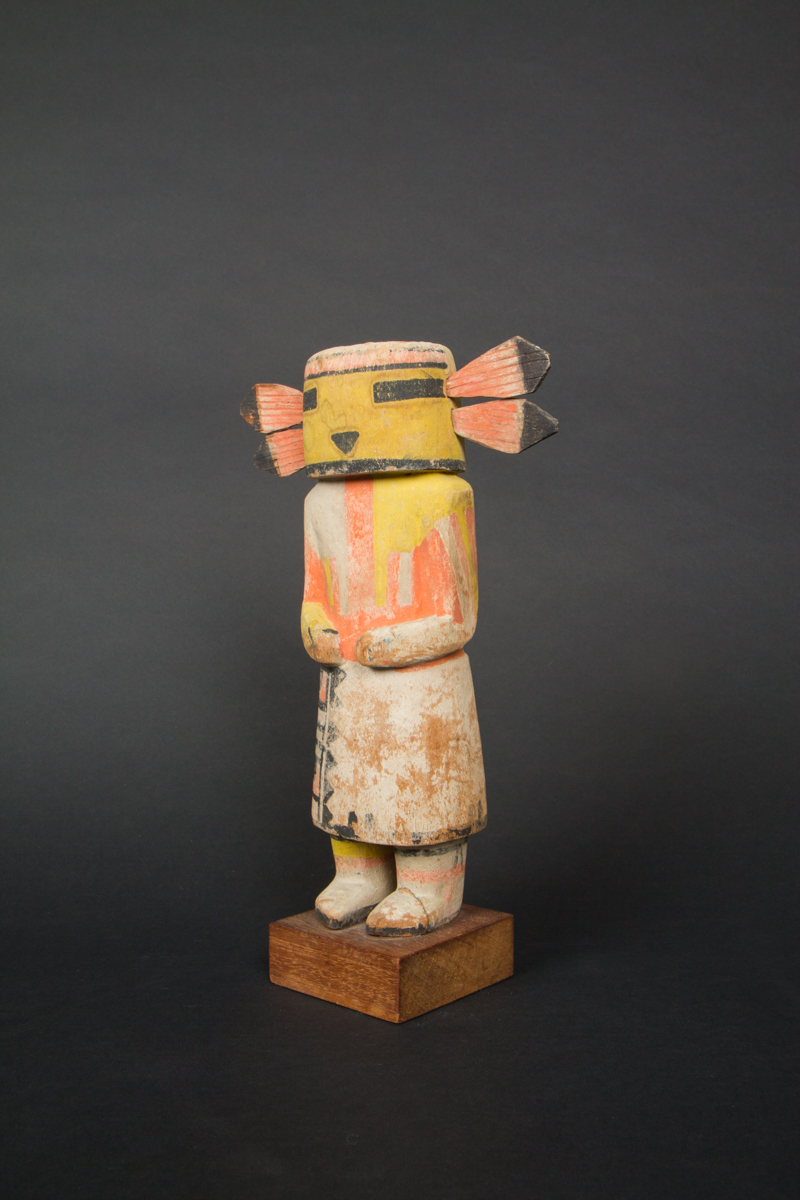
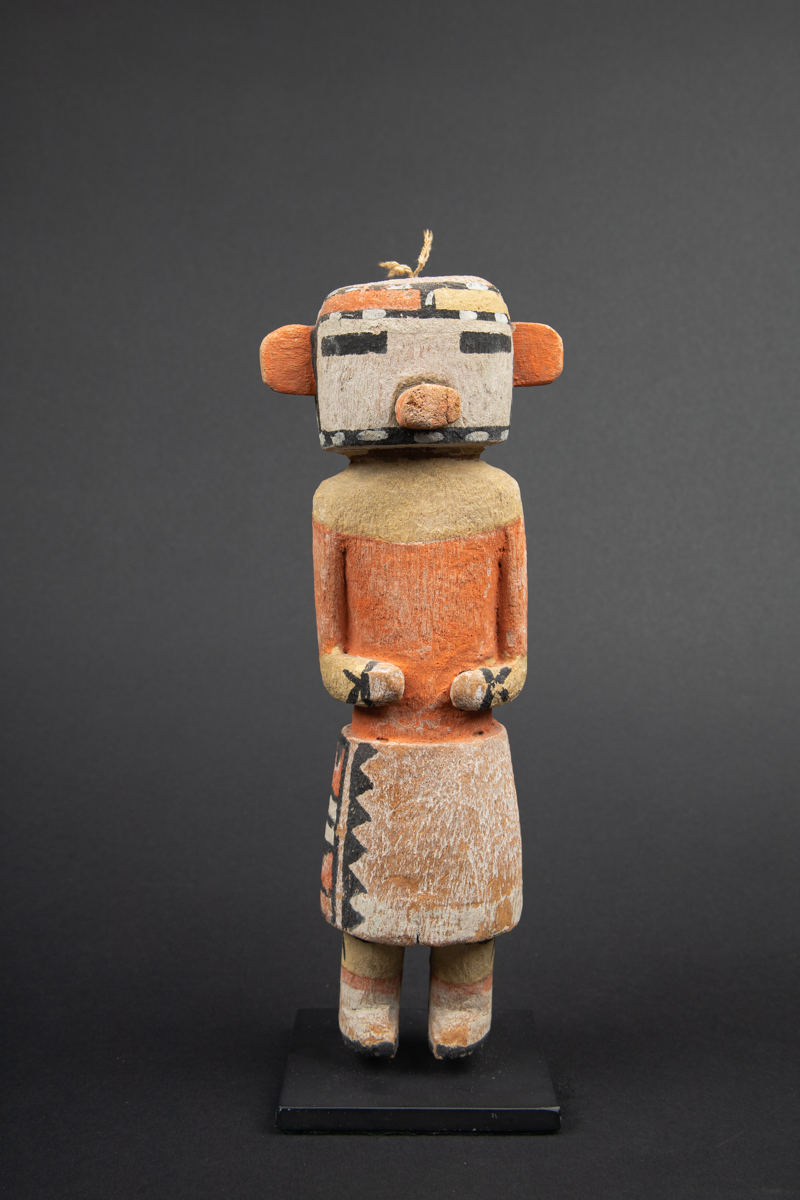
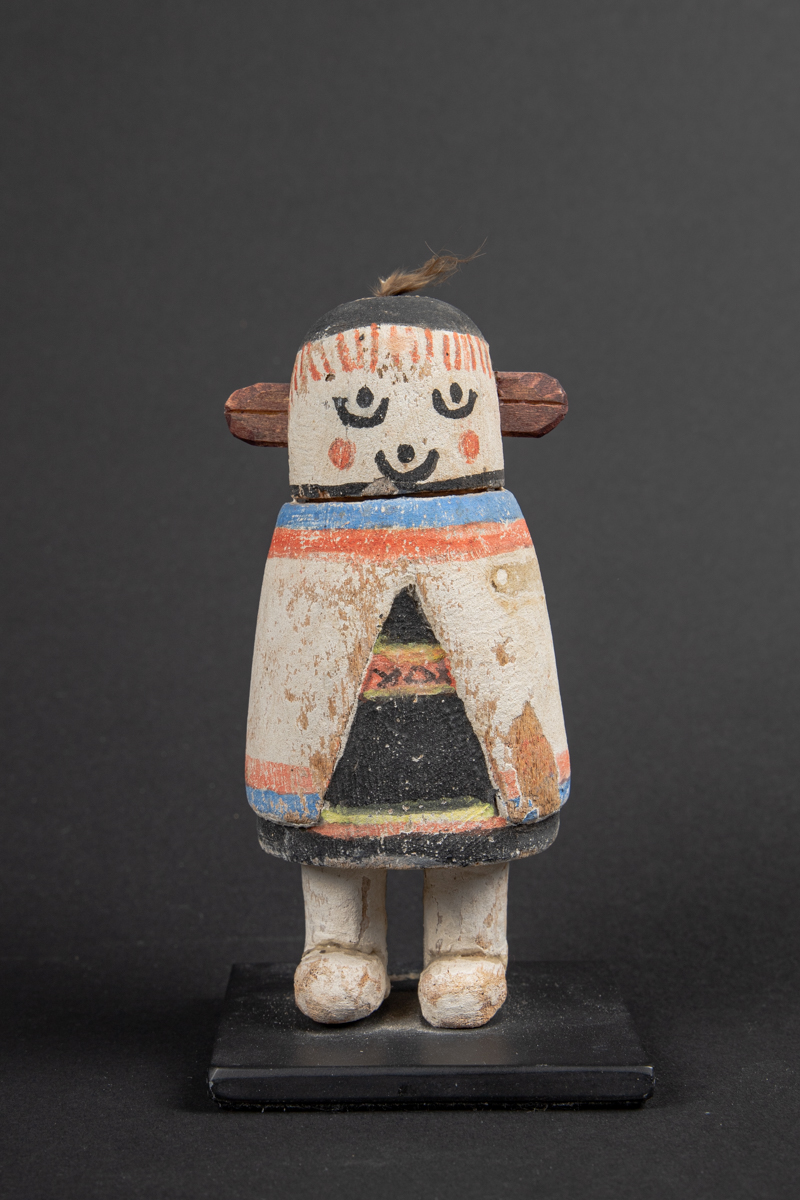
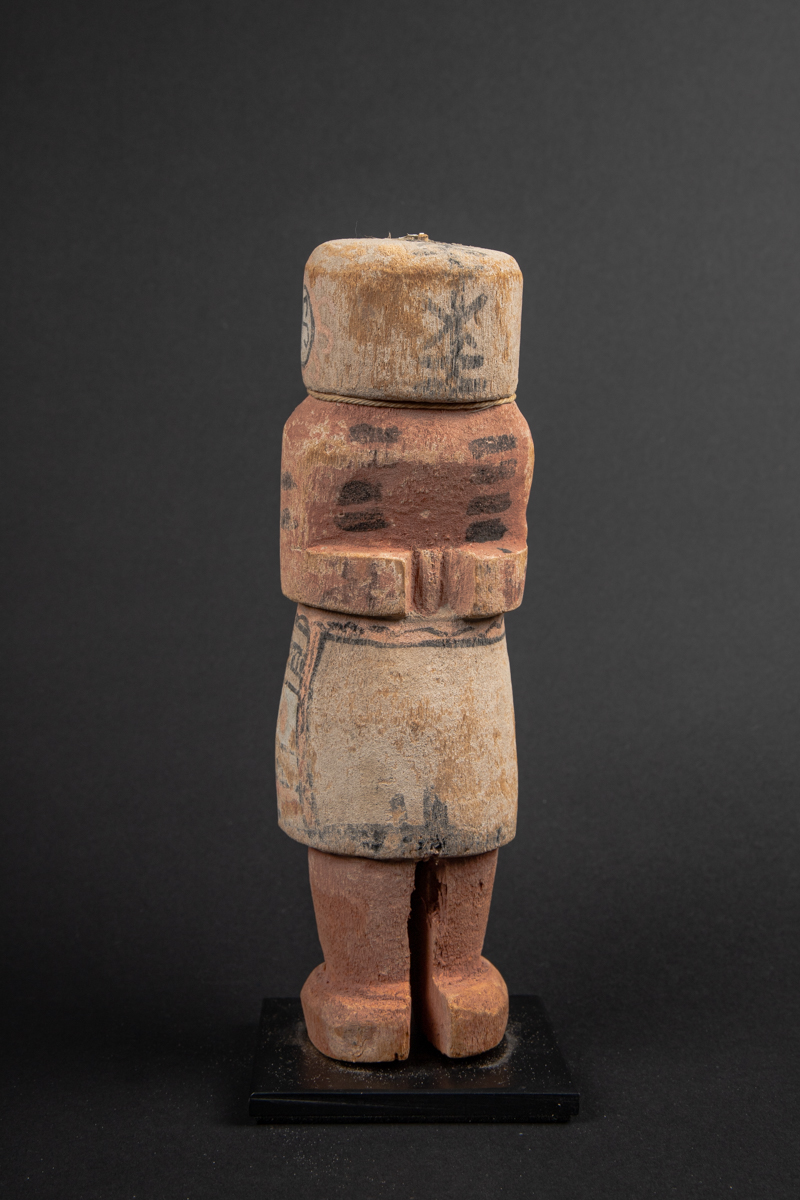
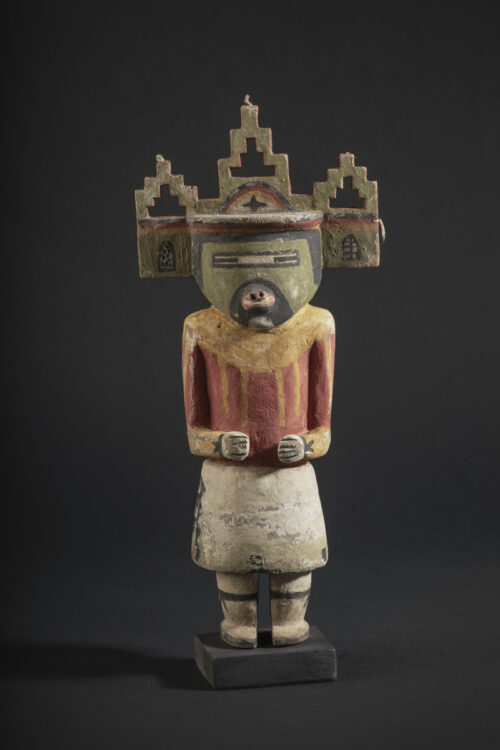
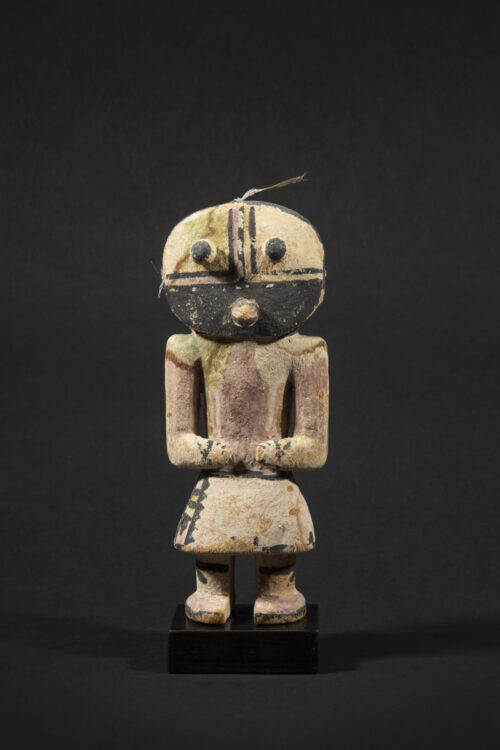
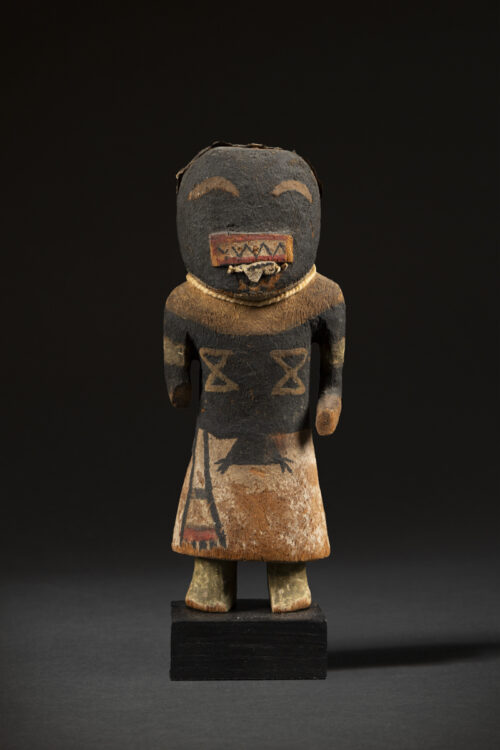
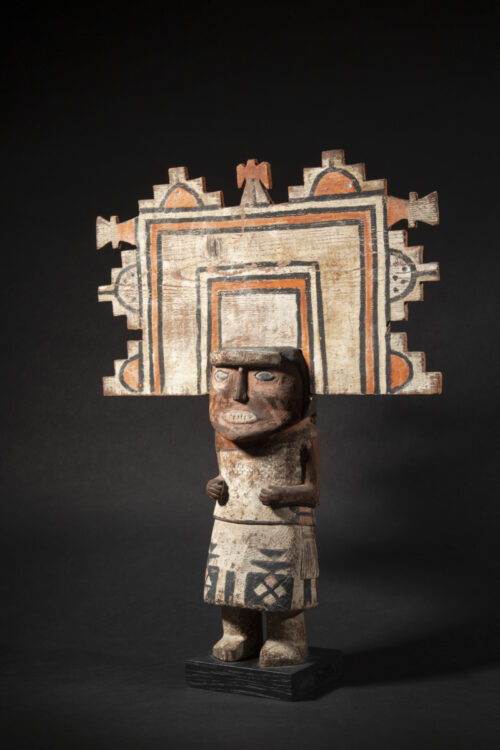
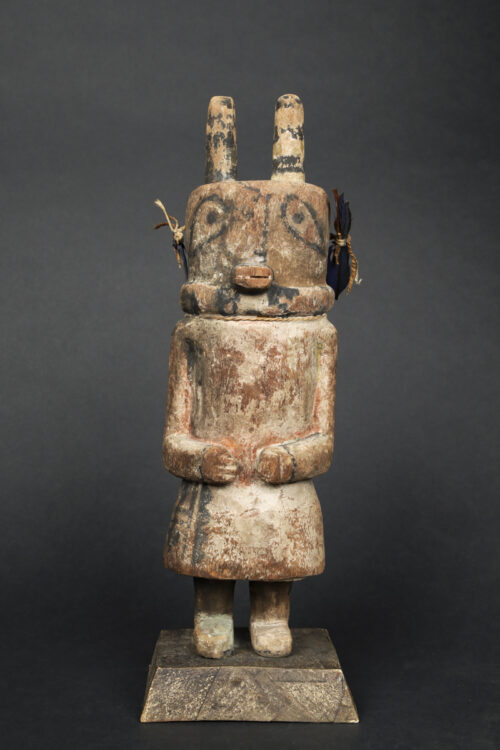
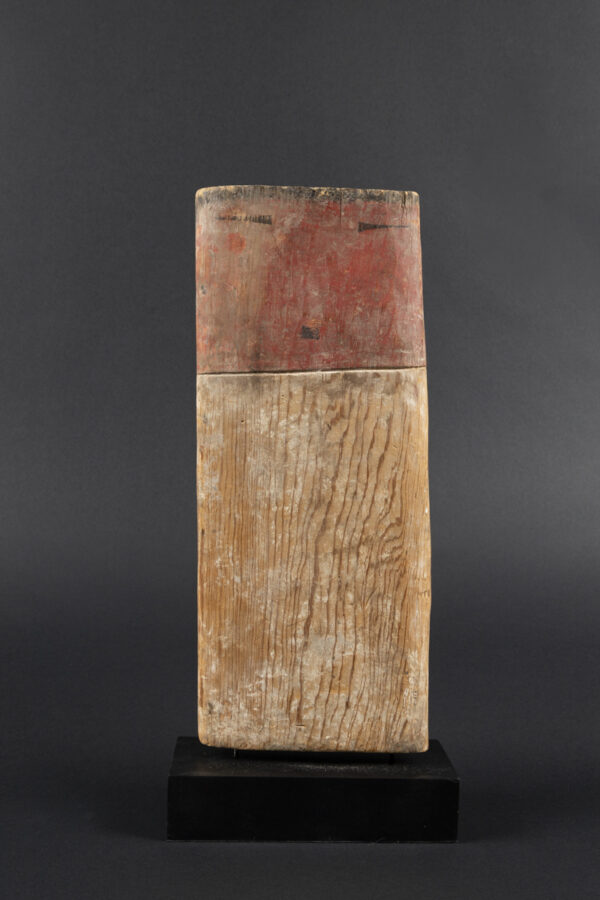
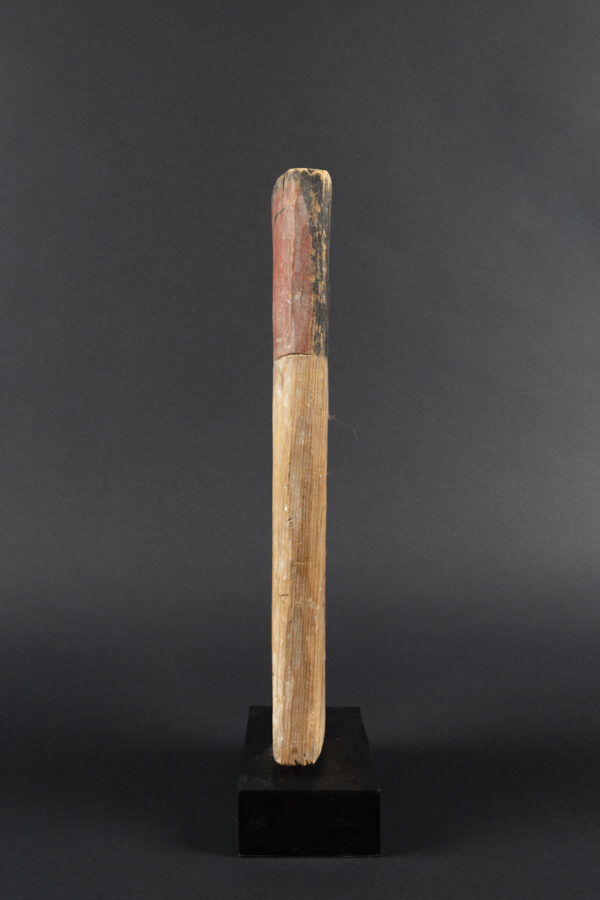
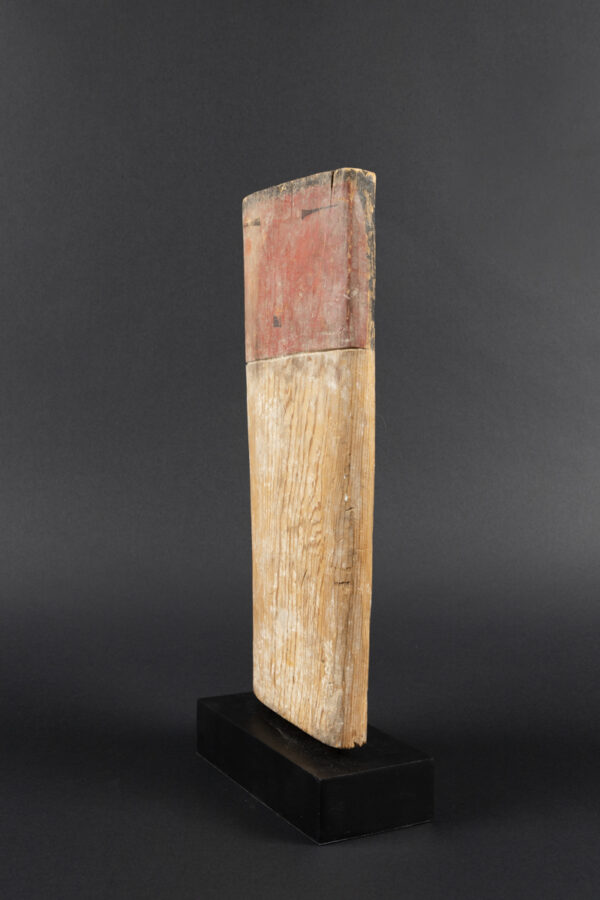
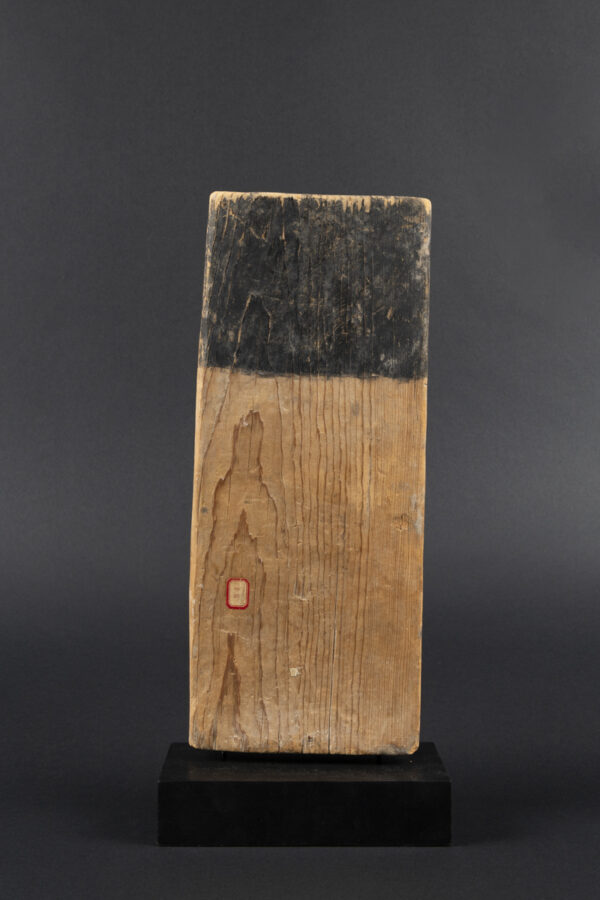
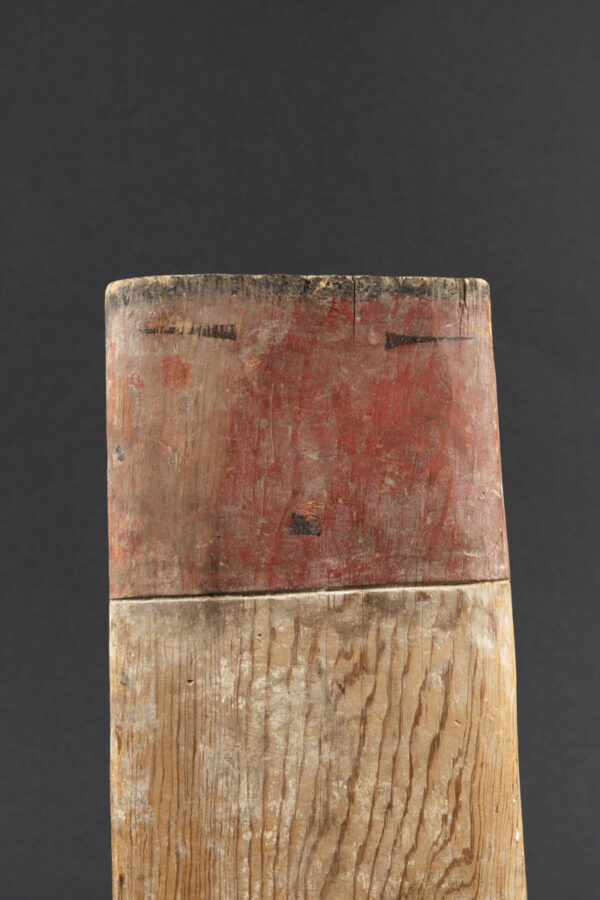
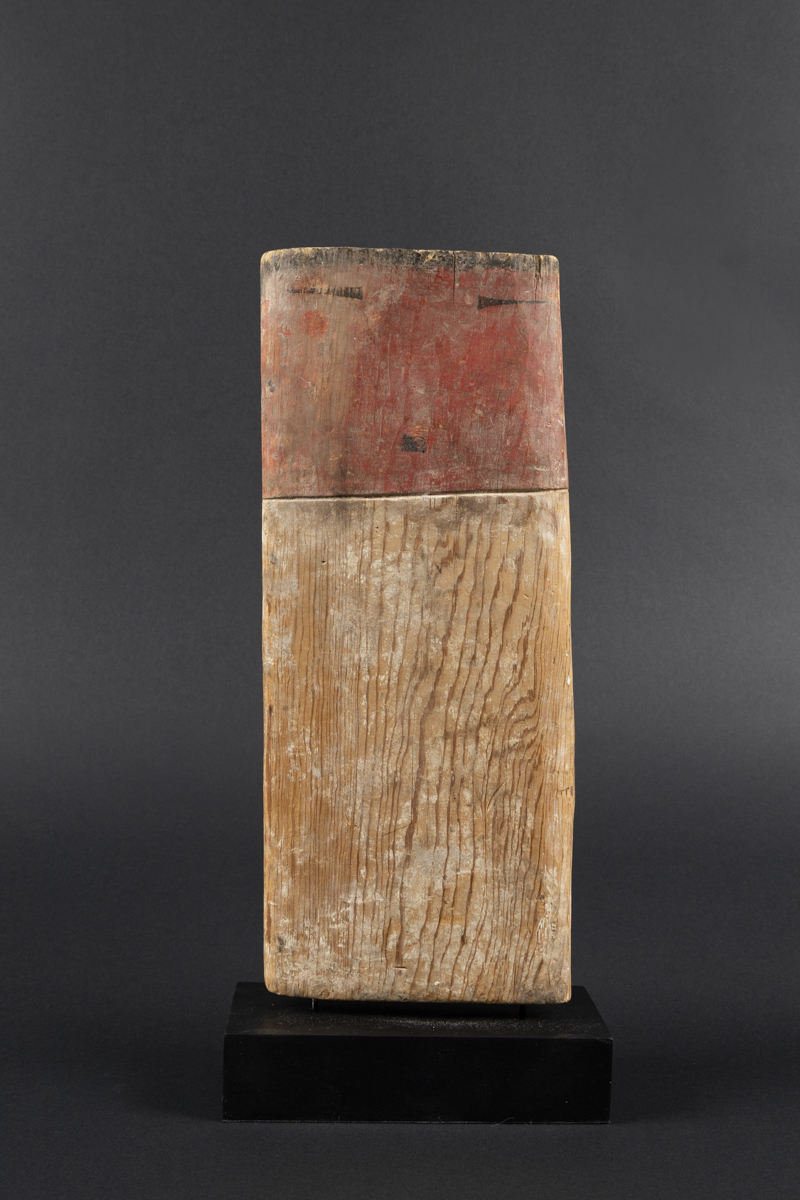
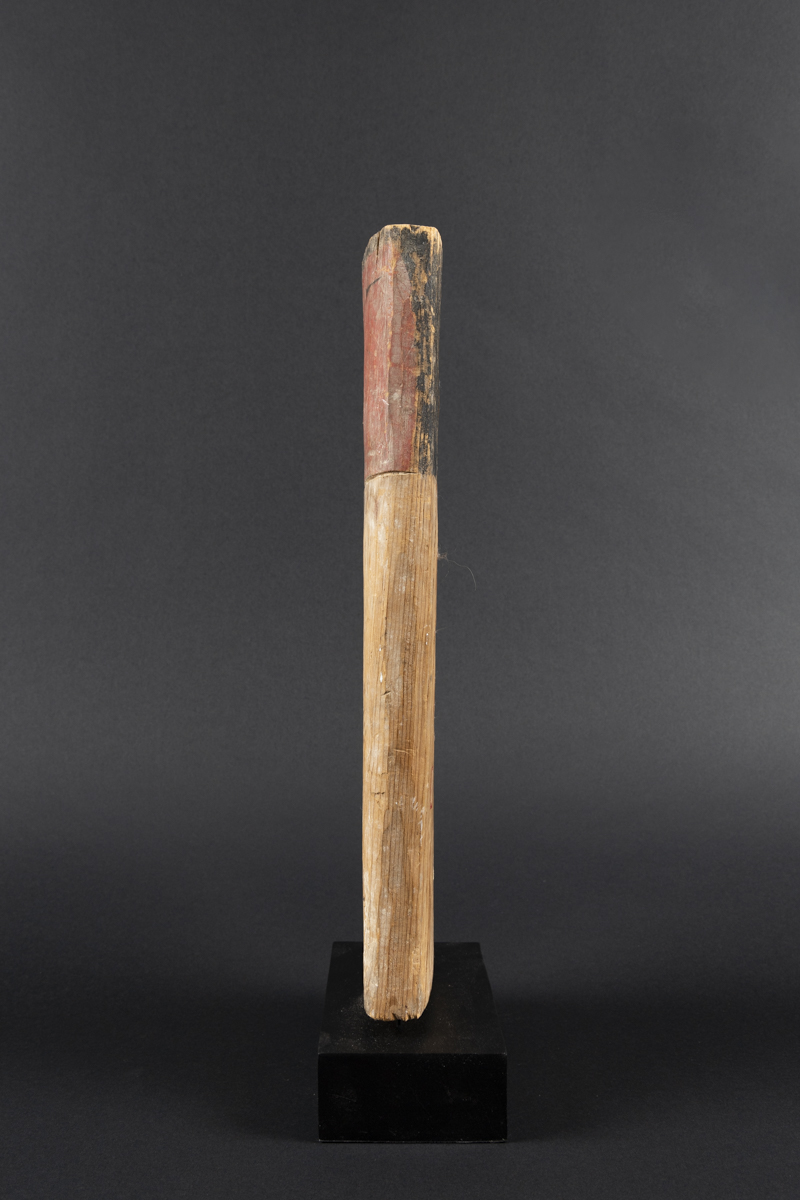
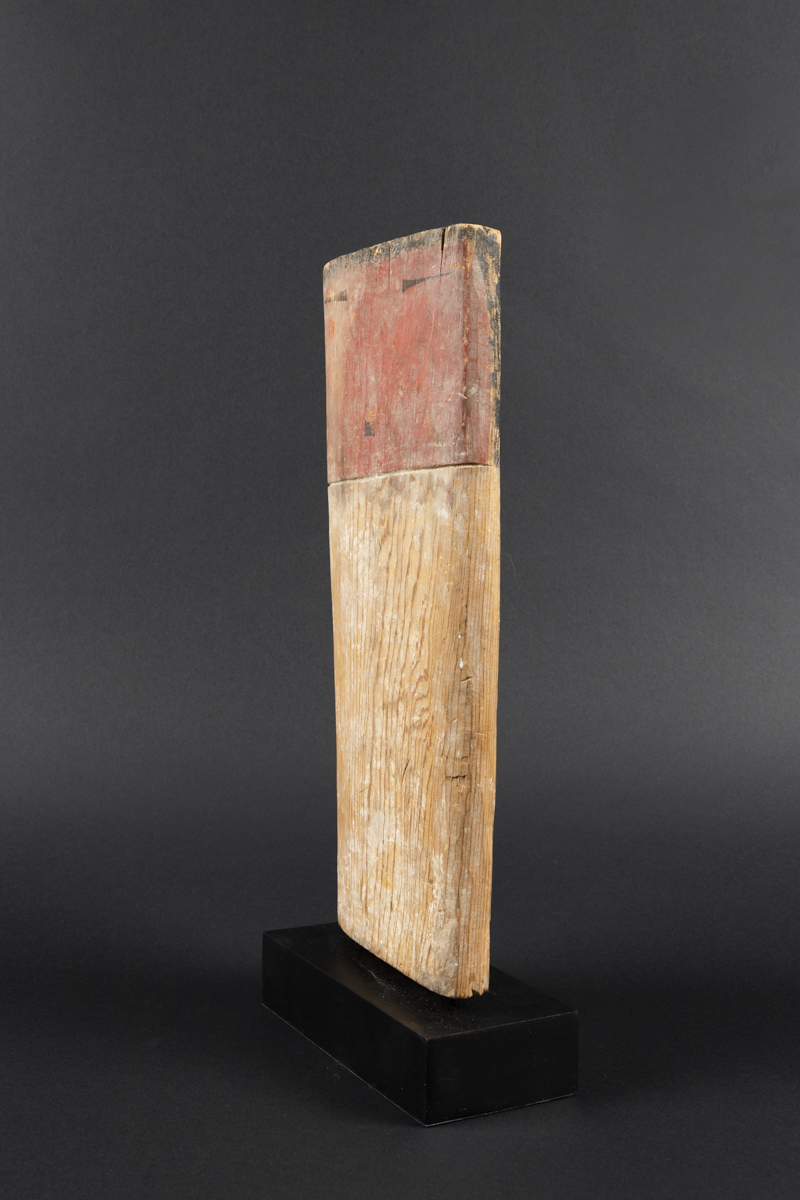
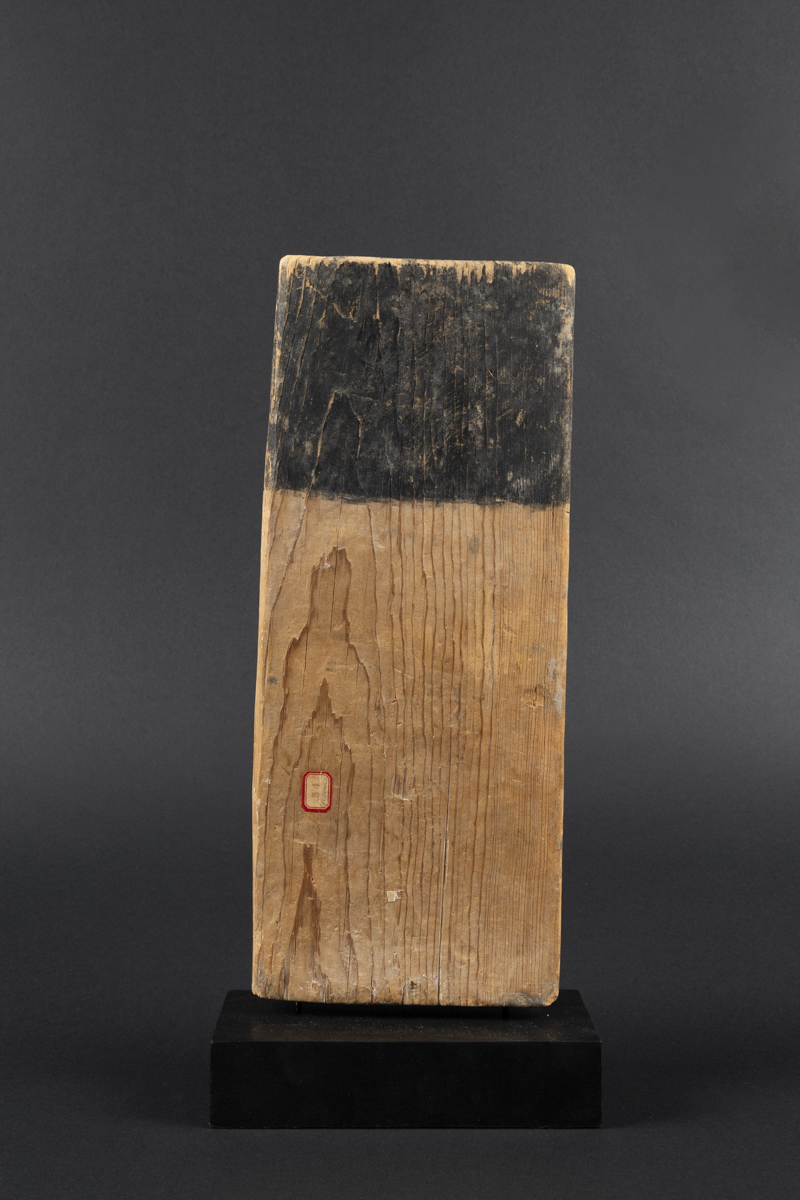
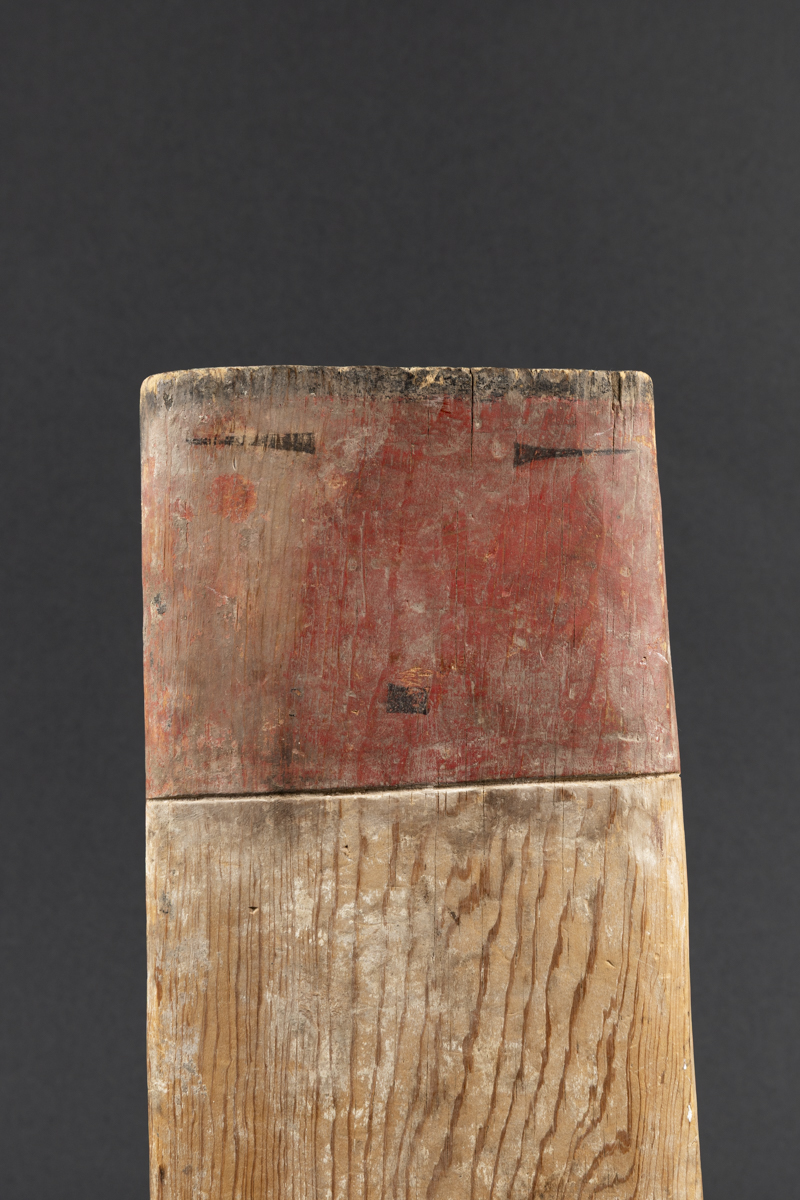
Standing 13 ½ inches tall, this sculpture stands out for its superlative scale, its purity of form, and its magnetic presence. Stripped down to its most essential expression, it verges on abstraction: a notch for the neckline, partially faded black marks for the eyes and mouth, a flat wash of red pigment on the face, a body painted white — and that says it all.
This sculpture is of Acoma or Laguna origin, two neighboring Pueblo cultures from the American Southwest, whose presence west of the Rio Grande has been documented for over a millennium. Around 1300, the village of Acoma is believed to have welcomed large populations migrating from Colorado. Despite the Spanish conquest and subsequent colonial rule beginning in the 16th century, Acoma culture managed to preserve its identity and distinctive traditions.
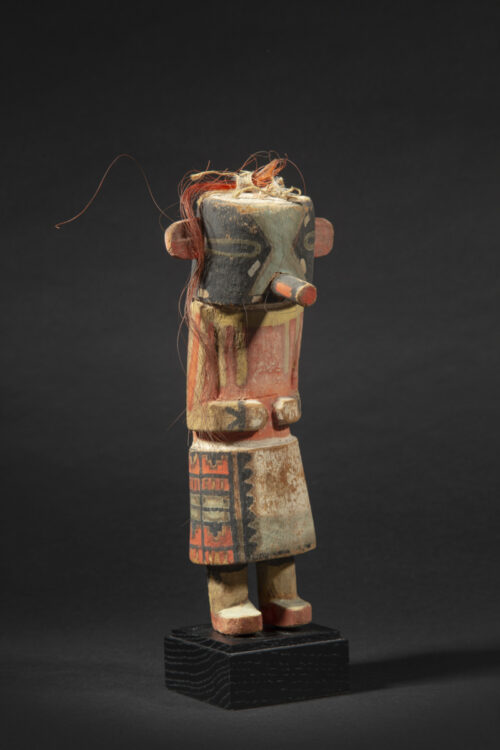
Their society is organized around matriarchal clans. Among the ceremonial cycles that mark the year are initiation rituals for young boys and girls, held in the month of July. As among the Hopi, Kachina figures (Katsinam) such as the one presented here are given to children and adolescents as objects of transmission and memory, reminding them of the spirits and deities they witnessed dancing during the masked ceremonies.
This sculpture is of Acoma or Laguna origin, two neighboring Pueblo cultures from the American Southwest, whose presence west of the Rio Grande has been documented for over a millennium. Around 1300, the village of Acoma is believed to have welcomed large populations migrating from Colorado. Despite the Spanish conquest and subsequent colonial rule beginning in the 16th century, Acoma culture managed to preserve its identity and distinctive traditions.
Their society is organized around matriarchal clans. Among the ceremonial cycles that mark the year are initiation rituals for young boys and girls, held in the month of July. As among the Hopi, Kachina figures (Katsinam) such as the one presented here are given to children and adolescents as objects of transmission and memory, reminding them of the spirits and deities they witnessed dancing during the masked ceremonies.
Explore the entire collection